
Retirement, for Dorothy and me, has been a pretty significant life transition. I retired first in 2021, and almost immediately, I saw it as a chance for new opportunities – for personal growth, for staying engaged, and for finally pursuing those interests we’d put off.
I knew I wanted to be somewhere warm, and I was looking for an environment that would support an active and fulfilling lifestyle. That’s where active adult communities came in.
They’re specifically designed for folks like us, providing vibrant settings for independent living and social connection among peers. Understanding what these communities offer was the first step in my two-year research project to determine if this housing option aligned with our vision for retirement.

What Are Active Adult Communities?
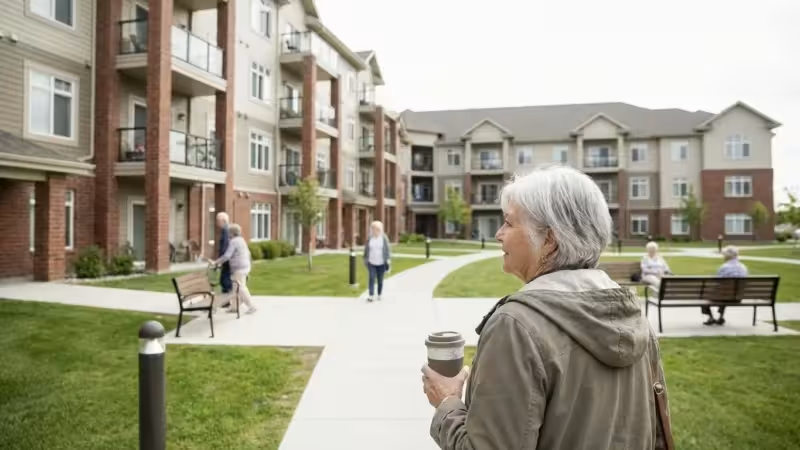
Active adult communities, which most folks call 55+ communities, are essentially residential developments designed for individuals aged 55 and older. When I was doing my research for Dorothy and me, I quickly learned their focus is on providing a low-maintenance, socially rich, and activity-driven environment.
Crucially, these aren’t assisted living or nursing homes; they don’t offer personal care services or medical support. They’re all about independent living within a vibrant community setting.
The core concept, as I outlined in my comparison matrix, revolves around fostering a retirement lifestyle where residents can engage in various activities, build new friendships, and enjoy their independence without the burdens of extensive home maintenance.
You’ll find these communities appeal to individuals who are healthy, mobile, and eager to participate in community life. They represent a significant segment of senior housing options for those, like Dorothy and me, prioritizing an active retirement. It was this independent, active aspect that really appealed to me when I started looking for our next chapter.

The Benefits of an Active Retirement Lifestyle
Choosing an active adult community offers numerous advantages that contribute to a higher quality of life in retirement. I can tell you from my own experience here in Hawthorn Ridge, an engaged lifestyle supports both physical and mental well-being, enhancing longevity and happiness. These communities are specifically designed to facilitate such a lifestyle.
Consider these key benefits:
- Enhanced Social Connection: You live among peers who share similar interests and life experiences, making it easy to form new friendships and participate in group activities. Dorothy, who used to be so hesitant about moving, has made three genuine friends here she calls her “Florida family.” This combats loneliness and isolation, common concerns in later life.
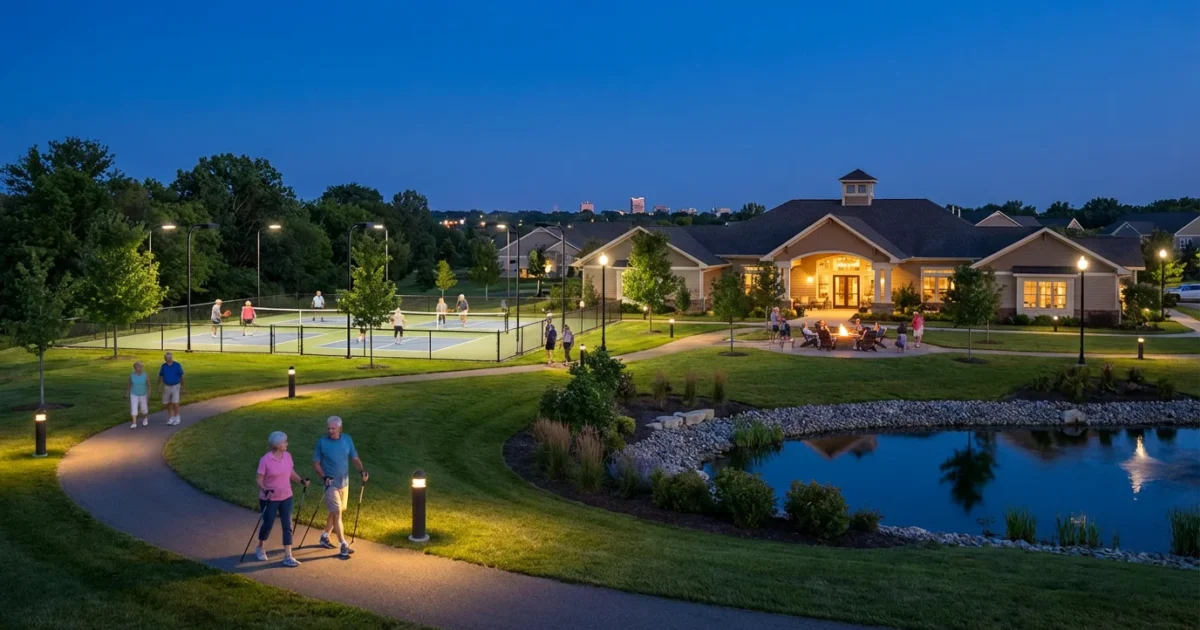
- Access to Amenities: Most communities feature extensive amenities that promote physical activity, hobbies, and social gatherings. This often includes fitness centers, swimming pools, clubhouses, and craft rooms. I play pickleball four mornings a week on our community courts, which keeps me plenty active.
- Reduced Home Maintenance: Many active adult communities offer housing options that minimize maintenance responsibilities. You spend less time on yard work or exterior repairs, freeing up time for leisure and personal pursuits. After 44 years in our 2,400 sq ft colonial on Elmwood Drive, where I spent countless hours on yard work, this was a huge selling point for me.
- Safety and Security: Many communities are gated or have enhanced security measures, providing residents with peace of mind. You feel safer and more secure in your environment.
- Convenience: Proximity to shopping, dining, and healthcare services often characterizes these developments. This accessibility simplifies daily errands and appointments.
Research consistently shows that staying socially and physically active contributes significantly to overall health and cognitive function as you age. An active adult community proactively creates an environment where these elements flourish.
Types of Housing in Active Adult Communities
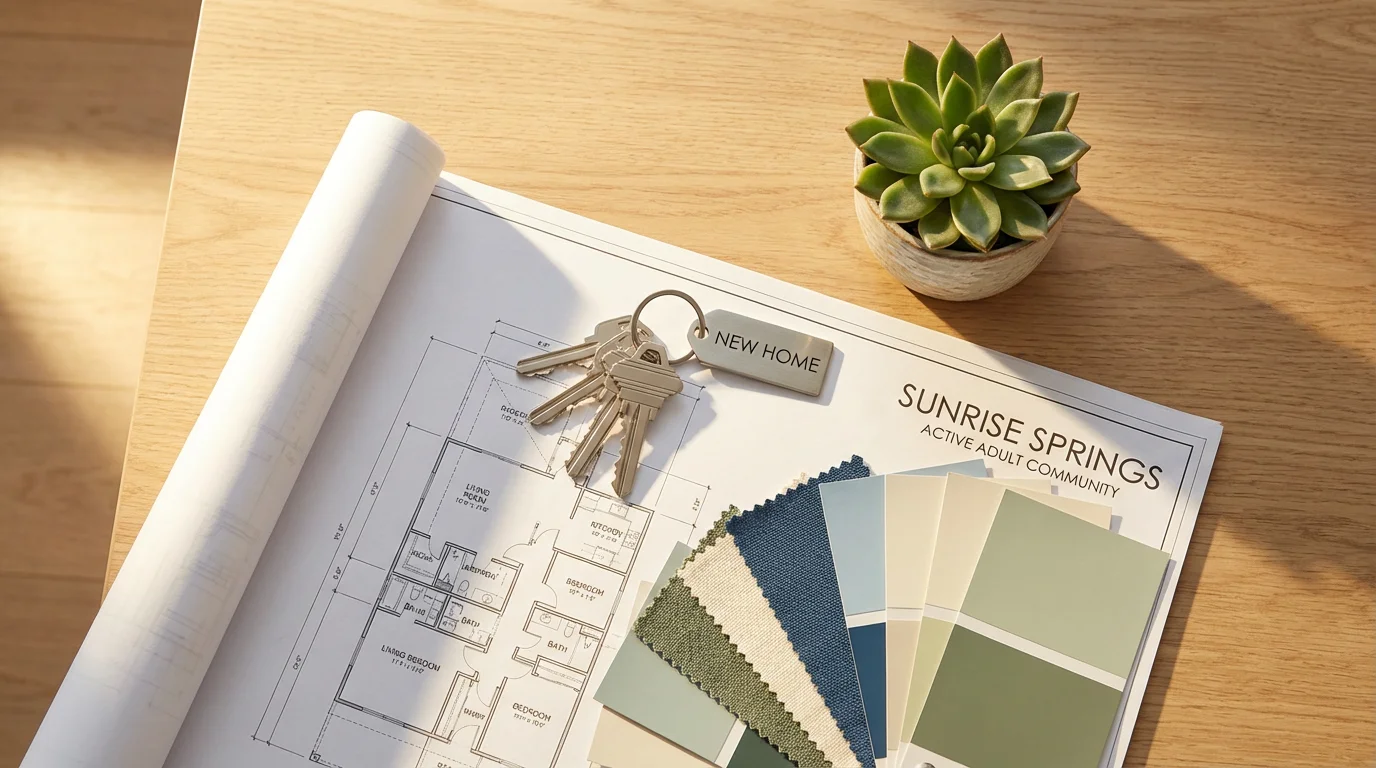
Active adult communities offer a diverse range of housing styles, catering to different preferences and budgets. You can find options that provide the independence of homeownership with the benefits of community living.
The specific housing type influences your privacy, maintenance responsibilities, and overall cost. When I was building my comparison matrix, I made sure to include housing type as one of the 14 variables, because it significantly impacts long-term satisfaction.
Common housing types include:
- Single-Family Homes: These often feature smaller lots and require less exterior maintenance than traditional homes. They offer maximum privacy and space for personal customization.
- Townhouses and Villas: These attached or semi-attached homes typically share walls with neighbors. They often come with homeowners association (HOA) fees that cover exterior maintenance and landscaping, further reducing your upkeep responsibilities.
- Condominiums: Condos provide private living spaces within a larger building or complex. You own the interior of your unit, and an HOA manages common areas, building maintenance, and often amenities.
- Apartments: Some active adult communities offer rental apartments, providing flexibility for those who prefer not to own property. These typically include access to all community amenities.
If you are considering staying in your current residence instead, you might look into age-in-place remodeling to ensure your home remains safe as you age.
Each housing type offers unique advantages. When exploring, consider your preference for privacy, your willingness to handle minor home repairs, and your budget for purchase or rent and ongoing fees.
For us, moving from our large colonial meant a significant adjustment, and we ultimately chose a smaller, low-maintenance villa, which has worked out perfectly.

Amenities and Activities That Define the Active Community Benefits
The richness of an active adult community often lies in its extensive array of amenities and activities. These features are central to the vibrant retirement lifestyle promoted by these communities.
They provide opportunities for physical fitness, creative expression, intellectual stimulation, and social interaction. When I was doing my research, I made sure to list out all the amenities at each community, scoring them based on what Dorothy and I would actually use.
Typical amenities you might find:
- Fitness Centers and Wellness Programs: State-of-the-art gyms, group exercise classes (yoga, Zumba, water aerobics), and personal training options support physical health.
- Swimming Pools: Indoor and outdoor pools are common, providing recreational and therapeutic benefits.
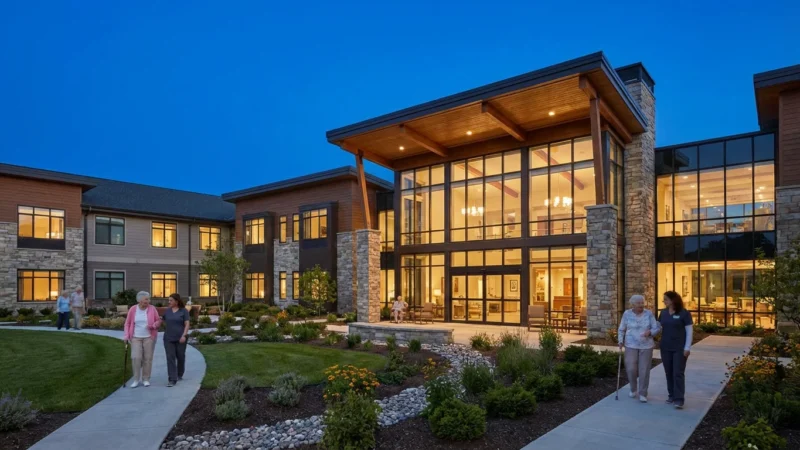
- Clubhouses and Social Hubs: These central buildings often host community events, parties, and casual gatherings. They serve as the heart of the community’s social life.
- Sports Facilities: Many communities include golf courses, tennis courts, pickleball courts, and bocce ball courts. As I mentioned, our pickleball courts get a lot of use from me.
- Hobby and Craft Rooms: Spaces dedicated to arts and crafts, woodworking, pottery, or quilting encourage creative pursuits. Dorothy, for instance, has recently taken up watercolor painting in one of our community’s art rooms, and while she’s not good at it, she really enjoys it.
- Walking and Biking Trails: Paved paths and natural trails offer opportunities for outdoor exercise and enjoying nature.
- Libraries and Computer Labs: Resources for reading, research, and staying connected digitally.
- On-site Dining Options: Some larger communities offer casual cafes or restaurants for residents.
Beyond physical facilities, these communities thrive on organized activities and clubs. These could include book clubs, garden clubs, bridge groups, dance classes, continuing education courses, and planned excursions.
An active adult community thrives when residents actively participate, making the most of the resources available. I volunteer at a local food bank on Thursdays, which was something I specifically looked for in a community. It’s a great way to stay connected and give back.

Understanding the Costs of Active Adult Living
Evaluating the financial aspects of an active adult community requires a comprehensive understanding of all potential expenses. While these communities often offer a cost-effective alternative to traditional homeownership, various fees and charges contribute to the overall living expense.
Costs vary widely based on location, community size, amenities, and housing type. When I was managing our finances, Dorothy would say I did it with “a level of detail that belongs in a NASA mission,” and that certainly applied to our retirement budget.
Properly budgeting for community living is crucial for maintaining your long-term financial health and ensuring you can enjoy all available amenities.
Consider the following cost components:
- Purchase Price or Rent: This is your primary cost for the housing unit itself. Prices can range from $150,000 for a smaller condo to over $1 million for a luxury single-family home. Rental apartments might range from $1,500 to $4,000 per month, depending on location and amenities.
- Homeowners Association (HOA) Fees: Nearly all active adult communities charge monthly HOA fees. These fees cover the maintenance of common areas, landscaping, amenities, and sometimes exterior home maintenance. HOA fees can range from $200 to $800 per month or more, especially in communities with extensive golf courses or elaborate clubhouses. I factored our HOA fees into a spreadsheet for every community we considered.
- Property Taxes and Insurance: If you own your home, you will pay property taxes to your local municipality and homeowner’s insurance. These costs are similar to traditional homeownership.
- Utilities: You are typically responsible for your own utility bills, including electricity, water, gas, internet, and cable.
- Optional Services: Some communities offer additional services for a fee, such as meal plans, housekeeping, or transportation. These are usually elective and add to your monthly expenses only if you choose them.
It is also essential to research your financing options and strategies early to ensure your preferred community fits within your long-term budget. When comparing costs, factor in what you currently spend on home maintenance, gym memberships, and social activities.
An active adult community might consolidate these expenses into a predictable monthly figure, potentially saving you money or offering greater value for your dollar. Always ask for a detailed breakdown of all fees and what they cover. I certainly did.

Where Can I Find Active Communities?
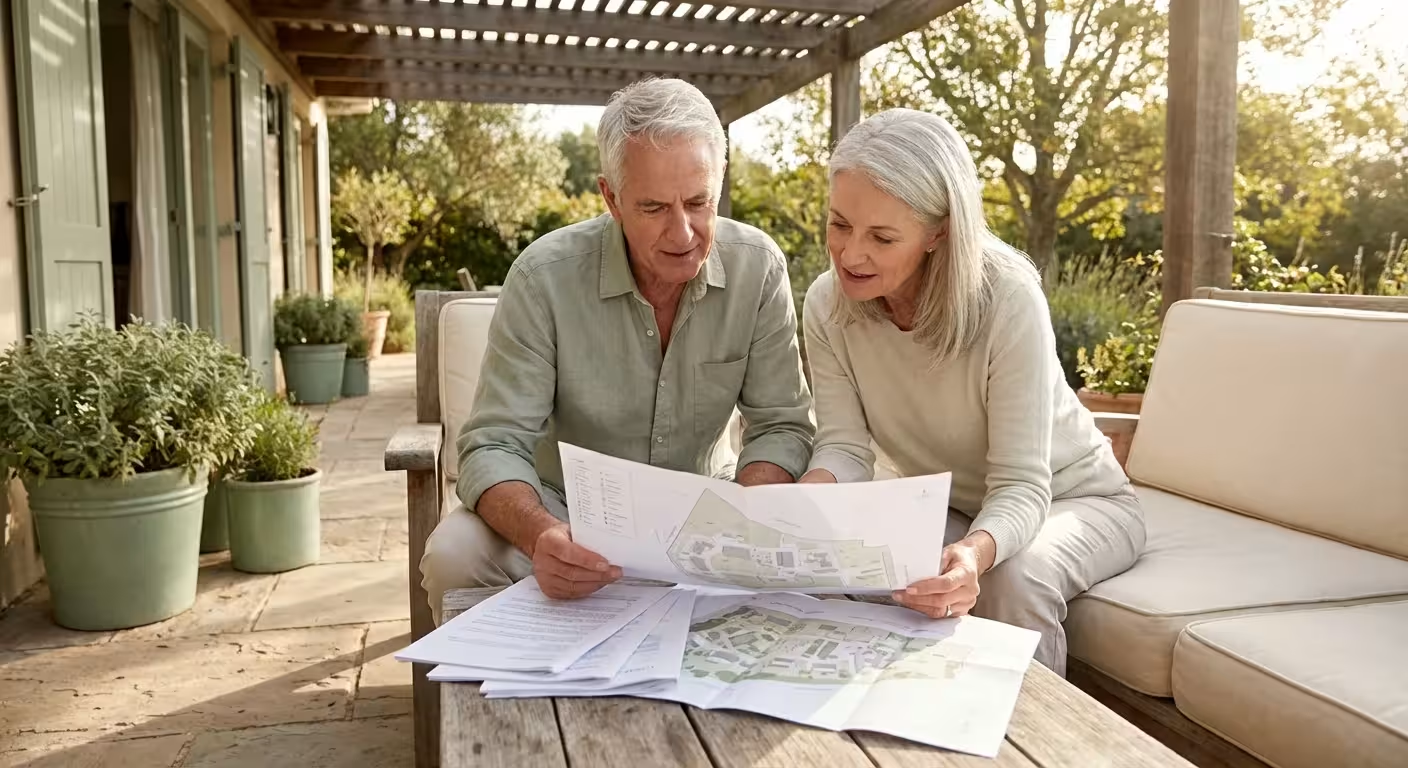
Locating the right active adult community requires thorough research and exploring various resources. I spent two full years on this, so I can tell you there are multiple avenues to explore, both online and offline, to find communities that match your preferences and needs.
The search process benefits from a systematic approach, which, as a civil engineer, is how I operate.
Broadening your search geographically can help in choosing a retirement destination that offers the specific climate and local culture you desire. For me, “somewhere warm” was a non-negotiable variable in my search.
Effective strategies for finding communities include:
- Online Directories and Websites: Many specialized websites list 55+ communities by state, city, and even specific features. Websites like A Place for Mom or other senior living directories offer extensive listings and search filters. This is where I started, building my initial list.
- Local Real Estate Agents: Real estate agents specializing in senior living or 55+ communities possess in-depth knowledge of local options. They can guide you through the market and arrange tours.
- Community Websites: Most active adult communities maintain their own websites, offering detailed information on housing, amenities, floor plans, and lifestyle.
- Senior Living Expos and Fairs: Attend local events where representatives from various communities showcase their offerings. This provides an opportunity to gather information and ask questions in person.
- Referrals: Talk to friends, family members, or acquaintances who live in or have experience with active adult communities. Their personal insights can be invaluable.
- Professional Advisors: Eldercare Locator can connect you with local resources and area agencies on aging, which may provide information on housing options.
Begin your search by defining your desired location, budget, and a list of essential amenities. This focus helps narrow down the vast number of available options. It’s how I narrowed our choices down to Hawthorn Ridge in Sarasota, Florida.
Choosing the Right Active Adult Community for You
Selecting an active adult community is a significant decision that impacts your retirement lifestyle. A careful evaluation process ensures you choose a community that truly fits your needs, preferences, and long-term goals. I used my comparison matrix with 14 variables to objectively weigh each option, because this isn’t a decision you want to rush.
Prioritizing your personal hobbies and social goals will help in finding your niche within a new social circle. For Dorothy and me, that meant finding a place where I could play pickleball and volunteer, and where she could find new friends and pursue her baking and painting.
Key considerations for your decision:
- Location: Think about proximity to family, friends, healthcare providers, shopping, and cultural attractions. Do you prefer urban, suburban, or rural settings? This was a big one for us, moving from Columbus, Ohio, to Sarasota, Florida. We wanted to be close enough for the grandkids to visit easily.
- Budget: Ensure the total costs, including purchase price or rent, HOA fees, taxes, and utilities, align with your financial plan. Understand any potential future fee increases.
- Amenities and Activities: Evaluate if the available amenities and social calendar genuinely interest you. Do they support your desired level of physical activity, hobbies, and social engagement?
- Community Culture: Spend time in the community if possible. Observe the residents and participate in an activity. Does the atmosphere feel welcoming, friendly, and aligned with your personality? Dorothy is the one who talks to strangers at the pool, so a welcoming atmosphere was important to her.
- Housing Style: Choose a housing type that offers the right amount of space, privacy, and low-maintenance features for your comfort.
- Future Needs: While active adult communities do not provide care, consider your long-term plans. Are there other senior living options nearby if your needs change in the future? Some communities are part of larger developments that include independent living or assisted living.
Making a confident decision involves more than reviewing brochures. It requires experiencing the community firsthand and asking insightful questions. I can tell you from experience, the more data points you have, the better your decision will be.
The best senior living community is one where you can see yourself thriving, not just living.
Touring Active Adult Communities: What to Look For and Ask
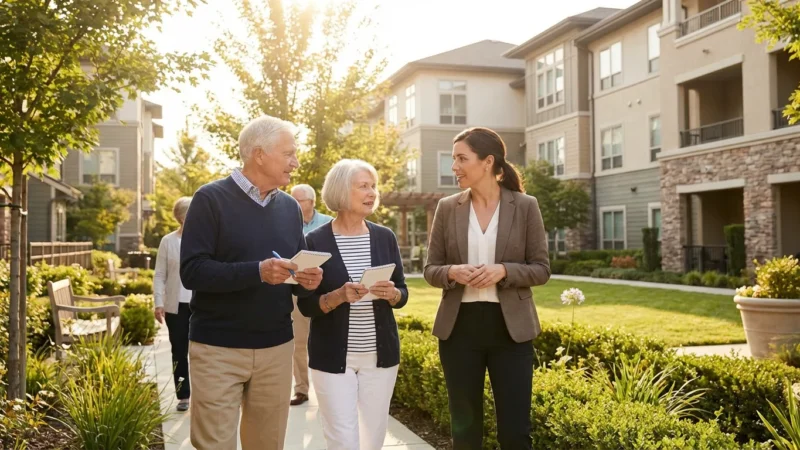
When you tour active adult communities, prepare to observe carefully and ask probing questions. This hands-on investigation provides crucial insights beyond what you read online or in brochures.
Your goal is to gather enough information to make an informed and confident decision. Dorothy had her feelings about the move, and while those were important, I had my spreadsheets and my list of questions.
Before you visit, it is helpful to prepare a specific list of questions to ask when touring to help you evaluate each location’s atmosphere and services effectively.
Use this checklist during your visits:
- Observe Resident Engagement: Do you see residents actively participating in programs and interacting with each other? Does the community feel lively and friendly? Dorothy was always looking for people to chat with by the pool.
- Inspect Amenities: Are the facilities clean, well-maintained, and easily accessible? Ask about usage rates for popular amenities. I wanted to know how often those pickleball courts were actually available.
- Ask About Social Calendar: Request a sample activity calendar for the past few months. Does it offer a variety of options that align with your interests?
- Inquire About HOA and Fees: Get a detailed breakdown of all HOA fees, what they cover, and how often they increase. Ask about any special assessments in recent years. This was a critical variable in my comparison matrix.
- Understand Maintenance Responsibilities: Clarify exactly what maintenance is covered by the HOA and what remains your responsibility, both for your home and the common areas.
- Review Financial Stability: Ask about the community’s financial health, reserve funds, and any upcoming major projects.
- Visitor Policies: Understand the rules for guests, including children and grandchildren. We wanted to make sure Lily and Noah could visit easily.
- Pet Policies: If you have a pet, ensure the community’s rules are compatible with your needs.
- Rules and Regulations: Request a copy of the community’s bylaws or rules and regulations. Review them carefully to ensure they align with your lifestyle.
- Safety and Security: Inquire about security measures, emergency response systems, and how the community handles unexpected events.
Do not hesitate to ask for contact information for a few current residents. Speaking with them directly can offer an authentic perspective on daily life within the community. It’s like getting real-world data to back up your spreadsheets.
Frequently Asked Questions
Disclaimer: This article is for informational purposes only and does not constitute medical, legal, or financial advice. Senior housing costs, services, and availability vary significantly by location and provider. We strongly encourage readers to tour multiple communities, review contracts carefully with legal counsel, and consult with eldercare specialists, financial advisors, and healthcare providers before making housing decisions.






Leave a Reply