
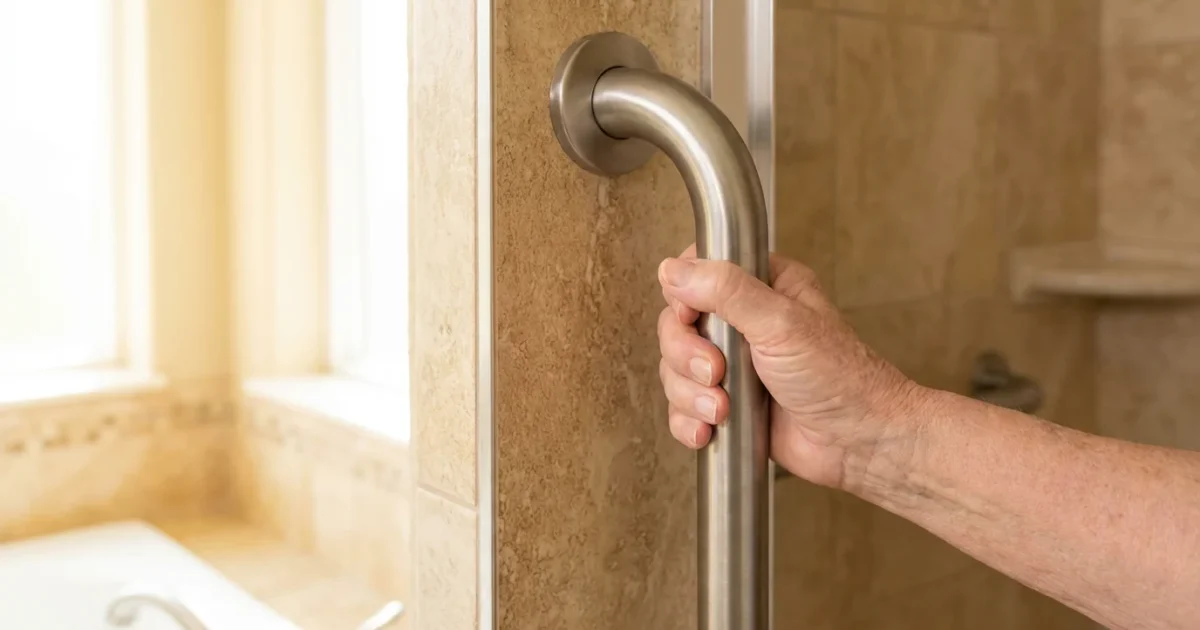
As an engineer, I’ve always believed in planning ahead, whether it was for a bridge project or our retirement. Planning for your future means ensuring your home supports your changing needs.
Age-in-place remodeling allows you to live safely, comfortably, and independently in your familiar environment for years to come. This proactive approach involves making strategic modifications to your home, transforming it into a space that adapts with you.
Understanding the differences between community living and aging in place was certainly a big part of Dorothy’s and my two-year research project. It’s the first step in deciding which environment best supports your long-term goals.
A lot of folks, myself included at one point, express a strong desire to remain in their homes as they age. Data from AARP consistently shows that a vast majority prefer to stay put.
This preference highlights the importance of home modifications that enhance accessibility and reduce common household risks, creating a truly safe and supportive living space. We certainly considered it for our 2,400 sq ft colonial on Elmwood Drive in Columbus, Ohio, before we decided to downsize.
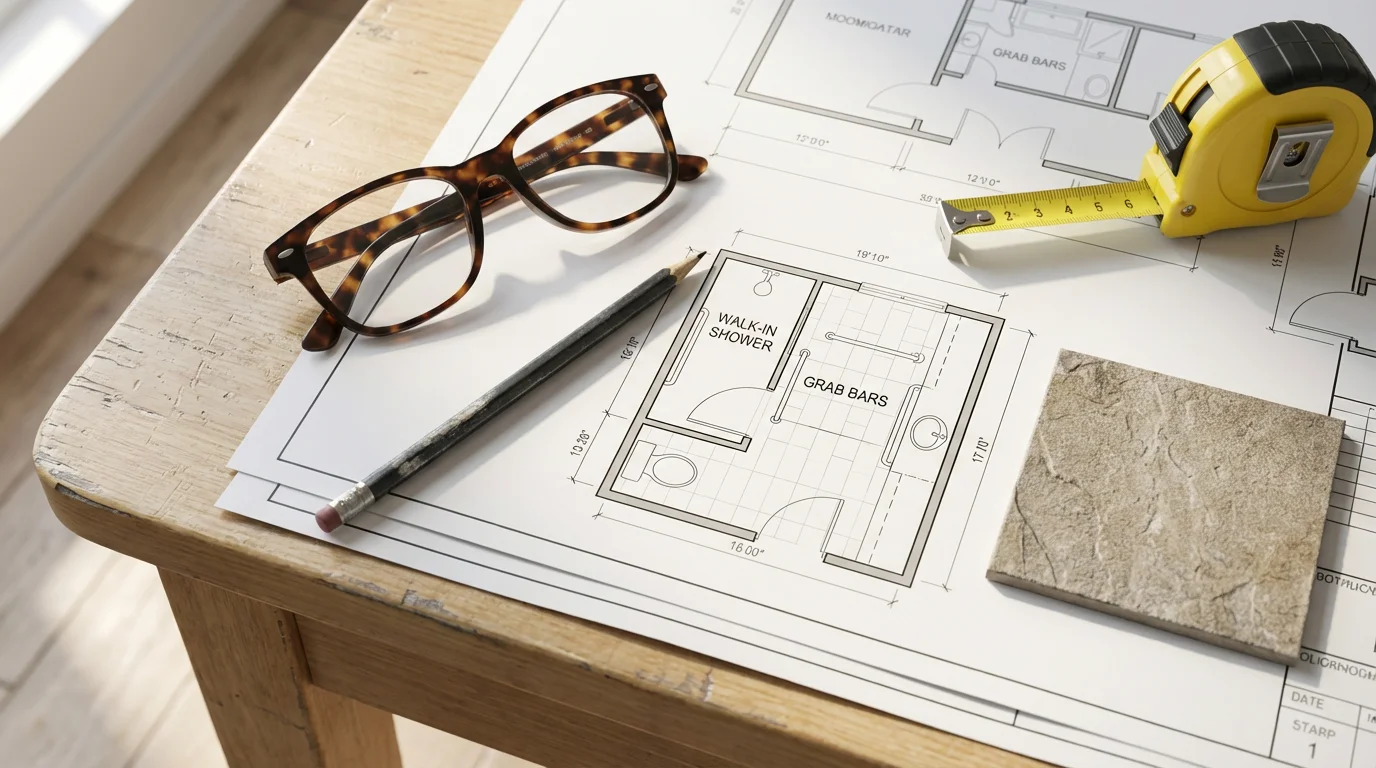
Understanding Age-in-Place Remodeling
Age-in-place remodeling refers to modifying your existing home to accommodate your long-term needs as you grow older. It focuses on accessibility, safety, and convenience, allowing you to maintain independence without sacrificing comfort or familiarity.
You proactively address potential barriers and hazards before they become critical issues. Before Dorothy and I decided on a 55+ community, I certainly ran the numbers on what it would take to make our 2,400 sq ft colonial on Elmwood Drive truly accessible for the long haul.
Exploring various housing options for seniors ensures you are making the best choice for your unique mobility and social needs.
For some, right-sizing your home might be a more practical solution than embarking on extensive structural renovations. That’s precisely what Dorothy and I found when we realized the sheer volume of “stuff we don’t need” in our Columbus house, as I once estimated, “approximately one metric ton.”
Before committing to significant home renovations, you might also consider whether active adult communities offer the lifestyle and safety features you desire without the need for construction. That’s the path we chose, and I’ve mostly stopped saying “I told you so” about it, even though I was right.
The core philosophy behind aging in place centers on preserving your autonomy. By adapting your home, you gain control over your living situation and reduce the likelihood of needing to move into a senior living community prematurely.
This approach ensures your home evolves with you, providing a secure foundation for your later years.
The best senior living community is one where you can see yourself thriving. Similarly, the best home for aging in place is one specifically tailored to your individual needs and preferences.
The benefits of age-in-place modifications extend beyond individual comfort. They include significant financial savings compared to the costs of long-term care facilities.
You also benefit from maintaining social connections, community ties, and the emotional comfort associated with your cherished home and memories. Dorothy had a lot of feelings about leaving our home on Elmwood Drive, but even she admits now that the benefits of our move to Hawthorn Ridge outweighed staying put.
Prioritizing Your Home Modification Needs
Effectively planning your age-in-place remodel begins with a thorough assessment of your current living space. Walk through each room of your home, identifying areas that present safety risks or future challenges.
Consider your current mobility, vision, and dexterity, along with any anticipated changes. If I were still in our Columbus house, I’d probably have a spreadsheet for this, just like I did for comparing 55+ communities and their amenities.
An occupational therapist can offer invaluable insights during this initial assessment. They evaluate your daily routines and suggest specific modifications tailored to your personal needs and physical capabilities. This professional guidance ensures you focus on the most impactful changes for your unique situation.
Categorize your identified needs into immediate safety improvements, long-term accessibility enhancements, and comfort upgrades. This prioritization helps you budget effectively and tackle the most critical changes first.
For example, addressing fall hazards in bathrooms typically takes precedence over a kitchen remodel. When Dorothy and I were debating our move, I had a comparison matrix with 14 variables, and safety was always at the top of my list.
Consider these questions during your home assessment:
- Do you have difficulty navigating stairs, or envision needing assistance in the future?
- Are bathtubs or showers challenging to enter and exit safely?
- Do narrow doorways or hallways impede easy movement, especially if using a walker or wheelchair becomes necessary?
- Is lighting adequate in all areas, particularly at night or in task-oriented spaces like the kitchen?
- Are frequently used items or controls difficult to reach or operate due to height or grip strength?
- Are floors uneven or prone to slips?
Essential Bathroom Modifications for Safety
Bathrooms represent one of the highest-risk areas in any home for falls. Wet surfaces, confined spaces, and the need for balance make them prime candidates for age-in-place modifications. Prioritizing these changes significantly enhances your safety and independence.
Even though we ended up in a new build here in Hawthorn Ridge with accessible bathrooms, I remember looking at the schematics for grab bar installations. You really want those anchored into studs, not just drywall.
Installing Grab Bars
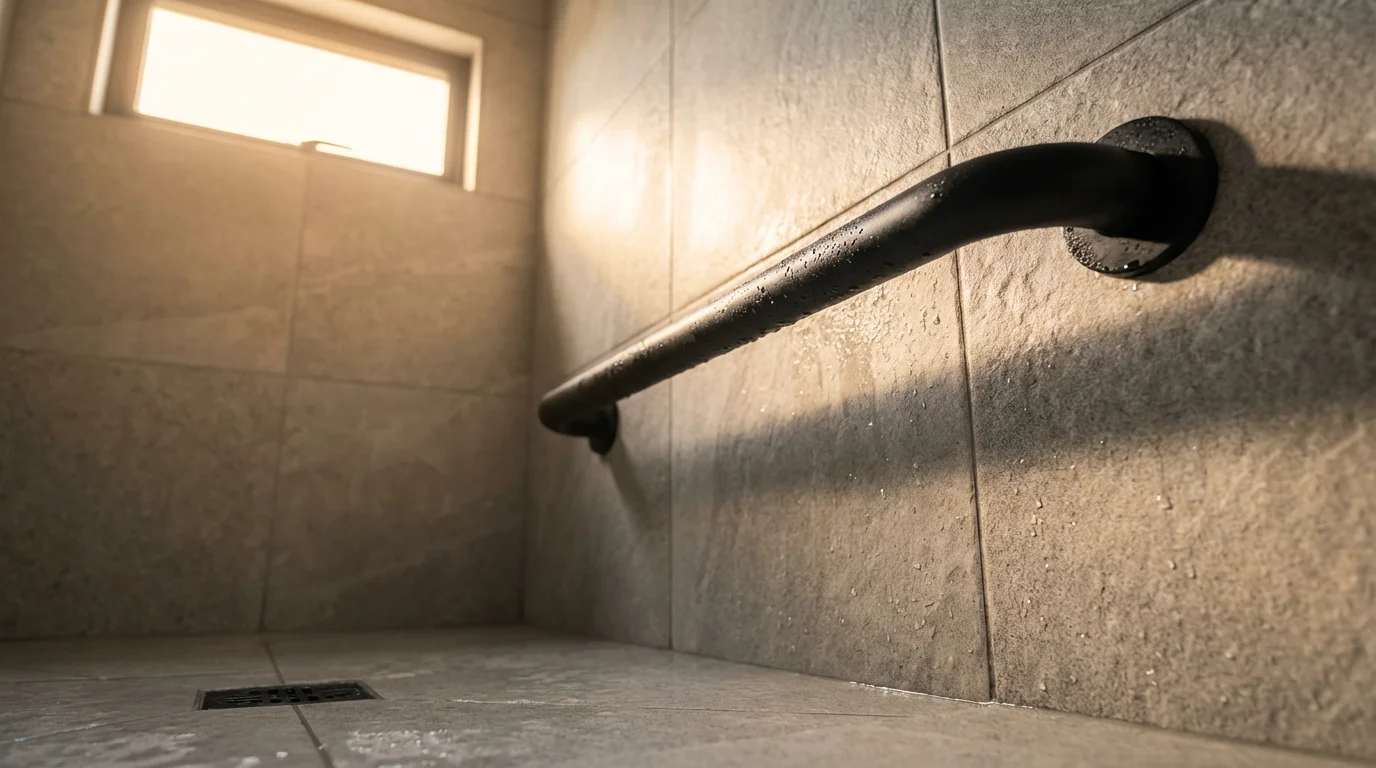
Securely installed grab bars provide crucial support and stability. You should place them strategically around the toilet, inside and outside the shower or tub, and near any steps. For optimal safety, professionals typically recommend installing grab bars directly into wall studs, ensuring they support significant weight.
Consider both horizontal and vertical grab bars depending on the specific location and intended use. The cost for professional installation of a single grab bar typically ranges from $100 to $300, including the fixture. Multiple grab bars will increase the overall project cost.
Walk-In Showers and Tubs
Eliminating the need to step over a high tub edge drastically reduces fall risks. Walk-in showers feature a low or zero-threshold entry, making them easily accessible for individuals using walkers or wheelchairs. These can include built-in benches, handheld showerheads, and thermostatic controls to prevent scalding.
Walk-in tubs offer a door for easy entry, allowing you to sit safely while filling the tub. They often include hydrotherapy jets for therapeutic benefits. A walk-in shower conversion typically costs between $5,000 and $15,000, while walk-in tubs range from $3,000 to $10,000, depending on features and installation complexity.
Toilet Modifications
Raising the height of your toilet seat makes sitting down and standing up much easier and safer. You can achieve this with an elevated toilet seat attachment, which offers a cost-effective solution, or by installing a comfort-height toilet. These toilets typically stand two to three inches taller than standard models.
The cost for a comfort-height toilet ranges from $200 to $600 for the fixture, plus installation. Elevated toilet seat attachments cost $30 to $100.
Flooring and Lighting
Replace slippery tiles with non-slip flooring options, such as textured ceramic tiles or vinyl planks with a slip-resistant finish. Adequate lighting is also paramount; install bright, shadow-free lighting, possibly with motion sensors, to illuminate the entire bathroom, especially during nighttime visits.
Here are key bathroom modifications for enhanced safety:
- Install grab bars near toilets, showers, and tubs.
- Convert traditional tubs into low-threshold or roll-in showers.
- Add a shower bench or seat for resting.
- Choose a handheld showerhead for easier bathing.
- Raise toilet seat height with an extender or comfort-height toilet.
- Replace slippery flooring with non-slip options.
- Improve lighting with brighter fixtures and motion sensors.
- Install lever-style faucet handles for easier operation.
Enhancing Kitchen Accessibility and Functionality
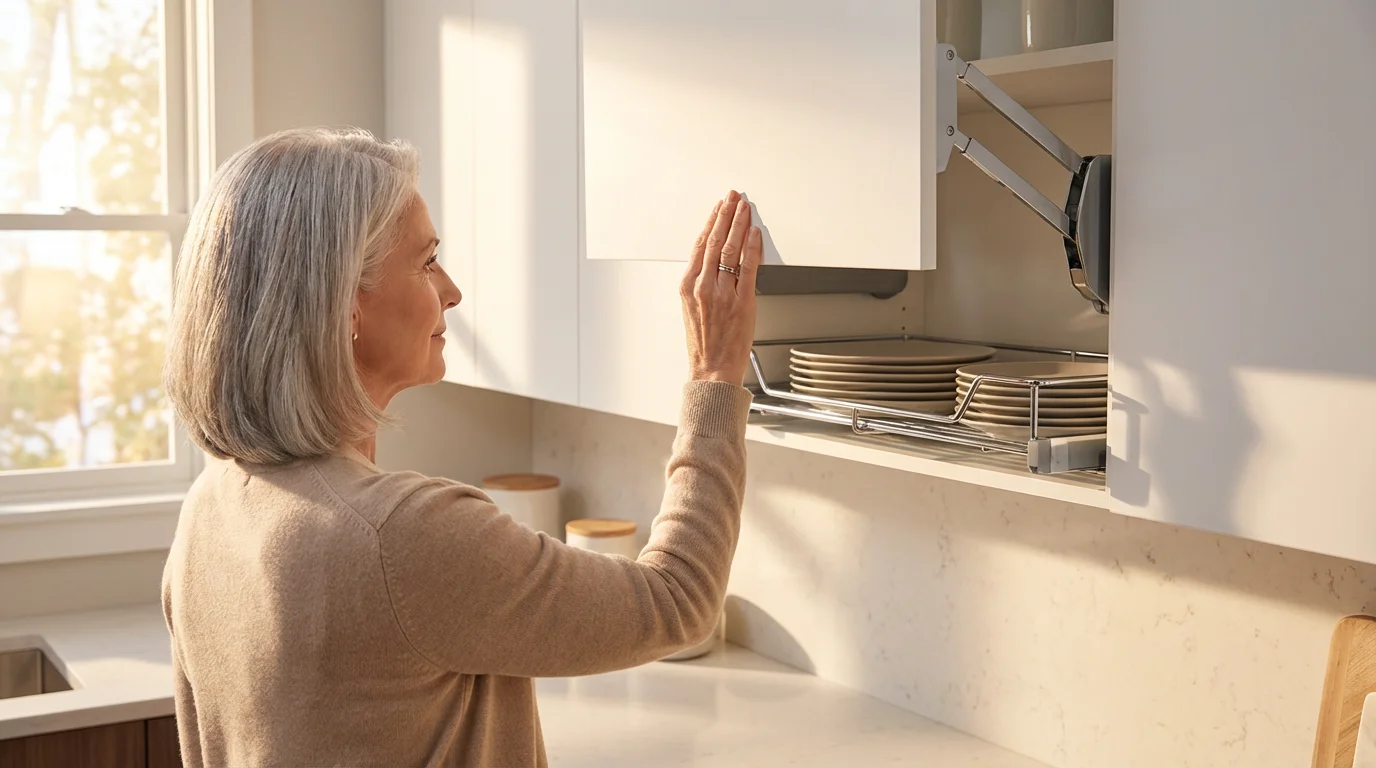
The kitchen serves as a central hub for daily activities, making its accessibility crucial for maintaining independence. Modifications in this space focus on ease of use, reachability, and overall safety, allowing you to prepare meals and manage household tasks comfortably.
Dorothy’s baking schedule means our kitchen always gets a workout, and since I’ve picked up cooking in retirement, I’ve come to appreciate efficient layouts.
You can find more inspiration for your renovation in our guide on designing functional senior kitchens.
Cabinetry and Countertop Adjustments
Adjustable-height countertops and pull-down shelving in cabinets drastically improve reachability. Consider installing lower base cabinets with pull-out shelves or drawers, eliminating the need to bend or reach into deep spaces. Open shelving for frequently used items also provides easy access.
The cost for accessible cabinetry solutions varies widely. Basic pull-out shelves might cost $50 to $200 per cabinet, while fully motorized adjustable countertops can run into several thousand dollars.
Accessible Appliances
Select appliances designed for ease of use. Front-loading washing machines and dryers eliminate bending, and wall ovens installed at counter height prevent reaching into low or high spaces. Induction cooktops offer quick, precise heating and cool down rapidly, reducing burn risks.
Look for appliances with large, easy-to-read controls and audible feedback. Side-by-side refrigerators also provide easier access to both fresh and frozen foods compared to top-freezer models. The investment in accessible appliances generally aligns with high-end conventional models, often ranging from $800 to $3,000 per appliance.
Lighting and Flooring
Bright, evenly distributed lighting reduces shadows and improves visibility for cooking and reading recipes. Under-cabinet lighting illuminates workspaces effectively. As with bathrooms, ensure kitchen flooring is non-slip and level, preventing trips and falls.
Consider lever-style faucet handles instead of knobs, which require less grip strength. Additionally, installing rocker light switches provides a larger surface area, making them easier to operate for individuals with limited dexterity.
Here are practical kitchen upgrades for an age-in-place home:
- Install pull-out shelves or drawers in lower cabinets.
- Consider adjustable-height countertops.
- Choose front-loading dishwashers and ovens.
- Opt for side-by-side refrigerators.
- Install lever-style faucet handles.
- Ensure ample, shadow-free lighting, including under-cabinet task lighting.
- Select non-slip, low-maintenance flooring.
- Replace knob-style light switches with rocker switches.
Ensuring Safe Movement Throughout Your Home
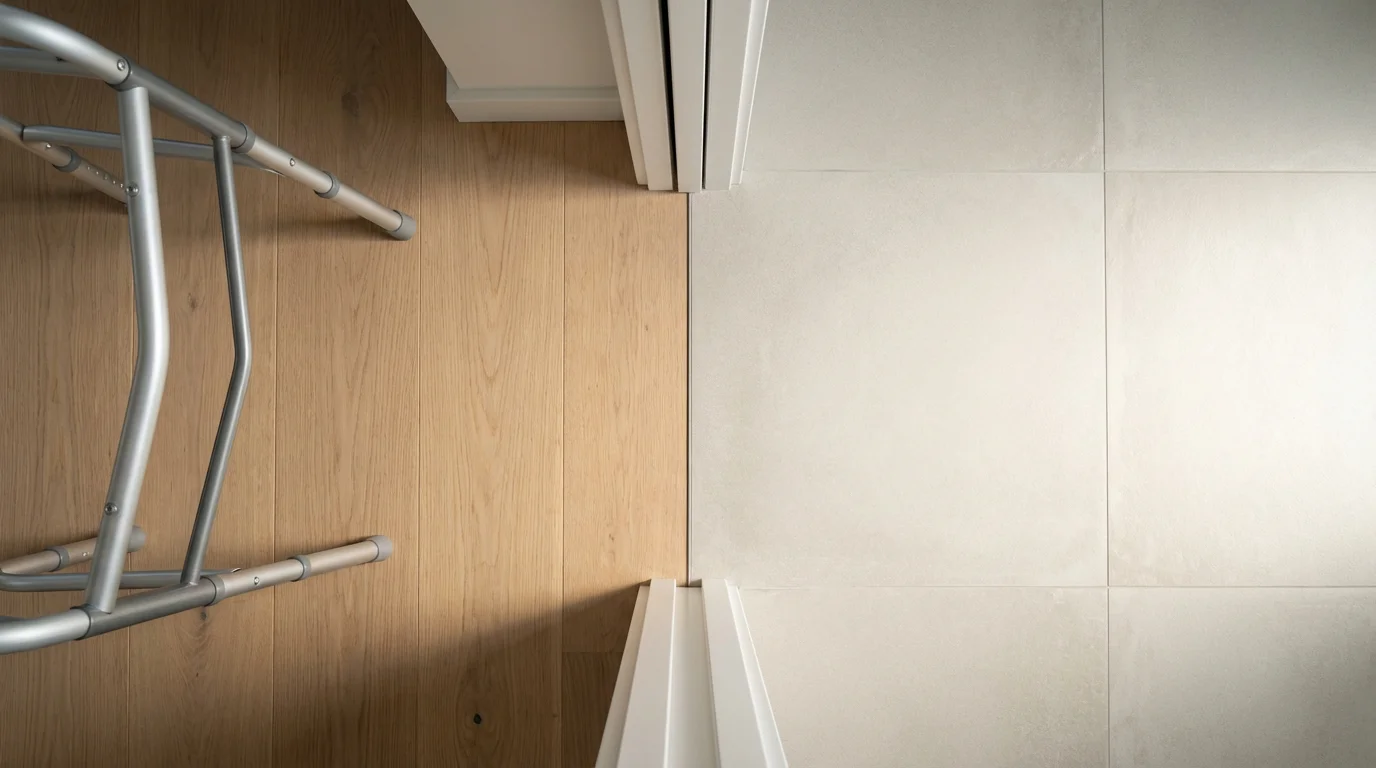
Smooth, unimpeded movement through your home is fundamental to aging in place. This involves addressing barriers like narrow doorways, stairs, and uneven flooring that can hinder mobility or pose significant fall hazards.
Strategic modifications ensure you can navigate every room with confidence. Before we moved, I measured every doorway in our Elmwood Drive house to see if a walker or wheelchair could even fit. That was one of the many variables in my comparison matrix.
If you determine that your current layout is too difficult to modify, designing a safer retirement home through a move might be the best path forward.
Wider Doorways and Hallways
Standard doorways often measure 28-30 inches, which proves too narrow for wheelchairs or even some walkers. Widening doorways to at least 32-36 inches ensures comfortable passage. Similarly, maintaining clear, wide hallways prevents collisions and improves maneuverability.
Widening a doorway typically involves carpentry work and can cost $500 to $1,500 per door, depending on structural considerations and finishing. This modification provides long-term benefits for accessibility.
Ramps and Stairlifts
Stairs present a significant challenge for many seniors. You have several options for navigating them safely. Indoor or outdoor ramps offer a gradual incline for wheelchair users, while stairlifts provide a seated motorized transport up and down staircases. Residential elevators represent a more extensive and costly solution for multi-story homes.
The cost of a modular ramp can range from $1,000 to $3,000, while a custom-built wooden ramp might be $3,000 to $10,000. Stairlifts generally cost $2,000 to $5,000 for a straight staircase, with curved stairlifts significantly higher, often $8,000 to $15,000.
Flooring Choices and Lever Door Handles
Eliminate throw rugs or secure them firmly to prevent trips. Replace uneven or high-pile carpeting with low-pile options or smooth, non-slip surfaces such as vinyl, laminate, or hardwood with appropriate finishes. Ensure transitions between different flooring types are flush and smooth.
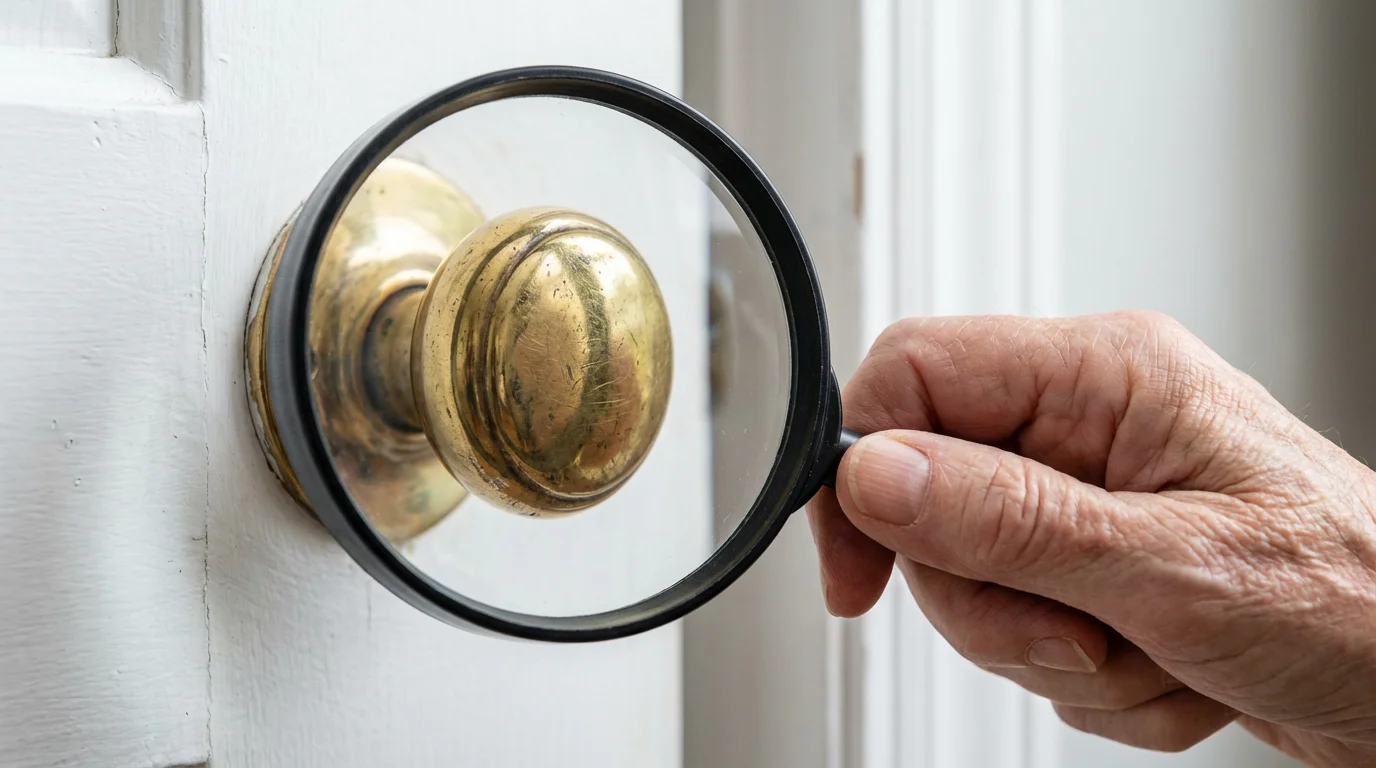
Replace traditional doorknobs with lever-style handles throughout your home. Lever handles require less grip strength and dexterity, making them easier to operate for individuals with arthritis or limited hand mobility. A set of lever handles typically costs $20 to $100 per door, plus installation.
Smart Home Technology
Integrate smart home devices for enhanced safety and convenience. Voice-activated lighting, thermostats, and door locks eliminate the need to reach or manipulate small controls. Monitoring systems can alert caregivers or family members to unusual activity or emergencies, providing peace of mind.
Here are general home accessibility improvements to consider:
- Widen doorways to a minimum of 32 inches.
- Install ramps or stairlifts for access to different levels.
- Remove throw rugs and secure area rugs.
- Choose low-pile, non-slip flooring throughout the home.
- Replace all doorknobs with lever-style handles.
- Ensure clear, wide pathways free of clutter.
- Install grab bars in strategic locations beyond the bathroom, such as near entryways or steps.
- Consider smart home devices for lighting, temperature, and security.
Lighting, Electrical, and Emergency Preparedness
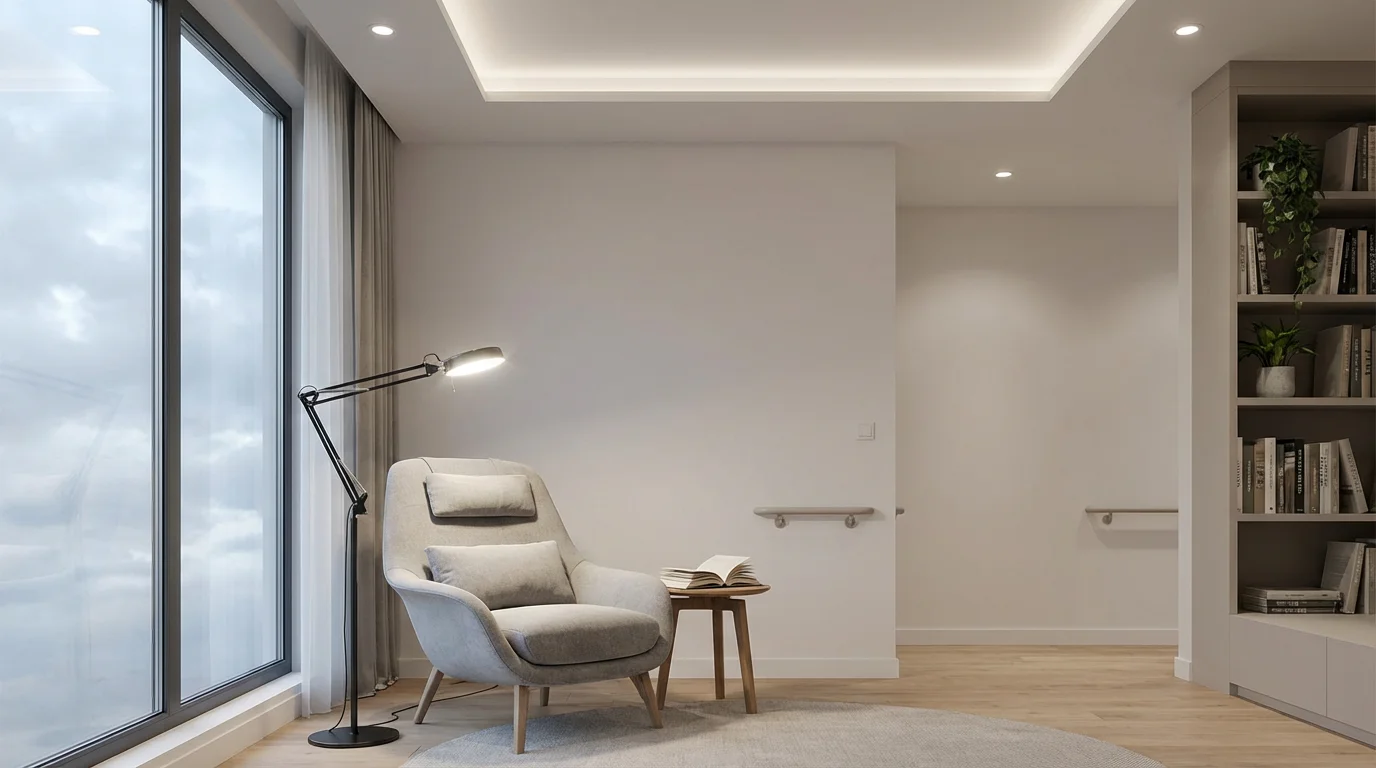
Beyond structural modifications, crucial elements like lighting, electrical access, and emergency systems play a vital role in creating a safe and comfortable age-in-place environment. These enhancements prevent accidents, improve functionality, and offer peace of mind.
I manage our finances with a level of detail Dorothy says belongs in a NASA mission, and I apply that same rigor to home safety.
Optimizing Lighting
Good lighting reduces eye strain, improves visibility, and prevents falls. Implement a layered lighting approach, combining ambient lighting for general illumination, task lighting for specific activities (e.g., reading, cooking), and accent lighting for aesthetics. Consider brighter LED bulbs for energy efficiency and longevity.
Install motion-sensing lights in hallways, bathrooms, and closets to automatically illuminate pathways when you enter. These reduce the need to fumble for switches in the dark. A typical cost for installing a motion-sensor light fixture is $100 to $300, including the fixture.
Accessible Electrical Features
Raising electrical outlets to 18-24 inches from the floor eliminates bending and stooping, making them easier to reach for individuals with mobility limitations. Install rocker-style light switches, which require only a gentle push rather than fine motor skills to operate. These are easier for individuals with arthritis or dexterity issues.
Ensure an adequate number of outlets exist to reduce the reliance on extension cords, which pose tripping hazards. Consider installing outlets with built-in USB ports for charging devices easily.
Emergency Call Systems
Personal Emergency Response Systems (PERS) provide immediate access to help in an emergency. These wearable devices, often worn as pendants or wristbands, connect to a monitoring center with the press of a button. They offer a critical lifeline for individuals living alone or with chronic conditions.
Costs for PERS typically range from $20 to $50 per month, with an initial equipment fee sometimes applicable. Some systems include fall detection, which automatically alerts the monitoring center if a fall occurs.
Fire Safety
Regularly check and maintain smoke detectors and carbon monoxide detectors. Consider installing interconnected smoke alarms that sound throughout the house if one unit detects smoke. Ensure clear, unobstructed escape routes and practice an escape plan.
In some cases, residential sprinkler systems offer the highest level of fire protection, though they represent a significant investment.
Here are essential safety and convenience enhancements:
- Install bright, shadow-free LED lighting throughout your home.
- Add motion-sensing lights in high-traffic areas and bathrooms.
- Raise electrical outlets to a comfortable height (18-24 inches).
- Replace toggle light switches with rocker switches.
- Install personal emergency response systems (PERS).
- Ensure working smoke and carbon monoxide detectors, ideally interconnected.
- Keep escape routes clear and practice fire drills.
Financial Considerations and Resources for Remodeling
Age-in-place remodeling represents an investment in your long-term independence and safety. Understanding the potential costs and available financial resources helps you plan effectively and make informed decisions.
Costs vary significantly based on the extent of modifications, regional labor rates, and materials chosen. I always tell Dorothy that a good plan starts with the numbers.
When we were looking at options, I put together a detailed financial comparison, including potential remodeling costs for our Columbus house versus the cost of moving.
Comparing the price of modifications with the strategies for financing a retirement community helps clarify the best long-term financial path.
Evaluating your budget for these modifications alongside strategies for financing your retirement community will help you make a sound long-term decision.
Typical Cost Ranges for Common Modifications
Minor adjustments, such as installing grab bars or lever handles, often cost a few hundred dollars. Larger projects, like a full bathroom remodel for accessibility, can range from $5,000 to $15,000.
Comprehensive renovations, including widening doorways, installing ramps, and a kitchen overhaul, might cost upwards of $30,000 or more.
Consider the long-term value these modifications add, not just the upfront expense. They can delay or even eliminate the need for costly senior living facilities. For example, assisted living costs average around $4,500 per month nationally, according to A Place for Mom, making a $10,000 remodel a cost-effective alternative over time.
Funding Options
Many individuals finance age-in-place renovations through personal savings, home equity lines of credit (HELOCs), or reverse mortgages. A HELOC allows you to borrow against your home’s equity, providing a flexible source of funds.
A reverse mortgage allows homeowners 62 and older to convert part of their home equity into cash without selling the home or giving up title.
Explore specialized loan programs available for home modifications. Some banks offer low-interest loans specifically for accessibility improvements. Additionally, certain state and local programs provide grants or subsidized loans for seniors to modify their homes.
Government and Non-Profit Assistance
Various government and non-profit organizations offer financial assistance for age-in-place modifications. The Department of Veterans Affairs (VA) provides grants, such as the Specially Adapted Housing (SAH) Grant and Special Home Adaptation (SHA) Grant, for veterans with service-connected disabilities to modify their homes. You can find more information through the VA’s official resources.
Medicaid Home and Community-Based Services (HCBS) waivers may cover specific home modifications for eligible individuals, allowing them to remain in their homes. These waivers vary by state.
Organizations like Rebuilding Together or Habitat for Humanity sometimes offer assistance for low-income seniors needing home repairs and accessibility upgrades. The Eldercare Locator, a public service of the U.S. Administration for Community Living, connects you to services for older adults and their families, including information on home modification programs.
The National Council on Aging (NCOA) also offers resources and information on financial programs for seniors. Visit NCOA Housing Resources for further guidance on navigating funding options.
Choosing the Right Professionals for Your Project
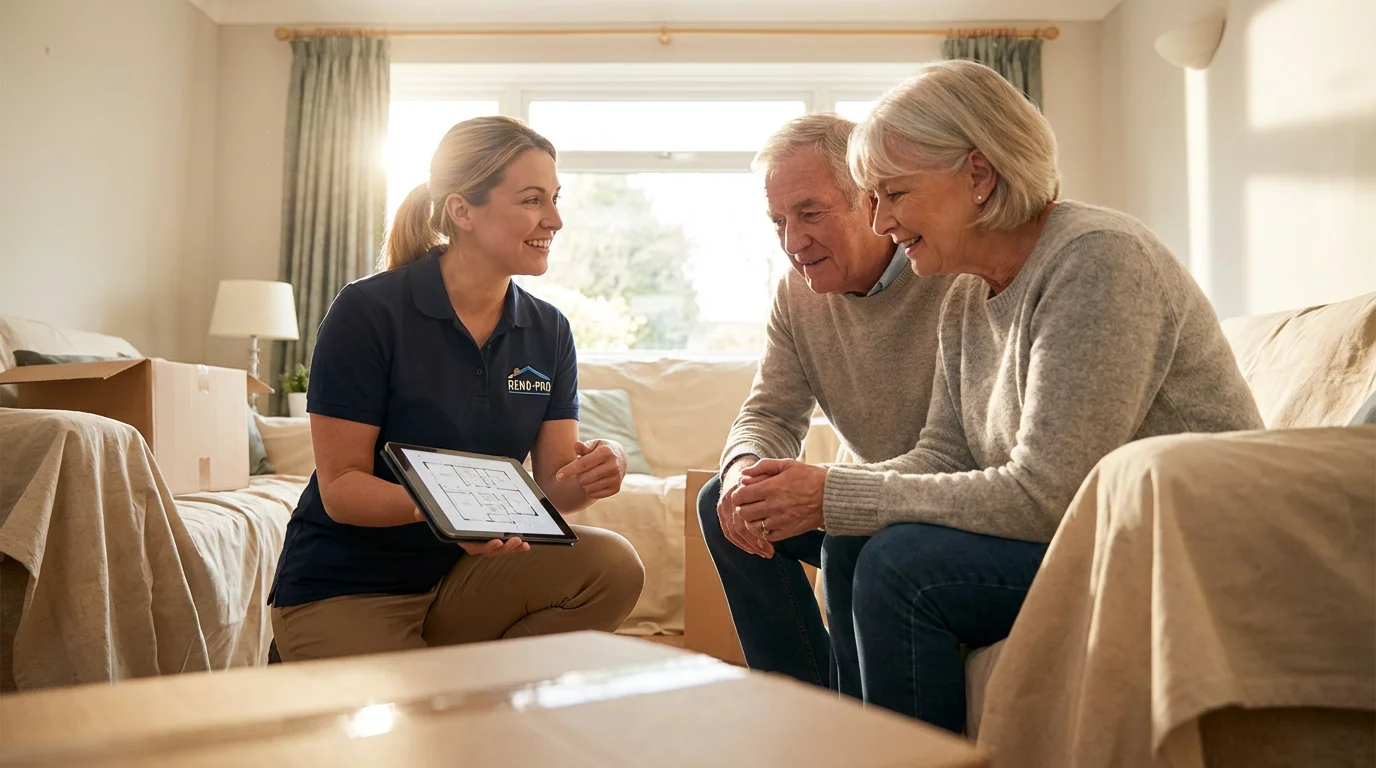
Selecting qualified and experienced professionals is paramount for successful age-in-place remodeling. These projects require specialized knowledge to ensure modifications are safe, effective, and compliant with accessibility standards.
A wrong choice can lead to costly mistakes and compromised safety. Just like I meticulously researched 55+ communities for two years, I’d apply that same due diligence to vetting any contractor for home modifications.
Certified Aging-in-Place Specialists (CAPS)
Look for contractors who hold the Certified Aging-in-Place Specialist (CAPS) designation. The National Association of Home Builders (NAHB) offers this certification to remodelers, builders, designers, and occupational therapists who have been trained in the unique needs of the older adult population. CAPS professionals understand universal design principles and the specific requirements for creating accessible homes.
A CAPS professional helps you identify potential barriers in your home and suggests appropriate solutions. They also stay current on the latest products and techniques for age-in-place design, ensuring your modifications meet current best practices.
General Contractors with Accessibility Experience
If you cannot find a CAPS-certified contractor, seek out general contractors with a proven track record in accessibility remodeling. Ask for references from previous clients who had similar projects completed. Review their portfolio for examples of work that demonstrate an understanding of universal design principles.
Ensure any contractor you hire is licensed, bonded, and insured. This protects you from liability and ensures the contractor meets professional standards. Always obtain written bids from multiple contractors for comparison.
Occupational Therapists and Architects
As mentioned earlier, an occupational therapist provides a clinical assessment of your functional needs and recommends specific modifications. They bridge the gap between your physical requirements and practical home solutions.
For extensive renovations or new home builds, an architect specializing in universal design can integrate accessibility features seamlessly into the overall design.
When selecting professionals, ask these important questions:
- Are you licensed, bonded, and insured in this state?
- Do you hold a Certified Aging-in-Place Specialist (CAPS) designation?
- Can you provide references from clients with similar age-in-place projects?
- How do you ensure modifications comply with accessibility standards (e.g., ADA guidelines, although residential is different)?
- What is your project timeline, and how do you handle unexpected issues?
- Will you provide a detailed written contract outlining all work, materials, costs, and payment schedules?
- How do you communicate project progress and address client concerns?
Frequently Asked Questions
What does “aging in place” truly mean?
If you decide that home renovations aren’t the right fit for your situation, preparing a list of 10 questions to ask when touring a retirement community can simplify your search for a new home. That’s what Dorothy and I did, and it helped us find Hawthorn Ridge, which has been a great fit.
Aging in place means living in your home and community safely, independently, and comfortably, regardless of age, income, or ability level. It involves proactively adapting your home to meet your evolving physical needs, allowing you to maintain your lifestyle and independence as you grow older.
It’s about maintaining control over your living situation.
What are the most common age-in-place home modifications?
The most common modifications include installing grab bars in bathrooms, adding walk-in showers or tubs, raising toilet heights, replacing doorknobs with lever handles, improving lighting, and eliminating tripping hazards like throw rugs.
For more significant needs, stairlifts or ramps provide access to different home levels. It’s all about practical safety and convenience.
How much does it cost to remodel a home for aging in place?
Costs vary widely based on the extent of modifications. Minor changes, such as grab bar installations, might cost hundreds of dollars. Extensive bathroom or kitchen remodels can range from $5,000 to $15,000.
A comprehensive whole-home renovation for full accessibility could exceed $30,000. My advice is always to obtain detailed quotes from qualified contractors for accurate estimates – and then add 10-15% for contingencies.
Are there financial aid programs for age-in-place remodeling?
Yes, several options exist. You can use personal savings, home equity loans (HELOCs), or reverse mortgages. Government programs like Medicaid Home and Community-Based Services waivers and VA grants for veterans also provide assistance.
Non-profit organizations sometimes offer help for low-income seniors. Explore resources from NCOA and the Eldercare Locator. Always do your research on the financial side; it’s as important as the structural planning.
Do I need a special contractor for age-in-place remodeling?
While not strictly required, hiring a Certified Aging-in-Place Specialist (CAPS) is highly recommended. These professionals have specific training in universal design and the unique needs of seniors.
If a CAPS contractor is unavailable, choose a general contractor with demonstrated experience in accessibility modifications and strong references. Don’t cut corners on expertise when it comes to your home’s safety.
Should I consult an occupational therapist before remodeling?
Consulting an occupational therapist is a highly beneficial step. An occupational therapist assesses your current functional abilities and anticipated future needs within your home environment.
They provide personalized recommendations for modifications, ensuring your renovations effectively support your independence and safety. It’s a smart, data-driven approach to planning.
Disclaimer: This article is for informational purposes only and does not constitute medical, legal, or financial advice. Senior housing costs, services, and availability vary significantly by location and provider. We strongly encourage readers to tour multiple communities, review contracts carefully with legal counsel, and consult with eldercare specialists, financial advisors, and healthcare providers before making housing decisions.







Leave a Reply