
As Dorothy and I approached our retirement years, the idea of staying put in our 2,400 sq ft colonial on Elmwood Drive in Columbus, Ohio, was something we talked about quite a bit. For many, that desire to maintain independence and comfort in your own home, what folks call “aging in place,” is incredibly appealing.
It means staying in a familiar environment, surrounded by memories and community. I saw the practical side of planning for this future proactively – it prevents costly last-minute adjustments and ensures your home evolves with your needs. It’s about supporting your well-being for decades to come, and that required a plan.
Before committing to extensive renovations on Elmwood Drive, I knew it was wise to weigh the pros and cons of staying versus downsizing. Dorothy and I had plenty of discussions about that, and as you might guess, I had spreadsheets for both scenarios.
This guide is designed to empower you to transform your current residence into a safe, accessible, and comfortable sanctuary. I’ll share practical strategies, essential home modifications, and key financial considerations, all based on the kind of methodical research I did for our own retirement.
Take control of your retirement future by strategically preparing your living space today.

Prioritizing Your Home Updates: A Phased Approach
Undertaking a full home renovation all at once can feel overwhelming and expensive. From my engineering background, I know a more strategic approach involves prioritizing your `home modifications` and implementing them in phases.
This allows you to spread out costs, address immediate safety concerns, and adapt your plan as your needs or preferences evolve. I always start with the most critical changes that impact daily safety and independence.
Remember to account for the emotional and practical considerations of altering a long-time family residence during this transition. Dorothy definitely had feelings about us changing “her” house.
Consider your current health status and any existing mobility challenges. If you have difficulty climbing stairs, a stair lift becomes a higher priority than widening every doorway. If falls are a concern, bathroom grab bars and improved lighting should come first.
This phased strategy ensures that your investment provides the most immediate and significant benefit.
This wisdom applies directly to `aging in place` planning. I believe in beginning with essential safety updates now, even if your needs seem distant. You can then progressively implement convenience and accessibility enhancements over time, aligning them with your budget and anticipated future requirements. It’s how I approached all our major home projects, and how I’d advise anyone.
- Phase 1: Immediate Safety and Basic Accessibility (Ages 50s-60s)
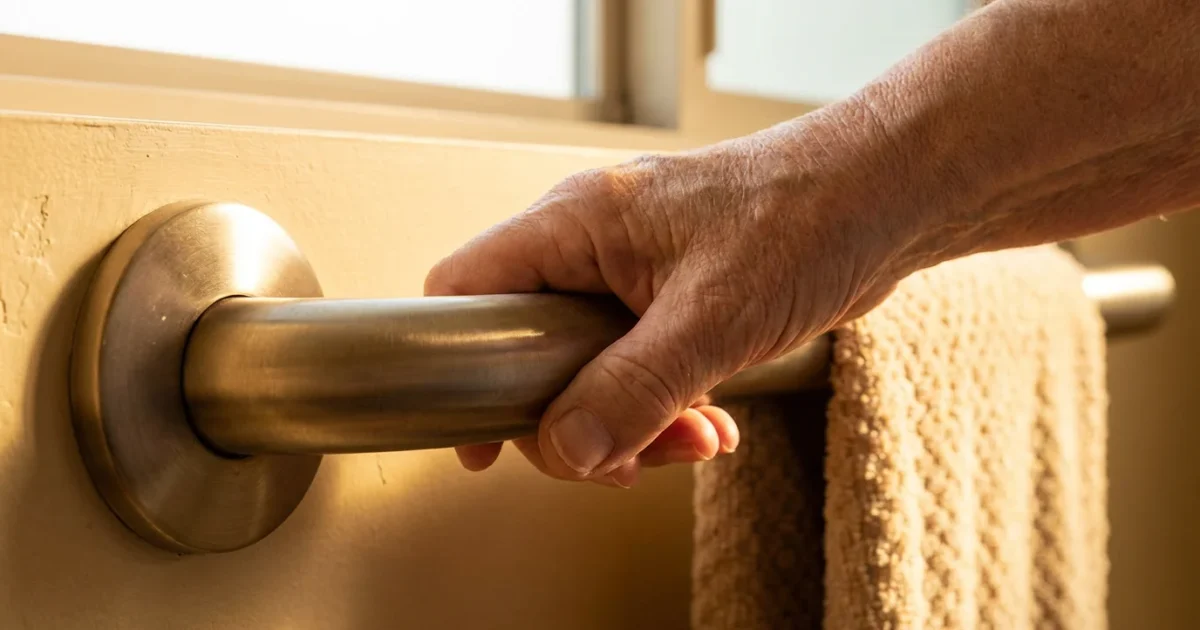
- Install grab bars in all bathrooms.
- Enhance lighting, especially in hallways, stairwells, and entryways.
- Remove tripping hazards: loose rugs, excessive clutter, uneven thresholds.
- Install non-slip mats or treatments in showers and bathtubs.
- Replace round doorknobs with lever handles.
- Phase 2: Enhanced Convenience and Proactive Adaptation (Ages 60s-70s)
- Consider a no-step entry if not already present, such as a ramp or zero-threshold design.
- Widen key doorways (e.g., bathroom, bedroom) to 36 inches.
- Adjust counter heights or install pull-out shelving in the kitchen.
- Install adjustable-height shower chairs or benches.
- Automate lighting with motion sensors in high-traffic areas.
- Phase 3: Long-Term Independence and Comprehensive Accessibility (Ages 70s+)
- Install a stair lift if navigating multiple floors becomes challenging.
- Consider a roll-in shower or walk-in tub installation.
- Reconfigure the kitchen for universal design principles (e.g., lower appliances, accessible storage).
- Implement smart home technology for security, communication, and environmental control.
- Assess the need for a first-floor living option (bedroom, bathroom) if not already available.

Funding Your Aging in Place Journey
Making your home safe and accessible represents a significant investment in your future. Understanding your funding options early empowers you to budget effectively and explore all available resources.
You have several avenues for financing `aging in place` modifications, ranging from personal savings to specialized loan programs. I manage our finances with what Dorothy calls “a level of detail that belongs in a NASA mission,” so I’ve looked at all these angles.
When budgeting for these updates, downsizing your finances can help reallocate funds toward critical home safety investments. This was a big part of our decision-making process when we sold our Columbus house.
In addition to home costs, I always make sure our health insurance is optimized by choosing the right Medicare plan to cover future healthcare needs. It’s all part of the larger financial picture.
Start by assessing your personal finances. Can you cover smaller, immediate modifications from your existing savings or discretionary income? For larger projects, consider options like home equity lines of credit (HELOCs) or reverse mortgages.
These utilize the equity you have built in your home, but involve complex financial products that require careful consideration and professional advice. I spent hours analyzing these for our situation.
Explore governmental and non-profit programs as well. Many states and local municipalities offer grants, low-interest loans, or tax credits for `home modifications` that improve `accessibility` for seniors or individuals with disabilities.
Organizations focused on independent living or specific health conditions may also provide assistance. Always consult with a qualified financial advisor to understand the implications of any financing decision. I wouldn’t make a move without one.
The Consumer Financial Protection Bureau (CFPB) offers resources to help you understand various financial products related to your home and retirement. I’ve found their resources to be quite helpful. Research these options thoroughly to determine the best fit for your circumstances.
- Personal Savings: Utilize existing retirement funds or savings accounts.
- Home Equity Loans or HELOCs: Borrow against the equity in your home.
- Reverse Mortgages: Convert home equity into cash payments, typically without monthly mortgage payments, but with specific eligibility and long-term implications.
- State and Local Programs: Search for grants, low-interest loans, or property tax relief for seniors or accessibility improvements.
- Veterans Benefits: Veterans may qualify for grants for `home modifications` through the Department of Veterans Affairs (VA).
- Long-Term Care Insurance: Some policies may cover specific `home modifications` if they are deemed medically necessary.
- Medicaid Waivers: In some states, Medicaid programs may offer waivers that cover home health services and some `home modifications` to prevent institutionalization.
Assembling Your Team of Professionals
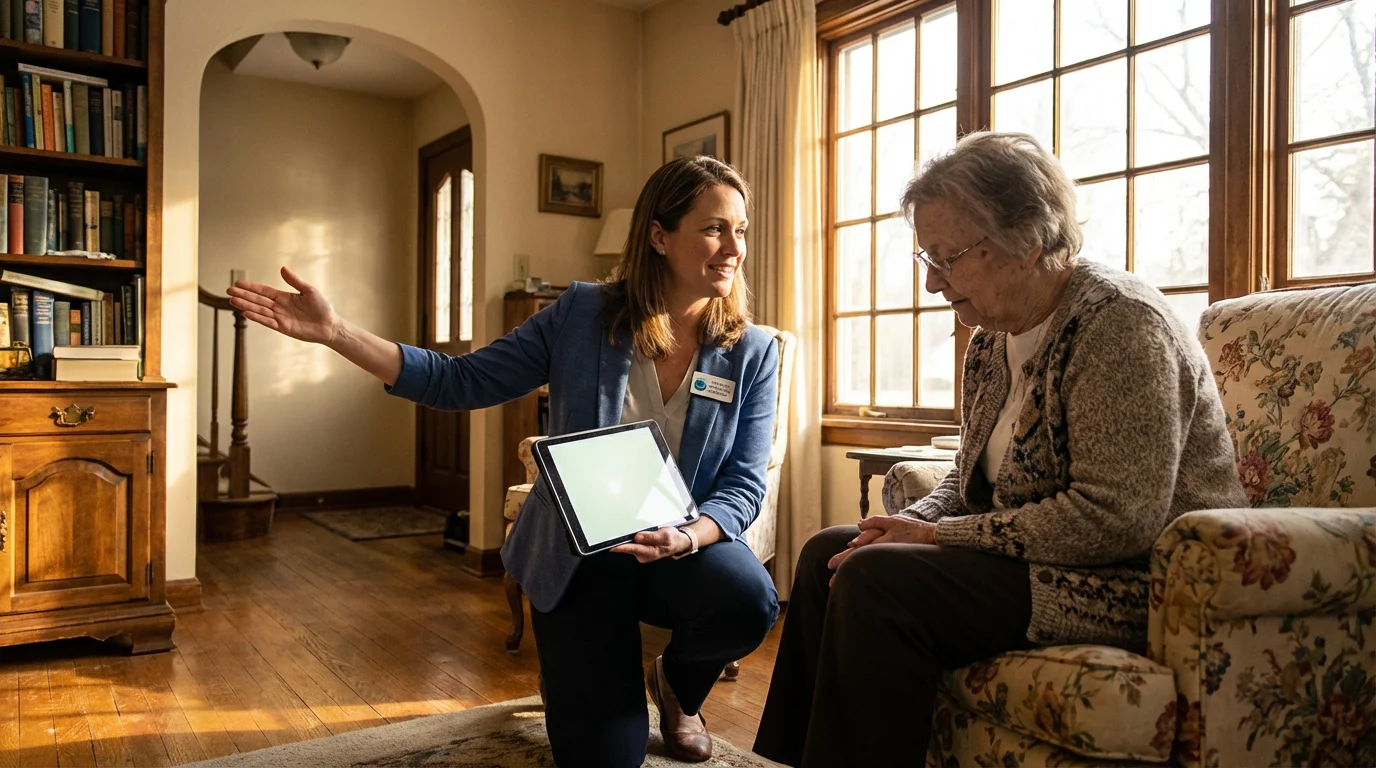
You do not need to navigate the complexities of `home modifications` alone. Building a reliable team of professionals ensures your projects are completed safely, effectively, and to code. Seeking expert advice from specialists in `aging in place` can save you time, money, and potential headaches in the long run.
These experts bring specialized knowledge of universal design principles and the unique needs of older adults. I’m a big believer in getting the right people on the job, especially for something as important as your home.
Your team should also help you coordinate these home investments with your estate planning essentials, such as updating your power of attorney. I made sure all our documents were in order before we made our big move.
A key professional to consider is a Certified Aging-in-Place Specialist (CAPS). These remodelers, builders, and designers have received training on the specific needs of older adults, common barriers in homes, and solutions for `accessibility`.
An Occupational Therapist (OT) can also provide invaluable insights. They assess your physical capabilities and how you interact with your home environment, recommending tailored modifications to enhance your daily functioning and safety.
Always work with licensed and insured contractors for any structural or electrical work. I would never hire someone without checking their credentials thoroughly. Request references, review their portfolios, and ensure they have experience with `aging in place` projects.
Clear communication with your team at every stage of the planning and execution process is paramount to achieving your desired outcome. As an engineer, I know the importance of clear specifications and oversight.
- Certified Aging-in-Place Specialists (CAPS): These professionals specialize in designing and remodeling homes for `accessibility` and safety as you age.
- Occupational Therapists (OTs): An OT can assess your functional abilities and recommend specific `home modifications` to meet your unique physical needs.
- Licensed General Contractors: Essential for any structural changes, plumbing, or electrical work. Ensure they have experience with `aging in place` projects.
- Architects or Designers: If you are planning extensive renovations, an architect with universal design expertise can help create a truly functional and aesthetically pleasing space.
- Financial Advisors: Crucial for understanding funding options and integrating `home modification` costs into your overall retirement plan. You can find certified professionals through LetsMakeAPlan.org.

Integrating Smart Home Technology for Enhanced Independence
Beyond physical `home modifications`, smart home technology offers powerful tools to enhance independence, safety, and convenience as you `age in place`. These innovations can seamlessly integrate into your daily life, providing support that adapts to your evolving needs.
I’ve always been interested in efficiency and practical solutions, so smart technology definitely caught my eye. Think of it as another layer of `accessibility` and peace of mind.
Voice-activated assistants, such as smart speakers, can control lighting, thermostats, and entertainment, reducing the need for physical exertion or reaching. I’ve set up a smart thermostat in our Florida home that I can control from my phone, which is surprisingly handy.
Smart lighting systems allow you to set schedules or use motion sensors, preventing fumbling in the dark. Advanced security systems with remote monitoring and smart door locks offer increased safety and control over who enters your home.
Additionally, specialized devices like fall detection sensors, medication reminders, and emergency response systems provide critical support. These technologies can alert family members or emergency services if an issue arises, offering invaluable reassurance.
When considering smart home solutions, prioritize ease of use, reliability, and compatibility with your existing devices. The National Institute on Aging (NIA) provides excellent resources on how technology can support healthy aging, including tools for independent living, which you can find at nia.nih.gov.
Consider how these technologies can complement your physical `home modifications`. For example, a smart thermostat accessible via voice command perfectly complements wider doorways and lever handles, creating a fully accessible and responsive home environment.
I’m always looking for ways to make things run smoother, and smart home tech is a great tool for that.
Family Involvement and Future Planning
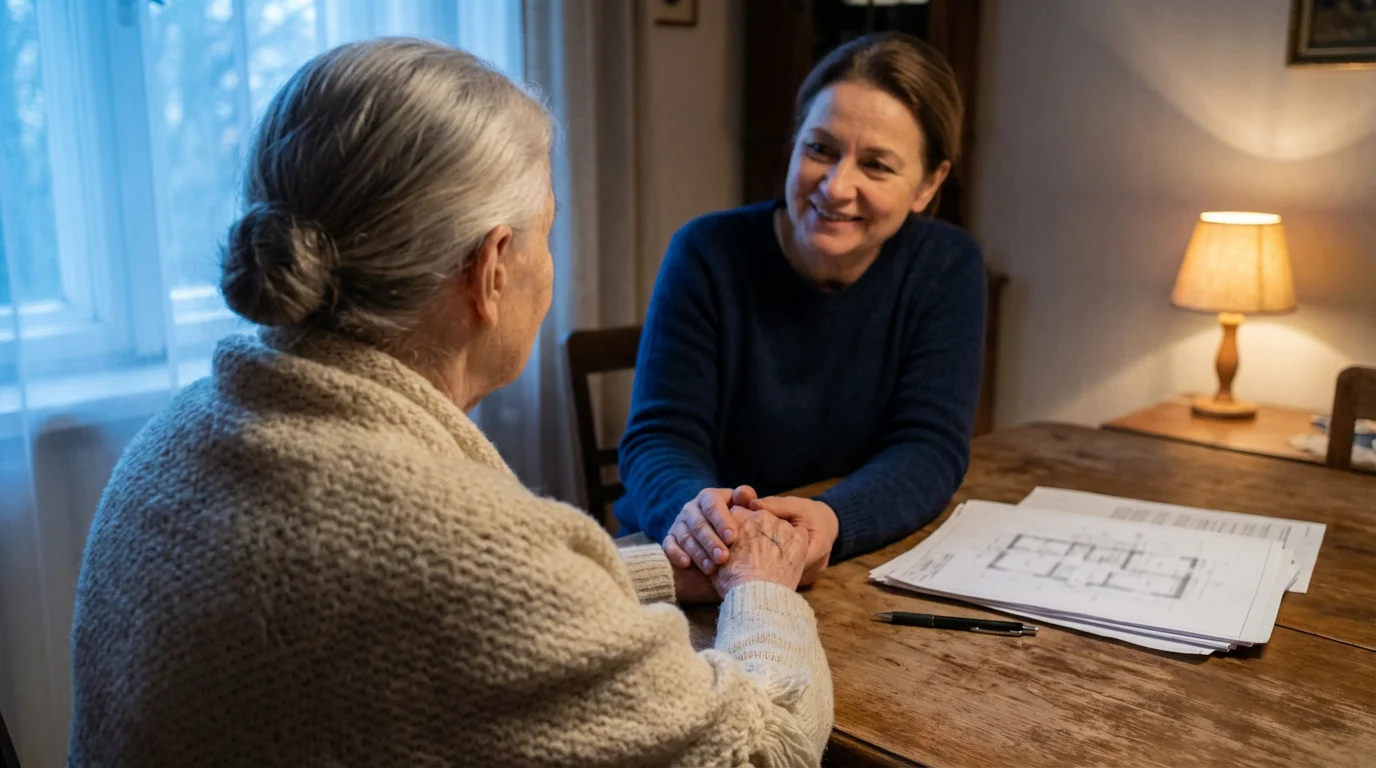
Discussions about `aging in place` extend beyond bricks and mortar. Involving your family in your planning process fosters understanding, support, and a shared vision for your future. Open communication ensures that everyone understands your desires and can contribute constructively to achieving them.
Dorothy and I certainly had plenty of conversations with our kids about our plans, even if they started with her having “feelings” and me having “spreadsheets.”
I began by sharing my goals for `aging in place` with our adult children. We discussed the `home modifications` I envisioned for the Columbus house, the financial aspects, and how they might play a role in supporting our independence.
This collaborative approach helps prevent misunderstandings later and builds a strong support network. Our daughter Karen’s input, reminding Dorothy that “the grandkids want YOU, not the house,” was actually a turning point, even if it wasn’t a spreadsheet entry.
Consider establishing a designated point person within the family who can assist with research, coordinating contractors, or simply being a sounding board. This person can help manage the logistics of `aging in place` over time.
Also, review your estate planning documents to ensure they reflect your wishes regarding long-term care and financial decisions, providing clarity for your family if you ever become unable to make decisions yourself. I’ve made sure all our ducks are in a row on that front.
While the goal is independence, recognizing when you might need assistance is also part of a robust plan. Discussing these possibilities with trusted family members provides a framework for future support.
This proactive dialogue strengthens family bonds and ensures your preferences for living independently are well-understood and respected.
Frequently Asked Questions
When should I start planning for aging in place?
I’d tell you to start planning for aging in place as early as possible, ideally in your 50s or early 60s. I started looking into our options years before I retired. Beginning early allows you to make gradual home modifications, spread out costs, and integrate changes into your home design over time.
Proactive planning helps you avoid rushed decisions and ensures your home evolves with your needs, rather than reacting to a crisis. It gives you time to do your research properly.
Are there tax benefits for home modifications?
Yes, you may qualify for tax benefits depending on the nature of the modifications and your specific circumstances. Medical expenses, including medically necessary home improvements, can sometimes be deductible.
Additionally, some states or localities offer tax credits or deductions for accessibility modifications. I always advise consulting with a tax professional to understand what specific deductions or credits apply to your situation, as rules can be complex.
How much do aging in place renovations typically cost?
The cost of aging in place renovations varies widely, ranging from a few hundred dollars for minor updates like grab bars to tens of thousands for major remodels such as bathroom or kitchen overhauls or installing a stair lift.
I found that the average cost for significant accessibility modifications can range from $10,000 to $50,000 or more, depending on the scope of work and location. Planning in phases, as I’d recommend, helps manage these expenses so you’re not hit with a huge bill all at once.
Can smart home technology really help me stay independent?
Absolutely. From my perspective, smart home technology significantly enhances independence by providing convenience, safety, and connectivity. Voice-activated devices control lights and thermostats, smart security systems offer peace of mind, and fall detection sensors can alert caregivers or emergency services.
These tools reduce physical effort, improve safety, and help you maintain control over your environment, supporting a more independent lifestyle. It’s a practical application of technology that genuinely makes a difference.
What if I can’t afford extensive home modifications?
If extensive home modifications are financially challenging, my advice is to focus on high-impact, low-cost solutions first. Simple changes like improving lighting, removing tripping hazards, and installing grab bars offer significant safety benefits for a relatively small investment.
Explore local and state programs, non-profit grants, and veterans’ benefits for financial assistance. Consider phased renovations, addressing critical needs first and saving for larger projects. Always consult with a financial advisor to explore all funding options – they can help you find resources you might not know about.
Where can I find a qualified aging in place contractor?
You can find a qualified `aging in place` contractor by looking for professionals with a Certified Aging-in-Place Specialist (CAPS) designation, offered through the National Association of Home Builders.
I’d tell you to always ask for references, check licenses and insurance, and specifically inquire about their experience with `accessibility` and universal design projects. Organizations like AARP or your local Area Agency on Aging may also provide recommendations or resources. Do your due diligence.
Planning for `aging in place` is a strategic, empowering step toward a fulfilling retirement. By proactively assessing your home, implementing thoughtful `home modifications`, and leveraging smart technology, you create a living environment that supports your independence and well-being.
Take these practical steps today to ensure your home remains your comfortable, safe, and accessible sanctuary for years to come. It’s the kind of planning I believe in, and it pays off.
Disclaimer: This article is for informational purposes only and does not constitute financial, legal, tax, or investment advice. Retirement planning decisions should be made in consultation with qualified professionals including certified financial planners, tax advisors, and estate planning attorneys. Individual circumstances vary significantly, and this content should not be relied upon as a substitute for professional advice tailored to your specific situation.







Leave a Reply