

Exploring senior housing options often presents a maze of terminology and choices. Dorothy and I found that out firsthand when we started looking into our own move. Many people use “assisted living” and “nursing home” interchangeably, but they represent distinct levels of care, environments, and costs.
Understanding these differences is crucial for making an informed decision for yourself or a loved one. I certainly made sure to understand every variable when we were looking at 55+ communities, and the same rigor applies here.
This comprehensive guide aims to help you clearly distinguish between assisted living communities and nursing homes, also known as skilled nursing facilities. You’ll gain practical insights into the services each provides, their typical costs, and the lifestyle they offer, empowering you to navigate your choices confidently.
It’s the kind of systematic breakdown I found invaluable in my own research.

Understanding Your Senior Housing Needs
Before comparing specific housing types, I always recommend assessing the level of support you or your loved one needs. Consider current health conditions, mobility challenges, and the ability to perform daily self-care tasks.
This initial assessment provides a solid foundation for identifying the most suitable environment. When Dorothy and I were looking to downsize and move to Florida, I started with a similar assessment of our current and likely future needs, even though we were looking at independent living.
Before diving into facility care, many families first compare community living vs. aging in place to see if staying at home with modifications is a viable alternative.
For those who are still fully independent but desire a socially-focused environment, active adult communities offer a different approach to senior housing.
Determining the right fit involves evaluating independence, medical requirements, and social preferences. You want a setting that supports well-being without providing excessive or insufficient assistance.
This careful consideration prevents unnecessary transitions later on, which was a major factor in my own two years of research for our move to Hawthorn Ridge.
What is Assisted Living?
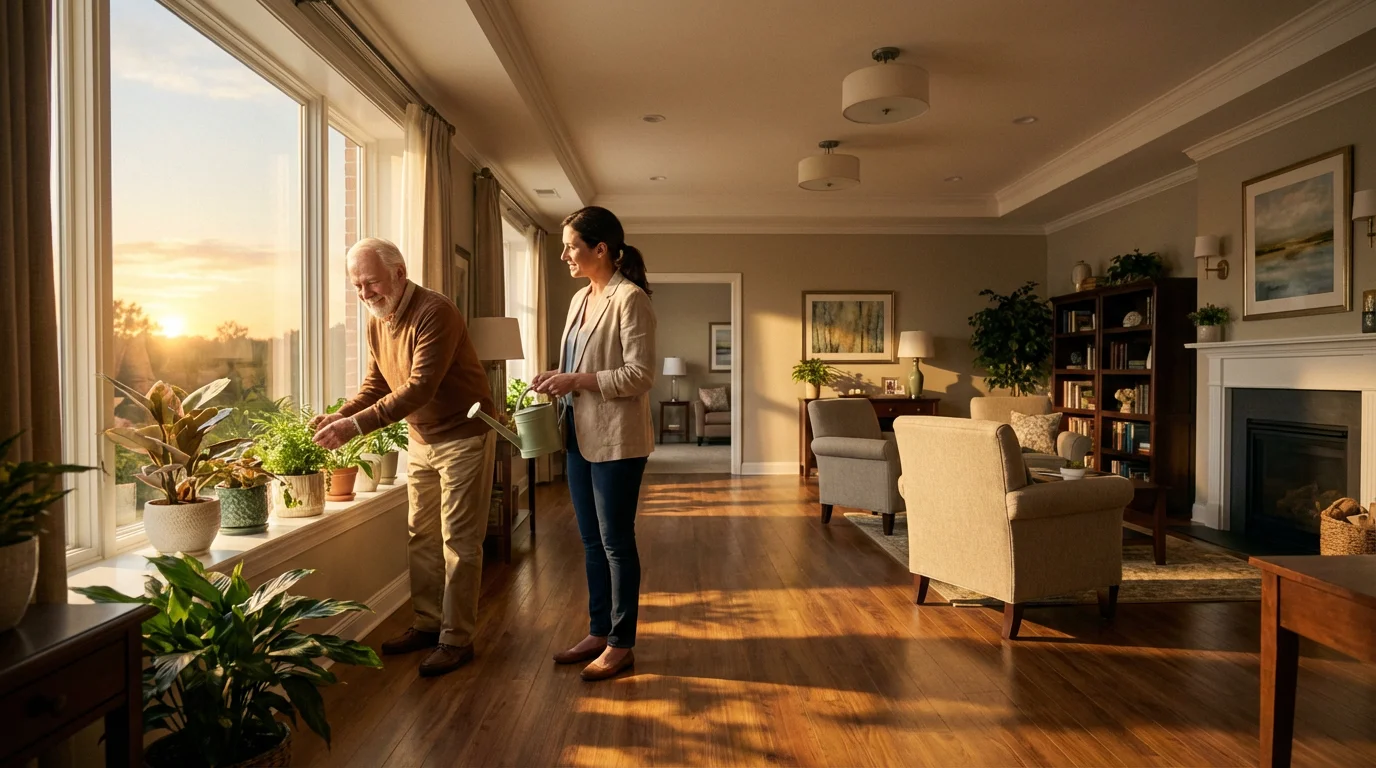
Assisted living facilities offer support for seniors who need help with some Activities of Daily Living, known as ADLs, but do not require complex medical care. ADLs include tasks such as bathing, dressing, eating, toileting, and transferring (moving from bed to chair).
These communities aim to promote independence while providing necessary assistance. Even though Dorothy and I are in independent living, I made sure to understand the assisted living options available nearby or within a larger community structure, just in case our needs change down the road.
Typical Residents and Environment
Residents in assisted living typically manage their own medications, often with reminders or light assistance. They generally participate in social activities and maintain a degree of autonomy.
The environment often resembles an apartment or residential setting, offering private or semi-private living spaces. This balance of privacy and communal living is a well-designed solution for many.
Assisted living communities focus on a social, engaging lifestyle. They offer a balance of privacy and communal living. Residents find opportunities for connection and personal growth within a supportive framework.
Services Provided in Assisted Living
Assisted living communities provide a range of personalized services designed to enhance daily life. These services aim to reduce daily burdens while maintaining a high quality of life for residents.
- Assistance with Activities of Daily Living (ADLs) such as bathing, dressing, and grooming.
- Medication management and administration.
- Three nutritious meals per day, often served in a communal dining room.
- Housekeeping and laundry services.
- Transportation for appointments, shopping, and outings.
- A robust calendar of social, recreational, and wellness activities.
- 24-hour supervision and emergency call systems.
- On-site staff available to provide support and respond to needs.

What is a Nursing Home (Skilled Nursing Facility)?
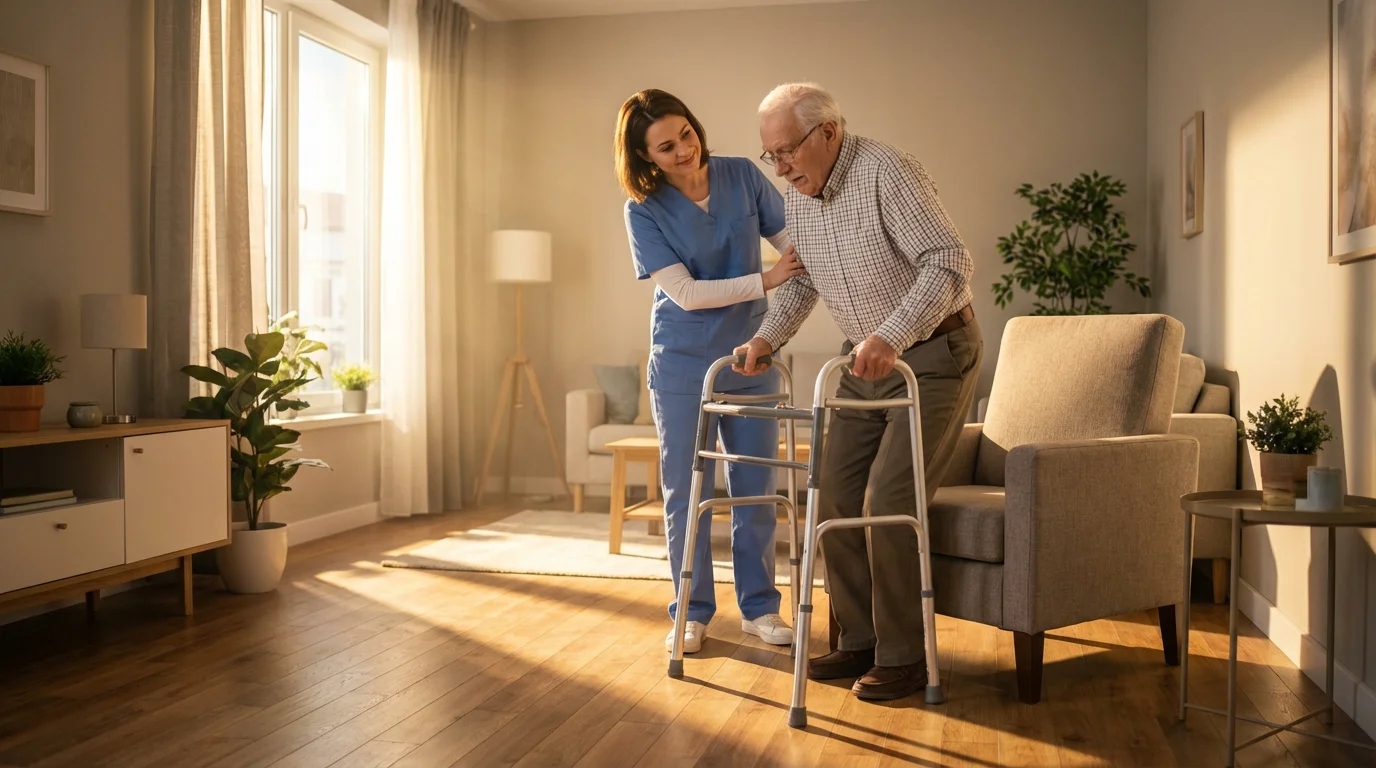
Nursing homes, also referred to as Skilled Nursing Facilities (SNFs), provide a higher level of medical care and supervision than assisted living. They cater to individuals who require round-the-clock medical attention, extensive assistance with ADLs, or specialized rehabilitative services.
A physician oversees each resident’s care plan. When I was building my comparison matrix for our move, I made sure to understand the full spectrum of care, including SNFs, even though we weren’t close to needing that level of care. It was part of my due diligence for long-term planning.
For those who do not yet require this level of clinical oversight, exploring 55+ communities may offer a more suitable balance of lifestyle and social amenities.
Typical Residents and Environment
Residents in nursing homes often have chronic medical conditions, severe cognitive impairment, or require recovery from acute illnesses, injuries, or surgeries. The environment is more clinical, functioning like a hospital or medical facility.
Rooms are often semi-private, and the focus remains on health management and rehabilitation.
The primary goal of a nursing home is to provide continuous medical care and ensure patient safety. Staffing includes registered nurses, licensed practical nurses, and certified nursing assistants available at all times.
This medical focus distinguishes nursing homes from other senior living options, and it’s a critical distinction to grasp when planning for various eventualities.
Services Provided in Nursing Homes
Nursing homes deliver comprehensive medical and personal care services. These services meet the complex health needs of residents, supporting both long-term and short-term recovery.
- 24-hour skilled nursing care provided by licensed nurses.
- Administration of complex medications, injections, and wound care.
- Comprehensive assistance with all Activities of Daily Living (ADLs).
- Physical, occupational, and speech therapy for rehabilitation.
- Medical services including physician visits and monitoring of health conditions.
- Nutritional support, often with specialized diets.
- Social services and activity programs tailored to resident abilities.
- Personal care and hygiene assistance.

Key Differences: Care Levels and Services
The fundamental distinction between assisted living and nursing homes lies in the intensity of medical care and the level of assistance with daily tasks. Assisted living prioritizes independence with support, while nursing homes prioritize continuous medical oversight and comprehensive personal care.
This table provides a side-by-side comparison of the core aspects distinguishing these two vital senior housing options. Understanding these differences clarifies which environment best suits specific needs.
This is exactly the kind of concrete, comparative data I sought (and often built myself) during my two years of researching our move to Hawthorn Ridge. It cuts through the jargon and gives you the facts.
| Feature | Assisted Living Facility | Nursing Home (Skilled Nursing Facility) |
|---|---|---|
| Primary Focus | Supportive living, social engagement, independence with assistance. | 24/7 skilled medical care, rehabilitation, complex personal care. |
| Medical Care | Limited medical care, medication reminders, coordination with external doctors. | On-site registered nurses, physicians, advanced medical treatments. |
| ADL Assistance | Assistance with some ADLs (e.g., bathing, dressing). | Comprehensive assistance with all ADLs (e.g., feeding, mobility). |
| Staffing | Caregivers, personal care aides, medication technicians. | Registered Nurses (RNs), Licensed Practical Nurses (LPNs), Certified Nursing Assistants (CNAs), therapists. |
| Environment | Residential, apartment-like, private or semi-private rooms. | Clinical, hospital-like, often semi-private rooms. |
| Rehabilitation | May offer third-party therapy services on-site. | Dedicated on-site physical, occupational, and speech therapy. |
| Resident Profile | Seniors needing help with ADLs but otherwise independent; active socially. | Individuals with complex medical needs, severe cognitive impairment, or recovering from illness/injury. |
The key differentiator remains the level of medical necessity. Assisted living provides assistance, while nursing homes provide extensive medical intervention and constant supervision. This impacts every aspect of daily life, from routines to personal freedom.

Understanding the Cost: Assisted Living vs. Nursing Homes
The cost of senior housing varies significantly based on location, services needed, and room type. However, nursing homes typically represent a higher financial commitment due to the intensive medical care provided. It is important to consider both the monthly fees and potential additional charges. This is where my “NASA mission” level of detail for our finances really comes into play. You need to understand every line item.
Assisted Living Costs
Assisted living costs usually cover rent, meals, basic utilities, housekeeping, and some level of personal care. Additional services, like extensive medication management or one-on-one care, may incur extra fees.
The national median cost for assisted living ranges from approximately $4,500 to $5,500 per month, though prices vary widely by state and city.
Funding options for assisted living primarily include private pay from savings, long-term care insurance, and sometimes Veterans’ benefits. Medicare does not cover assisted living costs, although some state Medicaid programs may offer waivers for specific services in certain communities.
Dorothy and I meticulously reviewed our financial situation and long-term care insurance policies as part of our retirement planning, knowing these costs could be substantial.
Nursing Home Costs
Nursing home care, or Long-Term Care (LTC) in a skilled nursing facility, is considerably more expensive due to the 24-hour medical staffing and comprehensive services.
The national median cost for a semi-private room in a nursing home can range from $8,000 to $9,500 per month, while a private room can exceed $10,000 monthly.
Medicare covers short-term skilled nursing care for rehabilitation following a hospitalization, but it does not cover long-term custodial care. Medicaid, for those who meet financial eligibility requirements, is the primary payer for long-term nursing home care.
Other funding sources include private pay, long-term care insurance, and Veterans’ benefits. Understanding these distinctions was critical for me when mapping out our potential future expenses and ensuring our financial plan was robust.
Cost Comparison Table
This table outlines typical cost components and funding sources for both assisted living and nursing homes. Understanding these financial aspects is critical for planning. I always found tables like this to be the most efficient way to compare options and make informed decisions.
| Cost Aspect | Assisted Living Facility | Nursing Home (Skilled Nursing Facility) |
|---|---|---|
| Median Monthly Cost (National) | $4,500 – $5,500 (semi-private/private room) | $8,000 – $9,500 (semi-private room), $9,000 – $10,500+ (private room) |
| What’s Included | Rent, meals, utilities, basic ADL assistance, housekeeping, activities. | Rent, all meals, 24/7 skilled nursing care, extensive ADL assistance, therapies, medical supplies. |
| Additional Costs | Higher levels of care, extensive medication management, specialized therapies, personal items. | Co-pays, personal items, specific medical devices not covered by insurance. |
| Primary Funding Sources | Private pay, long-term care insurance, some state Medicaid waivers, Veterans’ benefits. | Medicaid, private pay, long-term care insurance, Medicare (for short-term skilled care/rehab), Veterans’ benefits. |
| Medicare Coverage | No (for custodial care) | Yes (for short-term skilled nursing/rehab following hospitalization) |
Choosing the right senior living community involves careful consideration of care needs, lifestyle preferences, and financial resources. The best community is one where you can thrive, receiving the right amount of support without compromising your independence when possible.

Environment and Lifestyle: A Different Daily Experience
The daily experience in assisted living communities and nursing homes differs significantly. These differences impact social engagement, personal autonomy, and overall quality of life. Consider which environment aligns best with your or your loved one’s personality and needs.
For Dorothy, the social aspect was a top priority, which I factored into my 14-variable matrix for Hawthorn Ridge.
Assisted Living Lifestyle
Assisted living communities foster a vibrant, social atmosphere. Residents typically have private apartments or rooms, allowing for personal space and freedom. Activities often include group outings, exercise classes, cultural events, and hobby groups.
The focus is on maintaining an active, engaged lifestyle with readily available support.
Residents retain control over many daily decisions, such as meal times, activity participation, and social interactions. This emphasis on autonomy contributes to a higher sense of personal well-being. The community atmosphere encourages new friendships and continued personal interests.
Nursing Home Lifestyle
The lifestyle in a nursing home is more structured and medically oriented. While social activities exist, they are often tailored to residents with more significant physical or cognitive limitations. Privacy may be limited, with semi-private rooms being common.
Daily routines are often dictated by medical schedules, such as medication times, therapy sessions, and scheduled meals. The primary concern is health management and safety.
While staff works to create a caring environment, the clinical nature means less emphasis on independent living and more on supervised care. It’s a necessary environment for certain needs, but clearly a different daily experience than what Dorothy and I enjoy at Hawthorn Ridge.
Making the Right Choice: Factors to Consider
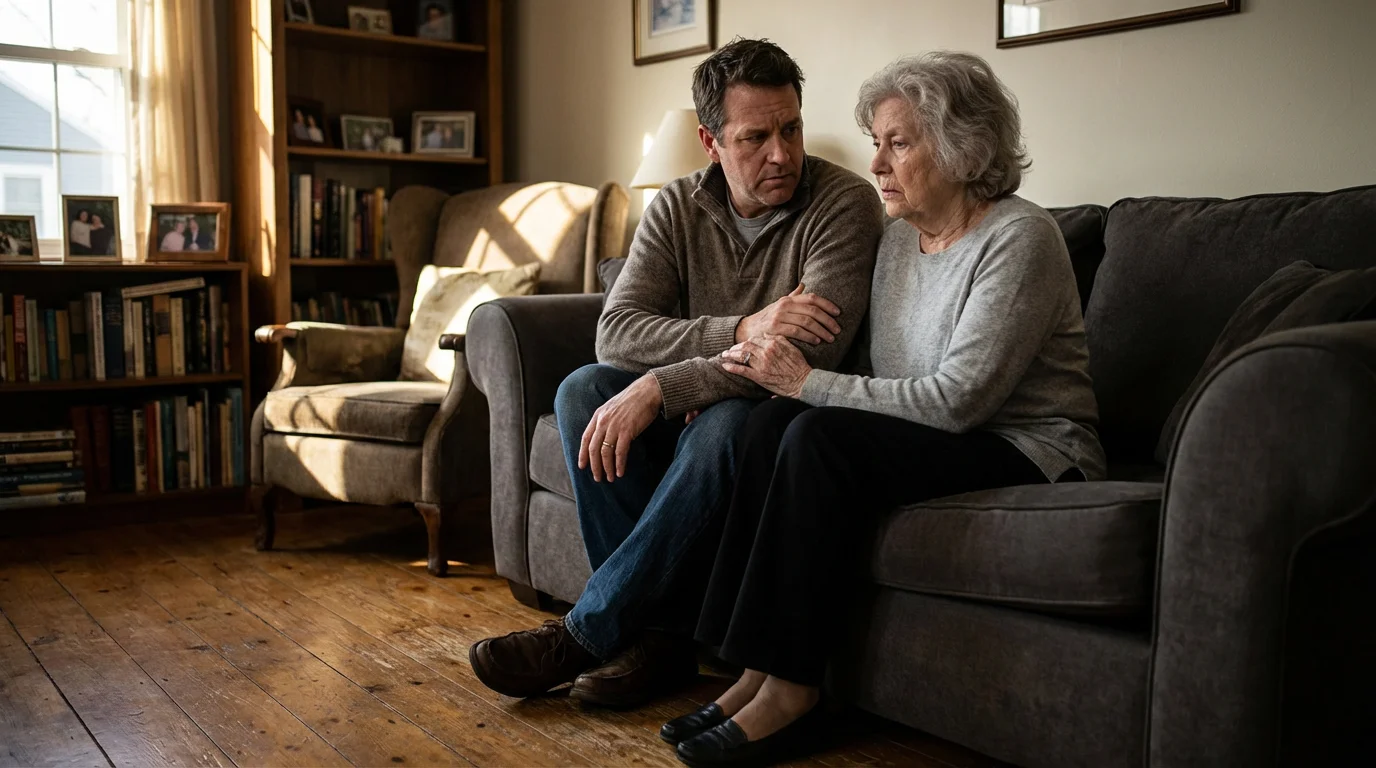
Selecting between assisted living and a nursing home requires thorough evaluation. Consider medical needs, lifestyle preferences, financial situation, and long-term care plans. This systematic approach ensures a decision that best supports the individual.
It’s the same rigorous process I used when Dorothy and I decided to move to Florida.
Assessing Care Needs
Begin by consulting with healthcare professionals, including your primary physician or an eldercare specialist. They can provide an objective assessment of your or your loved one’s current health status, ADL requirements, and prognosis.
This professional guidance is invaluable in determining the appropriate level of care. Just as I relied on data and expert opinions for our move, medical professionals provide the crucial data points here.
Consider future needs as well. If health conditions are likely to decline, a facility offering a continuum of care, such as a Continuing Care Retirement Community, or one known for smooth transitions might be beneficial. Argentum, an association for senior living providers, offers resources on various care settings.
Questions to Ask During Tours
When touring facilities, prepare a list of questions to gather comprehensive information. These inquiries help uncover details about services, costs, staffing, and daily life. You need clear answers to make an informed decision. I had a similar list of about 30 questions when Dorothy and I toured 55+ communities.
- What is the staff-to-resident ratio, especially during nights and weekends?
- How does the facility handle medical emergencies?
- What training does the care staff receive? Are they certified?
- What are the exact monthly costs, and are there any additional fees for specific services or care levels?
- What is the visitor policy, and how flexible are visiting hours?
- Can residents personalize their living space?
- What activities are offered, and how do you encourage participation?
- What is the process for addressing resident concerns or complaints?
- How does the facility manage medication administration and monitoring?
- What is the typical menu, and can the facility accommodate special dietary needs?
Steps for Choosing a Community
Follow a structured approach to narrow down your options and select the best fit. This process reduces stress and ensures all critical factors receive consideration. This is essentially my methodology, refined over years of civil engineering projects and two years of retirement community research.
- Evaluate Needs: Determine current and potential future care requirements with medical professionals.
- Research Options: Identify several assisted living and nursing home facilities in your desired location. Utilize resources like A Place for Mom or the Eldercare Locator for local options.
- Verify Credentials: Check licenses, inspection reports, and accreditation status (e.g., CARF for some facilities). For nursing homes, consult Medicare’s Care Compare website.
- Visit and Tour: Schedule visits to your top choices. Observe the environment, interact with staff and residents, and ask prepared questions. Visit at different times of day if possible.
- Review Contracts: Carefully examine all contracts and financial agreements. Understand what is included, what costs extra, and the terms for moving out. Seek legal advice if needed.
- Make Your Decision: Based on your research and comfort level, choose the community that best meets your needs and preferences.
The Continuum of Care: When Needs Change
Life circumstances and health conditions can change over time. It is important to consider how a chosen housing option can adapt to evolving needs. Some senior living communities offer a “continuum of care,” allowing residents to transition between different levels of support within the same campus.
While Hawthorn Ridge is primarily independent living, I made sure to investigate nearby assisted living and nursing home options as part of our long-term planning, just in case.
Continuing Care Retirement Communities (CCRCs) exemplify this model. They provide independent living, assisted living, memory care, and skilled nursing care all in one location. This arrangement allows residents to remain in a familiar environment even as their care requirements increase.
Understanding these transitions helps in long-term planning, ensuring you’re prepared for whatever comes next.
Frequently Asked Questions
Does Medicare pay for assisted living or nursing home care?
Medicare does not cover the costs of assisted living, as it is considered custodial care. For nursing homes, Medicare covers short-term skilled nursing care for rehabilitation purposes after a qualifying hospital stay, but it does not cover long-term custodial care.
Medicaid, for those who qualify, is a primary payer for long-term nursing home care. Dorothy and I reviewed our Medicare plans meticulously to understand these limitations.
What are Activities of Daily Living (ADLs)?
Activities of Daily Living (ADLs) are basic self-care tasks essential for independent living. They include bathing, dressing, eating, toileting, transferring (moving from bed to chair), and continence.
The level of assistance an individual needs with ADLs often determines the appropriate type of senior care. It’s a practical benchmark for assessing needs.
Can someone move from a nursing home back to assisted living?
Yes, it is possible for someone to move from a nursing home back to assisted living, particularly if their health improves after rehabilitation or acute care. This transition depends entirely on the individual’s current health status and their ability to manage a higher degree of independence. A healthcare assessment is essential before making such a move. It’s a logistical challenge, but certainly achievable with proper planning.
How do I assess the quality of a nursing home?
You can assess the quality of a nursing home by checking its ratings on Medicare’s Care Compare website, which provides information on health inspections, staffing, and quality measures.
Also, read resident and family reviews, and pay close attention during tours to cleanliness, staff interactions, and resident engagement. Reviewing state inspection reports also provides valuable insight. This is where my methodical research approach truly shines—dig deep into the data.
What is the difference between personal care and skilled nursing care?
Personal care, often provided in assisted living, involves assistance with Activities of Daily Living (ADLs) like bathing, dressing, and eating, along with medication reminders. Skilled nursing care, found in nursing homes, involves medical procedures and treatments that require the expertise of licensed nurses or therapists, such as wound care, IV administration, and rehabilitation therapies. It’s a clear distinction between support services and clinical medical care.
Are there alternatives to assisted living or nursing homes?
Yes, several alternatives exist depending on the level of care needed. These include independent living communities for active seniors (like Hawthorn Ridge, where Dorothy and I live), home care services (where caregivers come to the senior’s home), adult day care programs, and continuing care retirement communities (CCRCs) that offer a range of care levels on one campus.
I considered all of these when I developed my 14-variable comparison matrix for our own move.

Next Steps in Your Housing Journey
Deciding between assisted living and a nursing home is a significant decision, but you do not need to make it alone. Use the information presented here as a starting point. Your next steps should involve deeper research, personal visits, and consultation with professionals.
This is exactly the process I followed, and it led Dorothy and me to the perfect place in Hawthorn Ridge.
Engage with eldercare specialists, financial advisors, and healthcare providers. They offer personalized advice tailored to your unique circumstances. Empower yourself with knowledge and support to choose the senior housing option that best fosters health, happiness, and peace of mind.
The upfront work prevents problems later, and I can tell you from experience, it’s worth every minute.
Disclaimer: This article is for informational purposes only and does not constitute medical, legal, or financial advice. Senior housing costs, services, and availability vary significantly by location and provider. We strongly encourage readers to tour multiple communities, review contracts carefully with legal counsel, and consult with eldercare specialists, financial advisors, and healthcare providers before making housing decisions.








Leave a Reply