
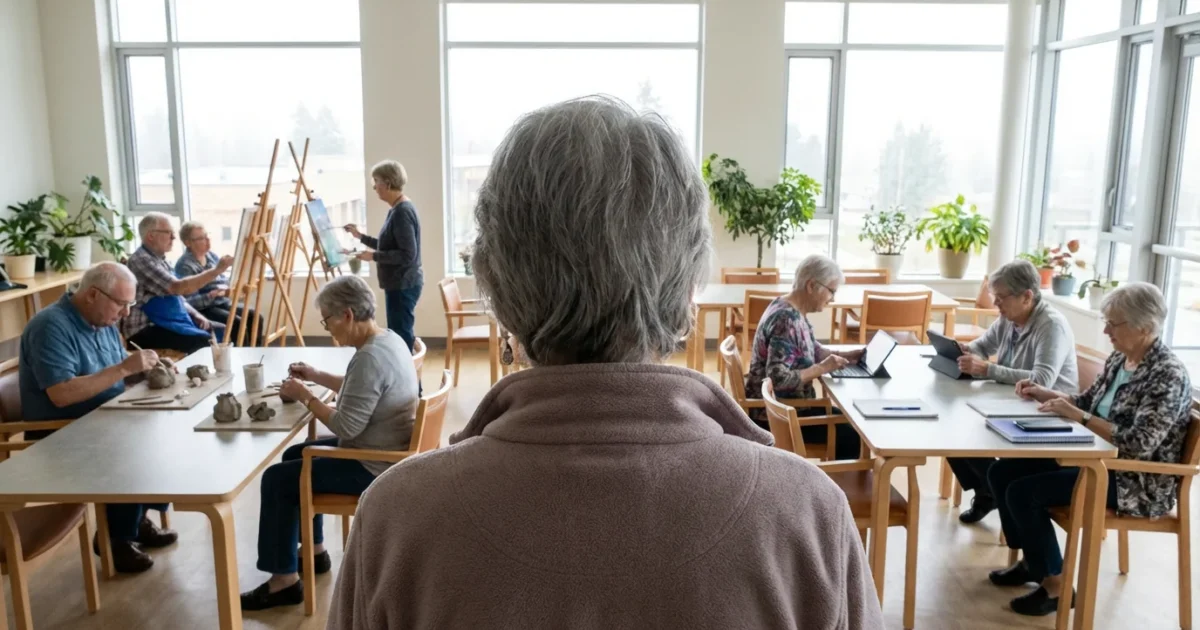
For me, retirement definitely ushered in a new chapter, though I’ll admit, I wasn’t exactly leaping into it at first. Bill, bless his methodical heart, was ready to embrace freedom and discovery, but I was still clinging to our life on Elmwood Drive.
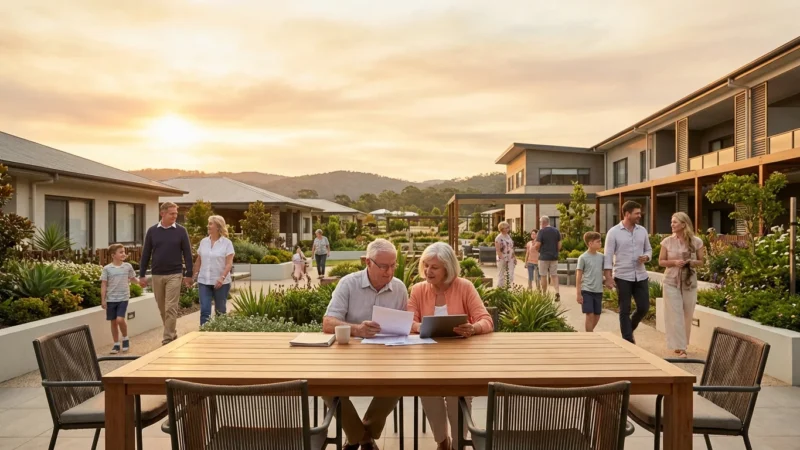
What I’ve learned, though, is that when you consider a 55+ community like our Hawthorn Ridge, you’re not simply choosing a new home; you’re truly embracing a lifestyle rich with opportunities for connection, growth, and vibrant engagement.
I’ve found that modern retirement communities have evolved far beyond just quiet pastimes. They cultivate dynamic environments where we can pursue passions, learn new skills, and forge meaningful friendships, creating a future that feels incredibly full.
We really did find a community designed to help us thrive, and I’m so glad Bill pushed for it, even when I was dragging my heels.
And speaking of Bill, he’d be the first to remind you that to ensure your long-term comfort, financial planning for community living can help you align your resources with the amenities you desire. He has a spreadsheet for everything, you know!
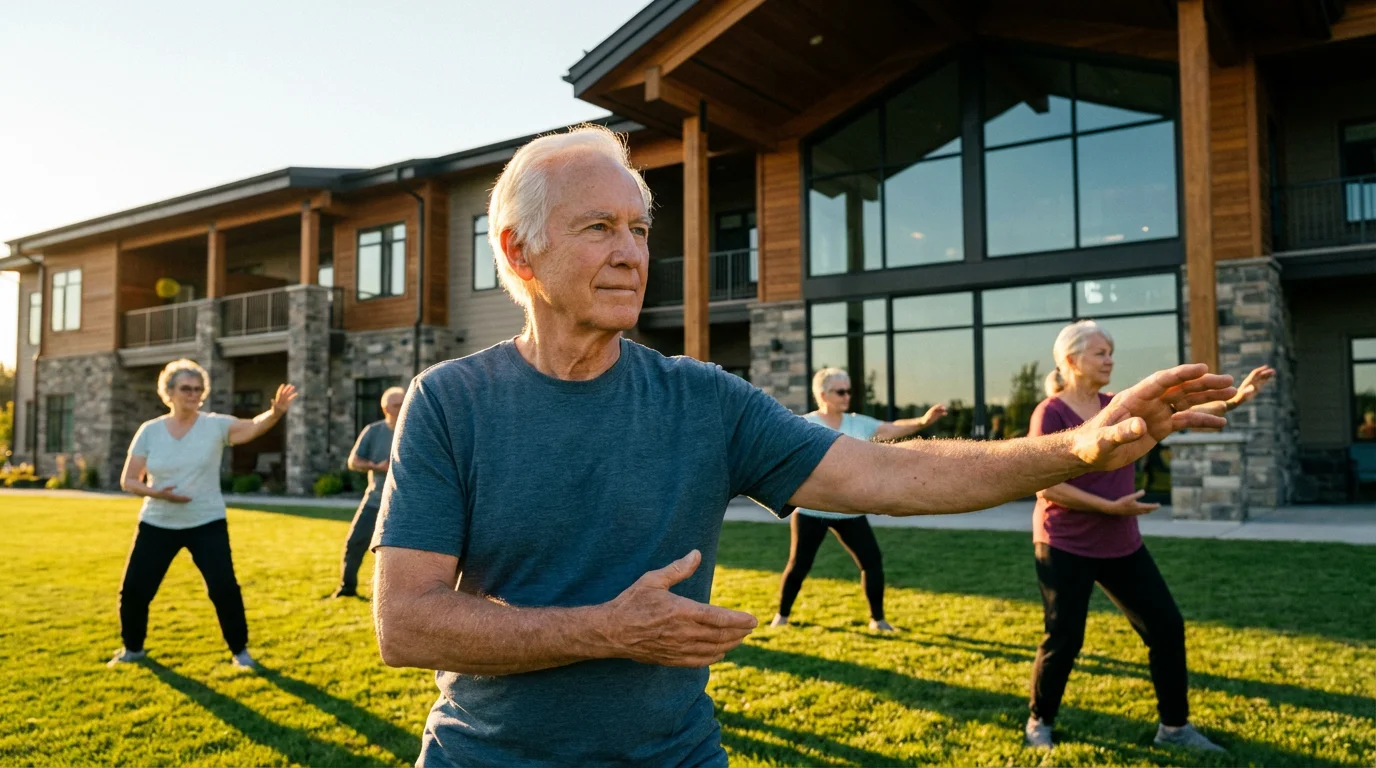
The Evolution of Retirement Living
When Bill first started talking about moving to a 55+ community, I pictured something very different from what we found. I imagined quiet, maybe a little sleepy, certainly nothing like the vibrant life we’ve built here.
But today’s communities, like our Hawthorn Ridge, present a stark contrast to older models of senior living. These environments actively foster community recreation, offering an impressive array of activities and programs designed to cater to all sorts of interests.
I’ve discovered opportunities to stay active, engage my mind, explore creativity (like my watercolor painting!), and build strong social networks. My experience here truly allows me to shape a retirement that is both active and deeply connected, something I truly didn’t expect after crying when we sold the house in Columbus.
Bill always says that when you’re touring potential homes, it’s helpful to have a list of key questions to ask regarding the specific activity schedule and community rules. He had a whole binder of them!
The emphasis has really shifted from simply providing housing to curating a vibrant lifestyle. Many communities now offer resort-style amenities, extensive activity calendars, and dedicated staff focused on enhancing resident well-being.
These communities understand that combating isolation and fostering connection are crucial for health and happiness, a sentiment supported by research from the National Institute on Aging, which highlights the health risks of social isolation.
I can tell you from experience, after feeling a little lost that first year, that they truly design programs to make it easy for you to engage at your own comfort level, and that made all the difference for me.
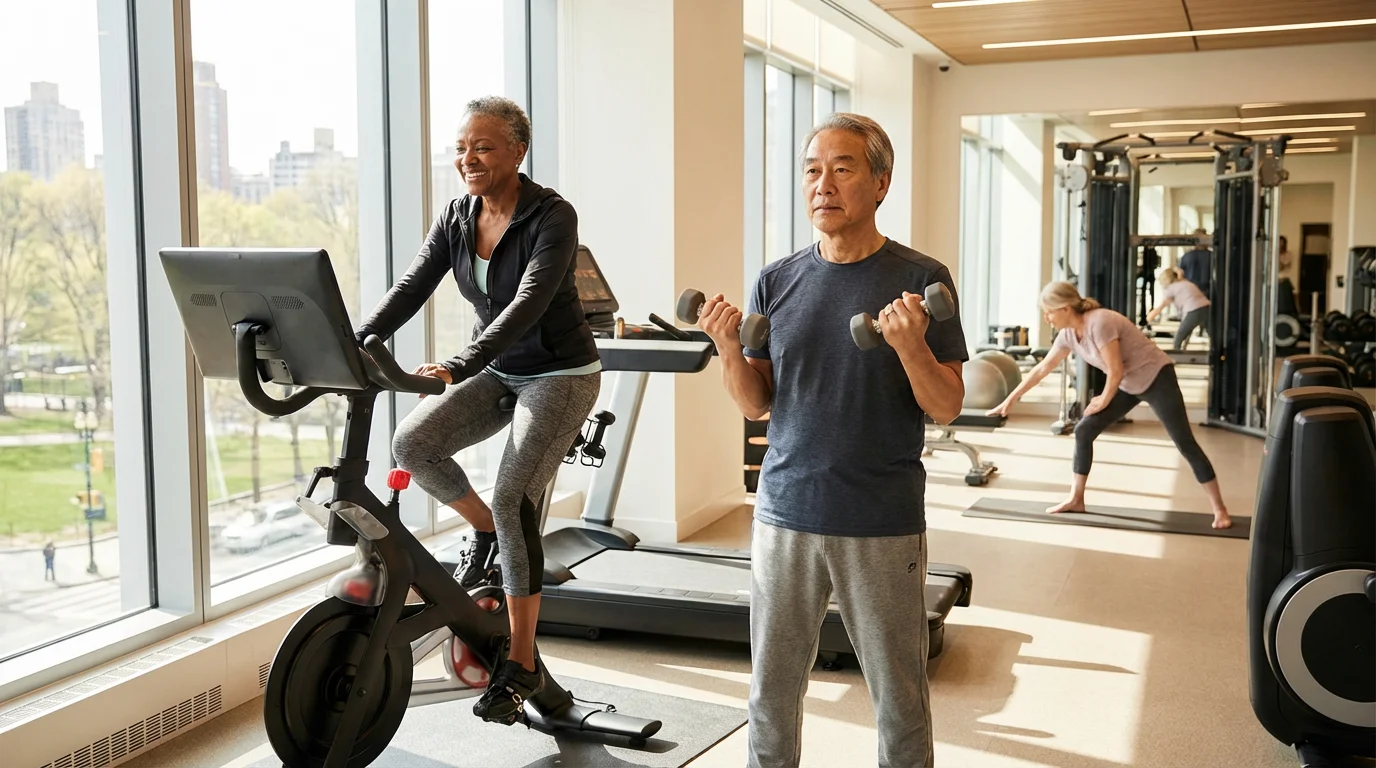
Physical Wellness and Active Living
Maintaining physical health remains a top priority for Bill and me, though we go about it very differently! He’s on the pickleball court four mornings a week, while I prefer a gentler pace.
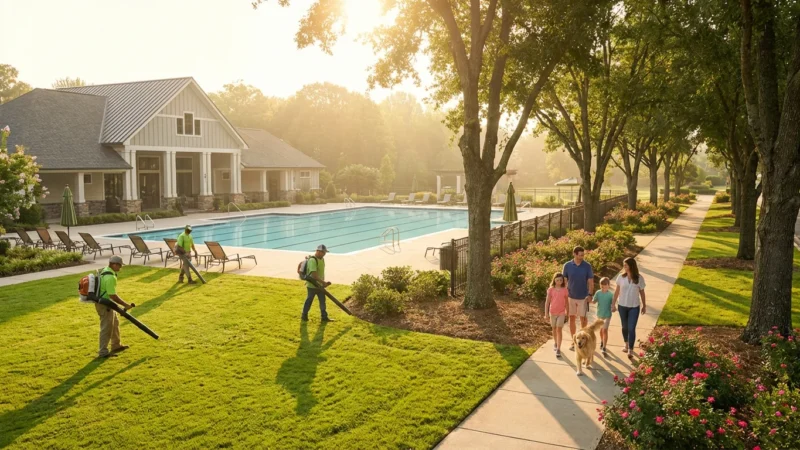
But our 55+ community provides abundant resources and programs to help us both stay active and strong. You’ll find state-of-the-art fitness centers, swimming pools, and dedicated spaces for various forms of exercise.
These amenities support a wide range of senior hobbies, ensuring everyone finds an activity they enjoy, even if it’s just me doing some gentle stretching by the pool after my morning swim.
Consider the diverse ways you can engage your body:
- Group Fitness Classes: Many communities offer classes like aqua aerobics (I’ve seen my friends, Carol and Martha, having a blast in there!), Zumba Gold, chair yoga, tai chi, and strength training tailored for seniors. Instructors often have certifications specific to older adults, ensuring safe and effective workouts.
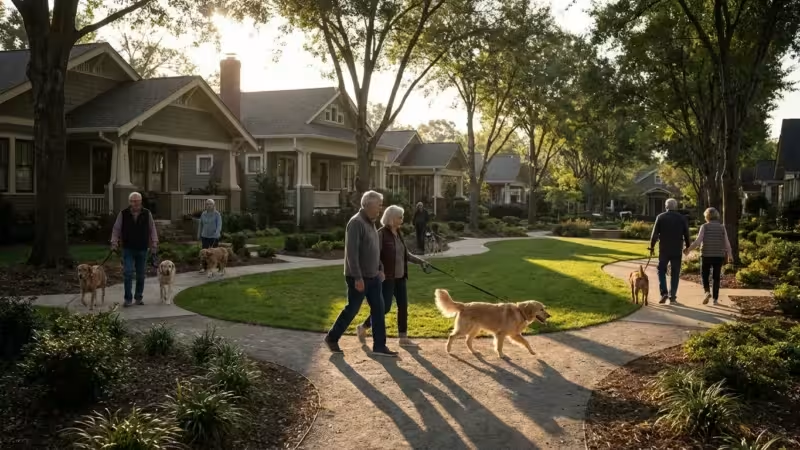
- Walking and Hiking Clubs: Explore community trails, local parks, or even organized excursions to scenic natural areas. After missing my Columbus garden so much, I love being able to walk around the beautiful grounds here, and sometimes I join a small group of ladies for a longer stroll.
- Sports and Games: Depending on the community, you might find bocce ball courts, pickleball courts (where Bill spends half his life!), tennis courts, or even golf courses. Leagues and friendly tournaments provide opportunities for competitive fun.
- Dance Classes: From ballroom dancing to line dancing or even simple movement classes, dancing is an excellent way to improve balance, flexibility, and cardiovascular health while having fun.
- Wellness Programs: Beyond structured exercise, many communities offer workshops on nutrition, healthy aging, fall prevention, and stress management, supporting your overall well-being.
These activities allow you to enjoy your favorite pastimes or discover new ways to move your body, fostering both physical vitality and enjoyable community recreation.
We don’t stop playing because we grow old; we grow old because we stop playing. — George Bernard Shaw

Nurturing Your Mind and Your Spirit
Keeping your mind sharp and your spirit uplifted contributes significantly to a fulfilling retirement. As a former elementary school librarian, I’ve always cherished learning, and I was worried I’d lose that spark in retirement.
But 55+ communities often excel in providing intellectual and spiritual programming, ensuring your cognitive and emotional needs are met. These programs offer wonderful leisure activities for ongoing learning and personal growth, which was a huge relief for me.
Think about the opportunities for mental and spiritual enrichment:
- Lifelong Learning Courses: Many communities partner with local colleges or universities, or bring in expert speakers, to offer classes on history, literature, current events, technology, and more. I’ve been able to delve into subjects I always wanted to explore, a joy I hadn’t had time for since leaving the library.
- Book Clubs and Discussion Groups: Engage in stimulating conversations about novels, non-fiction, or philosophical topics. These groups provide intellectual camaraderie and diverse perspectives. I joined a book club here, and it’s been wonderful to discuss stories with new friends.
- Bridge, Chess, and Board Game Groups: Strategic games offer excellent mental stimulation and social interaction. Many communities have dedicated game rooms and organized play sessions.
- Technology Workshops: Learn how to use new devices, navigate social media, or explore online resources. These workshops help you stay connected in the digital age. I even took one to learn how to video chat better with Lily and Noah!
- Meditation and Mindfulness Sessions: Programs focused on stress reduction, relaxation techniques, and spiritual exploration help you find inner peace and balance.
- Guest Speaker Series: Communities regularly host experts on a wide range of topics, from travel and finance to health and hobbies, providing engaging and informative presentations.
These varied offerings ensure you can continue to learn, grow, and engage your mind in stimulating ways.
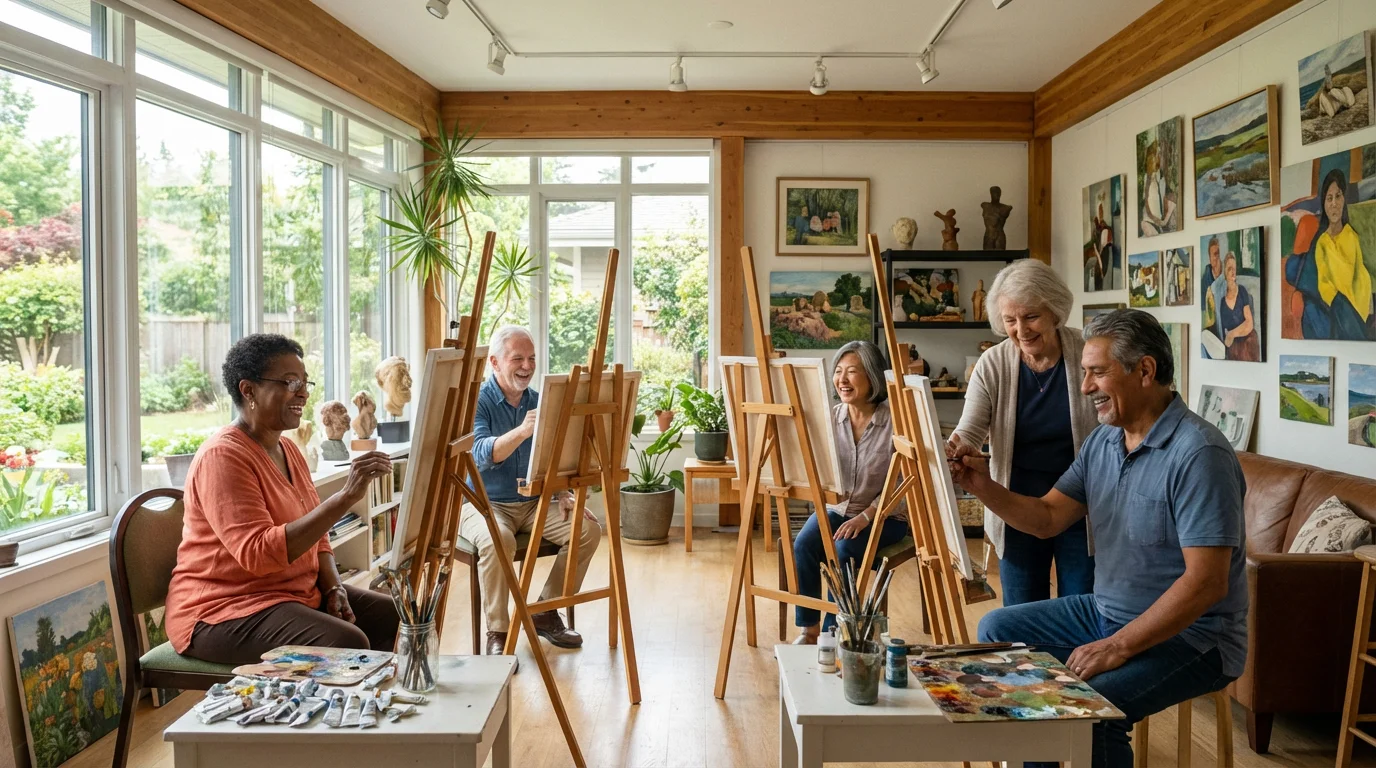
Creative Pursuits and Artistic Expression
Retirement often provides the perfect time to explore your artistic side or pick up a new creative skill. For me, it was watercolor painting. I’m not good at it, not by a long shot, but I truly don’t care! It brings me so much joy.
Many communities offer extensive art studios, craft rooms, and performance spaces, fostering a vibrant artistic atmosphere. You find countless opportunities for creative expression, fulfilling a wide range of senior hobbies, and it’s truly wonderful to see.
Consider the artistic and creative avenues available:
- Art Classes: Learn to paint in watercolors or oils, sculpt with clay, draw, or explore mixed media. I signed up for a beginner watercolor class, and it’s become one of my favorite afternoons. Taught by experienced instructors, these classes cater to all skill levels, from beginners to experienced artists.
- Craft Workshops: Engage in knitting, crocheting, quilting, jewelry making, pottery, or woodworking. These activities allow you to create beautiful items while connecting with fellow crafters.
- Music Groups: Join a choir, band, or learn a new instrument. Many communities have dedicated music rooms and organize performances for residents.
- Theater and Performance Clubs: Participate in resident-led drama groups, script readings, or talent shows. You can act, direct, or simply enjoy being part of the audience.
- Photography Clubs: Learn new techniques, share your work, and participate in organized photo outings to capture local beauty.
- Writing Workshops: Explore poetry, memoir writing, or short stories. These groups provide a supportive environment for developing your writing skills and sharing your voice.
These activities prove that you are never too old to learn a new art form or refine an existing talent. They truly showcase what kind of activities are in retirement that go beyond the expected.

Social Connections and Community Involvement
Building strong social connections stands as a cornerstone of thriving in a retirement community. For me, after leaving all our friends in Ohio, this was probably the most important thing. While some residents prefer quiet independence, many appreciate the built-in opportunities for friendship and engagement.
Our community actively designs programs to facilitate interaction, allowing you to connect at your own pace. I’ve been so fortunate to find three genuine friends here at Hawthorn Ridge that I call my “Florida family.” You will find a wealth of social clubs and opportunities for community involvement.
Explore the many ways to connect and contribute:
- Social Hours and Happy Hours: Regular gatherings provide informal opportunities to meet neighbors and make new friends in a relaxed setting. This is how I met my friend Carol – we were both eyeing the cheese platter!
- Resident Councils and Committees: Get involved in community governance, planning events, or advocating for resident interests. This allows you to shape your living environment.
- Volunteer Opportunities: Many communities organize volunteer programs within the community or with local charities. Bill volunteers at a local food bank on Thursdays, and it gives him such a sense of purpose.
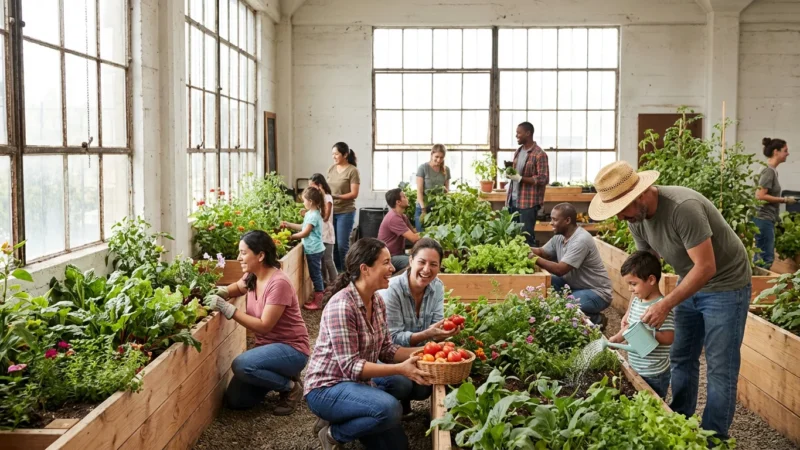
- Special Interest Clubs: Find groups for everything from gardening and bird watching to travel planning and investment discussions. These clubs bring together people with shared passions.
- Game Nights: Beyond structured games, informal card games, trivia nights, or board game evenings offer lighthearted social interaction.
- Theme Parties and Holiday Celebrations: Communities frequently host festive events that bring everyone together, creating a strong sense of belonging. Our Christmas party last year was a hoot!
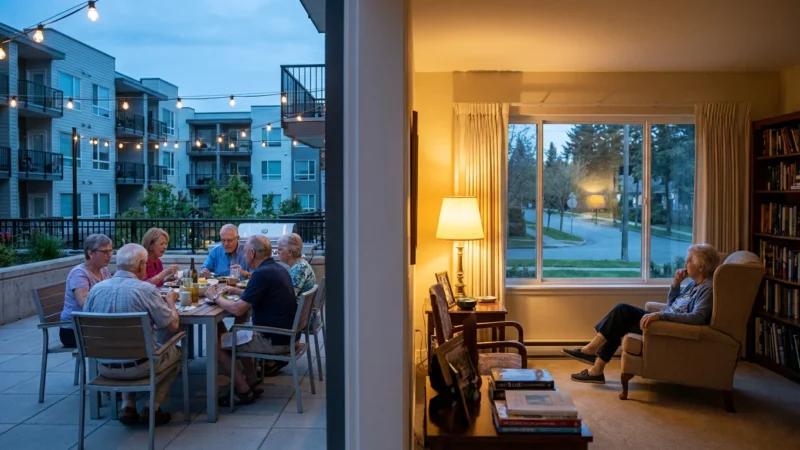
Whether you enjoy large gatherings or prefer smaller, more intimate connections, these communities offer the flexibility to engage in ways that suit your personality. They redefine what do people do at 55 plus communities, focusing on meaningful interactions.

Culinary Delights and Dining Experiences
Dining in a 55+ community often becomes a significant social experience. Bill and I were surprised by how much we enjoy not having to cook every night. Of course, I still bake on Sunday mornings – some traditions are too important to break! But many communities boast multiple dining venues, from casual cafes to formal restaurants, offering a variety of culinary options.
These settings provide excellent opportunities for social interaction and community building, and Bill has even become an unexpectedly good cook since retirement, which still surprises both of us.
Consider how dining becomes an experience:
- Flexible Dining Plans: Most communities offer meal plans that give you choices in how and when you dine, allowing for spontaneity or routine as you prefer.
- Chef-Prepared Meals: Enjoy nutritious and delicious meals without the effort of cooking or cleaning. Chefs often accommodate dietary restrictions and preferences.
- Special Themed Dinners: Communities frequently host themed culinary events, such as international cuisine nights, holiday banquets, or seasonal tasting menus. We went to a fantastic Italian night last month.
- Cooking Classes and Demonstrations: Learn new recipes and cooking techniques from professional chefs. These interactive sessions combine education with social fun.
- Private Dining Rooms: Reserve a private space to host family and friends for special occasions, enjoying the convenience of community catering. We’re already planning to use this when Karen and the grandkids visit next.
- Cafes and Bistros: Casual spots provide excellent venues for a quick coffee, a light lunch, or an afternoon chat with neighbors.
Dining becomes more than just a meal; it transforms into an opportunity for connection, celebration, and culinary exploration, making it a key part of community recreation.
Exploring the Local Area and Beyond
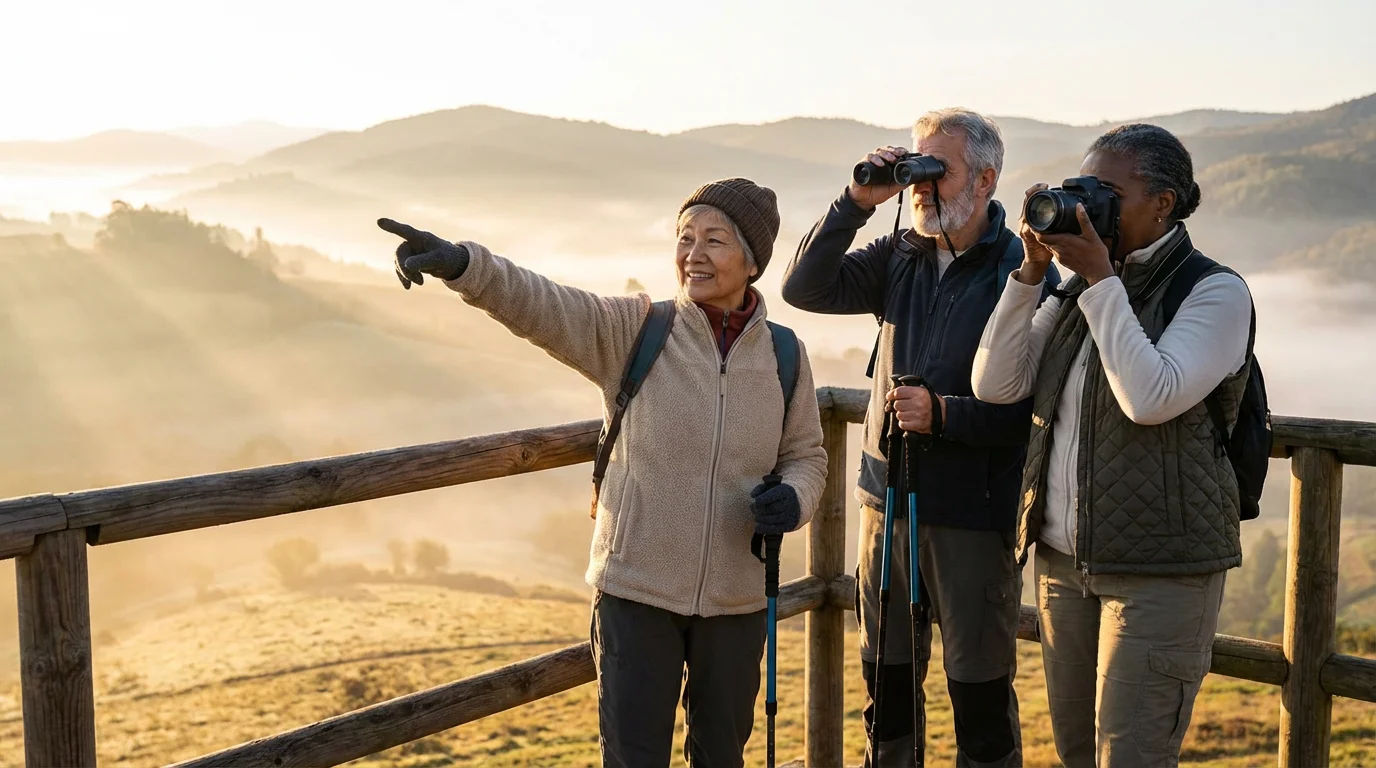
While community amenities offer plenty of engagement, many 55+ communities also facilitate exploration of the surrounding region. They understand that active seniors enjoy excursions and discovering new places.
This provides fantastic leisure activities and chances to broaden your horizons, something I’ve really come to appreciate since moving to Sarasota.
Think about the adventures awaiting you:
- Organized Day Trips: Communities often arrange excursions to local attractions, such as museums, theaters, botanical gardens, historical sites, and shopping centers. Transportation is usually provided. My friends and I took a trip to a local art museum, which was just lovely.
- Concert and Show Outings: Attend performances at local venues, from symphony orchestras to Broadway shows, enjoying cultural events without the hassle of planning.
- Sporting Event Trips: For sports enthusiasts, trips to see local professional or college games offer excitement and camaraderie. Bill sometimes goes with his pickleball buddies to see local baseball games.
- Nature Excursions: Explore nearby parks, nature preserves, or scenic drives. These trips offer fresh air, beautiful views, and opportunities for photography or birdwatching. I often think of my old garden in Columbus when I see the beautiful flowers here on our community walks.
- Volunteer Opportunities in the Wider Community: Engage with local charities, schools, or community projects, extending your impact beyond the community gates.
- Travel Clubs: Some communities have clubs dedicated to planning longer trips, whether domestic or international, allowing residents to travel with companions.
These opportunities ensure your life remains vibrant and connected to the world around you, providing new experiences and deepening friendships forged within the community. Sites like 55places.com allow you to research communities that offer these kinds of robust external programs.

Finding Your Fit and Getting Involved
Finding the right community involves more than just evaluating amenities; it means assessing the culture and the range of activities. I know this firsthand, having resisted the move to Florida for so long.
Once you choose a community, getting involved can seem daunting, especially if you are naturally introverted. Remember, there is no single “right” way to engage. You control your pace and preferred level of interaction, and I learned that it’s okay to take your time.
Additionally, the process of downsizing and moving provides a fresh start, allowing you to focus on the activities that bring you the most joy. We got rid of approximately one metric ton of stuff, as Bill would say, and it felt so freeing!
Here are practical steps for evaluating a community’s activity scene and then getting involved:
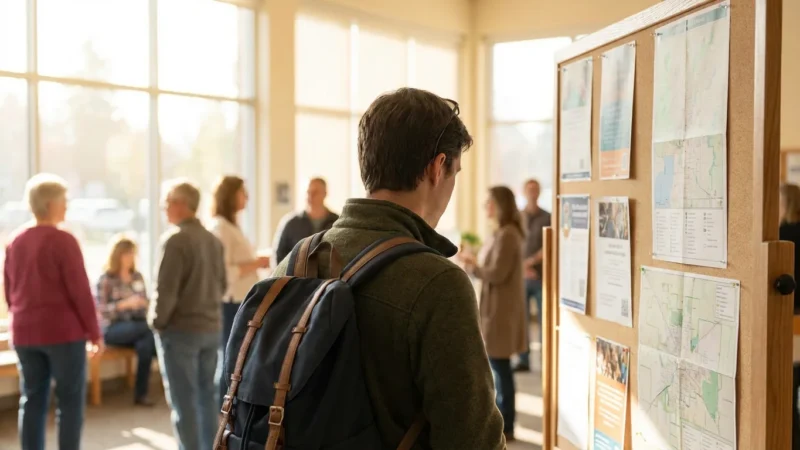
- Review Activity Calendars: Ask for several months’ worth of activity calendars. Look for variety, frequency, and activities that genuinely interest you. Bill poured over these with his spreadsheets, and I looked for anything that sounded fun or relaxing.
- Talk to Residents: During tours, speak with current residents about their experiences with activities and how easy it was to get involved. Their insights are invaluable. I found this so helpful when we first visited Hawthorn Ridge.
- Consider a “Stay-and-Play” Program: Some communities offer trial stays, allowing you to experience the lifestyle and participate in activities before making a commitment. This is something Bill found in his research, and I think it’s a brilliant idea.
- Attend an Interest Group Meeting: Look for a club or activity that aligns with an existing hobby or a new interest. Attending just one meeting is a low-pressure way to dip your toe in. That’s how I tried my watercolor class!
- Volunteer for a Small Task: Offer to help set up for an event or assist a club. This provides a gentle way to meet people without being the center of attention.
- Utilize Community Welcome Programs: Many communities have welcome committees or resident ambassadors who can help introduce you to others and guide you to activities. Our welcome committee was so kind and made me feel at home right away.
- Start Small: Attend a casual social hour, join a walking group, or participate in a single class. You do not need to commit to everything at once. I started by just talking to strangers at the pool, and that led to so many connections.
- Respect Your Pace: Recognize that it takes time to build connections. Some days you will feel more social than others, and that is perfectly normal. Prioritize your well-being. It took me a full year to truly settle in, and that’s okay.
Whether you seek constant social engagement or prefer quiet solitude with occasional group activities, a well-matched community offers the balance you desire. It truly defines what kind of activities are in retirement for individuals.
Frequently Asked Questions
What if I am an introvert? Can I still thrive in a community-oriented retirement living setting?
Absolutely. I understand this worry completely. Modern 55+ communities understand that residents have diverse social needs and preferences. While they offer abundant opportunities for connection, they also deeply respect individual desires for privacy and quiet time.
You can choose to participate in activities that suit your comfort level, like joining a book club, attending a lecture, or pursuing a solitary hobby in a shared studio space, like my watercolor painting.
Many people I know, who are a bit more reserved, find comfort in the sense of security and subtle connection provided by a community, even if they don’t attend every social event.
The key is finding a community that respects your personal boundaries and offers a wide range of engagement options, from large gatherings to small, intimate groups. There’s no pressure to be the life of the party if that’s not you!
How do I discover what activities are truly available in a specific community?
When Bill and I were looking, we found it really helpful to always ask for recent activity calendars, preferably for the last few months. This gives you a realistic picture of the diversity and frequency of offerings.
Beyond the calendar, inquire about resident-led clubs and interest groups. These often reveal the true spirit of a community and what its residents are passionate about.
Don’t hesitate to ask if you can attend a specific activity or club meeting during your visit to get a firsthand experience – I found just chatting with people at the pool gave me so many insights! Speaking with current residents offers the most authentic insight into how vibrant and accessible the activity scene truly is.
Are there opportunities for intergenerational engagement in 55+ communities?
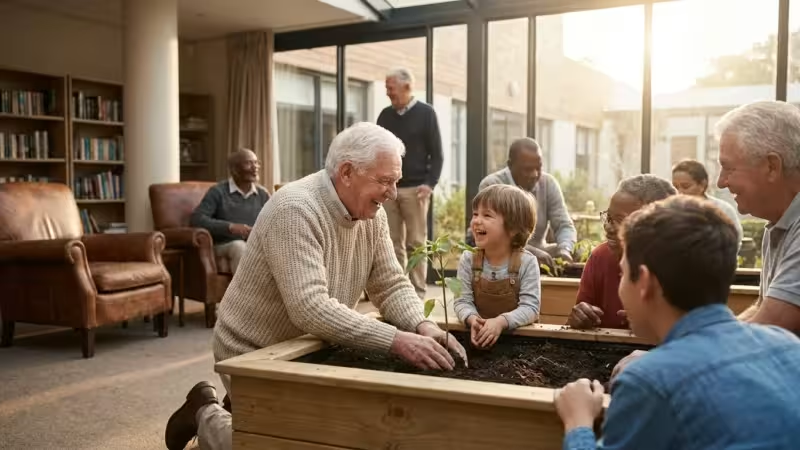
Oh, this is so important to me! Many 55+ communities recognize the value of intergenerational connections and actively foster them. While primary residents are 55+, most communities warmly welcome family visits, including our precious grandchildren, Lily and Noah.
Some communities even host specific intergenerational events, such as “grandparents’ day” activities, holiday celebrations that encourage family participation, or volunteer programs that connect residents with local schools or youth organizations.
Always check the community’s policies on visiting family members and ask about any planned programs designed to bridge generational gaps. This allows your family to remain an integral part of your community life, which was a non-negotiable for me.
Can I start a new club or activity in a 55+ community if I do not see one that fits my interest?
Yes, absolutely! Many 55+ communities strongly encourage resident-initiated clubs and activities. This reflects their commitment to fostering a resident-driven environment where your passions truly matter.
If you have an interest that isn’t currently represented, speak with the community’s activities director or resident council. They often provide support, resources, and communication channels to help you gauge interest among other residents and launch a new group.
It’s wonderful to see how people here have created everything from bird-watching clubs to ukulele groups. This empowerment allows you to truly shape your living experience and contribute to the community’s vibrancy.
What support is available for residents with varying mobility levels to participate in activities?
From what I’ve seen here at Hawthorn Ridge and in other communities, modern 55+ communities truly prioritize accessibility and inclusivity. Many facilities feature universal design principles, including ramps, elevators, and accessible restrooms.
Activity programs often include options for various mobility levels, such as chair yoga, seated exercises, or craft groups that don’t require extensive movement. Communities frequently offer transportation services to help residents get to on-site and off-site activities.
When touring, inquire about specific accommodations for mobility challenges, such as accessible seating at events, availability of mobility aids, or staff assistance. These considerations ensure everyone can engage fully, which is so important for quality of life.
Disclaimer: This article is for informational purposes only. Community living options, amenities, and cultures vary significantly. We encourage readers to visit communities in person, speak with current residents, and evaluate whether a community fits their unique needs and preferences.



Leave a Reply