
Embarking on a new chapter in a 55+ community offers a remarkable opportunity to shape your retirement experience. This period allows you to pursue passions, discover new hobbies, and build meaningful connections.
Selecting a community aligned with your personal interests is crucial for finding true fulfillment and a sense of belonging. Your ideal lifestyle community awaits, ready to enhance your daily life.
Bill and I certainly found that out! When we first started thinking about moving to a 55+ community, I honestly wasn’t sure what to expect. I pictured endless rounds of bingo and maybe some shuffleboard, which didn’t really light a fire in my heart.
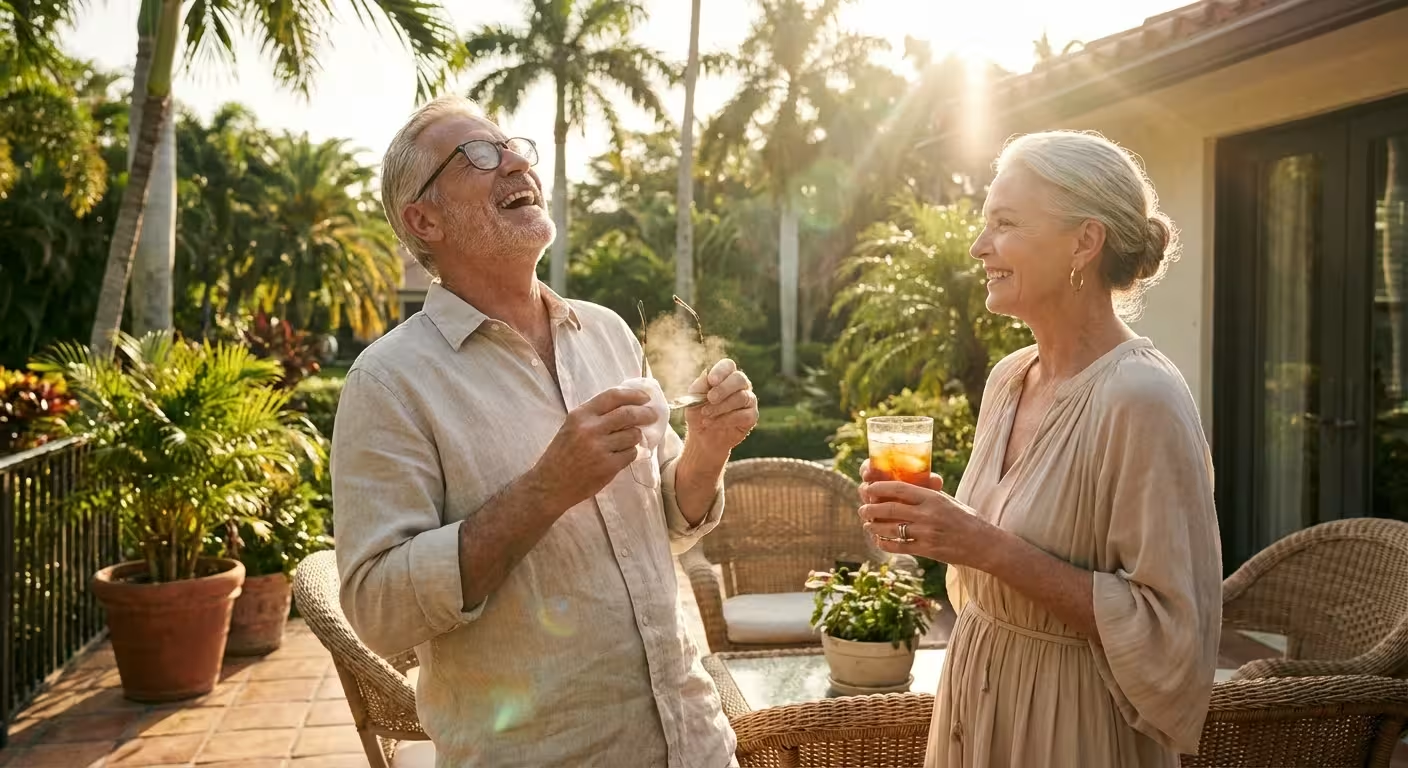
But the truth is, these places are so much more. I’ve discovered new hobbies and made three wonderful friends I call my “Florida family.” It really makes all the difference when you find a place that feels like it was made for you.
Consider what truly excites you. Do you envision an active sporting life, engaging in creative pursuits, expanding your intellectual horizons, or simply enjoying a tranquil environment with friendly neighbors?
Focusing on your shared interests helps you choose a place where you will naturally thrive. This guide helps you navigate the options and pinpoint the perfect setting for your unique preferences, ensuring you find your niche.

Understanding Lifestyle Communities and Your Interests
Modern 55+ communities offer more than just housing. They provide a comprehensive lifestyle framework designed for active adults. These environments actively curate opportunities for social interaction, personal growth, physical activity, and mental stimulation.
Your individual interests form the bedrock for evaluating potential communities and ensuring a happy transition.
Bill, with his civil engineer brain, had this part down to a science. He’d tell me, “Dorothy, we need to compare the benefits of community living vs. aging in place,” and I’d just nod, thinking about my garden back on Elmwood Drive. But he was right, of course.
You really do have to think about what you want your retirement to look like.
Before you even begin looking, take time to reflect on your ideal retirement. Begin by listing your current hobbies, passions, and any activities you always wanted to try but never had the time for.
Do you love to golf, paint, volunteer, participate in book discussions, or learn new languages? Understanding these core preferences helps significantly narrow your search for the right lifestyle community.
I remember sitting down with Bill and trying to make my own list. For so long, my life revolved around teaching and my garden in Columbus. It was hard to imagine what “my ideal retirement” even looked like!
But I eventually wrote down things like “more time with grandchildren,” “baking,” and “maybe try something creative.” I even wrote “talk to strangers by the pool,” which sounds silly, but it was a genuine desire to connect. It turns out, that last one was pretty important for me here at Hawthorn Ridge.
Many communities brand themselves around specific themes or core offerings. Some prioritize health and wellness, featuring extensive fitness centers, resort-style pools, and various sports courts.
Others focus on arts and culture, providing dedicated studios, workshops, and performance spaces. Still, other communities might emphasize lifelong learning or civic engagement.
Look for these identifying indicators early in your research to see if a community’s core mission aligns with your primary interests.

Exploring Diverse Community Offerings
The sheer variety of activities, amenities, and programs within 55+ communities can be astounding. From competitive sports and fitness classes to quiet contemplation in a garden, opportunities exist for nearly every preference.
Answering “what are the best community activities” involves understanding your personal definition of engagement and fun.
When Bill and I were looking, I felt a little overwhelmed by all the choices. Bill, of course, was laser-focused on finding good pickleball courts – he plays four mornings a week now! I was looking for something a little softer, a place where I could find new friends and maybe try some of those things I’d always put off.
Active and Outdoor Pursuits
If you thrive on staying active and enjoying the outdoors, many communities specifically cater to your energy. You will find extensive facilities and organized groups dedicated to various sports and fitness.
These options provide excellent avenues to connect with others who share your enthusiasm for movement and healthy living.
- Championship golf courses and pristine putting greens.
- Tennis, pickleball, and bocce ball courts with organized leagues and friendly tournaments.
- Miles of scenic walking, jogging, and biking trails.
- Resort-style swimming pools for laps, water aerobics, and social relaxation.
- State-of-the-art fitness centers offering personal training, yoga, Zumba, and strength training classes.
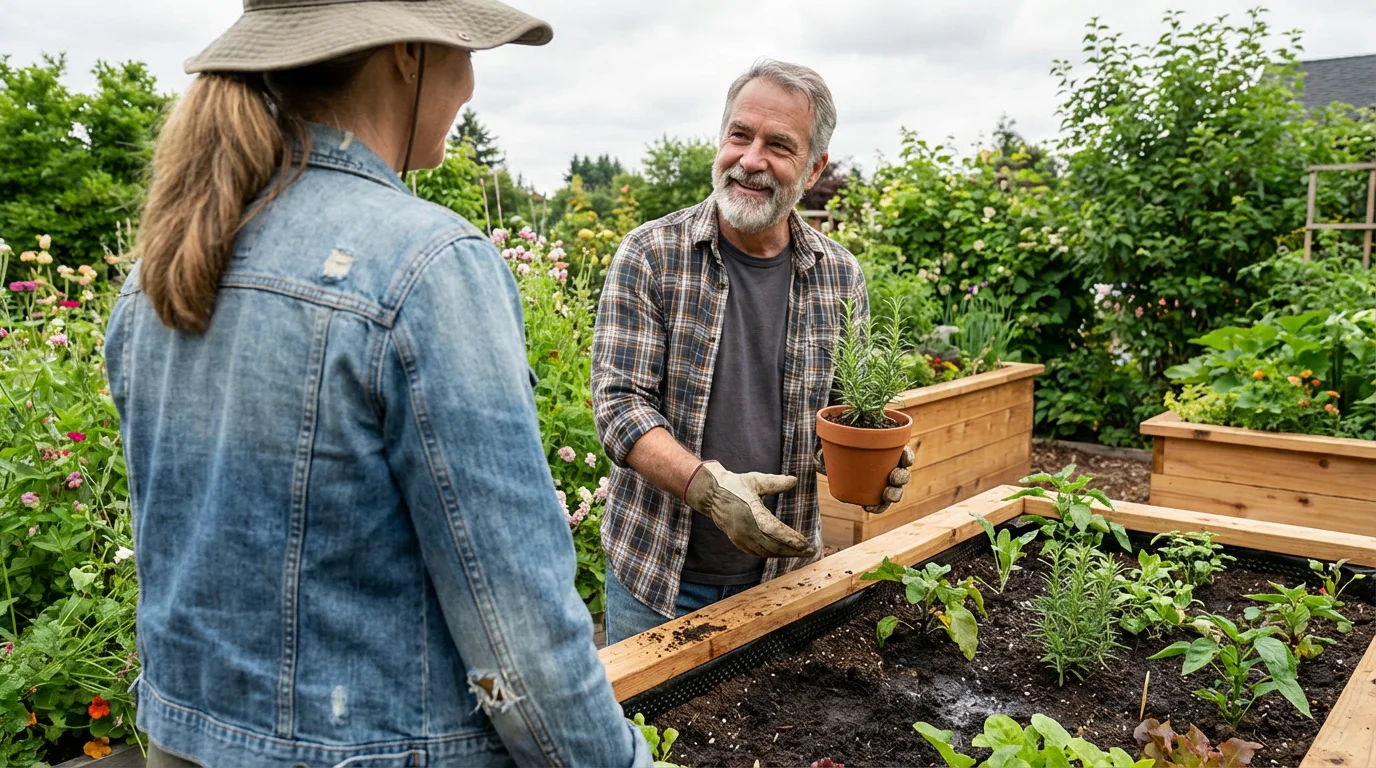
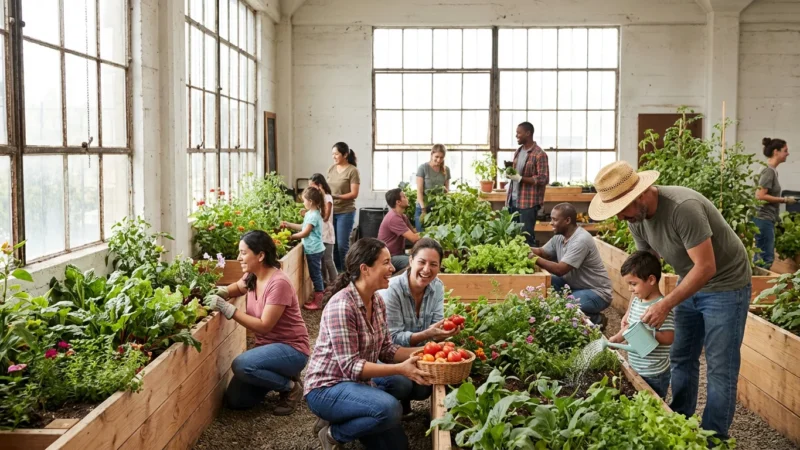
- Community gardens or individual gardening plots, fostering a love for horticulture.
- Fishing lakes, kayaking, or other water sports, depending on the location.
These types of activities often foster immediate camaraderie. Joining a regular golf foursome or a pickleball league, for example, quickly introduces you to a consistent social circle. The shared passion and friendly competition create an instant bond and a regular schedule for interaction.
Creative and Intellectual Engagement
For those who find joy in learning, creating, and intellectual stimulation, numerous communities provide rich, stimulating environments. These special interest groups help residents explore their artistic side, expand their knowledge, and engage in thoughtful discussions. These pursuits enrich your retirement years significantly.
- Fully equipped art studios for painting, pottery, sculpture, and drawing.
- Woodworking shops with tools and guidance for various projects.
- Dedicated craft rooms for knitting, quilting, jewelry making, and other textile arts.
- Extensive libraries and vibrant book clubs that cover diverse genres.
- Regular lecture series, workshops, and continuing education classes on topics ranging from history to technology.
- Photography clubs that organize outings and share techniques.
- Writing groups for aspiring authors or those who enjoy journaling and creative expression.
- Music rooms, choirs, or instrument groups for musicians of all levels.
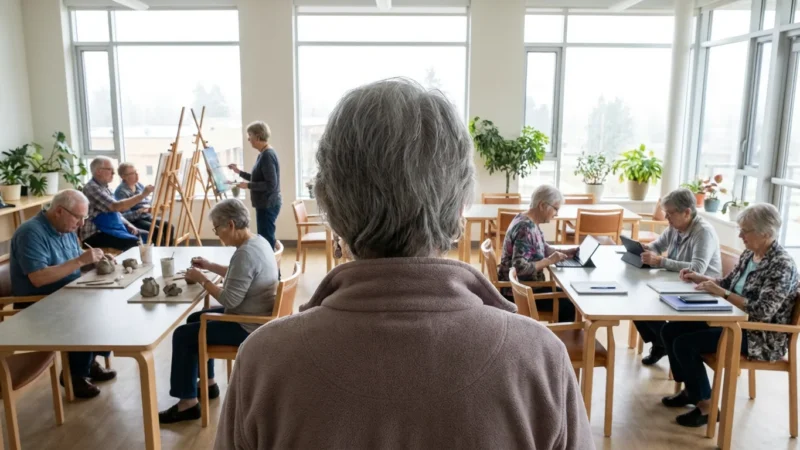
This is where I found my new passion! I always wanted to try painting, but with work and raising three kids, I never had the time. Here at Hawthorn Ridge, there’s a lovely art studio, and I’ve recently taken up watercolor painting.
I’m not good at it, not even a little bit, but I love it! It’s a peaceful way to spend an afternoon, and the other ladies in the class are so encouraging. It’s truly wonderful to have the space and opportunity to just try something new, without any pressure to be perfect.
Social and Community Involvement
Beyond structured classes and athletic endeavors, many communities emphasize opportunities for general social interaction and giving back. These offerings promote a strong sense of community, belonging, and purpose, which are vital for well-being. Connecting with neighbors through shared experiences builds lasting friendships.
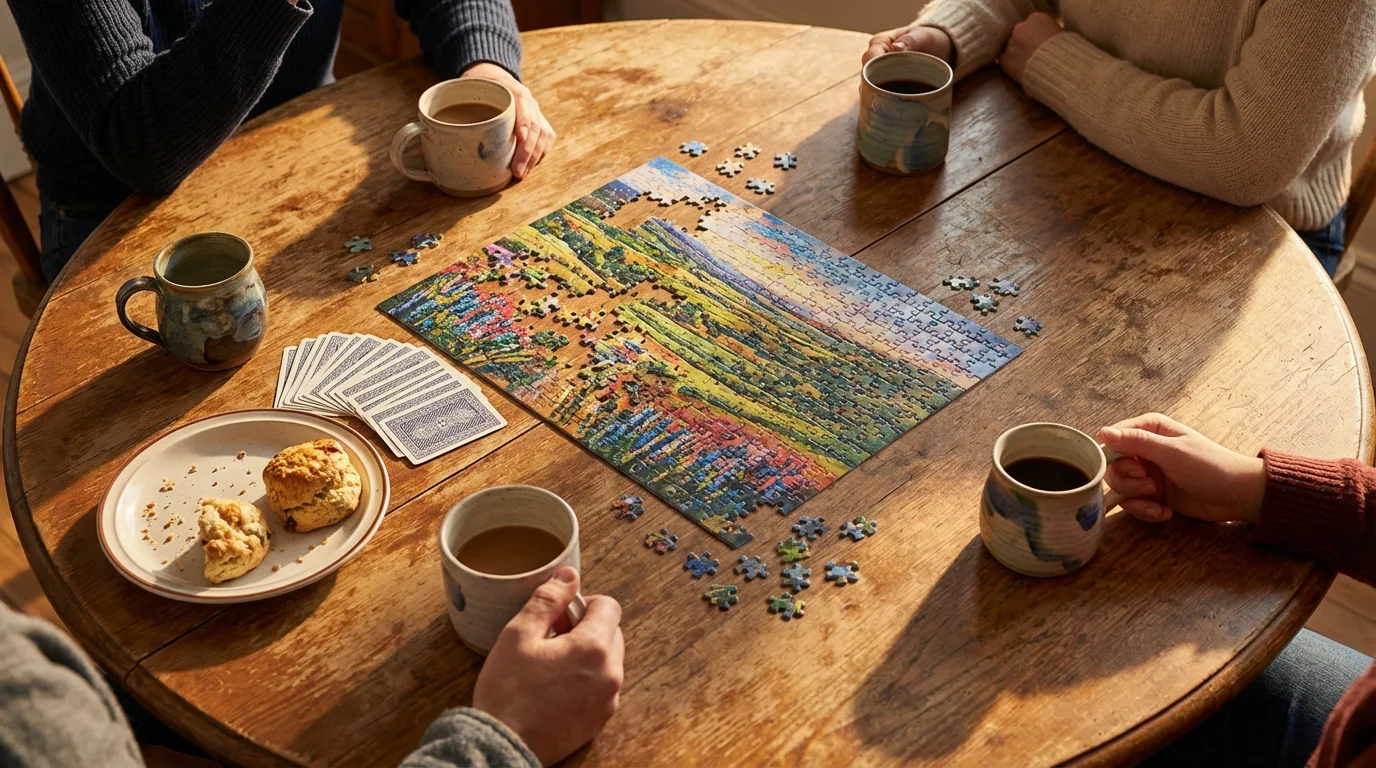
- Card game groups, including bridge, poker, mahjong, and euchre.
- Board game nights and puzzle clubs, offering relaxed social settings.
- Gourmet dining clubs, potlucks, and themed dinner parties.
- Extensive volunteer opportunities within the community or with local charities and organizations.
- Travel clubs organizing day trips, extended excursions, and international adventures.
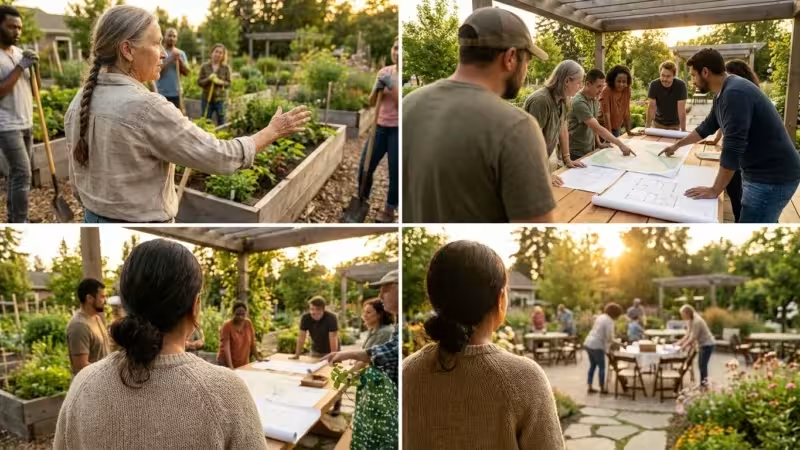
- Active resident committees and opportunities for community governance involvement.
- Intergenerational programs, connecting residents with local schools, youth groups, or inviting family involvement in events.
- Cultural outings to local theaters, museums, and concerts.
This is really where I found my “Florida family.” I started by just attending some of the casual coffee hours, and then I found a couple of ladies who also loved to bake.
Now, we often get together on Sunday mornings to try new recipes, and sometimes our grandchildren, Lily and Noah, even join in when they visit. It’s those easy, everyday connections that truly make a community feel like home.
Participating in community governance, for instance, offers a significant way to contribute your skills and experience. You gain a voice in decisions that affect your home and neighbors. These initiatives build strong connections and promote a thriving, resident-driven environment.

Matching Your Passions to the Perfect Place
Now, combine your personal inventory of interests with the types of amenities and programs communities offer. This step directly addresses “how do I find a community based on my interests” in a practical way. Thorough research and direct experience become crucial in this phase of your decision-making.
Accurate financial planning for community living is equally important to ensure your chosen niche fits your long-term budget.
Begin your search online. Websites like 55places.com provide comprehensive listings, detailed reviews, and virtual tours of active adult communities across the country. You can filter by amenities, location, housing type, and lifestyle features to quickly generate a shortlist of potential homes that align with your criteria.
I can tell you, Bill spent two full years on this part! He had spreadsheets with 14 different variables, comparing every 55+ community from here to Arizona. While his methodical approach was definitely necessary, I knew that for me, seeing and feeling the place was just as important as all those numbers. You can only get so much from a website.
Do not rely solely on digital information. Schedule in-person visits to your top choices. Experience the atmosphere firsthand, walk through the facilities, and observe daily life. Consider staying for an overnight visit or participating in a trial stay if available. This immersive experience offers invaluable insight into the community’s true character.
Key Questions to Ask During Community Tours
When you visit a community, engage proactively with staff and current residents. Ask targeted questions that reveal the true culture, the level of engagement, and the specific opportunities available. This direct interaction offers the most authentic and relevant insights for your decision.
- What specific clubs or groups are most popular here, and what is the typical attendance?
- How often do community-wide events, social gatherings, and celebrations occur? Can I review a sample activity calendar for the past few months?
- What resources and support does the community provide for residents interested in starting new clubs or special interest groups?
- Are there opportunities for intergenerational connections, such as volunteer programs with local schools or activities that welcome grandchildren?
- What are the specific pet policies, including any breed or weight restrictions, designated pet areas, and associated fees, if you have a furry companion?
- How do residents actively participate in community governance, through resident associations or other committees?
- What are the options for dining, both casual and formal, and how are meal plans structured?
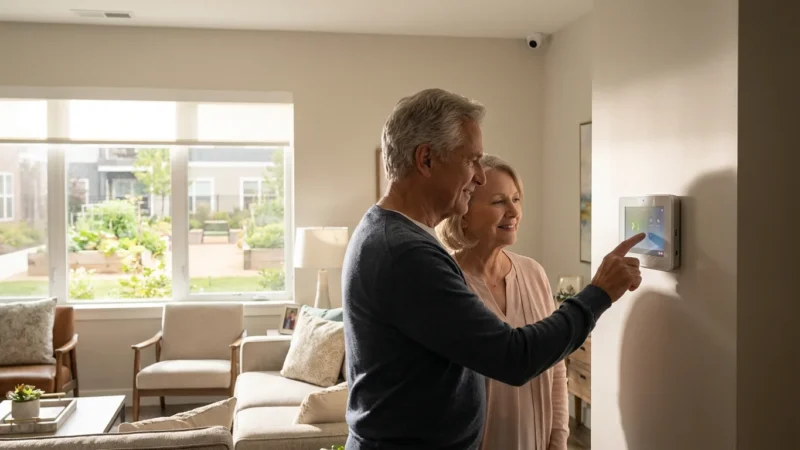
- What security measures are in place to ensure resident safety and peace of mind?
Speaking with current residents provides candid, real-world perspectives. They share their experiences with social activities, community culture, the responsiveness of management, and overall satisfaction. Their insights are often the most telling as you consider your options for a new home.
Beyond Amenities: Evaluating Community Culture and Fit
While an impressive list of amenities is appealing, the underlying community culture profoundly shapes your daily experience. A vibrant, inclusive culture supports genuine connection and a deep sense of belonging. Look for tangible signs of active resident engagement and authentic friendliness.
Once you have found a place that matches your interests, you can begin preparing for your transition to ensure the move is as stress-free as possible.
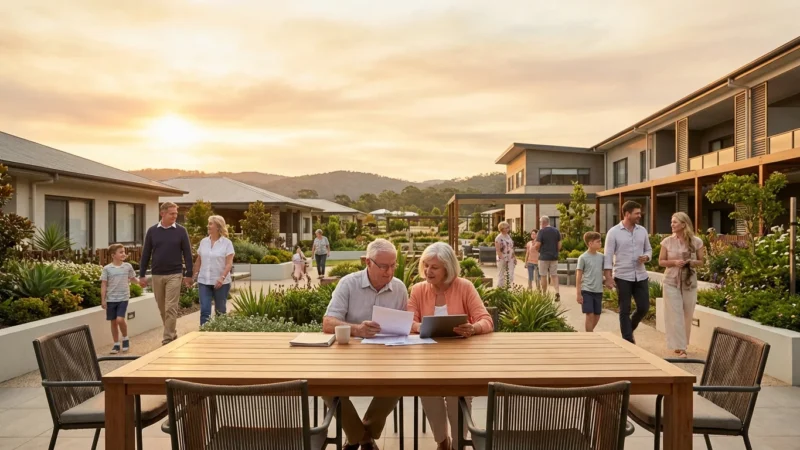
I remember walking around Hawthorn Ridge during our visits, not just looking at the buildings, but really watching the people. I saw folks chatting by the pool, laughing during a card game, and even just waving to each other as they walked their dogs.
It was those small moments, that feeling of warmth and genuine friendliness, that told me this was the right place for us. It felt comfortable and natural, almost like our old neighborhood on Elmwood Drive, but with sunshine!
“We don’t stop playing because we grow old; we grow old because we stop playing.” George Bernard Shaw
An active and well-supported resident association often indicates a highly engaged and empowered community. This body represents residents’ interests, organizes events, and fosters collective initiatives.
Inquire about their activities, influence, and how new residents can become involved. Strong resident leadership signifies a healthy, dynamic community.
Critical Factors Shaping Community Culture
- Resident Engagement Level: How many residents regularly participate in clubs, events, or volunteer roles? High participation often points to a lively, interactive community.
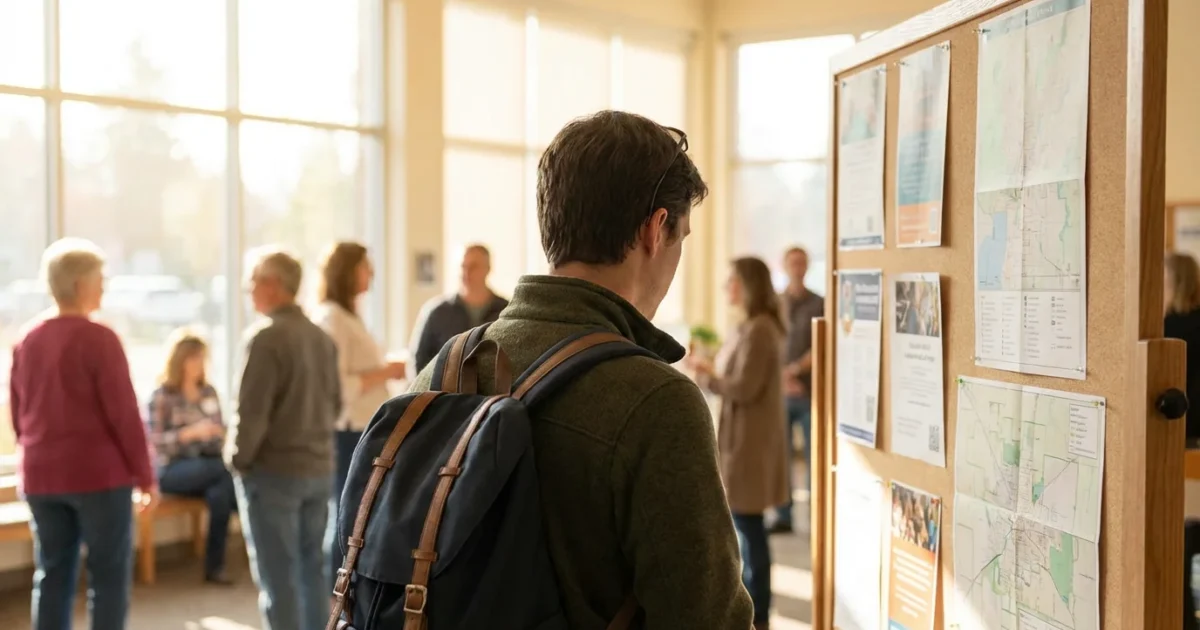
- Communication Channels: How effectively does the community share information about upcoming events, activities, and important announcements? Look for well-maintained newsletters, community bulletin boards, and intuitive resident portals.
- Welcoming Atmosphere: Do residents extend invitations, show openness to new members in clubs, and genuinely seem happy to meet newcomers? A truly friendly community makes an effort to integrate new people.
- Balance of Privacy and Socializing: A healthy community offers abundant opportunities for interaction, but also deeply respects individual needs for quiet time and personal space. It allows you to choose your level of involvement.
- Management Support: Does community management actively support and encourage resident-led initiatives, new clubs, and resident associations? Strong management backing empowers residents to shape their environment.
- Diversity and Inclusivity: Does the community embrace a diverse range of backgrounds, interests, and personalities? A truly inclusive community makes everyone feel welcome and valued.
The right fit involves feeling genuinely comfortable and accepted for who you are. You want a place where your personality naturally aligns with the general atmosphere. Trust your instincts and gut feeling during your visits. They often provide the most honest assessment of a community’s culture.

Making the Move: Transitioning and Thriving
Transitioning from a long-term single-family home to community living represents a significant life change, but it also opens doors to incredible convenience and new social opportunities. Planning thoughtfully and maintaining a positive outlook will greatly ease this process. Embrace the fresh start and the exciting possibilities for connection.
I won’t lie, this was the hardest part for me. Bill retired in 2021 and immediately wanted to move somewhere warm, but I wasn’t ready. We spent nearly two years debating it, and I cried when we sold our four-bedroom colonial on Elmwood Drive in Columbus.
That house was where we raised our kids and hosted every Thanksgiving for 30 years! But our daughter Karen finally convinced me when she said, “Mom, the grandkids want YOU, not the house.” She was right, of course. It took me a full year in Florida to admit it, but I was wrong to resist the move.
Many communities understand the challenges of relocation and offer specific support services or welcome committees for new residents. Take full advantage of these resources.
They often provide valuable insights into community life, help with practical aspects of settling in, and offer warm introductions to groups and individuals who share your interests.
Downsizing can feel daunting, yet it provides a powerful chance to declutter, simplify, and intentionally curate your belongings. Focus on bringing items that hold deep sentimental value, actively support your hobbies, or contribute to your comfort and personal style.
This intentional approach helps you create a fresh, personalized sanctuary in your new community home. This mindful process facilitates a smoother, more enjoyable transition.
Getting Involved: Tips for Connection
Once you settle into your new community, active participation becomes the most effective way to integrate and build lasting friendships. Remember, genuine connection flourishes through consistent effort and an open mindset. You ultimately control how deeply and broadly you choose to engage.
I learned this pretty quickly when we moved here. I’m naturally a social person, but even for me, it felt a little strange at first to just walk up to people. But I reminded myself that everyone here was once new.
That’s how I met my “Florida family” – Mary, Carol, and Susan. I just started talking to them by the pool, and one thing led to another. It really makes all the difference!
- Start Small and Gradually Expand: You do not need to dive into every activity at once. Begin by attending a casual coffee hour, a low-pressure social gathering, or a single club meeting. Observe, listen, and then decide what feels right.
- Join a Club Based on Existing Interests: This provides an immediate common ground and shared vocabulary. If you love to read, seek out a book club. If you enjoy playing cards, find a regular bridge or poker group.
- Embrace New Experiences: Retirement offers the perfect freedom to explore new hobbies and passions. Sign up for a beginner’s art class, try a new fitness class, or join a walking group exploring local trails. New activities introduce you to new people.
- Volunteer Your Time and Talents: Many communities rely on resident volunteers for events, committees, or assisting neighbors. This is a fantastic way to meet engaged neighbors who share a desire to contribute. It also provides a sense of purpose.
- Utilize Common Areas Intentionally: Spend time in the community library, fitness center, dining room, or outdoor patios. These spaces are natural hubs for casual encounters and impromptu conversations.
- Be Open, Friendly, and Approachable: A simple smile, a warm “hello,” or striking up a brief conversation opens doors to deeper connection. Introduce yourself to neighbors you encounter in hallways or at mailboxes.
- Attend New Resident Orientations: These sessions often provide valuable information and a structured opportunity to meet other newcomers who are also seeking connections.
Research from the National Institute on Aging consistently highlights the profound importance of social engagement for healthy aging, cognitive function, and overall well-being. Actively seeking connections through special interest groups and shared activities significantly reduces the risk of social isolation and enhances your quality of life.

The Importance of Balance: Socializing and Solitude
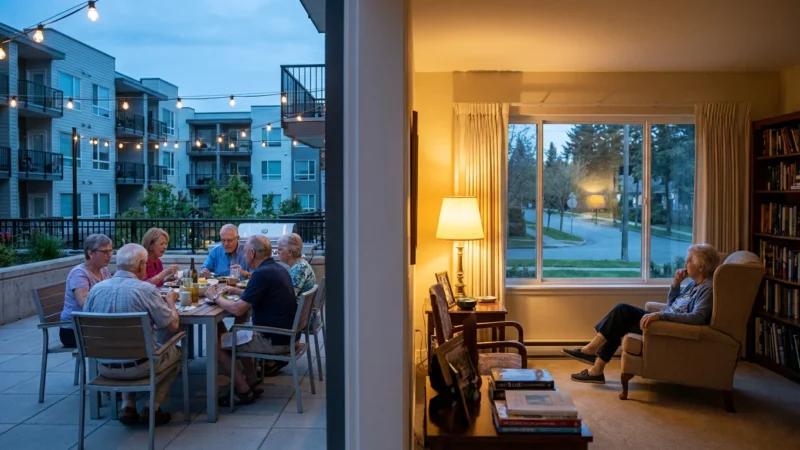
While building connections undeniably enriches life, it remains crucial to recognize and respect your individual needs for privacy and downtime. Community living should enhance your personal space and independence, not overwhelm it. Your ideal retirement involves finding a rhythm that works for you.
You define your level of engagement. Some days you might eagerly seek active social events and group gatherings, while others you may prefer quiet contemplation, reading, or pursuing a solitary hobby.
Both aspects are entirely valid and represent important parts of a fulfilling and balanced retirement experience. No one expects you to be “on” all the time.
I love my “Florida family” and all the wonderful things we do together, but I also cherish my quiet time. My Sunday mornings baking, or an afternoon with my watercolor paints (even if they’re not masterpieces!), are precious to me.
It’s so nice to have the option to be social when I want, but also to retreat to my own peaceful space when I need it. That balance is truly one of the best parts of living in a community like this.
Many residents cherish the unique balance a community offers. You possess the convenience and opportunity to join a lively dinner group or participate in a bustling club meeting, then gracefully retreat to the peace and privacy of your own residence.
This flexibility ensures you maintain your cherished independence and personal comfort.
Remember, there is no single “right” or “wrong” way to engage in a 55+ community. Whether you choose to join every club and attend every event, or if you prefer smaller, more intimate gatherings and more frequent quiet time, your approach is perfect for you. The overarching goal is to feel content, connected, and truly at home on your own terms.
Frequently Asked Questions
What if I am an introvert? Can I still thrive in a 55+ community?
Absolutely. 55+ communities cater to a wide range of personalities, including introverts. Many communities design their spaces and programs with varied preferences in mind, offering quiet spaces like libraries, walking trails, meditation gardens, and personal patios or balconies.
You control your social schedule entirely. Participate in smaller, focused special interest groups, attend events casually without pressure to be the center of attention, or simply enjoy the peace of mind knowing friendly neighbors are nearby if you choose to connect.
The choice to engage, and how deeply, always remains yours, allowing introverts to thrive comfortably.
How do I find out about a community’s pet policies?
Pet policies vary significantly between communities, so always make this a primary question during your initial inquiries and tours. Inquire about specific details such as breed or weight restrictions, the number of pets allowed, designated pet relief areas, leash requirements, and any associated pet fees or deposits.
Many communities are increasingly pet-friendly, recognizing the immense joy, companionship, and health benefits pets bring to residents’ lives. Ensure the community’s policies align with your needs and your pet’s well-being.
Are intergenerational activities common in 55+ communities?
Yes, many forward-thinking communities increasingly embrace intergenerational connections, recognizing the mutual benefits for all ages. These programs often involve partnerships with local schools, youth organizations, or include family-friendly events that warmly welcome grandchildren and other relatives.
Our grandchildren, Lily and Noah, absolutely love visiting Hawthorn Ridge because there’s always something fun going on, and they can even join in on some of the activities.
Organizations like Generations United advocate for these types of beneficial programs, bridging generational gaps and enriching everyone’s community experience.
What role do resident associations play in a community?
Resident associations play a vital role in fostering community spirit, ensuring resident satisfaction, and empowering residents to shape their living environment. They act as a formal liaison between residents and community management, organize social events and activities, manage various clubs, and advocate for resident interests and concerns.
Joining a resident association or volunteering on one of its committees offers a direct and impactful way to contribute your skills, have your voice heard in community governance, and ensure your home’s lifestyle and policies reflect residents’ collective desires.
What kind of dining options can I expect in a 55+ community?
Dining options in 55+ communities vary widely, from casual cafes to formal restaurants. Many communities offer flexible meal plans where residents can choose how often they wish to dine in the community’s restaurants.
You might find bistros for breakfast and lunch, elegant dining rooms for dinner, and even private dining spaces for family gatherings. Some communities also feature grab-and-go options, coffee shops, or resident-run snack bars.
Bill has become an unexpectedly good cook since we retired, but it’s wonderful to have the option to go out for a nice meal right here in our community when we want to. Always ask about the variety, meal plan flexibility, guest policies, and any special dietary accommodations during your tour.
Disclaimer: This article is for informational purposes only. Community living options, amenities, and cultures vary significantly. We encourage readers to visit communities in person, speak with current residents, and evaluate whether a community fits their unique needs and preferences.



Leave a Reply