
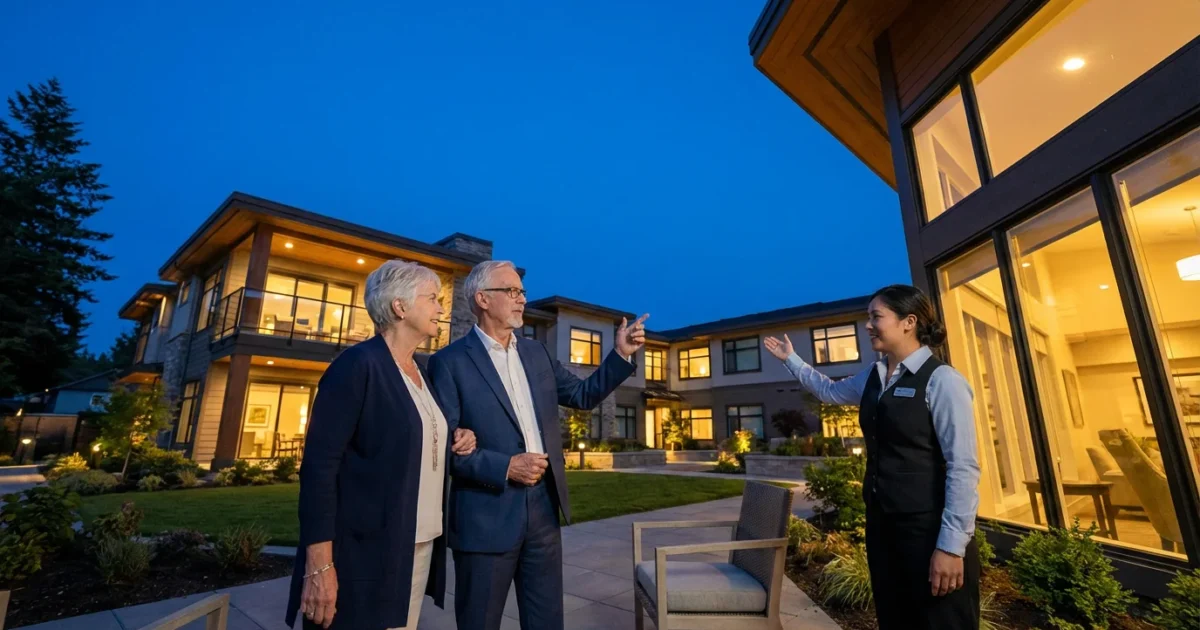
When Dorothy and I started seriously talking about retirement, the idea of moving felt like a whole new engineering project. We’d spent 44 years in our four-bedroom colonial on Elmwood Drive in Columbus, Ohio, raising three kids and accumulating what I once estimated to be “approximately one metric ton of stuff we don’t need.” Choosing a new place wasn’t just picking an address; it was about designing our next chapter, and I approached it with the same methodical planning I used for any major project.
My approach was, as Dorothy affectionately calls it, “a level of detail that belongs in a NASA mission.” I spent two full years researching 55+ communities before we even packed a single box. A proactive approach helps you find a community aligning with your vision, budget, and future needs. You gain clarity by asking specific, insightful questions during your search. This article provides a comprehensive framework, guiding you through the critical considerations and essential inquiries to make an informed choice.

Envisioning Your Ideal Retirement Lifestyle
Before I even started building my comparison matrix for communities, I had to sit down and define what Dorothy and I actually wanted. This personal vision acts as your compass, guiding your search and helping you identify communities that genuinely match your aspirations. For me, it was about shedding the responsibilities of our 2,400 sq ft colonial and having more time for things like pickleball and maybe even learning to cook more than just grilled cheese. For Dorothy, it was about finding new friends and a sense of belonging after leaving her garden in Columbus.
I structured our initial discussions around these foundational questions:
- What daily activities do you enjoy most, and how will a new living situation support them?
- How much independence do you want to maintain in your daily routines?
- What role do social interactions play in your happiness, and what kind of social environment do you prefer?
- Are you seeking a quiet, contemplative space, or do you thrive in a bustling, active setting?
- How important are opportunities for learning, personal growth, or volunteering?
Making these lifestyle choices often involves downsizing for retirement to better suit your changing space and maintenance needs. We certainly had to do that, selling our Columbus house and moving into something much more manageable.
Our answers provided a baseline for evaluating potential communities. For example, my desire for regular pickleball meant a community with courts was a high priority. Dorothy’s desire for social interaction meant we needed a place where she could talk to strangers at the pool. AARP’s retirement resources offer valuable insights into exploring lifestyle options, helping you refine your personal vision.
This initial reflection helps you prioritize features and services. It moves you past superficial amenities to focus on the core elements that will truly enhance your retirement years. Take time for this crucial introspective work; it saves you time and prevents potential dissatisfaction later.

Decoding Retirement Community Types
The term “retirement community” encompasses a wide spectrum of living arrangements, each offering different levels of care, amenities, and lifestyles. Understanding these distinctions helps you narrow your search and focus on options that align with your current and anticipated future needs. Each type caters to specific preferences and stages of retirement. This was a significant part of my two years of research, mapping out what each type offered and how it fit into our future.
Here are the primary types of senior housing options you will encounter:
- Independent Living Communities: These communities cater to active, independent seniors who want to shed homeownership responsibilities. They often offer amenities like dining services, housekeeping, transportation, and social activities. Residents maintain their own apartments or cottages.
- Assisted Living Facilities: Designed for seniors needing some daily assistance with activities like bathing, dressing, medication management, or meal preparation. These facilities provide personal care services while still encouraging independence.
- Continuing Care Retirement Communities (CCRCs): CCRCs offer a full continuum of care, allowing residents to transition between independent living, assisted living, skilled nursing, and memory care within the same community. This provides peace of mind for future care needs.
- 55+ Active Adult Communities: These are age-restricted communities, often with extensive recreational facilities such as golf courses, clubhouses, and fitness centers. Residents typically own their homes and manage their own care, similar to traditional neighborhoods, but with a focus on senior-friendly amenities and social opportunities. This is what we eventually chose with Hawthorn Ridge in Sarasota, and I was right about it being a great fit.
- Memory Care Units: Specialized facilities or dedicated sections within larger communities that provide focused care for individuals with Alzheimer’s disease or other forms of dementia. They feature secure environments, specialized staff, and programs designed to support cognitive function.
For those not yet ready to move into a facility, aging in place by modifying your current home can be a viable alternative.
I considered our comfort level with potential future care needs. A CCRC provides a structured path for evolving care requirements, reducing the stress of future moves. An independent living community might suit you if you foresee maintaining full independence for many years.
| Community Type | Key Features | Ideal For |
|---|---|---|
| Independent Living | Private residences, amenities, social activities, no personal care. | Active, healthy seniors seeking community and convenience. |
| Assisted Living | Private or shared rooms, personal care assistance, meals, activities. | Seniors needing help with daily tasks, medication management. |
| CCRC (Continuing Care Retirement Community) | Full continuum of care: independent, assisted, skilled nursing, memory care on one campus. | Seniors seeking long-term stability and future care assurance. |
| 55+ Active Adult | Age-restricted housing, extensive recreational amenities, homeowner responsibilities. | Active seniors desiring peer community, social engagement, and property ownership. |
| Memory Care | Secure environment, specialized staff, dementia-specific programs. | Individuals with cognitive impairments requiring specialized support. |
Your choice impacts your lifestyle, finances, and future security. I evaluated each type against our personal vision and long-term health projections using my comparison matrix with 14 variables.

Navigating the Financial Landscape of Community Living
Understanding the financial aspects of retirement communities requires meticulous attention. Costs vary significantly based on the community type, location, amenities, and level of care. You must ensure the chosen community aligns with your current financial resources and your long-term financial plan. This involves evaluating entry fees, monthly costs, and contract structures. This is where my “NASA mission” level of detail really came into play. I had spreadsheets for everything, comparing every potential cost.
Key financial questions I asked (and recommend you ask):
- What is the entry fee, and is it refundable, partially refundable, or non-refundable?
- What are the monthly service fees, and what services do they include (e.g., meals, utilities, housekeeping, transportation, activities)?
- How does the community structure future fee increases? What is the average annual percentage increase?
- Are there different contract types (e.g., Type A, Type B, Type C) for CCRCs, and how do they impact costs and future care guarantees?
- What happens if you outlive your financial resources? Does the community offer a benevolent fund or financial assistance?
- What is included in the base fee, and what services incur additional charges (e.g., extra meals, personal care, specific therapies)?
- How do they handle property taxes and insurance for your unit?
A certified financial planner can help you assess your assets, income streams, and potential expenses. They provide objective advice on how a community’s costs fit into your broader retirement budget. The Consumer Financial Protection Bureau offers resources on making financial choices for older adults, providing valuable guidance. Dorothy had her feelings about the move, but I had the numbers, and the numbers had to work.
Remember, comparing only the initial costs can be misleading. A lower entry fee might mean higher monthly rates or fewer included services. Evaluate the total financial picture over the long term, considering potential health changes and associated care costs. Protect your financial future by understanding every detail of the cost structure.
Location Matters: Proximity, Access, and Environment
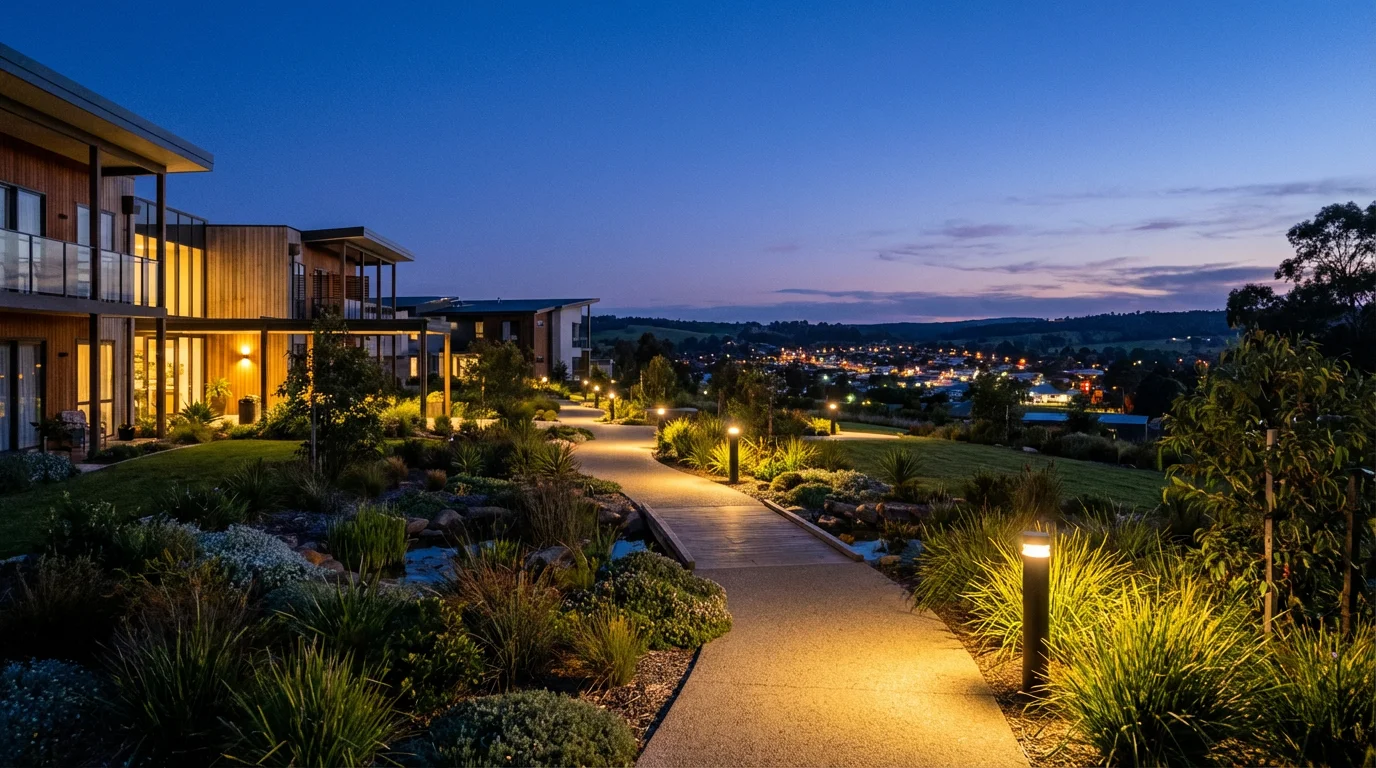
The physical location of your chosen retirement community profoundly affects your daily life and overall satisfaction. Proximity to family, access to essential services, and the surrounding environment all play a crucial role. You want a location that enhances your lifestyle, not restricts it. For me, moving somewhere warm was a non-negotiable. I was tired of Ohio winters, and Sarasota, Florida, checked all the boxes.
I considered these location-specific questions:
- How close is the community to your immediate family and friends? Will visits be convenient for everyone?
- What medical facilities, including hospitals, specialists, and pharmacies, are nearby?
- Are essential services like grocery stores, banks, and religious institutions easily accessible, either by community transport or independently?
- What is the climate like year-round? Does it suit your preferences for outdoor activities and comfort?
- What cultural, recreational, or educational opportunities exist in the surrounding town or city?
- Is public transportation available, or does the community provide reliable transportation services for appointments and outings?
- What is the safety and walkability of the neighborhood surrounding the community?
Data shows that maintaining strong social connections significantly contributes to well-being in retirement. Choosing a location near loved ones often facilitates these connections. A study published by the National Institute on Aging emphasizes the importance of social engagement for healthy aging. Our kids are spread out – Karen in Cincinnati, Michael in Seattle, Susan in Austin – so a central location wasn’t really an option. We chose Sarasota for the climate and accessibility, and they visit us here, which is great.
Evaluate the practicalities of the location. A vibrant urban setting offers different advantages than a serene rural one. Your personal preferences for activity, accessibility, and environment should dictate your choice. Do not underestimate the impact of your surroundings on your daily mood and overall quality of life.

Health, Wellness, and Long-Term Care Support
As you plan for retirement, addressing your current and future health care needs is paramount. A comprehensive retirement community offers not only a place to live, but also a support system for your health and well-being. Understanding the available health services, wellness programs, and long-term care options within the community provides significant peace of mind. For me, staying active is a priority, so I looked into communities that supported that, like Hawthorn Ridge with its pickleball courts where I play four mornings a week.
I asked detailed questions about health and wellness provisions:
- What medical services are available on-site, if any (e.g., nurse, physician visits, therapy)?
- What emergency response systems are in place, and how quickly do staff respond?
- Does the community offer proactive wellness programs like fitness classes, healthy eating initiatives, or mental health support?
- What are the policies and procedures for transitioning to higher levels of care if your health needs change?
- Are staff members trained in specialized care, such as dementia care or chronic disease management?
- What is the staff-to-resident ratio, particularly for personal care and nursing staff?
- Does the community have partnerships with local hospitals or medical centers for specialized care?
Long-TermCare.gov provides essential information on planning for future care needs, which can help you understand the types of services you might eventually require. Many individuals also explore long-term care insurance to cover these potential costs. Ensure you understand how the community’s services integrate with your existing insurance policies, including Medicare.
Proactive planning for health needs prevents stressful decisions during a crisis. A community that transparently outlines its health services, emergency protocols, and transition processes demonstrates a commitment to resident well-being. This preparation allows you to age gracefully and securely within your chosen home.

Social Engagement, Activities, and Community Culture
A significant draw of retirement communities is the opportunity for social connection and engagement. You want to choose a community where you feel a sense of belonging and find ample opportunities to pursue your interests. The culture of a community, driven by its residents and staff, shapes your daily experience. While I was focused on the practicalities and the numbers, Dorothy was definitely focused on this aspect. She’s the one who talks to strangers at the pool and has already made three genuine friends she calls her “Florida family.”
Explore the social and cultural aspects with these questions:
- What is the average age of residents, and does it align with your preferred peer group?
- What types of clubs, activities, and events does the community offer (e.g., art classes, book clubs, fitness, outings)?
- How frequently do these activities occur, and what is the participation rate?
- Are there opportunities for residents to initiate new activities or contribute to community planning?
- What are the dining options like, and do they encourage social interaction?
- What are the policies regarding visitors, including family and grandchildren?
- How does the community foster a welcoming and inclusive environment for new residents?
Finding ways to maintain an active retirement lifestyle is often easier when the community offers robust social clubs and volunteer opportunities. I’ve found a great group for pickleball, and I also volunteer at a local food bank on Thursdays, which has been incredibly rewarding.
A vibrant community provides a rich calendar of events, but also a culture that encourages residents to connect authentically. Some communities thrive on a quiet, neighborly atmosphere, while others are bustling hubs of constant activity. Your personal preference for social engagement should guide your evaluation.
Spend time observing the interactions between residents and staff during your visits. Do people seem happy, engaged, and friendly? This informal observation offers valuable insights into the true culture of the community. Finding your social fit contributes immensely to your overall happiness and longevity in your retirement home.

The Site Visit: Asking the Right Questions on Tour
Once you have narrowed down your options, the site visit becomes your most powerful tool for evaluation. This is your opportunity to move beyond brochures and websites, experiencing the community firsthand. You need a comprehensive list of questions to ensure you gather all necessary information. When Dorothy and I toured Hawthorn Ridge, I had my checklist and my mental spreadsheet ready, comparing everything against the 14 variables I’d identified.
When touring, ask these specific questions:
- Can you speak with current residents privately about their experiences living there?
- May you view several different types of living units, not just the model unit?
- What is the staff turnover rate, particularly for caregiving and management positions?
- What is the process for submitting maintenance requests, and how quickly do they resolve issues?
- Can you review a sample activity calendar for the past few months?
- May you try a meal in the dining room and observe mealtime interactions?
- What are the guest policies, including overnight stays for family?
- What security measures does the community have in place (e.g., controlled access, emergency call systems)?
- How does the community handle resident feedback and complaints?
- Can you review a copy of the resident handbook or community rules?
Do not hesitate to ask for specifics. For example, if they mention a “fitness center,” inquire about its hours, equipment, and any available trainers or classes. Pay attention to cleanliness, safety, and the overall atmosphere. Observe how staff members interact with residents and each other.
Take notes during your visits. Comparing communities effectively requires detailed records of your observations and the answers to your questions. A second visit, perhaps at a different time of day or during an activity, can offer further valuable perspectives. This diligence helps you make a choice you will feel confident about for years to come.

Involving Family and Professional Advisors in Your Decision
Choosing a retirement community affects not only you, but also your loved ones. Involving family members in your planning discussions fosters transparency and ensures their understanding and support for your decisions. Moreover, professional advisors offer invaluable expertise, helping you navigate complex financial, legal, and health care considerations. Dorothy had her feelings, and I had my spreadsheets, but it was our daughter Karen’s comment – “Mom, the grandkids want YOU, not the house” – that really turned the tide for Dorothy.
Discuss your plans with family members early in the process. Ask them:
- What are their thoughts on potential communities you are considering?
- How will this move impact their ability to visit or provide support if needed?
- Are there any concerns or questions they have regarding your decision?
- What role do they envision playing in your life once you move?
While discussing these living arrangements, it is also an ideal time to review your estate planning essentials to ensure your legal and financial wishes are up to date.
“The future belongs to those who prepare for it.”
This proverb holds especially true for retirement planning. You benefit greatly from consulting with various professionals:
- Certified Financial Planner (CFP): A CFP helps you analyze the long-term financial implications of community living, ensuring it aligns with your overall retirement income strategy. You can find accredited professionals through the CFP Board’s “Find a CFP” tool.
- Elder Law Attorney: An attorney can review contracts, understand the legal structure of the community, and help with estate planning, powers of attorney, and advanced directives.
- Geriatric Care Manager: These professionals provide unbiased assessments of your care needs and help you find communities that best meet those requirements.
- Medicare/Health Insurance Advisor: Ensure you understand how your health insurance, including Medicare, integrates with the community’s health services and what out-of-pocket costs you might incur.
Your decision becomes stronger when supported by comprehensive information and diverse perspectives. Transparency with family and guidance from experts prevent misunderstandings and provide a robust foundation for your retirement future. These collaborations help ensure you make the most informed decision possible.
Frequently Asked Questions
When should I start looking for a retirement community?
I started my research about two years before I retired, and I’d recommend starting even earlier, ideally five to ten years before your anticipated move, often between ages 55 and 65. This timeframe allows you to research thoroughly, visit multiple options without pressure, and ensure your finances align with potential costs. Starting early prevents rushed decisions and offers a better selection of communities and living units.
How do I compare the costs of different retirement communities effectively?
My advice, as a former civil engineer, is to create a detailed spreadsheet. List all fees for each community, including entry fees, monthly service fees, and any additional charges for specific services. Ask for a breakdown of what each fee covers. Compare contract types for CCRCs, understanding refunds and future care costs. Ensure you compare “apples to apples” by standardizing included services across communities. It’s all about the data.
What if my health needs change after I move into an independent living community?
Most independent living communities have protocols for residents whose health needs evolve. They may offer additional in-home care services for an extra fee, or they might assist with transitioning to an assisted living or skilled nursing facility, either within their own continuum of care if they are a CCRC, or with external partners. Understand these transition processes and costs before committing.
Can I customize my living unit in a retirement community?
The ability to customize your living unit varies significantly by community and by the type of unit. Independent living apartments or cottages often allow for painting, minor renovations, or personal furniture. Assisted living units might have more restrictions due to safety and standardized care. Always ask about specific customization policies and any associated costs or approvals needed.
How involved can my family be in my life at the community?
Retirement communities generally welcome family involvement and encourage visits. Policies vary regarding overnight guests, use of community amenities by family, and participation in activities. Ask for a copy of the community’s visitor policy and discuss how family members can remain an active part of your life there. Our grandkids, Lily and Noah, love visiting us here in Sarasota, and the community is great about it.
What is the importance of a community’s accreditation or licensing?
Accreditation by organizations like CARF (Commission on Accreditation of Rehabilitation Facilities) demonstrates a community’s commitment to high standards of quality and service. Licensing by state regulatory bodies ensures a community meets minimum health, safety, and operational requirements. Always verify a community’s licensing status and inquire about any relevant accreditations, which often indicate a higher level of oversight and quality.
Disclaimer: This article is for informational purposes only and does not constitute financial, legal, tax, or investment advice. Retirement planning decisions should be made in consultation with qualified professionals including certified financial planners, tax advisors, and estate planning attorneys. Individual circumstances vary significantly, and this content should not be relied upon as a substitute for professional advice tailored to your specific situation.










Leave a Reply