
When Bill first started talking about moving to a 55+ community, all I could think about was leaving my beautiful garden on Elmwood Drive. I mean, I spent 44 years coaxing those hydrangeas to bloom and growing the juiciest tomatoes you ever tasted.
I cried when we sold the house, not just for the memories, but for that garden too. I honestly thought I’d lose that connection to the earth, that sense of purpose. But oh, how wrong I was!
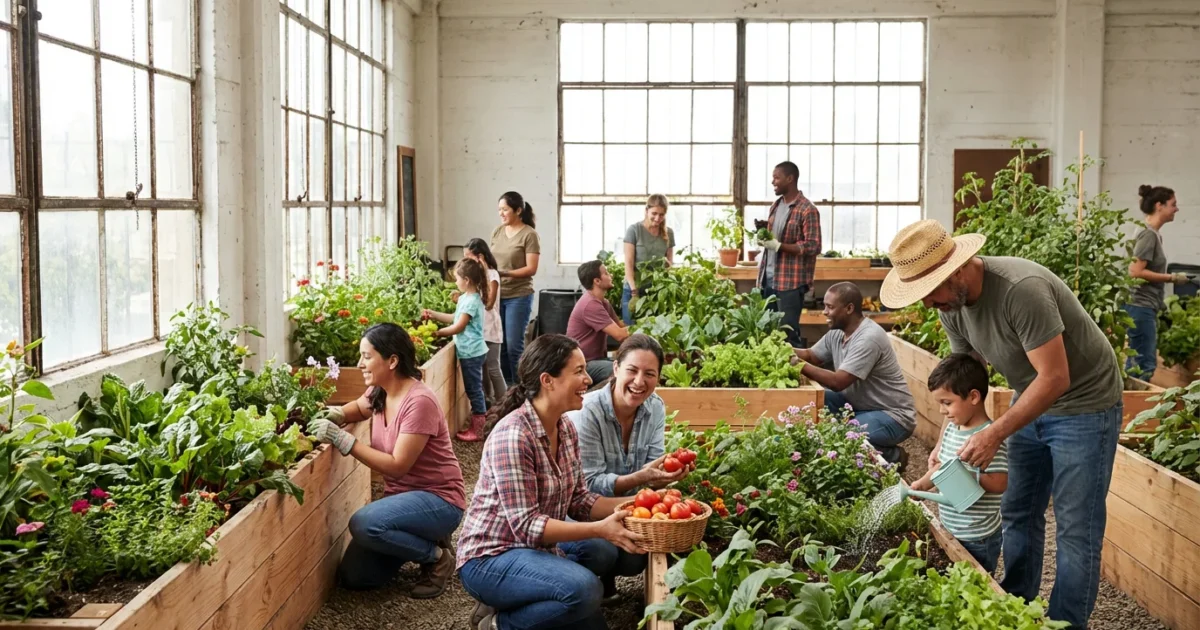
It turns out, you can find connection, purpose, and even a little bit of magic in a community garden, especially when you’re starting fresh in retirement. I’ve discovered it’s so much more than just growing vegetables; it’s about growing friendships, nurturing your spirit, and really digging into a healthier way of life right here in our new home at Hawthorn Ridge.
Bill and I debated for almost two years about community living versus staying put, and I can tell you now, having a place where I could get my hands dirty again was a huge, unexpected blessing. It’s been such a wonderfully engaging activity, and it really enhances our life in this 55+ community.
Just imagine: fresh herbs for Sunday morning baking, friendly chats over a watering can, and the sheer joy of watching something you planted flourish. That’s what I’ve found.
Unearthing the Benefits of Community Gardening
When we first moved to Hawthorn Ridge, I spent a lot of time feeling a little adrift. After 44 years in our 2,400 sq ft colonial on Elmwood Drive, everything here felt new, even a little overwhelming.
I missed my old garden something fierce. But then I found the community garden here, and it was like a little piece of home, just waiting for me. It’s given me such a unique blend of personal joy and shared moments, far more than just what I harvest. It really does change your whole outlook on life in retirement.
Our active adult community, like many others, really understands that we want to stay engaged and healthy, and the garden is a big part of that. I know if you’re like us, preparing for your transition to a smaller home, finding a community with garden plots can make the whole move feel so much more rewarding. It certainly did for me.
Let me tell you, there are so many wonderful things that have blossomed for me in that garden:
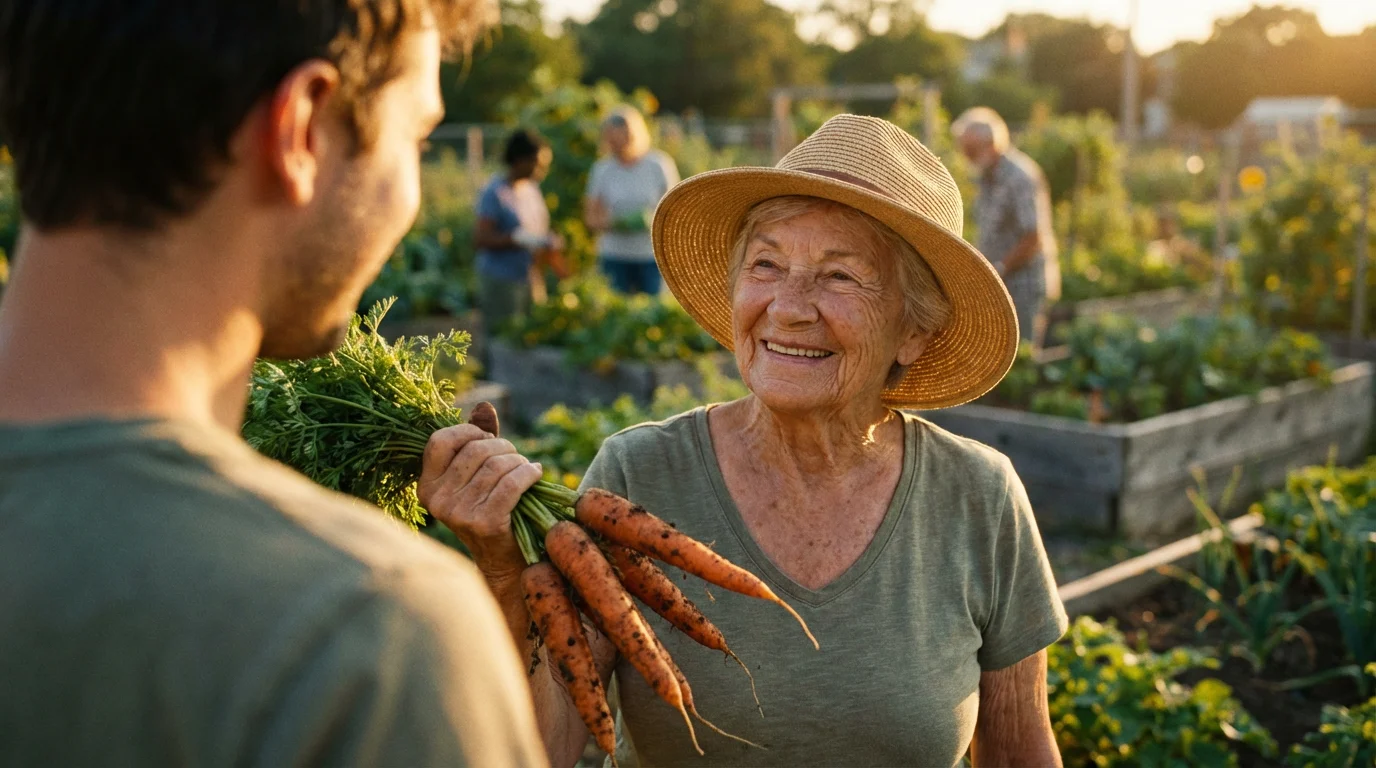
- Access to Fresh, Healthy Produce: Oh, the joy of picking a fresh tomato right off the vine! It reminds me of my Columbus garden, but now I get to share the bounty with my new Florida family. Bill and I eat so much healthier now, with all the organic, seasonal ingredients.
- Physical Activity: I’m not going to lie, after years of sitting in the library, my body needed a bit of a wake-up call! Digging, planting, and even just watering my little plot is such a gentle way to stay active. It keeps me moving, and my joints feel so much better.
- Mental Well-being: There’s something so calming about being out in the sunshine, watching things grow. It’s almost meditative. When I was feeling a bit sad after the move, spending time in the garden always lifted my spirits. It helps quiet my mind and just makes me feel good.
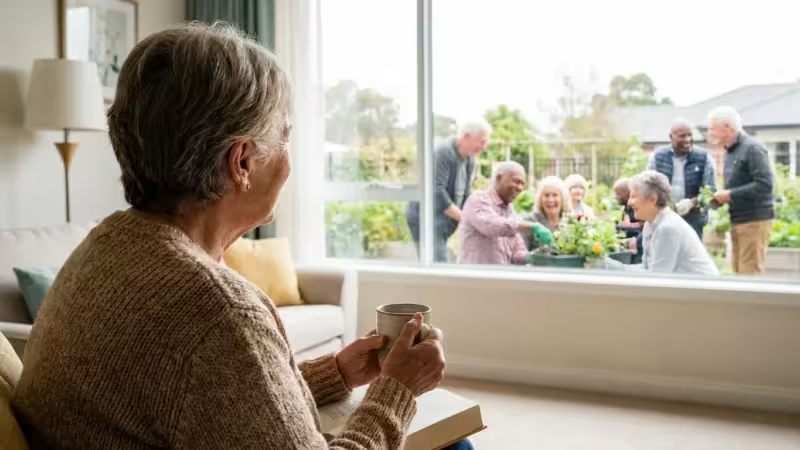
- Social Connection: This is probably my favorite part! I’ve met so many wonderful people, sharing tips about Florida soil (it’s so different from Ohio!), and just chatting. It’s how I really started building my new support network here in Hawthorn Ridge.
- Sense of Purpose and Accomplishment: After working in the library for 36 years, I worried about what I’d do every day. Nurturing those plants, watching them grow from tiny seeds, and then harvesting them? It gives me such a deep sense of satisfaction and keeps my mind sharp. It’s a wonderful feeling of purpose.
I truly believe these community gardens become the heart of our new lives, bringing us together and giving us so much to look forward to.
Cultivating Community and Connection
I always say the community garden here is like a big, green magnet for good people. When we first arrived, I was the one who would just start talking to strangers at the pool, trying to make friends.
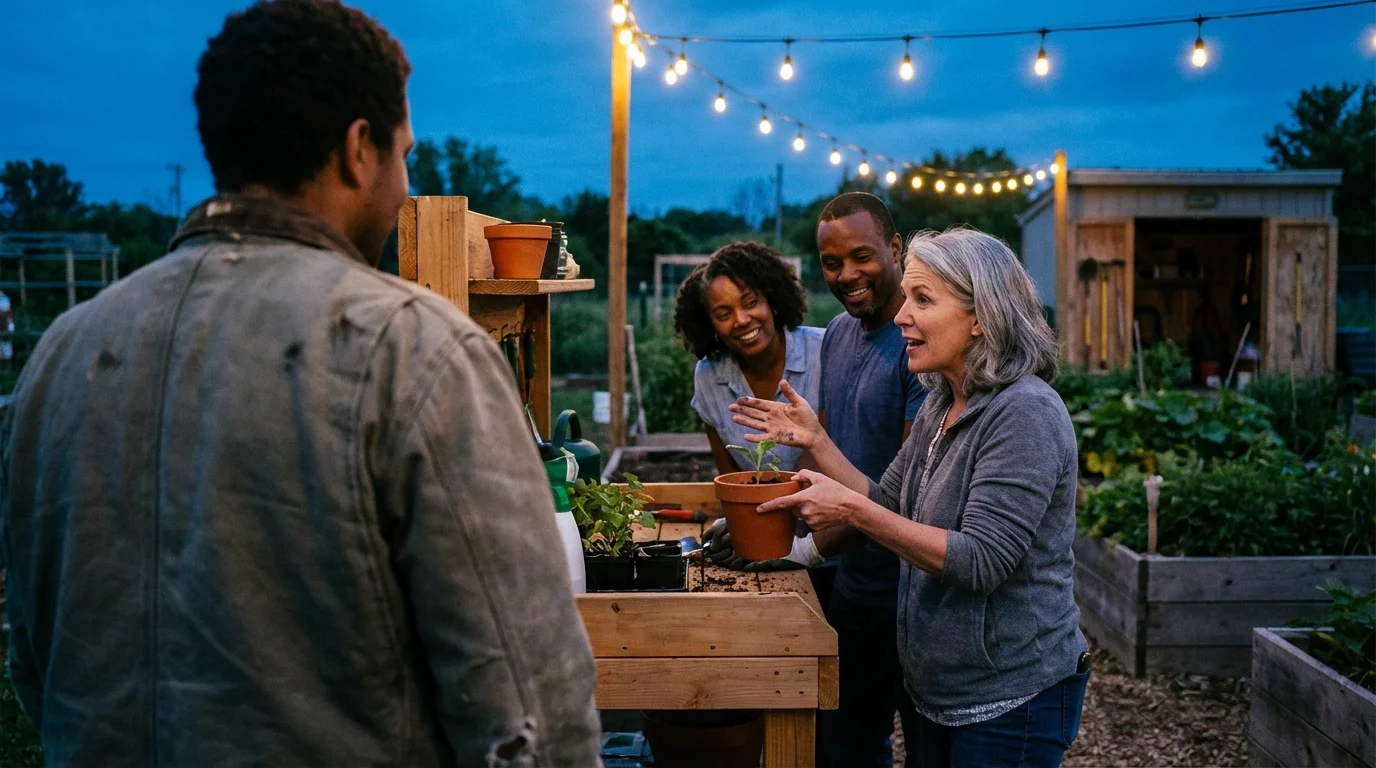
But in the garden, it happened so naturally! You find yourself chatting with neighbors about everything from the best way to keep the squirrels out of your tomatoes to celebrating a huge harvest. It’s where I started to build my new “Florida family” – genuine friendships that mean the world to me.
There’s a real sense of shared responsibility too. We all pitch in to keep the pathways neat, manage the compost, and sometimes even help each other out with a particularly stubborn weed patch. It’s those little collaborations that really weave us all together.
“To plant a garden is to believe in tomorrow.” — Audrey Hepburn
This sentiment rings true in our community garden, where mutual support and friendly faces become an everyday reality. We look out for each other’s plots when someone’s away, share extra tools, and just offer a friendly face and a listening ear.
It doesn’t matter if you’re a seasoned gardener or, like me, still figuring out what grows best in Florida; everyone feels welcome and valued. It’s a truly vibrant place to be.
How Community Gardening Improves Your Health
I can tell you firsthand, gardening has been a lifesaver for my health, both body and mind. It’s such a gentle way to stay active, especially after the big move when I wasn’t quite ready for Bill’s pickleball obsession! I always tell people that choosing a community based on your interests is so important, and finding this garden really affirmed that for me.
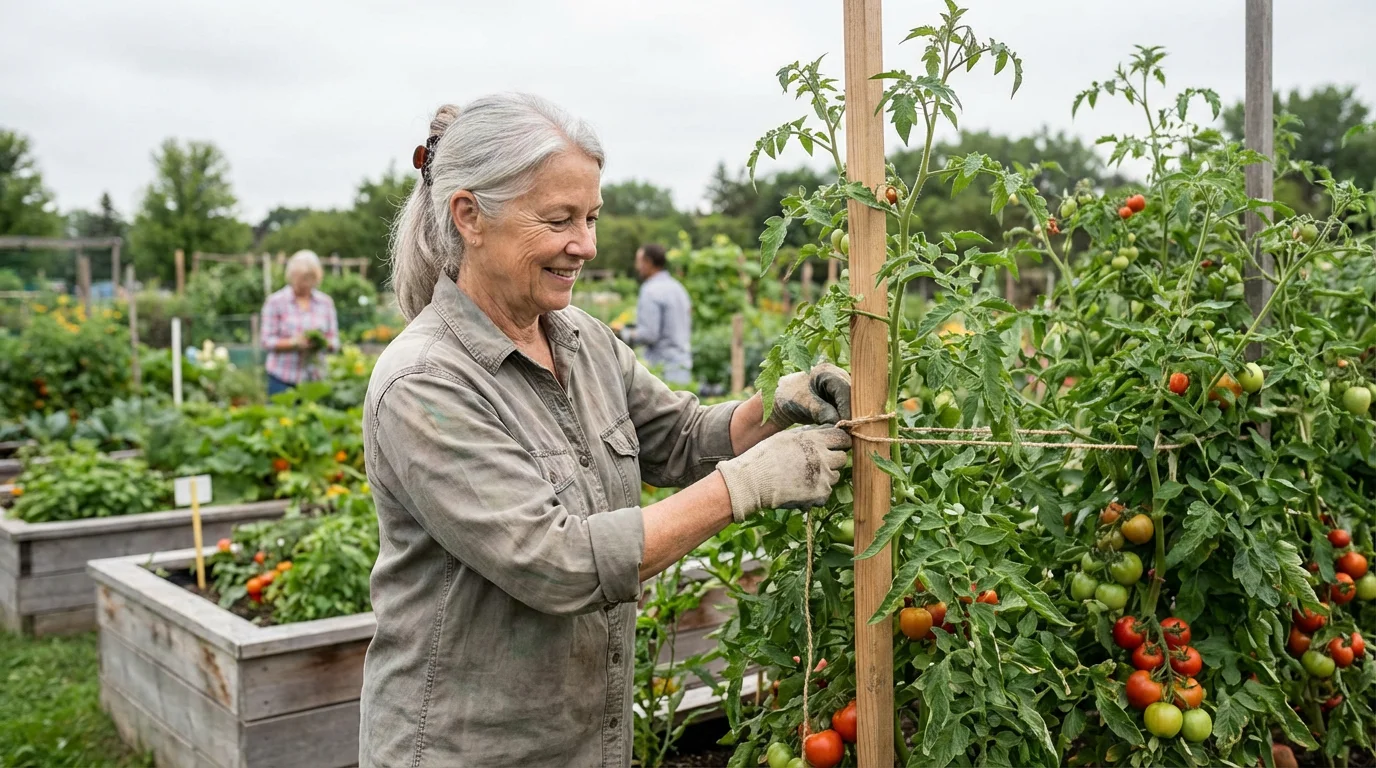
On the physical side, it’s just wonderful. All that light digging, planting, and even just walking around my plot with a watering can keeps my joints from getting stiff. It’s a low-impact exercise that doesn’t feel like exercise at all, which is perfect for me.
I’ve heard doctors say how important regular activity is, and I can honestly say my garden keeps me moving without me even thinking about it. Bill sometimes jokes that I’m getting more steps in the garden than he does on the pickleball court, and he might be right!
And for my mental health? Oh, it’s truly therapeutic. When I was adjusting to our new life, sometimes I’d feel a little overwhelmed. But spending time outdoors, focusing on nurturing those plants, it just calms my soul.
It’s a wonderful way to reduce stress and feel a deep sense of purpose every single day. Plus, getting that Florida sunshine is just good for the spirit – and for my vitamin D levels, I suppose!
And of course, there’s the food! Having fresh, organic produce right from my own plot means Bill and I are eating so much better. I love adding fresh herbs to my Sunday morning baking, and our dinners are full of delicious, healthy vegetables.
It’s a wonderful feeling to know exactly where your food comes from, and it encourages us to make healthier choices without even trying too hard.
Joining or Starting a Community Garden in Your 55+ Community
When Bill was doing his two years of research on 55+ communities, with his spreadsheets and his 14 variables, I don’t think ‘Dorothy’s potential garden plot’ was high on his list! He was focused on the practicalities, which was good, because I was focused on my feelings.
But I’m so incredibly grateful that Hawthorn Ridge already had an established community garden. If it hadn’t, I probably would have been the one rallying the troops to start one! You usually reserve a plot for a small annual fee, which covers the basics, and it’s such a worthwhile investment.
When you’re looking for your perfect downsized home, please, please ask about garden spaces. Even if it’s just room for a few pots on your patio, it makes a difference. And don’t worry about the plot fees; Bill says they’re a tiny part of our overall financial planning for community living, and I agree they’re worth every penny for the joy they bring.
Here are a few things I’ve learned, or wish I’d known, about getting involved:
- Check Community Amenities: This is a big one. When we were touring, I wish I’d specifically asked to see the garden and talk to gardeners, not just read about it in a brochure. Ask residents!
- Connect with the Garden Committee: Our garden has a wonderful committee, and they’re the ones who know everything about plot availability, what grows well here, and all the fun events coming up. They’re so welcoming.
- Attend a Garden Meet-Up: Even before I got my own plot, I went to a few of the garden’s social events. It’s a low-pressure way to meet people and get a feel for the community. I ended up chatting with a lovely woman named Martha who became one of my Florida family friends!
- Propose a Garden Project: If your community doesn’t have a garden, don’t be shy! Gather some like-minded neighbors. When I was a librarian, I learned that a well-researched proposal can work wonders. Show them all the benefits!
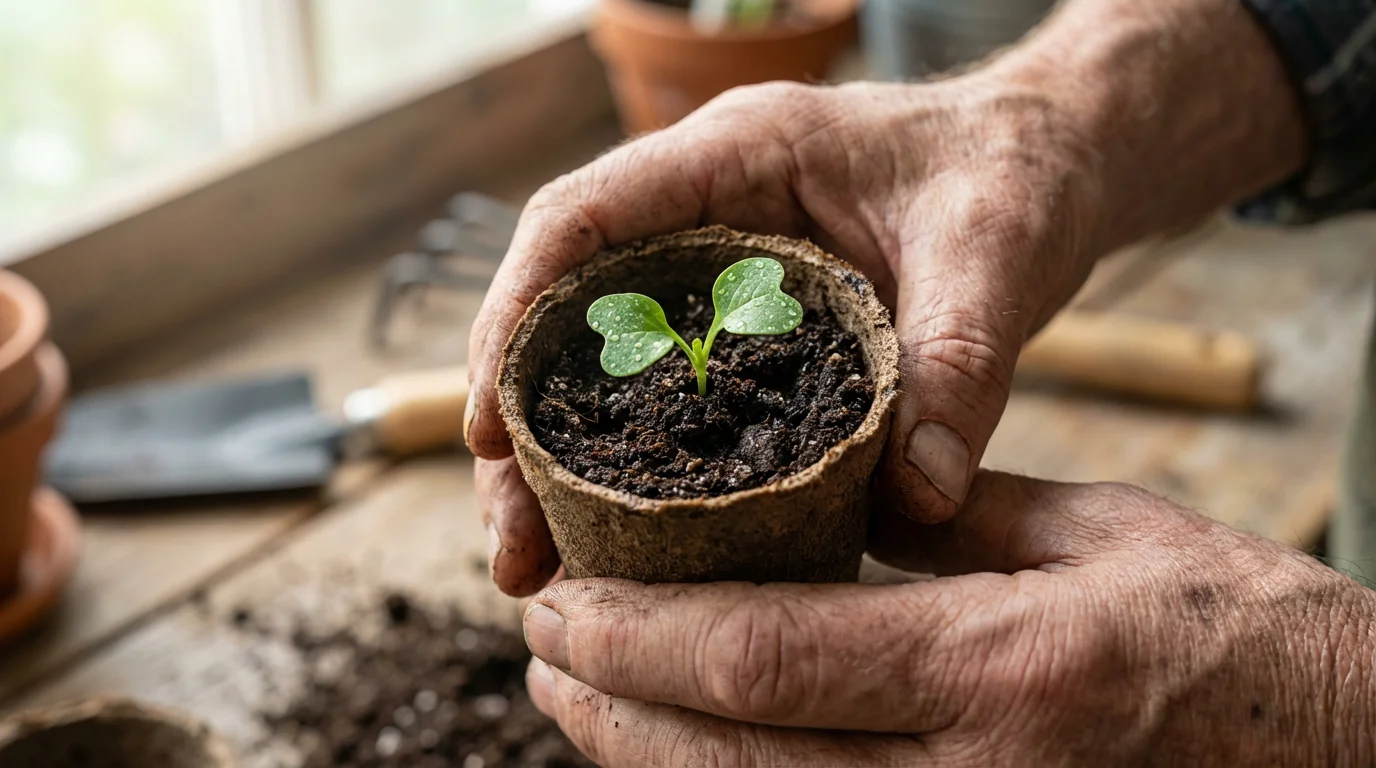
- Start Small: My first plot here felt a little daunting after my big Columbus garden. But I started with just a few herbs and some easy vegetables, and that really built my confidence. You don’t have to be an expert from day one.
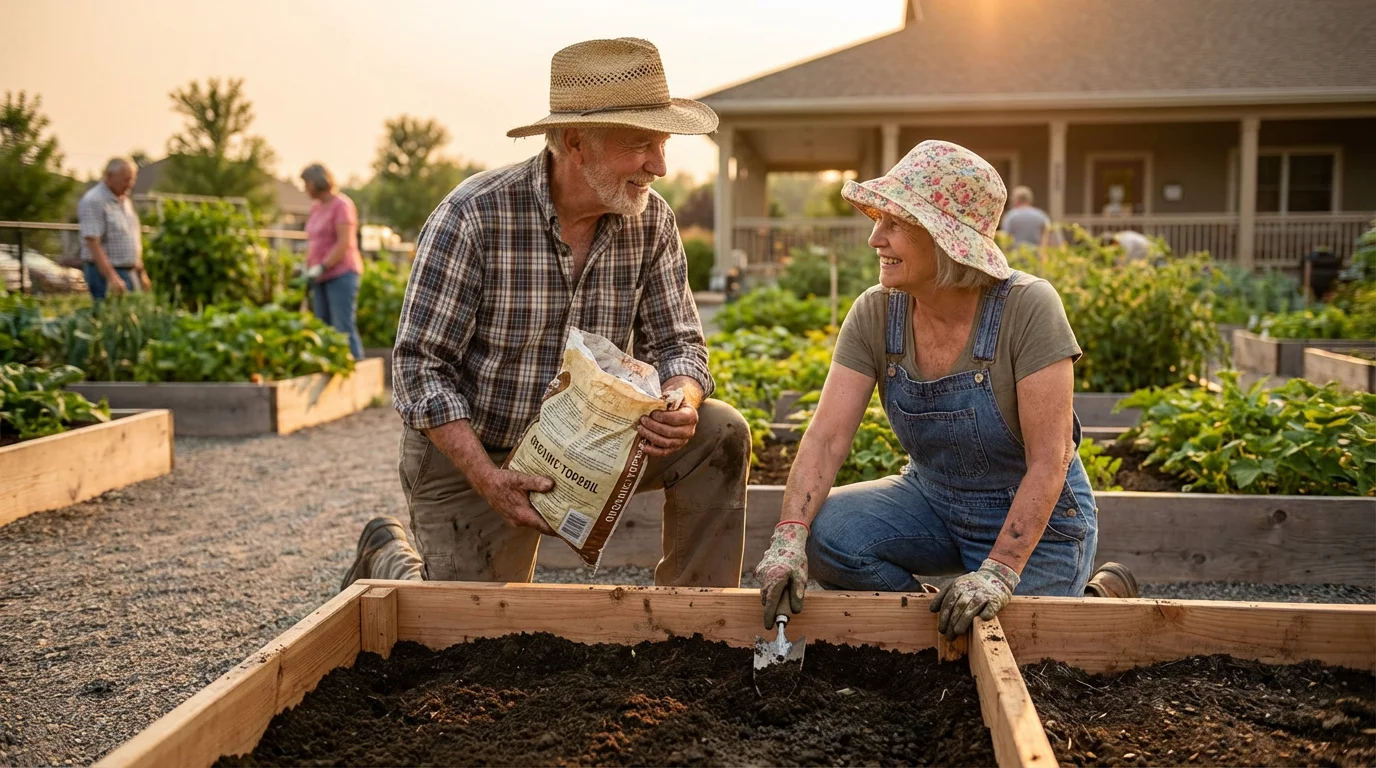
I’m also a huge fan of raised beds. They really do make gardening so much easier on the back and knees, which is a blessing as we get a little older. Our community has quite a few, and it means everyone can enjoy getting their hands dirty.
Beyond the Plot: Diverse Activities and Engagement
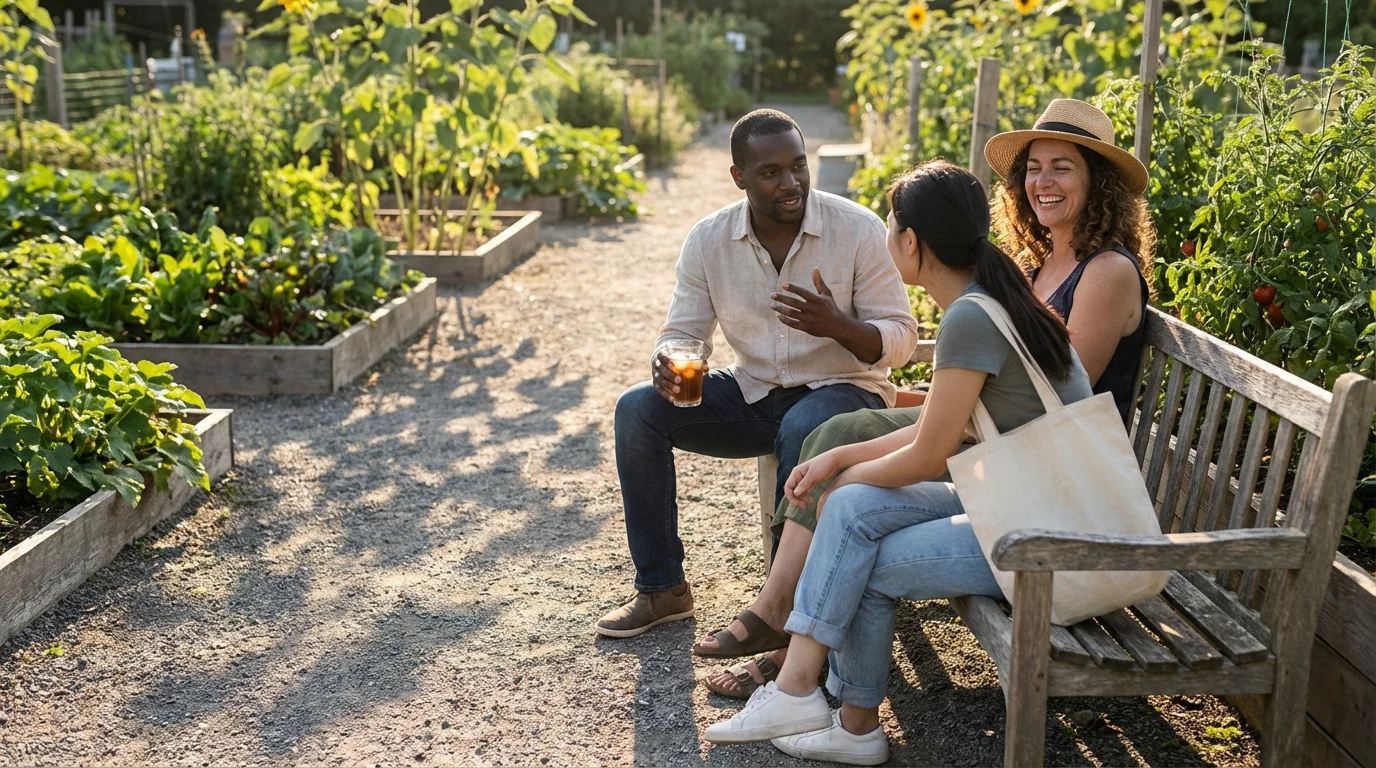
The garden isn’t just about tending your own little patch, believe me! It’s really a whole ecosystem of social activities and programming here at Hawthorn Ridge. You find so many ways to get involved, whether you’re an extrovert like me who loves to chat, or if you prefer a quieter connection.
Just a few of the wonderful things I’ve seen or participated in:
- Gardening Workshops: I’ve learned so much about composting here – it’s a science! And the discussions are always so lively.
- Harvest Festivals: Oh, these are my favorite! We have potlucks, and I always bring something I’ve baked with ingredients from my plot. It’s wonderful to share recipes and see everyone’s prized produce. I even won a blue ribbon for my zucchini bread last year!
- Seed Swaps: It’s like a treasure hunt! I love exchanging seeds and cuttings with my neighbors; it’s how I discovered some lovely new varieties of herbs.
- Tool Share Programs: This is so practical. Who needs to buy every single gardening tool when we can all share?
- “Adopt-a-Plot” Initiatives: I’ve been able to offer a few tips to some of our newer gardeners, and it feels good to pass on what I’ve learned, even if I’m still learning myself!
- Donation Programs: We often have so much extra produce, it’s wonderful to be able to give it to the local food bank. It feels good to give back to the wider community.
These activities are just natural ways to start conversations and really get to know your neighbors. You might bond over a shared love for heirloom tomatoes – I certainly did with my friend Margaret – or commiserate over a particularly stubborn pest problem.
It really strengthens your ties here. And the best part? You can participate as much or as little as you like. There’s no pressure, just open arms.
Intergenerational Connections Through Gardening
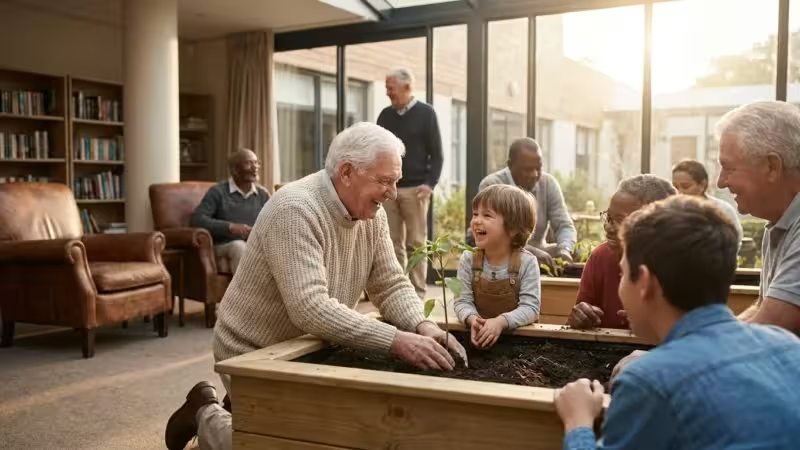
Oh, this is one of my absolute favorite things about our community garden! It’s a truly wonderful place for connecting with younger generations. I love sharing what little wisdom I have with them, and honestly, I learn so much from their fresh eyes too.
Our community really encourages families to get involved in the garden. When our grandchildren, Lily and Noah, come to visit from Cincinnati, the first thing they want to do is go to the garden! Lily, at nine, is a careful planter, and Noah, at seven, just loves to find worms and get his hands absolutely covered in dirt.
Watching their faces light up when they pull a carrot out of the ground or find a ripe strawberry—those are the moments that truly create lasting memories for all of us. It teaches them so much about where food comes from, and it’s just pure joy.
Here are some of the ways we foster these wonderful connections:
- Grandparent-Grandchild Garden Days: We definitely make these a thing when Lily and Noah are here! We work on my plot together, and then we have a little picnic with some of our freshly picked goodies.
- Mentorship Programs: I’ve seen some of our experienced gardeners teach local scout groups about planting. It’s lovely to see the knowledge passed down.
- Community Education: We’ve had little garden tours for children where we teach them about butterflies and bees. It’s so important for them to understand nature.
- Shared Projects: Sometimes we’ll have a community plot that we all work on together, and the produce goes to a local school. It’s a wonderful way to involve everyone, young and old, in giving back.
These times in the garden truly strengthen our family bonds and make our community feel so vibrant and alive. It proves that the garden grows more than just food; it grows connections across all ages.
Finding Your Perfect Community Garden Fit
Now, if you’re like me and you love getting your hands in the soil, you’ll want to make sure you find a community garden that truly fits you. When Bill and I were exploring 55+ communities, I was so focused on the emotional side of moving that I didn’t pay as much attention to the garden details as I should have. Luckily, Hawthorn Ridge has a wonderful one! But I’ve learned a lot since, and I want to share some questions I think are really important to ask:
When you’re touring communities or chatting with residents, here’s what I’d suggest you ask about their community garden:
- Are the plots easy to get to? Are there raised beds or nice wide pathways? My back appreciates those raised beds so much more now!
- How do you water your plot? Is it easy to access? This is a practical one that makes a big difference.
- Is there a community compost area or a shed for shared tools? It’s so helpful not to have to buy everything yourself.
- What kind of social things or workshops do the gardeners organize? Do they have harvest festivals? Seed swaps?
- How welcoming is the current group of gardeners? This is a big one for making friends, and I can tell you, our group here is just lovely.
- What are the rules about things like organic practices, pest control, or plot maintenance? It’s good to know upfront.
- Does the community encourage grandchildren or local schools to get involved? For me, that intergenerational connection is so important.
- What is the process for reserving a plot, and is there typically a waiting list? You want to know if you can jump right in!
A community that really supports its garden is usually a community that cares about its residents’ well-being and wants people to connect. Choosing a community with a thriving garden can truly make your retirement so much richer, offering endless chances for growth, learning, and finding wonderful friendships.
Frequently Asked Questions
What if I have never gardened before?
Oh, absolutely don’t let that stop you! I wasn’t exactly an expert when I started here, even with my old garden. Most community gardens are so welcoming to beginners. You can start with something simple, like a few herbs or some easy-to-grow lettuce.
Your neighbors will be thrilled to share their tips and tricks – that’s how I learned so much about Florida soil! There are often workshops, or you can just ask a friendly face. You definitely don’t need a green thumb from day one; it’s all about learning and enjoying the process.
How much time does community gardening require?
That’s entirely up to you! It really depends on how big your plot is and what you decide to grow. I usually spend a few hours a week, sometimes more if I’m feeling particularly ambitious (or if the weeds are winning!).
But it’s not just about weeding; it’s also about chatting with friends, enjoying the sunshine, and just being present. You can set your own pace and decide how much you want to get involved.
Are community gardens pet-friendly?
That’s a good question! It really depends on the community and the specific rules for the garden. Some places are fine with leashed pets in the common areas, but they might not want them right next to the vegetable plots.
My advice is always to check your community’s specific pet policy and the garden rules first. You want to make sure everyone, including your furry friend, feels welcome and safe.
What if I am an introvert but want to try community gardening?
You know, that’s one of the beautiful things about gardening – it works for everyone! You can absolutely enjoy the quiet peace of working on your plot by yourself, just soaking up the sun and focusing on your plants.
You’ll still get that lovely sense of being part of something, even if you’re not chatting up a storm like me! The bigger social events are always optional, so you can choose when and how you want to connect. I’ve found many of my quieter friends here absolutely love the purposeful work and the occasional friendly chat that happens naturally.


Leave a Reply