

Thriving in Your New Environment
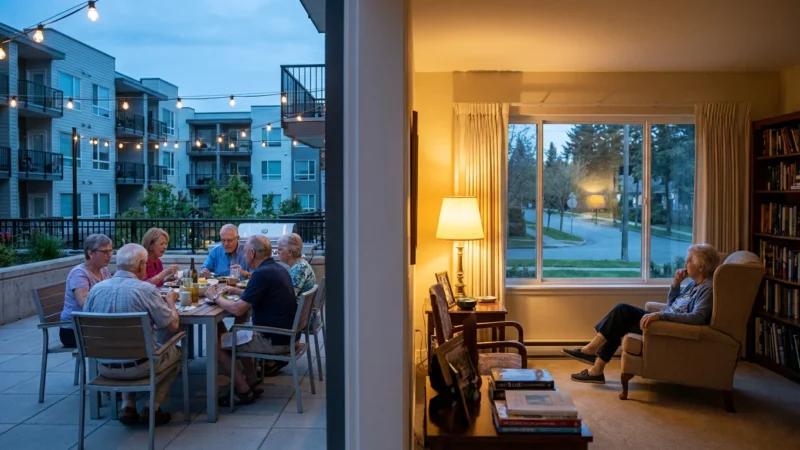
A move to a 55+ community often signifies a desire for more social engagement and an active lifestyle. While it is important to explore opportunities, remember that personal pace and preferences vary. Whether you are an extrovert eager to join every club or an introvert who prefers quiet walks and small gatherings, your community offers options for you.
The goal is to find your balance. Some residents thrive on daily group activities, while others prefer regular quiet time at home, punctuated by a weekly book club or a community dinner. Both approaches are valid and contribute to a fulfilling retirement.
Engaging with Your Community
Here are practical steps for building connections:
- Attend a Welcome Event: Many communities host events for new residents, providing an easy way to meet people.
- Join a Club or Group: Look for activities that align with your interests, such as gardening clubs, bridge groups, walking groups, or creative arts workshops. Even a casual interest can lead to new friendships.
- Use Common Spaces: Spend time in the clubhouse, coffee lounge, or library. These are natural places for spontaneous conversations.
- Volunteer: Offer your skills to community committees, resident associations, or local charities. This fosters a sense of purpose and introduces you to like-minded individuals.
- Say Hello: A simple wave or friendly greeting to neighbors you encounter can open the door to connection. Remember, everyone started as a new resident at some point.
Community governance, through resident associations, also offers a chance to contribute and connect. You gain insight into how your community operates and help shape its future. Research from the CDC highlights the importance of social connection for overall health, reducing risks associated with social isolation.
Embrace the opportunities your new 55+ community provides, whether it is an intergenerational event where you can connect with families, or a quiet evening lecture series. You define what thriving looks like for you.
Frequently Asked Questions
What is the best way to downsize quickly?
Start early, create a detailed plan for each room, and set realistic deadlines. Use the “four-box method” (Keep, Donate, Sell, Trash) and be decisive. If time is short, prioritize essential items and consider professional downsizing assistance to help manage the process efficiently.
How do I prepare for a community move with pets?
Check your new community’s pet policies, including breed and weight restrictions, and any associated fees. Ensure all pet vaccinations are current and you have their medical records. On moving day, keep pets in a quiet, secure room. Once at your new home, establish their feeding and walking routines quickly to help them adjust. Many 55+ communities are very pet-friendly, offering dog parks and walking trails.
What if I feel overwhelmed by the moving checklist?
Break down the checklist into smaller, manageable tasks. Focus on one category or room at a time. Do not hesitate to ask for help from family, friends, or professional organizers and movers. Many resources and services specifically cater to seniors undergoing relocation, designed to alleviate stress during this significant transition.
How can I make new friends in my 55+ community after moving?
Attend community welcome events, join clubs or interest groups that align with your passions, and utilize common areas like the clubhouse or fitness center. Introduce yourself to neighbors, participate in community events, or volunteer for resident committees. Remember that building connections takes time, so be patient and open to new experiences.
Should I bring all my furniture to my new community?
Measure your new living space carefully and plan which furniture pieces will fit comfortably. Downsizing often means letting go of oversized or duplicate items. Prioritize essential, comfortable, and cherished pieces. Many communities have smaller living areas, so choose items that maintain good flow and functionality without overcrowding your new home.
Disclaimer: This article is for informational purposes only. Community living options, amenities, and cultures vary significantly. We encourage readers to visit communities in person, speak with current residents, and evaluate whether a community fits their unique needs and preferences.





Leave a Reply