

Retirement often brings exciting new chapters, offering freedom to pursue passions, travel, and spend quality time with loved ones. However, this transition can also highlight a significant challenge: a home filled with a lifetime of possessions.
Dorothy and I faced this head-on when we decided to leave our 2,400 sq ft colonial on Elmwood Drive in Columbus. I’d once estimated we had “approximately one metric ton of stuff we don’t need,” and believe me, it felt like more.
Downsizing, or right-sizing as we prefer to call it, moves you toward a home that truly fits your current lifestyle, but the path can feel overwhelming. You face not just logistical hurdles, but also the emotional weight of letting go.
It is also helpful to consider navigating family dynamics early in the process to prevent misunderstandings with loved ones.
To ensure a smooth transition, it is helpful to be aware of common downsizing mistakes that many retirees encounter.
This article provides practical strategies and empathetic support to help you navigate this journey. We will address the common emotional aspects of downsizing and offer actionable steps to simplify your home, preparing you for a lighter, more focused future. You can achieve a sense of peace and purpose in your new, right-sized space.

Understanding Emotional Downsizing: More Than Just “Stuff”
For many, the thought of sorting through decades of belongings triggers a complex mix of feelings. Dorothy certainly experienced this, and I had to learn to appreciate that it wasn’t just about moving boxes.
You might experience nostalgia, sadness, guilt, or even fear. This process is far more than simply tidying up; it often feels like sifting through your own life story, piece by piece. Understanding these emotional aspects of downsizing is the first crucial step.
For those downsizing after a loss, the process can be even more sensitive and requires additional self-care and patience.
Your possessions are often tied to memories, identity, and significant life events. That dining table might represent countless family dinners, or a collection of books could symbolize a lifelong passion. Recognizing these deep connections validates your feelings.
It is perfectly normal to feel overwhelmed, but remember, the goal is to honor these memories while making space for your future.
Psychologically, accumulated items can create a sense of security. Letting go can feel like losing a part of yourself or disconnecting from the past. Give yourself permission to feel these emotions. Approach each item with intention and self-compassion, not judgment.
This mindful approach transforms a daunting task into a journey of reflection and preparation.

The Right-Sizing Mindset: Embracing a New Chapter
Dorothy and I often use the term “right-sizing” instead of “downsizing” because it shifts the focus from loss to gain. Right-sizing means intentionally choosing a living space and possessions that perfectly suit your current and future needs and desires.
When I researched 55+ communities for two full years before we moved, I built a comparison matrix with 14 variables, and every single one of them was about finding a place that would “right-size” our lives. It is about optimizing your environment for joy, convenience, and freedom, rather than simply reducing your footprint.
Additionally, downsizing your finances can provide the freedom to enjoy your retirement without the burden of high maintenance costs.
Making thoughtful downsizing decisions early on will help you stay focused on your future lifestyle rather than your current house.
Part of this optimization includes downsizing for accessibility to ensure your new environment remains safe and functional long-term.
Consider what truly serves you in this stage of life. Do you need a large lawn to maintain, or would you prefer a smaller patio with less upkeep? Is a formal dining room used regularly, or would you benefit from an open-concept living space?
This mindset encourages you to envision the lifestyle you desire and build a home around it. It is about creating a lighter, more manageable future.
Clutter is postponed decisions. — Barbara Hemphill
Embracing a right-sizing mindset allows you to view the process as an opportunity. You are curating your life, keeping what is truly valuable and meaningful, and releasing what no longer supports your well-being.
This intentionality helps you prepare emotionally to downsize, transforming anxiety into excitement for a fresh start.

Practical Steps for Decluttering and Organizing Your Home
Once you are ready to begin, a structured approach helps tremendously. Breaking the task into smaller, manageable steps prevents overwhelm. As a retired civil engineer, I approached our colonial on Elmwood Drive like a project. I started with the garage – a less emotional area – to build momentum before tackling the living room where Dorothy had more, shall we say, “sentimental attachments.”
You might also take this opportunity to downsize your wardrobe, keeping only the pieces that fit your new, more relaxed lifestyle.
Here is a systematic approach to decluttering:
- Start Small and Set Realistic Goals: Do not try to clear an entire room in one day. Focus on a single drawer, a shelf, or a small closet. Celebrate these small victories to maintain motivation.
- Sort by Category, Not by Room: Gather all similar items from around the house. For example, collect all your books, then all your kitchen utensils, then all your linens. This method helps you see duplicates and make more informed decisions.
- Use the “Four-Box Method”: Label four boxes or areas:
- Keep: Items you love, use regularly, and have space for in your new home.
- Donate/Give Away: Items in good condition that someone else could use. Reputable charities like Goodwill or Habitat for Humanity ReStore accept various items.
- Sell: Valuable items that can fetch a good price. Consider online marketplaces, consignment shops, or an estate sale.
- Discard/Recycle: Broken, expired, or unusable items that belong in the trash or recycling.
- Implement Decision-Making Frameworks: Ask yourself key questions for each item:
- “Have I used this in the past year?”
- “Does this item bring me joy or serve a practical purpose?”
- “Do I have multiples of this item?”
- “Does this fit into the vision for my new home and lifestyle?”
- Digital Decluttering: Do not forget your digital life. Organize photos, documents, and old emails on your computer and cloud storage. Delete duplicates, categorize files, and back up important information. This minimizes digital clutter and preserves valuable memories efficiently.
Be consistent. Even dedicating 15-30 minutes a day can yield significant progress over time.

Navigating Sentimental Items and Family Heirlooms
This is often the most challenging aspect of downsizing. Sentimental items hold deep emotional value, making them hard to part with. Dorothy and I certainly had our moments here, especially with things like the kids’ old school projects or boxes of photographs.
I learned that for Dorothy, letting go of an object did not mean letting go of the memory associated with it. The memory lives within you.
Here are thoughtful strategies for managing sentimental items:
- Prioritize and Select Your Favorites: You cannot keep everything, but you can choose the most significant pieces. Select one or two items from a collection that truly embody the memory or person.
- Digitize Memories: Photograph old letters, children’s artwork, and cherished documents. Create digital albums that you can easily share and access without taking up physical space. Old home videos can be converted to digital formats.
- Create a “Memory Box”: Designate one special box for your most treasured mementos. This sets a clear boundary for how much you will keep and encourages thoughtful selection.
- Share with Family: Offer family heirlooms to loved ones who genuinely want them and will cherish them. This passes on history and reduces your load, ensuring items remain in the family. Have open conversations about what items family members truly desire.
- Repurpose or Reframe: Can a piece of fabric from a wedding dress be incorporated into a new cushion? Can a beloved piece of jewelry be worn more often? Find new ways to integrate items into your current life or give them a new purpose.
Take your time with these items. It is okay to set them aside and revisit them later. The goal is to keep items that uplift and inspire you, not items that create clutter or guilt.
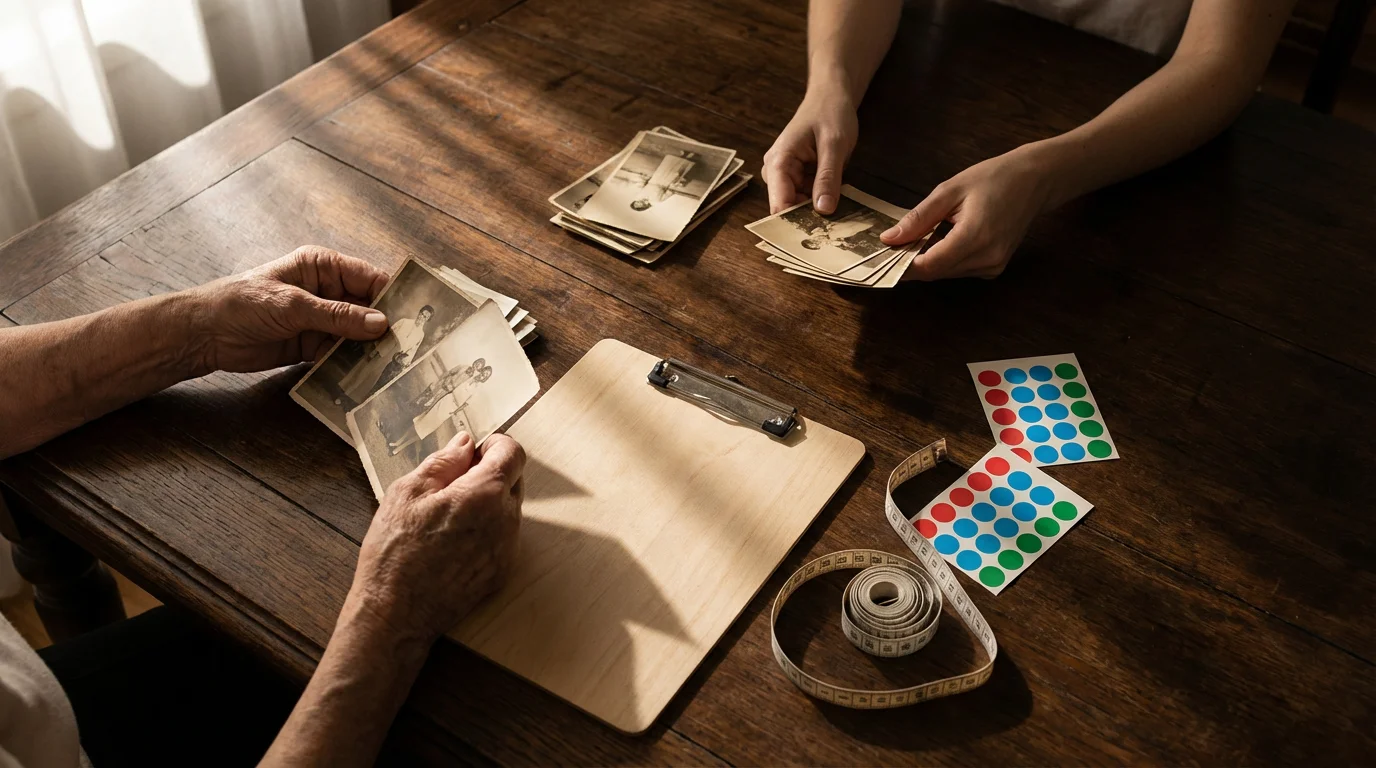
Leveraging Professional Help: Organizers and Estate Services
You do not have to do this alone. Professional assistance can provide invaluable support, expertise, and objectivity, especially during an emotional time. Hiring the right professionals can streamline the entire downsizing process.
When Dorothy and I were moving from our Columbus house, I seriously considered a Senior Move Manager. From my engineering background, I see it as an investment in efficiency and reduced stress, especially with the level of detail Dorothy says I bring to things.
Consider these options:
- Professional Organizers: A professional organizer, often certified by organizations like the National Association of Productivity & Organizing Professionals (NAPO), helps you sort through items, make decisions, and establish systems for your new space. They provide non-judgmental guidance and practical strategies.
- Senior Move Managers: For a comprehensive approach, a NASMM-certified Senior Move Manager specializes in assisting older adults with the practical and emotional aspects of relocating. They offer services ranging from space planning in your new home to coordinating movers, packing, unpacking, and even arranging for items to be sold or donated. They manage the entire transition.
- Estate Sale Professionals: If you have a significant number of valuable items to sell, an estate sale company can manage the appraisal, pricing, marketing, and sale of your belongings. They bring expertise in maximizing returns and handling the logistics. You can find reputable services through sites like EstateSales.net.
- Appraisers: For highly valuable items like antiques, art, or jewelry, a professional appraiser can provide an accurate valuation. This information is crucial for determining whether to sell, insure, or pass on these items.
Investing in professional help can save you time, reduce stress, and often result in better outcomes for selling or donating items. They offer an objective perspective when emotions run high.
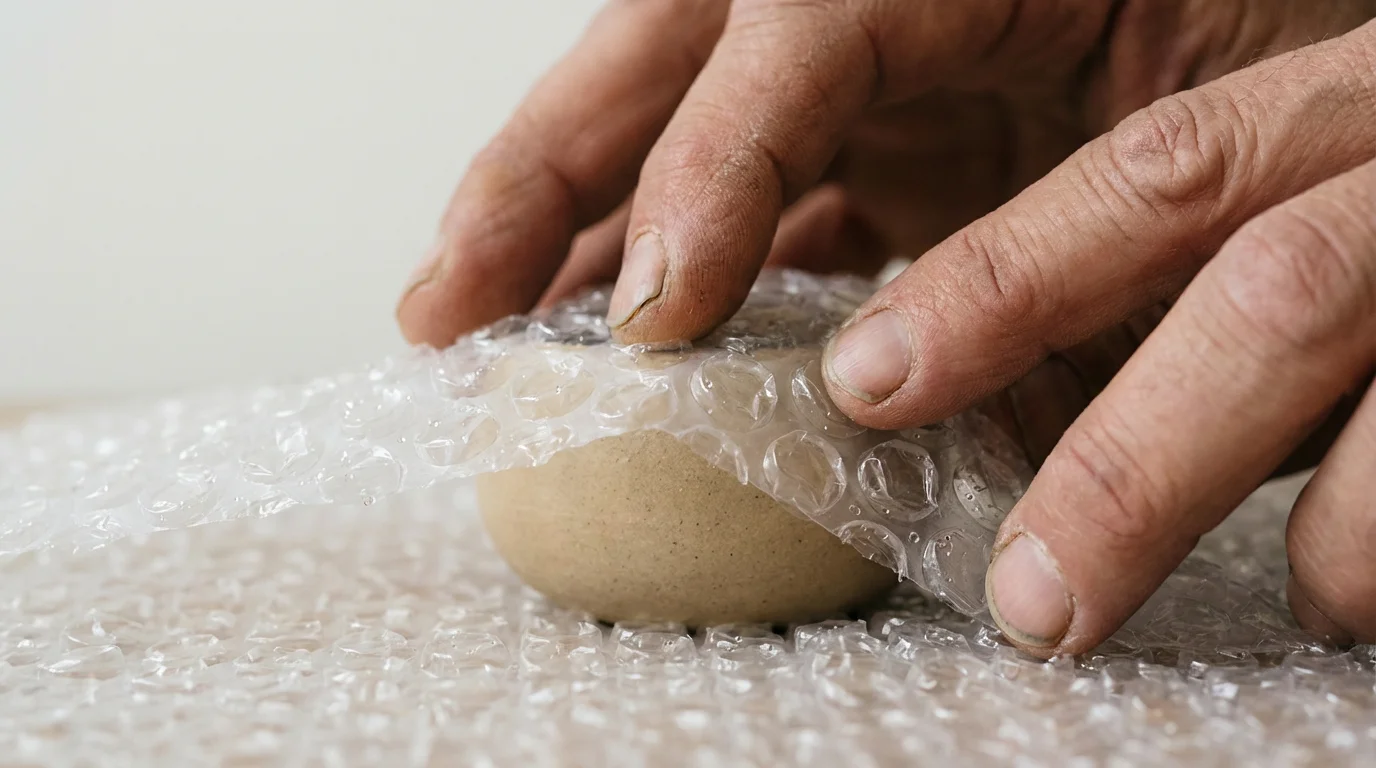
Preparing Your Home for Sale and Exploring Storage Solutions
Once you have decluttered, the next steps involve preparing your current home for the market and planning for your new space. A well-prepared home attracts buyers and can command a better price.
Preparing our 2,400 sq ft colonial on Elmwood Drive was a project I oversaw with a meticulous eye, ensuring everything was in order to get the best possible return.
Don’t forget to account for downsizing with pets to ensure your companions transition smoothly to the new environment.
If you are preparing for community living, understanding the layout of your new residence will help you decide what furniture will realistically fit.
Practical steps for home preparation include:
- Deep Clean and Repair: A thorough cleaning, fresh paint where needed, and minor repairs make a significant difference. Fix leaky faucets, patch holes, and ensure everything is in good working order.
- Depersonalize and Stage: Remove family photos, personal mementos, and excessive decorations. This allows potential buyers to envision themselves living in the space. Arrange furniture to highlight the room’s size and functionality.
- Maximize Curb Appeal: Tidy up the landscaping, power wash the exterior, and ensure the front entrance is inviting. First impressions matter immensely.
- Organize Remaining Items: Even items you are keeping should be neatly organized, especially in closets and cabinets. Buyers often open these spaces.
When considering storage, evaluate your needs carefully. Short-term storage can be useful during a move, but long-term storage often proves costly and can simply postpone decisions. Before committing to a storage unit, ask yourself:
- “Do I truly need this item, or am I avoiding a decision?”
- “Will the cost of storage outweigh the value or utility of the item?”
- “Could a family member temporarily store this item for me?”
Many find that once an item is in storage, it rarely sees the light of day again. Make thoughtful choices to avoid creating a second home for your clutter.
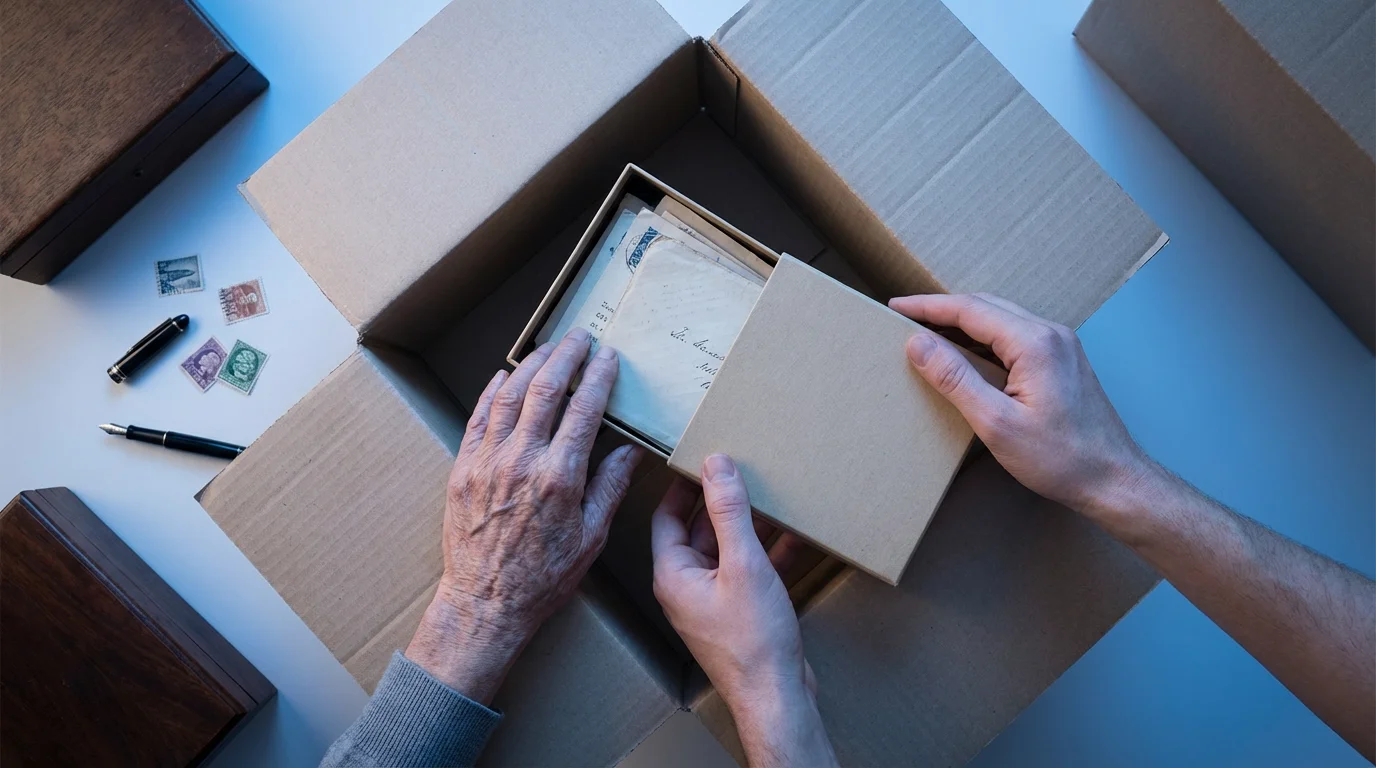
Supporting Loved Ones: Helping Parents Downsize
If you are an adult child assisting your parents, your role is crucial and often delicate. Approach the process with immense patience, empathy, and respect for your parents’ autonomy.
Remember, this is their home and their history. Our own children, Karen, Michael, and Susan, were incredibly helpful and patient when Dorothy and I were going through our move, even though Dorothy had a lot of “feelings” about it.
Successfully navigating family dynamics is essential for maintaining strong bonds while making difficult decisions about the family home.
Here are effective strategies for offering support:
- Initiate Conversations Early and Gently: Discuss downsizing long before it becomes an urgent necessity. Frame it as planning for a more comfortable future, not as taking things away. Ask about their vision for retirement living.
- Listen More Than You Talk: Understand their concerns, fears, and attachments. Validate their feelings without judgment. They may need to tell stories about items before they can consider letting them go.
- Offer Practical Help, Not Orders: Provide concrete assistance. Offer to organize boxes, research movers, or connect them with professional services. Avoid making unilateral decisions about their belongings.
- Focus on Their Goals: Help them articulate what they want in their new home and lifestyle. Connect the act of downsizing to achieving those goals, whether it is less maintenance, closer proximity to family, or easier travel.
- Manage Expectations: This process takes time. There will be good days and challenging days. Be prepared for setbacks and maintain a positive, encouraging attitude.
- Respect Their Pace: Some parents move quickly, while others need to linger over each item. Allow them to set the pace. Pushing too hard can lead to resistance and resentment.
- Communicate with Siblings: If you have siblings, ensure clear communication and agreement on how to best support your parents and handle family heirlooms. This prevents misunderstandings and additional stress.
Your support can make a profound difference in transforming a potentially stressful transition into a positive experience for your parents.
Frequently Asked Questions
What are the first steps to take when starting to downsize?
From my perspective, the first step is always to define your objective. What does “right-sized” mean to you? Envision your future lifestyle and the new space. What do you want to keep? What activities will you pursue? Then, start small.
Pick a less sentimental area, like a linen closet or a pantry, and use the four-box method (Keep, Donate, Sell, Discard) to build momentum. This initial phase helps you prepare emotionally to downsize.
How do I handle guilt about letting go of gifts or inherited items?
It is common to feel guilt, but remember that the love or intention behind a gift is not tied to the physical object. The person who gave it to you likely wanted you to enjoy it, not feel burdened by it.
For inherited items, consider if the item truly fits your life today. If not, perhaps another family member would cherish it, or you can find a suitable way to honor the memory (like digitizing a photo of it) without keeping the physical item.
Is it better to sell or donate items?
The choice depends on the item’s value and your priorities. For high-value items, selling can provide extra funds for your retirement. For items of moderate value, donating to charities like Goodwill or Habitat for Humanity ReStore helps others and can offer tax deductions.
Always consider your time and effort. Sometimes, the peace of mind from donating outweighs the potential earnings from a complicated sale.
How can I prepare emotionally to downsize if I feel overwhelmed?
Acknowledge your feelings without judgment. It is a big change. Break the process into tiny steps, focusing on one small area at a time. Talk to trusted friends or family members about your emotions.
Consider journaling or seeking support from a professional organizer or counselor who specializes in life transitions. Remind yourself of the benefits: more freedom, less maintenance, and a home perfectly suited for your next chapter.
Disclaimer: This article is for informational purposes only. Downsizing decisions are deeply personal and should be made at your own pace. If you’re struggling with the emotional aspects of letting go, consider speaking with a counselor or therapist who specializes in life transitions. For valuable items, consult with appraisers or estate professionals.
Psst! For those who are downsizing after a loss, the process requires an even deeper level of patience and emotional support.
A great category to start with is downsizing your wardrobe, which provides an immediate sense of accomplishment.










Leave a Reply