

Downsizing our home was, for Dorothy and me, perhaps the biggest transition we faced in retirement. It wasn’t just about moving boxes; it was about reshaping our entire life to fit a new, warmer climate and a different kind of freedom.
After 44 years in our 2,400 sq ft colonial on Elmwood Drive in Columbus, Ohio, where we raised three kids and accumulated what I once estimated to be “approximately one metric ton of stuff we don’t need,” the idea of moving felt daunting.
Dorothy had her feelings about it, and I had my spreadsheets, but we both learned that this process, while overwhelming at times, can be managed with a clear head and a good plan.
Before we even thought about what to keep, I spent two full years researching where we’d actually go. It made a lot more sense to pick the destination first, then figure out what would fit.
I learned a lot during our move to Hawthorn Ridge, and I want to share some of the common missteps I saw others make, and a few we almost made ourselves. By understanding and actively avoiding these pitfalls, you can simplify your path to a home that’s just the right size for this next chapter.
Here are five critical mistakes I’ve observed, along with some practical strategies to help you navigate your own transition.

Understanding the Right-Sizing Mindset
Before Dorothy and I even considered opening a box, I spent a lot of time adopting what I call a “right-sizing” mindset. For me, it shifted the focus from “giving things up”—which was a hard sell for Dorothy—to “gaining more.”
Right-sizing means aligning your living space with your current needs, goals, and the lifestyle you want in retirement. It’s about creating an environment that supports your well-being, freedom, and enjoyment, not just reducing square footage.
That’s why I researched 55+ communities for two full years, building a comparison matrix with 14 variables. I wasn’t just looking for a smaller house; I was looking for the right fit for our future.
Beyond the space itself, moving was an ideal time for us to look at reducing our monthly expenses, which I, as the family’s financial manager, considered a critical part of our broader retirement strategy.
It was also the perfect time to consider designing for accessibility to ensure our future residence would remain safe and comfortable as we got older. Those long-term practicalities were always on my mind.
You’re not simply downsizing your home; you’re designing a new chapter. For me, it was about analyzing what truly brought us value, what served our everyday needs, and what we genuinely wanted to carry forward into our new home in Sarasota.
This positive frame of reference, backed by solid data and planning, empowered our decisions and made the process feel less like a loss and more like an exciting opportunity. Dorothy would eventually come around to that perspective too, though it took her a full year.

Mistake 1: Underestimating the Time and Effort Required
One of the most common mistakes I saw, and one Dorothy initially made, was underestimating the sheer volume of items we’d accumulated over decades. I knew we had “approximately one metric ton of stuff,” but even I was surprised by the sheer number of decisions involved.
Many folks believe they can complete the process in a few weeks, only to find themselves completely overwhelmed and behind schedule. Our 2,400 sq ft colonial was packed, and each item required a decision.
This timeline was especially critical for us because we were preparing for a transition to community living, and our move-in date at Hawthorn Ridge was fixed. We couldn’t just push it back.
Implementing a gradual approach to downsizing helped us manage the physical and mental workload more effectively, especially as Dorothy navigated her own emotional adjustment.
You need a realistic timeline. Downsizing is a marathon, not a sprint. Starting early, which I insisted on, provided ample time to sort through items, make thoughtful decisions, and avoid last-minute stress. Rushing often leads to poor choices, exhaustion, and regret, and I certainly didn’t want that for us.
Develop a Realistic Timeline
I broke our overall project into smaller, manageable phases, just like any good engineering project. I allocated specific time blocks for each room or category, preventing burnout and maintaining momentum. For us, a comfortable timeline was about six months of active sorting before the actual move.
- Phase 1: Initial Assessment and Planning: We spent a few weeks assessing what we had and creating a rough plan. This is where my spreadsheets came in handy.
- Phase 2: Decluttering and Sorting: We dedicated several months to systematically going through each area, sorting items.
- Phase 3: Selling, Donating, Disposing: We allowed time for coordinating an estate sale (for some of the larger items), charity pickups, or waste removal.
- Phase 4: Packing and Moving: We finalized packing and prepared for the actual move to Florida.
Start Small to Build Momentum
I suggested we begin with less emotionally charged areas, like the garage or the spare bathroom. Success in these smaller spaces built confidence for tackling more challenging areas like the kitchen or bedrooms.
Dorothy learned valuable lessons about her sorting pace and decision-making style, and I learned a lot about her attachment to old holiday decorations.
We set daily or weekly goals. Perhaps we committed to decluttering one drawer each day or one shelf each week. Consistent, small actions yielded significant progress over time. Remember, any progress moves you closer to your goal, and for us, that goal was Sarasota.
Mistake 2: Neglecting the Emotional Weight of Possessions
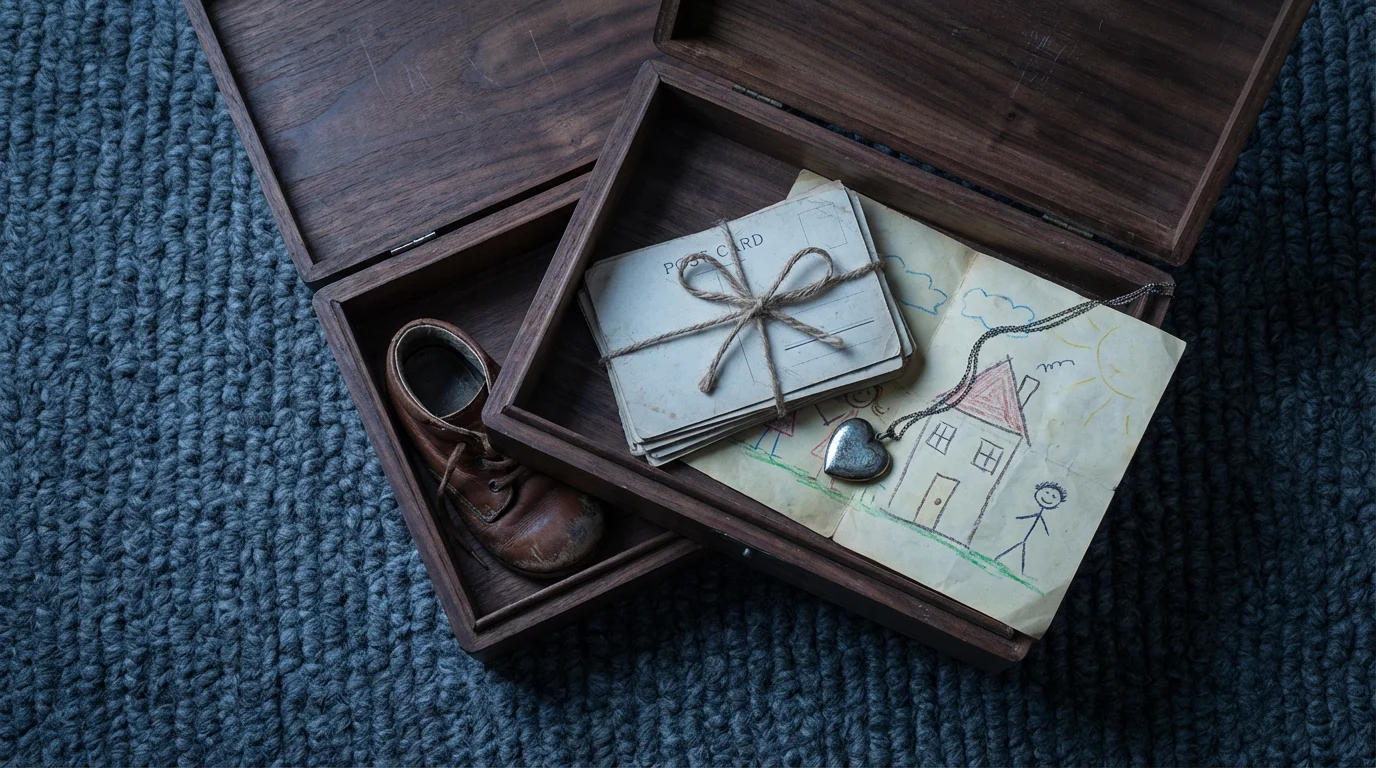
Now, this was Dorothy’s domain, and I admit, I had to learn a lot here. Every item in our Columbus home carried a story for her: her grandmother’s china, the kids’ artwork, the trophies from some forgotten Little League season.
These aren’t just objects; they are tangible links to your past, your identity, and your loved ones. Dismissing these emotional attachments as “just stuff” was a mistake I quickly learned not to make, especially with Dorothy. That approach often leads to paralysis, frustration, or later regret, and I wanted to avoid all three.
If your move follows a bereavement, specialized advice on coping with grief while simplifying your life can help navigate this difficult period. I can only imagine how much harder it would have been if we had faced that on top of everything else.
You must acknowledge and honor these feelings throughout the process. It’s perfectly normal to feel sadness, nostalgia, or even grief as you sort through a lifetime of memories.
Dorothy certainly did, and it was important for me to give her space for those emotions, even if my brain was trying to organize them into a tidy spreadsheet. These emotions are valid and deserve your attention, not dismissal.
Strategies for Sentimental Items
I found it helpful to approach sentimental items with a different framework than everyday utilitarian objects. I gave Dorothy permission to spend more time with these items. We didn’t need to rush these decisions, especially since we’d built in plenty of time with my timeline.
- Create a “Memory Box”: We designated a special container for truly irreplaceable items. Dorothy selected a few cherished pieces, perhaps one or two per family member, that evoked the strongest positive memories.
- Digitize Mementos: I helped Dorothy photograph old letters, children’s artwork, and large photo albums. This preserved the memory without keeping the physical bulk. I even found services that could digitize old slides and videotapes of the kids, which was a huge space-saver.
- Share with Family: We offered family heirlooms to Karen, Michael, and Susan. Often, they appreciated the history and story behind an item more than the item itself. We had open conversations about what they truly wanted and could accommodate in their own homes.
- Reimagine Purpose: We considered if we could repurpose a piece of furniture or an item. An old trunk became a coffee table in our new place, for example.
- Tell the Story: Before letting go of an item, we took a moment to recall its story. Dorothy would often tell me an anecdote about it, and I’d make a mental note. The memory lives on even if the item does not.
Remember, your memories reside within you, not solely within your possessions. You carry your experiences and relationships in your heart and mind, independent of external objects.
Downsizing provides an opportunity to appreciate the essence of these memories without the burden of their physical form. And for me, it was about finding efficient, respectful ways to manage that process.
Mistake 3: Lacking a Clear Plan and Sorting Strategy
Without a defined plan, you risk haphazard sorting, moving items from one pile to another, and ultimately failing to make progress. This was one area where my civil engineer brain really took over.
A lack of strategy means you might tackle the hardest areas first, get discouraged, or miss opportunities to efficiently process items for donation or sale. I knew we needed a systematic approach to tackle our “metric ton of stuff” effectively.
While creating our sorting plan, I certainly didn’t forget to include finding the right space for our furry friends – though we don’t have any, I know many people do, and it’s a critical consideration for the new layout.
As I planned our move, I also made sure to research the financial and tax implications of selling our home to avoid any surprises. That’s just good planning.
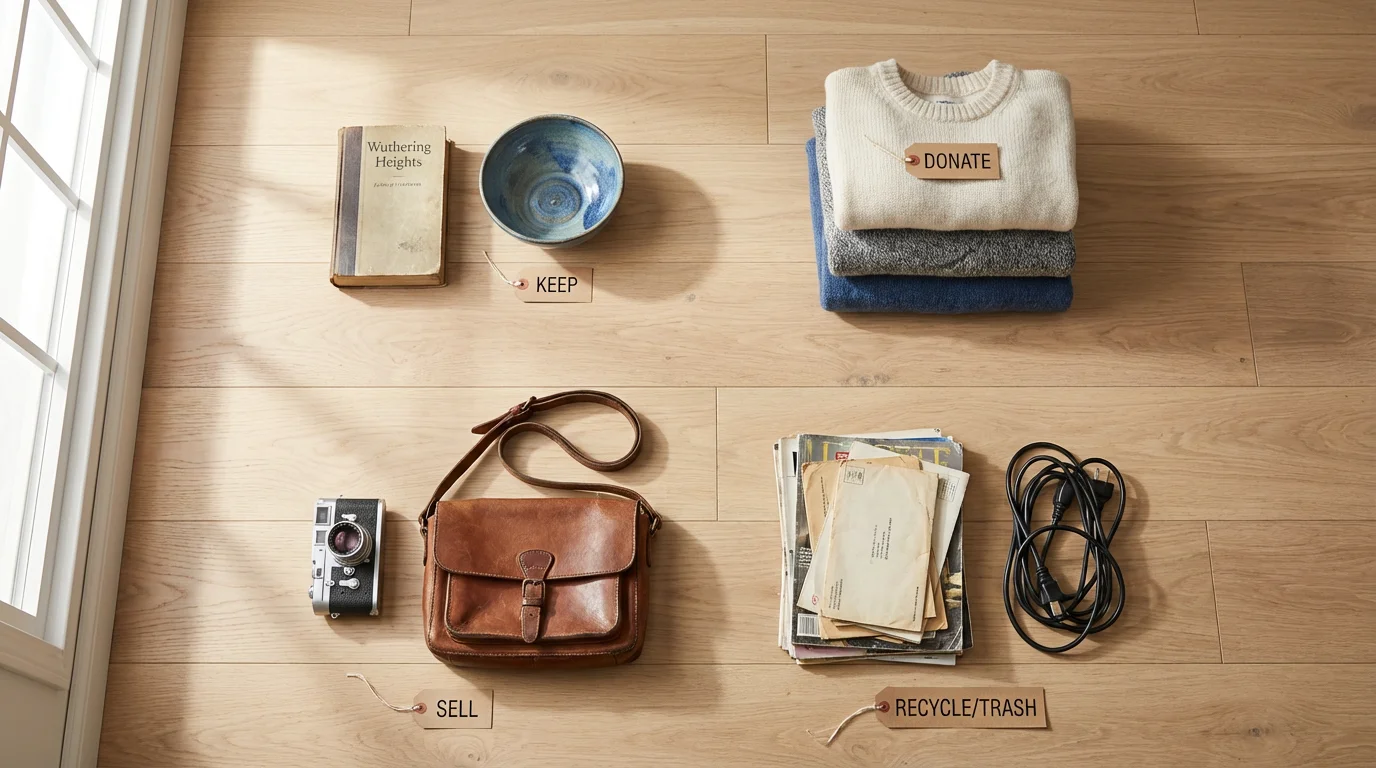
Adopt the “Keep, Donate, Sell, Discard” Framework
This four-category system provided a clear pathway for every item we encountered. As we touched each object, we immediately assigned it to one of these categories. We used clear labels for boxes or dedicated areas, and it made the process much more efficient.
- Keep: Items we absolutely needed, used regularly, or deeply cherished. These were moving with us to Sarasota.
- Donate: Functional items in good condition that someone else could use. We thought about clothing, books, kitchenware, or furniture. Organizations like Goodwill and Habitat for Humanity ReStore welcomed a variety of household goods.
- Sell: Valuable items, antiques, or collections that could fetch a fair price. This category required research and often professional assistance, which we utilized.
- Discard: Broken, expired, stained, or unusable items that belonged in the trash or recycling.
Implement a Room-by-Room or Category-by-Category Approach
I insisted that we not try to declutter our entire house at once. That would have been overwhelming and inefficient. Instead, we focused on one manageable area at a time. We finished one room or one category completely before moving to the next.
That consistency provided tangible results and helped maintain Dorothy’s motivation.
We started with categories, especially for items found throughout the house:
- Books: We gathered all books from shelves and boxes. Dorothy decided which to keep, donate, or sell. (I mostly kept my engineering textbooks, which she was thrilled about.)
- Clothing: We went through all closets and dressers. We sorted by season, then by purpose.
- Kitchenware: We tackled dishes, pots, pans, and small appliances. We kept only what we used regularly and what would fit in our new, smaller kitchen. (Turns out, I’d become an unexpectedly good cook in retirement, so the kitchen was important.)
- Paperwork: This often hidden category required careful attention. I shredded old bills, medical records no longer needed, and duplicate statements. Retaining essential documents was a top priority for me.
We maintained designated “sorting zones” in our Columbus home for each category: Keep, Donate, Sell, Discard. As soon as a box or bag for a specific category filled, we took action. We delivered donations, listed items for sale, or took discards to the curb.
Procrastinating on these actions can lead to re-cluttering, and that was a mistake I was determined to avoid.

Mistake 4: Not Utilizing Professional Support
Many folks attempt to manage the entire downsizing process alone, believing it saves money or maintains control. This often leads to exhaustion, stress, and missed opportunities. Even with my meticulous planning, I knew we couldn’t do it all ourselves.
We had access to a wealth of professional support designed to simplify our transition, and I wasn’t too proud to use it.
Senior Move Managers
These professionals specialize in helping older adults with the practical and emotional aspects of relocating. We seriously considered one, especially for Dorothy, as they offer comprehensive services, including:
- Creating a floor plan for your new home.
- Sorting and organizing possessions.
- Coordinating movers and packing services.
- Arranging for sale, donation, or disposal of unwanted items.
- Unpacking and setting up your new home.
Working with a NASMM-certified senior move manager can significantly reduce the physical and emotional burden on you and your family. They act as an objective, compassionate guide throughout the entire process, offering expertise in logistics and emotional support. We ended up handling most of it ourselves, but I can see why many would find this invaluable.
Professional Organizers
If you need help specifically with decluttering and organizing, a professional organizer can provide invaluable guidance. They offer objective perspectives, introduce efficient sorting systems, and help you make tough decisions about what to keep.
They coach you through the process, providing strategies to maintain progress and avoid feeling stuck. Dorothy certainly could have used one for her extensive collection of elementary school librarian materials!
Estate Sale Services and Appraisers
For valuable items, antiques, or extensive collections, I highly recommend hiring an estate sale company or a professional appraiser. These experts accurately value your possessions, market them effectively, and handle the sales process.
This maximizes your return and removes the burden of selling items yourself. We used one for some of our larger furniture pieces and it was well worth the fee. You can find reputable estate sale companies on platforms like EstateSales.net.
Donation and Recycling Services
Do not underestimate the logistics of getting unwanted items out of your home. Many charities offer pickup services for furniture and larger donations. For items that cannot be donated or sold, research local recycling options for electronics, hazardous waste, and large appliances.
Planning these logistics in advance saved us a lot of time and effort during our move from Columbus.

Mistake 5: Overlooking Digital Decluttering and Important Documents
In our increasingly digital world, downsizing extends beyond physical possessions. Many people overlook the need to declutter their digital lives and organize crucial paperwork.
This was not a mistake I was going to make. My financial management, which Dorothy often jokes “belongs in a NASA mission,” meant I had our digital and physical documents sorted long before we even thought about moving.
Organize and Secure Your Digital Footprint
Your digital life includes photos, emails, documents stored on computers, and various online accounts. Just like physical clutter, digital clutter can cause stress and inefficiency. I addressed these areas proactively.
- Photos and Videos: I consolidated all digital photos from old hard drives, phones, and cloud services. I deleted duplicates and blurry images, then organized them into clearly labeled folders and backed them up to a secure cloud storage service for easy access and backup. Dorothy still loves looking at these from time to time.
- Computer Files: I went through documents, downloads, and desktop files on my computer. I deleted outdated or unnecessary files and backed up essential documents to an external hard drive and secure cloud storage.
- Email Accounts: I unsubscribed from unwanted newsletters and deleted old, irrelevant emails. I also set up filters to manage incoming mail more effectively.
- Social Media and Online Accounts: I reviewed our social media presence and other online accounts. I closed any unused accounts or adjusted privacy settings as needed.
Streamline Important Paperwork
Paper documents often accumulate silently, creating daunting stacks. I approached paperwork with the same “Keep, Shred, Digitize” mentality as physical items. I created a system for our new, smaller home that supports ongoing organization.
- Keep and Secure: I retained original birth certificates, marriage licenses, social security cards, wills, power of attorney documents, and property deeds. These are stored in a fireproof safe.
- Digitize: I scanned important but non-essential documents, such as old tax returns (keeping the last 7 years of physical copies is often sufficient), medical records, or insurance policies. I ensured secure digital storage with backups.
- Shred: I destroyed any documents containing personal information that we no longer needed. This included old bank statements, utility bills, expired credit card offers, and medical bills older than seven years.
- Create a “Go-Bag”: I prepared a small bag with critical documents we might need during the moving process itself, or in an emergency.
Regularly reviewing and purging digital and physical paperwork protects your privacy and simplifies your access to essential information. You will feel more in control when your important documents are organized and easily accessible, which, for me, is a fundamental part of good planning.

Practical Strategies for a Smooth Transition
Successfully navigating downsizing involves more than just avoiding mistakes; it also means actively implementing smart strategies. These tips helped ensure a smoother, less stressful journey to our new right-sized living space in Sarasota.
While decluttering is vital, you should also take time to explore different housing options for seniors to ensure your next home meets all your long-term needs. That’s why I spent two years researching 55+ communities before we made our move.
Prepare Your Home for Sale
If you plan to sell your current home, decluttering is the first and most crucial step in preparing it for the market. Our colonial on Elmwood Drive had to look its best. A clean, organized, and depersonalized home photographs better and appeals to a wider range of buyers. Buyers need to envision themselves in the space, which proves difficult when surrounded by your personal belongings, or, as Dorothy would say, “all our memories.”
We considered minor repairs, a fresh coat of neutral paint, and professional staging. These investments often yield a higher selling price and a faster sale, which was certainly our experience.
Explore Storage Solutions and Space Optimization
As we transitioned to our smaller home in Hawthorn Ridge, I spent time considering how to maximize our new space. Built-in shelving, multi-functional furniture, and vertical storage solutions made a significant difference.
I assessed our new home’s layout to determine optimal placement for our essential furniture and belongings. This planning helped us bring only what truly fit and served a purpose.
If you have a few treasured items that do not fit in your new home but you are not ready to part with, a temporary storage unit might be an option. However, treat storage as a short-term solution, not a permanent holding place for items you simply postpone deciding on.
Evaluate the cost of storage against the value and sentimentality of the items stored. Over time, storage costs can quickly outweigh an item’s worth, so I only recommend it for a truly brief transition period.
Helping Parents Downsize
If you are an adult child helping your parents downsize, approach the situation with immense patience and empathy. I saw how much Dorothy struggled with the idea of leaving the house where we raised Karen, Michael, and Susan.
Recognize that this is their home and their memories. Your role is to support and facilitate, not to dictate. Offer practical assistance, listen to their concerns, and help them find resources like senior move managers.
Focus on creating a positive, collaborative environment. Avoid judgmental language and respect their pace, even if it feels slow. Celebrate small victories and remind them of the benefits of their new, simplified life.
Our daughter, Karen, was instrumental in helping Dorothy, reminding her that “Mom, the grandkids want YOU, not the house.” That really made a difference, and it was a good reminder for me too.
Frequently Asked Questions
How long does downsizing typically take?
Based on our experience and my research, the timeline for downsizing varies greatly depending on the size of your current home, the amount of accumulated possessions, and your personal pace.
Dorothy and I found the process took about six months of active sorting before our move. Starting early, perhaps a year before a planned move, provides ample time to sort, sell, donate, and emotionally adjust without feeling rushed. It’s a project, and like any project, it benefits from a realistic schedule.
What should I do with highly sentimental items that I cannot keep?
For highly sentimental items you cannot keep, I recommend these practical options: take high-quality photographs to preserve the visual memory, offer them to family members who might cherish them (we did this with our kids), or create a small “memory box” with a few truly irreplaceable items.
Digitizing documents and photos is also a great solution for preserving memories without the physical clutter. Remember, the memories reside within you, not solely in the objects themselves.
Is it worth hiring a professional organizer or senior move manager?
Yes, for many, hiring a professional organizer or a senior move manager is well worth the investment. These professionals provide objective guidance, create efficient systems, and offer invaluable support for both the logistical and emotional aspects of downsizing.
They can save you significant time, reduce stress, and prevent burnout, ultimately making the transition smoother. While I handled most of the planning, I certainly saw the value they could bring, especially in managing the emotional side of things for Dorothy.
How do I decide what to keep and what to let go of?
I recommend using a clear decision-making framework. For everyday items, ask: “Do I use this regularly?” or “Have I used this in the past year?” For sentimental items, ask: “Does this truly bring me joy or represent an essential part of my story?” and “Does it fit into my future lifestyle?”
Always consider the space available in your new home. Keep items that serve a purpose, bring joy, or are truly irreplaceable. If it doesn’t meet those criteria, it’s likely time to let it go.
What are the best options for donating unwanted items?
Many organizations accept donations. Goodwill and The Salvation Army accept a wide range of clothing, household goods, and furniture. Habitat for Humanity ReStore accepts building materials, furniture, and appliances.
Local charities, shelters, and community centers also often accept specific items. Always check with the organization first regarding their donation guidelines and pickup options to ensure your items are suitable and can be picked up efficiently.
Disclaimer: This article is for informational purposes only. Downsizing decisions are deeply personal and should be made at your own pace. If you’re struggling with the emotional aspects of letting go, consider speaking with a counselor or therapist who specializes in life transitions. For valuable items, consult with appraisers or estate professionals.








This was very good information