
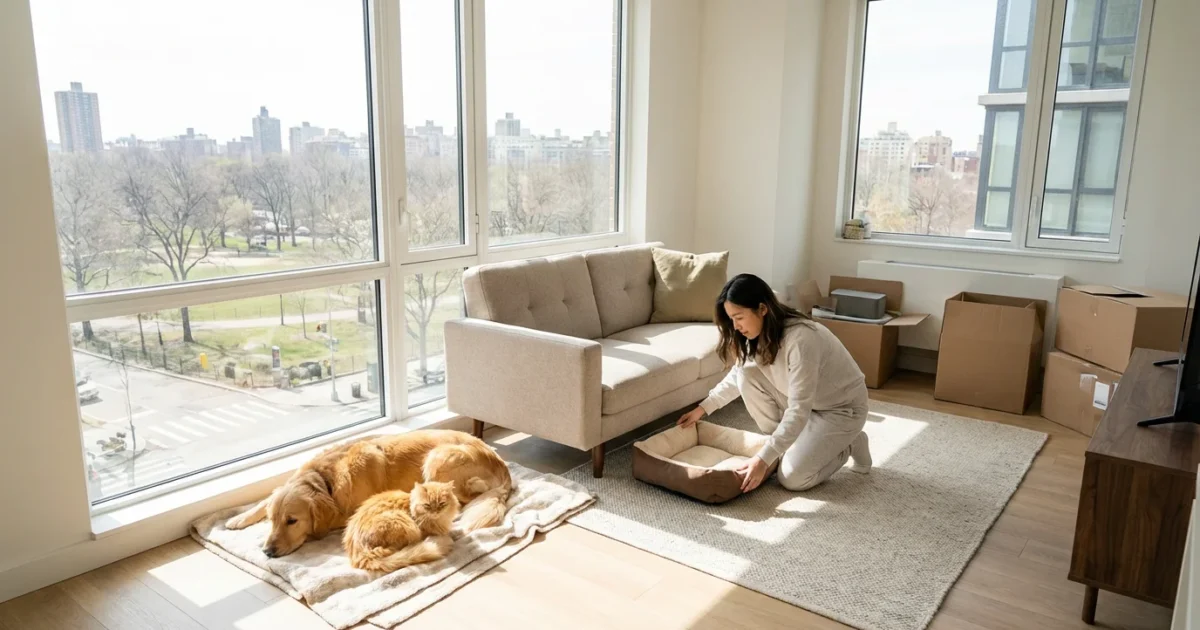
Dorothy and I spent nearly two years researching and debating before we finally made the move from our 2,400 sq ft colonial on Elmwood Drive to Hawthorn Ridge. I had my spreadsheets, of course, analyzing everything from HOA fees to the distance to the nearest pickleball court.
But one variable I hadn’t fully accounted for, or rather, fully felt the weight of, was how our hypothetical pet – if we’d still had one – would factor into the equation.
This article, based on what I’ve learned through our own extensive planning (and a bit of hindsight), is about ensuring a smooth transition for both you and your furry, feathered, or scaled family member as you embrace a right-sized living arrangement.
Before diving into the specifics of pet care, it’s helpful to understand the broader downsizing decisions involved in right-sizing your home. I can tell you, it’s not a small undertaking.
The Emotional Heart of Downsizing with Pets
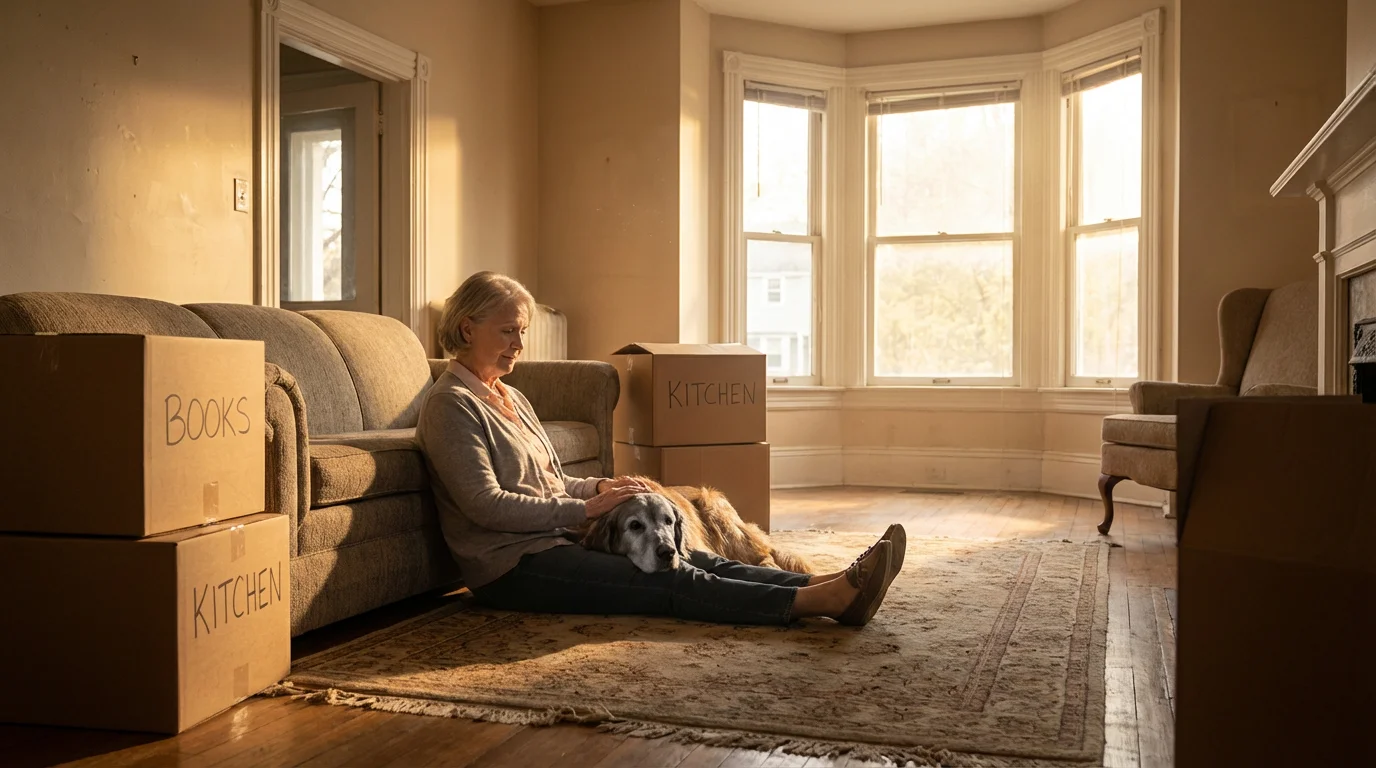
Now, Dorothy would be the first to tell you that moving is deeply emotional, and she cried when we sold our 2,400 sq ft colonial in Columbus. For me, it was more about the logistics, but I certainly understood the attachment she had to our home of 44 years.
The same goes for pets. Your furry companion isn’t just another item on the moving checklist; they’re a family member. I’ve seen firsthand how important pets are to folks here in Hawthorn Ridge, and their well-being directly contributes to your own peace of mind. Frankly, a happy pet makes for a smoother retirement.
So, while my natural inclination is towards the practical, I’ve come to appreciate that acknowledging this deep emotional connection is the bedrock for any successful move with a pet. It means approaching this stage with patience and understanding, not just for your pet, but for yourself.
Decisions about your pet’s future home are as significant as decisions about your own. Prioritizing their happiness and stability throughout this change will pay dividends for everyone involved.
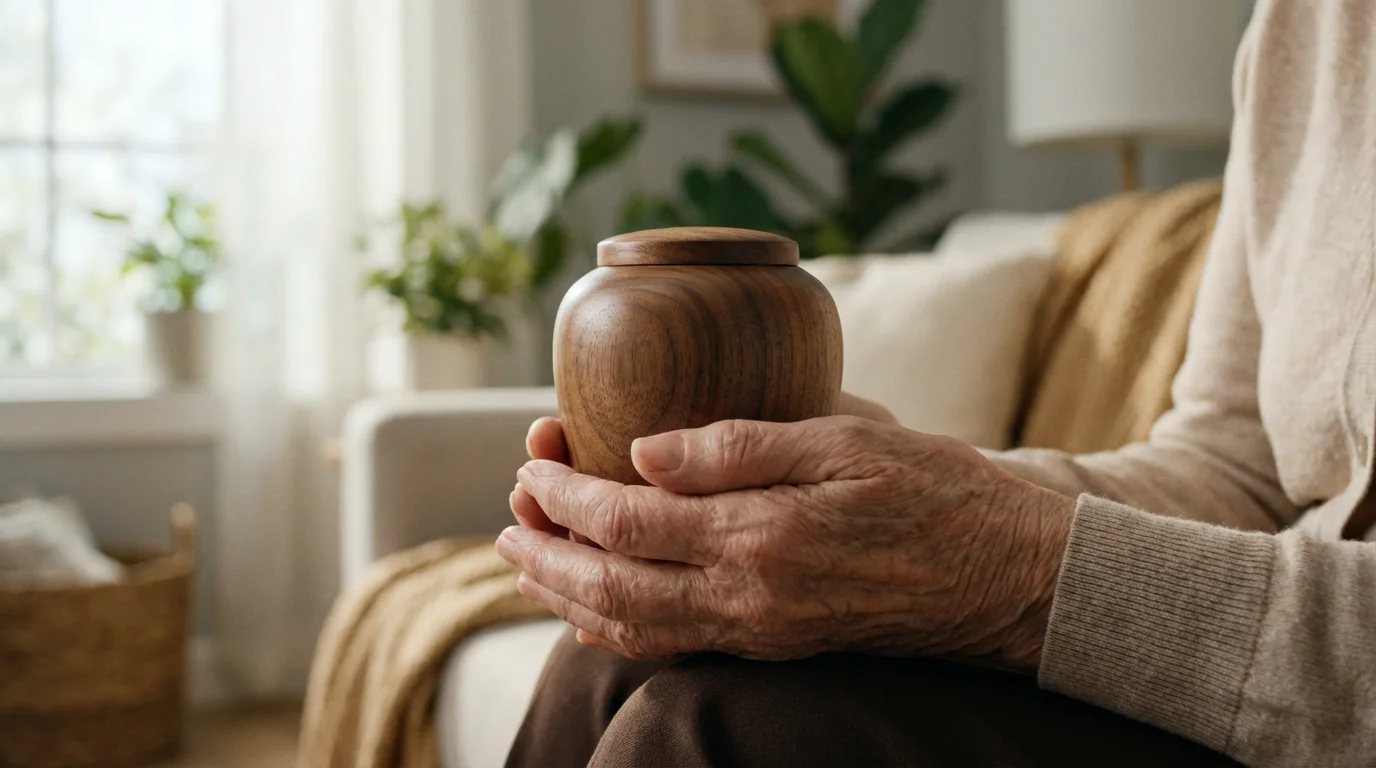
The support of a pet is especially crucial if you are downsizing after a loss, as they provide a sense of continuity and comfort.
Assessing Your Pet’s Needs in a Smaller Home
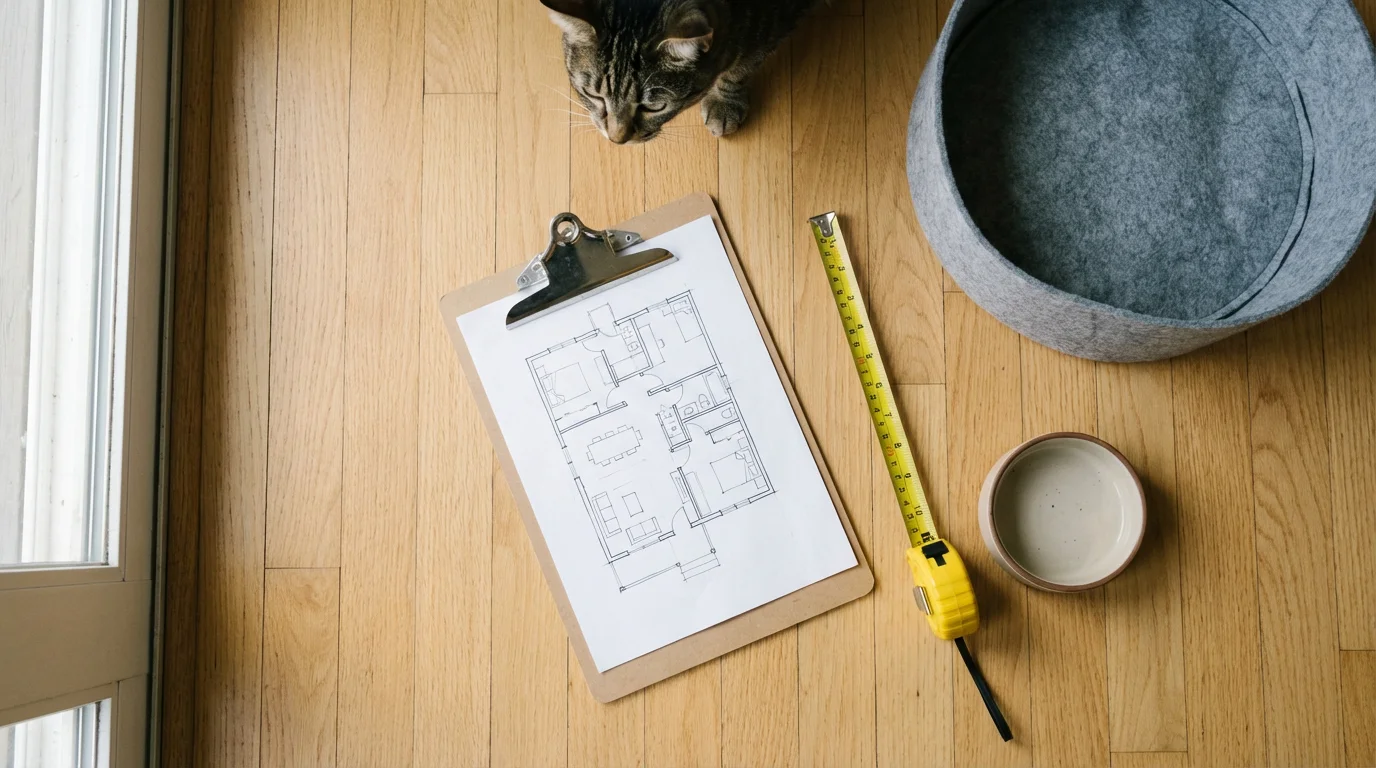
When Dorothy and I were considering 55+ communities, I developed a comparison matrix with 14 variables – everything from property taxes to amenities. If we’d still had a pet, I would have added a few more columns specifically for them.
Before you even start looking for a new place, my advice is to apply a similar methodical assessment to your pet’s current lifestyle and needs. This isn’t just a suggestion; it’s a critical step that will save you headaches down the road and guide your search for a truly suitable new home.
Just like you wouldn’t buy a car without checking its features, you shouldn’t pick a home without evaluating its suitability for your pet.
Think about how your pet currently spends their day. Do they have free access to a yard? Do they need quiet spaces for naps? Documenting these habits creates a clear picture of their essential requirements. This assessment should directly influence your housing criteria.
Here are key aspects to consider when assessing your pet’s needs:
- Size and Breed: A Great Dane requires more indoor space than a Chihuahua. Large breeds also benefit from larger outdoor areas.
- Activity Level: High-energy pets need room to play, whether indoors or outdoors. More active pets might thrive near parks or walking trails.
- Age and Health: Senior pets or those with mobility issues need easy access, fewer stairs, and comfortable resting spots. They may also need more frequent outdoor breaks.
- Indoor vs. Outdoor Preferences: Does your pet enjoy lounging indoors or exploring outside? Consider the balance between indoor comfort and outdoor access.
- Personality: Some pets are highly adaptable, while others are sensitive to change. A nervous pet might need a quieter environment.
- Current Routines: Does your pet have a favorite sunbathing spot or a specific place where they feel secure? Try to replicate these comforts in your new home.
- Grooming Needs: Consider space for grooming large or long-haired pets. Bathing facilities or easy access to a groomer are important.
This thorough evaluation helps you define what a “pet-friendly” home truly means for your specific companion. It moves beyond generic labels to concrete suitability, which is exactly how I approach any major decision.
Finding Pet-Friendly Retirement Living Options
After you’ve got your pet’s needs clearly mapped out – perhaps even in a mini-spreadsheet like I would have done – the next logical step is finding a home that actually meets them. This was a significant part of my two years of research for Hawthorn Ridge.
I didn’t just look at the golf course; I dug into the HOA documents, the community rules, and if we’d had a pet, you can bet I’d have had a separate column in my matrix for ‘Pet Policy Clarity’ and ‘Proximity to Dog Park.’ Many retirement communities and apartments welcome pets, but their policies vary widely. I can’t stress this enough: you must research and ask detailed questions to avoid surprises. Assuming anything will only lead to complications.
Begin your search by specifically filtering for pet-friendly properties. Websites for senior living often include this as a search criterion, and I always found those filters to be a good starting point to save time.
When touring potential homes or communities, do not hesitate to bring up your pet. Discuss their size, breed, and habits openly with landlords or community managers. Transparency helps ensure a good fit for everyone, and remember to get any assurances in writing.
Consider these factors when searching for pet-friendly options:
- Pet Policies: Ask for a written copy of the pet policy. This clarifies rules on size, breed restrictions, number of pets, and designated pet areas.
- Pet Deposits and Fees: Be aware of non-refundable pet fees, monthly pet rent, or refundable security deposits. Budget for these additional costs.
- Outdoor Space: Look for properties with accessible green spaces, walking paths, or a dedicated dog park. Proximity to public parks is also a bonus.
- Veterinary Services: Research nearby veterinarians, pet groomers, and pet supply stores. Easy access to these services simplifies pet care.
- Community Amenities: Some communities offer pet washing stations, pet walking services, or pet-sitting referrals. These can be valuable conveniences.
- Noise Levels: Consider the noise level in the new environment. A very quiet building might not suit a vocal dog, and vice-versa.
- Accessibility for Pets: For senior pets or those with mobility issues, ground-floor units or homes with ramps might be essential.
Many senior living resources, such as those provided by AARP, offer guidance on choosing the right environment. This includes considering community aspects that cater to pets. Finding the right `pet-friendly home` is crucial for both your well-being and your companion’s happiness in retirement.
This careful planning helps answer the question of `how to find a pet-friendly home after downsizing`.
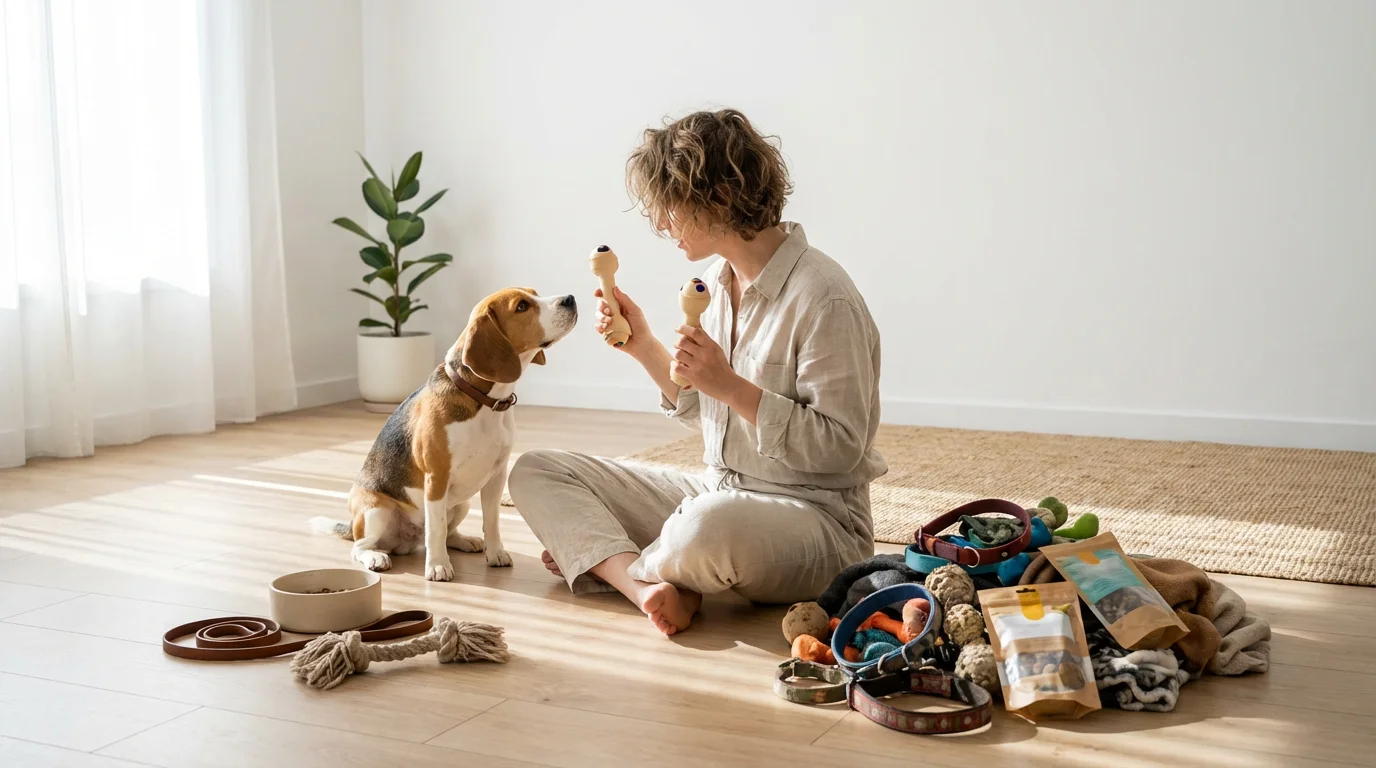
Decluttering Pet Supplies: Essentials vs. Excess
Dorothy and I lived in our 2,400 sq ft colonial on Elmwood Drive for 44 years. I once estimated we’d accumulated ‘approximately one metric ton of stuff we don’t need.’ That ‘stuff’ certainly included a fair amount of pet gear over the years, from worn-out dog beds to a collection of leashes that would outfit a small kennel. Just like your own possessions, pet items have a way of multiplying.
Downsizing means applying the same disciplined approach to their things as you do to yours. It’s not about depriving your pet; it’s about efficiency and making the most of your new, smaller living space.
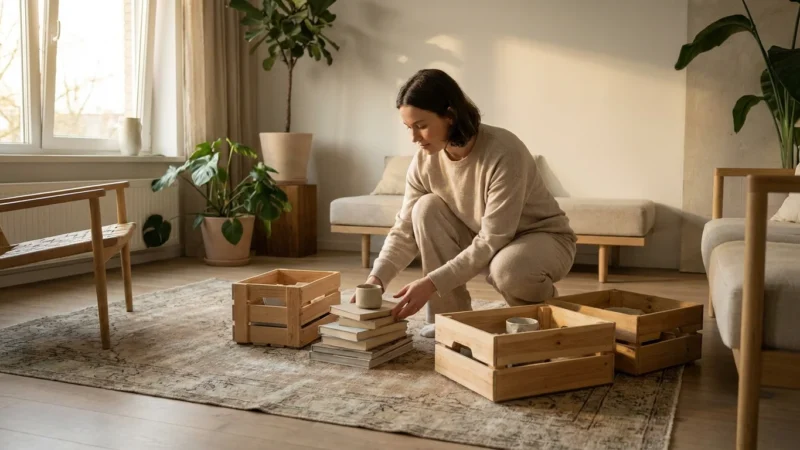
Applying a gradual approach to simplifying your life can make sorting through years of accumulated pet gear much easier. Approach pet items with the same decision-making frameworks you use for your own belongings.
Ask yourself if the item is still used, in good condition, and essential for your pet’s comfort or health. This helps you identify items for keeping, donating, or discarding.
Focus on creating a streamlined collection of pet essentials. This ensures your pet has everything they need without cluttering your new, smaller living space. Keep only what genuinely contributes to their well-being and joy.
Here is a practical framework for decluttering pet supplies:
- Sort by Category: Gather all items of a similar type together. This means all leashes in one pile, all toys in another, and all beds in a third. Seeing everything at once helps you gauge the volume.
- Evaluate Condition and Utility:
- Keep: Items that are actively used, in good condition, and essential for your pet’s health or happiness. This includes their favorite bed, a couple of durable toys, medications, and necessary grooming tools.
- Donate: Gently used items that are clean and safe for other pets. This might include extra leashes, unopened food or treats (check expiration dates), or toys that are no longer favorites. Organizations like local animal shelters often welcome such donations.
- Discard: Broken toys, worn-out beds, expired medications, or anything unsanitary or unsafe. Be ruthless with these items; they do not benefit your pet or your new home.
- Identify Duplicates: Do you have three identical leashes? Keep the best one and donate or discard the others. Downsizing often means consolidating.
- Consider Future Needs: Will your pet need a new, smaller bed to fit the new space? Plan to purchase new items only after you know the dimensions of your new home.
- Digitalize Records: Scan veterinary records, microchip information, and pet insurance documents. Keep a physical copy of essential documents in a “go bag” for moving day, but digital copies reduce paper clutter.
This systematic approach makes the process less overwhelming. It ensures you retain the truly valuable items for your `downsizing pets`.
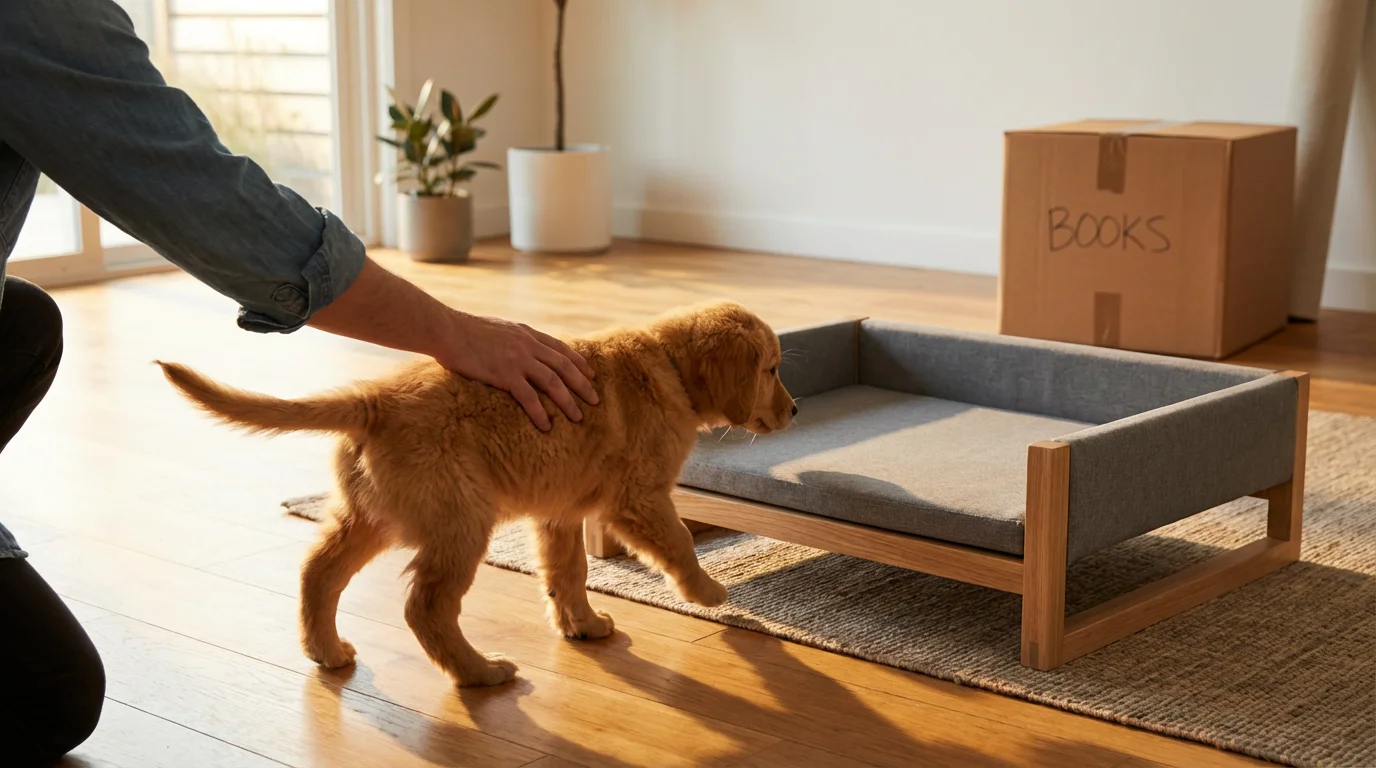
Preparing Your Pet for a Smooth Transition
Moving, for humans, is a logistical puzzle. For pets, it can be downright disorienting. I remember when we were packing up Elmwood Drive, Dorothy was worried about the chaos, and rightly so. If we’d had a pet then, I would have factored their stress into my moving plan.
Proactive preparation, starting weeks or even months out, can significantly reduce your pet’s anxiety and help them adapt. Think of it as a detailed project plan for your pet’s well-being. Your calmness and consistency, even amidst the boxes, will be their anchor. This is a key consideration for `downsizing pets`.
Remember that preparing for your transition involves both practical logistics and emotional support for every household member.
Create a safe and secure space for your pet during the packing process. This minimizes their exposure to the chaos and reduces stress. A quiet room with their favorite bed and toys can be a sanctuary.
Follow these steps to prepare your pet for a smooth move:
- Vet Visit: Schedule a check-up before the move. Ensure vaccinations are up to date and discuss any anxiety medications if your vet deems them necessary. Obtain copies of all medical records.
- Update Identification: Ensure your pet’s microchip information is current with your new address and contact number. Update ID tags as well.
- Familiarize with Carriers: If your pet will travel in a carrier, start getting them comfortable with it well in advance. Leave it open with treats and toys inside to create positive associations.
- Maintain Routine: As much as possible, stick to your pet’s feeding, walking, and playtime schedule during the packing phase. Predictability offers comfort.
- Introduce New Items Gradually: If you plan to buy a new bed, food bowls, or litter box for the new home, introduce them slowly. Let your pet investigate them in the old home first.
- Pack a “Go Bag” for Your Pet: Prepare an easily accessible bag with a few days’ supply of food, medications, favorite toys, a leash, waste bags, and medical records.
- Consider Professional Help: For complex moves or particularly anxious pets, a professional pet relocation service might be beneficial. They specialize in safe and stress-free pet transport.
Adopting a gradual approach to downsizing can help your pet adjust to smaller surroundings without feeling overwhelmed.
By taking these steps, you actively support your pet through the upheaval. This preparation is essential for anyone considering `retirement pets` and a significant move.
Creating a Pet-Friendly Haven in Your New, Smaller Space
Once you arrive at your new, smaller home – and believe me, it takes longer than you think to get everything settled, even with my detailed unpacking schedule – your next project is making it a comfortable and secure haven for your pet.
A smaller space doesn’t mean less comfort; it just means you need to be more strategic with your layout. When Dorothy and I moved into Hawthorn Ridge, I spent a good amount of time figuring out the most efficient use of every square foot, and the same principle applies to your pet’s domain.
Unpack your pet’s essential items first. Setting up their bed, food and water bowls, and litter box immediately establishes familiar points of reference. This helps them acclimate more quickly. Dedicate specific areas for your pet’s needs.
Even in a smaller home, a designated feeding station or a cozy corner for their bed provides structure. This helps them understand their new environment.
Here are ways to create a pet-friendly haven:
- Establish a Safe Zone: Designate a quiet corner or room where your pet can retreat. Place their bed, favorite blanket, and a familiar toy there.
- Familiar Scents: Place items that smell like the old home in their new space. This familiarity provides comfort and reduces anxiety.
- Maintain Routine: Re-establish your pet’s feeding, walking, and playtime routines as quickly as possible. Consistency is key to helping them adjust.
- Explore Together: Take your pet on short, supervised explorations of the new home and surrounding outdoor areas. This helps them learn the new territory.
- Safety First: Pet-proof your new home. Secure any toxic plants, medicines, or cleaning supplies. Block off unsafe areas if necessary. Check for small gaps where curious pets might get stuck.
- Vertical Space for Cats: If you have cats, consider vertical enrichment like cat trees or wall-mounted shelves. These maximize perceived space in a smaller home.
- Enrichment and Play: Even in a smaller space, provide plenty of mental and physical stimulation. Interactive toys, puzzle feeders, and regular walks are crucial.
- Consider a Pet Camera: If you are concerned about your pet’s adjustment when you are away, a pet camera allows you to monitor them and even interact remotely.
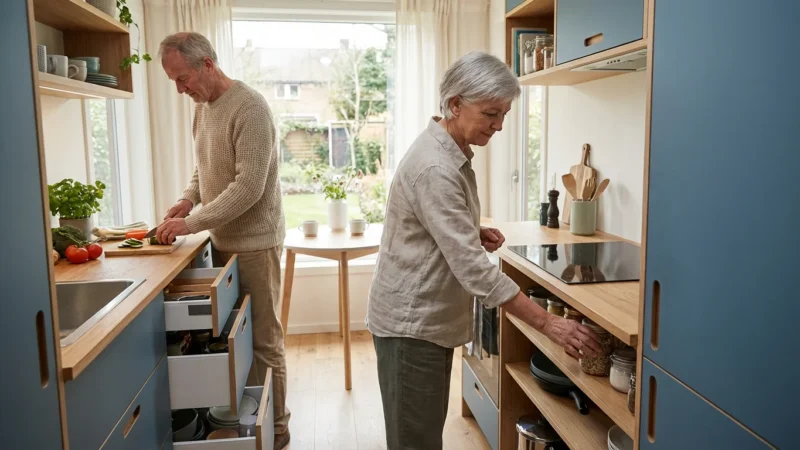
Much like planning a functional and stylish kitchen, organizing your pet’s feeding and grooming areas ensures the home remains efficient.
Creating a thoughtful, `pet-friendly home` helps your companion feel secure and loved. It demonstrates that even a right-sized space can offer a full and happy life for them.
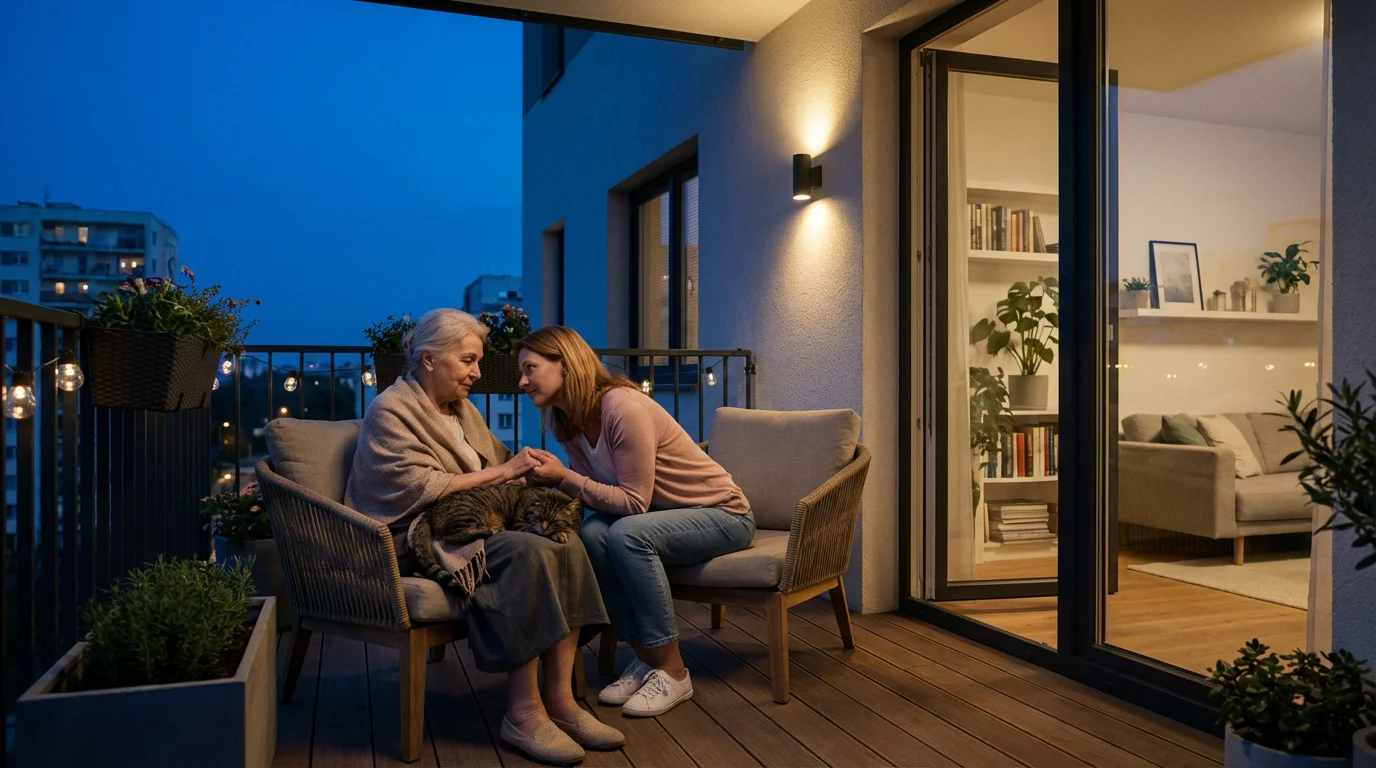
Supporting Adult Children Helping Parents with Pets
Our three kids, Karen, Michael, and Susan, were a tremendous help when Dorothy and I downsized. Karen, in particular, was the one who gave Dorothy that crucial nudge, reminding her, “Mom, the grandkids want YOU, not the house.” When pets are involved, that support becomes even more critical.
From a practical standpoint, adult children can be invaluable in navigating the logistics and easing the emotional burden for their parents. Think of it as a team effort, where clear communication and defined roles lead to the best outcome.
Effective communication and navigating family dynamics are essential when children help their parents move with beloved animals.
Open communication is paramount. Discuss your parents’ feelings about their pet’s future and involve them in every decision. Their emotional comfort directly impacts the success of the move for both them and their pet.
Offer practical assistance without taking over completely. Helping with research, vet appointments, or packing pet supplies can ease the burden on your parents. Your support is invaluable during this time.
Consider these actions when helping your parents with pets:
- Facilitate Honest Conversations: Encourage your parents to express any concerns they have about their pet’s adjustment. Listen empathetically.
- Research Pet-Friendly Options: Help research and visit potential new homes, specifically asking about pet policies. Share your findings with your parents.
- Assist with Pet Preparation: Offer to help with vet visits, updating microchips, or getting pets comfortable with carriers. This reduces stress for your parents.
- Manage Pet Supplies: Help sort through pet items, identifying what is essential and what can be donated. This can be a physically demanding task.
- Coordinate Moving Day Pet Care: Arrange for the pet to stay with a trusted friend, family member, or at a pet boarding facility on moving day. This minimizes stress for both pet and parents.
- Support During Adjustment: Visit frequently after the move, helping to maintain routines or providing extra playtime and comfort for the pet.
- Understand the Emotional Bond: Recognize that the pet represents stability and comfort for your parents. Never dismiss this bond.
This collaborative approach addresses `what are the considerations for downsizing with pets` from a multi-generational perspective. Professional help, such as that offered by `NASMM-certified senior move managers`, can also coordinate pet care during a move, providing comprehensive support for families.
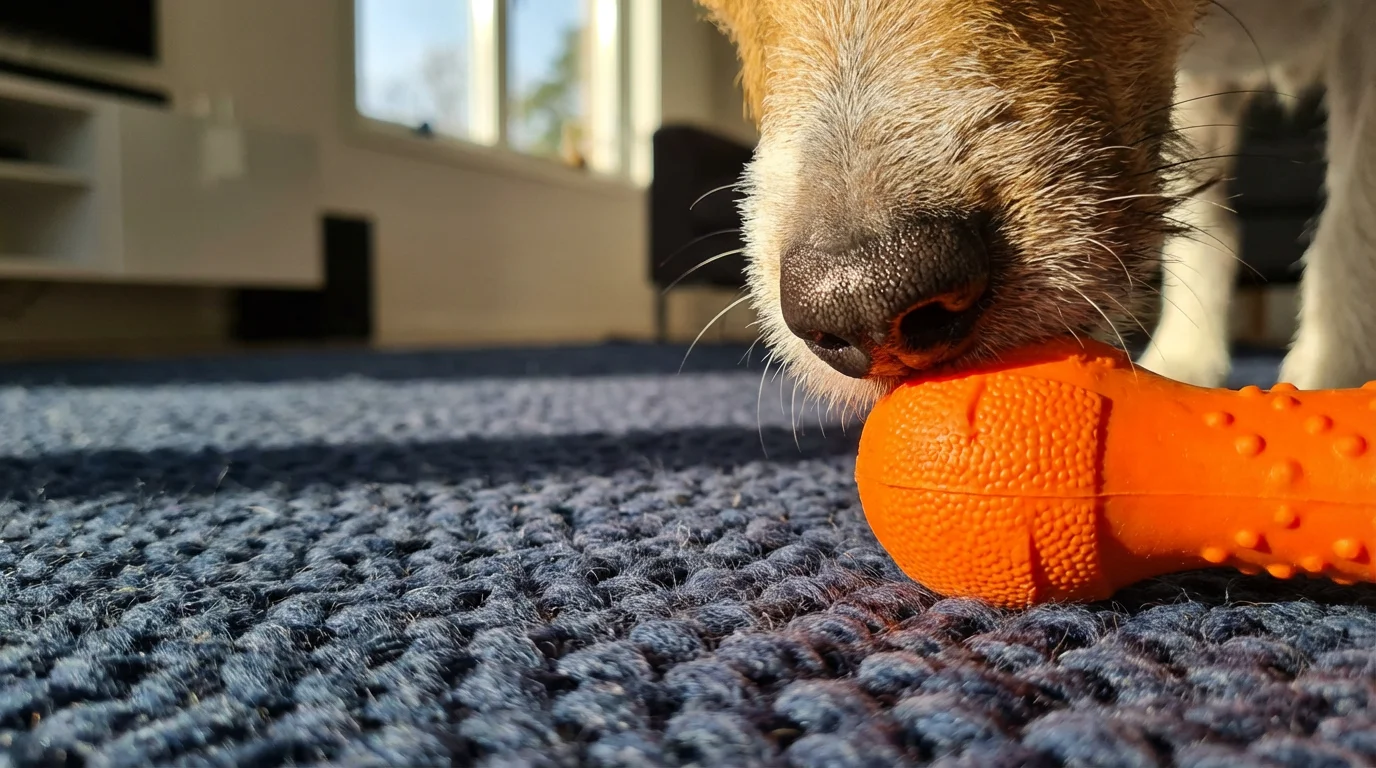
The Unexpected Benefits of Downsizing for Your Furry Friend
Now, I’m a civil engineer by trade, so I tend to look for efficient solutions and logical outcomes. And while Dorothy might focus on the emotional journey of downsizing, I can tell you there are some very real, practical benefits for your furry friend, too.
It’s not just about fitting into a smaller footprint; it’s about optimizing their quality of life. When you plan it right, a right-sized living arrangement can lead to a happier, healthier, and more engaged pet. It’s a logical outcome of a well-thought-out transition, and frankly, it’s one of the reasons I was so confident about our move to Hawthorn Ridge.
A smaller home frequently means you are closer to your pet. You might find yourself more engaged in their daily life. This increased proximity often translates to more attention and interaction.
Many downsizers choose homes closer to amenities like parks or walking trails, which can lead to more opportunities for exercise and outdoor adventures for your pet. A change in environment, when managed properly, can truly revitalize their routine.
Here are some positive outcomes for your pet after downsizing:
- Increased Interaction: A smaller living space naturally brings you closer to your pet, fostering more frequent cuddles, play, and observation of their well-being.
- More Walks and Outdoor Time: Many smaller homes are chosen for their proximity to walkable neighborhoods, parks, or green spaces, leading to more regular exercise for your pet.
- Reduced Stress from an Oversized Home: Some pets, particularly those who are timid, can feel overwhelmed in very large, echoing spaces. A cozier home can feel more secure.
- Easier to Keep Clean: A smaller home means less area to maintain, potentially freeing up more time for you to dedicate to your pet, rather than chores. It also simplifies pet-related cleanup.
- Focused Attention: With less space to manage, your attention becomes more concentrated. This can lead to deeper bonding experiences with your pet.
- New Adventures: A new neighborhood means new sights, sounds, and smells for your pet to explore. This mental stimulation can be very beneficial.
- Stronger Bond: Navigating a life transition together can strengthen the bond you share with your pet, as you both adapt to new routines and surroundings.
Downsizing offers a unique opportunity to reassess and enhance your pet’s quality of life. Embracing these benefits helps you see the positive side of this significant change for your `retirement pets`.
“The journey of a thousand miles begins with a single step.” This adage applies perfectly to downsizing. Break down the overwhelming task into manageable parts, especially when considering your beloved pets.
Frequently Asked Questions
Disclaimer: This article is for informational purposes only. Downsizing decisions are deeply personal and should be made at your own pace. If you’re struggling with the emotional aspects of letting go, consider speaking with a counselor or therapist who specializes in life transitions. For valuable items, consult with appraisers or estate professionals.
Learning to avoid common downsizing mistakes will help you preserve the energy needed to care for your companion during the move.






Leave a Reply