

Preparing for retirement involves more than just setting aside money; it’s about intentionally shaping the environment you’ll live in. As a retired civil engineer, I approached our move to Florida with a focus on practicalities, and transforming our living space for safety and ease of movement was high on my list.
For me, downsizing for accessibility meant creating a home that would support our independence and well-being, not just for today, but for decades to come.
As Dorothy and I began this process, it was certainly helpful to weigh community living vs. aging in place to decide which path best supported our lifestyle goals. We spent nearly two years debating this, and I had spreadsheets for both options.
To ensure a smooth transition, I found it incredibly helpful to review common downsizing mistakes to avoid before we even started packing up our 2,400 sq ft colonial on Elmwood Drive.
This journey moves beyond simply decluttering. It involves a strategic design process to make your home a truly safer home, ensuring every area of your residence facilitates comfortable, secure living.
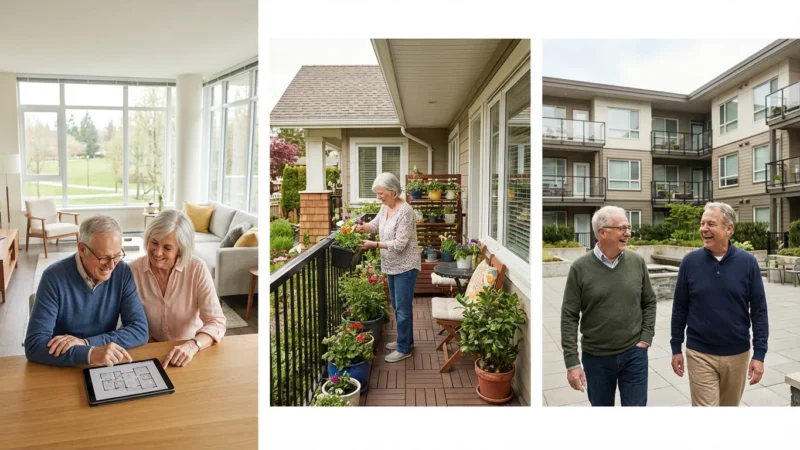
Let us explore how you can merge the practical benefits of downsizing with essential accessibility features, crafting a retirement home tailored perfectly to your evolving needs.
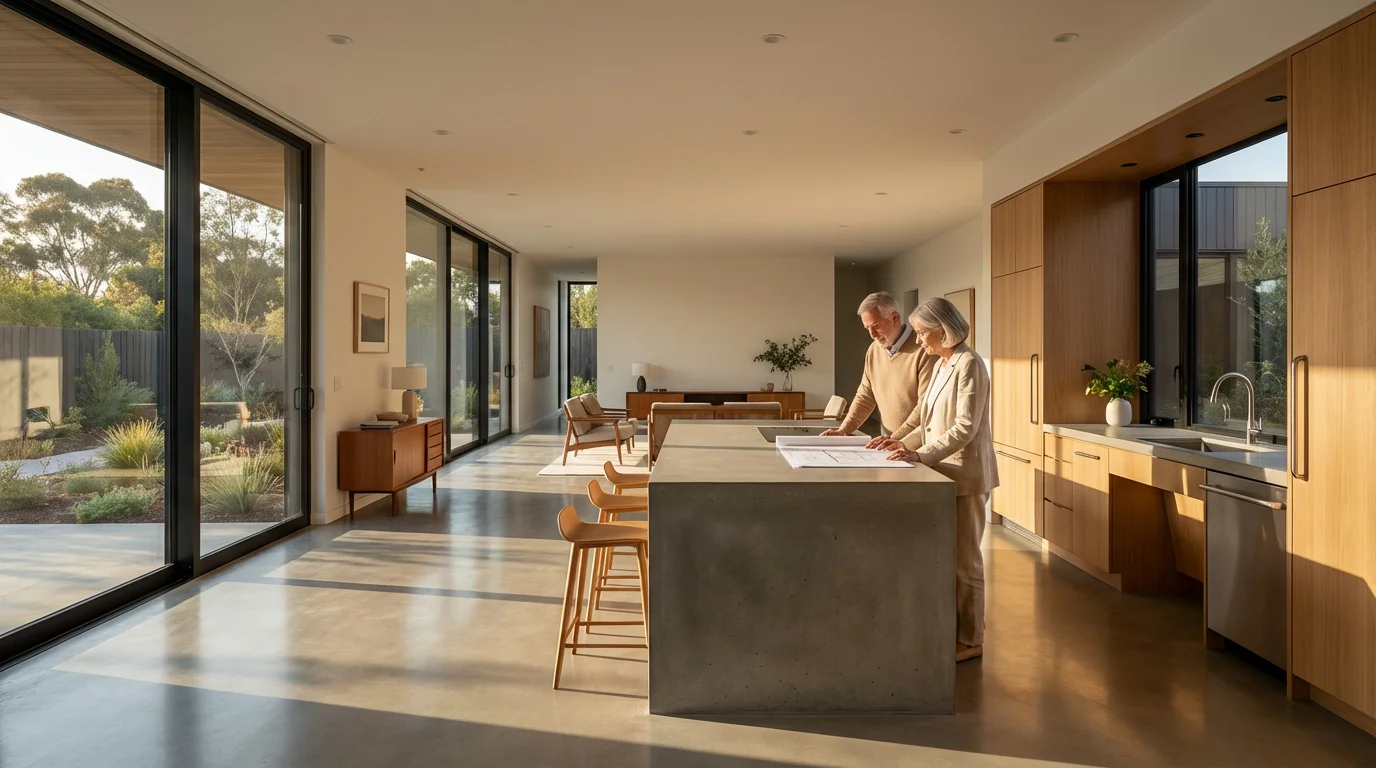
The Vision: Why Accessibility and Downsizing Go Hand-in-Hand
When I first started researching retirement options, many people saw downsizing as just moving to a smaller place or getting rid of old junk. But for me, with my civil engineering background, I saw an opportunity.
Integrating accessibility into our downsizing plan wasn’t just about making things easier; it was a proactive, logical step towards a more secure and comfortable retirement. We weren’t just reducing possessions; we were designing a lifestyle, and a safer one at that.
This proactive planning also offered an opportunity to focus on reducing expenses in retirement while creating a safer environment, which was certainly a key variable in my 14-point comparison matrix for our move to Florida.
A successful strategy often starts with finding the right housing options that offer the structural flexibility needed for aging in place. This was a significant part of my two years of research into 55+ communities like Hawthorn Ridge.
Consider the statistics. The National Council on Aging reports that falls are the leading cause of fatal injury and the most common cause of non-fatal trauma-related hospital admissions among older adults.
Many of these falls occur in the home, often due to preventable hazards like clutter, poor lighting, or difficult-to-navigate spaces. Through deliberate accessibility downsizing, you directly address these risks, transforming your living environment into a sanctuary of safety.
Embracing accessibility now means preparing for future needs, not reacting to an emergency. It empowers you to maintain independence and stay in the home you love for longer.
This proactive approach saves you stress, expense, and potential injury down the road. You actively shape a future where your home works for you, supporting every aspect of your daily life.
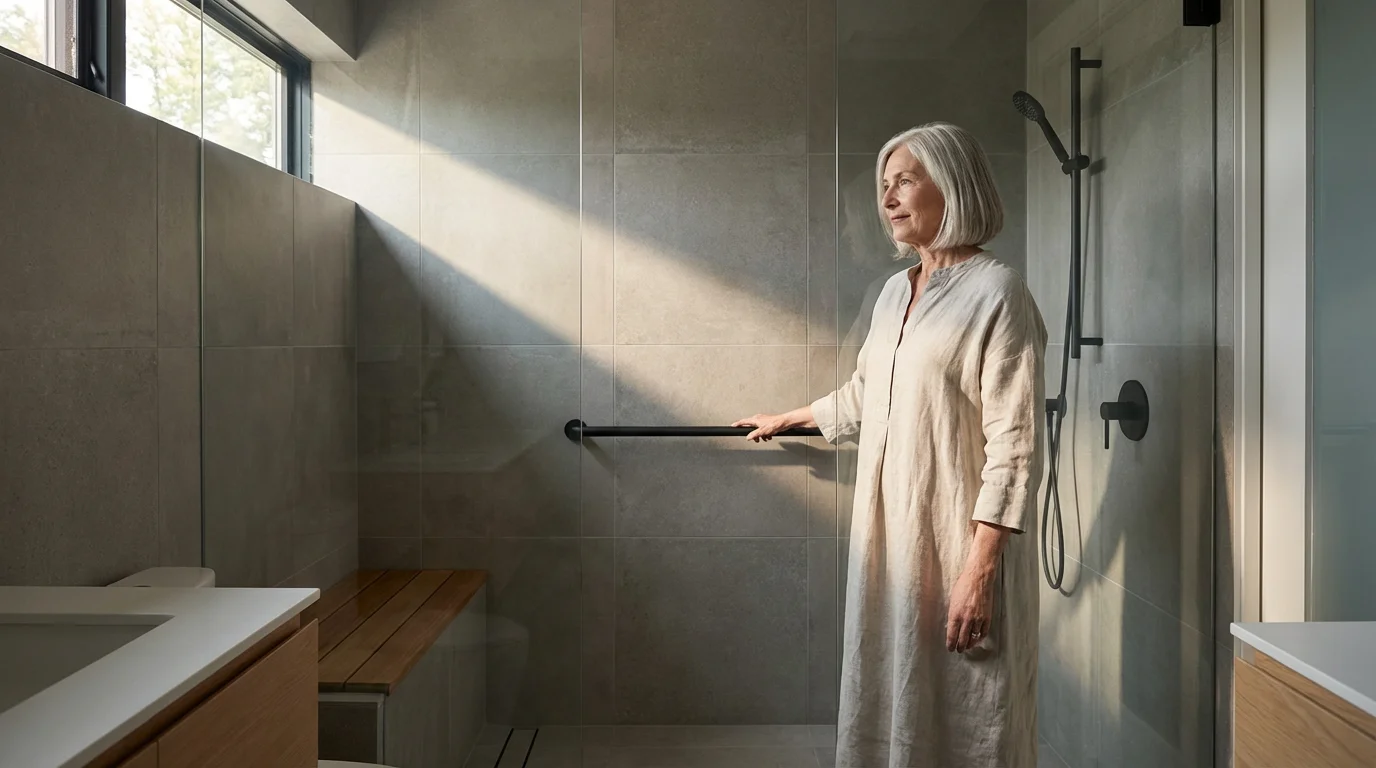
Your Home, Your Safe Haven: Key Accessibility Features to Consider
When Dorothy and I asked, “how to make our home more accessible for retirement?” I immediately thought about practical modifications. Essential accessibility features focus on enhancing mobility, reducing fall risks, and simplifying daily tasks.
These elements make a profound difference in your daily comfort and safety, and frankly, they were a big part of why a 55+ community like Hawthorn Ridge made so much sense. Many of these features were already built-in, which was a huge plus in my research matrix.
If your current residence requires significant structural changes, specialized age-in-place remodeling can ensure every room meets your long-term mobility needs. This was a major factor for me in convincing Dorothy to consider moving, as our Columbus home would have needed considerable work.
As you plan these modifications, remember to also account for the financial and tax implications of selling your current residence. I had a detailed spreadsheet for that too, naturally.
Many accessibility upgrades are not complex renovations. Often, they involve thoughtful choices during the downsizing process itself, such as furniture selection or strategic layout planning. Integrating these features ensures your home remains a welcoming, functional, and safer home as you age.
What are the essential accessibility features for a retirement home? Here is a list of crucial considerations:
- Clear, Wide Pathways: Ensure all hallways and rooms have at least 36 inches of clear width for easy movement, even with mobility aids.
- Step-Free Entry: Prioritize entryways without steps or provide ramps. Inside, eliminate raised thresholds between rooms where possible.
- Grab Bars: Install sturdy grab bars in bathrooms, especially near toilets and in showers or tubs. These provide critical support and prevent falls.
- Lever Handles: Replace doorknobs and faucet handles with lever-style options. These require less grip strength, making them easier for arthritic hands.
- Adequate Lighting: Enhance lighting throughout your home, particularly in hallways, stairwells, and task areas like kitchens and bathrooms. Use higher wattage bulbs and consider motion-sensor lights.
- Non-Slip Flooring: Opt for low-pile carpets or non-slip floor treatments, especially in bathrooms and kitchens. Avoid loose rugs or secure them firmly.
- Raised Toilet Seats: Install comfort-height toilets or add raised seats for easier use.
- Walk-In Showers/Tubs: Consider a zero-threshold or low-curb walk-in shower. A built-in bench or shower chair further enhances safety.
- Smart Home Technology: Utilize voice-activated lighting, thermostats, and security systems. These reduce the need to reach or move unnecessarily.
- Easy-Reach Storage: Adjust shelving and storage to be within easy reach, minimizing bending or stretching.
Implementing even a few of these features significantly improves your home’s functionality and safety. You create a space that actively supports your independence, offering convenience and security every day.
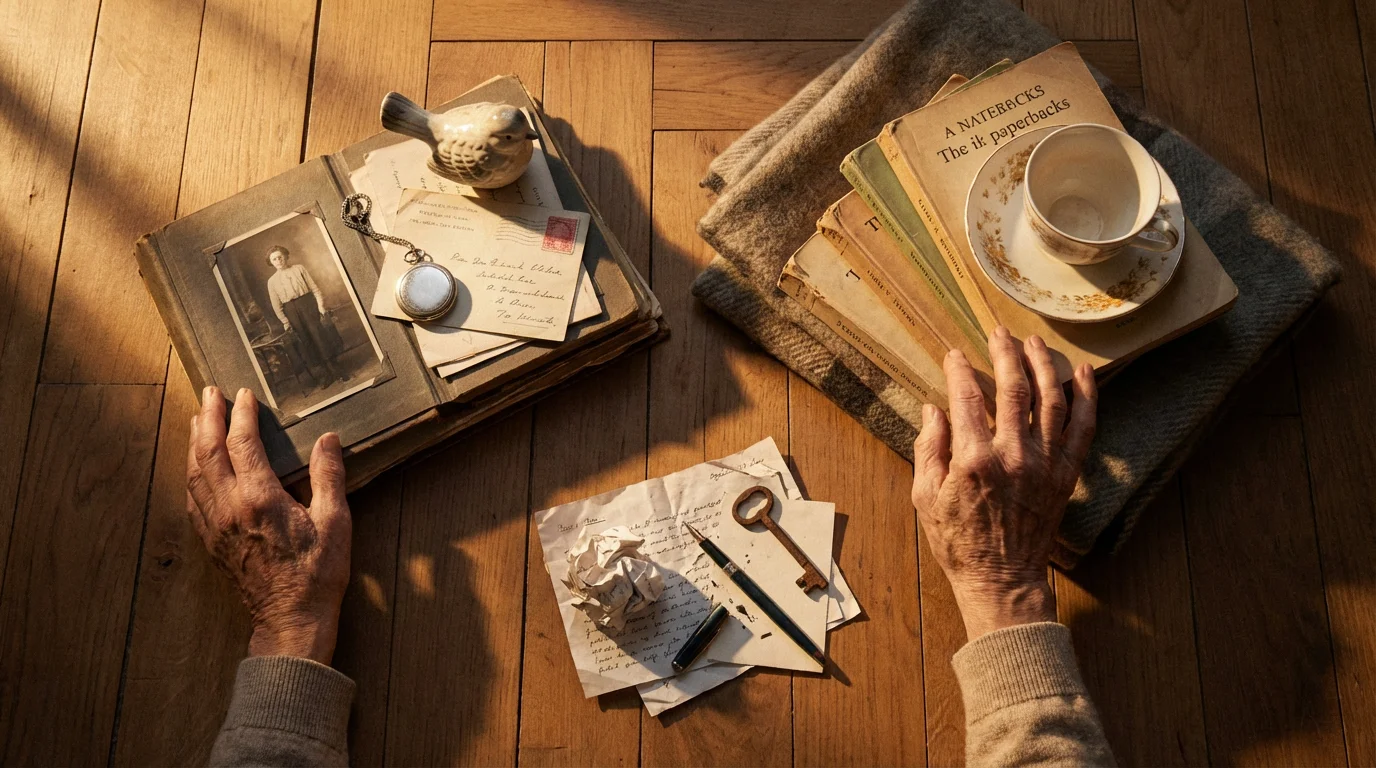
Decluttering for Clear Pathways: A Step-by-Step Approach
Effective decluttering forms the foundation of accessibility downsizing. Removing excess items directly translates to clearer pathways, fewer trip hazards, and a more navigable living space.
This process can feel daunting, especially when you’ve accumulated what I once estimated to be “approximately one metric ton of stuff we don’t need” over 44 years in one house, but breaking it down into manageable steps makes it achievable.
If the physical task of decluttering feels overwhelming, you might consider preparing for a transition to community living where maintenance and accessibility are handled for you. This was a major selling point for me when Dorothy and I discussed our move to Hawthorn Ridge.
Many retirees find that downsizing your wardrobe is an excellent starting point that provides immediate results and momentum. Dorothy started with her extensive collection of scarves, which I gently nudged her to organize. I, on the other hand, started with my old engineering textbooks.
Begin by shifting your mindset. You are not just throwing things away. You are intentionally curating a space that serves your current and future needs, prioritizing safety and ease. This means making deliberate decisions about every item you own, ensuring it adds value or serves a purpose in your newly accessible home.
Follow this step-by-step process to declutter effectively:
- Start Small: Choose one manageable area, like a single drawer, a small bookshelf, or a countertop. Achieving a quick win boosts your motivation.
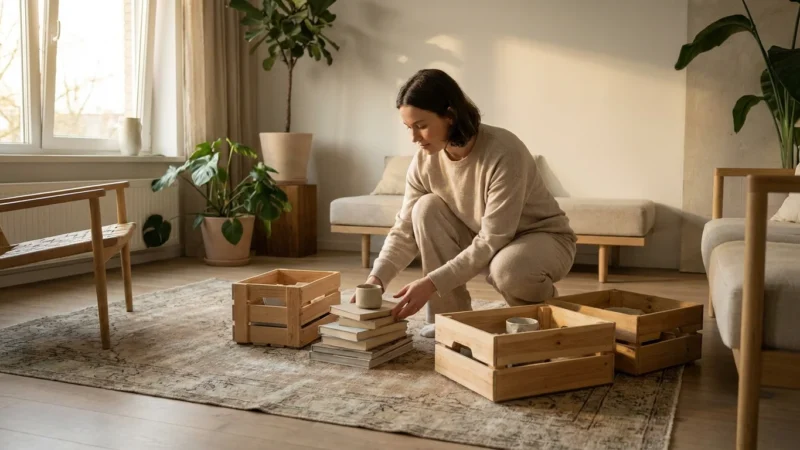
- Create Four Zones: Designate specific areas or boxes for “Keep,” “Donate,” “Sell,” and “Discard.” This structured approach helps streamline decision-making. I actually created a color-coded system for our boxes, which Dorothy found mildly amusing.
- Touch Every Item: Pick up each item and make a quick, honest decision. Ask yourself, “Do I use this regularly?” “Does it support my accessible home goals?” “Does it bring me joy?” If the answer is no to most of these, consider letting it go.
- Focus on Pathways: Systematically clear all walkways, hallways, and entry points. Remove furniture that obstructs movement. Identify and eliminate any rugs that slide or bunch.
- Prioritize Essential Items: Keep items that you use daily, are truly sentimental, or actively contribute to your comfort and safety. Think about what you absolutely need in your right-sized, accessible home.
- Address High-Risk Areas First: Focus on kitchens, bathrooms, and bedrooms, as these areas often present the highest fall risks due to accumulated items or tight spaces.
- Schedule Disposal: As soon as your “Donate,” “Sell,” and “Discard” piles are ready, arrange for their removal. Unload these items quickly to prevent them from becoming new clutter. I organized a weekly pickup for donations and scheduled a bulk trash removal for anything else.
Remember, this is a marathon, not a sprint. Celebrate small victories and take breaks as needed. Each item you thoughtfully release contributes to your goal of a safer, more accessible retirement home.
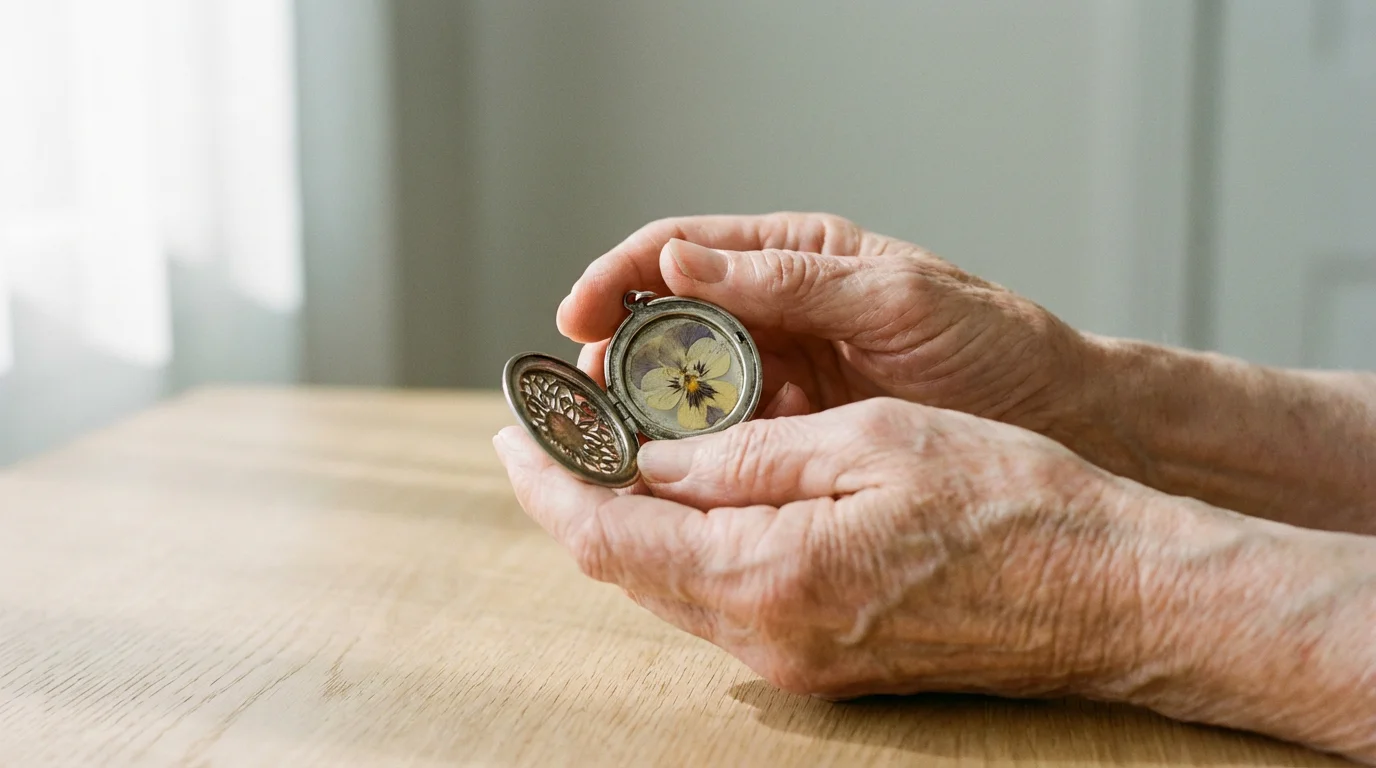
Navigating Sentimental Attachments During Downsizing
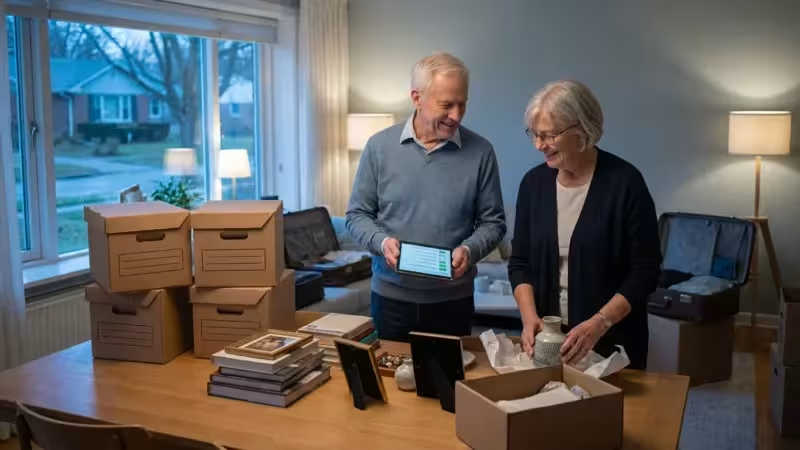
Letting go of items can evoke strong emotions. Dorothy certainly felt this acutely when we were clearing out our colonial on Elmwood Drive; our possessions often represented memories, loved ones, and 44 years of family history.
While I tend to be more practical, I learned that dismissing these attachments makes the process harder, not easier. Instead, it’s crucial to acknowledge the emotions and develop strategies to honor your memories without keeping every physical object.
For those downsizing after a loss, it is especially important to approach sentimental items with patience and self-compassion. I saw firsthand how much Dorothy struggled with letting go of things that reminded her of our children growing up in that house.
It is also essential to consider navigating family dynamics early, as distribution of heirlooms can be an emotional experience for everyone involved. We made sure to talk to Karen, Michael, and Susan about what they might want from the house.
One widely recognized piece of wisdom applies directly to this challenge:
When you address sentimental items, you make a conscious decision to preserve the memory, not necessarily the item itself. You gain freedom and clarity by making these choices rather than letting items dictate your space.
Here are practical ways to manage sentimental items:
- Honor the Story: Before letting go of an item, take a moment to reflect on its story and significance. You can write down the memory, take a photo of the item, or tell its story to a family member. Dorothy did a lot of this, often tearing up over old report cards or school projects.
- Digitalize Memories: For photos, letters, and documents, consider scanning them to create digital archives. This preserves the memory without the physical bulk. Digital decluttering becomes an essential part of this process.
- Create a “Memory Box”: Designate one or two small boxes for truly irreplaceable items. These might include a few cherished photos, small heirlooms, or significant keepsakes. This limits the volume while keeping precious items close.
- Pass Down Heirlooms Thoughtfully: Identify items family members genuinely want and will use. Discuss these items with them directly. Distribute them now, allowing family to enjoy them and relieving you of the responsibility of storage.
- “One In, One Out” for Display: If you collect display items, commit to a rotating selection. When you bring out a new item, put another away or pass it on. This keeps surfaces clear and accessible.
- Seek Professional Support: If emotional attachments feel overwhelming, consider consulting a professional organizer or even a therapist specializing in life transitions. They offer objective guidance and coping strategies.
Your goal is to retain the essence of your memories, not just the physical objects. By thoughtfully managing sentimental items, you create an accessible home that feels lighter and still full of cherished stories.
Room-by-Room: Designing for Safety and Ease
Applying accessibility principles to each room ensures your entire home supports your retirement lifestyle. Tailoring your downsizing and design choices to specific areas addresses unique safety and convenience challenges.
This targeted approach truly helps you make your home more accessible for retirement, and frankly, it’s the kind of systematic thinking my engineering brain thrives on. Our home in Hawthorn Ridge, being a newer 55+ community, already had many of these features built-in, which was a big selling point in my two years of research.
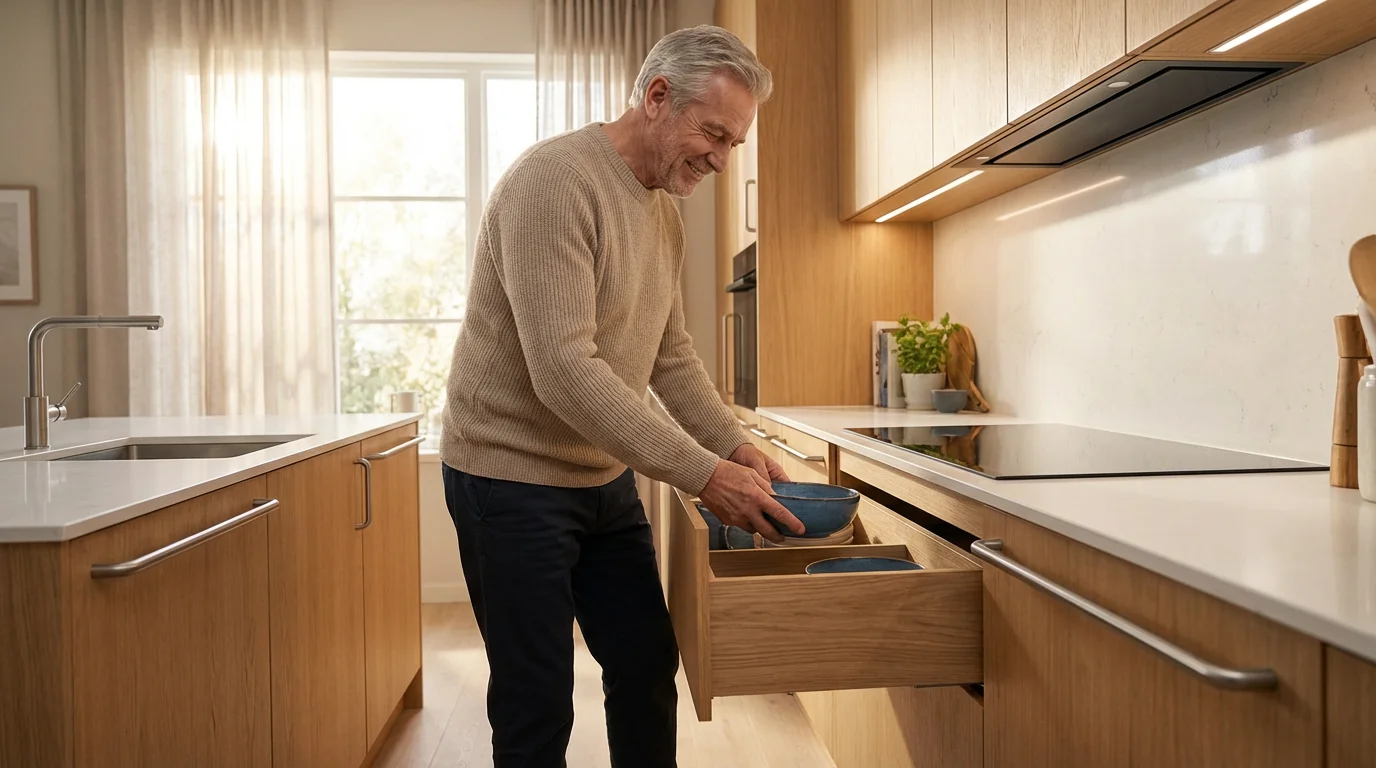
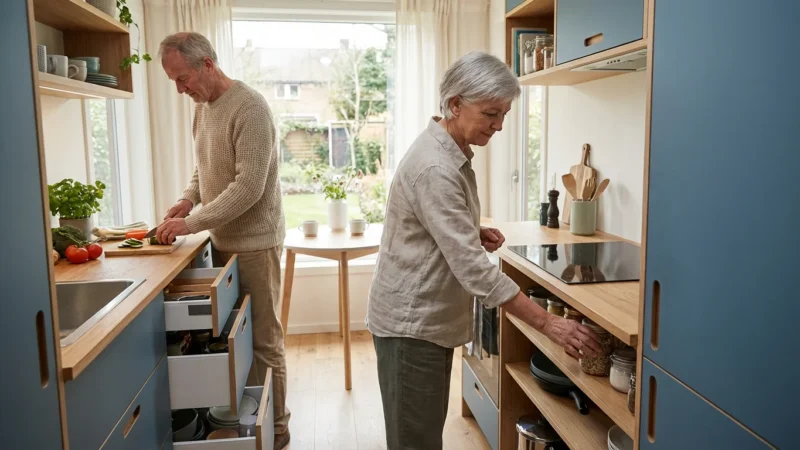
Focusing on creating a functional and stylish kitchen is a vital part of this room-by-room strategy, as it often remains the most active hub of the home. Since retiring, I’ve become an unexpectedly good cook, so a well-designed kitchen has become even more important to me.
Kitchen: The Heart of the Home, Made Safe
The kitchen often contains numerous hazards, from hot surfaces to sharp objects. Designing it for accessibility prioritizes ease of use and reduced risk. In our Columbus home, the kitchen was a bit of a labyrinth, but our new kitchen in Florida is much more open and functional.
- Accessible Storage: Store frequently used items in lower cabinets or on open shelving between hip and shoulder height. Avoid deep corner cabinets.
- Counter Space: Maximize clear counter space. This provides room for food preparation and prevents clutter from accumulating, which could lead to spills or falls.
- Appliance Placement: Place microwave ovens at an accessible height, not too high or too low. Consider wall ovens for easier access.
- Lever Faucets: Install single-lever faucets that are easy to operate, even with limited dexterity.
- Good Lighting: Enhance task lighting under cabinets and over work surfaces to improve visibility.
Bathroom: Prioritizing Personal Care Safety
Bathrooms pose significant fall risks due to wet surfaces and confined spaces. Focused accessibility changes dramatically improve safety. Our new bathroom has a zero-threshold shower, which was a huge relief compared to the old tub in Columbus.
- Grab Bars: Install grab bars securely mounted near the toilet and inside the shower or tub. Choose bars with a textured surface for a better grip.
- Non-Slip Surfaces: Use non-slip mats inside the shower/tub and on the bathroom floor. Consider textured tiles or non-slip coatings.
- Walk-In Shower/Tub: A low-threshold or zero-entry shower eliminates stepping over a high curb. Add a built-in bench or portable shower chair.
- Raised Toilet: Replace standard toilets with comfort-height models or use a raised toilet seat attachment for easier standing and sitting.
- Lever Faucets and Handles: Just like in the kitchen, lever handles are easier to use for faucets and shower controls.
Bedroom: Rest and Relaxation, Safely Accessed
Your bedroom should be a sanctuary. Accessibility here means clear paths and thoughtful furniture choices. In our new home, we made sure there was plenty of room around the bed, unlike the tighter quarters in our old colonial.
- Clear Pathways: Ensure at least 36 inches of clear space around the bed and to the bathroom. Remove clutter from floors.
- Bed Height: Choose a bed height that allows you to get in and out easily, with your feet flat on the floor when seated on the edge.
- Lighting: Install bedside lamps with easy-to-reach switches or touch controls. Consider motion-activated nightlights for pathways to the bathroom.
- Furniture Arrangement: Position furniture to avoid sharp corners in pathways. Secure rugs to prevent slipping.
Living Areas: Comfort and Maneuverability
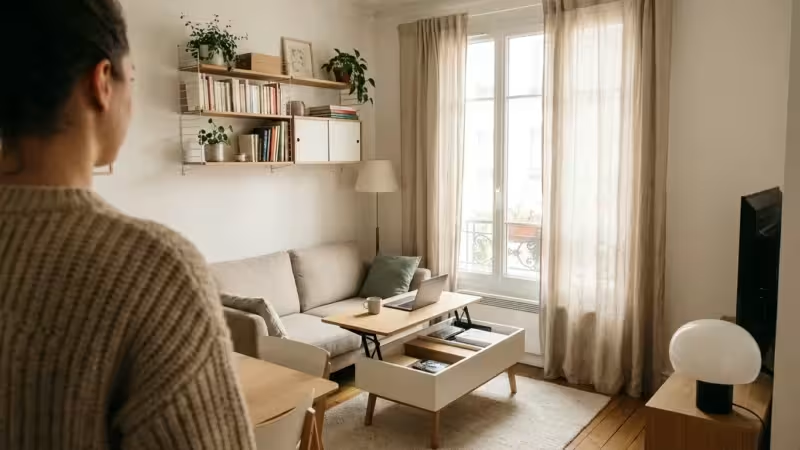
Living rooms and dining areas should encourage relaxation and social interaction, with an emphasis on open space. Our old living room on Elmwood Drive was packed with furniture, but in Florida, we’ve focused on creating more open, navigable spaces for entertaining our grandchildren.
- Furniture Placement: Arrange furniture to create wide, unobstructed paths. Avoid placing small tables or ottomans where they might be tripped over.
- Seating Choices: Select chairs and sofas that are firm and easy to get in and out of. Avoid very low or overly plush seating.
- Lighting: Ensure ambient and task lighting adequately illuminates the entire space, reducing shadows and making it easier to see.
- Cord Management: Securely tape down or use cord covers for all electrical cords to prevent trip hazards.
Each modification, no matter how small, contributes to your overall goal of a safer, more accessible home. You are investing in your long-term comfort and independence.

Digital Downsizing: Clearing Your Virtual Clutter
In our increasingly digital world, downsizing extends beyond physical possessions to your virtual landscape. Digital clutter can create stress, make finding important information difficult, and even pose security risks.
Just as you clear your physical space, clearing your digital one contributes to a simpler, more organized retirement. As someone who manages our finances with what Dorothy calls “a level of detail that belongs in a NASA mission,” I can tell you that digital organization is absolutely critical.
Think of your digital files, photos, and email as occupying virtual “space.” Too much digital clutter can slow down your devices, make backups cumbersome, and obscure essential documents.
An organized digital life supports accessibility by making information readily available and manageable, which is crucial for managing everything from investment statements to health records.
Consider these areas for digital decluttering:
- Photos and Videos: Consolidate images from various devices. Delete duplicates, blurry shots, and unnecessary videos. Organize remaining photos into clearly labeled folders by date or event. Consider cloud storage for backup and easy access, such as Google Photos or Apple Photos. Dorothy has thousands of photos of the grandkids, and I helped her set up a system to keep them organized.
- Documents: Review old files, downloads, and email attachments. Delete outdated versions, unnecessary reports, and expired information. Create a logical folder structure for financial documents, medical records, and important personal papers. Ensure crucial documents are backed up securely.
- Emails: Unsubscribe from unwanted newsletters and promotions. Delete old, irrelevant emails, and archive important ones. Aim for a clean inbox that makes new, important communications easy to spot.
- Passwords and Accounts: Review all your online accounts. Close any accounts you no longer use. Use a reputable password manager to organize and secure your login credentials, simplifying access while enhancing security. This is non-negotiable for me.
- Subscriptions and Apps: Delete unused apps from your smartphone or tablet. Review and cancel any online subscriptions you no longer need or use. This saves money and reduces notification clutter.
A streamlined digital environment enhances your overall sense of control and reduces cognitive load. It aligns perfectly with the goal of simplifying your life for retirement.
Professional Help: When to Call in the Experts
Downsizing, especially when combined with accessibility modifications, can feel overwhelming. Dorothy and I certainly felt it when we were packing up 44 years of life in our Columbus home.
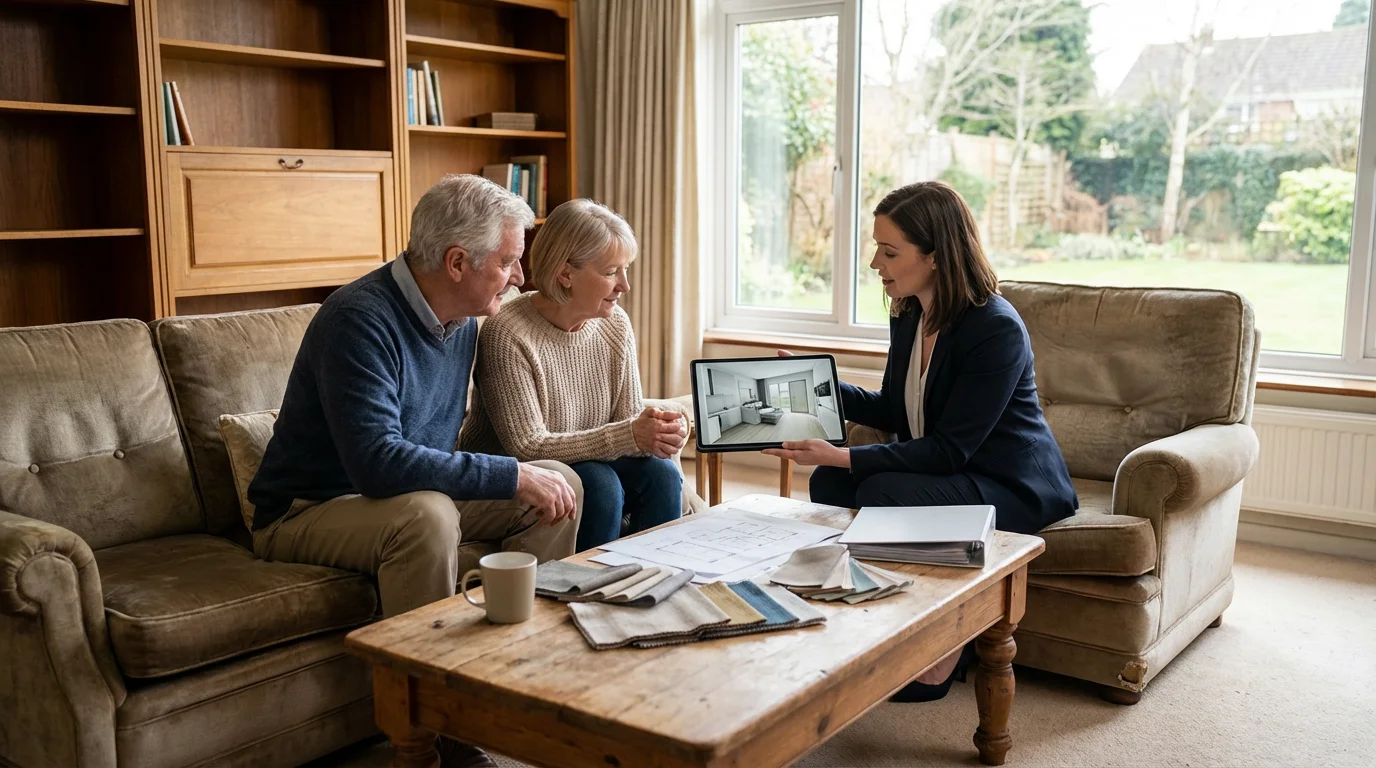
You do not have to tackle this complex process alone. Professional assistance can provide invaluable support, expertise, and efficiency, making your journey smoother and less stressful. I’m a big believer in leveraging expertise where it makes sense.
Consider the benefits of bringing in specialists. They offer objective guidance, practical strategies, and often have resources you might not discover on your own. Their experience helps you navigate both the logistical and emotional aspects of this significant life transition.
I researched several of these services before we moved, and while we handled much of it ourselves, I wouldn’t hesitate to recommend them.
Here are professionals who can help you with accessibility downsizing:
- Senior Move Managers: These professionals specialize in assisting older adults with the entire downsizing and relocation process. They offer services ranging from space planning in your new home, to managing the packing and unpacking, and coordinating with movers. They understand the emotional complexities involved. You can find certified specialists through the National Association of Senior Move Managers (NASMM).
- Professional Organizers: For those who need help with decluttering and organizing their current home, a professional organizer offers hands-on assistance and customized systems. They provide strategies for sorting, decision-making, and creating functional spaces. The National Association of Productivity & Organizing Professionals (NAPO) offers a directory of experts.
- Estate Sale Services: If you have numerous valuable items to sell, an estate sale company can manage the appraisal, staging, marketing, and sale of your possessions. They handle the logistics, maximizing your return and minimizing your effort. We considered this for some of the larger items from our Columbus house. Websites like Estate Sales News list local services.
- Aging-in-Place Specialists: These contractors and designers specifically focus on home modifications for accessibility. They can advise on wider doorways, ramp installations, bathroom remodels for safety, and other structural changes to make your home truly accessible.
- Financial Advisors/Appraisers: For valuable items, consulting a certified appraiser ensures you receive fair market value. Your financial advisor can also provide guidance on potential tax implications of selling or donating certain assets. I always recommend consulting with a financial advisor, as I did extensively when planning our retirement and move.
Investing in professional help can save you time, reduce physical strain, and provide peace of mind. You gain expert guidance to achieve your accessible, right-sized home efficiently.

Your Downsizing Toolkit: Resources for the Journey
As you embark on your accessibility downsizing journey, having access to reliable resources makes the process much more manageable. From donation options to financial considerations, these tools support your practical efforts to declutter and create a safer home.
When Dorothy and I were preparing to move from Columbus, I spent a good amount of time organizing our own “downsizing toolkit” of resources.
These resources help you thoughtfully rehome items you no longer need, ensuring they find new purpose and stay out of landfills. You contribute to your community while also simplifying your own life. We donated quite a bit of our “metric ton of stuff” when we sold the house on Elmwood Drive.
Consider these valuable resources:
- Donation Centers:
- Goodwill: Accepts a wide range of clothing, household items, furniture, and electronics. Donating to Goodwill supports their job training programs.
- Habitat for Humanity ReStore: Accepts new and gently used furniture, appliances, building materials, and home goods. Proceeds support Habitat for Humanity’s mission.
- Local charities: Many smaller, local organizations accept specific items, such as books, art supplies, or medical equipment. Research options in your community.
- Tax Deductions for Donations: Keep detailed records of your charitable contributions. The IRS provides guidance on charitable contribution deductions, which can offer financial benefits for your generosity. I kept meticulous records of all our donations for tax purposes.
- Moving and Packing Supplies: Invest in sturdy boxes, packing paper, bubble wrap, and clear labels. Proper packing protects your items and makes unpacking easier, especially for items you are keeping. Consumer Reports also offers general moving tips that can prove useful.
- Community Support: Connect with friends, family, or local community groups who may offer assistance with heavy lifting, transportation of donated items, or emotional support. Many communities have senior centers that can point you to local resources.
- Online Marketplaces: For items you wish to sell yourself, platforms like Facebook Marketplace, Nextdoor, or eBay can connect you with local buyers. For higher-value items, consider specialized online auction sites.
Utilizing these resources helps you effectively manage the logistics of downsizing, freeing you to focus on the exciting aspects of designing your accessible retirement home.

The Right-Sizing Mindset: Embracing a New Chapter
The term “downsizing” can sometimes carry negative connotations, suggesting loss or reduction. However, a more empowering perspective is to view this process as “right-sizing.”
This mindset shift transforms the journey from a reluctant chore into an exciting opportunity to create a home perfectly suited for your retirement years. This is precisely how I viewed our move to Hawthorn Ridge; it wasn’t about giving up our big house, it was about optimizing for our next chapter.
Right-sizing focuses on optimization, freedom, and intentional living. You are not giving things up; you are gaining space, ease, and a home that supports your desired lifestyle.
This positive reframing makes the emotional journey of letting go significantly more manageable and rewarding, even for someone as practical as myself. Dorothy, who was initially resistant to the move, eventually agreed it was the best decision of our retirement, which I suppose means I was right.
Embracing a right-sizing mindset means:
- Prioritizing Experiences Over Possessions: Recognize that memories and relationships hold more value than physical objects. Your home becomes a comfortable base for new adventures, not a storage unit.
- Focusing on What You Gain: You gain freedom from excessive maintenance, reduced cleaning tasks, improved safety through accessibility, and more time for hobbies, travel, and loved ones. I now have plenty of time for pickleball and volunteering at the food bank.
- Designing for Your Future Self: Envision your ideal retirement lifestyle. Your home becomes a tool to achieve that vision, optimized for comfort, convenience, and safety as your needs evolve.
- Cultivating Simplicity: Embrace the beauty and calm of a less cluttered environment. A simpler home environment often leads to a simpler, less stressful life.
- Celebrating Each Step: Acknowledge the courage and effort involved in making these changes. Every decision, every cleared space, brings you closer to your ideal retirement home.
By adopting a right-sizing mindset, you approach downsizing with enthusiasm and purpose. You are not just making a move; you are stepping into a vibrant new chapter of life with a home designed to perfectly support it.
Frequently Asked Questions
What is the most important accessibility feature for a safer home?
While many features contribute to a safer home, maintaining clear, wide pathways throughout your home is arguably the most critical. This reduces trip hazards and ensures easy maneuverability, especially for individuals using mobility aids, directly addressing common fall risks. It’s a foundational element, much like proper grading in civil engineering.
How can I make my home more accessible for retirement on a budget?
Start with simple, low-cost changes that offer significant impact. Focus on decluttering to clear pathways, improving lighting with brighter bulbs or motion sensors, installing non-slip mats in bathrooms, securing loose rugs, and replacing traditional doorknobs with lever handles.
These modifications can dramatically enhance safety without extensive renovation expenses. It’s about smart, incremental improvements.
How do I deal with sentimental items during accessibility downsizing?
Approach sentimental items with empathy, as Dorothy taught me. Instead of keeping every object, focus on preserving the memory associated with it. Take photos, create a small “memory box” for truly cherished items, or pass heirlooms to family members who will appreciate them. Remember, the memory lives on, regardless of the object’s physical presence.
Should I hire a professional for accessibility downsizing?
Hiring professionals like Senior Move Managers or professional organizers can significantly ease the process, especially when integrating accessibility. They provide expert guidance, hands-on help, and resources for sorting, selling, donating, and coordinating moves.
Their expertise saves you time and reduces stress, ensuring a smoother transition to a safer, more accessible home. If it streamlines the process and ensures a better outcome, it’s a logical investment.
Disclaimer: This article is for informational purposes only. Downsizing decisions are deeply personal and should be made at your own pace. If you’re struggling with the emotional aspects of letting go, consider speaking with a counselor or therapist who specializes in life transitions. For valuable items, consult with appraisers or estate professionals.



Leave a Reply