
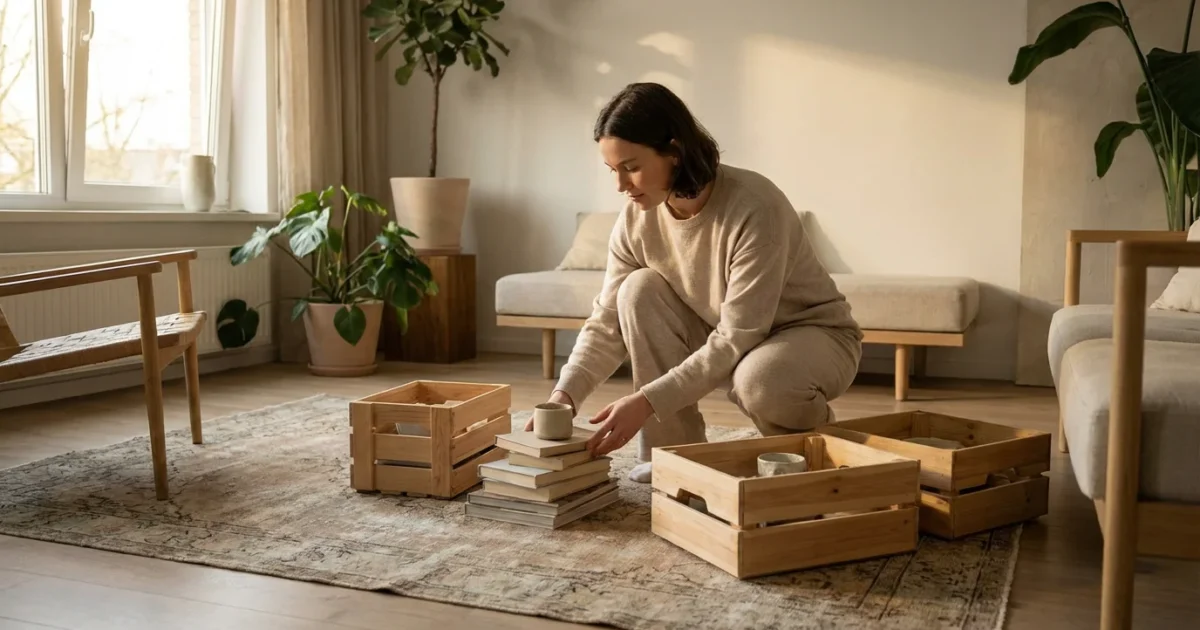
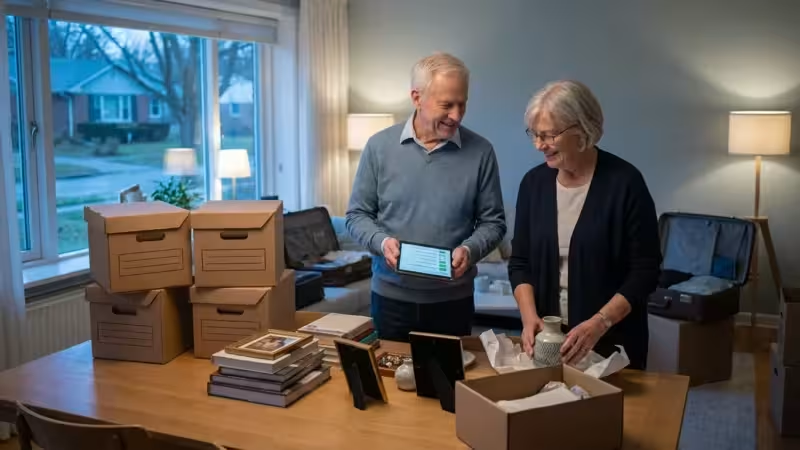
Dorothy and I found that deciding to downsize our home marked a significant life transition. For me, it was a practical step I’d been researching for two years; for Dorothy, it was a mix of excitement, nostalgia, and, frankly, a lot of overwhelm.
The thought of sorting through four decades of accumulated possessions in our 2,400 sq ft colonial on Elmwood Drive – what I once estimated to be “approximately one metric ton of stuff we don’t need” – felt monumental.
It could have easily led us to postpone the process indefinitely, especially Dorothy. However, approaching downsizing in stages, with a gradual and compassionate method, transformed this challenge into a manageable journey toward a simpler, right-sized life.
This step-by-step guide helps you navigate both the practical tasks and the emotional landscape of letting go.
I learned quickly that you gain control over the process when you break down downsizing into smaller, achievable steps. This approach reduces stress, prevents burnout, and allows you to thoughtfully consider each item’s place in your future.
Dorothy, with her feelings, needed this gradual approach even more than my spreadsheets did. We moved from feeling overwhelmed to empowered, creating a living space that truly supports your next chapter, which for us, was Hawthorn Ridge in Sarasota.
Understanding Staged Downsizing: Why a Gradual Approach Works
Staged downsizing involves breaking the entire process into smaller, manageable tasks spread over weeks or months. You don’t tackle everything at once. This method contrasts sharply with attempting a complete overhaul in a short timeframe, which often leads to exhaustion and frustration.
My civil engineering background always favored a methodical approach, and in our case, it certainly prioritized Dorothy’s well-being throughout the transition, even if she didn’t see it that way at first.
Approaching this change gradually also allows you to focus on designing a safer retirement home that accommodates your needs as you age. When I was researching 55+ communities for two full years, the accessibility features were high on my 14-variable comparison matrix.
To ensure your transition is as smooth as possible, be sure to avoid common downsizing mistakes that many retirees encounter. I made sure to factor potential pitfalls into my planning.
This systematic method prevents decision fatigue. Instead of making hundreds of choices in a single day, we made a few focused decisions each session. This incremental progress built momentum and confidence, demonstrating that even the largest task – like clearing out our attic that held 44 years of memories – becomes achievable when broken into smaller pieces.
We maintained clarity and reduced stress, making the entire experience more positive, even for Dorothy who, as you know, had feelings about everything.

The Emotional Landscape of Letting Go
Downsizing involves more than just physical items; it touches on memories, identity, and a lifetime of experiences. Dorothy, bless her heart, felt every single one of those memories attached to every single item in our Columbus house.
Each item truly did carry a story for her, making the decision to let it go deeply personal and sometimes painful. She felt a range of emotions, including sadness, nostalgia, anxiety, and, eventually, relief. Acknowledging these feelings formed a crucial part of our process, especially for me, the practical one.
Exploring new possibilities and choosing a retirement destination that matches your lifestyle can provide a sense of purpose during this transition. For me, that meant finding a place where I could play pickleball four mornings a week, and for Dorothy, a community where she could make new friends.
I had to understand that Dorothy’s emotional connection to belongings was valid. It wasn’t about simply “getting rid of stuff,” but about thoughtfully curating our life’s narrative for our next chapter.
I gave her permission to feel these emotions, and in doing so, we honored our past while consciously making space for our future, allowing ourselves grace and patience throughout this journey. Though, I’ll admit, the patience part was harder for me sometimes.
This widely recognized insight highlights the emotional weight many items carry. When I looked at our garage, filled with what I called “one metric ton of stuff,” I realized it was a monument to postponed decisions. Downsizing provided an opportunity to address these, moving forward with clarity.
Phase 1: The Initial Purge – Starting Small for Easy Wins
Dorothy and I began our downsizing journey with items that carried less emotional weight. This initial phase built confidence and established a routine without immediately confronting highly sentimental possessions.
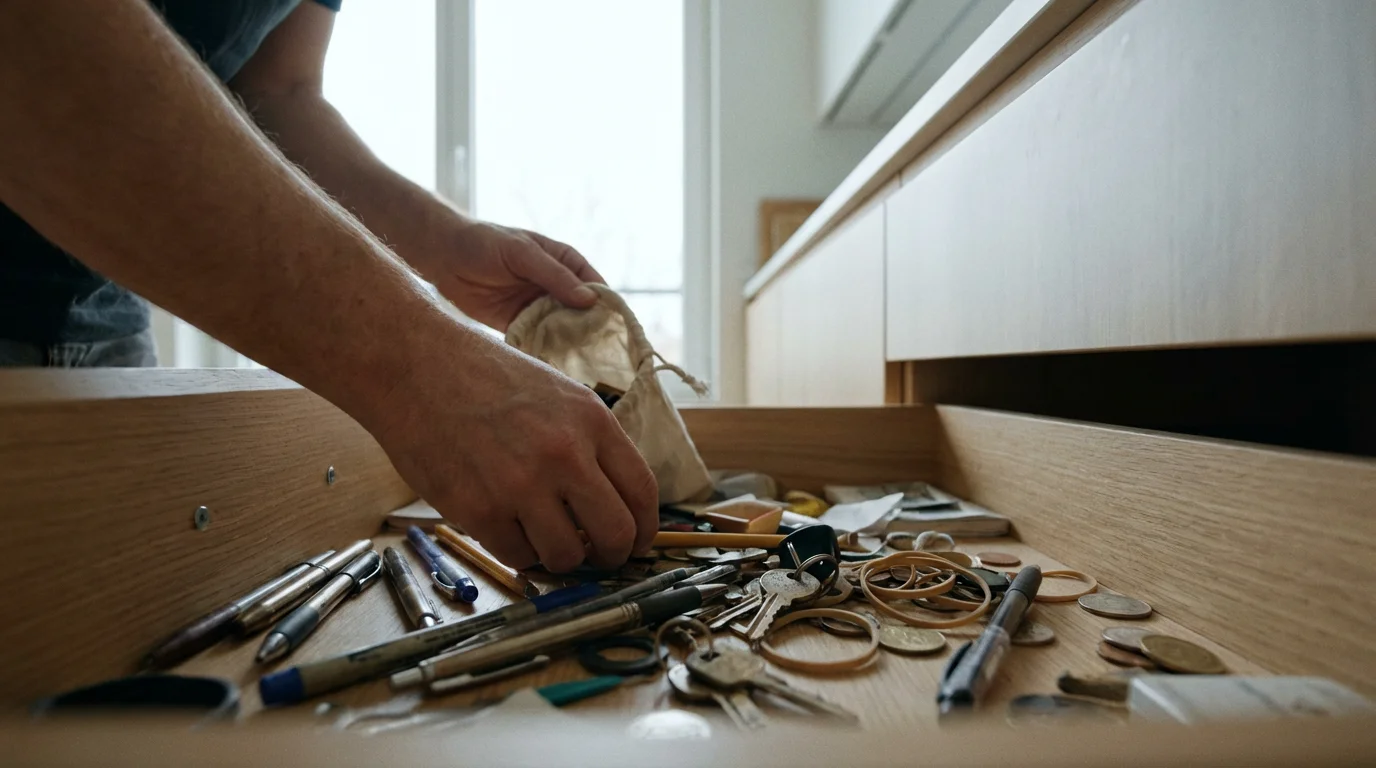
We created a visible impact quickly, motivating us for the more challenging stages ahead. We focused on categories that were primarily functional or easily replaceable, like the infamous “junk drawer” in our Columbus kitchen.
Simplifying our possessions in this way was certainly the first step toward reducing retirement expenses and increasing our financial flexibility, something I had already outlined in my spreadsheets.
We started with specific, low-attachment areas. This definitely included that junk drawer, an overflowing linen closet, and pantry items that had spices older than our grandchildren, Lily and Noah.
The goal was to practice making decisions and to see immediate results. We established a clear framework for sorting, preparing us for larger tasks. Here are the categories we tackled first:
- Expired or unused pantry items: We checked dates and discarded what was old.
- Old magazines and newspapers: Recycled them; information is likely outdated.
- Broken or unrepairable items: If we hadn’t fixed it in a year, it was out.
- Duplicate tools or kitchen gadgets: Kept the best one, donated or sold others. Dorothy thought she needed every gadget known to man.
- Old towels and linens: Donated to animal shelters or discarded worn-out pieces.
- Unused toiletries or cleaning supplies: Consolidated or discarded what we no longer needed.
This early success showed us we could make progress, setting a positive tone for the entire process. It certainly helped Dorothy see the method in my madness, and we gained a clearer understanding of our sorting preferences and pace.
Phase 2: Room-by-Room Decluttering and Decision-Making
Once we gained momentum, we moved to a systematic, room-by-room approach. This method ensured we covered every area of our 2,400 sq ft home without feeling overwhelmed by the sheer volume of possessions.
We dedicated specific blocks of time to each room, perhaps a few hours each week, rather than trying to clear an entire room in one sitting. It helped us manage our energy and decision-making capacity effectively, especially when dealing with the emotional attachments Dorothy had.
This step is crucial regardless of whether you are looking for a small apartment or researching different senior housing options for your future. I had already identified Hawthorn Ridge, our 55+ community, as our destination, so I knew exactly what kind of space we were downsizing into.
As you sort through your belongings, don’t forget to consider how to downsize with pets to ensure they feel comfortable in a smaller environment. We didn’t have any pets to worry about, thankfully.
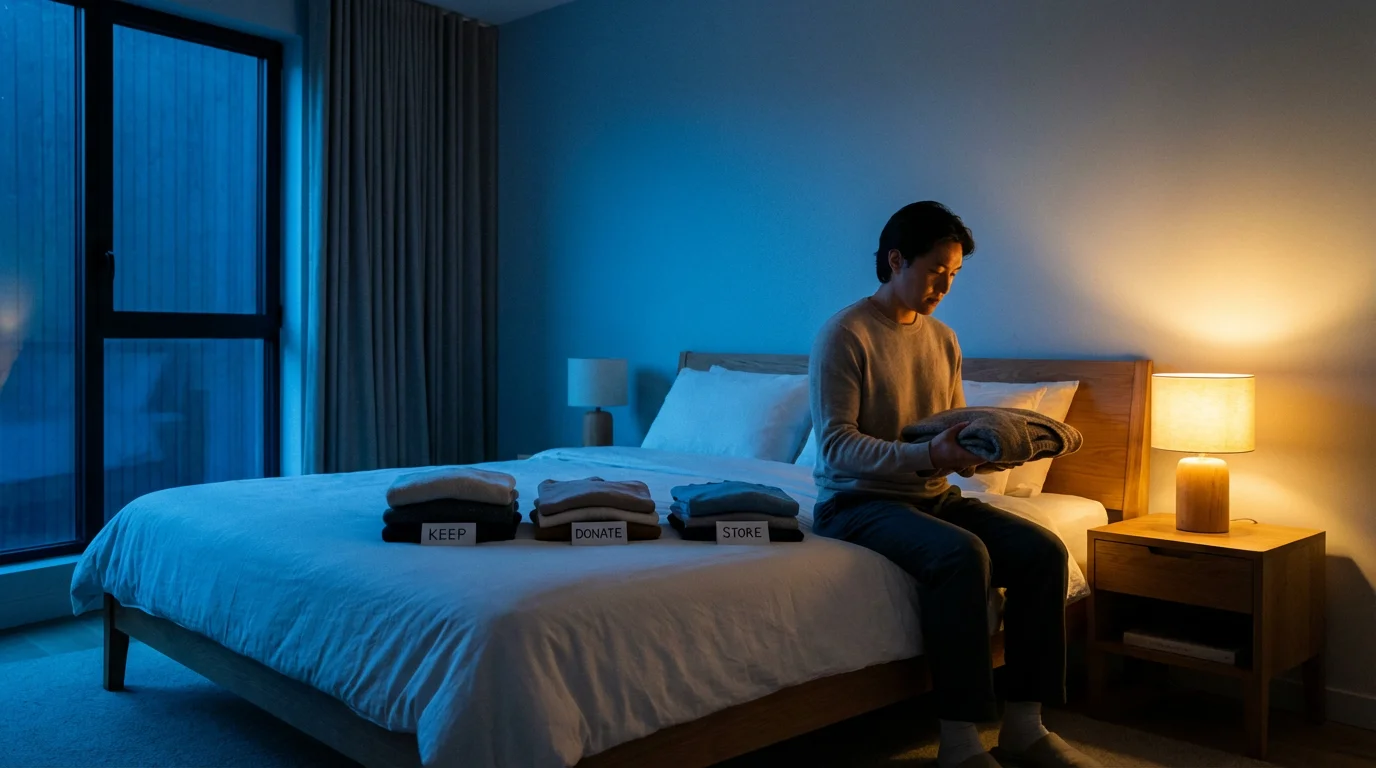
In each room, we created distinct piles or zones for our items. This clear categorization simplified decision-making. We consistently used these four categories:
- Keep: Items we loved, regularly used, or absolutely needed in our new space in Sarasota.
- Donate: Items in good condition that someone else could use. We referred to organizations like Goodwill or Habitat for Humanity ReStores for guidance on acceptable donations.
- Sell: Valuable items that could fetch a good price. We considered online marketplaces and had a small estate sale.
- Discard: Broken, dirty, or unusable items that belonged in the trash.
Kitchen: Culinary Essentials and Gadgets
The kitchen often holds an abundance of items, from rarely used appliances to duplicate utensils. Dorothy and I approached this room with practicality in mind, though she had a harder time with some of her baking equipment. We wanted to keep only what we regularly used and what would fit in our new, smaller kitchen at Hawthorn Ridge.
- Empty cabinets and drawers: We pulled everything out to see what we truly possessed.
- Discard expired food and spices: Cleared out anything past its prime.
- Sort dishes and glassware: Kept only enough for our household plus a few guests. Dorothy had services for twelve when we only needed service for four.
- Review small appliances: Kept only those we used at least once a month. The bread maker used annually definitely didn’t make the cut.
- Consolidate duplicates: If Dorothy owned five spatulas, we kept her favorite two.
Bedroom: Wardrobe and Personal Items
Our bedroom should be a sanctuary, free from excess. We focused on our wardrobes, personal care items, and any furniture that would transition to our new space.
- Declutter your wardrobe: We used the “one-year rule” – if we hadn’t worn it in a year, we considered letting it go. I was honest about my old engineering shirts; Dorothy was less so about some of her outfits.
- Sort shoes and accessories: Kept practical, comfortable, and well-maintained items.
- Review personal care products: Discarded expired makeup, lotions, or medications.
- Evaluate furniture: We measured our new space and decided which pieces truly fit and served a purpose. Our king-sized bed was a must-have.
Living Room and Dining Room: Furniture, Decor, and Collections
These public spaces often reflected our personal style and hosted our cherished collections from 44 years on Elmwood Drive. We prioritized comfort, functionality, and items that brought genuine joy or utility.
- Assess furniture for your new space: We measured our current furniture and compared it to the dimensions of our future home in Hawthorn Ridge. Our large sectional and oversized dining table, where we hosted Thanksgiving for 30 years, definitely wouldn’t fit.
- Curate decor and art: We selected a few favorite pieces that held meaning or visually enhanced our space. Dorothy didn’t need to display every collection piece simultaneously.
- Sort books: We kept titles we genuinely reread or referenced. Donated others to local libraries or community centers. I pushed for digital readers for avid readers like Dorothy.
- Review media collections: Our CDs, DVDs, and vinyl records took up considerable space. We considered streaming services for music and movies.
Attic, Basement, and Garage: Storage and Seldom-Used Items
These areas often become repositories for items out of sight, out of mind. They required significant effort, but clearing them yielded substantial gains in freed space. This is where I truly understood what “one metric ton of stuff” felt like.
- Start with a specific zone: We didn’t try to clear the entire area at once. We tackled one shelf, one box, or one corner.
- Group similar items: Put all holiday decorations together, all tools together, etc.
- Address seasonal items: Kept essential seasonal decor or clothing; discarded broken or unused items.
- Evaluate tools and equipment: Kept only what I actively used and would have space for. I considered lending or renting tools for infrequent needs.
- Sort old documents: Shredded sensitive papers we no longer needed. Digitized important records to reduce paper clutter – a task I tackled with precision.

Navigating Sentimental Items and Family Heirlooms
This phase was often the most emotionally challenging, especially for Dorothy. Sentimental items, photographs, and heirlooms carry immense personal history. We approached these with extra care and respect, understanding that “letting go” did not mean “forgetting.”
Our goal was to honor the memories while making practical decisions about physical possessions.
We set a limit on the number of sentimental items we would keep. My practical approach involved designating a specific container, what Dorothy called her “memory box,” for her most cherished keepsakes.
She carefully selected the items that evoked the strongest positive emotions and represented significant life moments. This constraint forced thoughtful selection, ensuring only the most meaningful pieces accompanied us to Florida.
We considered these strategies for managing sentimental items:
- Take photos: We photographed items we loved but couldn’t keep. We created digital scrapbooks to preserve visual memories without the physical clutter. This worked particularly well for our children’s artwork and Dorothy’s elementary school library memorabilia.
- Share with family: We offered heirlooms to Karen, Michael, and Susan who would genuinely appreciate and use them. This kept items within the family network and ensured their continued use and appreciation. Dorothy found great joy in seeing a cherished piece bring happiness to Lily and Noah.
- Digitize photos and documents: We converted old photo albums, home videos, and important papers into digital formats. Services exist that can professionally scan large quantities of photos. I made sure to back up all digital files securely.
- Repurpose or display thoughtfully: Dorothy even took a piece of fabric from an old quilt and had it framed.
- Write down stories: For items we decided to part with, Dorothy wrote down the memories or stories associated with them. This preserved the narrative even if the physical object departed.
We preserved the essence of our memories, even if the physical form changed or found a new home. This process was about translating our past into a form that fit our future, not erasing it.
Preparing Your Home for Sale and Optimizing for the Future
As we neared the completion of our decluttering, we shifted our focus to preparing our 2,400 sq ft colonial on Elmwood Drive for sale and thoughtfully planning our new, right-sized space in Hawthorn Ridge.
A decluttered home shows better, often selling faster and for a better price. We wanted to present a clean, spacious canvas for potential buyers, allowing them to envision themselves in the home, not our “metric ton of stuff.”
It was also wise to consult with a professional regarding the financial and tax implications of selling your property. I had all of that factored into my financial planning spreadsheets.
We considered these steps for home preparation:
- Remove excess furniture: Buyers want to see space, not your belongings. We stored or removed pieces that made rooms feel crowded.
- Depersonalize: We took down personal photos and overly specific decor. This helped buyers visualize their own lives in the space.
- Address minor repairs: We fixed leaky faucets, touched up paint, and ensured all light fixtures worked. Small fixes make a big difference in presentation.
- Deep clean thoroughly: We hired professional cleaners. A sparkling home leaves a strong positive impression.
- Consider professional staging: For a small investment, staging can dramatically increase buyer interest and offers. We ended up doing some light staging ourselves.
Simultaneously, we started envisioning our new home. I created a floor plan, carefully considering how our remaining furniture and items would fit. This foresight prevented us from moving items we ultimately did not need or have space for. Consumer Reports provides valuable moving tips to help with this planning phase.
We thought about storage solutions in our new space, such as built-in shelving or multi-functional furniture, to maximize efficiency from day one. I even drew up a few sketches.

Leveraging Professional Help: Organizers and Estate Services
I certainly recognized when to seek expert assistance. Downsizing can be physically and emotionally taxing, and professionals offer invaluable support, expertise, and efficiency. They provide objective guidance and practical labor, accelerating your progress and reducing your stress.
While Dorothy and I, with some help from our kids, managed most of it ourselves, I thoroughly researched these options.
Consider these professionals:
- Professional Organizers: These experts specialize in decluttering and organizing. They help you develop a plan, provide hands-on assistance, and offer strategies for decision-making. You can find certified professionals through organizations like the National Association of Productivity & Organizing Professionals (NAPO).
- Senior Move Managers: Specifically trained to assist older adults with downsizing and relocation, senior move managers offer comprehensive services. They coordinate every aspect of the move, from sorting and packing to arranging for movers and setting up your new home. The National Association of Senior & Specialty Move Managers (NASMM) provides a directory of certified professionals.
- Estate Sale Companies: If you have numerous valuable items to sell, an estate sale company can manage the entire process. They appraise items, market the sale, and handle transactions, providing a professional approach to selling off possessions. We used a local company for a smaller sale of some of our furniture. You can find reputable companies through referrals or online resources like Estate Sales News.
- Appraisers: For particularly valuable items, like antiques, art, or jewelry, a professional appraiser provides an accurate valuation. This ensures you sell items for their worth or correctly account for them in estate planning or charitable donations.
- Junk Removal Services: For items that cannot be sold, donated, or gifted, junk removal services efficiently clear out large quantities of unwanted belongings. That “metric ton of stuff” didn’t just walk itself to the curb, so we certainly used one of these services! This saved us significant time and physical effort.
These services offer practical solutions to various challenges you might face during downsizing, ensuring a smoother and less stressful transition. You gain peace of mind knowing that experienced professionals handle complex tasks.

The Right-Sizing Mindset: Embracing a Simpler Future
Downsizing is not about deprivation or losing cherished possessions. It is about “right-sizing,” intentionally choosing a living environment and lifestyle that perfectly fits your current needs and aspirations. I can tell you, after two years in Hawthorn Ridge, Dorothy and I both agree it was the best decision of our retirement.
You gain freedom from excessive maintenance, financial burdens, and the mental load of too many belongings. This shift in perspective transforms the process from a burden to an opportunity for renewal, just as my spreadsheets predicted.
Embrace the concept of quality over quantity. Our new home, though smaller than our colonial, has become a curated space filled only with items that serve a purpose, bring us joy, or hold significant meaning.
We invest in experiences and relationships – like my pickleball games, Dorothy’s watercolor painting, and our new “Florida family” – rather than being weighed down by material possessions. This intentional approach leads to a more fulfilling and less cluttered existence. Consider the benefits:
- Increased freedom: Less to clean, maintain, and worry about.
- Financial savings: Potentially lower housing costs, utilities, and insurance. My financial models proved this out.
- Reduced stress: A decluttered environment often leads to a clearer mind.
- More time: Frees up hours previously spent managing possessions. I now have time to volunteer at the food bank and even cook.
- Opportunities for new adventures: Our simpler lifestyle supports travel, hobbies, and community engagement.
Downsizing provides a powerful opportunity to design your ideal future, living purposefully and authentically. Dorothy and I are certainly building a foundation for joy and serenity in our next chapter.
Frequently Asked Questions
What is the most manageable way to downsize?
From my experience, the most manageable way to downsize involves a staged, gradual approach, breaking the process into small, weekly tasks. Dorothy and I found it best to begin with low-attachment items, then systematically move room-by-room, taking frequent breaks.
This prevents overwhelm and decision fatigue, allowing you to maintain momentum over time. It helps create a sustainable pace that suits both your emotional and physical capacity.
How can I downsize in stages effectively?
To downsize in stages effectively, I recommend starting by setting a realistic timeline, perhaps several months, based on the volume of your possessions. Dorothy and I dedicated consistent, short periods, like 2-3 hours twice a week, to decluttering specific categories or small areas. Use a “keep, donate, sell, discard” system consistently. Tackle sentimental items only after gaining practice with less attached possessions. This approach builds skills and confidence incrementally.
How do I handle sentimental items when decluttering stages?
When handling sentimental items during declutter stages, Dorothy and I found it helpful to create a separate “memory box” to limit the number of physical keepsakes we retained.
Photograph cherished items you cannot keep, digitize old photos, and offer heirlooms to family members who will appreciate them. You honor the memories without needing to hold onto every physical object, preserving the emotional value in new ways.
When should I consider hiring professional help for downsizing?
You should consider hiring professional help when you feel overwhelmed, lack the physical capacity, or need objective guidance. Dorothy and I certainly could have used more help, especially with that “metric ton of stuff.”
Senior move managers, professional organizers, or estate sale companies can provide invaluable assistance with sorting, packing, moving logistics, and selling items. This support ensures a smoother, more efficient transition, reducing your stress significantly.
What is the difference between downsizing and right-sizing?
Downsizing typically implies reducing your living space and possessions. Right-sizing expands on this by focusing on intentional choices that create a living environment perfectly suited to your current lifestyle, needs, and aspirations.
For Dorothy and me, it was a proactive decision to curate our surroundings for optimal well-being and convenience, rather than simply making things smaller. We created a space that truly fits us here in Hawthorn Ridge.
Disclaimer: This article is for informational purposes only. Downsizing decisions are deeply personal and should be made at your own pace. If you’re struggling with the emotional aspects of letting go, consider speaking with a counselor or therapist who specializes in life transitions. For valuable items, consult with appraisers or estate professionals.
When planning your move, it is also the ideal time to consider downsizing for accessibility to ensure your new space is safe for the long term.









Leave a Reply