
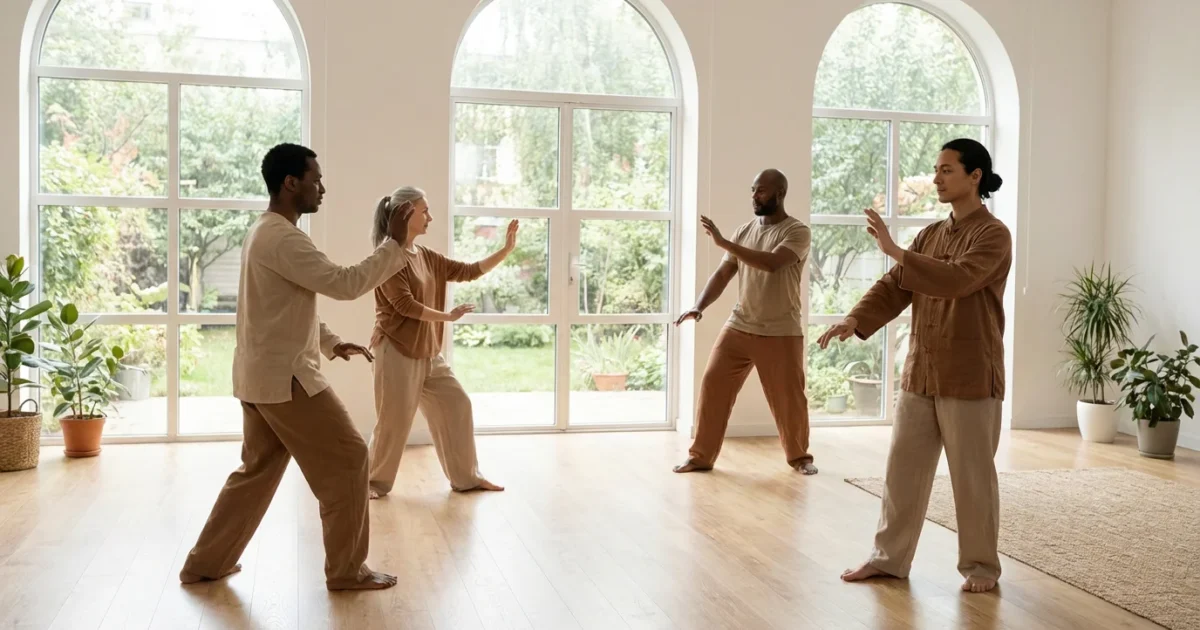
Oh, retirement! Bill and I often talk about how it’s this wonderful, wide-open space that gives you a chance to truly put yourself first. For me, that meant finally letting go of the stress from my librarian days and finding ways to really nourish my body and mind.
After we moved to Hawthorn Ridge, I spent a good year just trying to find my footing, emotionally speaking. I was so used to my routines back in Columbus, and honestly, I was pretty resistant to the whole idea of moving. But once I settled in, I started looking for gentle ways to feel more grounded and balanced.
That’s when I discovered Tai Chi. It’s this ancient Chinese practice, and let me tell you, it’s nothing like the gym classes I used to dread. It’s all slow, deliberate movements, deep breathing, and a wonderful focus that just melts away the everyday worries.
It’s truly been a godsend for cultivating strength, improving my flexibility, and bringing a sense of calm that I really needed after all the upheaval of selling our house on Elmwood Drive and starting fresh here in Sarasota.
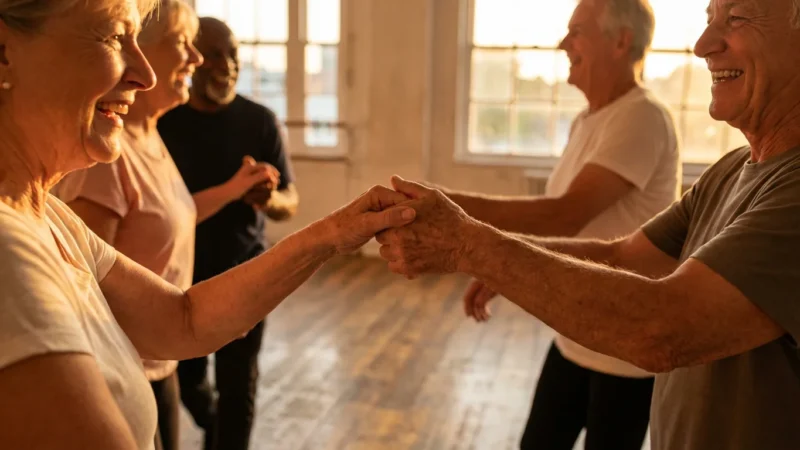
I’ve found that many of my new friends here at Hawthorn Ridge, who are also navigating this exciting new chapter, have found comfort and strength in it too.
Understanding Tai Chi: An Ancient Practice for Modern Wellness
When I first heard about Tai Chi, I thought it sounded a bit mystical, like “meditation in motion.” It actually originated in ancient China as a form of self-defense, which really surprised me! But over the centuries, it’s transformed into this beautiful, graceful exercise known for its incredible health benefits.
It involves a series of flowing movements, all done slowly and continuously, perfectly synchronized with deep breathing. You execute each movement with such deliberate control, focusing on precision and what they call “qi” – your internal energy.
It’s truly a practice that cultivates both physical health and mental clarity, something I really needed after the chaos of packing up 44 years of life in our Columbus home.
Here at Hawthorn Ridge, and in many of the 55+ communities Bill researched for two years (with his spreadsheets, of course!), Tai Chi classes are often a cornerstone of the recreational amenities. It’s how I first heard about it!
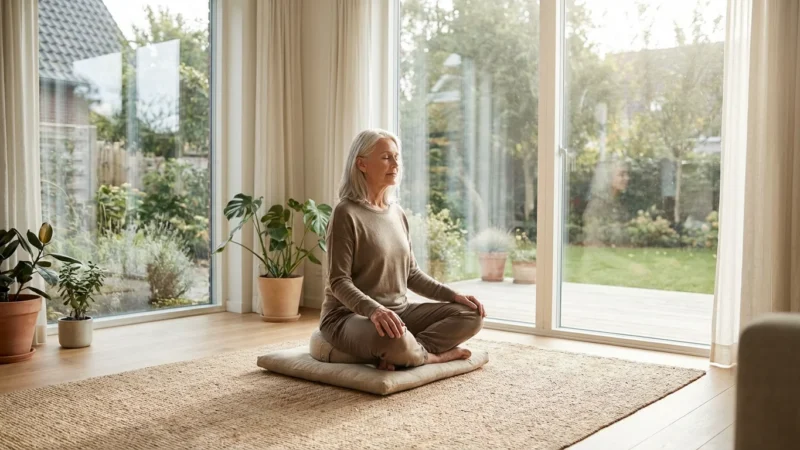
You know, most people picture groups of folks like us doing Tai Chi in a park, and that image really does capture its accessibility and widespread appeal. You don’t need any special equipment, which makes it an excellent option for practicing right in your living room or joining one of the group classes our community offers.
As I’ve explored this practice, I’ve truly discovered its power to transform not just how my body feels, but how my mind feels too. It’s a wonderful antidote to the hustle and bustle of life, even in retirement.
The Core Principles of Tai Chi: What Makes It Unique?
What really sets Tai Chi apart from other exercises, for me, is its deep emphasis on foundational principles. These aren’t just rules; they’re like gentle guides for every movement and every breath, all designed to maximize the benefits for your overall well-being.
Understanding these core concepts has really enhanced my experience and helped me feel more connected to my body and mind, especially during that first year in Florida when I was still feeling a little off-kilter and out of balance with everything.
And let me tell you, the social benefits are also maximized when you’re choosing a community based on your interests, like ours, where finding meditative movement is something many of us value and share.
- Gentle, Flowing Movements: The forms in Tai Chi are performed as one continuous, uninterrupted sequence. The movements are circular, soft, and never rushed, avoiding any abrupt stops or jerks. I remember thinking how different this was from trying to lift weights! This fluid motion really lubricates my joints and strengthens my muscles without any strain, which is a big deal for me.
- Deep, Coordinated Breathing: This was probably the hardest part for me at first! My breathing synchronizes with my movements, and you practice slow, deep, abdominal breathing. It’s amazing how much this calms your nervous system and improves oxygen flow. I actually use this mindful breathing now when I’m feeling a little stressed, even when I’m just trying to get my watercolors to behave!
- Mental Focus and Mindfulness: Tai Chi really demands your full attention. You concentrate on your posture, your breathing, and the sensation of your body moving. This mental engagement truly sharpens your cognitive abilities and fosters such a wonderful sense of inner peace. It helps quiet the “what ifs” that sometimes pop up in retirement.
- Posture and Alignment: Proper alignment is so important. You learn to maintain a relaxed, upright posture, which allows your energy to flow freely. This attention to posture has really helped strengthen my core and improved my overall body mechanics. I feel like I stand a little taller now!
- Weight Distribution: You learn to shift your weight smoothly and intentionally between your legs. This constant weight transfer builds such great leg strength and really enhances your balance. It’s a critical aspect of staying fit for us, and something I’ve really noticed improving.
These principles really do create a holistic exercise that addresses physical fitness, mental sharpness, and emotional balance all at once. I feel like I’m engaging my entire self in the practice, and the benefits are truly comprehensive.
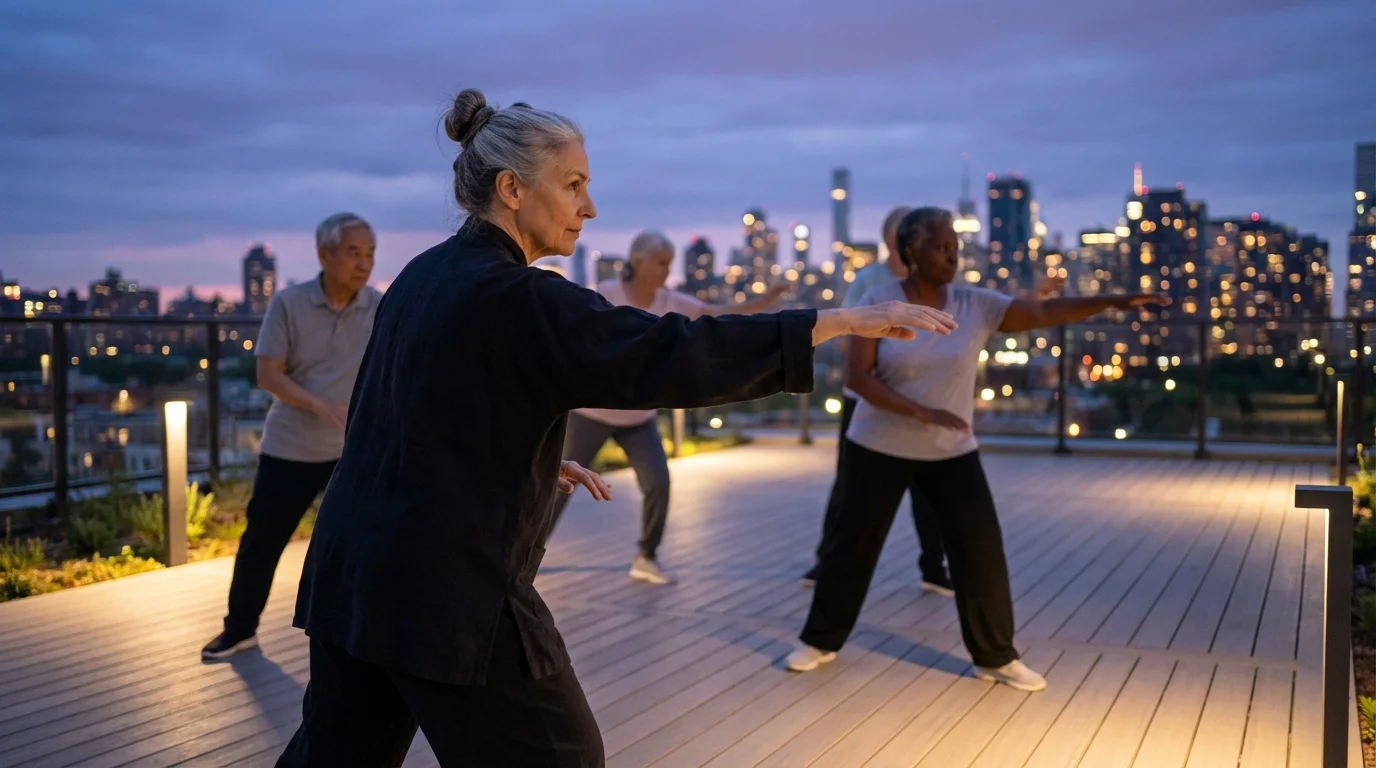
Remarkable Health Benefits of Tai Chi for Folks Like Us
I get asked all the time, “Dorothy, what are the actual health benefits of Tai Chi?” And I love telling people, because the advantages go far beyond simple exercise. They truly impact so many aspects of your physical and mental health.
I’ve personally seen the positive effects of regular Tai Chi practice, and it’s become such a valuable addition to my active retirement here in Sarasota.
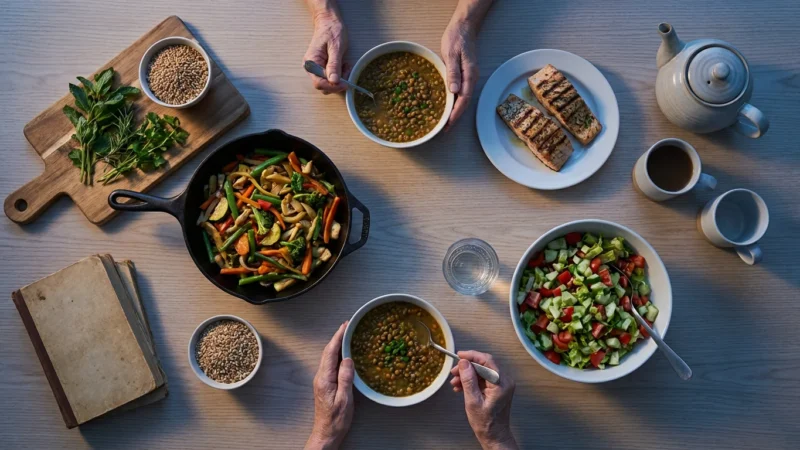
To complement all this wonderful physical training, I also make sure we’re doing some healthy cooking in the kitchen – Bill has become an unexpectedly good cook, you know, which still surprises both of us!
Regular Tai Chi practice truly delivers a wide array of benefits, improving your quality of life in ways you might not expect. Just consider these profound impacts:
- Improved Balance and Reduced Falls: This is a big one for me. Tai Chi significantly enhances your proprioception – that’s your body’s ability to sense its position in space. This heightened awareness directly translates to better balance and a reduced risk of falls, which is a major concern for all of us. The National Council on Aging even talks about falls prevention, and Tai Chi is a proven strategy. I feel so much more confident walking around now.
- Increased Flexibility and Range of Motion: The gentle, flowing movements carefully stretch your muscles, gradually increasing your flexibility. This improved range of motion makes everyday activities so much easier and more comfortable, from reaching for that top shelf in the kitchen (a constant challenge!) to bending down to tie my gardening shoes.
- Enhanced Muscle Strength: Even though Tai Chi looks so gentle, it really does build muscle strength, especially in your legs, core, and upper body. You use your own body weight for resistance, which develops functional strength that supports your daily movements.
- Stress Reduction and Mental Clarity: Oh, this is where it truly shines for me. The meditative aspect of Tai Chi calms my mind, reduces any anxiety, and just melts away stress. Focusing on the movements and breath diverts my attention from worries, promoting such a lovely state of relaxation and mental clarity. It’s been a wonderful tool for processing all the emotions that came with leaving our old life behind.
- Better Cardiovascular Health: While it’s low-impact, Tai Chi provides a mild to moderate aerobic workout. It improves circulation, lowers blood pressure, and strengthens your heart.
- Pain Relief: I’ve heard from some of my “Florida family” friends that they’ve found real relief from chronic conditions like arthritis and lower back pain through Tai Chi. The gentle movements ease joint stiffness and strengthen supporting muscles, reducing discomfort.
- Improved Sleep Quality: The stress-reducing and calming effects of Tai Chi often lead to better sleep. Regular practice truly helps regulate your sleep cycles, allowing you to fall asleep more easily and experience more restful nights.
- Enhanced Cognitive Function: The mental concentration required for Tai Chi really gives your brain a workout! It improves memory, focus, and attention span, contributing to better cognitive health. The Alzheimer’s Association even advocates for mental stimulation, and Tai Chi provides this engagement in such a peaceful way.
“The best time to plant a tree was 20 years ago. The second best time is now.” This wisdom applies equally to starting a new health practice like Tai Chi, reminding you that today is the perfect day to invest in your well-being.
Embracing Tai Chi has truly offered me a pathway to significant health improvements, fostering a sense of vitality and peace. These benefits contribute to a more active, engaged, and fulfilling retirement, and I can honestly say it’s helped me truly enjoy our new life here in Florida.
Enhancing Balance and Preventing Falls with Tai Chi
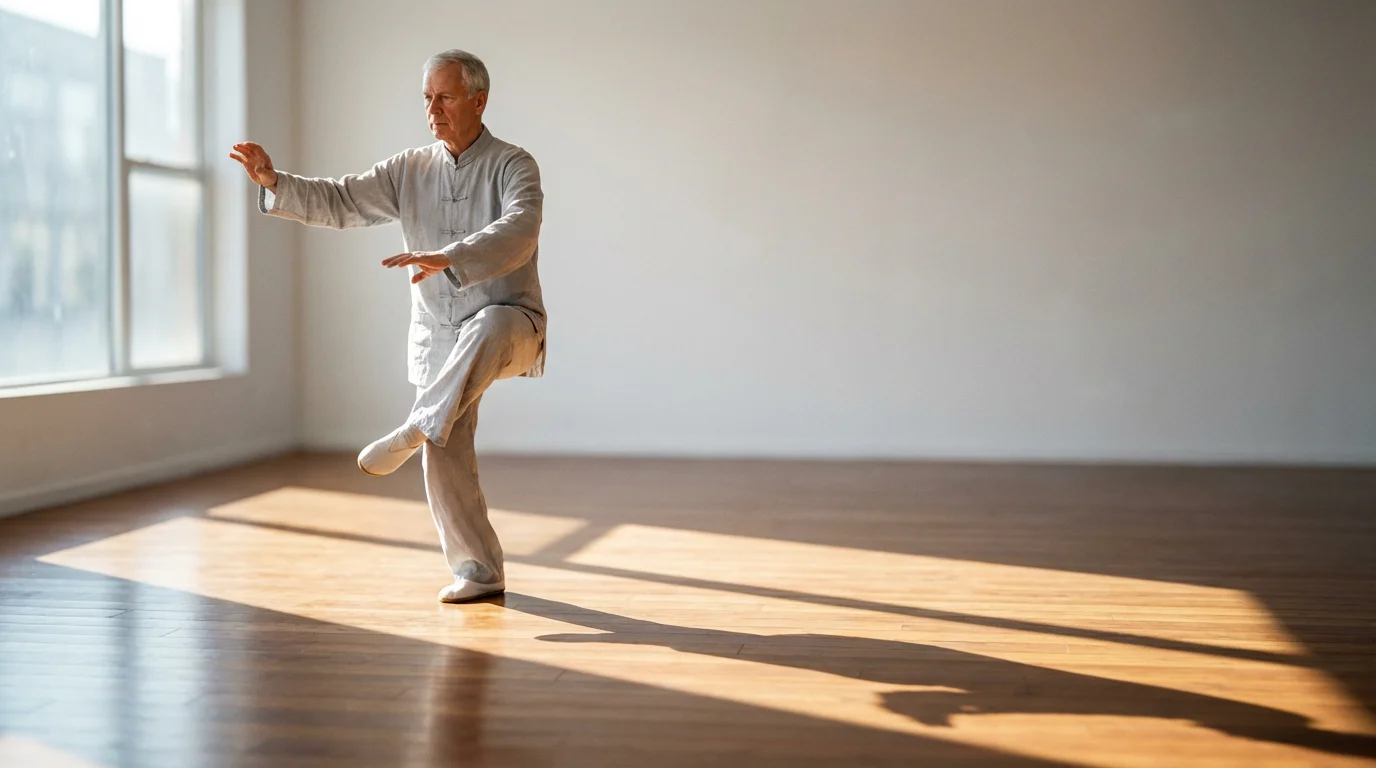
One of the most critical things Tai Chi has done for me, and for so many folks I know, is its profound impact on balance and its role in preventing falls. Falls are a real worry for us as we get older, often leading to serious injuries and, honestly, a decline in our independence.
Tai Chi directly addresses the root causes of poor balance, offering such a powerful protective measure. I remember being so nervous about slipping after we moved into our new home, especially with all the new tile floors, but Tai Chi has really helped me feel more secure on my feet.
In addition to exercise, finding your perfect downsized home with a safe, accessible layout, like our villa here in Hawthorn Ridge, further minimizes the risks of accidental falls.
Tai Chi systematically trains your body’s balance systems in several wonderful ways:
- Strengthens Lower Body Muscles: The continuous, slow movements, especially all those weight shifts, really build strength in your ankles, knees, and hips. Stronger legs provide a more stable foundation, making you less susceptible to losing your balance.
- Improves Proprioception: Tai Chi heightens your awareness of your body’s position in space. This improved “body sense” allows you to react more quickly and appropriately when you encounter uneven surfaces or unexpected shifts, preventing a stumble from becoming a fall.
- Enhances Core Stability: Maintaining that upright posture and making those smooth transitions requires engaging your core muscles. A strong core acts as your body’s central stabilizer, improving overall equilibrium and control.
- Develops Dynamic Balance: Unlike just standing still, dynamic balance is all about maintaining stability while you’re moving. Tai Chi continuously challenges and refines your dynamic balance as you transition between postures and shift your weight.
- Reduces Fear of Falling: As your balance improves, so does your confidence. I can tell you, a reduced fear of falling encourages greater participation in daily activities, promoting continued physical and social engagement. I’m much more likely to walk over to the pool and chat with strangers now!
The CDC highlights the importance of physical activity for folks like us to prevent falls, and Tai Chi truly stands out as an evidence-based intervention.
By regularly practicing Tai Chi, you actively build a stronger, more stable foundation, significantly reducing your risk of falls and helping you maintain your independence and activity levels for years to come. It’s truly given me a new sense of freedom.
Integrating Tai Chi into Your Daily Life
One of the things I love about Tai Chi is how easily you can weave it into your daily routine, even if you only have a few minutes. I’ve found that consistency is so much more important than duration, especially when you’re just starting out.
Finding ways to incorporate this gentle practice regularly really maximizes its benefits for your ongoing health and well-being. It’s become as much a part of my week as baking on Sunday mornings or working on my (not-so-good-yet!) watercolors.
Here are practical ways I’ve learned to integrate Tai Chi:
- Morning Routine Booster: I love starting my day with 10-15 minutes of Tai Chi. It really energizes my body and clears my mind, setting such a positive tone. I often do a few simple forms right out on our lanai, enjoying the fresh Florida air. It reminds me a little of my garden in Columbus, but with less weeding!
- Midday Mindful Break: If I find myself feeling a bit stressed or stiff, especially after sitting at my painting easel for too long, I’ll take five minutes to practice a few movements. This short pause truly helps me refocus and re-energize.
- Evening Relaxation: Practicing Tai Chi before bed is wonderful for unwinding and preparing for restful sleep. The calming effects really help my body and mind transition from the day’s activities to a state of relaxation.
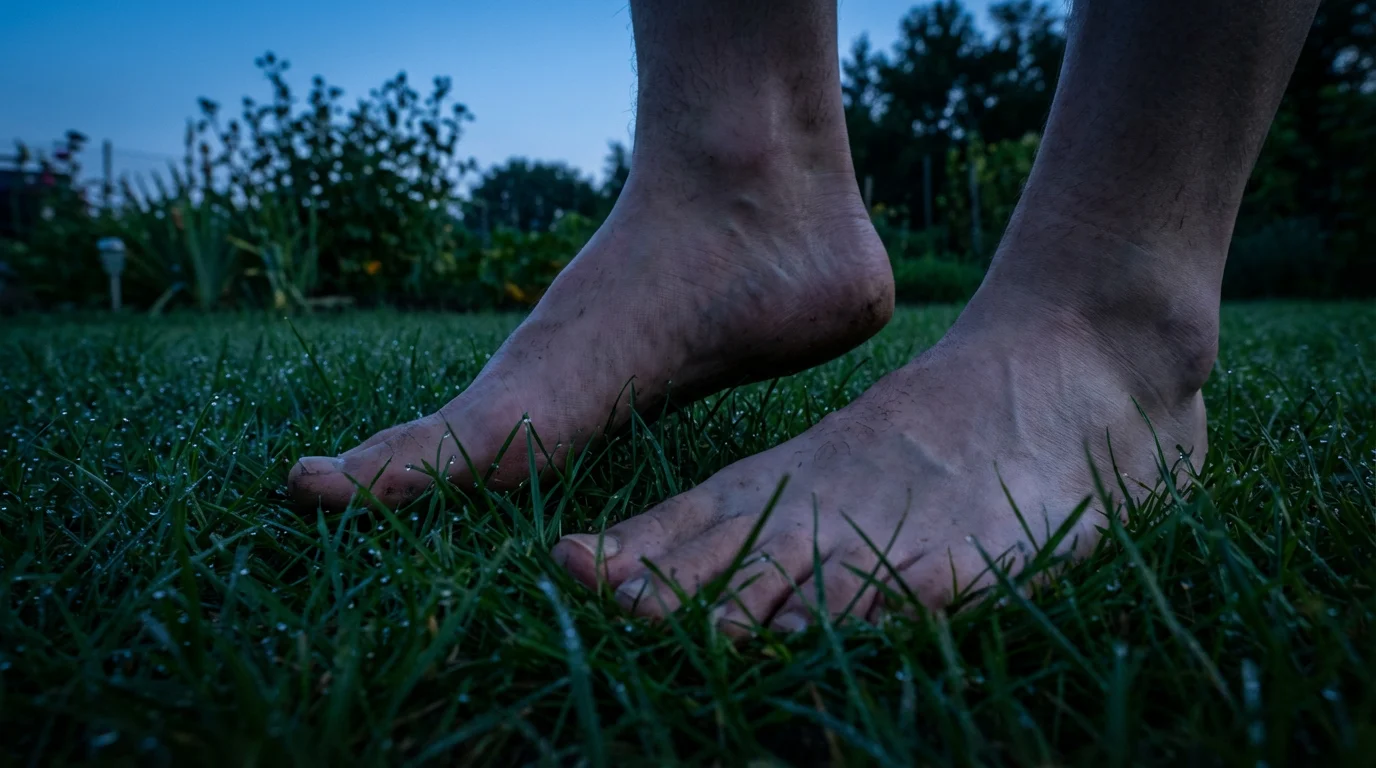
- Outdoor Practice: Taking my Tai Chi outdoors is a special treat. We have so many beautiful spots here, even just a quiet corner in our backyard. It’s a wonderful way to enjoy fresh air and nature. The natural environment really enhances the meditative experience.
- Chair Tai Chi: If you have mobility limitations or prefer to start gently, chair Tai Chi is an excellent option. My friend Carol, one of my “Florida family,” does chair Tai Chi, and she gets so many of the same benefits for circulation, flexibility, and mental focus.
Just remember that even short, consistent sessions contribute significantly to your health. Your body appreciates any movement, and your mind truly benefits from the focused attention. Choose times that work best for your schedule and commit to making Tai Chi a regular part of your active retirement. You’ll be so glad you did!
Finding the Right Tai Chi Class for You
“How can I find Tai Chi classes?” is a question I hear a lot, and it’s such an important one! Getting good instruction is crucial for learning proper form and really maximizing those wonderful benefits.
Luckily, there are so many resources out there to help you locate suitable classes, whether it’s in your community or even online. That’s how I found my class here at Hawthorn Ridge, through the community activities calendar!
Consider these avenues for finding Tai Chi instruction:
- Community Centers and Senior Centers: Many local community centers and senior centers offer Tai Chi classes specifically designed for us. These programs often provide affordable options and a wonderful social environment. Just check their activity schedules or inquire directly.
- Health Clubs and Fitness Centers: Some health clubs, especially those that focus on holistic wellness, include Tai Chi on their class schedules. Programs like SilverSneakers, which are often covered by Medicare Advantage plans, sometimes offer Tai Chi classes or similar gentle movement programs at participating locations.
- Hospitals and Rehabilitation Centers: Certain hospitals or physical therapy clinics offer Tai Chi programs, sometimes as part of a falls prevention initiative or chronic pain management. These programs often have instructors experienced in working with individuals with specific health conditions.
- Online Resources and Virtual Classes: The digital age offers such a wealth of online Tai Chi instruction! Many reputable instructors provide virtual classes, pre-recorded tutorials, and guided practices that you can access right from home. I’d suggest looking for instructors with certifications and positive reviews.
- Local Parks and Recreation Departments: Your city or county’s parks and recreation department might host outdoor Tai Chi sessions, especially during warmer months. These can be a wonderful way to connect with nature while you practice.
- Dedicated Tai Chi Schools: In larger communities, you might even find schools specifically dedicated to teaching Tai Chi and other martial arts. These schools often offer various styles and levels of instruction, from beginner to advanced.
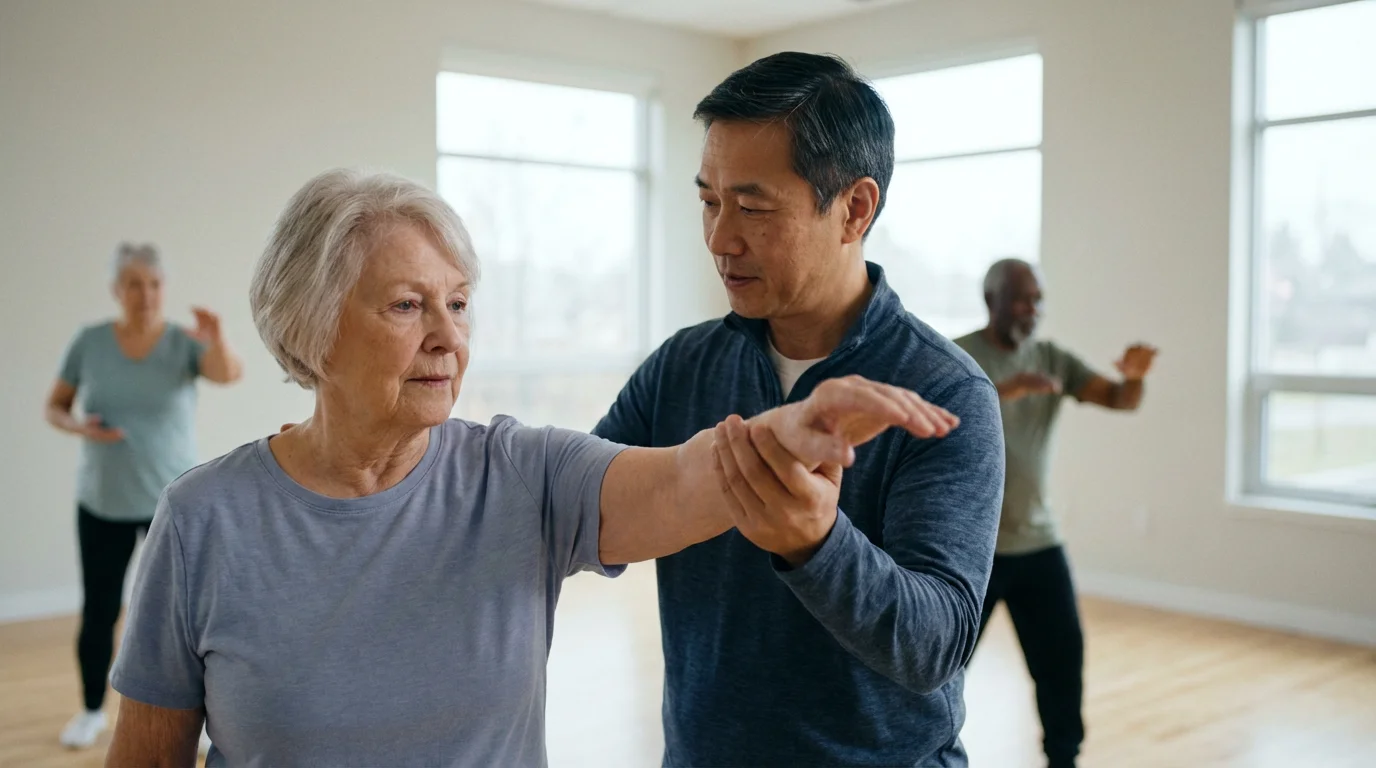
When I was choosing my class, I really considered the instructor’s experience, the class atmosphere, and the style of Tai Chi they taught. If you can, try to observe a class first to make sure it aligns with your comfort level and goals.
A good instructor will create such an encouraging environment and always emphasize safety and proper technique. It’s how I met two of my dearest “Florida family” friends!
Getting Started with Tai Chi: Practical Tips for Beginners
Starting any new exercise program, including Tai Chi, really requires a thoughtful approach. You want to ensure you’re safe, that you can be consistent, and most importantly, that you truly enjoy the process!
What I love about Tai Chi is that it genuinely welcomes all skill levels and physical conditions, making it so accessible for everyone. I certainly wasn’t “good” at it when I started, just like with my watercolor painting, but I decided that didn’t matter. It was about the journey, not perfection.
Here are essential tips to help you begin your Tai Chi journey:
- Consult Your Doctor First: Before starting any new exercise program, especially if you have existing health conditions or concerns, please talk to your healthcare provider. They can offer personalized advice and ensure Tai Chi is appropriate for your specific needs.
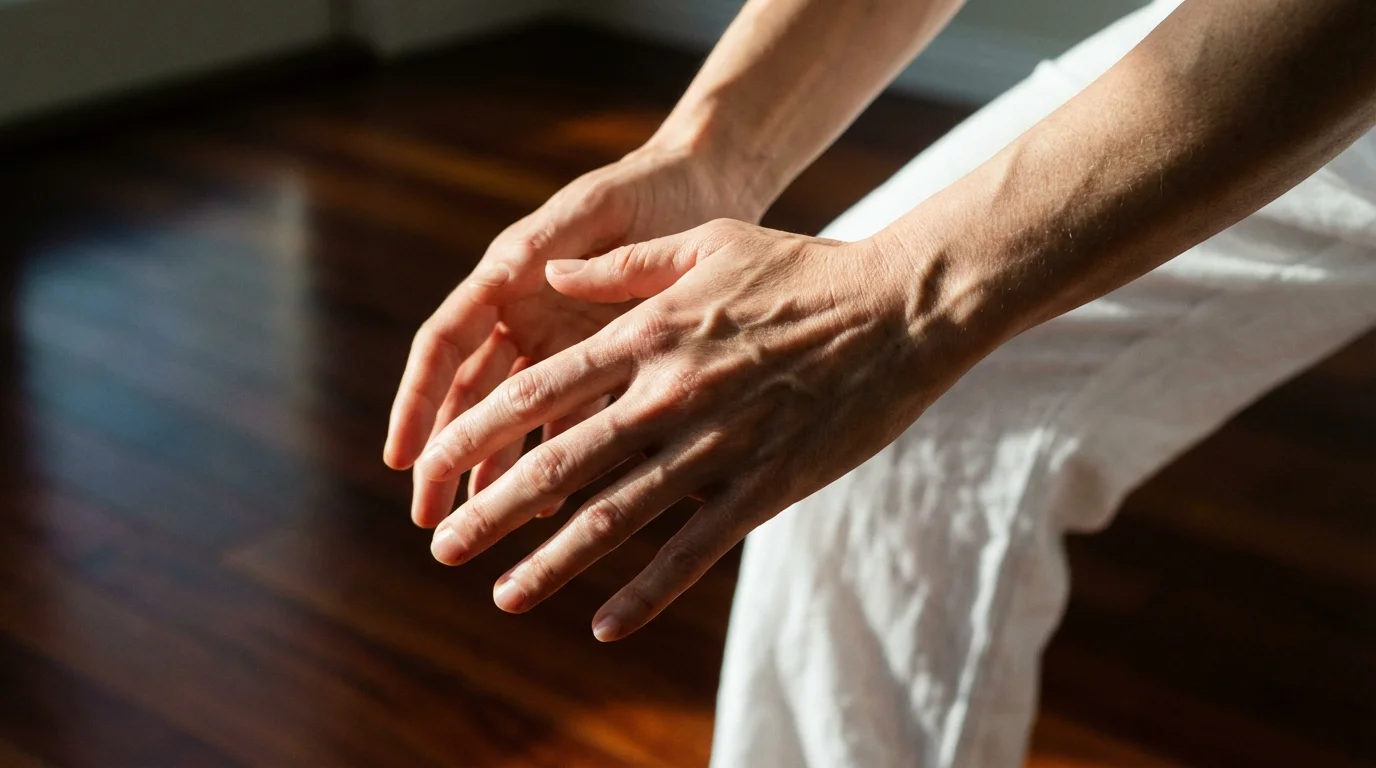
- Wear Comfortable Clothing: Choose loose-fitting clothing that allows for a full range of motion. Light, flexible shoes or even bare feet are ideal, as they allow you to really feel the ground and maintain stability.
- Start Slowly and Be Patient: Tai Chi is absolutely not about speed or perfection. Focus on learning the basic movements and principles. Please don’t compare yourself to others; just progress at your own pace. Patience is truly a virtue in Tai Chi, and something I had to learn!
- Focus on Breathing: Pay close attention to your breath. Breathe deeply and smoothly from your abdomen, coordinating your inhales and exhales with your movements. This connection truly enhances the meditative aspect of the practice.
- Listen to Your Body: Never, ever push through pain. Tai Chi is gentle, and you should always feel comfortable. Modify movements as needed to accommodate any physical limitations.
- Consider a Beginner’s Class: While there are many resources for self-study, a live instructor can provide immediate feedback on your posture and technique. This guidance is invaluable for establishing good habits from the start, and it’s how I met some wonderful people.
- Practice Regularly: Consistency truly yields the best results. Aim for short, regular sessions rather than long, infrequent ones. Even 15-20 minutes a few times a week makes a significant difference, and it’s easier to fit into your schedule.
- Embrace the Journey: Tai Chi is a lifelong practice, and you’ll continuously learn and deepen your understanding. Enjoy the process of discovery and the profound benefits it brings to your physical and mental well-being. It’s been a wonderful part of my own journey here in retirement, and I hope it will be for you too.
By following these tips, you really set yourself up for a successful and rewarding experience with Tai Chi. You unlock a gentle yet powerful path to enhanced strength, balance, and inner calm in your retirement years. It’s one of the best decisions I’ve made since moving to Florida!
Frequently Asked Questions
Is Tai Chi a good form of exercise for folks like us?
Oh, absolutely! Tai Chi is an excellent form of exercise for us in retirement. Its low-impact, gentle movements are wonderful for improving balance, flexibility, muscle strength, and even cardiovascular health, all without putting too much strain on our joints.
Plus, it really helps reduce stress and sharpens your mind, making it such a comprehensive practice for overall well-being.
What type of Tai Chi is best for seniors?
There are many styles of Tai Chi out there, but for us, the most common and beneficial are often simplified or shorter forms. Things like the Yang style’s 24-form or other forms specifically adapted for health are great.
These variations keep all the core principles of Tai Chi but are much easier to learn and perform, making them really accessible for beginners and anyone with mobility concerns. That’s what I started with!
How long does it take to see benefits from Tai Chi?
You know, you might start noticing benefits from Tai Chi, like feeling a bit more balanced and a wonderful sense of calm, within just a few weeks of consistent practice.
More significant improvements in muscle strength, flexibility, and even managing chronic pain typically become apparent after 8-12 weeks of regular sessions. The key, as I’ve found with everything in retirement, is just to keep at it!
Do you need special equipment for Tai Chi?
No, not at all! That’s one of the best parts. You only need comfortable, loose-fitting clothing that lets you move freely. I usually just wear my comfy leggings and a t-shirt.
You can practice in bare feet or wear flat, comfortable shoes that give you a good feel for the ground. It makes Tai Chi such a convenient and cost-effective exercise option.
Can you do Tai Chi if you have mobility issues?
Absolutely, yes! Tai Chi is incredibly adaptable for anyone with mobility issues. Many instructors offer modified versions, including seated Tai Chi or forms that use a chair for support.
I always tell my friends to make sure they let their instructor know about any physical limitations they have, and of course, check with their doctor before starting anything new.
Disclaimer: This article is for informational purposes only and does not constitute medical advice. Before starting any new exercise program or making significant changes to your activity level, please consult with your healthcare provider, especially if you have chronic health conditions or concerns about physical limitations.




Leave a Reply