
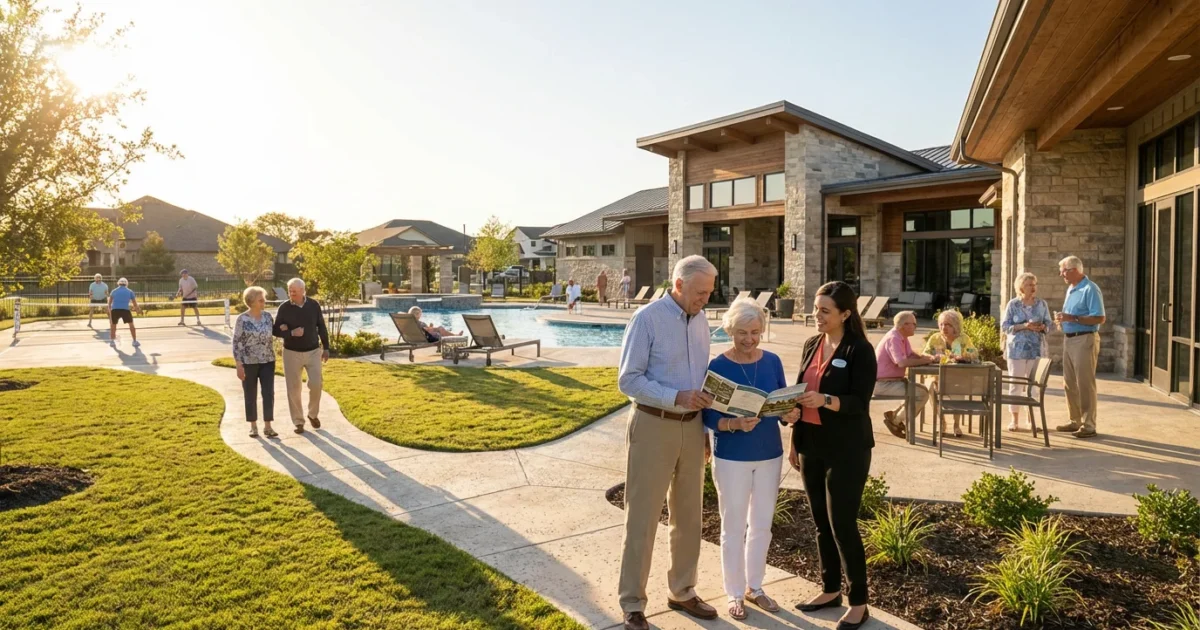
Planning for retirement isn’t just about winding down; it’s about strategically charting your next course. For Dorothy and me, that meant exploring a whole new way of living. When I first started looking into what came next, 55+ communities, also known as active adult communities, quickly rose to the top of my list.
These planned developments offered a unique blend of independent living, extensive amenities, and a vibrant social environment tailored to folks like us.
This article is built from our experience, guiding you through the world of 55+ communities. I’ll help you understand their benefits, evaluate the costs involved (with a few of my usual spreadsheets in mind), and assess the social opportunities they present.
Making an informed decision, based on solid data and a bit of practical wisdom, empowers you to create the retirement lifestyle you desire.

What Defines 55+ Communities?
When I first retired in 2021, my goal was clear: find a warmer climate and a place where Dorothy and I could truly enjoy our retirement without the constant upkeep of our 2,400 sq ft colonial on Elmwood Drive.
That’s when I dove headfirst into researching 55+ communities. An active adult community, as they’re often called, is a residential development designed for individuals aged 55 and older.
Federal law, specifically the Housing for Older Persons Act (HOPA), sets the guidelines for these communities. HOPA dictates that at least 80 percent of the occupied units must house at least one person aged 55 or older.
For us, understanding the differences between community living vs. aging in place was a crucial first step in our housing journey. We had a lot of stuff, what I once estimated to be “approximately one metric ton of stuff we don’t need,” so I knew making smart downsizing decisions was going to be essential before we could even think about a maintenance-free environment.
These communities prioritize an independent, active lifestyle. They differ significantly from assisted living facilities or nursing homes. Residents in 55 plus communities live independently in homes they own or rent. The focus remains on maintenance-free living and a rich offering of social and recreational activities.
You find these communities in various formats. Some feature sprawling single-family homes, while others consist of condominiums, townhouses, or apartments. The common thread is a shared desire for a vibrant, engaged retirement among peers.
Our move to Hawthorn Ridge in Sarasota, Florida, was the culmination of nearly two years of my research into exactly these kinds of places.

Unpacking the Amenities: Beyond the Basics
The extensive amenities offered represent a primary draw of 55+ communities. For me, these features were key variables in the comparison matrix I built. I wanted to make sure we were getting good value and opportunities that matched our interests.
These features cater specifically to the interests and needs of active adults, fostering a dynamic and engaging environment. You will discover offerings that support physical activity, intellectual growth, social connection, and personal hobbies.
Health and Wellness Facilities
Many communities provide state-of-the-art fitness centers, group exercise classes, and recreational spaces. Maintaining physical health becomes easier with convenient access to these resources. This was a big one for me, especially wanting to keep up with my pickleball.
- Fully equipped gyms with cardio and strength training equipment.
- Indoor and outdoor swimming pools for lap swimming, water aerobics, or relaxation.
- Dedicated spaces for yoga, Pilates, Zumba, and other fitness classes.
- Walking and biking trails, often integrated into scenic landscapes.
- Sports courts for tennis, pickleball, bocce ball, or shuffleboard.
I play pickleball four mornings a week here at Hawthorn Ridge, and having dedicated courts just a short walk from our front door was a non-negotiable for me. It’s fantastic.
Social and Recreational Opportunities
Beyond physical activity, 55+ communities excel at creating opportunities for social engagement. Clubhouses often serve as the central hub for activities, events, and informal gatherings. These communities understand the importance of combating isolation and fostering genuine connections.
- Spacious clubhouses featuring ballrooms, lounges, and multi-purpose rooms.
- Organized social events, including dances, potlucks, and holiday celebrations.
- Special interest clubs ranging from book clubs and bridge groups to photography and gardening clubs.
- Arts and crafts studios, workshops, and performance spaces.
- Game rooms for billiards, poker, or board games.
Outdoor and Nature Access
Many active adult communities integrate natural beauty and outdoor recreation into their design. This focus on nature provides residents with refreshing options for leisure and exercise.
- Championship golf courses or executive putting greens.
- Community gardens where residents can cultivate their own plots.
- Lakes, ponds, or nature preserves with fishing or birdwatching opportunities.
- Patios, grilling areas, and outdoor gathering spaces for community events.
Convenience Services
The appeal of maintenance-free living is strong for many retirees. 55+ communities often include services that simplify daily life, allowing you more time for enjoyment. After 44 years of maintaining our 2,400 sq ft colonial, I can tell you, this was a huge selling point for me.
- Exterior home maintenance, including landscaping and snow removal.
- 24/7 gated security or controlled access for peace of mind.
- Concierge services for local information and reservations.
- Community transportation services for shopping or appointments.
As you explore your options, consider which amenities truly enhance your desired lifestyle. Do you envision daily golf games, regular fitness classes, or evenings spent with a book club? Your answers will help you narrow your search for the ideal senior living environment.

Understanding the Costs of 55+ Living
Financial considerations play a crucial role in your decision to move to an active adult community. You need a clear understanding of all potential expenses to ensure the community fits within your retirement budget.
The costs associated with 55+ communities vary widely based on location, amenities, home type, and community prestige. This is where my “NASA mission” level of detail came in handy when Dorothy and I were planning our move.
Developing a strategy for financial planning for community living can help you manage these expenses while maintaining a comfortable lifestyle.
Initial Costs: Purchase Price or Rent
The upfront cost for a home in a 55 plus community represents a significant expense. If you purchase, prices range from modest to luxury. If you rent, expect monthly payments comparable to or higher than traditional rental markets, reflecting the included amenities and services.
- Purchase Price: For homes, this can range from $200,000 to over $1,000,000, depending on the size, location, and finishes.
- Rental Costs: Monthly rent for apartments or townhomes in 55+ communities might range from $1,500 to $4,000+, varying by unit size and included utilities.
Ongoing Costs: HOA Fees and Monthly Dues
Homeowners association (HOA) fees or monthly dues cover the maintenance and operation of community amenities and shared spaces. These fees are a consistent, mandatory expense you must factor into your budget. I made sure to factor these into my spreadsheets for our move.
- What HOA Fees Typically Cover: Common area maintenance, landscaping for individual homes (often), community clubhouse expenses, amenity upkeep, security, and sometimes basic utilities like trash removal or cable.
- Variable Costs: HOA fees can range from $100 to over $1,000 per month. Luxury communities with extensive amenities often have higher fees.
Other Monthly Expenses
Do not overlook other essential household expenses. Even with HOA fees, you still bear responsibility for many individual costs.
- Utilities: Electricity, gas, water, internet, and sometimes sewer.
- Property Taxes: For homeowners, these are typically not included in HOA fees.
- Homeowners Insurance: Crucial for protecting your investment.
- Personal Expenses: Groceries, transportation, entertainment, healthcare, and personal care items.
Potential Hidden Costs and Unexpected Expenses
Always investigate potential additional costs. These can sometimes surprise new residents.
- Special Assessments: HOAs might levy these for major repairs or upgrades not covered by the regular budget, such as a new roof for the clubhouse or significant infrastructure improvements.
- Membership Fees: Some communities charge additional fees for specific amenities, like golf course memberships or premium fitness classes.
- Transfer Fees: If you sell your home in the future, the HOA might charge a transfer fee to the new owner.
To help you visualize, consider this simplified cost comparison:
| Cost Category | Traditional Home (Approx. Monthly) | 55+ Community (Approx. Monthly) |
|---|---|---|
| Mortgage/Rent | $1,500 – $3,500+ | $1,500 – $4,000+ |
| Property Taxes | $300 – $800+ | $300 – $800+ |
| Homeowners Insurance | $100 – $300 | $100 – $300 |
| HOA Fees/Dues | $0 – $100 (if applicable) | $100 – $1,000+ |
| Utilities (Electricity, Gas, Water, Internet) | $200 – $500 | $150 – $400 (often lower due to smaller homes) |
| Exterior Maintenance (DIY/Contractor) | $50 – $200 | Often included in HOA |
| Estimated Total (Excl. Personal) | $2,150 – $5,400+ | $2,150 – $6,500+ |
Note: These are illustrative figures and vary significantly by region and community. Consult a financial advisor to create a personalized budget.

Evaluating Social Opportunities and Community Culture
The social aspect often proves as vital as the amenities and costs when choosing a senior living community. Moving into a 55+ community can significantly enhance your social life, offering a built-in network of peers with shared interests and experiences.
This active adult environment provides countless opportunities to make new friends, explore hobbies, and combat isolation. Dorothy, for example, has made three genuine friends at Hawthorn Ridge that she calls her “Florida family.”
For many, choosing a community based on your interests is the best way to ensure long-term social fulfillment.
Building Connections and Avoiding Isolation
Retirement sometimes brings unexpected challenges, including a reduction in daily social interactions from work. Active adult communities specifically address this by creating a framework for social engagement.
You find it easier to connect with others who share similar life stages and aspirations. For me, beyond pickleball, volunteering at the local food bank on Thursdays has been a great way to stay connected and contribute.
Types of Social Activities
The variety of activities often forms the backbone of the community’s social life. You can participate as much or as little as you desire, finding groups that align with your passions.
- Organized themed parties, holiday gatherings, and casual meet-and-greets.
- Group outings to local attractions, theaters, restaurants, or sporting events.
- Volunteer opportunities within the community or local area.
- Educational workshops, lectures, and lifelong learning programs.
- Weekly game nights, movie screenings, and social hours.
Importance of Visiting and Observing
To truly gauge the social atmosphere, visit communities you consider. Spend time in common areas like the clubhouse, fitness center, or pool. Observe how residents interact with each other and with staff. This firsthand experience reveals the community’s true personality.
Questions to Ask About Social Life
When you visit, engage with residents and staff. Ask pointed questions to understand the social dynamics. These insights help determine if the community’s culture aligns with your preferences.
- How active are the resident clubs and organizations? Can you provide a list?
- What types of community events do you host monthly?
- How do new residents typically integrate into the social scene?
- Do residents actively plan and lead activities, or does staff primarily organize them?
- What opportunities exist for inter-community social events or larger gatherings?
A thriving social environment enriches your retirement experience. Choose a community where you feel comfortable, welcomed, and inspired to participate.

Choosing the Right 55+ Community: Factors to Consider
Selecting the ideal 55 plus community requires careful consideration of several key factors. Your personal preferences, financial situation, and future needs all influence this important decision. Approaching this choice strategically ensures you find a place where you truly thrive.
This is exactly what I did during my two years of research, building that 14-variable comparison matrix to make sure we covered all our bases.
As you evaluate different locations, remember to choose the right Medicare plan to ensure your healthcare coverage remains robust in your new area.
Location: Proximity and Lifestyle
Location impacts convenience, access to services, and connection to existing networks. Think beyond the community gates to the surrounding area. For Dorothy and me, moving somewhere warm was a top priority, which is why we looked at Florida.
- Family and Friends: How close do you want to be to children, grandchildren, or long-time friends?
- Healthcare Access: Evaluate proximity to your preferred doctors, specialists, hospitals, and emergency services.
- Shopping and Services: Consider convenience to grocery stores, pharmacies, banks, restaurants, and other essential services.
- Climate and Environment: Do you prefer warm weather, seasonal changes, or a specific geographic setting?
- Cultural and Recreational Opportunities: Is the surrounding area rich in arts, sports, entertainment, or outdoor activities that interest you?
Home Type: Single-Family, Condo, or Townhome
55+ communities offer diverse housing options. Each type presents different levels of privacy, maintenance, and space. Leaving our 2,400 sq ft colonial meant we were looking for something much more manageable.
- Single-Family Homes: Offer more privacy and usually a small yard, but might involve more individual maintenance.
- Condominiums: Provide a lower maintenance lifestyle, often in multi-unit buildings, with shared common areas.
- Townhomes: Blend aspects of both, often featuring attached units with individual entrances and sometimes small private outdoor spaces.
- Size and Layout: Consider the number of bedrooms, bathrooms, and the overall square footage that suits your lifestyle now and in the future.
Community Size and Vibe
The overall atmosphere and scale of a community significantly impact your experience. Some prefer a smaller, more intimate setting, while others thrive in larger, bustling environments.
- Intimate vs. Expansive: Smaller communities might foster tighter bonds, while larger ones offer a broader range of amenities and activities.
- Pace of Life: Does the community feel energetic and bustling, or more relaxed and tranquil?
- Resident Demographics: While all are 55+, some communities might attract a slightly younger or older demographic, impacting activity choices.
Future Needs and Adaptability
Consider your potential needs as you age. While 55+ communities focus on independent living, some offer features that accommodate evolving health or mobility requirements.
- Aging in Place: Are homes designed with features like single-level living, wider doorways, or grab bars?
- Accessibility: Do common areas and amenities offer easy access for those with mobility aids?
- Healthcare Partnerships: Does the community have relationships with local home healthcare providers or assisted living facilities, if needed down the road?
Planning a Visit Checklist
Once you narrow down your choices, a thorough visit becomes essential. Use this checklist to guide your inspections and conversations.
- Schedule tours during peak activity times to observe social dynamics.
- Talk to current residents about their experiences, both positive and negative.
- Review HOA documents, rules, and financial statements.
- Inspect the condition of homes and common areas.
- Ask about security measures and emergency preparedness.
- Understand the process for making home modifications.
This comprehensive approach ensures you make a confident and informed choice for your next chapter. It certainly helped me convince Dorothy that Hawthorn Ridge was the right place, even if it took her a full year to admit it.

The Decision-Making Timeline: When to Act
Deciding when to move to a 55+ community involves more than just finding the right place; it also requires strategic timing. Thinking ahead allows you to maximize your options and minimize stress.
You empower yourself by creating a flexible timeline that anticipates future needs and market conditions. Dorothy and I debated this for nearly two years. I wanted to move immediately after I retired in 2021, but Dorothy wasn’t ready. That “almost two years” was a significant part of our retirement story.
Starting Early vs. Waiting
Many pre-retirees begin exploring 55+ communities in their early to mid-50s. This proactive approach offers distinct advantages.
- More Options: You have ample time to research various communities, visit multiple locations, and even get on waiting lists for highly desirable properties.
- Financial Flexibility: Earlier planning allows for better financial preparation, including saving for a down payment or adjusting your retirement budget.
- Reduced Pressure: Making decisions without immediate deadlines reduces stress and allows for more thoughtful consideration.
Waiting until you are closer to your target retirement age, or even after, can also work. However, you might face fewer available choices or feel rushed into a decision. Your ideal timeline balances your personal readiness with market realities.
For us, the turning point came when our daughter Karen reminded Dorothy, “Mom, the grandkids want YOU, not the house.” We finally sold the Columbus house and moved in April 2023.
Involving Family in Planning Discussions
Discussing your retirement housing plans with close family members, especially adult children, offers significant benefits. Their support and understanding can ease the transition, and they might offer practical assistance.
- Shared Expectations: Open communication sets expectations about your independent lifestyle and potential future needs.
- Logistical Support: Family members can assist with home searching, moving logistics, or local research.
- Peace of Mind: Knowing your family supports your choices provides emotional reassurance.
Remember, this remains your decision, but involving family often creates a stronger support system. Address any concerns or questions they may have about your move to a senior living community early in the process.
Considering Market Conditions
Real estate market conditions influence both the sale of your current home and the purchase or rental of a new one. Timing your move strategically can offer financial advantages.
- Selling Your Current Home: A seller’s market might yield a higher price for your existing property, providing more capital for your move.
- Buying in a 55+ Community: A buyer’s market could offer more negotiation leverage or better rental rates.
- Interest Rates: If you plan to finance a new home, monitor interest rates, as they impact your monthly mortgage payments.
Work with a knowledgeable real estate agent who understands both your local market and the active adult community market. They can help you navigate these conditions effectively. Ideally, you want to align your move with favorable market conditions for both selling and buying.

Financial Planning for Your 55+ Community Move
A move to a 55+ community represents a significant financial event. You need a robust financial plan to ensure a smooth transition and sustainable living throughout your retirement. This involves carefully budgeting, assessing your assets, and understanding your income streams.
This is my kind of project, the kind of detailed work I manage for Dorothy and me with what she calls “a level of detail that belongs in a NASA mission.”
A complete financial review should also include estate planning essentials to protect your legacy during this transition.
Budgeting for a New Home
Start by creating a detailed budget that accounts for all aspects of your new living situation. This includes both initial and ongoing costs.
- Down Payment/Purchase Price: Determine how much capital you need for the upfront cost of your new home.
- Closing Costs: Factor in expenses like title insurance, appraisal fees, and legal fees if purchasing.
- Moving Expenses: Budget for professional movers, packing supplies, and potential temporary housing.
- Home Furnishings/Renovations: Account for any new furniture or minor renovations you might desire.
- Ongoing Monthly Costs: Revisit the HOA fees, utilities, taxes, insurance, and personal expenses discussed earlier.
Selling Your Current Home
For many, the proceeds from selling their current home fund their move to an active adult community. Develop a strategy for this sale. Selling our 2,400 sq ft colonial on Elmwood Drive was crucial to funding our move to Hawthorn Ridge.
- Home Valuation: Get professional appraisals to understand your home’s market value.
- Repairs and Updates: Decide if minor repairs or updates will increase your home’s appeal and sale price.
- Timing the Sale: Coordinate the sale of your current home with the purchase or rental of your new one to minimize logistical challenges and potential double housing costs.
Work with an experienced real estate agent who specializes in selling homes for seniors. They can offer valuable insights into preparing your home for sale and navigating the market.
Retirement Income Streams
Your ability to afford a 55+ community relies heavily on your retirement income. Review all sources to ensure they cover your projected expenses.
- Social Security Benefits: Understand your projected monthly benefits. The Social Security Administration provides tools and resources to help you estimate your future income. Visit ssa.gov for personalized estimates.
- Pensions: If you have a pension, confirm the payout structure and amounts.
- Investments and Savings: Determine how you will draw income from 401(k)s, IRAs, brokerage accounts, and other savings.
- Other Income: Include any part-time work, rental income, or other regular payments.
Consulting with Financial Advisors
Navigating these financial complexities benefits greatly from professional guidance. A qualified financial advisor helps you create a comprehensive retirement plan. I always recommend this, as it’s the kind of methodical planning that ensures peace of mind.
- Budget Analysis: They can help you realistically assess your income and expenses.
- Investment Strategy: An advisor assists in developing a withdrawal strategy from your investments that sustains your lifestyle.
- Tax Implications: They can explain the tax implications of selling assets or withdrawing from retirement accounts.
- Long-Term Care Planning: Discuss options for long-term care insurance or planning for future healthcare costs, which are crucial for financial security in retirement. For more information, explore resources on LongTermCare.gov.
Consulting with a Certified Financial Planner (CFP) ensures you receive advice tailored to your specific situation. You can find accredited professionals through organizations like the CFP Board.

Leveraging Professional Guidance for a Smooth Transition
Making a significant life change like moving to a 55+ community involves many moving parts. You simplify the process and mitigate potential pitfalls by engaging the right professionals.
These experts offer specialized knowledge and support, ensuring your transition remains as smooth and stress-free as possible. Dorothy and I certainly relied on good professionals when we sold our house in Columbus and bought our new place in Sarasota.
Financial Planners
As discussed, a financial planner is indispensable. They help you build a robust financial foundation for your retirement and the specific costs associated with a 55+ community. They assist with budgeting, investment management, and ensuring your income streams align with your expenses.
Real Estate Agents Specializing in Senior Living
Not all real estate agents possess the same expertise. Seek out agents who specialize in assisting seniors with their housing transitions. They understand the unique considerations and can offer tailored advice.
- Market Knowledge: They possess specific knowledge of 55+ communities in your desired areas, including pricing trends, HOA reputations, and available amenities.
- Selling Your Current Home: These agents often have strategies for preparing and marketing a home to maximize its value, understanding that it might be a long-time family residence.
- Coordination: They can help coordinate the sale of your existing home with the purchase or rental of your new one, minimizing logistical headaches.
- Compassionate Approach: Agents specializing in senior clients often adopt a more patient and empathetic approach, recognizing the emotional aspects of such a move.
Estate Planning Attorneys
Moving to a new home or making significant financial changes often prompts a review of your estate plan. An estate planning attorney ensures your wishes are documented and legally sound.
- Will and Trusts: Confirm your will and any trusts accurately reflect your current assets and beneficiaries.
- Power of Attorney: Review or establish powers of attorney for financial and healthcare decisions.
- Beneficiary Designations: Ensure your retirement accounts and insurance policies have updated beneficiary designations.
- Property Transfer: Understand the legal implications of buying or selling property, especially regarding how your new home is titled.
The Consumer Financial Protection Bureau offers valuable resources on managing finances in retirement, including information related to estate planning. You can explore their guidance on their retirement planning tools page.
By proactively engaging these professionals, you gain peace of mind. You ensure your financial, legal, and housing transitions are handled expertly. This allows you to focus on the exciting aspects of your new life in a 55+ community, which is exactly what Dorothy and I did.
Frequently Asked Questions
What is the typical age requirement for a 55+ community?
Most 55+ communities require at least one resident in 80% of the households to be aged 55 or older. Some communities might have a minimum age for all residents, such as 18 or 19 years old, or specific restrictions on the age of additional occupants, such as dependent children.
Do 55+ communities offer assisted living services?
Generally, no. 55+ communities, or active adult communities, focus on independent living with extensive amenities for active lifestyles. They do not typically provide medical care, personal care assistance, or daily living support services.
If you anticipate needing these services, you might consider continuing care retirement communities (CCRCs) which offer a range of care levels on one campus.
Can younger family members visit or live in a 55+ community?
Yes, younger family members can typically visit for short periods. The rules regarding long-term stays or permanent residency for younger family members vary by community. While one resident must be 55 or older, many communities allow a spouse or partner of any age.
We love having our grandchildren, Lily and Noah, visit us here in Sarasota, and the community is set up well for that, with specific rules about how long they can stay.
Are 55+ communities pet-friendly?
Most 55+ communities are pet-friendly, but they usually have specific rules and restrictions. These might include limits on the number of pets, size or breed restrictions, leash laws, and designated pet areas. Always inquire about the specific pet policies before committing to a community.
How do I research specific 55+ communities?
Based on my own two years of research, I’d say start by looking online at community websites and reading reviews. Visit communities in person, taking tours of homes and amenities. Talk to current residents, attend open houses, and request detailed HOA documents and financial statements.
Consider spending a few days in the area to get a feel for the local environment and its proximity to essential services. My 14-variable matrix was invaluable for comparing all these factors.
What financial considerations are most important for 55+ communities?
From my perspective, the key financial considerations include the purchase price or rental cost of the home, monthly HOA fees, property taxes, and utility expenses.
You also need to assess your retirement income streams, such as Social Security and investments, and budget for potential special assessments or additional amenity fees. Consulting a financial advisor helps you create a comprehensive budget and plan for these costs – I can’t stress that enough.
Exploring 55+ communities opens up a world of possibilities for an active, engaged, and fulfilling retirement. By carefully considering the amenities, understanding the costs, and evaluating the social opportunities, you position yourself to make a confident decision.
Take the time to research, visit, and plan, just like Dorothy and I did, and you will find a community that perfectly aligns with your vision for the next vibrant chapter of your life. It took Dorothy a while to get on board, but by year two, we both agreed it was the best decision of our retirement.
Disclaimer: This article is for informational purposes only and does not constitute financial, legal, tax, or investment advice. Retirement planning decisions should be made in consultation with qualified professionals including certified financial planners, tax advisors, and estate planning attorneys. Individual circumstances vary significantly, and this content should not be relied upon as a substitute for professional advice tailored to your specific situation.










Leave a Reply