
When Bill first started talking about moving to Florida, I’ll admit, my relationship with the outdoors felt pretty defined. It was my beautiful garden in Columbus, Ohio, and I wasn’t ready to leave it. But retirement, as I’ve learned, has a funny way of opening doors you didn’t even know were there.
Hiking, for me, has become one of those unexpected joys – a chance to discover serene paths, breathe in that fresh Florida air, and just feel the invigorating rhythm of my own steps. It’s a wonderful way to connect with nature, even if it’s not the same nature I left behind.
I’ve found that getting out on the trails has brought me so many physical and mental benefits, helping me truly embrace this new chapter.
In this article, I want to share how I’ve learned to prepare safely, find accessible trails right here in Sarasota, and truly maximize the enjoyment of every single outing. It’s all about making sure each walk contributes to our overall well-being, just like a good Sunday morning bake does for the soul!
Why Hiking Invigorates Your Retirement
I truly believe hiking offers a wealth of benefits that directly support an active and healthy retirement. When Bill and I first moved to Hawthorn Ridge, I was a little lost, if I’m being honest. My garden was gone, my routine was upended, and I missed my old friends.
But getting out on these trails? It’s been an accessible form of exercise, a huge boost for my mental well-being, and it’s even helped me foster new social connections here in Florida. It’s truly reconnected me with the natural world, even if it’s palm trees instead of oak trees.
I’ve certainly noticed the immediate impact on my physical health. Regular walking and hiking strengthen my cardiovascular system, build muscle (something I didn’t think much about as a librarian!), and improve bone density.
The CDC highlights that physical activity for older adults can lower the risk of heart disease, stroke, type 2 diabetes, and certain cancers. And let me tell you, walking these slightly uneven Florida trails has definitely enhanced my balance and coordination – crucial for falls prevention, which the NCOA emphasizes as vital for health. I want to be around to chase Lily and Noah for years to come!
The mental and emotional advantages are equally compelling. Spending time in nature reduces stress, improves my mood (especially when my watercolor painting isn’t going so well!), and can even boost cognitive function.
AARP consistently advocates for outdoor activities to support brain health and overall wellness, noting the calming effect of natural environments. The focus required for navigating trails keeps my mind engaged, providing a stimulating mental workout.
Movement is a medicine for creating change in a person’s physical, emotional, and mental states.
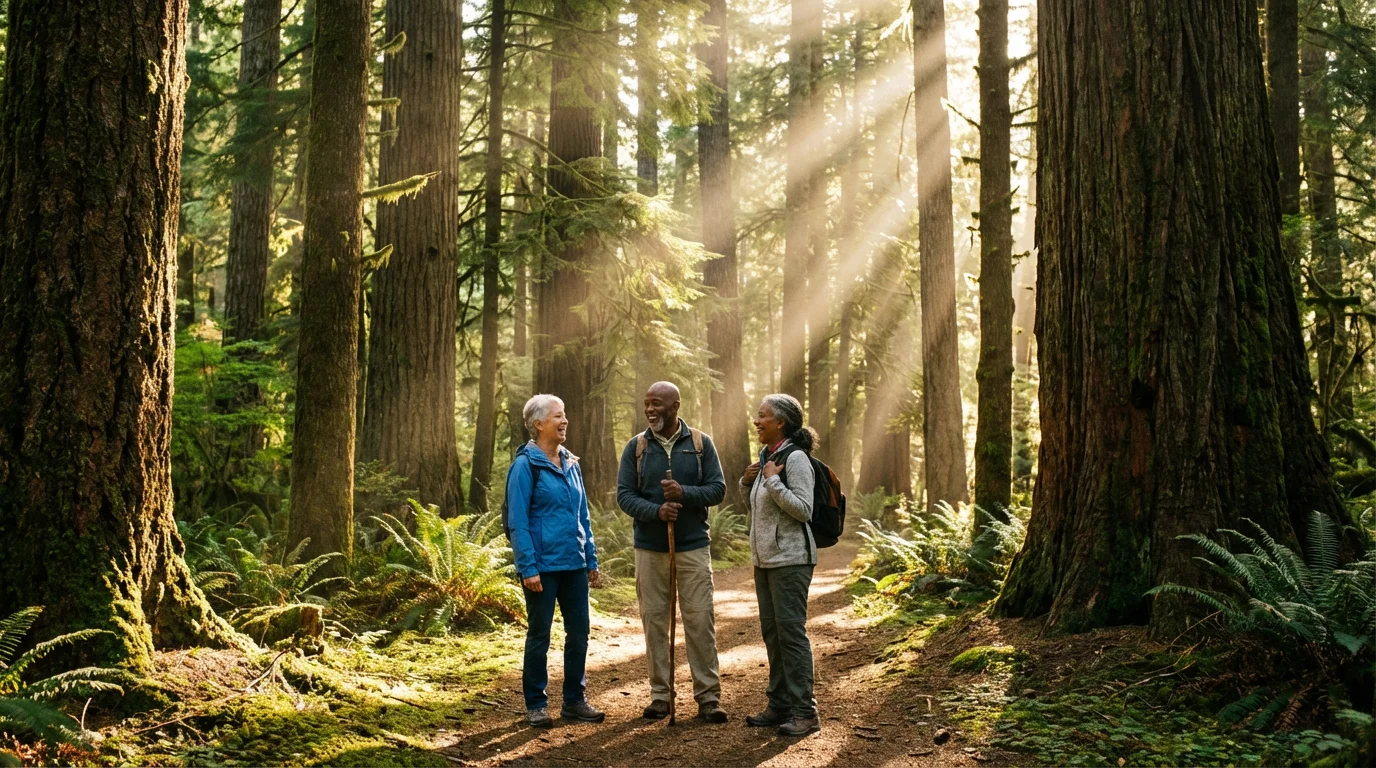
Moreover, hiking provides excellent opportunities for social interaction. I’ve even convinced two of my “Florida family” friends, Carol and Martha, to join me on some of our shorter walks.
It’s transformed what could be an individual activity into a shared experience. These connections combat feelings of isolation, enriching my retirement with meaningful relationships and shared adventures. Many communities offer specific hiking groups, creating a supportive and encouraging environment.
Here are key benefits I’ve personally gained from regular hiking:
- Improved cardiovascular health and endurance.
- Strengthened muscles and bones, reducing osteoporosis risk.
- Enhanced balance and coordination, minimizing fall risk.
- Reduced stress and improved mood due to nature exposure.
- Better sleep quality and increased energy levels.
- Stimulated cognitive function and mental clarity.
- Opportunities for social connection and community building.
- A sense of accomplishment and exploration.
Prioritizing Your Health: Consult Your Doctor
Now, before you lace up those shoes, let’s talk about something really important. Before I embarked on any new physical activity, especially hiking, Bill made sure I consulted my healthcare provider. He’s always so methodical about these things, and he was absolutely right.
This crucial step ensures that hiking aligns with your current health status and any existing medical conditions. It just gives you that peace of mind.
Ensuring you have the right healthcare coverage by choosing a Medicare plan that supports preventive care is also essential for maintaining your vitality.
My doctor here in Sarasota was wonderful. She assessed my fitness level, discussed any potential limitations I might have, and offered personalized recommendations.
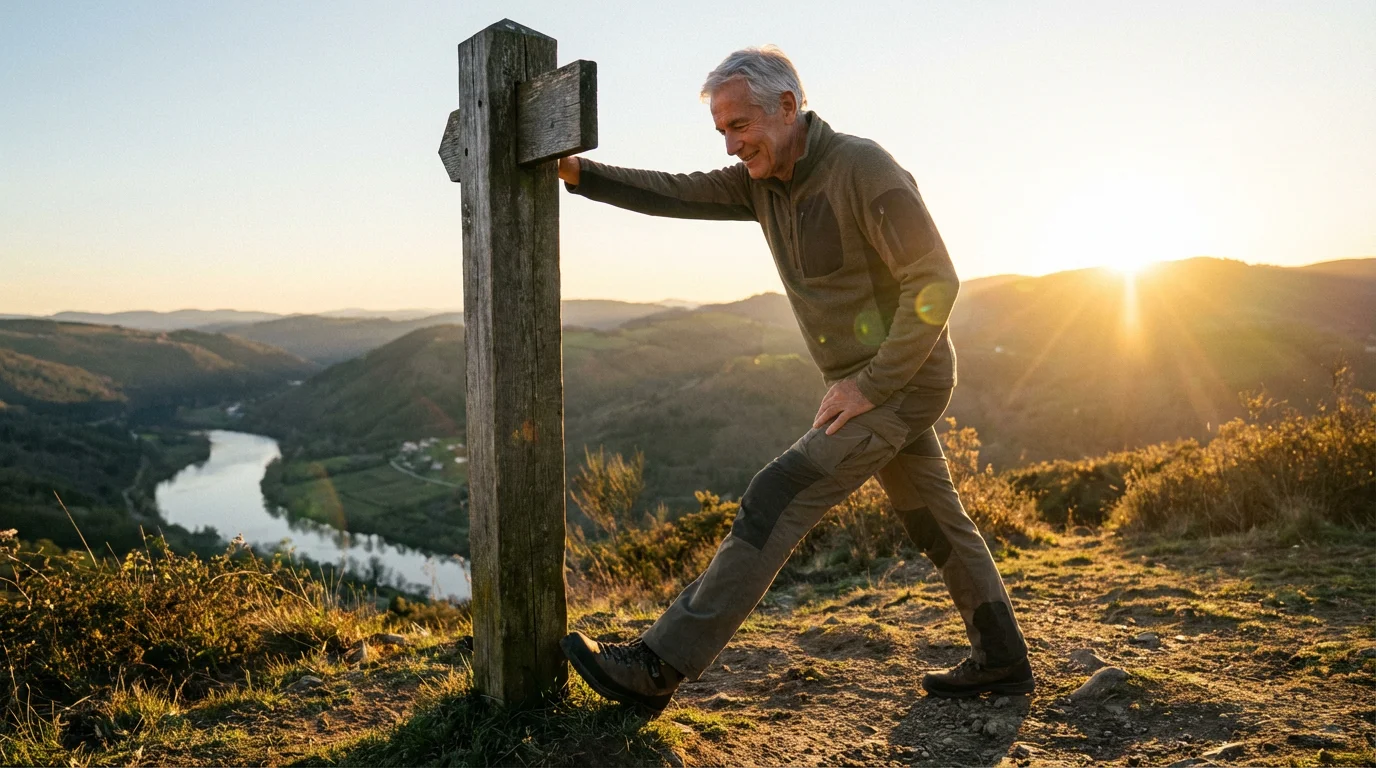
She even suggested a few specific warm-up exercises to ensure my hiking experiences would be safe and beneficial. We talked about my knees – after 36 years on my feet in the library, they’ve earned a little extra care!
This proactive approach really set a solid foundation for enjoyable and injury-free hiking throughout my retirement years.
Essential Gear for Comfortable and Safe Hiking
Having the right gear significantly enhances your hiking comfort, safety, and overall enjoyment. I learned this the hard way on one of our first walks here in Florida, wearing my old walking shoes! Investing in a few key items makes a substantial difference, particularly for us retirees.
This focus on gear is also a perfect time to consider downsizing your wardrobe, something Bill was a big proponent of when we moved from our 2,400 sq ft colonial on Elmwood Drive. He said, “Dorothy, we need versatile, high-quality pieces!” And for hiking, he was absolutely right.
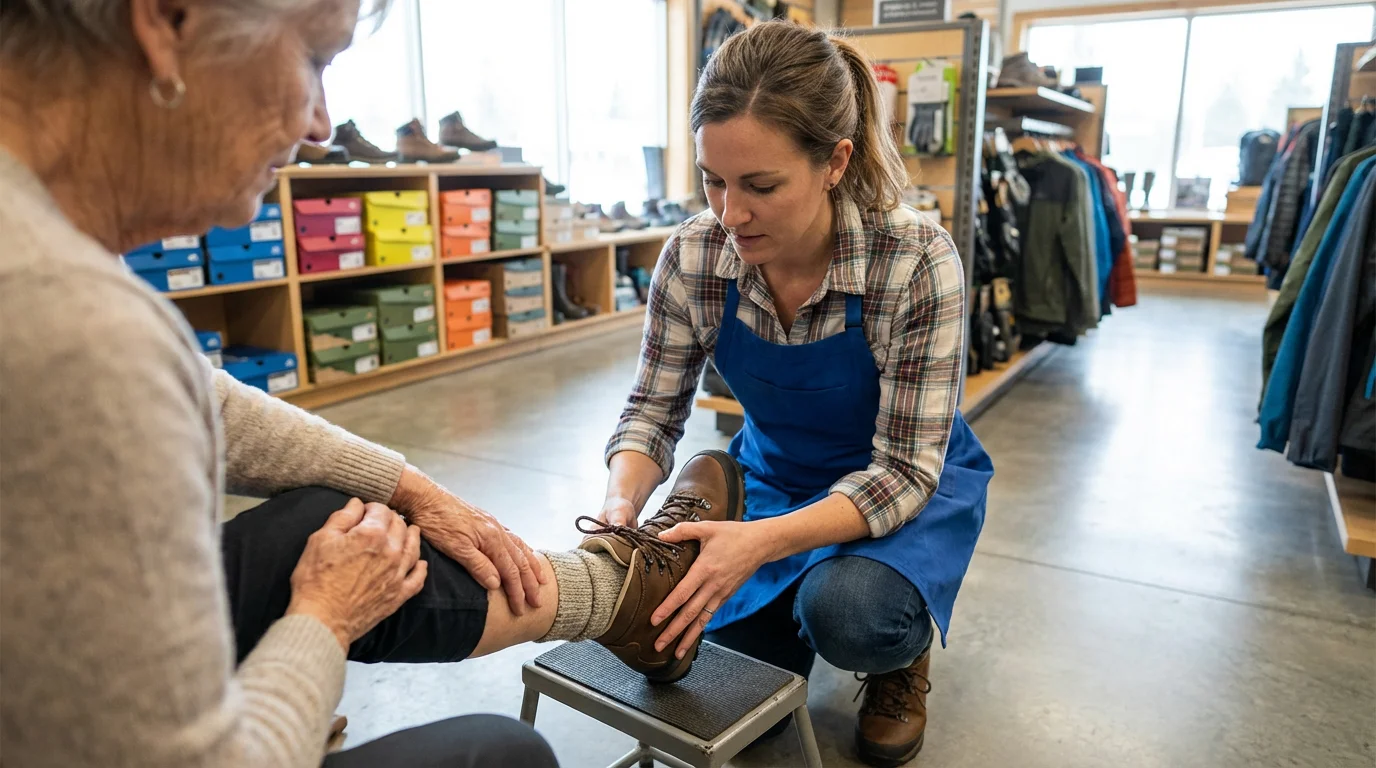
Your footwear stands as the most critical piece of equipment. I remember going to a specialized outdoor store, and they measured my feet and helped me find comfortable hiking shoes with good ankle support.
It felt like getting fitted for a ball gown, but for my feet! Properly fitting shoes prevent blisters and provide stability on uneven surfaces, which is a blessing on those root-filled paths.
Layered clothing is another fundamental principle. Even in Florida, the mornings can be cool, and then it warms up quickly. I always wear moisture-wicking fabrics close to my skin and bring a light jacket.
This system allows you to adapt to temperature fluctuations easily. Bill, of course, has a whole spreadsheet for what to wear based on temperature and humidity, but I just try to be practical!
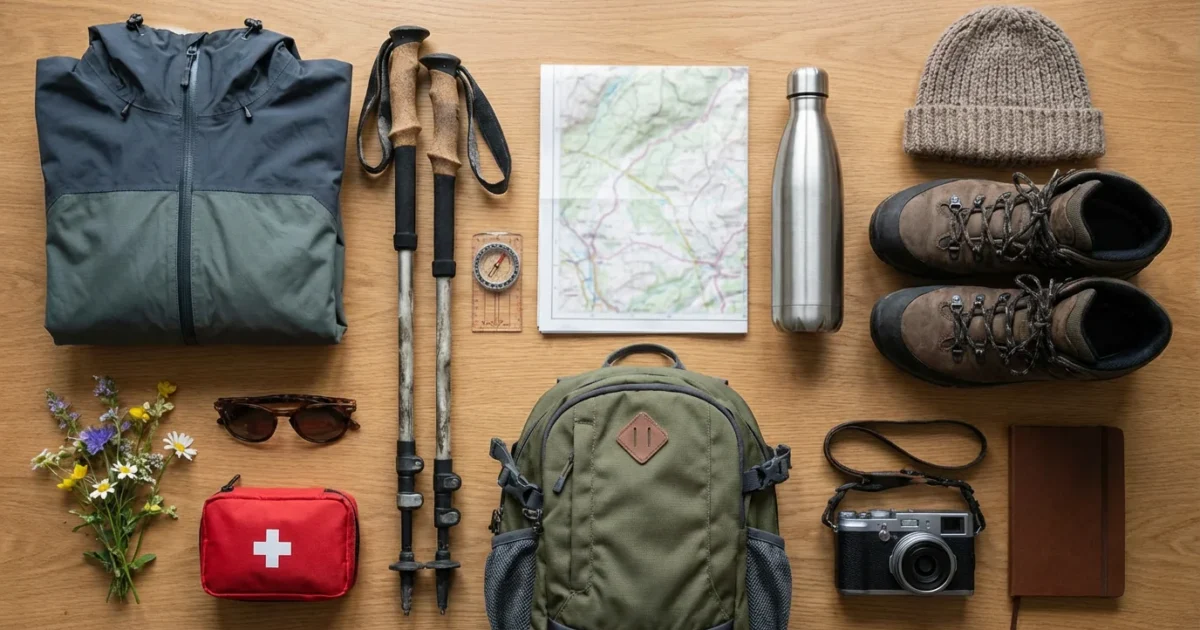
Consider the following essential items for your hiking outings:
- Supportive Footwear: Hiking shoes or boots with good arch support, traction, and ankle stability.
- Moisture-Wicking Socks: Prevent blisters and keep feet dry. Wool or synthetic blends work best.
- Layered Clothing: Base layer, insulating mid-layer, and waterproof/windproof outer shell.
- Small Backpack: To carry water, snacks, first-aid, and extra layers.
- Water Bottle or Hydration Pack: Staying hydrated is paramount, especially for older adults.
- Snacks: Energy bars, fruit, or nuts provide sustained energy.
- First-Aid Kit: Include bandages, antiseptic wipes, pain relievers, and any personal medications.
- Navigation Tools: A charged phone with GPS, a map, and a compass (know how to use them).
- Sun Protection: Hat, sunglasses, and sunscreen.
- Whistle: For emergencies, to signal for help.
- Headlamp or Flashlight: Even if you plan to finish before dark, unexpected delays can occur.
- Trekking Poles: Offer stability, reduce strain on joints, and help navigate varied terrain. Many seniors find these invaluable.
Finding the Safest Hiking Trails for Seniors
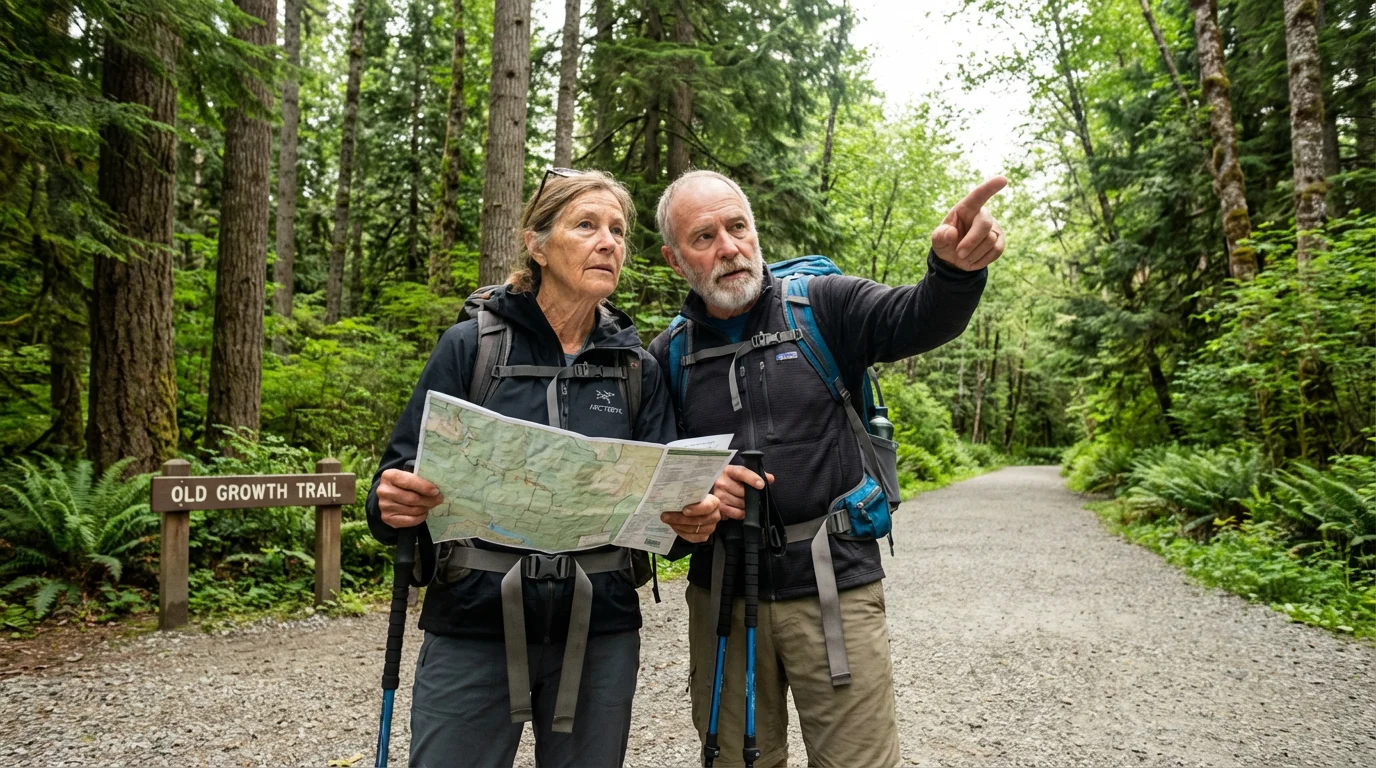
Choosing appropriate trails is absolutely key to ensuring safe and enjoyable hiking experiences. I’ve learned that not all trails are created equal, and understanding how to assess their suitability for my fitness level is crucial.
We want to prioritize safety and accessibility, especially since I’m not as nimble as I was chasing kids around the library!
For Bill and me, choosing Hawthorn Ridge, our 55+ community in Sarasota, Florida, near extensive park systems, has made accessing these safe trails a convenient part of daily life. It’s one of the things Bill was right about, even if I resisted the move for a year!
I always start by researching local and state parks, national forests, and nature preserves in our area. Many of these organizations provide detailed trail maps and descriptions online. I look for trails specifically designated as “easy” or “beginner-friendly.”
These often feature relatively flat terrain, wider paths, and fewer obstacles, which is perfect for a leisurely morning walk with my friends.
When evaluating potential trails, I pay attention to these factors:
- Trail Length: Begin with shorter trails, perhaps 1-2 miles, and gradually increase your distance as your stamina improves.
- Elevation Gain: Opt for trails with minimal elevation changes. Steep inclines and descents can strain joints and increase fall risk.
- Surface Type: Look for well-maintained paths that are smooth and wide. Avoid trails with excessive roots, rocks, or loose gravel until you gain more confidence and balance.
- Accessibility Information: Some parks provide specific details on accessible trails, which often have paved or compacted surfaces suitable for mobility aids, making them excellent choices for seniors.
- Shade and Shelter: Especially during warmer months, trails with ample tree cover offer welcome relief from the sun.
- Rest Areas/Benches: Trails with periodic benches allow for comfortable breaks, which are important for managing fatigue.
- Cell Service: While not always available, trails with at least some cell service offer an added layer of safety in emergencies.
Websites like AllTrails, national park service sites, and local government parks and recreation pages often include user reviews and photos that provide additional insights into trail conditions. Reading these reviews from other hikers helps me gauge the difficulty and accessibility accurately.
Remember, the goal is to enjoy nature without unnecessary risks. “Where are the safest hiking trails for us?” is a common question among my friends, and the answer often lies in thorough research and starting simple.

Preparing Your Body for the Trail: Senior Fitness Tips
Effective physical preparation makes my hiking adventures more comfortable and certainly reduces the risk of injury. I’m certainly not an elite athlete – my biggest physical challenge used to be reaching the top shelf in the library!
But consistent effort in building strength, flexibility, and endurance pays off significantly on the trail. It means I can keep up with Bill, and more importantly, keep up with Lily and Noah when they visit!
On days I’m not on the trails, participating in community gardening (I’ve found a wonderful little plot here, though it’s not my Columbus garden) is another rewarding way to maintain my strength and enjoy the outdoors.
I try to integrate a balanced exercise routine into my weekly schedule, focusing on components that directly support hiking.
The National Institute on Aging emphasizes the importance of a well-rounded exercise program that includes endurance, strength, balance, and flexibility for older adults. “How can I prepare for hiking?” I asked myself, and it really involves a multi-faceted approach.
Consider these activities I’ve found helpful to build my fitness for hiking:
- Walking: Regularly walk in your neighborhood, gradually increasing distance and pace. Incorporate varied terrains like gentle hills if available.
- Strength Training: Focus on leg and core strength. Exercises like squats (using a chair for support), lunges, calf raises, and glute bridges build the power you need for ascents and descents. Use light weights or resistance bands.
- Balance Exercises: Practice standing on one foot (holding onto support), heel-to-toe walking, and tai chi. Improved balance directly reduces your fall risk on uneven trails.
- Flexibility and Stretching: Regular stretching improves your range of motion and helps prevent muscle stiffness. Focus on hamstrings, quadriceps, calves, and hips. Incorporate gentle yoga or dedicated stretching sessions.
- Stair Climbing: If possible, climbing stairs provides excellent training for inclines encountered on trails.
I’ve learned to start slowly and progressively increase the intensity and duration of my workouts. Listening to my body and allowing for adequate rest and recovery is key. Consistency, rather than intense bursts, yields the best results for long-term fitness.
I always remember to warm up before exercising and cool down with stretches afterward – my watercolor painting hands appreciate it!
On the Trail: Safety and Enjoyment Strategies
Once I’m on the trail, a few key practices ensure my safety and maximize my enjoyment of the experience. Being mindful of my surroundings and my physical state allows for a stress-free outing.
Bill is usually my hiking buddy, so he always knows my plans, but if I’m out with my Florida family, I always make sure someone knows where I’m going and when I expect to be back. This “tell a trusted person” rule is a simple yet critical safety measure.
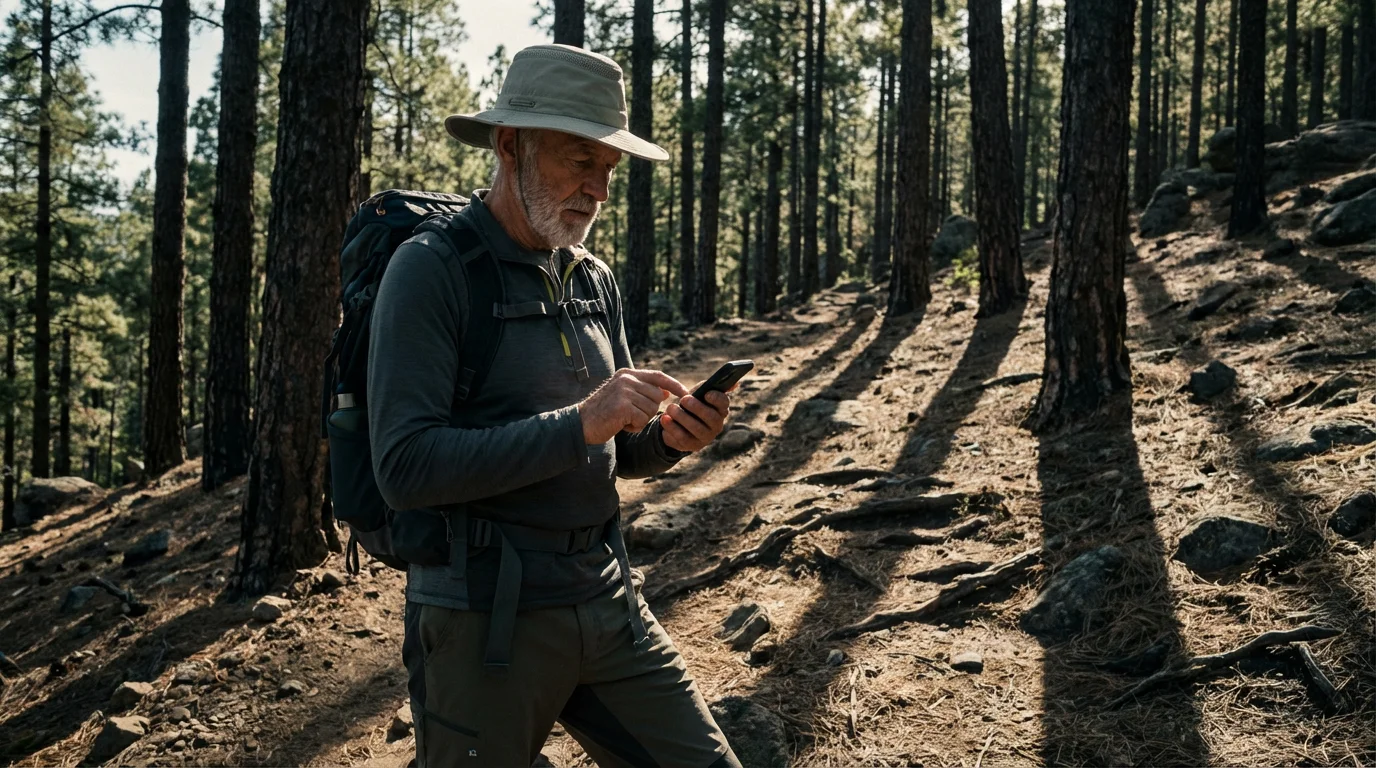
I always carry a fully charged cell phone, but I’ve learned not to rely solely on it, as signal can be spotty in some of the more beautiful, remote areas.
I prioritize hydration and nutrition throughout my hike. I take regular sips of water, even if I don’t feel thirsty. And I always pack a little snack – maybe some nuts or a piece of fruit – to maintain my energy levels.
Dehydration and low blood sugar can quickly lead to fatigue and impair judgment, and I want to be alert enough to spot a pretty bird for my watercolor inspirations!
I follow these on-trail safety and enjoyment tips:
- Stay Hydrated: Drink water frequently, before you feel thirsty.
- Eat Snacks: Keep your energy up with easily digestible snacks.
- Pace Yourself: Walk at a comfortable speed. Do not feel pressured to keep up with others. Take breaks as needed.
- Watch Your Footing: Be mindful of roots, rocks, and uneven terrain. Use trekking poles for added stability.
- Stay on Marked Trails: Wandering off-trail can lead to getting lost, damaging fragile ecosystems, or encountering hazards.
- Be Aware of Weather Changes: Check the forecast before you go and be prepared for sudden shifts. Turn back if conditions become unsafe.
- Communicate: If hiking with a group, communicate any discomfort or need for a break.
- Respect Wildlife: Observe animals from a distance. Do not feed them.
- Leave No Trace: Pack out everything you pack in. Protect the natural beauty for others.
- Know Your Limits: It is always acceptable to turn back if you feel tired, unwell, or the trail becomes too challenging. There will always be another day to hike.
I really try to embrace the journey, not just the destination. I’ve learned to stop often to admire the views, listen to the sounds of nature, and breathe deeply. These quiet moments are what make hiking truly enriching, and they’ve helped me feel so much more settled here in Florida.
Beyond the Basics: Enhancing Your Hiking Experience
As I’ve gained confidence and experience, I’ve found so many ways to deepen my enjoyment and engagement with hiking. Retirement truly offers the time to turn something like this into a cherished passion.
Sometimes, when I see a particularly beautiful sunset over the marsh, I even think about writing a little poem about it, just like I’ve been exploring creative writing lately.
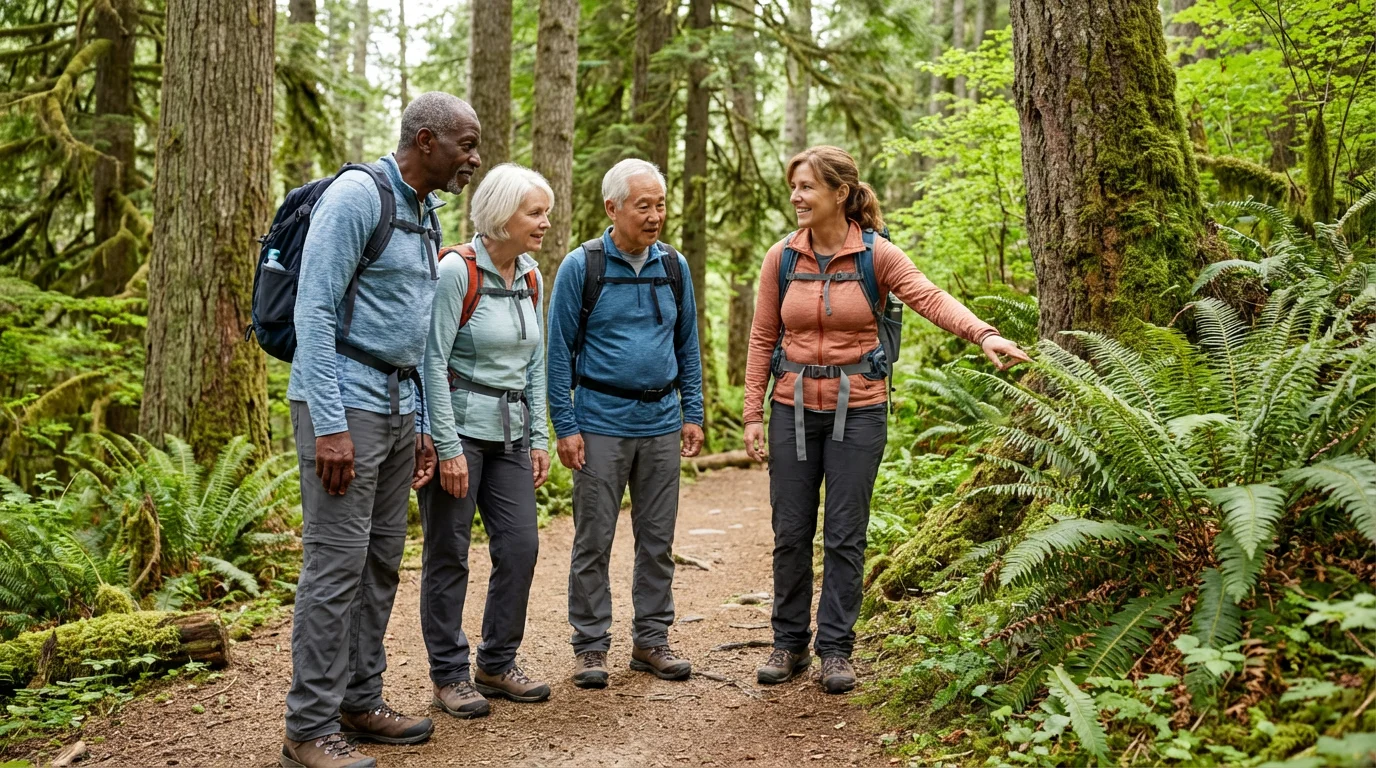
I’ve considered joining a guided nature walk here at Hawthorn Ridge, or maybe a senior hiking club. These groups provide camaraderie, safety in numbers, and often feature experienced leaders who share insights about local flora and fauna.
My friends Carol and Martha and I often point out different birds we see – it’s like our own little nature club!
I love to embrace lifelong learning by identifying plants, birds, or geological features during my hikes. I even have a little nature identification app on my phone! This intellectual engagement adds another layer of enjoyment to my outdoor adventures, transforming a simple walk into a discovery expedition.
It’s a bit like being back in the library, but outside!
I also look for opportunities to combine hiking with other interests. Perhaps you enjoy photography; hiking provides endless scenic backdrops. For me, it’s finding inspiration for my watercolor painting.
The colors of the sky, the textures of the trees – it’s all so beautiful. Or you might find satisfaction in volunteering for trail maintenance, giving back to the natural spaces you enjoy. VolunteerMatch can help you find local conservation groups seeking assistance.
Bill and I have even started thinking about diversifying our hiking locations. Once I’m comfortable with our local trails, we might consider exploring state or national parks further afield. Each new location offers unique landscapes and challenges, keeping our adventures fresh and exciting.
We always remember to research specific park regulations and trail conditions before visiting – Bill makes sure of that!
My hiking journey is a personal one. I’m letting it evolve with my interests and abilities, continually opening new paths to active aging and natural wonder. It’s truly helped me appreciate this new chapter of life.
Frequently Asked Questions
What are the best types of hiking trails for beginners in retirement?
From my experience, beginners should seek out trails classified as “easy” or “gentle” by park services. These typically feature flat or gently rolling terrain, wide and well-maintained paths, and minimal obstacles like roots or rocks.
I always look for shorter loops, usually 1 to 3 miles, and trails with frequent benches or rest stops – perfect for catching my breath or just enjoying the view. Our local botanical gardens here in Sarasota have some ideal paths for starting out, even for those of us who miss our old gardens!
How often should seniors hike to see health benefits?
Well, the CDC recommends aiming for at least 150 minutes of moderate-intensity aerobic activity per week for significant health benefits. For me, this translates to two to three hikes of 45-60 minutes each, combined with other activities like my daily walks around Hawthorn Ridge.
I’ve found that consistency is so much more important than trying to do too much too soon. I just gradually increase the frequency and duration as my stamina improves.
What should I do if I get tired or experience pain on a hike?
This is a really important one. If I ever feel tired or experience discomfort, I stop immediately. I rest, hydrate, and assess how I’m feeling. If the pain persists or worsens, I know it’s time to turn back or call for assistance if necessary.
I’ve learned not to push through significant pain, as it can lead to injury – and that would mean missing out on grandchild visits! It’s always wise to carry a fully charged phone and let someone know your itinerary before you head out.
Are trekking poles really necessary for senior hikers?
While not strictly “necessary” for everyone, I’ve found trekking poles to be incredibly helpful. They provide excellent stability, help me maintain balance on uneven terrain, and really reduce stress on my knees and hips during those occasional ascents and descents.
Bill insists they’re a “force multiplier” for stability, and I have to admit, they give me a significant boost in confidence and comfort, allowing me to enjoy longer and more varied trails safely. I even got a pair that matches my new hiking shoes!
How can I find hiking groups specifically for seniors?
You can find groups through several avenues. I’d suggest checking with your local senior center, community recreation department, or area parks and recreation services; many offer guided walks or hiking clubs.
Our community, Hawthorn Ridge, has a walking club that sometimes goes on short hikes. Online platforms like Meetup or local hiking forums often list groups by activity level and age range.
Additionally, some organizations like AARP or local chapters of national hiking clubs may have specific programs for older adults. It’s a wonderful way to meet new people and share the beauty of nature!
Disclaimer: This article is for informational purposes only and does not constitute medical advice. Before starting any new exercise program or making significant changes to your activity level, please consult with your healthcare provider, especially if you have chronic health conditions or concerns about physical limitations.








Leave a Reply