
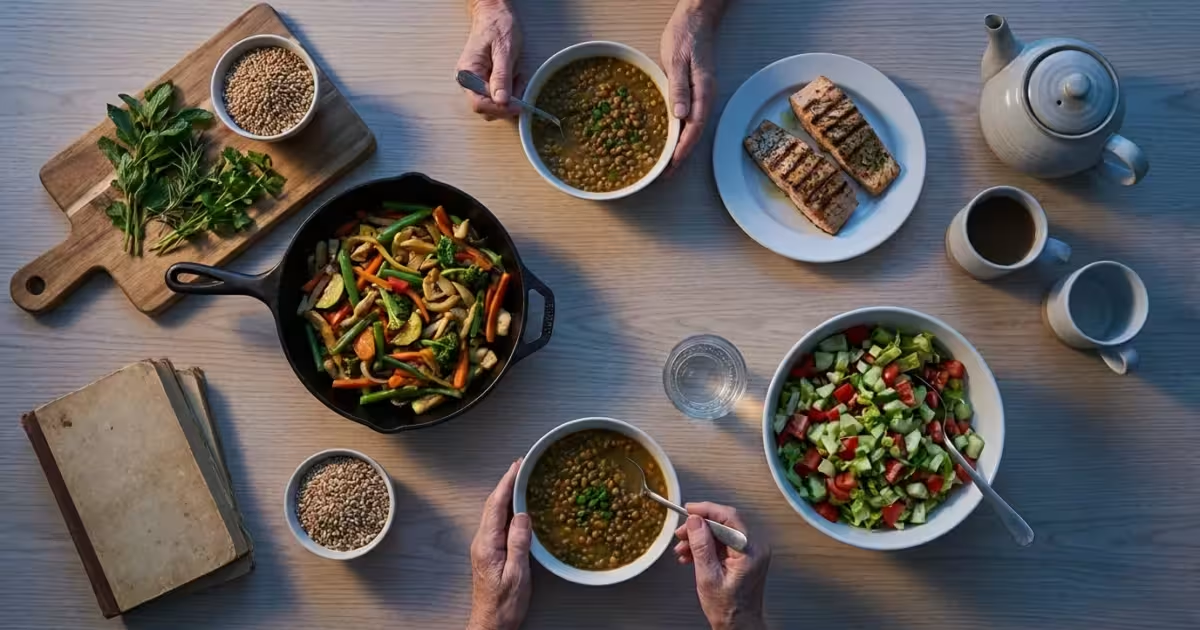
Embracing this wonderful chapter of retirement means truly cherishing our health and vitality. For me, a cornerstone of living the active, engaged life Bill and I now enjoy is nourishing our bodies with delicious, healthy food.
I’ve learned that we have the power to transform our kitchen, even our smaller one here in Hawthorn Ridge, into a hub of wellness, creating meals that delight our taste buds and support our physical and mental well-being.
This guide is filled with practical strategies and flavorful recipes to make healthy eating both easy and enjoyable. I hope you’ll discover, just as I have, how even small changes in your cooking habits can lead to significant improvements in your energy levels and overall health, helping you thrive through every single day.
Why Healthy Eating Matters More Than Ever
I’ve certainly noticed that my body’s nutritional needs have changed since I retired in 2022. Healthy eating has become a crucial factor in maintaining my energy for my watercolor classes (even if I’m not very good!), supporting my cognitive function so I can remember all my grandchildren’s stories, and helping to prevent any new health issues.
Prioritizing nutritious meals truly helps Bill and me live life to its fullest, actively participating in all the activities we love here in Hawthorn Ridge.
We’ve found that choosing the right location for our retirement made it much easier to access fresh, local ingredients.
Proper nutrition strengthens our immune system, making us more resilient against illness. It also plays a significant role in bone health, muscle maintenance, and managing conditions like diabetes and heart disease.
I truly feel like we’re investing in our independence and quality of life with every wholesome meal we prepare. It’s certainly helped me feel more energetic now than I did even a few years ago back in Columbus.
Essential Nutrients for Us: Our Dietary Blueprint
Understanding which nutrients are most vital helps Bill and me craft balanced meals. Bill, with his civil engineer’s mind, actually researched this quite a bit when he first retired in 2021, and he’s taught me a lot!
We focus on a diverse array of foods to ensure we get everything our bodies need. This approach forms our personal dietary blueprint for vitality, and it’s certainly helped us stay active enough for his pickleball and my walks to the pool.
In addition to dietary changes, incorporating gentle movement like Tai Chi can further support the muscle maintenance and balance needed for physical health.
Here are key nutrients we prioritize in our healthy eating plan:
- Protein: Crucial for maintaining muscle mass and strength, which naturally declines with age. We include lean meats, poultry, fish, eggs, dairy, beans, and lentils.
- Fiber: Supports digestive health, helps regulate blood sugar, and promotes a feeling of fullness. I find it in fruits, vegetables (I still miss my big garden in Columbus, but the farmer’s market here is wonderful!), whole grains, nuts, and seeds.
- Calcium and Vitamin D: Essential for strong bones and preventing osteoporosis. Dairy products, fortified plant milks, leafy greens, and fatty fish are excellent sources.
- Vitamin B12: Important for nerve function and red blood cell production, its absorption can decrease with age. We look for fortified foods or supplements as advised by our doctor.
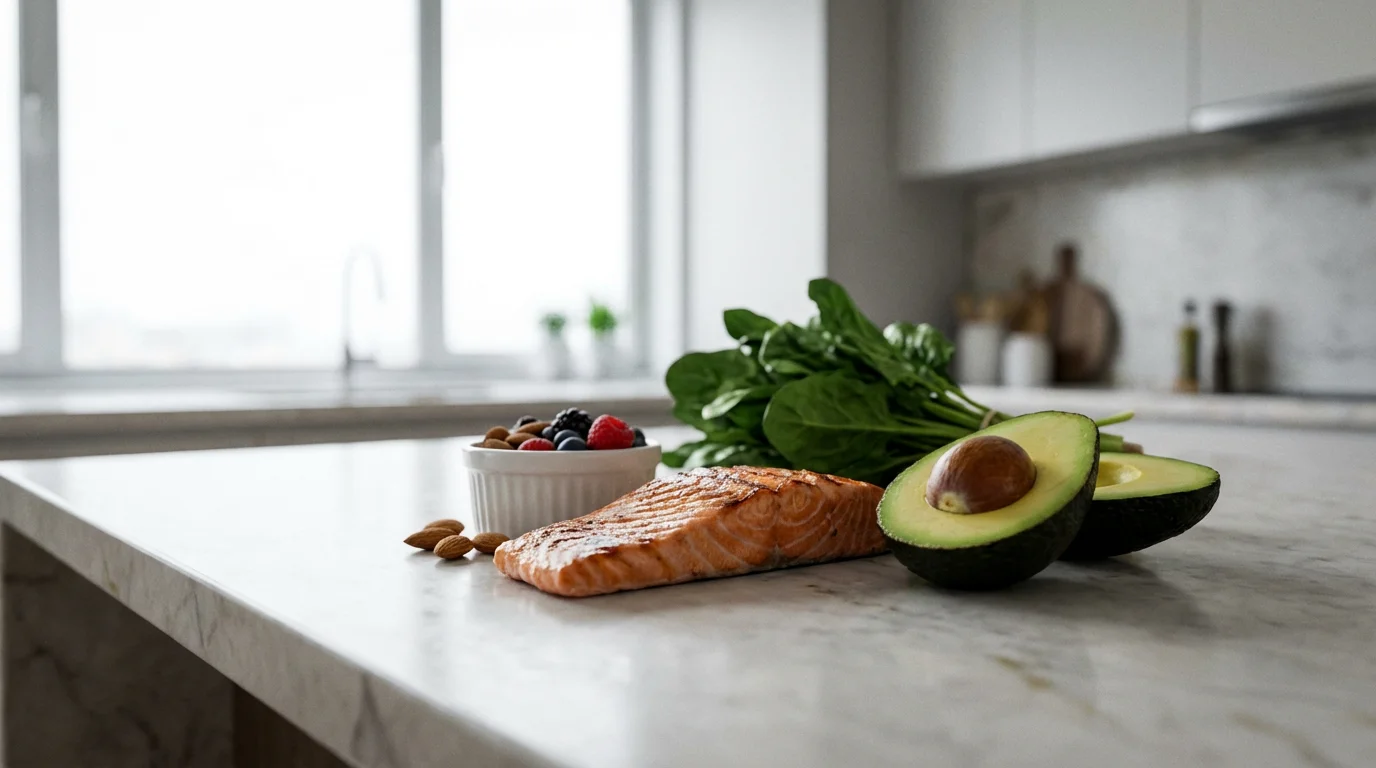
- Potassium: Helps maintain fluid balance and blood pressure. Bananas, potatoes, spinach, and avocados are rich sources.
- Omega-3 Fatty Acids: Supports heart health and brain function. Fatty fish like salmon, flaxseeds, and walnuts provide these beneficial fats.
A balanced diet for us isn’t about strict restrictions, but about making informed choices that empower our health. We embrace the variety of foods available to nourish our bodies effectively, especially now that Bill has become such an unexpectedly good cook!
Simplifying Healthy Cooking: Practical Tips for Our Kitchen
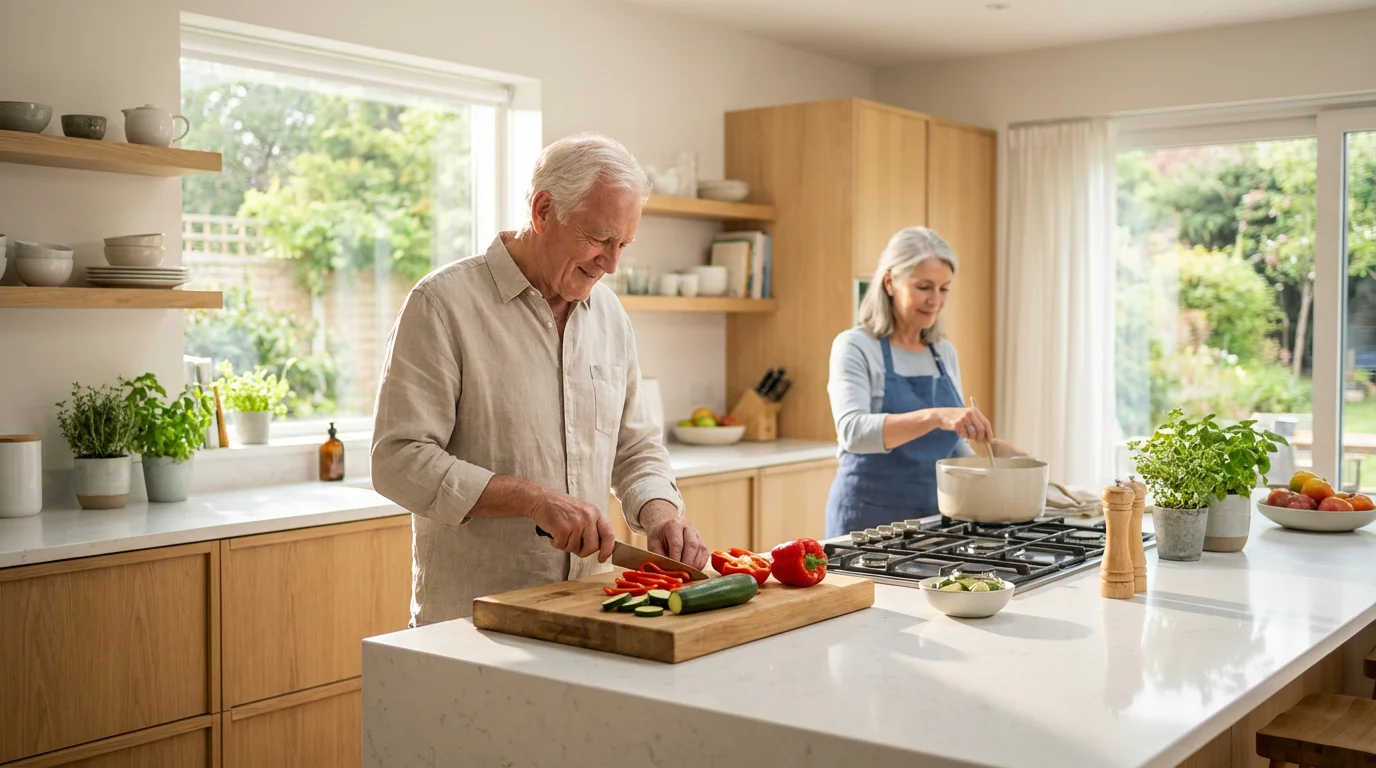
Oh, believe me, I am certainly not a gourmet chef! Most of my cooking for 44 years on Elmwood Drive was about getting dinner on the table for three hungry kids. But Bill, bless his heart, has become quite the cook since he retired, and he’s shown me that many simple strategies make healthy cooking accessible and enjoyable.
We’ve certainly had to learn to cook differently in our smaller kitchen here at Hawthorn Ridge, and it’s been a fun adventure! Incorporate these tips into your routine for stress-free meal preparation.
Streamlining our workspace by creating a functional downsized kitchen has definitely made the cooking process much more efficient and enjoyable for daily meal prep.
- Plan Ahead: Bill is a master at this. He dedicates some time each week to plan our meals and create a grocery list. This prevents impulse purchases of less healthy options and streamlines our cooking, which used to be a little more chaotic in our old 2,400 sq ft colonial.
- Embrace Batch Cooking: We cook larger portions of staples like grains (quinoa, brown rice), roasted vegetables, or lean protein (chicken breast) at once. We store them in individual containers for quick meal assembly throughout the week. It’s a lifesaver when the grandkids visit!
- Utilize Kitchen Gadgets: A slow cooker, air fryer, or instant pot can simplify cooking significantly. These tools often require less hands-on time and can prepare healthy meals with minimal effort. I used to think they were just for “fancy” cooks, but I was wrong!
- Stock Your Pantry Smartly: We keep healthy staples on hand. Canned beans, whole-grain pasta, frozen vegetables, herbs, spices, and olive oil form the backbone of many nutritious meals. It makes our small pantry feel much bigger.
- Focus on Fresh, Seasonal Produce: Seasonal fruits and vegetables often taste better and cost less. We incorporate them into our meals for maximum flavor and nutrients. This helps a lot when I’m missing my own garden.
- Flavor with Herbs and Spices: Bill has gotten really good at this. We reduce reliance on salt by enhancing flavors with a wide variety of herbs and spices. They add depth and complexity without excess sodium.
“Let food be thy medicine and medicine be thy food.”
This ancient wisdom really highlights the profound connection between what we eat and our overall well-being. I truly feel like I’ve taken charge of my health by making conscious choices in our kitchen, and it’s made such a difference.
Energizing Breakfasts: Start Your Day Right
Breakfast truly is the most important meal, especially for us. It jumpstarts my metabolism and provides essential energy for my morning activities, whether it’s my watercolor class, a walk to the pool to chat with my Florida family, or a visit from Lily and Noah.
Bill and I always focus on protein and fiber to keep us feeling full and satisfied until lunch.
A good breakfast provides the sustained energy I need for exploring local hiking trails with Bill on the weekends.
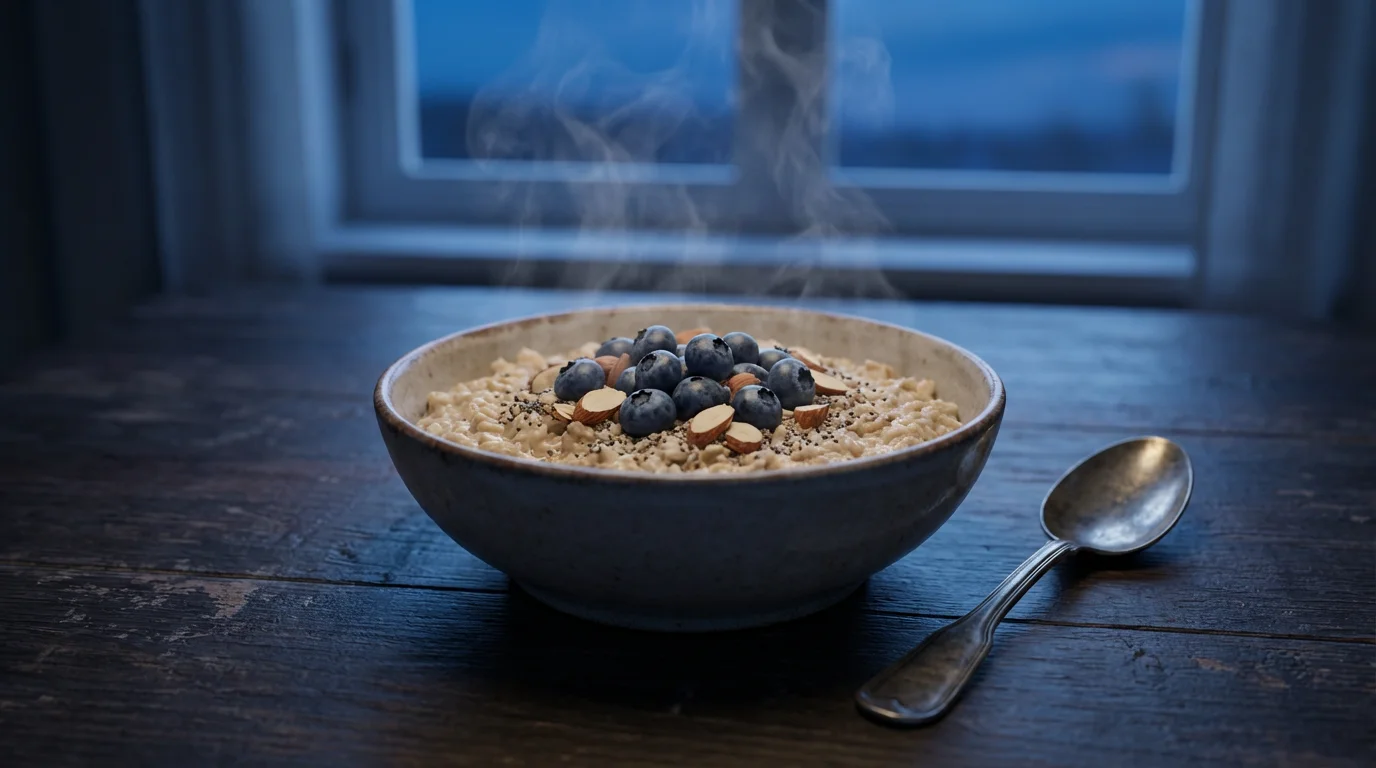
Recipe Idea: Berry Blast Oatmeal with Nuts
This breakfast combines complex carbohydrates, fiber, protein, and antioxidants for sustained energy and a delicious start. I often make a big batch on Sunday mornings after I’m done baking, so Bill and I have it ready for a few days.
Ingredients:
- 1/2 cup old-fashioned rolled oats
- 1 cup water or unsweetened almond milk
- 1/2 cup mixed berries (fresh or frozen)
- 1 tablespoon chopped walnuts or almonds
- 1 teaspoon chia seeds (optional, for extra fiber and omega-3s)
- A pinch of cinnamon
Instructions:
- Combine oats and water/milk in a small saucepan.
- Bring to a boil, then reduce heat and simmer for 5-7 minutes, stirring occasionally, until oats are creamy.
- Remove from heat and stir in mixed berries, nuts, chia seeds, and cinnamon.
- Let sit for a minute to allow frozen berries to warm through, if using.
- Serve warm and enjoy your nutritious meal.
You can easily customize this recipe with different fruits, seeds, or a drizzle of maple syrup for a touch of sweetness. Prepare overnight oats for an even quicker morning routine.
Satisfying Lunches: Quick, Nutritious, and Delicious
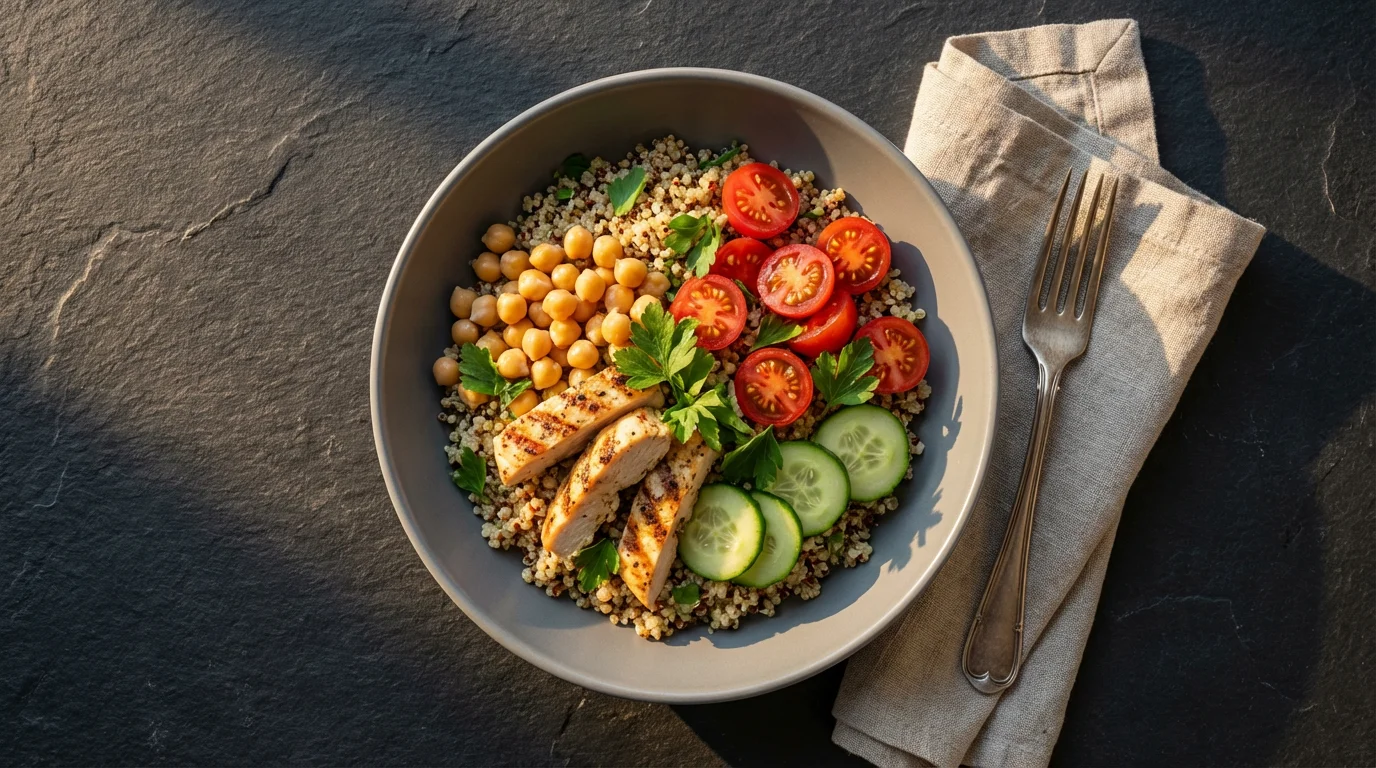
Lunch for us needs to provide a sustained energy boost without weighing us down, especially if Bill has pickleball or I’m heading out to the clubhouse. We aim for a balance of lean protein, whole grains, and plenty of vegetables.
These recipes keep us active and engaged throughout the afternoon, ready for whatever Hawthorn Ridge throws our way!
Recipe Idea: Speedy Salmon & Avocado Salad
This light yet filling salad delivers healthy fats, protein, and vitamins. It is perfect for a quick and healthy midday meal, and it’s a favorite of Bill’s when he comes home from volunteering at the food bank on Thursdays.
Ingredients:
- 1 can (5 oz) wild-caught salmon, drained and flaked
- 1/2 ripe avocado, diced
- 1/4 cup chopped cucumber
- 2 tablespoons red onion, finely diced
- 1 tablespoon fresh dill, chopped (or 1/2 teaspoon dried)
- 1 tablespoon olive oil
- 1 tablespoon lemon juice
- Salt and pepper to taste
- Mixed greens or whole-grain crackers for serving
Instructions:
- In a medium bowl, gently combine the flaked salmon, diced avocado, cucumber, red onion, and fresh dill.
- In a separate small bowl, whisk together the olive oil, lemon juice, salt, and pepper.
- Pour the dressing over the salmon mixture and toss gently to combine.
- Serve immediately over a bed of mixed greens or with whole-grain crackers.
This salad is incredibly versatile. You can add cherry tomatoes, bell peppers, or even a sprinkle of feta cheese for extra flavor and texture. It is a fantastic option for how we can cook healthy meals easily.
Wholesome Dinners: Comfort and Health on Our Plate
Dinner is an opportunity for Bill and me to enjoy a hearty, nutritious meal that promotes restful sleep and supports overnight repair. We focus on balanced macronutrients and ample vegetables.
Our bodies certainly thank us for these wholesome choices, especially after a busy day. It’s truly a joy to see Bill, the former civil engineer, put so much care into making delicious dinners for us every night!
Nutritious dining is often a social highlight for those living in active adult communities like ours, where shared healthy meals are common.
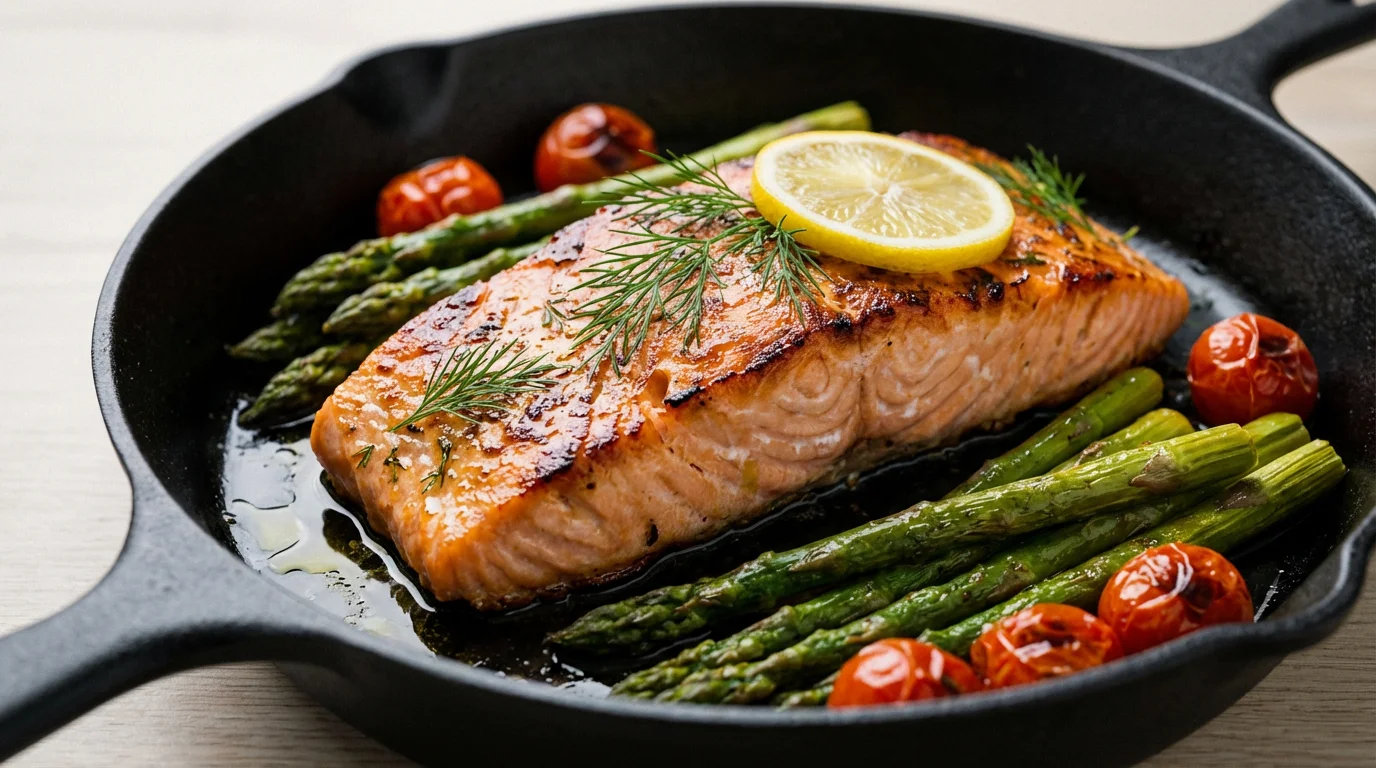
Recipe Idea: One-Pan Lemon Herb Chicken & Roasted Vegetables
This incredibly simple one-pan meal minimizes cleanup and maximizes flavor. It provides lean protein and a colorful array of vitamins and minerals. Bill makes this one all the time, and it’s always a hit!
Ingredients:
- 1 boneless, skinless chicken breast, cut into 1-inch pieces
- 1 cup broccoli florets
- 1 cup chopped bell peppers (any color)
- 1/2 cup chopped zucchini
- 1 tablespoon olive oil
- 1 lemon, half sliced, half juiced
- 1 teaspoon dried Italian herbs
- 1/2 teaspoon garlic powder
- Salt and black pepper to taste
Instructions:
- Preheat your oven to 400°F (200°C). Line a baking sheet with parchment paper for easy cleanup.
- In a large bowl, combine the chicken pieces, broccoli, bell peppers, and zucchini.
- Drizzle with olive oil, lemon juice, Italian herbs, garlic powder, salt, and pepper. Toss well to coat all ingredients evenly.
- Spread the mixture in a single layer on the prepared baking sheet. Place lemon slices on top of the chicken and vegetables.
- Roast for 20-25 minutes, or until the chicken is cooked through and the vegetables are tender-crisp.
- Serve immediately for a complete and satisfying meal.
This healthy recipe is adaptable; feel free to swap in your favorite vegetables like asparagus, carrots, or Brussels sprouts. It is a perfect example of a nutritious and delicious meal without complicated steps, which is exactly what Bill loves!
Smart Snacking: Fueling Your Day Mindfully
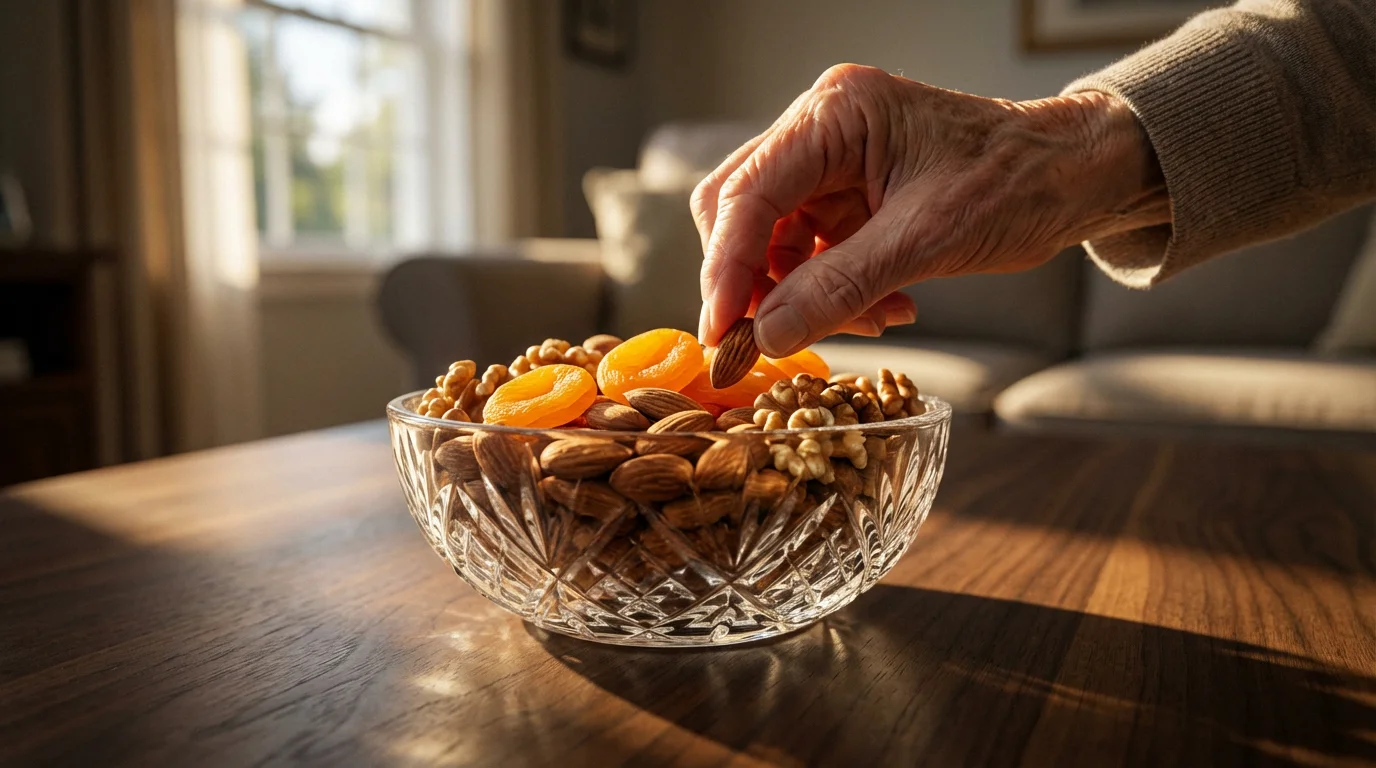
Snacks play a vital role in keeping my energy levels stable and preventing overeating at main meals. I’ve found that choosing snacks that offer nutritional benefits rather than empty calories makes a huge difference, especially when I’m working on my watercolor painting or playing with Lily and Noah.
It’s so easy to integrate smart snacking into our daily routine here.
Consider these nutritious snack options:
- A small handful of mixed nuts and seeds (almonds, walnuts, pumpkin seeds)
- Greek yogurt with a few berries or a sprinkle of cinnamon
- Apple slices with a tablespoon of peanut or almond butter
- Hard-boiled eggs for a quick protein boost
- Vegetable sticks (carrots, celery, cucumber) with hummus
- A small piece of fruit, like a banana or orange
These choices help bridge the gap between meals and provide valuable nutrients. I try to avoid highly processed snacks laden with sugar and unhealthy fats, though I’ll admit, sometimes a little cookie from my Sunday baking sneaks in!
Hydration and Meal Prep: Foundations for Success
Staying adequately hydrated is just as important as eating well, especially for Bill and me. I’ve noticed that my sense of thirst isn’t quite what it used to be, so I make a conscious effort to drink water throughout the day, especially since it’s so warm here in Sarasota.
I aim for 6-8 glasses of water daily, more if I’m active or out by the pool.
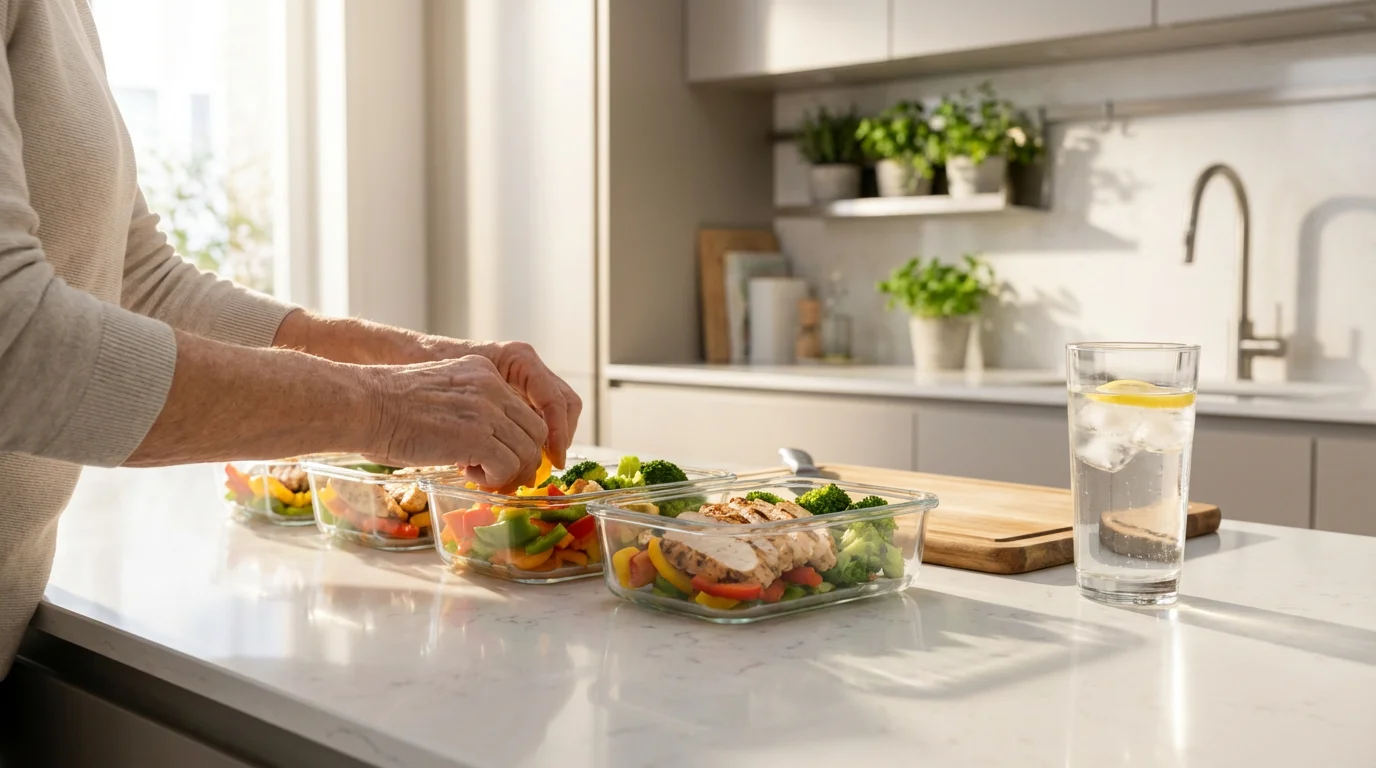
Meal preparation, or “meal prep,” truly empowers us to maintain a healthy diet consistently. Bill, with his methodical mind, actually started us on this. By dedicating a few hours each week, we set ourselves up for success.
We always have nutritious options readily available, which really reduces the temptation for less healthy convenience foods, especially on those days when we’re busy with grandkids or social activities.
Tips for Effective Meal Prep:
- Choose 1-2 recipes: We start with simple recipes that yield multiple servings.
- Wash and chop produce: Bill prepares all our vegetables for the week in advance, just like he used to organize his engineering projects!
- Cook grains: We prepare a batch of quinoa, brown rice, or farro to use in various meals.
- Roast proteins: Bill bakes a tray of chicken breasts or roasts a large piece of fish.
- Store properly: We use airtight containers to keep food fresh in the refrigerator or freezer. Labeling with dates helps track freshness.
By prioritizing hydration and adopting a meal prep routine, we’ve established strong foundations for healthy eating. These habits simplify our daily choices and truly enhance our overall well-being. For more comprehensive health and wellness guidance, you can consult resources like AARP Health & Wellness.
Frequently Asked Questions
What are some healthy recipes for us?
Healthy recipes for us focus on nutrient density, ease of preparation, and appropriate portion sizes. We love things like Berry Blast Oatmeal for breakfast, a Speedy Salmon & Avocado Salad for lunch, and a One-Pan Lemon Herb Chicken & Roasted Vegetables for dinner.
These really emphasize lean protein, whole grains, and plenty of fruits and vegetables, which keep us feeling good.
How can we cook healthy meals easily?
Bill and I have found that cooking healthy meals easily comes down to embracing meal planning, batch cooking, and using convenient kitchen appliances like our slow cooker or air fryer.
Stocking a well-organized pantry with staples like canned beans, frozen vegetables, and whole grains also simplifies the process, reducing any last-minute stress. It’s all about making it work for our new, more active lifestyle!
What are the benefits of healthy eating for us?
The benefits of healthy eating for Bill and me are extensive. It supports our muscle maintenance, strengthens our bones, boosts our immune system (which is important when the grandkids bring home sniffles!), enhances our cognitive function, and helps us manage or prevent chronic diseases like heart disease and diabetes.
Healthy nutrition directly contributes to higher energy levels and a much improved quality of life, which is exactly what we wanted in retirement.
How much protein do we need daily?
Generally, adults over 65 may need slightly more protein than younger adults to combat age-related muscle loss. A common recommendation is 0.45 to 0.55 grams of protein per pound of body weight per day.
For example, a 150-pound individual might aim for 68-83 grams daily. Bill and I always consult our doctor or a registered dietitian for personalized recommendations.
Are there specific foods we should limit or avoid?
Bill and I generally try to limit foods high in added sugars, unhealthy saturated and trans fats, and excessive sodium. Highly processed foods, sugary drinks, and deep-fried items offer minimal nutritional value and can contribute to health issues.
We focus instead on whole, unprocessed foods, though I do still enjoy my Sunday morning baking!
Disclaimer: This article is for informational purposes only and does not constitute medical advice. Before starting any new exercise program or making significant changes to your activity level, please consult with your healthcare provider, especially if you have chronic health conditions or concerns about physical limitations.









Leave a Reply