
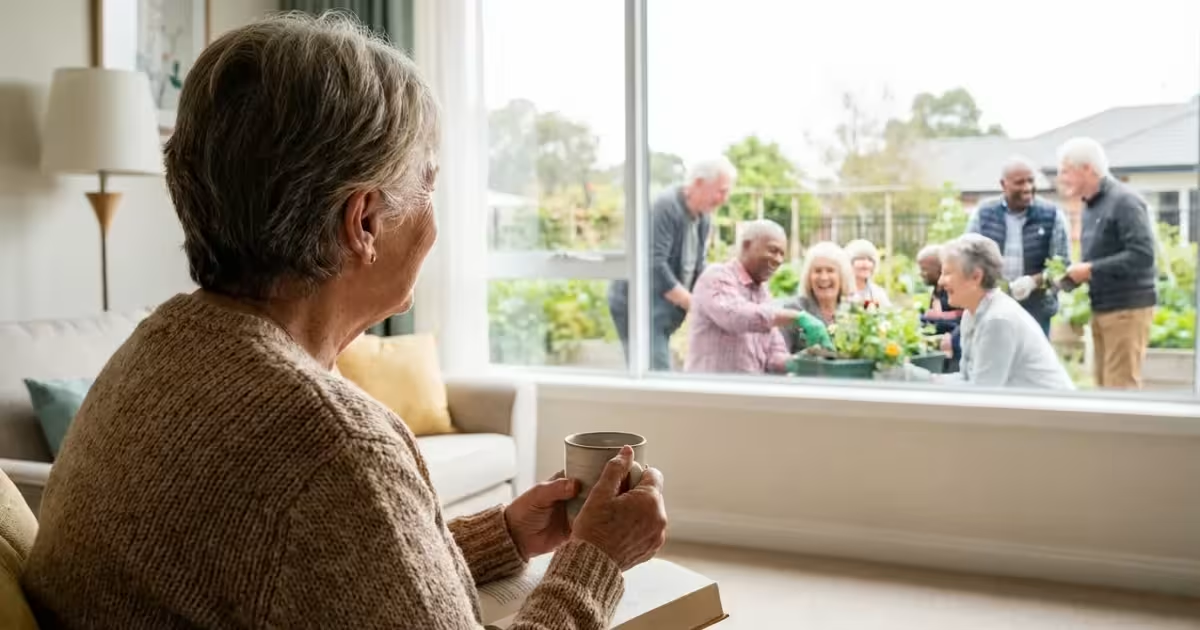
Retirement truly is a significant life transition, isn’t it? For me, leaving my elementary school library after 36 years in Columbus, Ohio, felt like stepping into a whole new world. It promised freedom and new opportunities, which sounded lovely on paper, but I quickly learned it also brought some unforeseen challenges.
One of the biggest, and one I hear about from so many friends, is the potential for loneliness and feeling socially isolated. Moving into a community like Hawthorn Ridge, our 55+ active adult community here in Sarasota, Florida, has been a unique experience, designed exactly to combat those feelings by fostering connection and belonging.
This article shares some of the strategies Bill and I, and especially I, have learned for navigating this new chapter, helping you build meaningful relationships and truly thrive in this kind of community living.
Building a vibrant social life takes intention, and believe me, I know that firsthand. Whether you’re like me, a natural talker eager to meet everyone, or you prefer quieter, deeper connections, there’s a wealth of opportunities within these communities to find your niche.
I’ll admit, when Bill first started researching 55+ communities, I wasn’t entirely convinced I needed a “built-in social life.” But I’ve since found my own wonderful “Florida family” here, and it’s made all the difference.
We’ll explore how to identify communities that align with your social goals, how to take those sometimes-daunting first steps toward engagement, and how to maintain lasting friendships while still respecting your need for personal space and privacy.
Understanding Loneliness in Retirement
When I first retired from the library in 2022, after 36 years of daily interactions with students and colleagues, I felt a quiet sort of emptiness I hadn’t expected. It wasn’t just being alone; it was that distressing feeling of being disconnected, of lacking the easy companionship I’d always taken for granted.
In our 2,400 sq ft colonial on Elmwood Drive in Columbus, it was just Bill and me, and the house felt awfully quiet without the kids and grandkids running through it.
I learned quickly that this feeling is quite common. It can happen for so many reasons – the loss of a spouse, friends moving away, or simply the reduced social interaction that comes with leaving the workplace.
Research from the National Institute on Aging highlights the serious health implications of social isolation and loneliness, correlating them with higher risks of heart disease, stroke, dementia, and even premature death.
Recognizing these feelings is the first step toward addressing them effectively. Communities like ours, designed for active adults, really do actively counter these trends by creating built-in opportunities for interaction and support.
I remember those first few months after we moved to Hawthorn Ridge in April 2023. I was still missing my garden and our old life, but I could feel the community starting to wrap around me.
It was a proactive solution, a supportive environment where I could rebuild my social network on my own terms, and I wasn’t alone in needing that. Even though I was initially so resistant to the move, I can honestly say now, it truly was what I needed.
Choosing a Community That Fosters Connection
Selecting the right community is absolutely fundamental to successfully building relationships. Bill, bless his heart, researched 55+ communities for two full years before we moved, and he built a comparison matrix with 14 variables!
While he was focused on the practicalities, I was focused on the feeling. Not all communities offer the same level of social engagement or cater to the same interests, and I knew I needed a place where I could genuinely connect.
You really should thoroughly research and visit potential communities to ensure their culture aligns with your social preferences. I found myself looking for places that felt welcoming, not just well-maintained.
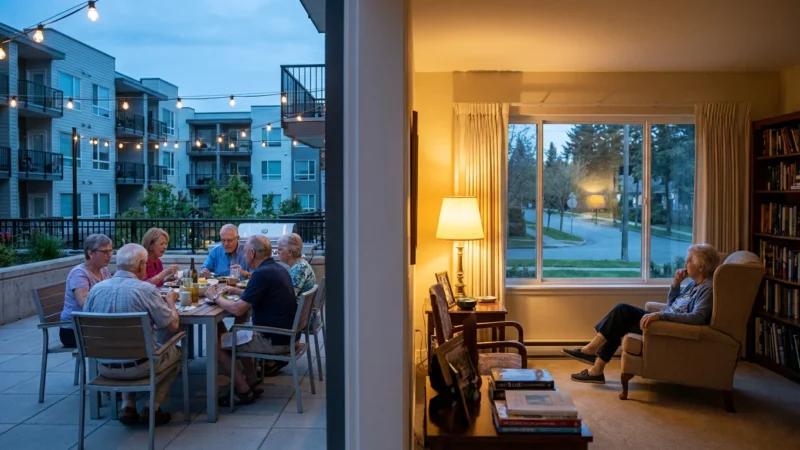
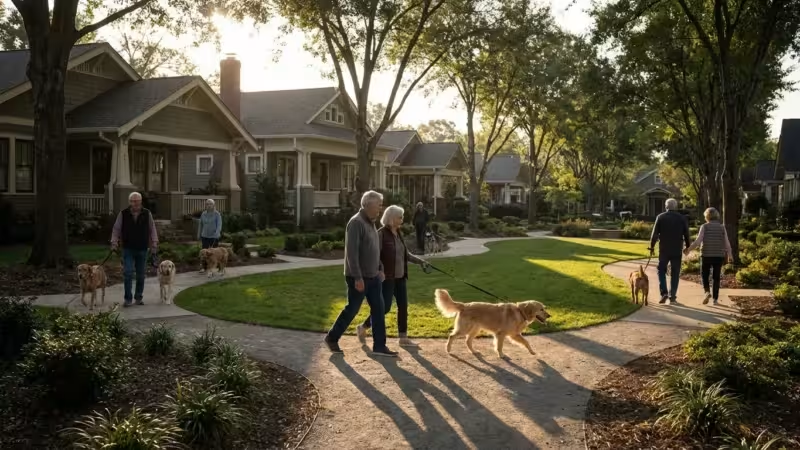
Do you prefer a bustling environment with constant activities or a quieter setting with fewer, more intimate gatherings? Look at the physical layout of the community; does it promote chance encounters, such as central clubhouses, walking paths, or shared dining facilities?
These design elements directly impact how easily you can connect with neighbors, and I’ve found that to be so true here at Hawthorn Ridge, especially around the pool.
When evaluating communities, pay close attention to the following aspects:
- Activity Calendars: Review their monthly social calendars. Do they offer a wide variety of events, clubs, and classes that genuinely interest you? A robust calendar indicates an active and engaged resident base.
- Resident Involvement: Inquire about resident associations or committees. Active resident governance often means residents take ownership of their community’s social fabric.
- Amenities that Encourage Interaction: Look for amenities such as communal dining rooms, craft studios, card rooms, fitness centers with group classes, dog parks, or community gardens. These spaces naturally bring people together.
- Welcoming Programs: Ask if the community has a “welcome committee” or specific programs for new residents. A proactive approach to integration signals a supportive environment.
- Pet Policies: If you have a pet, a pet-friendly community can be a wonderful way to meet other pet owners during walks or at designated pet areas.
Visiting in person and spending time in the community is invaluable. Bill and I did this, and it was so helpful. Speak with current residents about their experiences. Ask them how they built friendships and what they enjoy most about the community’s social life.
You can gain firsthand insights into the true social dynamic. Sites like 55places.com allow you to browse communities and read resident reviews, offering a virtual starting point for your research.
Taking the First Steps to Engage
Once you’ve chosen your community, or if you’re a current resident looking to increase your social connections, taking those initial steps can feel daunting. Believe me, even I, someone who talks to strangers at the pool, felt a little nervous at first!
Remember, everyone starts somewhere. Small, consistent efforts build momentum. You control the pace and depth of your engagement.
As you begin to branch out, it is also helpful to understand how to navigate common communication challenges that can arise in any close-knit group environment.
Don’t wait for others to initiate every interaction. Be proactive in reaching out, even in simple ways. A genuine smile and a friendly greeting can go a long way in breaking the ice. I remember just saying “Hello” to the ladies at the pool, and it led to my first real conversations here.
Here are actionable ways to begin connecting:
- Introduce Yourself to Neighbors: When you move in, deliver a small card or a plate of cookies to your immediate neighbors. This simple gesture opens the door for conversation. I still bake on Sunday mornings, and sometimes I’ll share with the new folks who move in down the street.
- Attend New Resident Orientations: Many communities offer welcome events for new residents. These gatherings are specifically designed for people in the same situation as you, making introductions easier.
- Start with Casual Encounters: Frequent common areas like the mailroom, fitness center, or coffee shop. Strike up brief conversations. “Beautiful day, isn’t it?” or “How do you like the spin class here?” are excellent conversation starters.
- Accept Invitations: If a neighbor invites you for coffee or an event, say yes if it feels comfortable. Even if it is outside your usual routine, it is an opportunity to meet new people.
- Volunteer for a Short-Term Project: Community events often need volunteers for setup, registration, or cleanup. This offers a low-pressure way to work alongside others and get to know them.
Remember, building relationships is a process. Not every interaction will lead to a lasting friendship, and that is perfectly normal. The goal is to create opportunities for connection.
The more you put yourself out there, the more likely you are to find people with whom you genuinely click. It took me a full year after we moved from Columbus to truly feel settled and like I had found my people, so be patient with yourself.

Exploring Diverse Activities and Interests
One of the best things about communities like Hawthorn Ridge is how much is going on! Retirement communities thrive on their diverse range of social activities and programming.
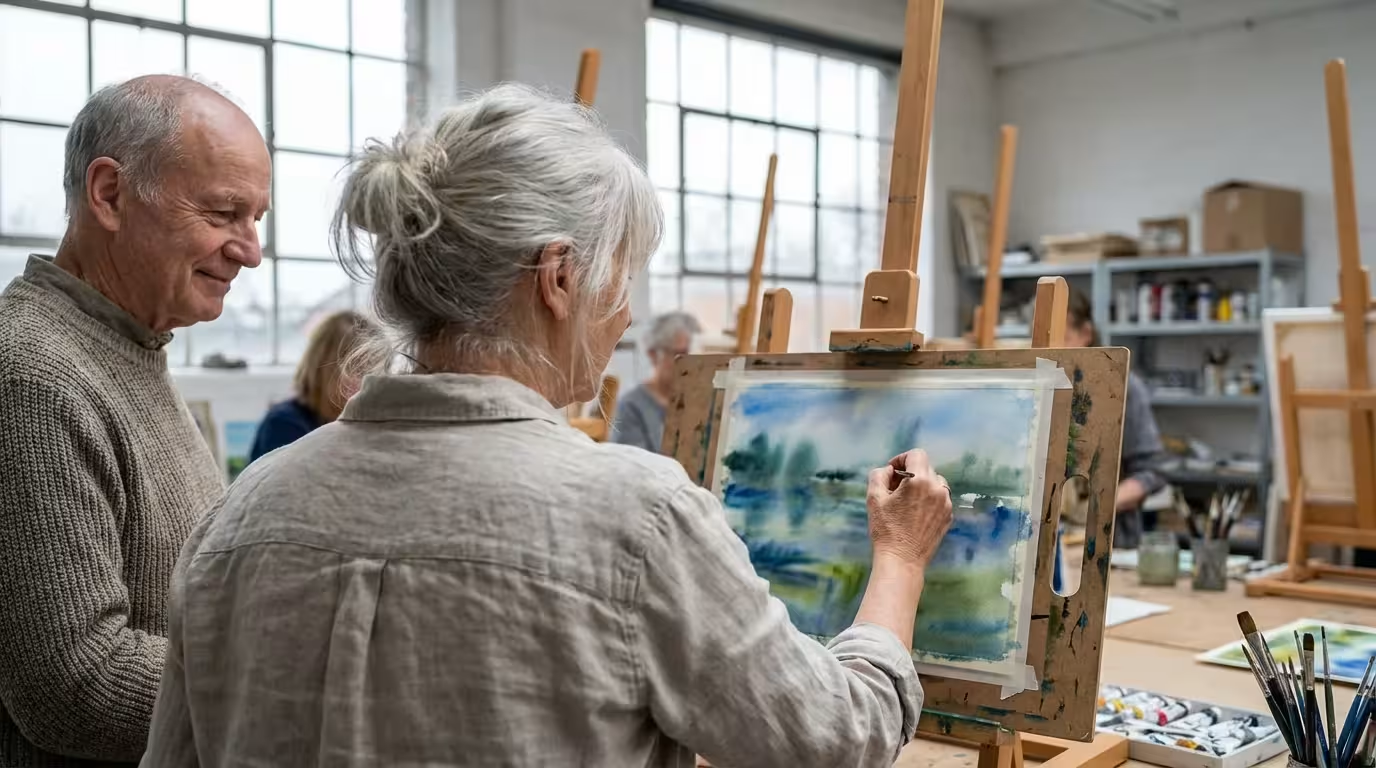
This variety means you can find a group that aligns perfectly with your existing passions, or even discover new hobbies. For me, that meant finally trying watercolor painting – something I’d always wanted to do.
I’m not good at it, not even a little bit, and I truly don’t care! It’s the joy of trying and sharing that time with others that matters. Engagement through shared interests is one of the most effective ways to overcome social isolation.
Look beyond the obvious. While golf and bridge clubs are popular (Bill plays pickleball four mornings a week, so he’s covered!), many communities offer a much broader spectrum of options.
Explore the community calendar thoroughly. Attend a variety of events at first to see what resonates with you. You might surprise yourself by enjoying something you never considered before.
Consider these types of activities and groups to explore:
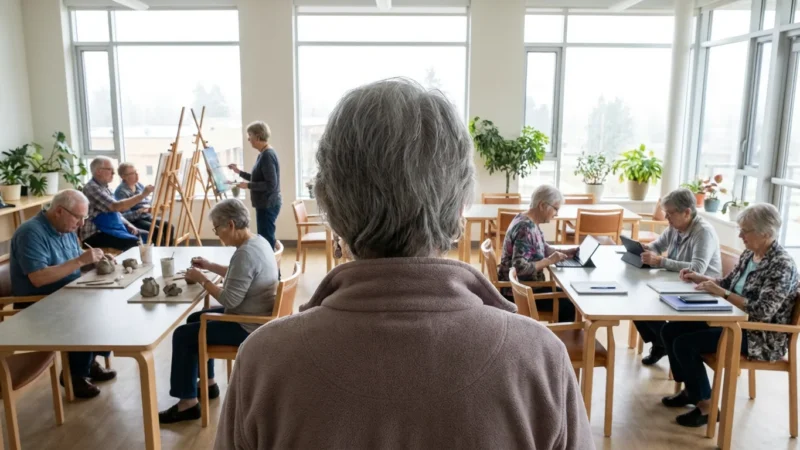
- Hobby and Craft Groups: Join a knitting circle, woodworking shop, painting class, or photography club. Shared creative pursuits foster camaraderie and provide tangible results.
- Intellectual Pursuits: Participate in book clubs, current events discussions, history groups, or language classes. These activities stimulate the mind and encourage thoughtful conversation.
- Fitness and Wellness Programs: Engage in group exercise classes like yoga, Zumba, water aerobics, or walking clubs. Physical activity boosts mood and connects you with health-conscious individuals.
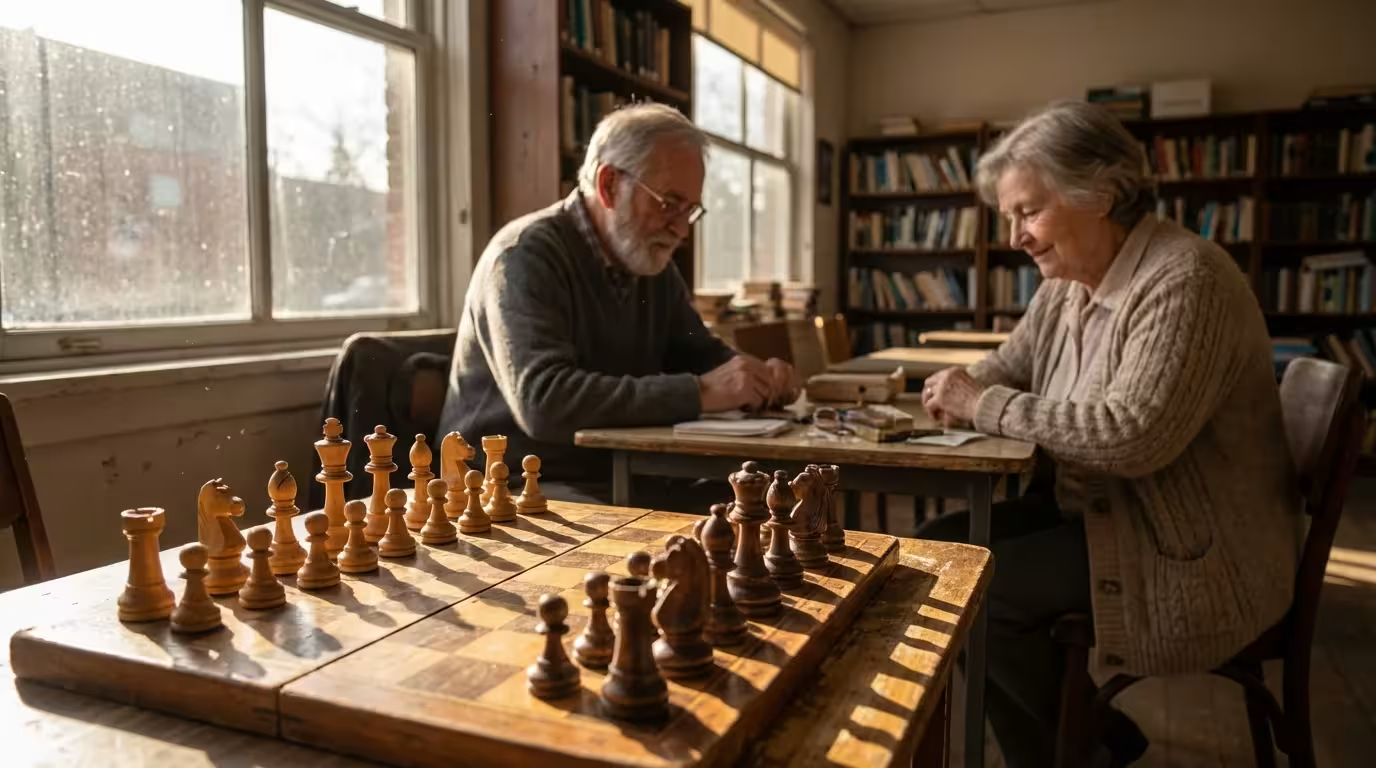
- Game and Card Groups: From poker and mahjong to board games and trivia nights, these activities offer structured social interaction and friendly competition.
- Volunteer Opportunities: Many communities have internal volunteer groups that support local charities, run the community library, or assist with events. Giving back is a powerful way to bond.
- Performing Arts and Music: Join a community choir, band, drama club, or attend concerts and performances organized within the community.
- Dining and Culinary Clubs: Participate in potlucks, cooking demonstrations, themed dinners, or restaurant outing groups. Sharing meals is a timeless way to connect.
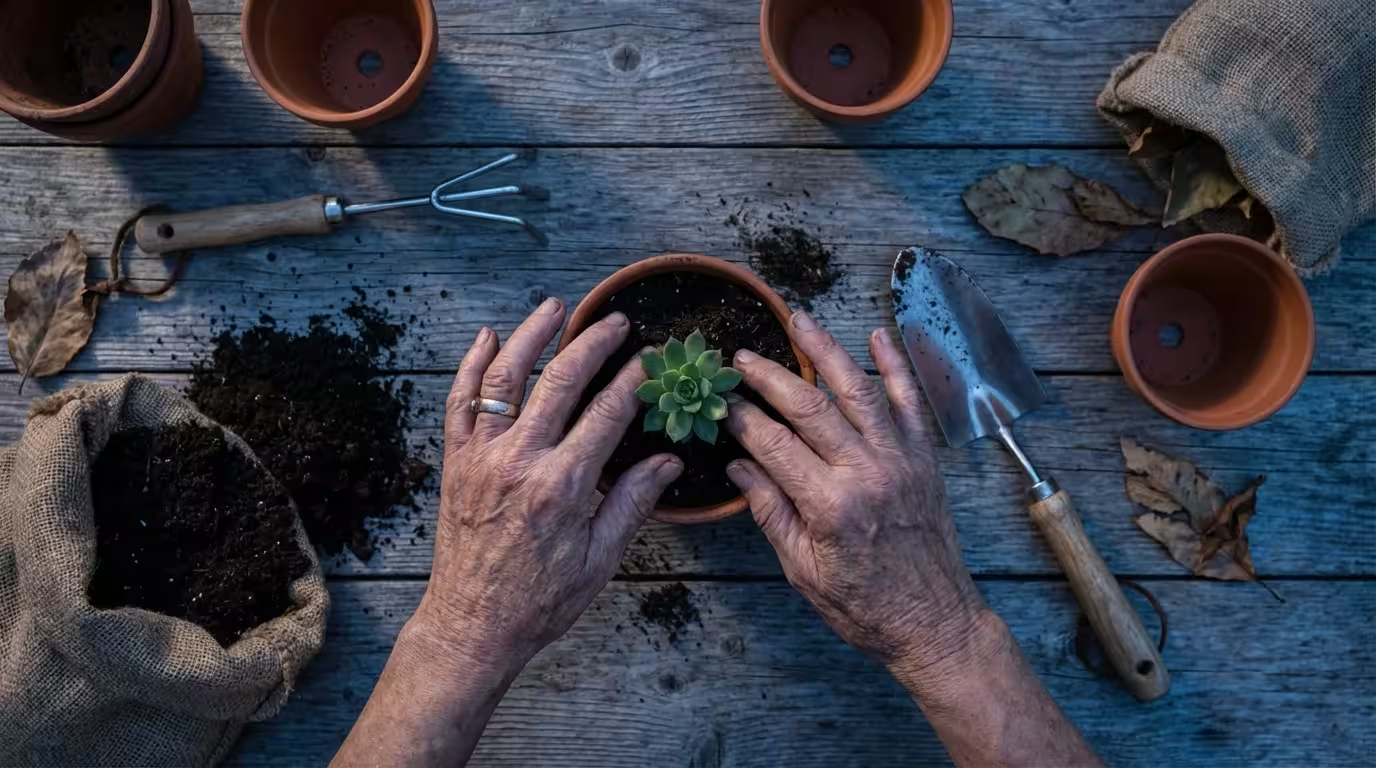
- Outdoor and Nature Clubs: Explore gardening clubs, birdwatching groups, hiking clubs, or fishing excursions. Enjoying nature together can be deeply bonding.
Don’t feel pressured to join everything. Choose one or two activities that genuinely appeal to you. Consistency in attending a specific group allows you to see the same faces regularly, making it easier to build familiarity and deeper connections over time.
That’s how I found my watercolor group, and it’s become a lovely part of my week.
Cultivating Deeper Friendships
Moving beyond casual acquaintances to truly build friendships requires a bit more effort and vulnerability. Once you’ve identified individuals with whom you share a connection, take the initiative to deepen that relationship.
This is where building relationships transforms from mere interaction into meaningful companionship. For me, that’s how I found my three genuine friends here at Hawthorn Ridge, my “Florida family.” We started by chatting at the pool, then grabbed coffee, and now we’re inseparable.
Friendships flourish on shared experiences, mutual support, and open communication. You should be prepared to invest time and emotional energy, just as you would in any important relationship. Remember that everyone seeks connection, and many residents are in the community for the same reasons as you.
Here are strategies for nurturing deeper friendships:
- Follow Up on Conversations: If you had a great chat with someone at an event, look for them at the next gathering. Reference your previous conversation to show you were listening.
- Initiate One-on-One Activities: Suggest coffee, lunch, a walk, or a visit to a local attraction with someone you enjoy talking to. This shifts the dynamic from group interaction to individual connection. That’s exactly how I got to know Carol, one of my “Florida family” friends.
- Share Personal Stories: As you grow more comfortable, share appropriate personal anecdotes and experiences. Reciprocity in sharing fosters trust and intimacy.
- Offer and Accept Help: Lending a hand with a small task or accepting assistance when offered strengthens bonds. It shows you value the other person and trust them.
- Be a Good Listener: Pay genuine attention when others speak. Ask thoughtful questions and remember details they share. Good listening is a cornerstone of strong relationships.
- Celebrate Milestones: Acknowledge birthdays, anniversaries, or achievements of your new friends. Small gestures of recognition make people feel valued.
- Maintain Contact: Even if you do not see someone every day, a quick phone call, email, or text to check in demonstrates that you care.
Understand that some friendships develop quickly, while others take time. Be patient with the process. Focus on authenticity and kindness, and you will attract people who appreciate you for who you are.
The goal is not to have a vast network of acquaintances, but a few truly supportive and understanding friends, like my wonderful Florida family.
Embracing Intergenerational Connections
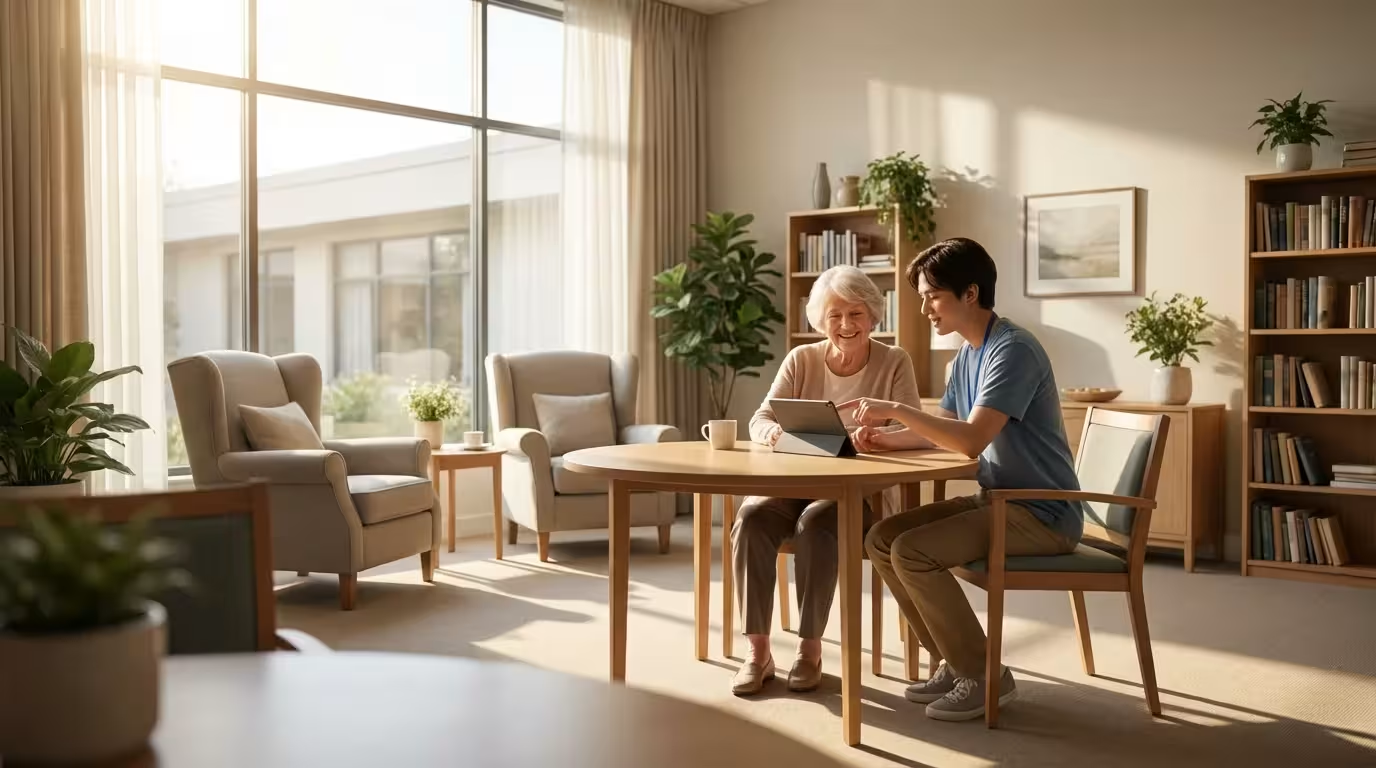
While 55+ communities primarily cater to older adults, many encourage or naturally facilitate intergenerational connections. These relationships can be incredibly enriching, offering diverse perspectives and mutual benefits for all ages.
For me, that means cherishing the visits from my grandchildren, Lily (9) and Noah (7). Engaging with younger generations, whether family members or community members, can invigorate your social life and broaden your horizons.
Intergenerational programming can bridge perceived gaps between age groups, fostering understanding and shared purpose. You’ll find that younger individuals often appreciate the wisdom and experience of older adults, while seniors benefit from the fresh energy and contemporary insights younger generations bring.
Our daughter Karen once told me, “Mom, the grandkids want YOU, not the house,” and she was so right. Now, they love visiting us here because there’s a fantastic pool and plenty of space to run around!
Consider these avenues for intergenerational engagement:
- Family Visits: Actively encourage your children, grandchildren, and other family members to visit your community. Many communities have amenities like playgrounds or family dining areas specifically for this.
- Community Volunteer Programs: Look for opportunities where the community partners with local schools, youth organizations, or charities. You could mentor students, read to children, or participate in joint clean-up efforts.
- Shared Learning Experiences: Some communities host events or classes that invite participation from all ages. This might include technology workshops, art classes, or musical performances.
- Local School Partnerships: Inquire if your community has formal or informal connections with nearby schools. You could volunteer as a guest speaker, tutor, or participate in school events.
- Grandparent Programs: If your community offers specific “grandparent” or “mentor” programs, consider joining. These initiatives are designed to connect residents with younger individuals who may not have grandparents nearby.
Intergenerational interactions provide unique opportunities for growth and enjoyment. They help to combat ageism and create a more inclusive, dynamic community environment. You’ll find that these connections add a rich layer to your social tapestry, and nothing brightens my day like a visit from Lily and Noah.

Balancing Social Life and Personal Space
The vibrant social life of a 55+ community does not mean you must constantly be “on” or engaged. A crucial part of thriving is finding the right balance between social interaction and your need for personal space and privacy.
Our home here in Hawthorn Ridge remains our sanctuary, and respecting your own boundaries is paramount for long-term well-being. Even though I love talking to people, I also cherish my quiet time, especially my Sunday mornings when I bake and reflect.
Introverts, in particular, often find significant joy in quiet reflection and smaller, deeper interactions rather than large social gatherings. Even extroverts like me need time to recharge. A healthy social life involves knowing your limits and communicating them effectively.
Understand that it is perfectly acceptable to decline an invitation or to opt for a quiet evening at home. You are not letting anyone down by prioritizing your personal needs. The best communities support residents in defining their own level of engagement.
Here are ways to maintain this balance:
- Schedule Downtime: Just as you schedule social events, schedule time for yourself. Block out periods in your calendar for reading, hobbies, or simply relaxing alone. My Sunday morning baking is my sacred time.
- Communicate Your Needs: If you are feeling overwhelmed, gently let friends know you need a quieter day. “I’ve had a busy week and plan to relax tonight, but I’d love to join you next time,” works well.
- Choose Activities Wisely: Select activities that genuinely energize you, rather than feeling obligated to attend everything. Focus on quality over quantity.
- Utilize Private Spaces: Take advantage of your home and any private outdoor areas. Enjoy a quiet cup of coffee on your patio or read in your living room.
- Set Boundaries with Visitors: When family or friends visit, establish clear expectations for their stay, including quiet times or activities you plan to do independently.
A healthy community understands and respects individual differences. You will discover that neighbors appreciate your honesty, and valuing your own privacy sets a good example for others. Connection thrives when it is authentic and unforced.
Leveraging Community Resources for Well-being
Beyond social activities, many 55+ communities offer a wealth of resources designed to enhance your overall well-being and provide support when needed. These resources can play a significant role in preventing loneliness and ensuring you feel secure and connected within your new environment.
Knowing what is available and how to access it empowers you to fully embrace community living.
Community governance and resident associations are prime examples of resources that allow you to shape your living environment. Becoming involved in these structures gives you a voice, fosters a sense of ownership, and connects you with others who share a vision for the community’s future.
This engagement can lead to a deeper sense of belonging. I found my watercolor class simply by looking at the community newsletter and the activity board at the clubhouse – it’s amazing what’s available if you just look!
Explore these valuable community resources:
- Resident Associations and Committees: Join a committee focused on social planning, grounds maintenance, or a specific interest group. This offers a structured way to contribute and connect with leaders and other engaged residents.
- Community Newsletter/Website: Stay informed about events, new programs, and important announcements. Many communities also feature resident profiles, helping you learn about your neighbors.
- Transportation Services: If available, these services can help you access medical appointments, shopping, or off-site events, ensuring you maintain independence and avoid isolation due to mobility issues.
- Wellness Centers and Health Programs: Beyond fitness, some communities offer health screenings, educational seminars, or access to counselors. These resources support your physical and mental health, both crucial for combating loneliness.
- On-Site Staff Support: Community managers, activity directors, and wellness coordinators are resources themselves. They can often connect you with specific groups, provide information, or offer assistance with community navigation.
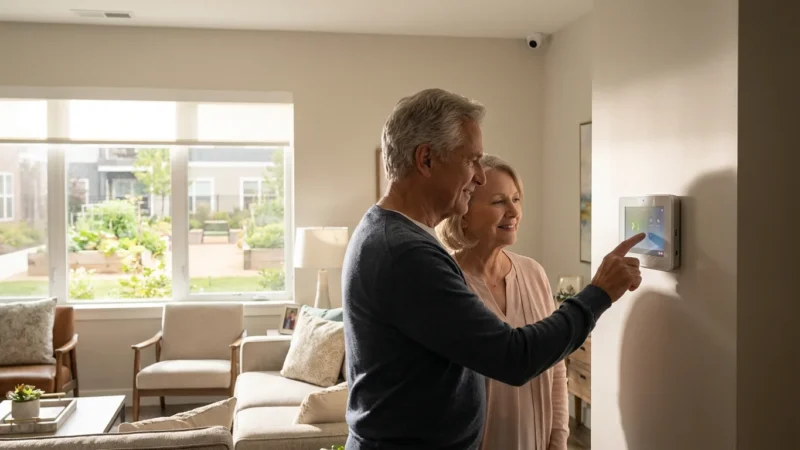
- Emergency Call Systems: Many communities provide personal emergency response systems, offering peace of mind and an added layer of safety. Knowing help is readily available reduces anxiety and promotes independence.
Utilizing these resources helps you feel more integrated and supported. They are integral to the community’s commitment to resident well-being, designed to provide comprehensive support for your new lifestyle. Don’t hesitate to inquire about or take advantage of these offerings – they’re there for you!
Frequently Asked Questions
How do I overcome loneliness in retirement if I am naturally an introvert?
As someone who loves to chat, I can still appreciate that introverts thrive on meaningful, one-on-one connections or small group settings. You certainly don’t need to attend every large social event.
Instead, focus on joining clubs related to your passions, like a book club, an art class (like my watercolor group!), or a gardening group, where the activity itself is the focus, and conversations can develop naturally.
You might try initiating coffee or lunch with just one person you connect with at these events. Quality connections are always more important than quantity, especially for introverts.
What are the best ways to connect with others when I am new to a 55+ community?
When Bill and I first moved to Hawthorn Ridge, I found that starting small really helped. I’d suggest introducing yourself to your immediate neighbors. Definitely attend any new resident orientations or welcome events – they’re designed for people just like you!
Look for casual interaction opportunities in common areas, such as the mailroom, the fitness center, or by the pool (that’s my favorite spot!). Most importantly, identify one or two activities on the community calendar that genuinely interest you and commit to attending them regularly.
This provides consistent exposure to the same people, making it easier to strike up conversations and build familiarity. It takes time, but it works!
Is it normal to feel lonely even after moving into an active adult community?
Oh goodness, yes, it is completely normal! I can tell you firsthand that even after moving to this wonderful community, I still had moments of feeling a bit lost or disconnected, especially in those first few months.
Transitioning to a new living situation, even a positive one like ours, takes time. Building new friendships and finding your rhythm in a new community doesn’t happen overnight.
Please be patient with yourself. Loneliness is a feeling that can come and go, and it’s okay to feel it. The key is to acknowledge it and continue to make efforts to engage, even small ones, knowing that a supportive social network is within reach.
How can I ensure my privacy and independence while still building connections?
You absolutely can ensure your privacy and independence while still building connections by setting clear boundaries and communicating your needs. I still schedule dedicated downtime for myself, like my Sunday morning baking, and I selectively choose social activities that genuinely energize me.
It is perfectly acceptable to politely decline invitations when you need personal space. Your home remains your private sanctuary, and a healthy community respects individual needs for both connection and solitude. Your true friends will understand!
What if I do not find anyone with shared interests in my community?
While it’s less common in diverse communities like ours, if you struggle to find groups that resonate, consider starting your own! Talk to the activity director or resident association about forming a new club based on your interest.
You’ll likely discover others share your passion. You can also explore volunteer opportunities outside the community or join local clubs in the surrounding area, expanding your social circle beyond the community gates. The possibilities are truly endless, and you might just inspire someone else to join you!
Disclaimer: This article is for informational purposes only. Community living options, amenities, and cultures vary significantly. We encourage readers to visit communities in person, speak with current residents, and evaluate whether a community fits their unique needs and preferences.



Leave a Reply