
If you are concerned about how your animal will adapt to a smaller home, researching downsizing and pets can provide helpful spatial planning tips.
The bond between us and our pets, well, it’s just something truly special, isn’t it? For so many of us, a pet isn’t just an animal; they’re a cherished member of the family, offering that unconditional love, companionship, and even a little bit of purpose to our days.
As Bill and I considered moving to Hawthorn Ridge, I remember thinking how important it would be for anyone with a furry friend to find a place that truly welcomed them.
It’s not just about finding a home for you, but for your beloved animal companion too, ensuring everyone has a harmonious transition into this wonderful next chapter.
This guide is all about sharing what I’ve learned – from my own observations here in Sarasota and talking to my new friends – on navigating pet policies, evaluating amenities, and making sure your furry friend thrives right alongside you in a community-oriented retirement lifestyle.
The Unbreakable Bond: Why Pets Thrive in Retirement Living
Pets truly enrich our lives at every stage, offering companionship, reducing stress, and encouraging us to stay active. In retirement, I’ve seen these benefits become even more pronounced.
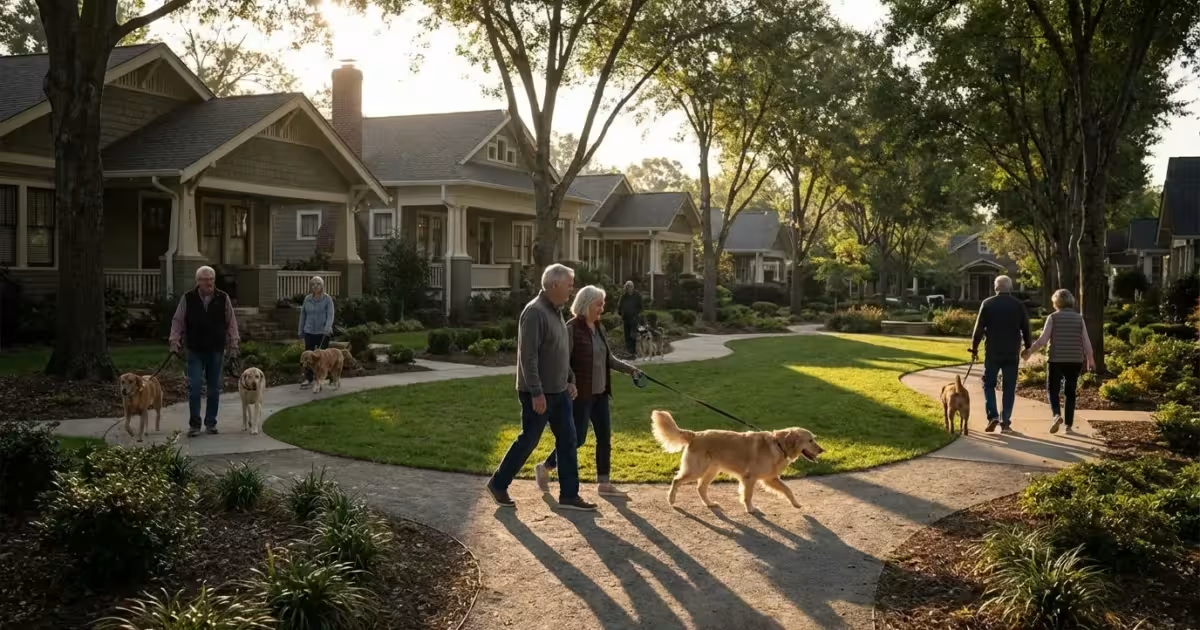
Here at Hawthorn Ridge, I often see my neighbors out walking their dogs, and it’s always a good excuse for a chat. That dog provides a reason to get out, introducing you to new neighbors and the community’s walking paths.
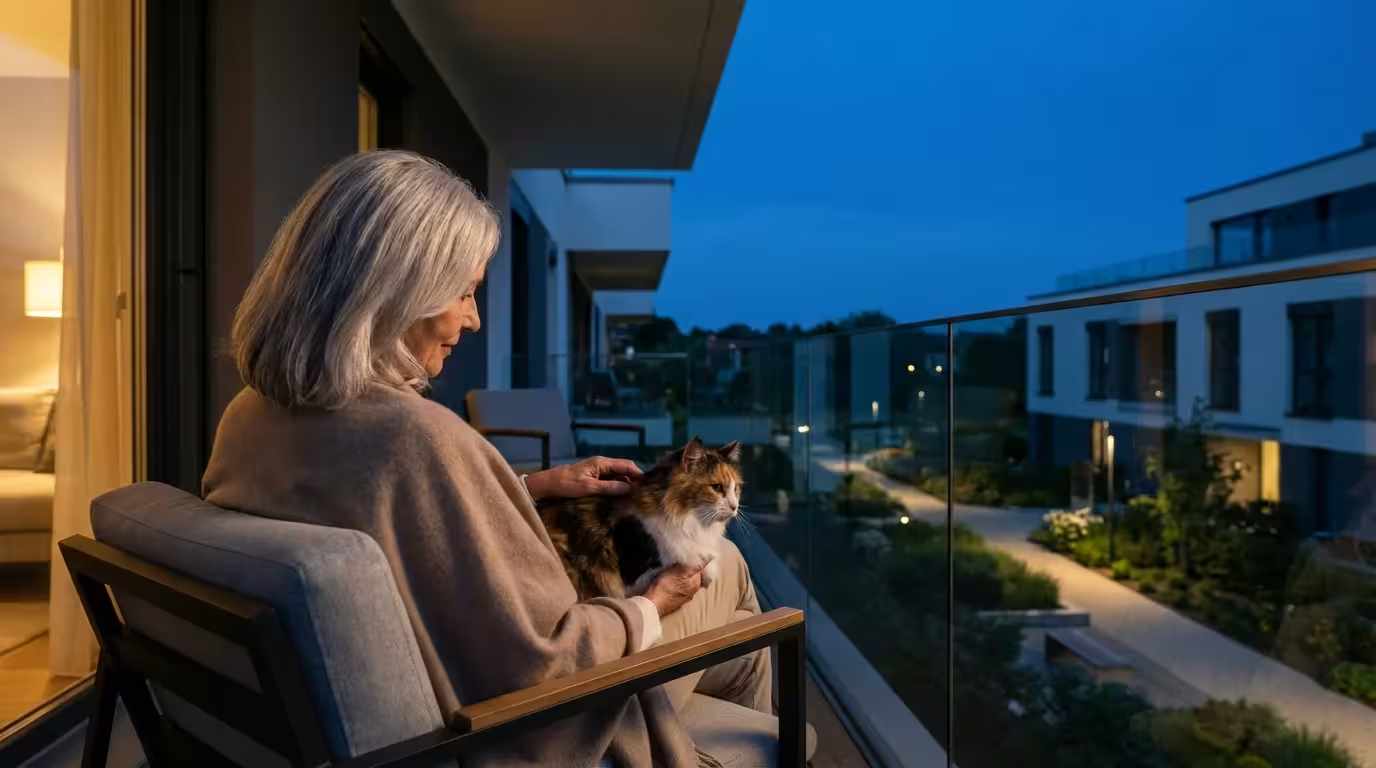
Or, if you’re a cat person, a cat purring on your lap offers such a calming presence, creating a sense of peace. Studies consistently highlight the positive impact of pet ownership on our mental and physical health as we get a little older.
Beyond personal companionship, pets are often the perfect catalyst for building meaningful connections with fellow residents during afternoon strolls.
I’ve heard so many of my friends here say that caring for a pet gives them a vital sense of routine and purpose. This responsibility can really combat those feelings of loneliness or isolation that can creep in, fostering emotional well-being.
Whether you have a lively puppy or a calm senior pet, your animal companion brings such warmth and life to your home. I know if we had a pet when we moved from our 2,400 sq ft colonial on Elmwood Drive, it would have been an absolute priority for me to find a truly pet-friendly community.
Decoding Pet Policies: Your Guide to Community Rules
Understanding the specific pet policies of a 55+ community is absolutely the first crucial step. These policies vary significantly, so please, ask detailed questions early in your search.
Don’t assume all communities allow pets, or that their rules match your current living situation. Trust me, I’ve heard stories from friends who made assumptions and then had to scramble!
Establishing clear boundaries is essential, but it’s also wise to understand communication and conflict resolution to handle any future neighborly disagreements about pets.
Typical considerations within pet policies include:
- Type of Pets: Most communities welcome cats and dogs. Some also permit birds, fish, or other small caged animals. Confirm the specific types of pets allowed.
- Weight and Breed Restrictions: Many communities implement weight limits, often ranging from 20 to 50 pounds. Breed restrictions also exist, commonly targeting breeds perceived as aggressive. Clarify these limitations to ensure your pet fits.
- Number of Pets: Policies frequently limit the number of pets per household, typically one or two. If you have multiple animals, verify the community’s stance.
- Pet Fees and Deposits: Expect to encounter pet-related costs. These might include a one-time non-refundable pet deposit, a refundable security deposit, or a recurring monthly pet fee, often referred to as pet rent.
- Vaccination and Licensing: Communities require current vaccination records and proof of local pet licensing. Maintain these documents for easy access.
- Leash Rules and Designated Areas: Learn about rules for leashing your dog and designated pet relief areas. Communities often have specific zones for pets to ensure cleanliness and resident comfort.
When you ask, “Are pets allowed in retirement communities?” remember that the answer always comes with important conditions. Bill, with his engineering mind, would tell you to get a written copy of the pet policy before making any commitments.
Reviewing these details prevents surprises and ensures a comfortable environment for both you and your pet.
Paws-itive Amenities: Making Life Easier for You and Your Pet
Beyond basic pet acceptance, truly pet-friendly communities go further by offering amenities that cater to your animal companions. These features enhance your daily life and make pet ownership more convenient and enjoyable.
I always look for communities that prioritize the well-being and integration of pets, because that tells you a lot about the heart of the place.
Desirable pet amenities often include:
- Dedicated Dog Parks or Runs: These fenced areas provide safe spaces for dogs to play off-leash, socialize with other dogs, and get necessary exercise. Many feature agility equipment or shaded seating for owners.
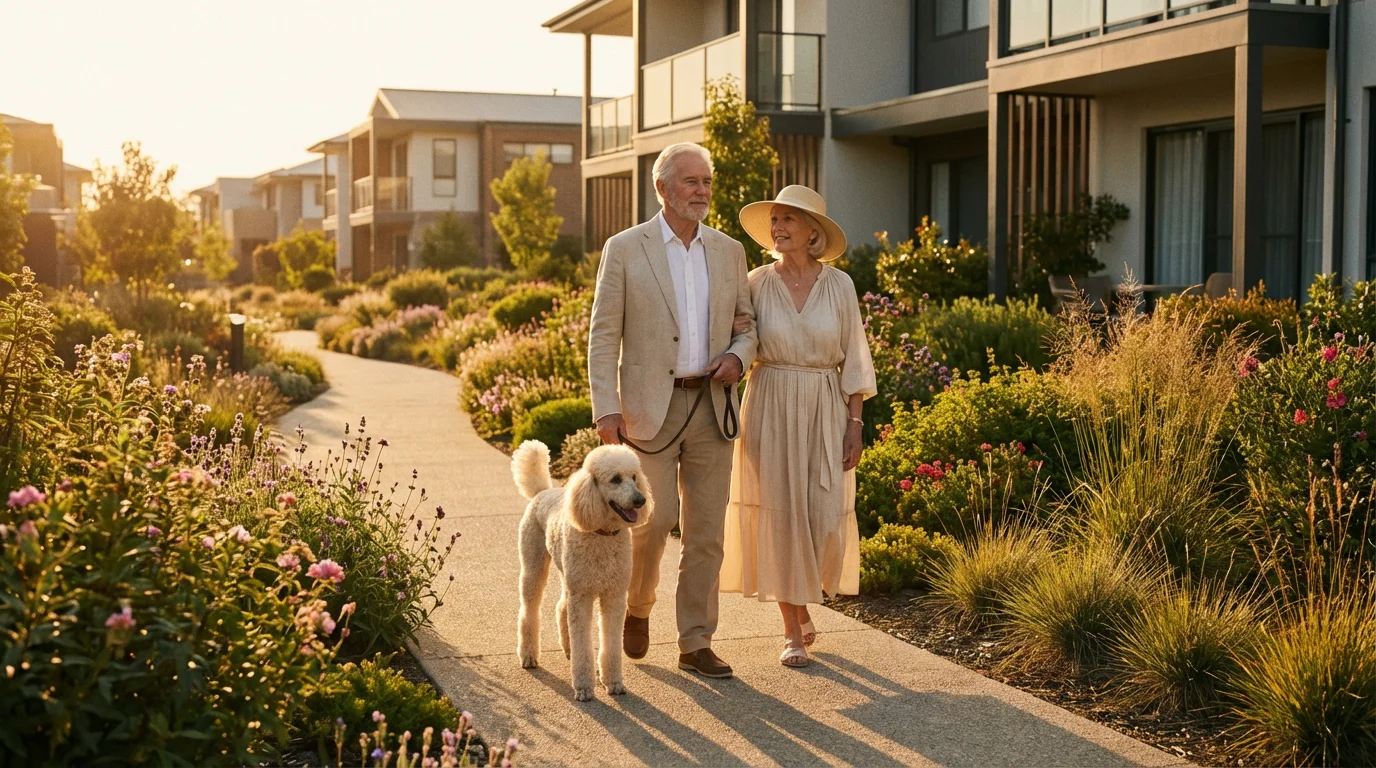
- Walking Trails and Paths: Access to well-maintained walking trails makes daily walks enjoyable for both you and your pet. These paths encourage activity and provide scenic routes.
- Pet Washing Stations: Indoor or outdoor pet washing stations save you from messy cleanups in your home. These facilities often include elevated tubs, spray nozzles, and grooming tools.
- Pet Waste Stations: Conveniently located stations with bags and disposal bins encourage responsible pet ownership and help maintain a clean environment.
- Professional Pet Services: Some communities coordinate or offer services like dog walking, pet sitting, or grooming, either on-site or through preferred local vendors. This convenience can be invaluable for busy schedules or travel.
- Pet-Friendly Outdoor Seating: Cafes, patios, or common areas with designated pet-friendly sections allow you to enjoy community spaces with your animal companion by your side.
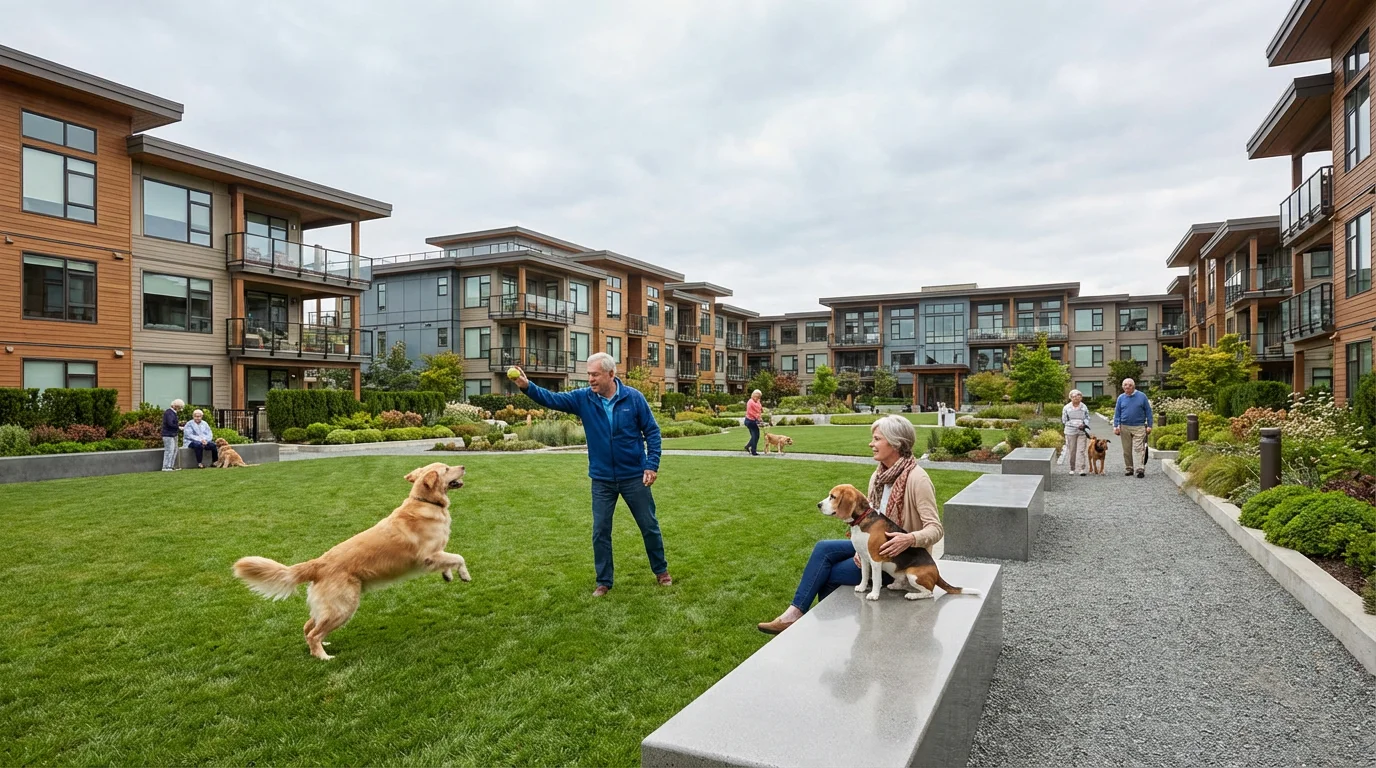
Here at Hawthorn Ridge, we have lovely walking paths, and I often see neighbors with their dogs. There’s even a little dog park area! These amenities really show a community’s commitment to its pet-owning residents. They create a supportive environment where your pets can thrive and you can enjoy stress-free living.

Finding Your Fur-ever Home: How to Evaluate Communities
The search for the perfect pet-friendly community involves more than just reading brochures. It requires thorough research, direct questions, and personal visits. Your goal is to find a place where both you and your animal companion feel genuinely at home.
Bill loved his spreadsheets when we were looking for Hawthorn Ridge, but I would have added a whole column for “pet happiness” if we had a dog!
Start your research online. Websites like 55places.com allow you to filter communities by pet-friendly criteria, providing initial insights into policies and available amenities. Review community websites for specific details in their resident handbooks or FAQs. Once you identify potential communities, schedule visits.
During your community tours, engage with staff and residents. Speak with other pet owners about their experiences and ask about how pets integrate into daily life. This firsthand perspective offers invaluable understanding of the community culture.
Consider asking these essential questions during your evaluation:
- What are the exact weight and breed restrictions for dogs, and are other types of pets allowed?
- Are there any non-refundable pet fees or monthly pet rent charges?
- What specific pet amenities does the community offer, such as dog parks, walking trails, or pet washing stations?
- Where are the designated pet relief areas, and what are the rules regarding leashes and waste disposal?
- Does the community have preferred local veterinarians or emergency pet care contacts?
- What is the policy for visiting pets? Are family members allowed to bring their pets?
- How do residents typically handle pet care during vacations or emergencies?
- Are there pet-related social activities or groups within the community?
- What happens if a pet’s health declines and requires increased care or mobility assistance?
Evaluating community culture means observing interactions. Do you see happy pets being walked by engaged owners? Do staff members seem friendly towards animals? These observations help you gauge the true pet-friendliness beyond written policies.
It’s like when I first visited Hawthorn Ridge; I looked for the smiles and the easy conversations, not just the beautiful landscaping.

Smooth Sailing: Transitioning to Your New Pet-Friendly Life
Moving is a significant change for anyone, and believe me, Bill and I know all about that! Moving from our Columbus home after 44 years was a huge adjustment, and I can only imagine how much more stressful it would have been if we had a pet.
A smooth transition benefits both you and your animal companion. Thoughtful planning helps your pet adjust quickly and comfortably to their new surroundings.
Here are actionable steps to make the move less stressful for your pet:
- Maintain Routine: As much as possible, keep your pet’s feeding, walking, and playtime schedule consistent during and after the move. Predictability helps reduce anxiety.
- Create a Safe Space: Set up a designated area for your pet in your new home before they arrive. Include their familiar bed, toys, food and water bowls, and a litter box for cats.
- Familiar Scents: Bring items with familiar scents, such as blankets or toys, to the new home. These can provide comfort and a sense of security.
- Gradual Exploration: Allow your pet to explore their new home and immediate outdoor areas gradually. Keep dogs on a leash for initial walks around the community until they become familiar with the surroundings.
- Update Identification: Ensure your pet’s tags and microchip information are updated with your new address and contact details. This is crucial for their safety.
- Find a New Veterinarian: Research and establish a relationship with a local veterinarian soon after moving. This ensures continuity of care, especially for senior pets with ongoing health needs.
- Socialize Carefully: Introduce your pet to new people and other animals in the community slowly. Monitor their reactions and ensure positive experiences.
Understanding “what should I consider for my pet” during a move covers both practical logistics and emotional support. Taking these steps proactively supports your pet’s well-being and helps them feel secure in their new pet-friendly environment.
I know those first three months here were an adjustment for Bill and me; I can only imagine what it would be like for a little furry friend!

Beyond the Leash: Pets and Community Connection
Pets often serve as natural icebreakers, facilitating connections between residents. I see it all the time here at Hawthorn Ridge! Walking your dog can lead to chance encounters and conversations with neighbors.
A shared love for animals creates an instant common ground, making it easier to forge new friendships. It’s like when I’m at the pool and strike up a conversation with a stranger – a friendly pet just makes it even easier.
Many pet-friendly communities embrace this social aspect by organizing pet-centric activities and events. These might include:
- Dog walking groups, where residents explore trails together.
- “Yappy Hours” or pet-friendly gatherings on a community patio.
- Pet parades or costume contests during holidays.
- Informal meet-ups at the community dog park.
- Educational sessions on pet care, nutrition, or training.
These activities provide enjoyable opportunities for both you and your pet to socialize. For those of us who might be a little more introverted, a pet can be a gentle bridge to interaction without requiring constant social engagement.
You can enjoy a quiet walk with your dog and still experience a sense of belonging simply by being part of the community’s rhythm. The presence of pets adds a warm, lively dimension to community life, enhancing the overall atmosphere for everyone, whether they own a pet or simply enjoy seeing them around. It’s part of what makes our “Florida family” here so special.
Special Considerations for Senior Pets
Moving to a new community brings unique considerations when you share your life with senior pets. Their needs often differ from younger animals, requiring extra thought and planning to ensure their comfort and health. My own mother always said her old cat, Mittens, needed her routine more than anything. So, what should I consider for my pet if they are older?
Focus on these aspects for your aging companion:
- Accessibility: Look for ground-floor units or communities with easy access to outdoor areas. Ramps, elevators, and minimal stairs significantly benefit pets with mobility issues.
- Veterinary Access: Proximity to reputable veterinary clinics is paramount. Evaluate how quickly you can reach emergency services or your regular vet for routine appointments.
- Quiet Spaces: Senior pets often appreciate quiet, calm environments. Ensure your new home offers a peaceful retreat where they can rest undisturbed.
- Comfortable Temperatures: Older animals can be more sensitive to extreme temperatures. Consider the community’s climate control and outdoor shaded areas.
- Gentle Activities: While dog parks are great, ensure there are also options for slower, gentler walks. Look for communities with flat, paved paths or soft grassy areas suitable for less mobile pets.
- Grooming and Care: Assess the availability of professional grooming or specialized pet care services within or near the community, especially if your senior pet requires regular attention for their coat or nails.
Addressing these specific needs ensures your senior pet enjoys their retirement years just as much as you do. Their comfort directly contributes to your peace of mind in your new home. It’s all part of making this new chapter truly wonderful for everyone in your family, two-legged or four-legged!
Frequently Asked Questions
Are all retirement communities pet-friendly?
Oh, I wish they were, but no, not all retirement communities are pet-friendly. Pet policies really do vary quite a bit from one place to another. Some communities, like ours, welcome a variety of pets, while others have strict limitations on things like size, breed, or how many animals you can have.
And yes, some don’t allow pets at all. So, always, always confirm their specific pet policies before you even start to seriously consider a move.
What if my pet needs a lot of exercise, like a large dog?
If you have a furry friend who loves to run and play, like my daughter Karen’s energetic lab, then you’ll definitely want to prioritize communities that offer robust amenities. Look for places with large dog parks, extensive walking trails, or even nearby nature preserves.
It’s also worth asking about on-site dog walking services or exploring local dog daycare options to make sure your pet stays active and happy.
Do pet policies change over time?
Well, just like anything else, community pet policies can change, though usually they give residents plenty of advance notice. Changes typically happen because of feedback from residents, updates from property management, or sometimes to address issues like noise or waste.
My advice? Always get the current policy in writing and don’t hesitate to ask about their procedures for policy revisions.
How can I help my pet adjust to a smaller living space?
Helping your pet adjust to a smaller space involves making them as comfortable as possible and keeping them engaged. Make sure they have their own dedicated bed or a cozy den, and try to keep their routine consistent for walks and playtime.
For cats, utilizing vertical spaces with cat trees can be wonderful! And of course, puzzle toys and regular outdoor adventures are great for preventing boredom.
Are there restrictions on the type of pets allowed?
Yes, often there are restrictions on the types of pets allowed. While cats and dogs are generally the most common, some communities might not permit birds, reptiles, or more exotic animals. It’s always best to clarify the specific types of animals that are welcome in a community to ensure your beloved pet meets their criteria.
Disclaimer: This article is for informational purposes only. Community living options, amenities, and cultures vary significantly. We encourage readers to visit communities in person, speak with current residents, and evaluate whether a community fits their unique needs and preferences.









Leave a Reply