

When Dorothy and I started thinking about retirement, or more accurately, when *I* started planning our retirement, the thought of decluttering our 2,400 sq ft colonial on Elmwood Drive in Columbus, Ohio, felt monumental.
I know exactly how daunting it can feel to look at years, even decades, of accumulated possessions and wonder where to begin. For me, it was always about creating space for a new, more efficient chapter. This process isn’t just about sorting through stuff; it’s a journey of making deliberate decisions and optimizing your living situation for the future.
You’re certainly not alone in feeling a connection to your belongings. Each item often holds a story, a memory, or represents a significant life event.
My aim here is to guide you through this process with practical, methodical strategies, transforming what might seem like an insurmountable task into an empowering step toward a simpler, more joyful retirement.
I’ll help you navigate both the emotional and logistical aspects of decluttering your home efficiently, moving you closer to a truly retirement-ready lifestyle.

Embracing the Right-Sizing Mindset
You might hear the term “downsizing” and immediately feel a sense of loss or compromise. I certainly heard that from Dorothy when I first brought up the idea of moving from our 2,400 sq ft colonial. I encourage you to reframe this perspective to “right-sizing.”
This shift in mindset recognizes you are not diminishing your life; you are optimizing it. You are creating a living space that perfectly suits your current needs, desires, and future aspirations.
For me, right-sizing meant crafting an environment that supported the lifestyle I’d envisioned in retirement. I spent two full years researching 55+ communities, building a comparison matrix with 14 variables, all with the goal of finding a place that required less time spent on cleaning and maintenance, and more freedom for my hobbies, like pickleball, or volunteering at the food bank. It’s about aligning your physical space with your priorities, leading to a simpler life and reduced stress.
This approach emphasizes gaining benefits, like financial flexibility from selling a larger home, and peace of mind from less clutter. It positions your decluttering efforts as a positive, proactive choice for your retirement-ready future, and frankly, I was right about the move.
Navigating the Emotional Landscape of Letting Go
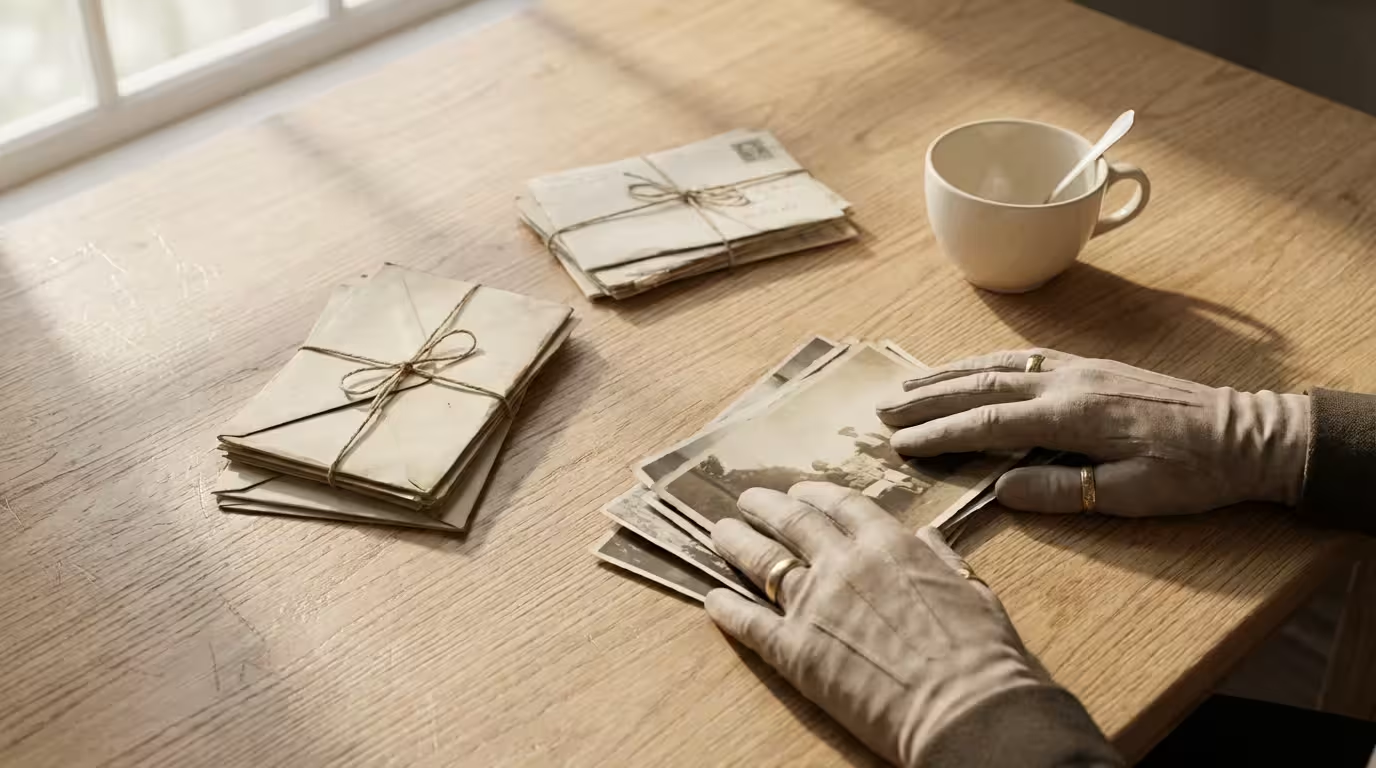
The biggest hurdle for many during the decluttering process is the emotional attachment to their belongings. I saw this firsthand with Dorothy. Our 44 years in that house meant every cupboard and closet held a story for her.
My spreadsheets didn’t account for the emotional weight of a chipped coffee mug or a collection of children’s artwork. Deciding what to keep, donate, sell, or discard can stir up powerful feelings, from nostalgia to grief. Acknowledge these emotions as a natural part of the process.
Understand that letting go of an item does not mean letting go of the memory associated with it. The memories reside within you, not within the object itself. You are preserving your memories, not sacrificing them. Give yourself permission to feel, to reminisce, and to be gentle with yourself as you make these significant decisions.
Dorothy cried when we sold the house, but now, two years later, she’ll openly admit it was the best decision. This emotional journey is a crucial part of becoming truly retirement ready.

Your Step-by-Step Decluttering Strategy
Approaching a whole house can feel overwhelming. The most effective strategy is to break the process into smaller, manageable tasks. This is where my engineering background really came in handy. I approached our 2,400 sq ft colonial on Elmwood Drive like a project, breaking it down into manageable phases.
Dorothy thought I was being “insufferable” with my timelines, but starting with 30-minute sessions in, say, the linen closet, proved much more effective than trying to tackle the entire basement in one go.
Dedicate specific, short blocks of time to decluttering, perhaps 30 minutes to an hour per session. Consistency is more important than intensity. Over time, these small efforts accumulate into significant progress. This methodical approach is the best way to declutter effectively, especially for seniors.
Here is a recommended step-by-step process:
- Start Small: Choose one minor area, like a countertop or a single closet shelf.
- Empty the Space: Remove everything from your chosen area. This allows you to see everything you own for that space.
- Clean the Space: Wipe down surfaces before returning items. This provides a fresh start.
- Sort Each Item: Pick up each item and make a quick, *logical* decision about its fate. I found the “Four Box” method, discussed below, to be an efficient system.
- Return Only “Keep” Items: Only put back items that belong in that space and genuinely serve a purpose or bring you joy.
- Address Other Boxes Immediately: Do not let “Donate,” “Sell,” or “Discard” boxes linger. Take action quickly to maintain momentum.
When sorting items, adopt a clear decision-making framework. Avoid endless deliberation over each item. Some helpful questions you can ask yourself include:
- Does it spark joy? This popular question encourages you to connect with your emotional response to an item.
- Have I used it in the past year? For practical items, a lack of recent use often indicates it is no longer necessary. You can extend this to two or three years for seasonal or special occasion items.
- Do I have a specific plan for it? This applies to projects, craft supplies, or tools. If you have no concrete plan, it may be time to let it go.
- Do I have duplicates? Many homes accumulate multiple versions of the same item. Keep only the best or most functional one.
- Does it fit my future lifestyle? As you move towards a simpler life, consider if the item aligns with your retirement-ready vision.
Use the “Four Box” method to categorize items efficiently:
- Keep: Items you regularly use, love, or genuinely need. These should fit comfortably in your current or future right-sized home.
- Donate: Items in good condition that someone else can use. These can bring joy to others and often provide a tax deduction.
- Sell: Valuable items or those in excellent condition that could generate income. Research potential buyers before setting aside too many items.
- Discard/Recycle: Broken, damaged, expired, or truly unusable items. Dispose of these responsibly.
Tackling Specific Areas: Room-by-Room Guide
Once you master the basic decluttering principles, apply them systematically to different areas of your home. Each room presents unique challenges and opportunities for a simpler life. Remember, this is about efficiency and creating a retirement-ready space.
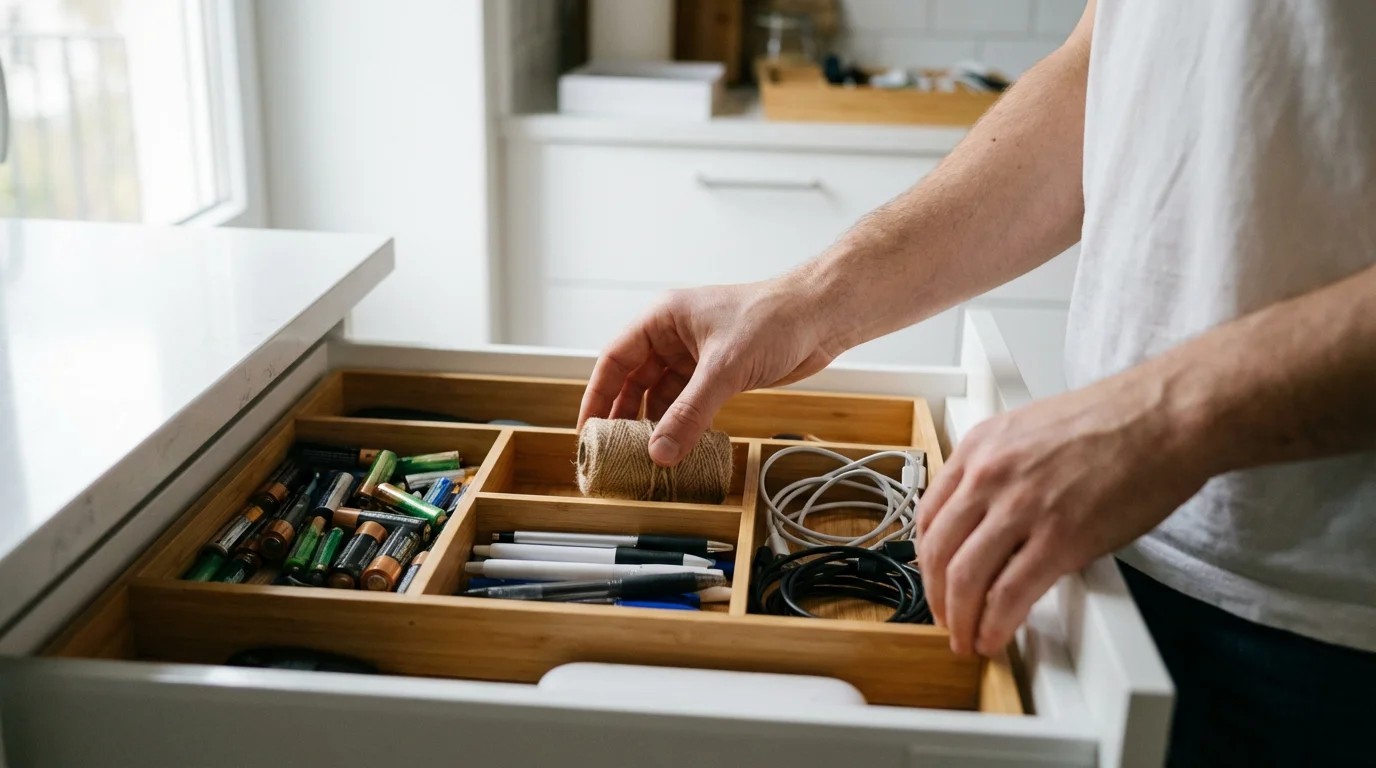
- Kitchen: This area often accumulates duplicates, rarely used gadgets, and expired food items. Dorothy, bless her heart, had enough baking pans to supply a small army. I started with our pantry, then moved to drawers and cabinets. My goal for the kitchen was to streamline it so I could actually find things for my new cooking hobby.
- Closets and Dressers: Clothing can be a major source of clutter. Be honest about what you wear regularly. Consider items that no longer fit, are out of style, or require special care you no longer wish to provide. A good rule of thumb is to keep only what you love and wear. Many people also find it helpful to remove sentimental clothing items, photograph them, and then donate them.
- Living Areas and Offices: Books, magazines, decorative objects, and media collections often fill these spaces. Evaluate books you have read and will not re-read, or magazines that are outdated. Consider digitizing photos and important documents to reduce physical paper clutter in your office. For decorative items, keep only those that truly enhance your space and bring you joy.
- Garages, Attics, and Basements: These “storage” areas of our Columbus house were where “approximately one metric ton of stuff we don’t need” accumulated. I had tools I hadn’t touched since our youngest, Susan, was in high school. Tackle these spaces with a clear head. Be ruthless with broken items or things you have not used in years. These areas are prime candidates for professional assistance if they feel too daunting.

Managing Sentimental Items and Family Heirlooms
Sentimental items represent the most challenging aspect of decluttering. These are the objects tied to your identity, your history, and your loved ones. Approaching them requires patience and empathy. Do not rush these decisions.
This was probably the biggest point of contention between Dorothy and me, especially concerning items from our 44 years on Elmwood Drive. She had feelings, and I had a logical need for less stuff.
Here are some strategies for handling sentimental items effectively:
- Involve Family: Our daughter Karen’s advice, “Mom, the grandkids want YOU, not the house,” was a turning point for Dorothy. For me, the practical solution was involving all three kids – Karen, Michael, and Susan – early in the process of choosing family heirlooms. This ensures treasured items find new homes where they are appreciated, and it relieves you of the burden of decision-making for every piece.
- Create a “Memory Box”: Designate one or two small boxes for truly irreplaceable sentimental items. These could be letters, small trinkets, or special photographs. This limits the volume while preserving precious keepsakes.
- Digitize Memories: Photographs, old letters, children’s artwork, and important documents can all be scanned and stored digitally. We scanned hundreds of old photos, creating a shared digital archive that was far more accessible than dusty albums in the attic. Cloud storage services offer secure ways to keep these digital treasures accessible to family members, regardless of location.
- Photograph Items: Before letting go of an item with strong sentimental value, take a photograph of it. Create a digital album of these photos. You can still revisit the image and the memory without keeping the physical object.
- Focus on the Story, Not the Stuff: Share the stories behind your treasured items with family members. Write them down in a journal or record them digitally. The narrative is often more valuable than the object itself.

Professional Help: When to Call in the Experts
Decluttering and downsizing can be a physically and emotionally demanding process. You do not have to do it alone. Numerous professionals specialize in assisting seniors through this transition, offering practical and empathetic support.
I’m a civil engineer; I believe in specialists. When we moved from Columbus, I researched Senior Move Managers just as thoroughly as I researched 55+ communities. I even built a comparison matrix for them, evaluating their services, costs, and references. Consider engaging these experts for a smoother experience:
- Senior Move Managers: These professionals specialize in assisting older adults with the practical and emotional aspects of relocating or aging in place. They manage everything from planning and organizing to packing, moving, and setting up your new home. Organizations like the National Association of Senior Move Managers (NASMM) offer certified professionals who understand the unique needs of seniors. You can find accredited experts through NASMM.org.
- Professional Organizers: A professional organizer can provide hands-on help with decluttering and organizing specific areas of your home. They offer objective advice, create systems for maintaining organization, and can be invaluable when you feel stuck or overwhelmed. The National Association of Productivity & Organizing (NAPO) provides resources to find qualified organizers in your area. Visit NAPO.net for more information.
- Estate Sale Companies: If you have a significant number of valuable items to sell, an estate sale company can manage the entire process. They appraise items, market the sale, conduct it, and often handle cleanup afterward. This frees you from the logistics of selling individual items. You can often find local estate sale professionals on sites like EstateSales.net.
- Appraisers: For truly valuable items, such as antiques, fine art, or jewelry, consulting with a certified appraiser ensures you understand their true market value. This information helps you make informed decisions about selling or donating.
Practical Solutions for Your Next Chapter
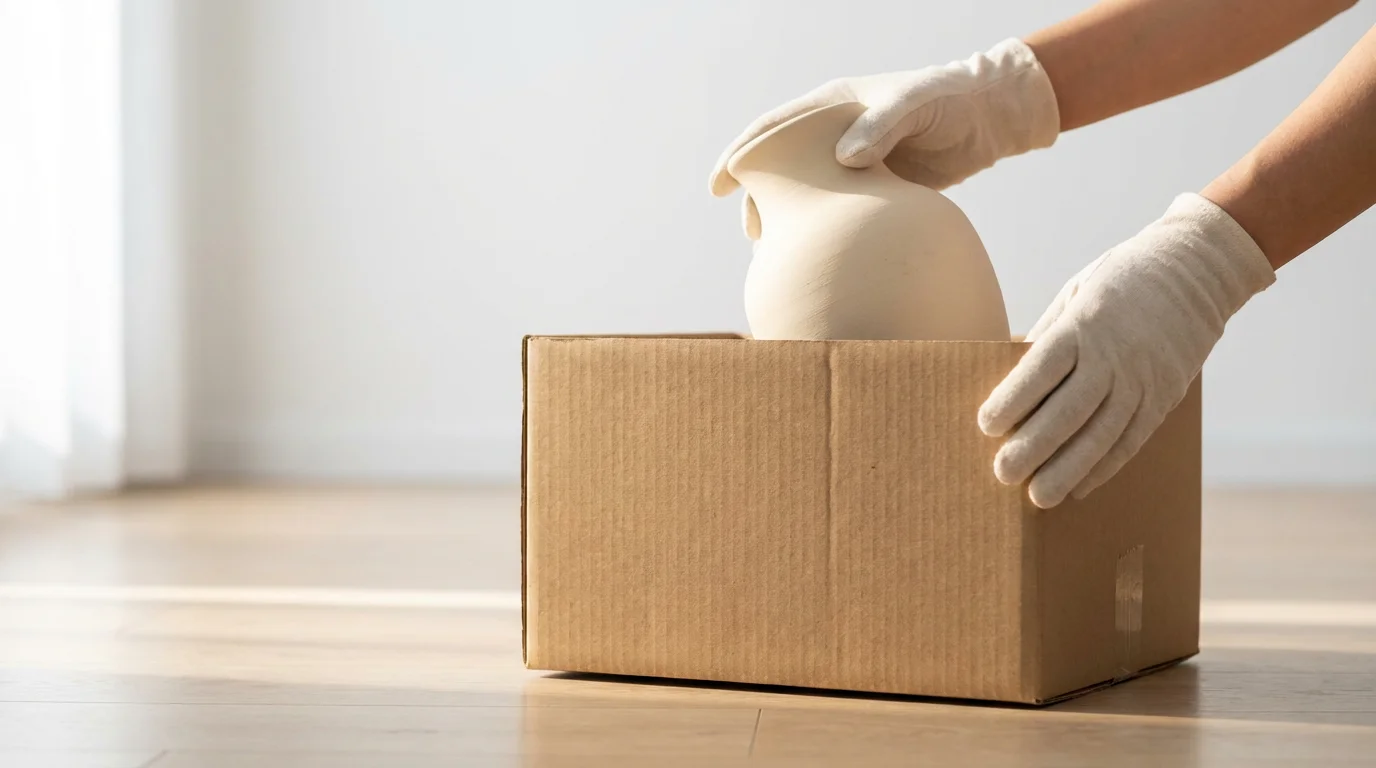
After sorting your belongings, you face the practical task of moving items out of your home. Having a clear plan for your “Donate,” “Sell,” and “Discard” piles ensures progress and prevents new clutter from accumulating.
These solutions directly support your journey to a simpler life and help you become retirement ready. Once we had our “Keep” pile for the move to Hawthorn Ridge, the next step was systematically moving everything else out. I focused on maximizing efficiency and minimizing cost, much like managing our household finances with what Dorothy calls “a level of detail that belongs in a NASA mission.”
Donation Options:
- Charitable Organizations: Organizations like Goodwill accept a wide range of household items, clothing, and furniture. Donating provides a tax deduction and helps support their community programs. Check their guidelines at Goodwill.org.
- Habitat for Humanity ReStore: If you have building materials, appliances, or furniture in good condition, Habitat for Humanity ReStores resell them to fund housing projects. This is an excellent option for larger items. Learn more at Habitat.org/restores.
- Local Shelters and Non-profits: Many local charities, women’s shelters, and veteran organizations accept specific items like linens, kitchenware, or professional attire. Research local options for targeted donations.
- Tax Deductions: Keep detailed records of your donations, including item lists and their estimated fair market value, for potential tax deductions. The IRS provides guidance on charitable contributions.
Selling Items:
- Online Marketplaces: Platforms like Facebook Marketplace, eBay, or local buy/sell groups are effective for selling individual items directly. Be prepared to photograph items, write descriptions, and coordinate pickups or shipping.
- Consignment Shops: For quality clothing, furniture, or decorative items, consignment shops sell your items for a percentage of the sale price. This requires less effort from you than direct selling.
- Garage or Yard Sales: While requiring significant effort to organize, a garage sale can quickly clear out a large volume of miscellaneous items and generate cash. I spent a good weekend organizing items for a garage sale, which proved surprisingly effective for clearing out “miscellaneous items.”
Discarding and Recycling:
- Bulk Waste Pickup: Check with your local waste management services for options regarding bulk item pickup or special disposal events for electronics or hazardous waste.
- Recycling Centers: Separate recyclable materials appropriately. Many communities have specific centers for paper, plastic, glass, and electronics.
If you are preparing your home for sale, decluttering is a crucial first step. A less cluttered home appears larger, cleaner, and allows potential buyers to envision themselves living there. This often translates to a faster sale and a better price. Focus on depersonalizing, cleaning thoroughly, and making minor repairs. For valuable moving advice, Consumer Reports offers excellent insights.

Digital Decluttering: Streamlining Your Virtual Life
Decluttering is not limited to physical possessions. Your digital life, including photos, documents, and emails, also benefits from organization. A cluttered digital space can create stress and make finding important information difficult.
This often gets overlooked, but it is an essential part of creating a simpler life. As someone who manages our finances with a pretty rigorous system, I can tell you that digital clutter is just as real, and just as frustrating, as physical clutter.
Here are steps to declutter your digital assets:
- Photos: Review and delete duplicate or blurry photos. Organize remaining photos into logical folders or albums by date or event. Consider cloud storage for backup and easy sharing with family.
- Documents: Scan important paper documents you need to keep, then shred the originals. Organize digital documents into a clear folder structure on your computer or cloud drive. Delete old, unnecessary files.
- Emails: Unsubscribe from unwanted newsletters and promotional emails. Delete old, irrelevant emails, and archive important ones. Aim for a manageable inbox that facilitates quick communication.
- Computer Files: Delete old downloads, duplicate files, and unused software. Regularly back up your important files to an external hard drive or cloud service. I made sure to back up everything to the cloud and an external hard drive, ensuring our important records were secure and accessible, no matter where we were.
Embracing digital decluttering complements your physical efforts, ensuring a truly comprehensive approach to preparing for your retirement-ready future. It reduces mental load and protects your valuable information.
Frequently Asked Questions
What is the best way to declutter my home if I feel overwhelmed?
From an engineering perspective, the best way to tackle any large project is to break it into smaller, manageable units. Don’t look at the whole house. Pick one drawer, one shelf, or a single countertop.
Focus on completing that small area before moving on. This builds confidence and momentum. Dedicate short, consistent time slots – say, 30 minutes a day – rather than attempting marathon sessions. It’s crucial for a project of this scale.
How do I handle sentimental items when decluttering?
This was a big one for Dorothy. My advice is to approach it logically but with empathy. Consider a “memory box” for a very limited number of truly cherished items. Digitize photos and documents – you get to keep the memory without the physical bulk.
And involve your family; what you think is an heirloom, they might not, and vice-versa. It removes the burden of decision-making from you alone.
Should I keep things for my children or grandchildren?
Absolutely ask them directly. I cannot stress this enough. What you’ve held onto for decades, thinking it’s a family treasure, might just be clutter to them. Our kids, Karen, Michael, and Susan, were very clear about what they wanted and didn’t want.
If they don’t want it, you’re free to let it go without guilt. It prevents you from passing on your “stuff” problem to the next generation.
What resources are available to help seniors with downsizing?
There are excellent professionals out there. I extensively researched Senior Move Managers (NASMM.org) – they can manage the entire relocation, which was invaluable for us. Professional Organizers (NAPO.net) can provide hands-on help with decluttering and organizing.
If you have valuable items, an estate sale company (EstateSales.net) or an appraiser can be very useful. And don’t forget charitable organizations like Goodwill and Habitat for Humanity ReStore for donations; they provide a practical way to clear out items and potentially get a tax deduction.
How can I avoid getting new clutter after decluttering my home?
It comes down to a disciplined approach. Think of it like managing a budget: you don’t just clear out debt, you change your spending habits. Before buying something new, ask yourself: Is it truly necessary?
Do I have a designated place for it? Does it align with the “right-sized” lifestyle I’m building? The “one in, one out” rule for certain categories is a practical system to maintain your progress.
Disclaimer: This article is for informational purposes only. Downsizing decisions are deeply personal and should be made at your own pace. If you’re struggling with the emotional aspects of letting go, consider speaking with a counselor or therapist who specializes in life transitions. For valuable items, consult with appraisers or estate professionals.









Leave a Reply