
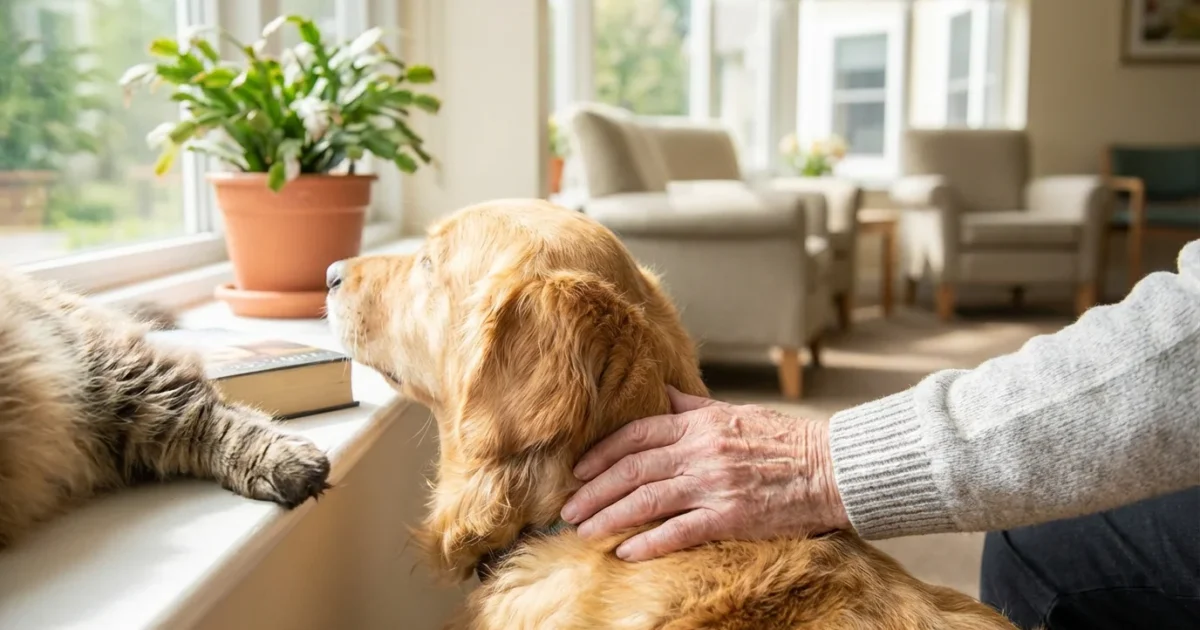
As Dorothy and I navigated the maze of retirement living options, one question that often came up, even though we don’t have a pet ourselves, was about our furry, feathered, or scaled friends. I saw firsthand how much comfort and joy pets bring to people, and it’s clear they offer a real sense of purpose.
For many, finding a community that welcomes both you and your pet isn’t just a preference; it’s a non-negotiable. My approach, as always, was to understand the variables: the types of housing, their specific pet policies, and how these environments support the shared life you have with your companion.
This guide, built on the same kind of methodical research I applied to our own move, should help you sort through the options and ensure a smooth transition for everyone involved.
The Comfort of Companionship: Why Senior Pets Matter
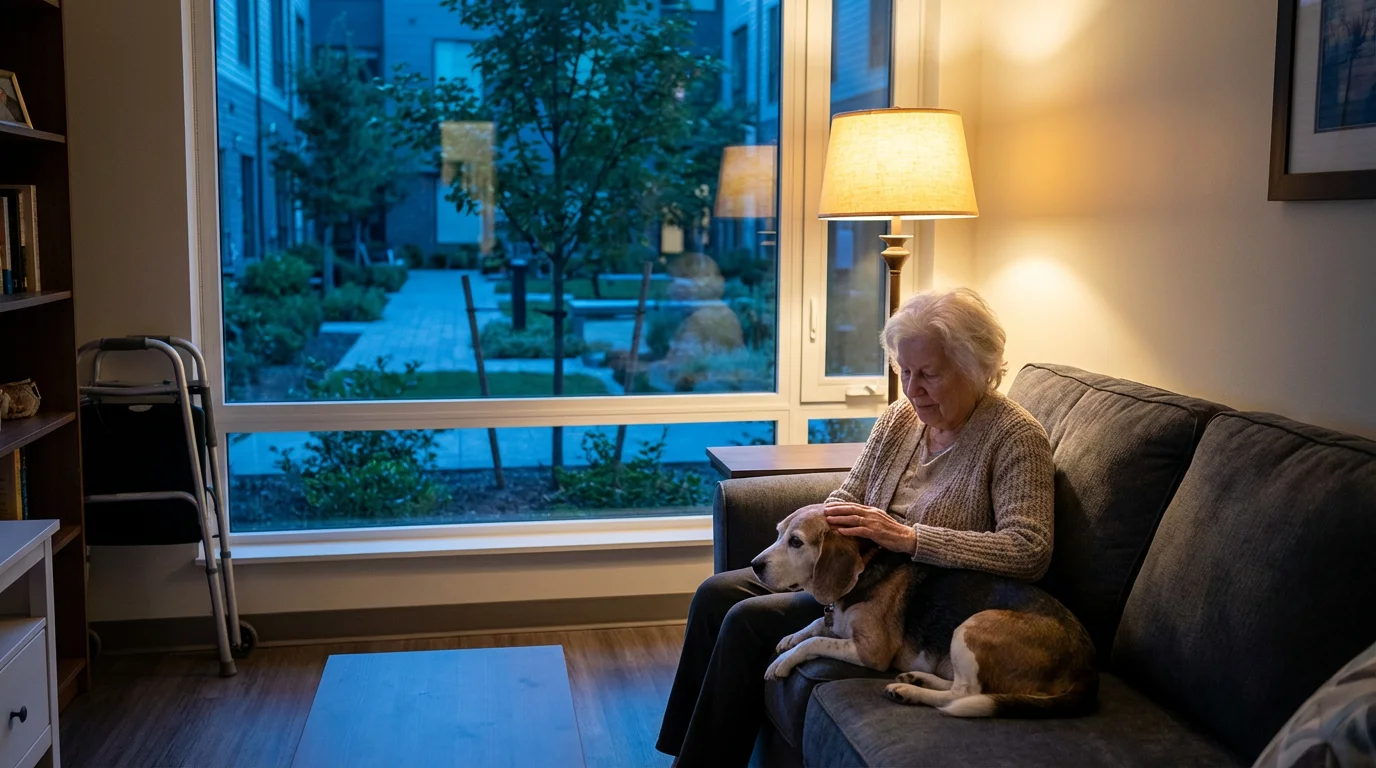
From a practical standpoint, the bond between folks in retirement and their pets offers a lot of measurable benefits. Studies consistently show that owning a pet can reduce stress, lower blood pressure, and decrease feelings of loneliness.
For us “older adults,” as they say, pets provide a routine, encouraging daily activity and social interaction. Your pet offers unconditional love and a constant presence, which enriches daily life and supports emotional well-being.
I’ve noticed Dorothy, with her knack for talking to strangers, often strikes up conversations with people walking their dogs around Hawthorn Ridge. They’re natural icebreakers, which is a real asset when you’re trying to build a new community, something Dorothy has done well here in Florida.
If you are planning to move from a larger family home, downsizing with pets requires a bit of extra coordination to ensure their comfort in a smaller environment.
Pets act as natural conversation starters, connecting you with neighbors and other residents who also cherish their animals. This aspect becomes especially valuable in new living environments, fostering a sense of community.
The responsibility of caring for a pet gives structure to your day, promoting physical activity through walks and playtime.
Understanding Pet Policies in Senior Living
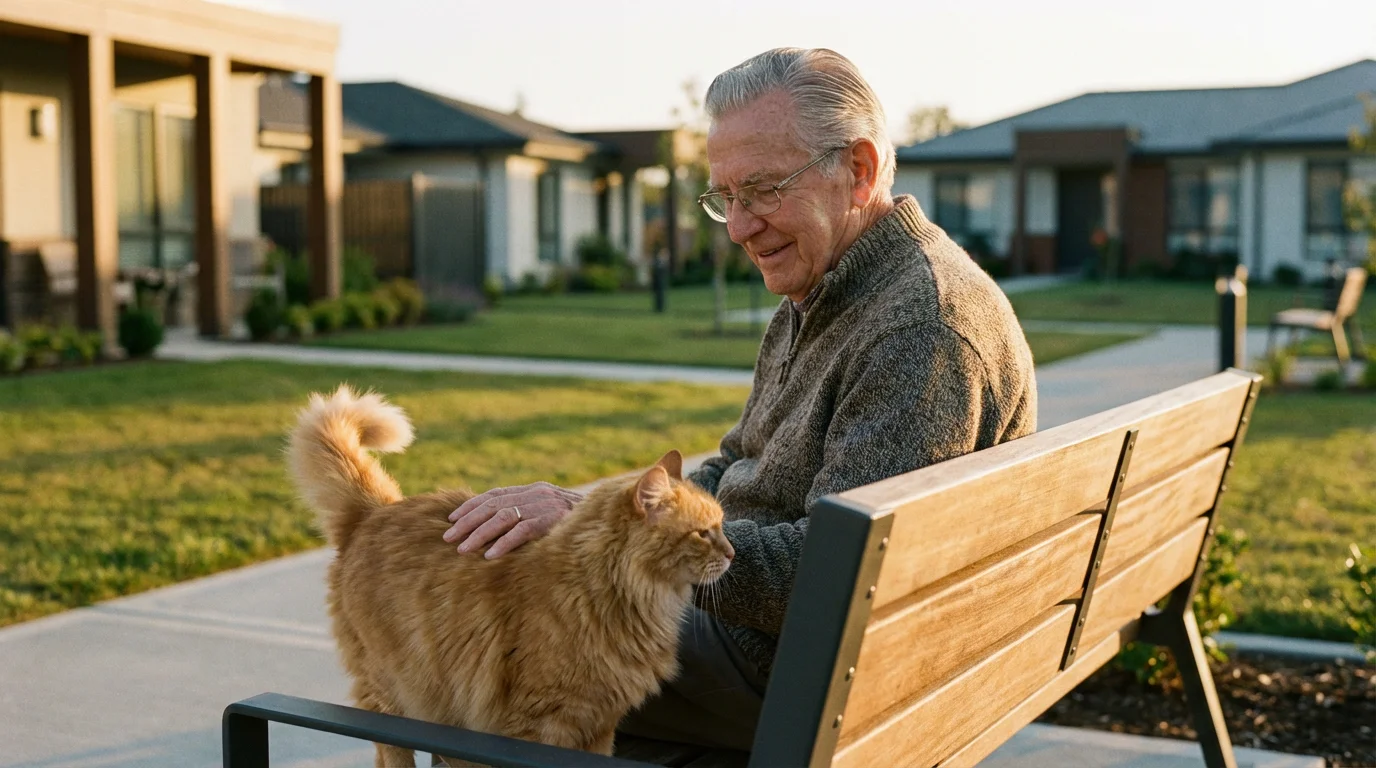
This is where my methodical side really kicks in. Pet policies vary significantly across different senior living communities, and I can’t stress this enough: do not assume a community is pet-friendly without explicitly confirming its rules.
When I was building my comparison matrix for 55+ communities, I included 14 variables, and if Dorothy and I had a pet, “pet policy details” would have been at least three of those variables.
These policies often cover specific types of animals, size and weight limits, breed restrictions, and the number of pets allowed per resident. Many communities require pets to be spayed or neutered, up to date on vaccinations, and well-behaved. It’s all about the specifics.
When visiting prospective facilities, it’s also helpful to have a general list of questions for your tour to cover all bases beyond just pet rules.
Expect to provide documentation of your pet’s health and training. Some communities may even require a “pet interview” to assess temperament. Clarifying these rules upfront saves time and avoids potential disappointment.
Understanding the nuances of each community’s approach ensures you select an environment that genuinely supports your pet’s presence, and more importantly, one that doesn’t hit you with unexpected restrictions down the line.

Pet-Friendly Retirement Communities: An Overview
My research showed that many types of retirement living options actively welcome pets. These communities understand the importance of animal companionship for their residents, which makes good business sense, frankly.
They often incorporate pet-friendly amenities into their design and daily operations.
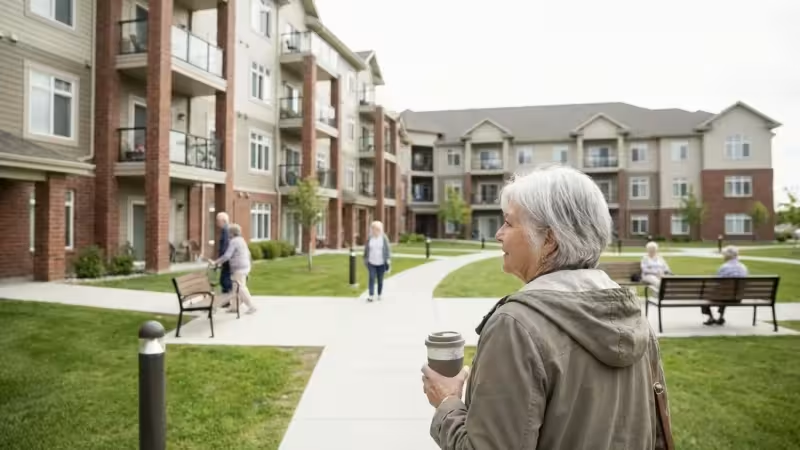
Active adult communities, 55+ communities (like our Hawthorn Ridge), and senior apartment complexes typically offer the most flexibility regarding pets. These environments cater to independent seniors who manage their own daily care and their pets’ needs. They often feature:
- Designated pet walking areas or dog parks.
- Pet waste stations with bags.
- Pet washing stations.
- Walking trails accessible to leashed pets.
- Social events for pet owners.
These communities usually have straightforward pet policies outlining size limits, breed restrictions, and a one-time pet fee or monthly pet rent. You retain full responsibility for your pet’s feeding, exercise, and veterinary care. If Dorothy and I had a dog, I would have certainly been checking the location of the nearest dog park on the community map, probably marking it in red.
| Community Type | Typical Pet Friendliness | Common Pet Amenities | Pet Owner Responsibility |
|---|---|---|---|
| Active Adult (55+) | Very High | Dog parks, walking trails, waste stations | Full responsibility for care and cost |
| Senior Apartments | High | Outdoor spaces, pet policies vary by complex | Full responsibility for care and cost |
| Independent Living | High | Pet-friendly common areas, some services | Full responsibility, some support available |
| Assisted Living | Moderate to High | Specific pet areas, staff assistance for some needs | Primary responsibility, staff can assist with basic care |
| CCRCs (all levels) | Varies by phase, often pet-friendly in IL/AL | Specific pet policies for each care level | Decreases with higher care levels, may need family support |
| Memory Care | Low (may allow visiting pets or community pets) | Limited individual pet access | Family or facility support for visiting pets |
| Skilled Nursing Facility | Very Low (often therapeutic visits only) | No resident pets, occasional therapy animals | No resident pets |

Independent Living with Your Pet
Dorothy and I chose an independent living community here in Sarasota, Hawthorn Ridge. These communities cater to active people who desire a maintenance-free lifestyle without requiring daily assistance with personal care.
Many independent living facilities warmly welcome pets, understanding the significant role they play in their residents’ lives. You will find that these communities often feature spacious apartments or cottages, providing ample room for your pet to live comfortably.
Our own place here, while smaller than our 2,400 sq ft colonial on Elmwood Drive, has enough space that if we had a small dog, it would be perfectly happy.
The focus in independent living is on maintaining your autonomy while enjoying amenities such as dining services, social activities, and transportation. You remain fully responsible for your pet’s feeding, walks, grooming, and veterinary appointments.
However, some independent living communities offer optional services like dog walking or pet sitting for an additional fee, providing flexibility when you travel or need extra support.
When considering independent living, ensure the community’s layout accommodates your pet. Easy access to outdoor areas, designated pet relief zones, and pet-friendly common spaces are beneficial. Confirm any weight or breed restrictions before committing, as these policies protect all residents and their pets.
Assisted Living: Balancing Care and Companionship
Assisted living facilities provide personalized care services for those who need help with Activities of Daily Living (ADLs), such as bathing, dressing, medication management, and mobility.
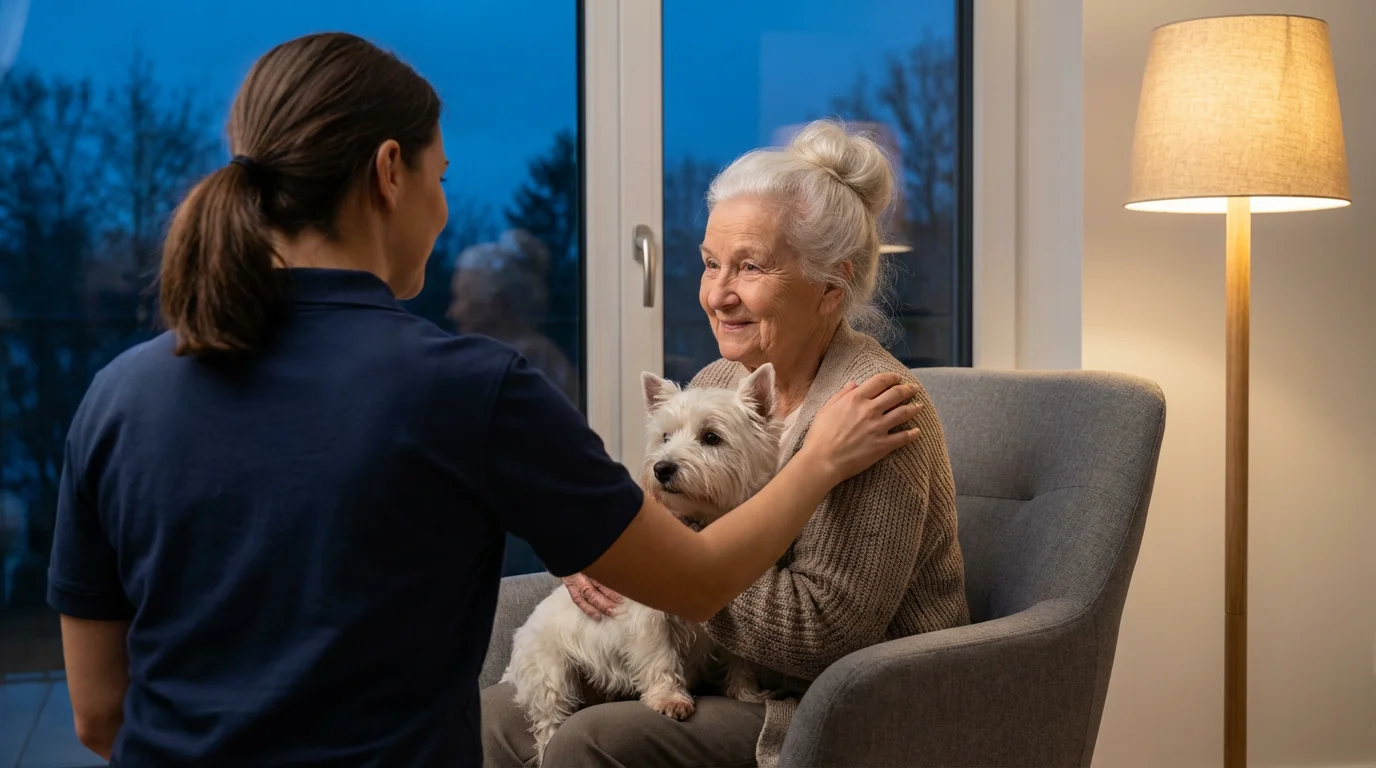
While Dorothy might focus on the emotional comfort a pet brings in such a setting, I’d be looking at the practicalities. The presence of pets in assisted living is increasingly common, reflecting a growing understanding of the therapeutic benefits pets offer.
While policies can be stricter than in independent living, many assisted living communities make efforts to accommodate furry residents.
These communities often have specific pet-friendly wings or floors. They implement policies designed to ensure the safety and comfort of all residents, including those who may have allergies or fears.
Expect rules regarding pet size, temperament, and supervision. Some facilities may require a health assessment for your pet to ensure they pose no risk to the community.
While you retain primary responsibility for your pet’s care, some assisted living communities offer a level of support. This might include staff helping with daily walks if you have limited mobility, or assisting with feeding schedules.
However, these services typically come at an extra cost. Always clarify the exact extent of pet care assistance provided, as it varies widely.
According to Argentum, a national association dedicated to supporting senior living communities, fostering connections between residents and their pets improves quality of life. My financial spreadsheets would definitely have a line item for any potential pet care assistance here.
Consider these questions when evaluating assisted living for you and your pet:
- What are the specific weight and breed restrictions?
- Do they require a pet deposit, and is it refundable?
- Are there designated outdoor areas for pets, and how accessible are they?
- What level of staff assistance, if any, is available for pet care?
- How do they manage pet waste and cleanliness within the community?
- What is their policy if your health changes and you can no longer care for your pet?

Continuing Care Retirement Communities (CCRCs) and Your Furry Friend
Even though Dorothy and I ultimately chose a 55+ active adult community, I did look at Continuing Care Retirement Communities (CCRCs) as part of my two years of research.
A CCRC offers a range of living options and services on one campus, evolving with your needs over time. This continuum of care typically includes independent living, assisted living, skilled nursing, and often memory care.
Your pet’s ability to transition with you through these different levels of care becomes a crucial consideration in a CCRC, and it’s a detail that would have been prominently noted in my comparison matrix.
Regardless of the care level you choose, financial planning for community living helps you understand the long-term feasibility of these options for you and your pet.
Many CCRCs welcome pets in their independent living and assisted living sections. The policies often mirror those of standalone communities for these care levels. However, as you move to higher levels of care, such as skilled nursing or memory care, pet policies become significantly more restrictive.
The primary concern shifts to the health, safety, and well-being of all residents, especially those with cognitive impairments or complex medical needs.
Some CCRCs have innovative programs to support pet ownership throughout the care continuum. This might involve:
- Designated pet-friendly sections in assisted living.
- Staff or volunteer programs to assist with pet care for residents receiving higher levels of support.
- Partnerships with local pet shelters or foster programs to help rehome pets if a resident can no longer care for them.
- Therapy animal programs for all residents.
It is imperative to inquire about the CCRC’s specific pet policy for each level of care. Ask about the process if your pet cannot transition with you to a higher level of care.
Understanding these contingencies ensures you have a plan in place for your beloved companion’s future. For more information on CCRCs, resources like LeadingAge provide valuable insights into these comprehensive communities.
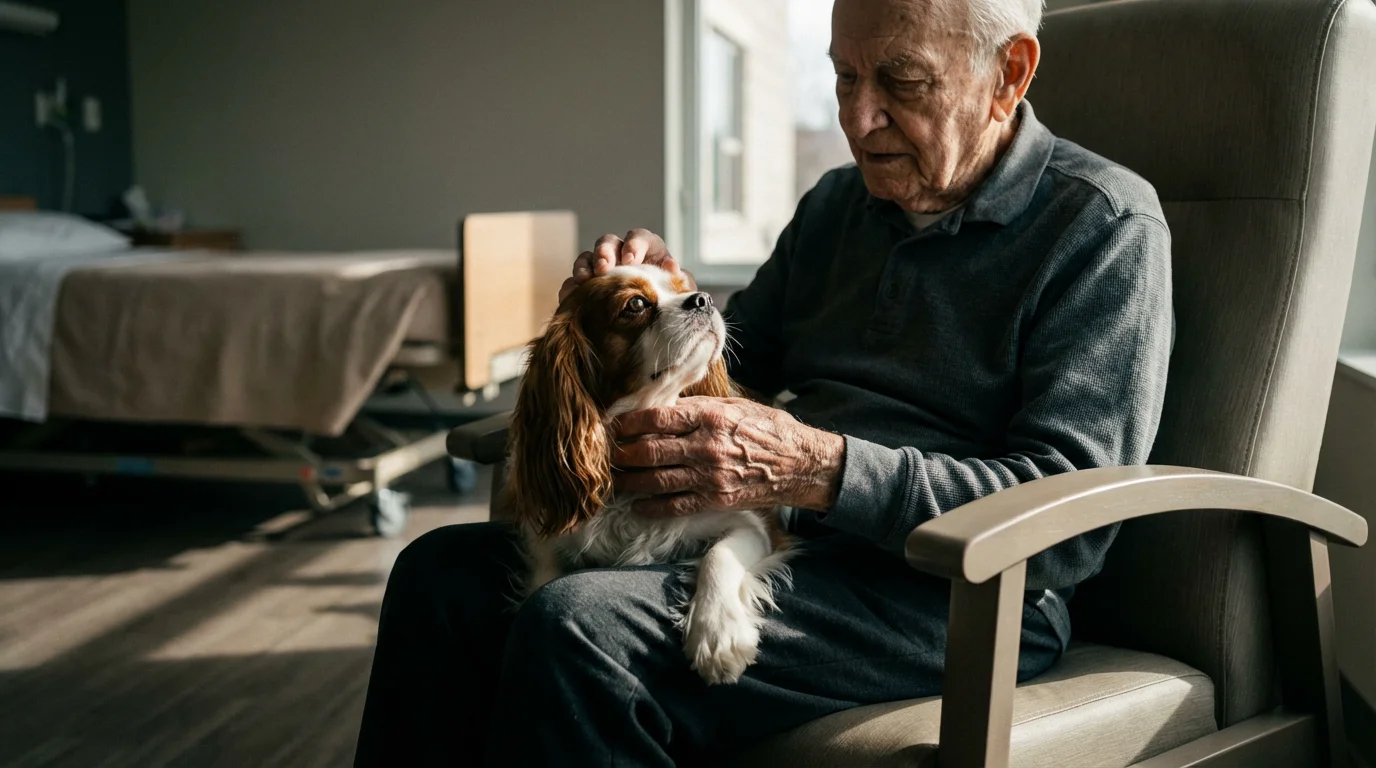
Navigating Memory Care and Skilled Nursing Facilities with Pets
This is a difficult but necessary topic to address with a clear head. Memory care facilities provide specialized care for individuals living with Alzheimer’s disease or other forms of dementia.
Skilled Nursing Facilities (SNFs), often called nursing homes, offer 24/7 medical care and rehabilitation services for those with significant health needs. Both environments prioritize clinical care and resident safety, which often leads to stricter pet policies.
From an engineering perspective, it’s about managing risk and ensuring the optimal environment for patient care.
Bringing your personal pet to live with you in a memory care unit or SNF is typically challenging due to several factors:
- Safety concerns: Other residents may have allergies, fears, or physical limitations that make interactions with pets unsafe.
- Cognitive impairment: Residents with dementia may not consistently remember how to care for a pet, or they might react unpredictably.
- Clinical environment: The focus is on medical care, and pet care resources are limited.
- Facility regulations: Health and safety regulations often restrict animals in these highly supervised settings.
While permanent residency for your pet is rare in these settings, many facilities recognize the therapeutic benefits of animal interaction. They often facilitate pet visitation programs, allowing family members to bring your pet for visits.
Some memory care units even have a “community pet,” like a resident cat or fish tank, providing comfort and companionship without individual ownership responsibilities.
If such a transition were ever necessary for Dorothy, I would certainly be looking into these visitation options, as I know how much emotional support means to her.
If your loved one is transitioning to memory care or a skilled nursing facility, discuss visitation policies for their pet. Explore options for finding a new loving home for your pet if they cannot join you. The Eldercare Locator can help you connect with local resources for senior care and support, including pet services.

Financial Considerations for Pet Owners in Senior Living
Now, this is an area where I can really dig in. Bringing a pet into a senior living community involves various financial considerations beyond the standard monthly fees. Understanding these costs upfront helps you budget effectively and avoid surprises.
This would be a sub-tab on my primary retirement budget spreadsheet, probably color-coded.
Many communities charge an initial pet deposit. This fee often covers potential damages caused by your pet. Some communities also impose a one-time non-refundable pet fee, which helps cover general pet-related wear and tear or administrative costs.
In addition to these upfront charges, a monthly pet rent is common in many pet-friendly living options. This recurring fee contributes to the maintenance of pet amenities and services.
Beyond community-specific fees, you remain responsible for your pet’s ongoing expenses. These include:
- Veterinary care: Regular check-ups, vaccinations, and emergency medical treatments.
- Food and treats: Consistent quality nutrition is essential for your pet’s health.
- Grooming: Professional grooming services, especially for breeds requiring specific care.
- Pet supplies: Toys, beds, leashes, collars, and waste bags.
- Pet insurance: Consider this to manage unexpected veterinary bills.
- Additional services: Dog walking, pet sitting, or transportation to vet appointments, if not provided by the community.
Always ask for a comprehensive breakdown of all pet-related fees before signing any contracts. I manage our finances with what Dorothy calls “a level of detail that belongs in a NASA mission,” and I’d apply that same rigor here. Compare these costs across different communities to find the best financial fit for you and your animal companion.
| Type of Pet-Related Cost | Description | Typical Range (may vary by region/community) |
|---|---|---|
| Pet Deposit | Refundable deposit for potential damages | $200 – $1,000+ (one-time) |
| Non-Refundable Pet Fee | One-time fee for general pet-related amenities/admin | $150 – $500+ (one-time) |
| Monthly Pet Rent | Recurring charge for pet presence | $25 – $100+ (per month) |
| Veterinary Care | Routine check-ups, vaccinations, emergency | Varies widely ($500 – $2,000+ annually) |
| Food and Supplies | Daily food, treats, litter, toys, etc. | $40 – $150+ (per month) |
| Grooming | Professional baths, trims, nail care | $50 – $150+ (per session, varies by animal) |
| Pet Insurance | Optional, helps cover vet expenses | $20 – $70+ (per month) |

Touring Pet-Friendly Communities: What to Look For
When Dorothy and I toured Hawthorn Ridge and the other communities on my short list, I had a detailed checklist for everything from the pool dimensions to the common area square footage.
If we had a pet, you can bet I’d have a dedicated section for pet amenities. When you tour pet-friendly living options, look beyond the basic pet policy. Evaluate the environment to ensure it genuinely supports a happy and healthy life for both you and your pet. Pay attention to the practical aspects that impact your daily routine.
Here are key aspects to observe and questions to ask during your visit:
- Outdoor Spaces: Are there secure, well-maintained outdoor areas specifically for pets? Look for dog parks, walking trails, or enclosed patios. Are waste stations readily available?
- Indoor Amenities: Does the community offer pet washing stations or grooming areas? Are common areas clearly marked as pet-friendly or restricted?
- Access and Layout: How easy is it to take your pet outside for walks or potty breaks? Are elevators, hallways, and entrances convenient for pet owners?
- Resident Feedback: Speak with current residents who have pets. Ask about their experiences with the community’s pet policies, staff support, and overall pet-friendly atmosphere.
- Staff Knowledge: Do staff members seem comfortable and knowledgeable about pets? Ask how they handle pet emergencies or behavioral issues.
- Veterinary Access: Is there a local veterinarian easily accessible from the community? Do they have a list of preferred local pet services?
- Emergency Plan: What is the community’s plan if you become ill or unable to care for your pet temporarily? Do they have a system in place to ensure your pet’s well-being?
- Guest Pets: If family or friends visit with their pets, what are the policies for guest animals?
Observing how other pets and owners interact within the community provides valuable insight into the actual pet-friendly culture. A truly pet-friendly environment goes beyond policies, demonstrating a genuine commitment to integrating animal companions into community life.

Making the Move: Preparing Your Pet for a New Home
Moving from our 2,400 sq ft colonial on Elmwood Drive in Columbus, Ohio, after 44 years, was quite an operation. We had accumulated what I once estimated to be “approximately one metric ton of stuff we don’t need.”
Relocating, even for humans, is stressful, and it’s certainly stressful for your pet. Thoughtful preparation helps ease your pet’s transition to a new environment. A smooth move minimizes anxiety and helps your pet settle into their new home quickly, which is always the most efficient outcome.
Here are actionable steps to prepare your pet:
- Gradual Introduction: If possible, take your pet for short visits to the new community before the official move. Allow them to explore the new apartment or outdoor areas.
- Familiar Scents: Bring familiar items like their bed, blankets, and toys to the new place. These items carry comforting scents and provide a sense of security.
- Maintain Routine: Try to keep your pet’s feeding, walking, and playtime schedules as consistent as possible during and after the move. Predictability reduces stress.
- Safe Space: Set up a designated “safe space” for your pet in the new home, perhaps a quiet corner with their bed and water. This gives them a retreat during the unpacking chaos.
- Update Identification: Ensure your pet’s tags and microchip information are current with your new address and contact details. This is crucial for their safety.
- Consult Your Vet: Talk to your veterinarian before the move. They may offer advice on calming techniques or temporary anxiety medications for particularly sensitive pets.
- Patience and Reassurance: Your pet relies on your emotional cues. Stay calm, speak in soothing tones, and provide plenty of positive reinforcement and affection.
A well-prepared move makes the new community feel like home faster for your pet, allowing both of you to enjoy your new chapter together.
Frequently Asked Questions
What types of senior living communities are most likely to be pet-friendly?
Based on my research, independent living, 55+ communities, and senior apartment complexes are generally the most accommodating for pets. Many assisted living communities also welcome pets, though you’ll find their policies tend to be more stringent.
Continuing Care Retirement Communities (CCRCs) often allow pets in their independent and assisted living sections but typically have much tighter restrictions as you move to higher levels of care.
Are there size or breed restrictions for pets in senior living communities?
Yes, almost all pet-friendly communities will have specific restrictions. Common limitations include weight limits (e.g., under 25 or 40 pounds), limits on the number of pets, and breed restrictions for certain dog breeds often perceived as aggressive. It’s crucial to verify the exact policy for each community you’re considering; don’t assume anything.
Do I have to pay extra fees for my pet in a senior living community?
Generally, yes, you should anticipate additional costs. Many communities charge a one-time pet deposit, a non-refundable pet fee, and/or monthly pet rent. These fees help cover potential damages, general wear and tear, and the maintenance of pet-friendly amenities.
My advice: always ask for a detailed breakdown of all pet-related costs to avoid surprises in your budget.
What happens to my pet if I become unable to care for them in a senior living community?
This is a critical question that needs to be part of your due diligence for any community. Some communities have programs or partnerships to assist residents with pet care temporarily, or they may help rehome your pet if long-term care becomes necessary.
I also strongly recommend having a personal backup plan in place, such as a family member or friend designated to care for your pet, to ensure their well-being.
Can my pet live with me in a memory care or skilled nursing facility?
Typically, personal pets are not permitted to reside with residents in memory care units or skilled nursing facilities. This is primarily due to safety, health, and clinical considerations for all residents.
However, many facilities do allow scheduled pet visits from family members or offer community therapy pets to provide companionship and comfort to residents, which is a good alternative to explore.
What should I look for when touring a pet-friendly community?
When touring, I’d suggest looking for specific pet walking areas, easily accessible waste stations, and pet-friendly common spaces. Ask about the level of staff assistance with pet care, what their emergency plans are for pets, and if they have a list of local veterinary services.
Most importantly, try to speak with current pet-owning residents to get their firsthand perspective on the community’s pet policies and overall environment.
Disclaimer: This article is for informational purposes only and does not constitute medical, legal, or financial advice. Senior housing costs, services, and availability vary significantly by location and provider. We strongly encourage readers to tour multiple communities, review contracts carefully with legal counsel, and consult with eldercare specialists, financial advisors, and healthcare providers before making housing decisions.








Leave a Reply