
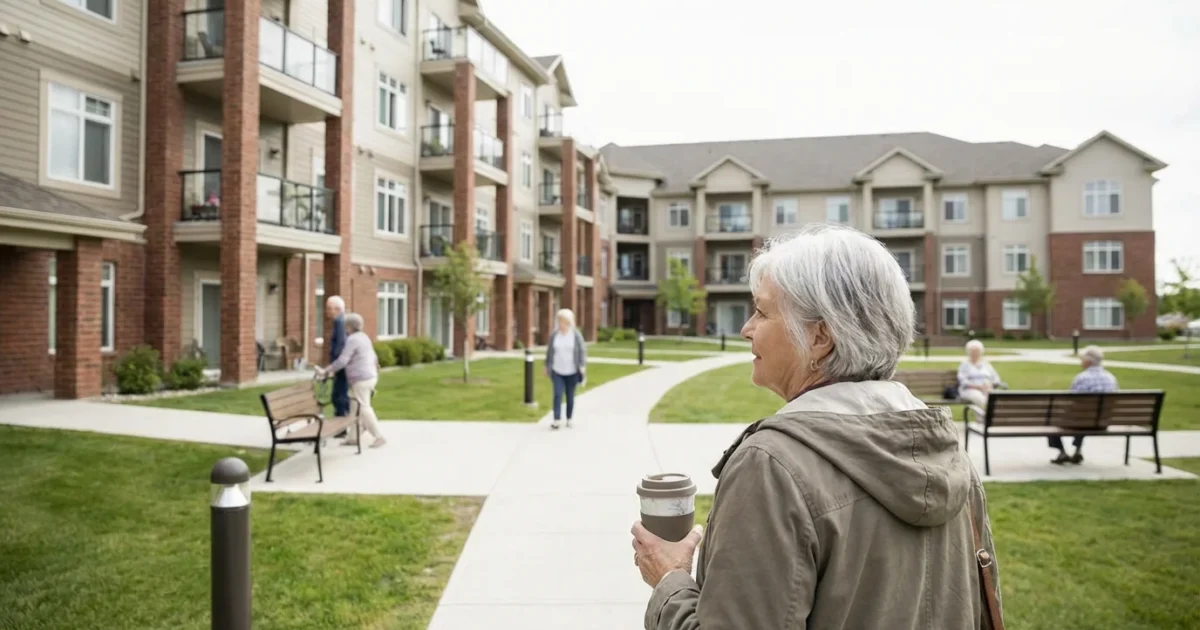
Exploring housing options for retirement can feel like sifting through a mountain of data, especially when you’re trying to balance the amenities you want with maintaining your independence and, of course, sticking to a budget. Dorothy and I certainly found that out.
A lot of folks assume that once you’re ready to downsize, your only choices are facilities offering extensive care. But I can tell you from my own two years of research that senior apartments present a compelling, and often more affordable, housing solution.
These communities are designed for an independent lifestyle, typically for adults 55 and older, and they focus on keeping you engaged without the higher costs tied to extensive care services.
Understanding what senior apartments offer was a key part of my comparison matrix, and it’ll help you make an informed decision for your next chapter.

What Are Senior Apartments?
In my research, I found that senior apartments are residential communities designed exclusively for older adults, typically 55 or 62 and older. They really focus on independent living within a comfortable, age-restricted environment.
The idea is to foster a sense of community, provide opportunities for social interaction, and offer amenities that support an active lifestyle. These were all variables in my comparison matrix when Dorothy and I were looking at places like Hawthorn Ridge.
Most senior apartments function much like any traditional apartment complex, but they’re specifically tailored to the needs and preferences of seniors. You rent your own individual unit, manage your own household, and enjoy the privacy of your own space. The primary differences are the age restriction and the community-focused services and activities that come with it.
It’s important to understand that these communities are distinct from assisted living facilities or nursing homes. Residents in senior apartments manage their daily routines independently, which includes cooking, cleaning, and personal care. The emphasis is squarely on self-sufficiency and an active social life within a supportive, age-appropriate setting.
Common features I looked for in senior apartment communities included:
- Age restrictions, typically 55+ or 62+.
- Maintenance-free living, with the landlord handling repairs and upkeep.
- Community rooms, fitness centers, and social common areas.
- Planned activities, events, and excursions.
- Accessible design elements like grab bars, wider doorways, and no-step entries.
- Emergency call systems in some units.
- On-site management and security.
Some senior apartment complexes offer optional services for an additional fee, such as meal plans, housekeeping, or transportation. These add-on services allow residents to customize their living experience based on their evolving needs and budget, which is a practical consideration I always factored in.

Key Advantages of Choosing Senior Apartments
From a practical standpoint, choosing senior apartments offers several significant benefits, especially if, like Dorothy and me, you prioritize maintaining independence and a robust social life within a defined retirement budget. This housing option can make the transition into retirement much smoother, focusing on convenience and community.
One primary advantage, which Dorothy certainly enjoys, is the focus on an active and social lifestyle. Senior apartment communities often have a calendar packed with activities, from exercise classes and book clubs to game nights and group outings.
This built-in social network helps combat loneliness and promotes mental and physical well-being. Living among peers creates natural opportunities for friendship and support. Dorothy, for example, has made three genuine friends at Hawthorn Ridge, her “Florida family,” and she’s the one who talks to strangers at the pool.
Financial predictability stands out as another key benefit. Unlike homeownership, which involves unpredictable maintenance costs and property taxes, senior apartments offer a fixed monthly rent.
This simplifies your retirement budget, providing clear cost expectations. You gain access to a host of amenities without the burden of maintaining them yourself. After spending 44 years in our 2,400 sq ft colonial on Elmwood Drive, where we accumulated what I once estimated to be “approximately one metric ton of stuff we don’t need” and all the associated upkeep, this aspect alone makes senior apartments a compelling choice for affordable housing.
You also benefit from maintenance-free living. Landlords handle home repairs, landscaping, and snow removal. This frees up your time and energy to pursue hobbies, travel, or simply relax, eliminating many common stressors of homeownership.
I can tell you, not having to worry about the furnace or a leaky roof anymore has significantly enhanced our quality of life in retirement.
From an engineering perspective, senior apartments often feature designs that cater to accessibility and safety for older adults. You’ll find amenities like elevators, easily navigable common areas, and sometimes even in-unit features such as walk-in showers or emergency pull cords.
These thoughtful designs contribute to peace of mind and help you age in place more comfortably.
Finally, the flexibility of renting provides freedom. You avoid the complexities and long-term commitment of selling a home or buying into a community. This allows for easier relocation should your needs or preferences change in the future. Senior apartments provide a practical and adaptable solution for many retirees.

Understanding the Costs: What to Expect
Cost was a critical factor when I evaluated senior housing options for Dorothy and me. Senior apartments generally present a more budget-friendly housing solution compared to assisted living or continuing care retirement communities (CCRCs).
You pay monthly rent, and the total cost depends heavily on location, apartment size, included amenities, and any optional services you choose. This is where my “NASA mission” level of financial detail really came in handy.
Monthly rent for senior apartments can range widely, from approximately $800 to $3,000 or more. Geographic location drives much of this variation; urban and high-cost-of-living areas will command higher rents.
For instance, a one-bedroom apartment in a smaller town might cost $1,200 per month, while a similar unit in a major metropolitan area could exceed $2,500.
Typical costs included in your monthly rent often cover:
- The apartment unit itself.
- Access to community amenities, such as a fitness center, library, or common lounge areas.
- Participation in planned social activities.
- Property maintenance and landscaping.
- Basic security features.
Additional expenses you might pay separately include utilities like electricity, gas, and internet. Some communities package basic utilities into the rent, but you should always clarify what your monthly payment covers.
You are also responsible for your own groceries and personal expenses – I always made sure to factor in our weekly grocery budget for those details.
Optional services represent another potential cost. Many senior apartment communities offer add-on services that enhance convenience. These services can include:
- Housekeeping and laundry services.
- Meal plans, ranging from one meal a day to all three.
- Scheduled transportation for appointments or errands.
- Personal care services, such as assistance with Activities of Daily Living (ADLs), like bathing or dressing, if offered through a third-party or on-site agency.
These optional services can accumulate quickly, so carefully evaluate which ones you genuinely need and factor their costs into your overall retirement budget.
For example, a basic meal plan might add $300-$600 per month, while comprehensive housekeeping could be an extra $100-$200. I had a separate column for these “variable costs” in my spreadsheet.
Comparing the total monthly expense of senior apartments to other options clearly highlights their affordability. Assisted living facilities, which provide extensive personal care, meals, and medical supervision, typically cost between $4,000 and $7,000 per month.
Nursing homes, offering 24/7 skilled nursing care, can exceed $8,000 to $10,000 monthly. Senior apartments, focused on independent living, significantly reduce this financial burden, which was a major point in their favor in my 14-variable comparison matrix.
Be sure to ask about any move-in fees, security deposits, or community fees when you inquire about a senior apartment. These upfront costs vary and impact your initial expenditure. Understanding all financial commitments helps you manage your budget effectively.

Finding Affordable Senior Apartments
Finding affordable senior apartments requires a proactive and informed approach, something I definitely employed during my two years of research before we moved. There are many resources and strategies to help you locate communities that align with your retirement budget.
By knowing where to look and what questions to ask, you can uncover suitable options.
I started by researching online directories and housing search engines. Websites like A Place for Mom or the Eldercare Locator were helpful for filtering communities by location, amenities, and price range.
These platforms often provide detailed profiles and contact information for various senior living options, including senior apartments.
It’s also worth considering government-subsidized housing programs if your income meets specific criteria. The U.S. Department of Housing and Urban Development (HUD) offers programs like Section 202 Supportive Housing for the Elderly.
These programs provide rental assistance to eligible low-income seniors, making independent senior living significantly more affordable. Eligibility typically involves age and income limitations.
You can find more information about these programs through your local housing authority or the NCOA Housing Resources website. While Dorothy and I didn’t ultimately pursue these, I certainly included them in my initial research to understand the full spectrum of options.
Explore local community resources. Your local Area Agency on Aging (AAA) serves as an excellent resource for information on senior housing options and support services in your area.
They often maintain lists of senior apartment communities, including those with affordable rates or subsidized units. Senior centers also frequently offer guidance and connections to local housing resources.
When you contact communities, always inquire about all fees. Ask if the community offers different pricing tiers for various apartment sizes or amenity packages. Some communities have income-restricted units even if they are not fully government-subsidized. These units provide a more budget-friendly senior living option.
Look for communities that offer flexible lease terms or a range of optional services. You can often save money by choosing fewer add-on services or by providing your own transportation and meals. This customization allows you to control your monthly expenses more effectively.
Here are actionable steps to find affordable apartments:
- Define Your Budget: Determine your maximum monthly housing expense, including rent, utilities, and potential optional services.
- Research Online: Use senior housing search engines and local government housing sites.
- Contact Your Local AAA: Inquire about local resources, subsidized housing, and low-income senior apartment lists.
- Visit Community Websites: Look for detailed pricing information and amenity lists.
- Ask About Income Restrictions: Many communities have a percentage of units set aside for lower-income seniors.
- Consider Smaller Towns or Suburban Areas: Housing costs are often lower outside major city centers.
- Inquire About All Fees: Understand security deposits, application fees, and monthly costs beyond basic rent.
Proactive research and diligent questioning put you in the best position to secure comfortable and affordable housing for your retirement.
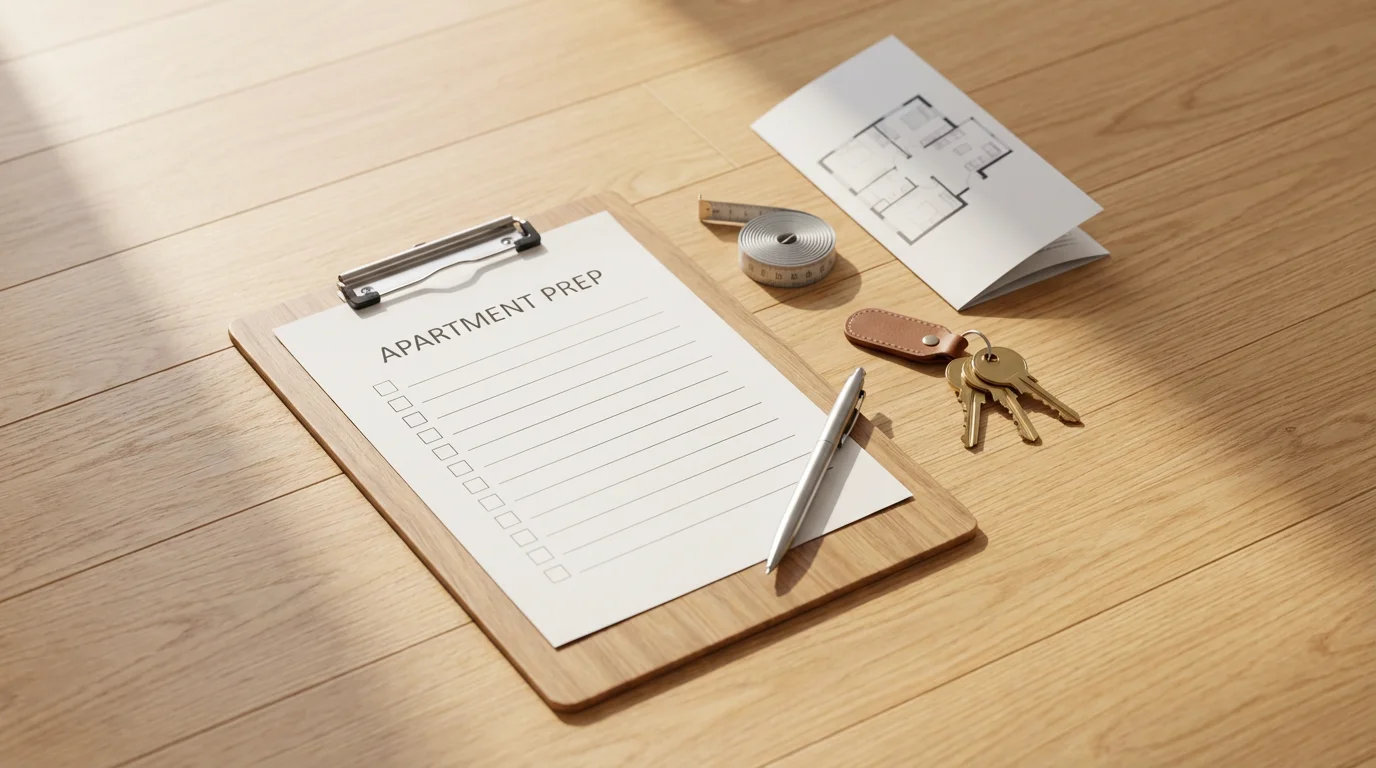
What to Look for When Touring Senior Apartment Communities
Touring senior apartment communities provides a crucial opportunity to assess whether a place truly fits your needs and preferences. You gain firsthand experience of the environment, amenities, and overall atmosphere.
I approached each tour like an inspection, with a critical eye and a clear understanding of what mattered most to us.
First, evaluate the physical environment. Check the condition of the buildings and grounds. Look for signs of good maintenance, cleanliness, and safety. As a civil engineer, I was particularly interested in the accessibility of common areas and individual units.
Are hallways well-lit and wide? Do elevators work smoothly? Are there ramps or no-step entries where needed? These details impact your daily comfort and safety, and I made sure to check them all off my list.
Consider the location and surrounding neighborhood. Is it conveniently located near shops, medical facilities, parks, or places of worship that are important to you? Does the neighborhood feel safe and walkable? Access to external amenities enhances your independence and quality of life.
Pay close attention to the apartment unit itself. Does it offer enough space for your belongings and activities? Consider the layout, natural light, kitchen size, and bathroom accessibility.
Imagine living in that space daily and assess its functionality and comfort. Dorothy would always say, “Bill, can you imagine me baking here?” and that was her way of assessing the feel of the place.
Observe the social atmosphere during your visit. Are residents engaging with each other? Do staff members seem friendly, attentive, and respectful? A vibrant community often shows signs of active participation and positive interactions.
Joining a scheduled activity or having a meal in the dining area, if available, gives you a clearer picture. While I’m not always the one starting conversations, I made sure to observe how Dorothy interacted with others to gauge the community’s warmth.
Here is a checklist of what to look for during your tours:
- Overall Cleanliness and Maintenance: Both inside units and in common areas.
- Safety Features: Emergency call systems, good lighting, secure entryways.
- Accessibility: Ramps, elevators, wide doorways, grab bars in bathrooms.
- Apartment Features: Sufficient space, functional kitchen, comfortable bathroom, storage.
- Community Amenities: Functionality and availability of fitness centers, libraries, common rooms.
- Social Atmosphere: Observe resident interactions, staff demeanor.
- Location: Proximity to essential services, public transportation, and personal interests.
- Noise Levels: Consider potential noise from neighbors, common areas, or outside traffic.
- Laundry Facilities: Availability, cost, and convenience.
- Parking: Adequate, safe, and accessible parking options for residents and visitors.
Do not hesitate to ask current residents about their experiences. Their insights offer valuable perspectives on daily life in the community, staff responsiveness, and overall satisfaction. Their feedback can confirm or challenge your own observations.
Questions to Ask Before Signing a Lease
Signing a lease for a senior apartment represents a significant commitment. Asking thorough questions before you commit ensures you fully understand the terms, costs, and expectations.
You empower yourself to make a confident decision and avoid unwelcome surprises. I know from experience that taking the time here can save a lot of headaches later.
Begin by clarifying all financial aspects. Beyond the monthly rent, ask about any application fees, security deposits, move-in fees, or annual increases. Understand exactly what your rent covers and what expenses you are responsible for separately, such as utilities, parking, or specific amenities.
This helps you maintain control over your retirement budget. For our move to Hawthorn Ridge, I had a separate spreadsheet just for these one-time and recurring fees.
Inquire about the lease terms. What is the length of the lease? Are renewals automatic? What is the policy for breaking a lease early if your needs change? Understanding these clauses provides flexibility and protects you in unforeseen circumstances. Also, ask about guest policies, including rules for overnight visitors.
Understand the services and amenities included. Confirm access to all advertised features like fitness centers, community rooms, and planned activities. Ask if there are any additional fees for participating in certain activities or using specific facilities.
Clarify what maintenance services are covered and how quickly they respond to repair requests. I wanted to know the average response time for a leaky faucet, for example.
Consider potential future needs. While senior apartments focus on independence, some communities offer partnerships with home healthcare agencies or provide limited personal care services for an additional fee. Ask about options for bringing in external support if you eventually need assistance with Activities of Daily Living (ADLs). This foresight helps you plan for long-term comfort.
Here is a list of essential questions to ask:
- What is the total monthly cost, including all mandatory fees?
- What utilities are included in the rent?
- Are there any entrance fees or security deposits? If so, are they refundable?
- How often does the rent typically increase, and by how much?
- What is the length of the lease term, and what are the renewal policies?
- What is the policy for early lease termination?
- What community amenities are available, and are there extra fees for any of them?
- What social activities are regularly scheduled, and what is the cost to participate?
- What is the policy regarding pets? Are there breed or size restrictions, and what are the associated fees?
- What are the parking arrangements for residents and guests?
- How does the community handle maintenance requests, and what is the typical response time?
- Are there emergency call systems in the units, and how do they work?
- What security measures are in place?
- What options are available if I eventually need assistance with personal care or housekeeping?
- Can I customize my apartment, such as painting walls or making minor modifications?
Take notes during your discussions and request a copy of the lease agreement to review thoroughly. I had a legal professional review our lease agreement before we signed it. This due diligence ensures clarity and protects your interests.
Senior Apartments vs. Other Housing Options
Understanding how senior apartments compare to other senior living options was a core part of my two years of research, and it’s crucial for making the right choice for your needs and retirement budget.
While all aim to support older adults, they differ significantly in the level of care, services, and associated costs. Senior apartments generally cater to the most independent seniors, which is exactly what Dorothy and I were looking for at Hawthorn Ridge.
Independent Living Communities are very similar to senior apartments. The terms are often used interchangeably. Both provide private living spaces, a social environment, and a range of amenities. Independent living communities, however, might offer a broader array of services, such as one or two meals a day included in the base fee, or a more extensive social calendar. The distinction often lies in the specific services bundled into the monthly cost.
Assisted Living Facilities represent a higher level of care. These communities are for seniors who need daily assistance with Activities of Daily Living (ADLs), such as bathing, dressing, medication management, or mobility. Assisted living provides round-the-clock supervision, prepared meals, and personalized care plans. As a result, they come with a significantly higher monthly cost compared to senior apartments, typically ranging from $4,000 to $7,000. I had these numbers clearly laid out in my comparison matrix.
Continuing Care Retirement Communities (CCRCs) offer a continuum of care on one campus. You move in independently and can transition to assisted living, memory care, or skilled nursing care as your needs change, without having to move to a different facility. CCRCs require a substantial upfront entrance fee, often hundreds of thousands of dollars, in addition to monthly fees. They provide peace of mind for future care but at a significant financial commitment.
Memory Care Facilities specialize in caring for individuals with Alzheimer’s disease or other forms of dementia. These communities feature secure environments, specialized programming, and staff trained in dementia care. Memory care is often the most expensive option due to the intensive, specialized support required.
Nursing Homes, or Skilled Nursing Facilities (SNFs), provide 24/7 medical care, rehabilitation services, and assistance for residents with complex health needs. These are typically for individuals recovering from an illness, injury, or who require long-term comprehensive medical supervision. Costs are generally the highest among all senior living options, often exceeding $8,000 per month. You can use Medicare’s Care Compare tool to find and compare nursing homes.
Here is a comparison highlighting the key differences, much like how I structured my own 14-variable comparison matrix:
| Housing Type | Primary Resident Profile | Typical Services Included | Estimated Monthly Cost Range |
|---|---|---|---|
| Senior Apartments | Independent, active seniors (55+/62+). | Private apartment, community amenities, maintenance, social activities. Optional services like meals, housekeeping. | $800 – $3,000+ |
| Independent Living | Independent seniors who prefer community living. | Private apartment or cottage, meals, transportation, housekeeping, extensive activities, maintenance. | $2,000 – $5,000+ |
| Assisted Living | Seniors needing help with ADLs (bathing, dressing, medication). | Personal care, meals, housekeeping, transportation, activities, 24/7 supervision, medication management. | $4,000 – $7,000+ |
| Memory Care | Individuals with Alzheimer’s or dementia. | Specialized dementia care, secure environment, therapeutic activities, 24/7 supervision. | $5,000 – $9,000+ |
| Nursing Home (SNF) | Individuals needing 24/7 skilled nursing care or rehabilitation. | Medical care, rehabilitation, all meals, personal care, social services, therapy. | $8,000 – $12,000+ |
Senior apartments stood out as an excellent choice for us because we maintain strong independence, Dorothy desired a vibrant social life, and I prioritized managing our retirement budget effectively. They offer the social benefits of community living without the higher costs associated with extensive medical or personal care.

Next Steps on Your Housing Journey
Your journey to finding the ideal senior apartment involves a few crucial final steps. You’ve gathered information, visited communities, and asked important questions. Now, you need to consolidate your findings and make a confident decision. This is where all the methodical planning comes together.
First, revisit your notes and compare your top choices. Create a pros and cons list for each community, weighing factors like cost, amenities, location, and the overall feeling you experienced during your tour.
Consider which community best aligns with your financial plan and lifestyle preferences. I involved Dorothy in this discussion, and while I had my spreadsheets, her “feelings” about a place were definitely a significant factor in our final decision for Hawthorn Ridge.
Next, conduct thorough due diligence on your preferred community. Verify the community’s licensing and any relevant accreditations. For instance, some senior living communities might seek accreditation from organizations like CARF International, which indicates a commitment to quality.
Check online reviews, but also understand that individual experiences vary.
Before signing any contract, seek professional advice. Consult with a financial advisor to ensure the housing choice fits within your long-term retirement budget. Have a legal professional review the lease agreement to clarify all terms and conditions, especially those related to fees, services, and lease termination.
If you have specific health concerns, consult your healthcare provider about how the community supports your well-being.
Trust your instincts. After all the research and visits, you will likely have a gut feeling about which place feels most like home. The goal is to find a place where you feel comfortable, safe, and happy. Dorothy reminds me that sometimes, the numbers tell one story, but your heart tells another, and both are important.
Here are your final actionable steps:
- Review and Compare: Evaluate your top senior apartment choices against your budget and lifestyle preferences.
- Consult Professionals: Get financial, legal, and healthcare advice on your chosen community and contract.
- Finalize Documentation: Ensure all agreements are clear, written, and understood before signing.
- Plan Your Move: Once you make a decision, start planning your relocation logistics.
Making this decision marks an exciting new chapter. Senior apartments can provide a fulfilling and affordable living option, allowing you to enjoy your retirement with independence and community. For us, moving to Hawthorn Ridge was the best decision of our retirement, and I was right about it from day one.
Frequently Asked Questions
Are senior apartments truly more affordable than other options?
Based on my extensive research and comparison matrices, yes, senior apartments are generally more affordable. They focus on independent living, meaning you pay for your private living space and basic amenities, not extensive personal or medical care.
This contrasts sharply with assisted living or nursing homes, which include significant costs for daily care services, driving up their monthly fees substantially.
What is the typical age requirement for senior apartments?
Most senior apartments enforce an age restriction, commonly 55+ or 62+. This means at least one resident in the household must meet the minimum age requirement. These age restrictions help cultivate a community of peers with similar life stages and interests, which was a clear benefit I noted in my research.
Do senior apartments offer any care services?
Senior apartments themselves typically do not provide direct care services, as they are designed for independent living. However, many communities are flexible. You often have the option to arrange for external home health agencies or caregivers to provide personal care services, like assistance with Activities of Daily Living (ADLs), within your apartment.
Some communities may also have preferred providers or offer limited on-site services for an additional fee, so it’s important to clarify these options.
How do I know if senior apartments are the right fit for me?
Senior apartments are a good fit if you value your independence, can manage your daily living activities without significant assistance, and desire a vibrant social environment.
You should also consider senior apartments if you want to eliminate home maintenance responsibilities and live within a predictable retirement budget, which was a major draw for Dorothy and me. If you require consistent medical care or daily personal care, assisted living or other options might be more appropriate.
Can I bring my pet to a senior apartment community?
Many senior apartment communities are pet-friendly. However, you should always verify the specific pet policy of each community. Policies vary widely and might include restrictions on pet size, breed, or the number of pets.
Communities may also charge a pet deposit or an additional monthly pet fee, so make sure to factor those into your budget.
What if my needs change after moving into a senior apartment?
This is a practical concern many people have. While senior apartments are for independent living, you have options if your needs change. You can often hire external home care services to provide assistance in your apartment.
If your needs become more extensive, such as requiring 24/7 supervision or medical care, you might need to explore moving to an assisted living facility or a nursing home. Some senior apartment communities have affiliations with higher-level care providers to help residents transition smoothly, a detail I always looked for in my research.
Disclaimer: This article is for informational purposes only and does not constitute medical, legal, or financial advice. Senior housing costs, services, and availability vary significantly by location and provider. We strongly encourage readers to tour multiple communities, review contracts carefully with legal counsel, and consult with eldercare specialists, financial advisors, and healthcare providers before making housing decisions.








Leave a Reply