

It helps to research various housing options for seniors before deciding which type of community best suits your needs.
Transitioning to a 55+ community really does mark an exciting new chapter, often brimming with possibilities for connection, engagement, and a lifestyle designed for your comfort.
For Bill and me, this move definitely involved a significant step: downsizing. Oh, the idea of sorting through 44 years of cherished belongings in our 2,400 sq ft colonial on Elmwood Drive in Columbus felt incredibly daunting at first.
I cried when we sold the house, I really did. But with a thoughtful approach (and Bill’s spreadsheets!), it truly became a liberating process, preparing us for the vibrant life that awaited us here in Hawthorn Ridge.
Before we even started packing, Bill made sure we weighed the benefits of community living vs. aging in place to ensure this move aligned with our long-term goals. He researched 55+ communities for two full years, bless his methodical heart.
This article shares some of the practical insights and strategies we learned for streamlining our possessions, organizing our move, and seamlessly settling into our new community. I hope it helps you approach this journey with confidence, ensuring your transition is as smooth and stress-free as possible.

Embrace the Downsizing Mindset
Before I lifted a single box, Bill kept reminding me to adopt a proactive mindset. He’d say, “Dorothy, downsizing isn’t about getting rid of things; it’s about making space for our future, simplifying our lives, and reducing upkeep.”
Honestly, it took me a full year to truly believe him, but he was right. I had to envision our new community living space, focusing on comfort, functionality, and the activities I wanted to pursue (like watercolor painting, even if I’m not good at it!).
The transition was much smoother once I focused on choosing a community based on our interests, ensuring our new environment supported the lifestyle we envisioned. I was so worried about leaving my garden in Columbus, but I’ve found so much joy in the community’s botanical club here.
The benefits really do add up: less to clean, fewer repairs, and more freedom to travel, socialize, or indulge in hobbies. This perspective shift transformed what felt like an overwhelming task into an empowering one for me.
Think about the lifestyle your new 55+ community offers. Our community, Hawthorn Ridge, provides amenities like fitness centers, pools, clubhouses, and maintenance services, which really reduced our need for certain household items.
Our new home here is a launchpad for experiences, not a storage unit for all that “approximately one metric ton of stuff we don’t need” Bill always joked about.
Decluttering Room by Room: Actionable Steps
Tackling our 2,400 sq ft home one area at a time made the decluttering process manageable, though I certainly had my moments! We started with less emotionally charged spaces, like the laundry room or a guest bathroom, to build momentum.
Then we moved to more personal areas, applying consistent decision-making, which for me, meant a lot of deep breaths and maybe a few tears.
When we approached each room, we created distinct piles: Keep, Donate/Sell, Recycle/Trash, and Undecided. Bill, ever the engineer, gave us a time limit for the “Undecided” pile; if we couldn’t make a decision within a week, he’d gently suggest we consider letting it go. He was usually right, of course.
Kitchen Essentials: Streamlining Your Culinary Space
Our kitchen on Elmwood Drive often accumulated so many duplicate items and gadgets. I loved to bake on Sunday mornings, and I had quite the collection of cookie cutters and specialty pans! We really had to focus on functionality and items we used regularly.
- Cookware and Bakeware: We kept a few versatile pots and pans, a baking sheet, and a casserole dish. I did let go of some specialty items I rarely used, even though it felt like saying goodbye to old friends.
- Small Appliances: We assessed our blender, toaster, coffee maker, and food processor. Since Bill has become an unexpectedly good cook in retirement, we kept the ones he uses weekly for his new culinary adventures!
- Dishes and Glassware: A good rule for us was to keep enough for Bill and me, plus a few extra for when Karen, Michael, Susan, or the grandkids visit. We certainly didn’t need the huge sets we used for Thanksgiving with 30 people anymore.
- Pantry Items: We discarded expired foods and planned to use up non-perishables before our move or donate them to a local food bank, which Bill now volunteers at on Thursdays.
Living Areas: Comfort and Functionality
Our living rooms on Elmwood Drive often housed furniture, decor, and entertainment systems. We hosted every Thanksgiving for 30 years in that house, so we had a lot of seating! We had to prioritize pieces that fit the scale of our new, smaller home and truly enhanced our comfort.
- Furniture: Bill measured our new community living space in Hawthorn Ridge carefully. We kept only the pieces that fit well and were comfortable, like our favorite reading chairs. We even found a lovely ottoman with storage, which was a clever idea!
- Decorative Items: I selected a few cherished pieces that bring me joy, like the ceramic owl my daughter Karen made in elementary school. I realized I didn’t need to display everything to hold onto the memories.
- Books, DVDs, CDs: As a former librarian, this was a tough one for me! I love physical books. But we realized we now enjoy digital media, so we donated many physical copies of books we’d read and music we could stream. It felt good knowing they’d find new readers.
Bedrooms and Bathrooms: Personal Spaces
These rooms often contained the most personal items and linens. We focused on quality over quantity for maximum comfort.
- Clothing: I tried to follow the “one year rule.” If I hadn’t worn it in a year, it was time to let it go. It was hard to part with some favorite outfits, but I reminded myself I was dressing for a new life. I donated my old librarian cardigans to a local charity.
- Linens: We kept 2-3 sets of sheets per bed and a reasonable number of towels. We definitely discarded the worn-out items – no room for those in our fresh start!
- Toiletries and Medications: We disposed of expired medications safely and only took what we currently used and needed.
Home Office, Hobbies, and Memories: Thoughtful Curation
These areas were, without a doubt, the most challenging due to sentimental attachments and accumulated papers. As a former elementary school librarian, I had boxes of old lesson plans and children’s book drafts!
- Documents: We shredded old bills and statements. Bill, with his meticulous nature, helped digitize important photos and documents where possible. We kept only essential legal and financial records in a secure fireproof box.
- Hobby Supplies: I assessed my crafting supplies. I kept my current watercolor projects and frequently used brushes, but I donated a lot of old yarn and fabric I hadn’t touched in years.
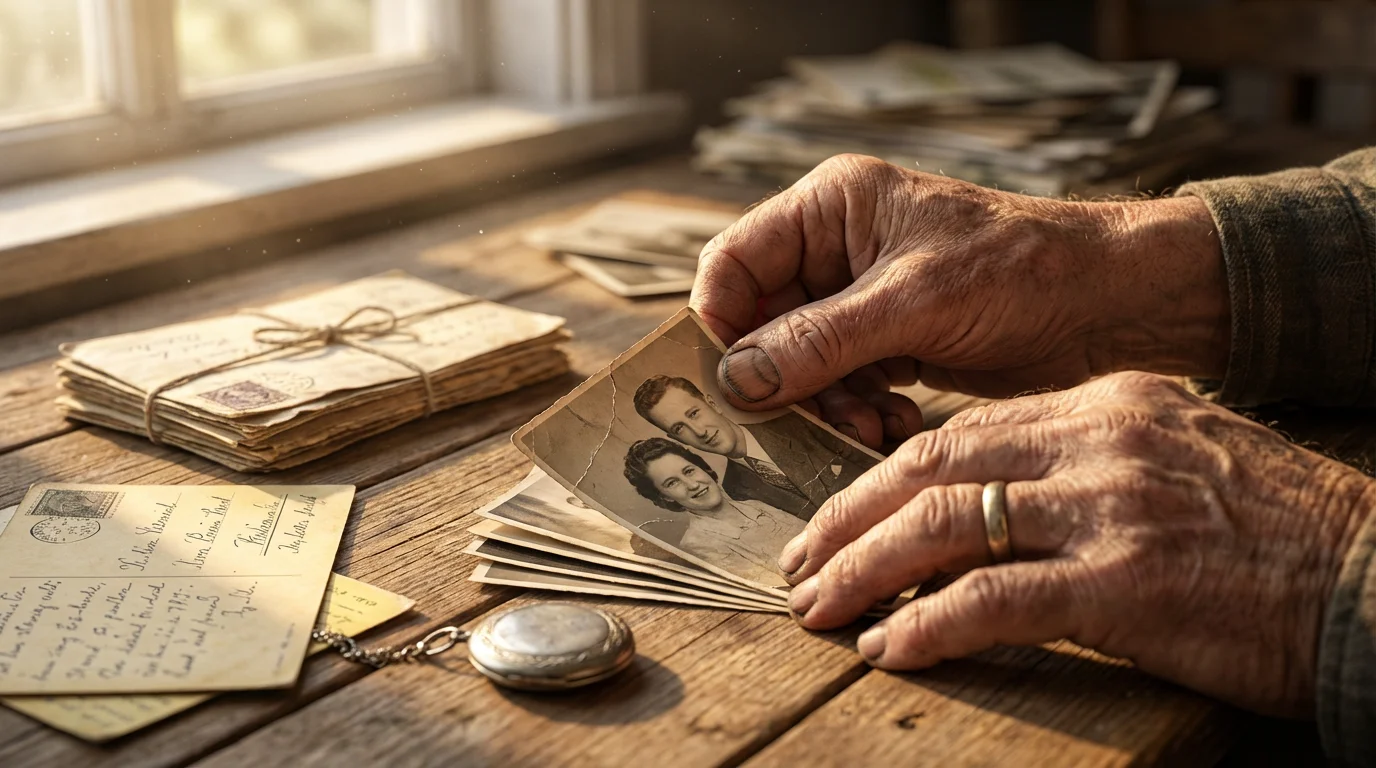
- Sentimental Items: This was where I really struggled. Our daughter Karen helped me through it. She said, “Mom, the grandkids want YOU, not the house.” That really hit home. We designated a special box for our most cherished keepsakes – old family photos, a few of the kids’ drawings, and a small ceramic bird from my Columbus garden. I realized I didn’t need to keep every single memento to hold onto the memory.
Making Tough Decisions: What to Keep, What to Let Go
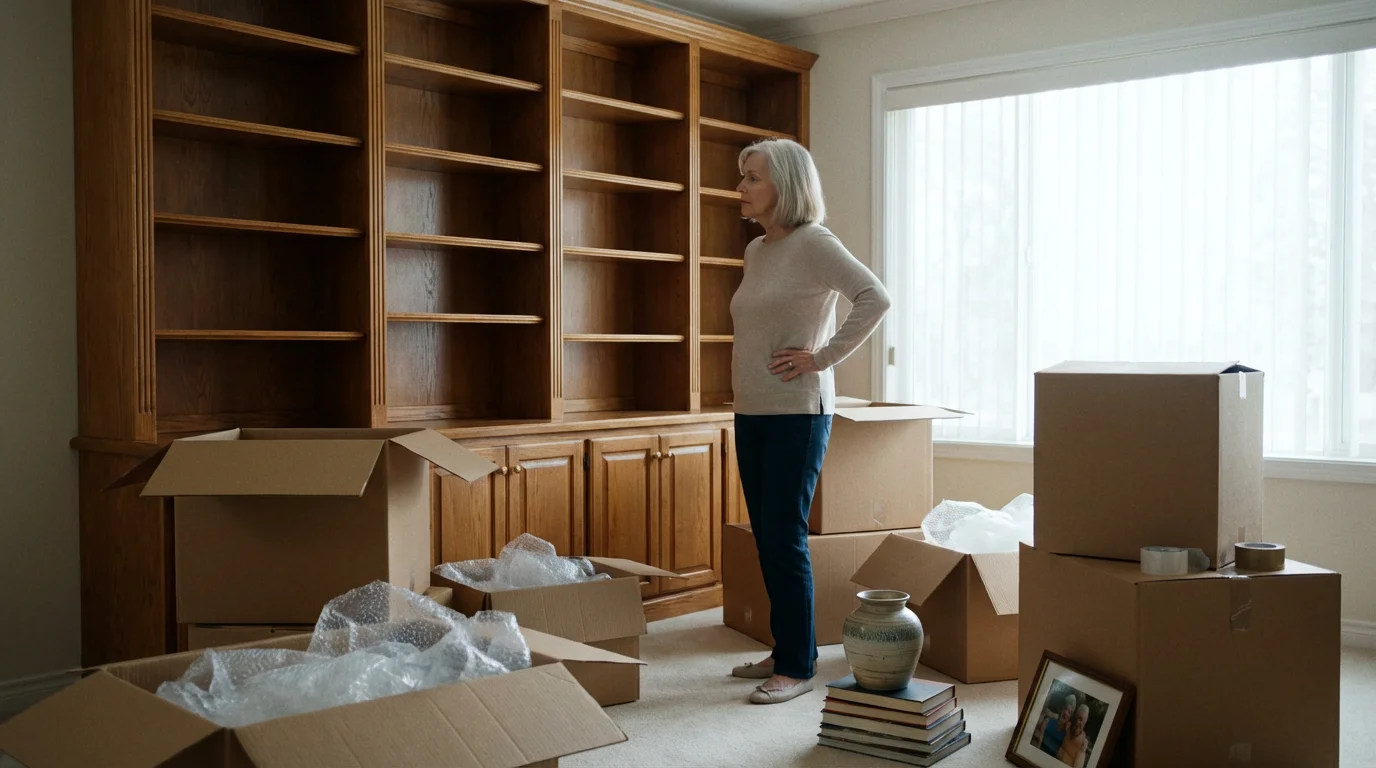
Deciding what to keep during our major move to Florida required a lot of honesty and some foresight. My goal was to furnish our new home beautifully without overfilling it. I tried to ask myself these questions for each item, though sometimes my heart fought my head!
Staying objective is key, as being aware of common downsizing mistakes can save you significant time and energy during your transition.
- Do I use this regularly (at least once a month)?
- Does this bring me genuine joy or serve a vital purpose?
- Do I have space for this in my new home?
- Would I buy this again today?
If the answer to most of these was “no,” it was a strong indicator that the item could go. For sentimental items, I took a lot of photos, and we passed many things on to Karen, Michael, and Susan, or even the grandkids, Lily and Noah, who were thrilled to have pieces from “Grandma and Grandpa’s old house.” I found solace in knowing our items continued to be loved and used by family.
We considered the “one year rule” for clothing and items, and the “rule of three” for certain categories, such as three pairs of jeans or three serving platters. This helped set clear boundaries. I had to remember, I was curating a new beginning, not preserving the past in its entirety. As the saying goes, which I love, “We don’t stop playing because we grow old; we grow old because we stop playing.”
Options for Items You Are Letting Go Of
You have several excellent options for items that will not make the move with you:
- Donate: Charities gladly accept gently used clothing, furniture, household goods, and books. This was a rewarding way for me to give items a second life.
- Sell: For higher-value items, we considered consignment shops and online marketplaces. This also provided a small financial boost for our move, which Bill appreciated.
- Gift to Family/Friends: We offered specific items to our children and friends who might appreciate them. It was wonderful seeing our old dining room table go to Karen. This ensures items stay within your circle.
- Recycle/Dispose: We properly recycled electronics, hazardous waste, and paper. And yes, some things were just plain trash!

Creating Your Moving Checklist
A comprehensive moving checklist truly helps you stay organized and minimizes stress. Bill, with his civil engineer’s mind, started planning several months in advance to avoid last-minute rushes.
He used sites like 55places.com to explore various communities, giving us a clear picture of our new environment as we prepared to move. I benefited immensely from his methodical approach, even if I sometimes rolled my eyes at the level of detail!
3-6 Months Before the Move
- Visit Your New Community: We spent time at Hawthorn Ridge, measured rooms, and got a feel for the layout. This really informed our downsizing choices for our 2,400 sq ft home.
- Research Movers: Bill obtained quotes from several reputable moving companies. We asked about services specifically for seniors, like packing and unpacking assistance, which was a huge help.
- Create a Budget: Bill accounted for moving costs, potential repairs on our old home, and initial expenses in our new community. He manages our finances with what I call “a level of detail that belongs in a NASA mission.”
- Gather Important Documents: We consolidated medical records, financial statements, and legal papers. We kept them in a secure, easily accessible box we transported personally.
- Start Decluttering: We began the room-by-room process, focusing on areas with less sentimental value first, to ease me into it.
1-2 Months Before the Move
- Notify Important Contacts: We informed banks, credit card companies, insurance providers, and subscription services of our upcoming change of address.
- Arrange Utilities: We scheduled disconnection for our old home and connection for our new one. Transferring internet, phone, and cable services was also on Bill’s list.
- Forward Mail: We set up mail forwarding through the postal service.
- Address Health Needs: We transferred prescriptions, found new doctors here in Sarasota, and ensured our medical records were accessible.
- Pack Non-Essentials: We started packing items we rarely used, labeling boxes clearly with contents and destination room.
2 Weeks Before the Move
- Confirm with Movers: Bill double-checked dates, times, and services with our moving company.
- Pack Essentials Bag: I prepared a bag with items we would need immediately upon arrival: medications, toiletries, a change of clothes, important documents, and snacks for the trip.
- Prepare Pets: We don’t have pets, but if we did, we’d ensure their vaccinations were current and records were handy, and plan for their transport to a new pet-friendly community.
- Defrost Freezer: We defrosted and cleaned our freezer before the movers arrived.
Moving Day
- Supervise Movers: We were both present to answer questions and direct traffic.
- Do a Final Walk-Through: We checked all rooms, closets, and cabinets in our Columbus home to ensure nothing was left behind. It was emotional, but I knew we were ready.
- Hand Over Keys: We ensured a smooth handover of our old home.
After the Move
- Inspect Deliveries: We checked for damaged items immediately.
- Unpack Essentials First: We focused on our kitchen, bathroom, and bedroom to establish basic functionality. A hot cup of tea was a priority for me!
- Explore Your Community: We took a walk, visited the clubhouse, and started to understand the layout of Hawthorn Ridge.
Logistics of the Move: Professional Help and Planning
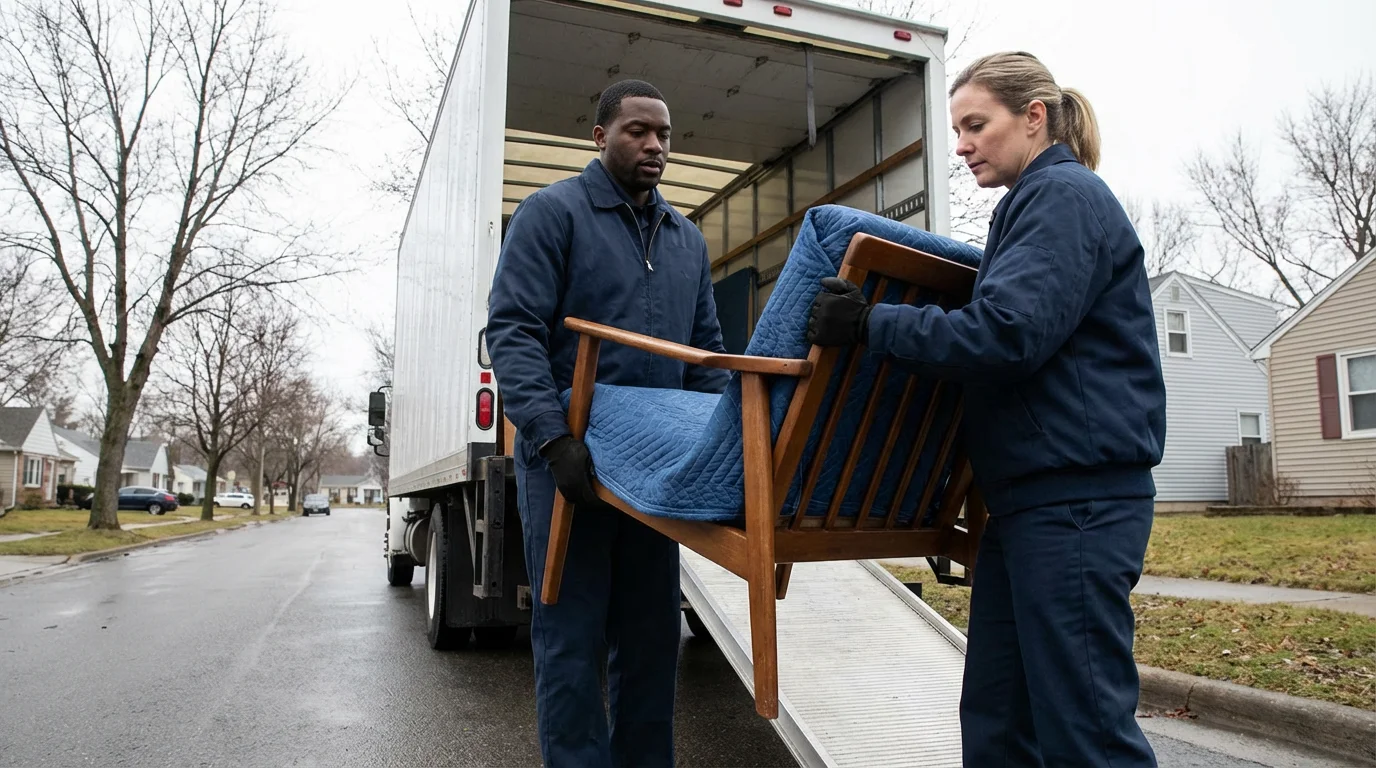
The physical act of moving requires careful planning, especially when downsizing from a home we’d lived in for 44 years. We certainly didn’t do it alone. Many resources exist to ease the burden. We had accumulated what Bill once estimated to be “approximately one metric ton of stuff we don’t need,” so professional help was essential!
Hiring Senior Moving Specialists
We did hire movers who specialized in senior relocations. These companies often offer comprehensive services, and we found them invaluable:
- Packing and Unpacking: They carefully packed our belongings and unpacked them in our new home, placing items where we directed. It was a huge relief.
- Space Planning: Our movers offered assistance with floor plans for our new space, ensuring our treasured furniture fit. Bill was very particular about this!
- Item Disposition: They helped arrange for donations of items we no longer needed, which was a great weight off my shoulders.
Research indicates that engaging professional assistance can significantly reduce stress during major life transitions. Organizations like the National Institute on Aging offer resources on managing significant life changes, including relocation.
Packing Strategies for Efficiency
When packing ourselves (for the “first day” box and other personal items), we followed these tips:
- Label Everything Clearly: We included the room, contents, and “fragile” warnings.
- Pack a “First Day” Box: This box contained sheets, towels, basic toiletries, a coffee maker, and anything else we needed immediately. My Sunday morning coffee is non-negotiable!
- Do Not Over-Pack Boxes: Heavy items like books went into smaller boxes.
- Use Proper Packing Materials: We invested in sturdy boxes, bubble wrap, and packing paper to protect our items.
Finalizing Your Old Home
Before we left our old home for the last time, we made sure we had completed these tasks:
- Cleaning: We hired professionals to clean, leaving the home tidy for the new owners.
- Security: We locked all windows and doors.
- Utilities: We confirmed disconnection dates with Bill’s spreadsheet.
- Forwarding Address: We double-checked our mail forwarding was active.

Settling In: Making Your New Community Home
Once the boxes were in our new apartment at Hawthorn Ridge, the real fun began: transforming our new space into a comfortable home and exploring our new surroundings. The first three months were definitely an adjustment, but this period was crucial for establishing our comfort and sense of belonging.
Arranging Your Space for Comfort and Accessibility
We planned our furniture arrangement thoughtfully. Bill had a diagram, of course! We considered:
- Flow: We ensured clear pathways for ease of movement, especially important for when the grandkids visit.
- Lighting: We maximized natural light and made sure we had adequate task lighting for reading (me!) or Bill’s crossword puzzles.
- Accessibility: We arranged items at comfortable heights, avoiding excessive reaching or bending.
- Personal Touches: I unpacked our most cherished photos, artwork, and decorative items first. That ceramic owl from Karen went right on the mantel. These really helped our new space feel like home immediately.
Connecting with Your New Environment
Our new community offers a wealth of amenities and opportunities. We took our time to discover them.
- Explore Amenities: We visited the fitness center (Bill’s favorite!), the pool (my favorite, where I talk to strangers!), the library, and the communal gardens. Understanding what was available helped us envision our new routine.
- Review the Social Calendar: Most communities have a vibrant calendar of events, from fitness classes to movie nights, interest groups, and social hours. I quickly found a watercolor painting group, even if I’m not very good!
- Take a Walk: We familiarized ourselves with the layout of the community, where the mailboxes are, and common areas.

Thriving in Your New Environment
A move to a 55+ community often signifies a desire for more social engagement and an active lifestyle. While it’s important to explore opportunities, remember that personal pace and preferences vary.
I’m the one who talks to strangers at the pool, always eager to connect, while Bill prefers his pickleball four mornings a week and volunteering. Both approaches are valid and contribute to a fulfilling retirement. By month six, I was the one telling friends in Ohio they should do it too!
The goal is to find your balance. Some residents thrive on daily group activities, while others prefer regular quiet time at home, punctuated by a weekly book club or a community dinner. We’ve both found our rhythm here.
Engaging with Your Community
Here are practical steps for building connections that Bill and I found helpful:
- Attend a Welcome Event: Our community hosted events for new residents, providing an easy way to meet people. That’s how I met my “Florida family” – three genuine friends who are now like sisters to me!
- Join a Club or Group: I looked for activities that aligned with my interests, like my watercolor painting group and a book club. Bill found his pickleball group and volunteers at the local food bank. Even a casual interest can lead to new friendships.
- Use Common Spaces: Spend time in the clubhouse, coffee lounge, or library. These are natural places for spontaneous conversations.
- Volunteer: Bill offers his skills to the food bank, which fosters a sense of purpose and introduces him to like-minded individuals.
- Say Hello: A simple wave or friendly greeting to neighbors you encounter can open the door to connection. Remember, everyone started as a new resident at some point.
Community governance, through resident associations, also offers a chance to contribute and connect. You gain insight into how your community operates and help shape its future. Research from the CDC highlights the importance of social connection for overall health, reducing risks associated with social isolation.
Embrace the opportunities your new 55+ community provides, whether it is an intergenerational event where you can connect with families, or a quiet evening lecture series. You define what thriving looks like for you. For me, it’s baking on Sunday mornings, painting, and laughing with my Florida family.
Frequently Asked Questions
What is the best way to downsize quickly?
My advice? Start early, create a detailed plan for each room (Bill was a pro at this!), and set realistic deadlines. Use the “four-box method” (Keep, Donate, Sell, Trash) and try to be decisive. I know that’s easier said than done sometimes!
If time is short, prioritize essential items and definitely consider professional downsizing assistance to help manage the process efficiently.
How do I prepare for a community move with pets?
If Bill and I had pets, we would absolutely check our new community’s pet policies first, including breed and weight restrictions, and any associated fees. Make sure all your pet’s vaccinations are current and you have their medical records.
On moving day, keep pets in a quiet, secure room. Once at your new home, establish their feeding and walking routines quickly to help them adjust. Many 55+ communities, like ours, are very pet-friendly, offering dog parks and walking trails.
What if I feel overwhelmed by the moving checklist?
Oh, I certainly felt overwhelmed at times! Break down the checklist into smaller, manageable tasks. Focus on one category or room at a time. And please, don’t hesitate to ask for help from family, friends, or professional organizers and movers.
Many resources and services specifically cater to seniors undergoing relocation, designed to alleviate stress during this significant transition. Bill’s detailed lists helped me immensely, even when I just wanted to close my eyes and pretend it wasn’t happening!
How can I make new friends in my 55+ community after moving?
This is one of my favorite parts! Attend community welcome events – that’s how I met some of my “Florida family.” Join clubs or interest groups that align with your passions, like a book club or a gardening group.
Use common areas like the clubhouse or fitness center. Introduce yourself to neighbors, participate in community events, or volunteer for resident committees. Remember that building connections takes time, so be patient and open to new experiences. I always try to say hello to strangers at the pool!
Should I bring all my furniture to my new community?
You’ll want to measure your new living space carefully and plan which furniture pieces will fit comfortably. Downsizing often means letting go of oversized or duplicate items. Prioritize essential, comfortable, and cherished pieces.
Many communities have smaller living areas than our old 2,400 sq ft colonial, so choose items that maintain good flow and functionality without overcrowding your new home.
Disclaimer: This article is for informational purposes only. Community living options, amenities, and cultures vary significantly. We encourage readers to visit communities in person, speak with current residents, and evaluate whether a community fits their unique needs and preferences.








Great article. Thank you for this!