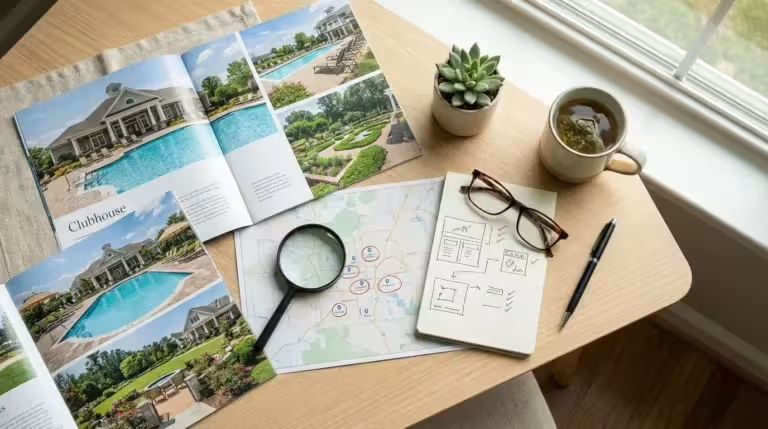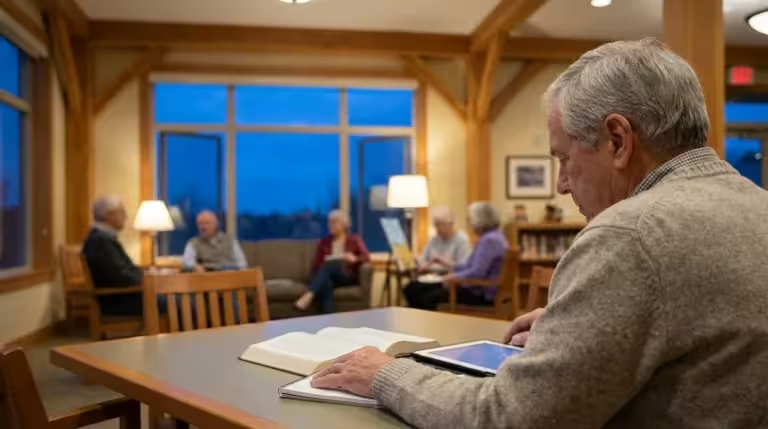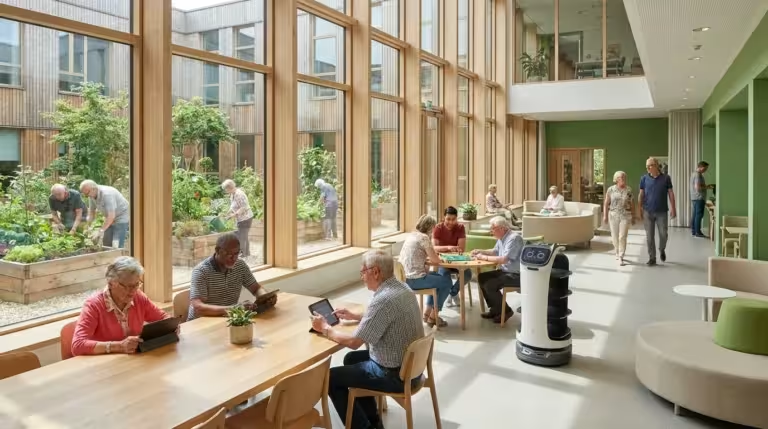
Starting this journey often begins with finding your perfect downsized home that provides the right space for both privacy and socializing.
Retirement certainly does open a new chapter, doesn’t it? For me, it felt less like opening a book and more like being handed a whole new, unwritten story.
There are so many possibilities for personal growth, for exploring new things (like my watercolor painting, even if I’m not very good!), and for making truly meaningful connections.
Bill thought I’d be happy just with him, but even though I love that man dearly, I’ve found that my heart really thrives when I’m connecting with all sorts of people, especially the younger generations.
It’s a wonderful, vibrant way to enrich our retirement living, and it fills our days with fresh perspectives, shared learning, and a stronger sense of purpose. It’s truly something special.
In this guide10 sections
- The Power of Connecting Generations
- What Are Intergenerational Programs?
- Benefits for Us: Enrichment and Vitality
- Benefits for Younger Generations: Learning and Growth
- Common Intergenerational Activities in 55+ Communities
- How Communities Implement These Programs
- Finding Communities with Strong Intergenerational Ties
- Getting Involved: Tips for Residents
- Addressing Challenges and Ensuring Success
- Frequently Asked Questions
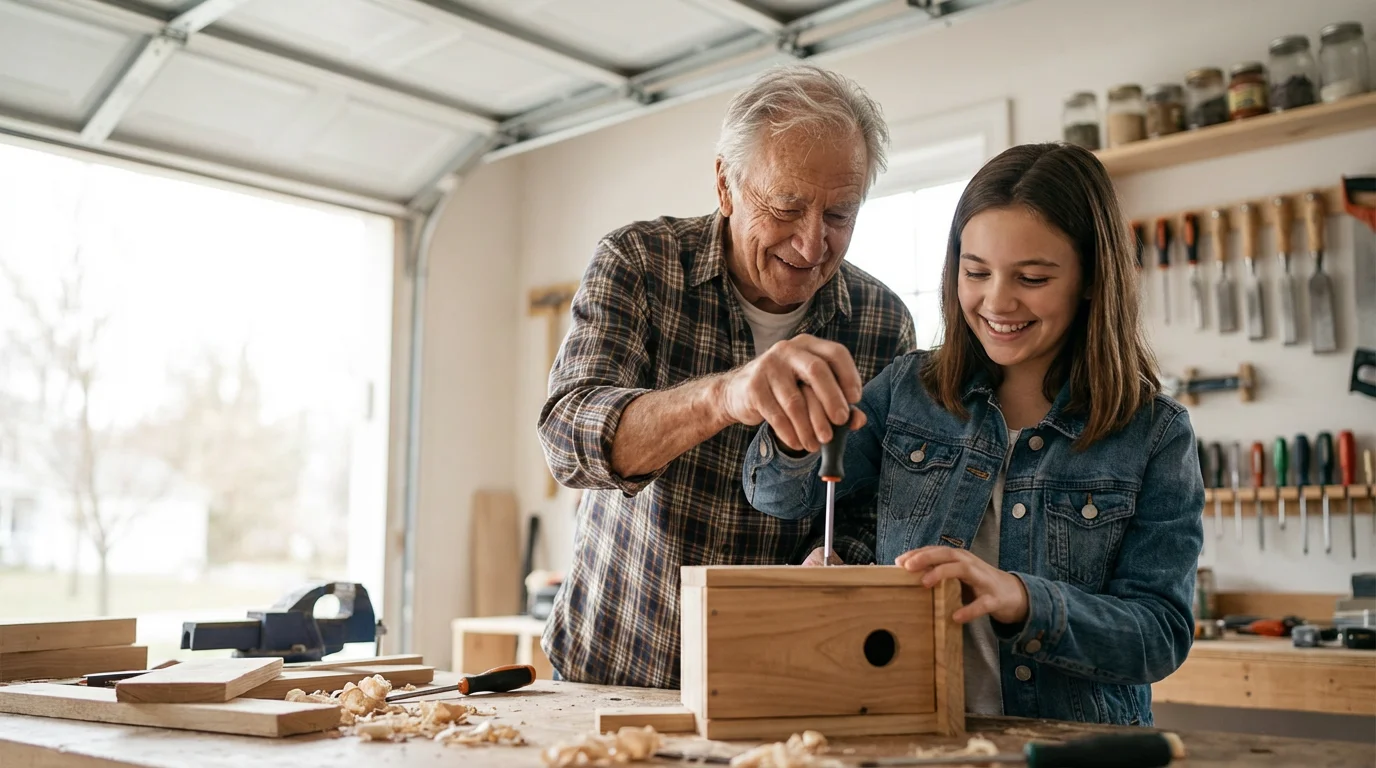
The Power of Connecting Generations
Oh, the desire for connection! I think it’s something that never really leaves us, no matter our age.
When Bill first retired, I thought my social life would just be him, and maybe our Ohio friends visiting.
But when we moved to Hawthorn Ridge, I realized how much I thrive on meeting new people, even strangers at the pool!
And while connecting with folks our own age is wonderful for sharing stories and commiserating about aches and pains, there’s a truly special kind of energy you get from spending time with younger generations.
While the social aspects are vital, it is equally important to engage in thorough financial planning for community living to ensure your lifestyle is sustainable.
It’s like these relationships just bridge all sorts of gaps, helping us understand each other better across different stages of life. They remind me that wisdom, joy, and learning aren’t a one-way street; they flow freely in all directions.
Our daughter Karen was so right when she told me, “Mom, the grandkids want YOU, not the house.” That really opened my eyes to how important those connections are.
We often talk about how important it is to weigh the benefits of community living versus aging in place, and for me, having those social opportunities, especially with younger people, was a huge part of choosing community living.
I know Bill, with his spreadsheets, could probably show you all sorts of data, but I can tell you from my heart that meaningful social engagement truly combats that feeling of isolation. It’s so good for your well-being in retirement.
Engaging with people of all ages stimulates my mind and really nourishes my spirit. It builds a richer, more diverse social fabric right here in our community, and it makes every day a little brighter.
What Are Intergenerational Programs?
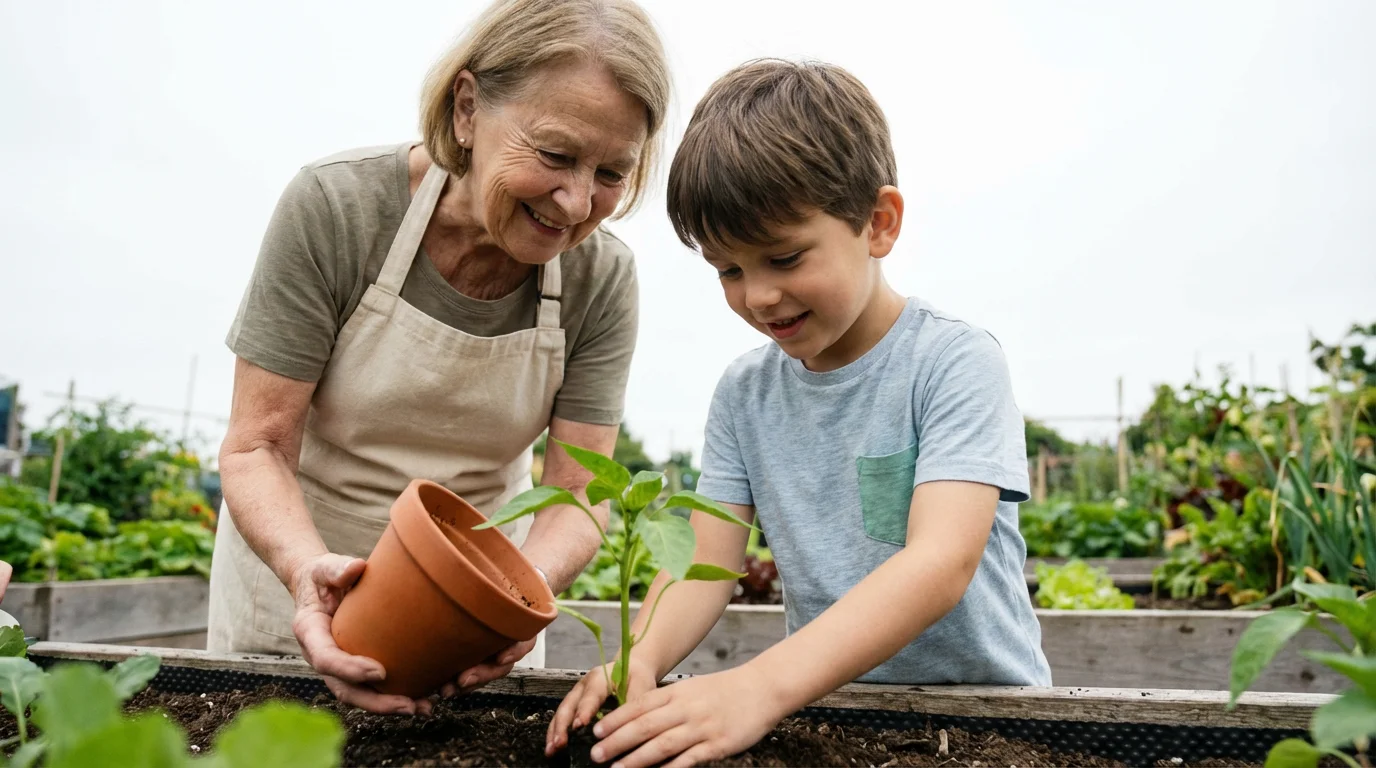
Think of intergenerational programs as organized ways to bring different age groups together for a common purpose. It’s not just random chats; these are structured initiatives designed to help us interact, understand each other, and learn from one another.
The goal is really to break down those silly age-related stereotypes and create a community where everyone, from my granddaughter Lily to Bill, feels truly valued.
The core idea, as Bill would probably put it in his methodical way, is a “two-way exchange.” We, the “seasoned” folks, offer our life experience, a bit of mentorship, and maybe some historical perspective (like what it was like growing up without the internet!).
And the younger generations? Oh, they bring such fresh energy, teach us about new technologies, and share their contemporary viewpoints.
It’s a wonderful give and take, a really powerful environment for growth and connection.
I love hearing about what’s important to Lily and Noah, and I hope they get a kick out of my stories about being an elementary school librarian in Columbus.
Benefits for Us: Enrichment and Vitality
So, what’s in it for us, you might ask? Well, these interactions offer a treasure trove of advantages that really enhance the quality of our retirement lives.
They do wonders for our physical, mental, and emotional health. I know for me, after retiring from the library, I sometimes felt a little… adrift.
I missed the daily purpose of helping children discover books.
Connecting with younger people can also help ease the emotional transition of downsizing by refocusing your energy on new, vibrant relationships.
These connections are a cornerstone of modern engaging activities and programs in retirement communities that go far beyond basic social events. They give me that sense of purpose back.
Sharing my knowledge and experiences, even just telling stories from my teaching days, with younger individuals really validates my life’s journey. It leads to increased self-esteem and a feeling of continued relevance, which is incredibly empowering.
It makes me feel like I still have something important to contribute.
And let’s be honest, sometimes it can get a little lonely, even with Bill right here. Studies, like the ones from the CDC, highlight just how serious loneliness can be for our health.
These intergenerational connections truly help combat that by providing consistent, positive social interactions.
You become part of a larger, extended family, expanding your social circle beyond just your immediate peer group. My “Florida family” of friends here at Hawthorn Ridge, for example, often talks about how much we appreciate the vibrancy the younger folks bring.
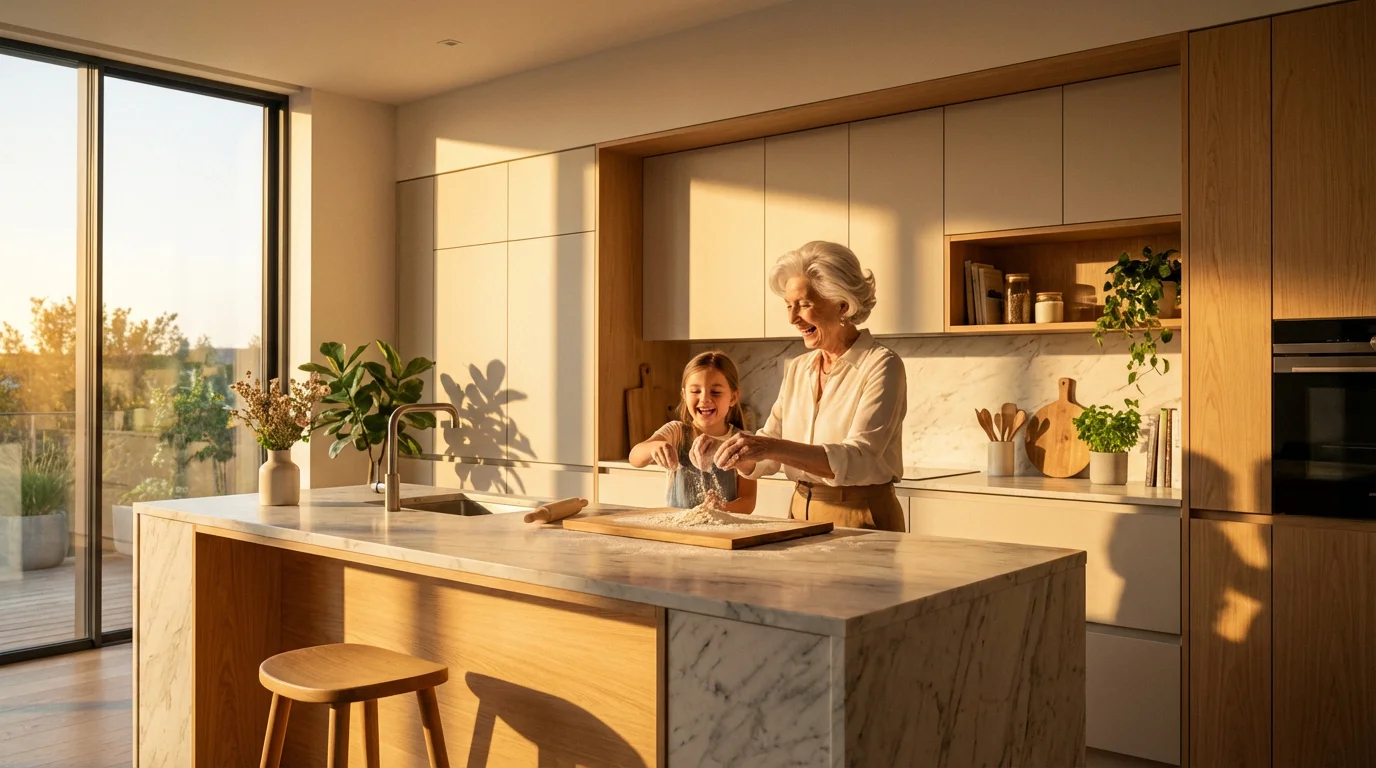
Mentorship opportunities really invigorate my mind. When I think about teaching Lily how to bake, or explaining something to Noah, my brain gets a wonderful workout – planning, recalling, communicating.
This mental stimulation definitely helps maintain cognitive function and keeps my mind sharp. And I learn so much from them too!
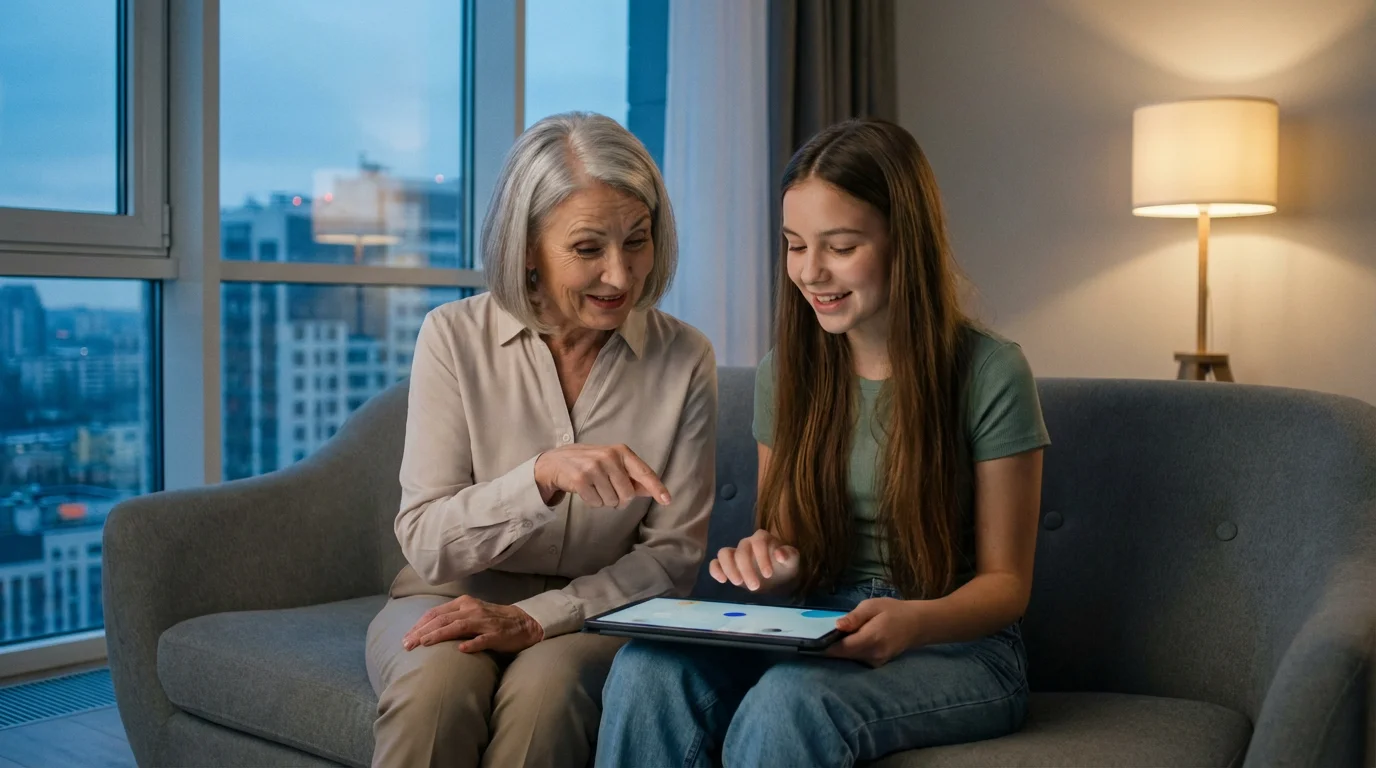
They keep me feeling current, even when I’m still trying to figure out how to use some of the apps on my phone.
- Enhanced Sense of Purpose: We get to share our wisdom and life experience, which makes us feel valued and needed. It’s a wonderful feeling.
- Reduced Isolation: We forge new, meaningful relationships outside our immediate age group. It’s like adding new branches to our family tree.
- Improved Mood and Well-being: You can’t help but smile and feel energized by the joy and enthusiasm younger generations bring.
- Cognitive Stimulation: When we’re teaching, learning, or even just solving a puzzle with a child, our minds stay sharp and engaged.
- Physical Activity: Some programs might involve active play or movement, which is always a bonus for staying healthy.
- New Perspectives: We gain insights into contemporary life, technology, and culture, which keeps us from feeling out of touch.
Benefits for Younger Generations: Learning and Growth
It’s not just us who benefit, you know. These programs are equally wonderful for the younger generations.
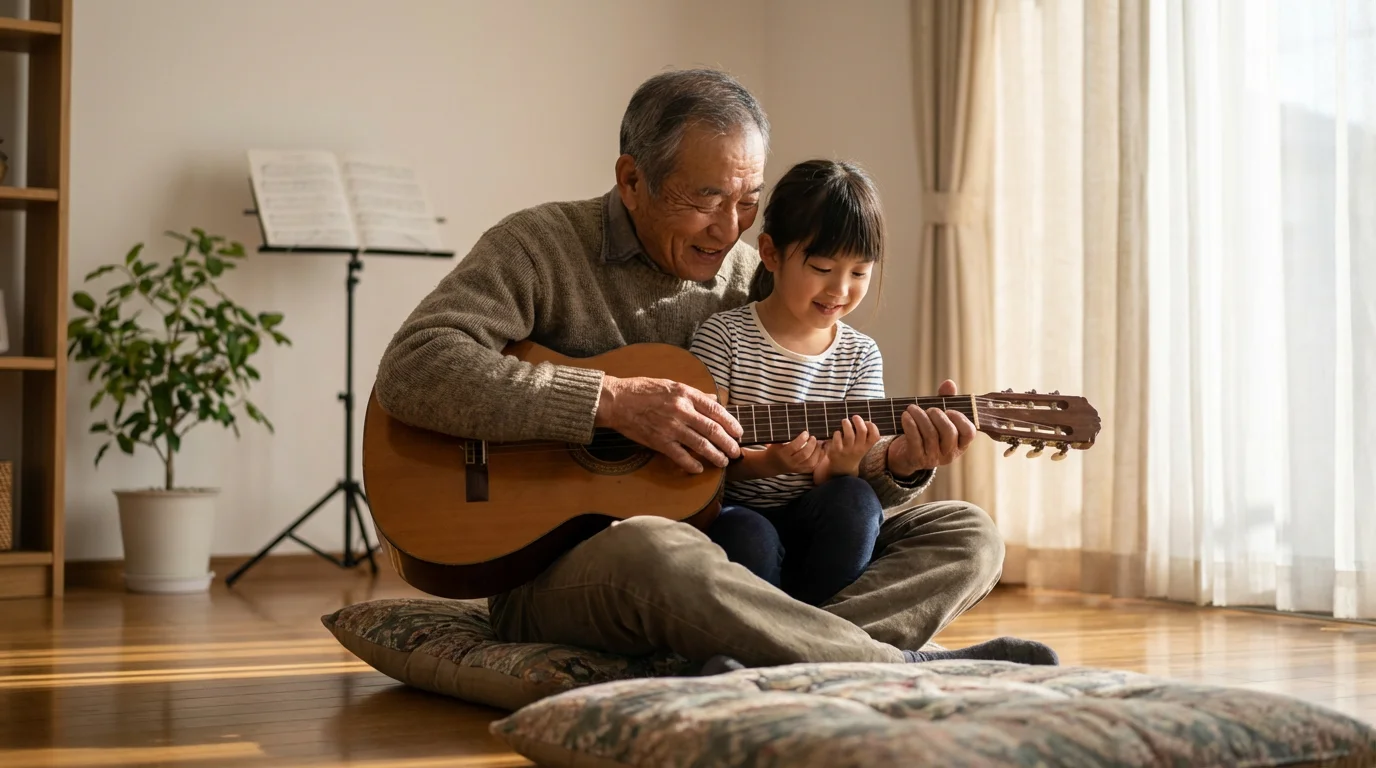
Children and young adults gain so much from spending time with us, from our experiences and perspectives. It fosters empathy, respect, and I hope, a deeper understanding of what it means to grow older.
I love seeing my grandchildren, Lily and Noah, learn new things. Mentorship opportunities, even informal ones, provide guidance and support from experienced individuals.
Young people can learn practical skills – though Bill would probably focus on things like engineering principles, I’d be more inclined to share stories and teach them how to make my famous apple pie!
They gain a historical perspective that classroom learning simply can’t always provide. These connections truly help shape their character and build resilience, I believe.
I know from my years as a librarian that reading buddies and tutoring sessions often boost confidence and academic skills. These experiences also help children and teenagers develop stronger communication skills and learn to interact respectfully with adults.
It’s a win-win, really.
- Valuable Mentorship: They receive guidance, wisdom, and support from us, the experienced seniors.
- Skill Development: They can learn practical skills, get academic support, and pick up important life lessons.
- Enhanced Empathy and Respect: They develop a deeper understanding and appreciation for older adults, seeing us as individuals with rich lives.
- Historical Perspective: They connect with living history and hear personal stories from past eras, which is much more engaging than a textbook.
- Improved Communication: They learn to interact effectively and respectfully with people of all ages.
- Positive Role Models: They gain inspiring figures who demonstrate resilience, lifelong learning, and the joy of living.
Common Intergenerational Activities in 55+ Communities
Our community, Hawthorn Ridge, and many other 55+ active adult communities, are really good at putting these programs into action. They truly understand the immense value of connecting us with the younger folks, both within our community and in the wider local area.
These activities are usually designed to be inclusive, so there’s something for everyone, no matter how much you want to participate.
I’ve noticed that partnerships with local schools, daycare centers, and youth organizations are really key. These collaborations create structured opportunities for us to interact, which benefits everyone.
You might find programs hosted right here in our community clubhouse, or sometimes they organize trips to partner sites. I’ve even thought about volunteering for a reading program myself, given my librarian background!
Here are some of the wonderful intergenerational programs I’ve seen or heard about:
- Reading Buddies and Tutoring: We can read to children, listen to them read, or help with homework after school. It reminds me so much of my old job!
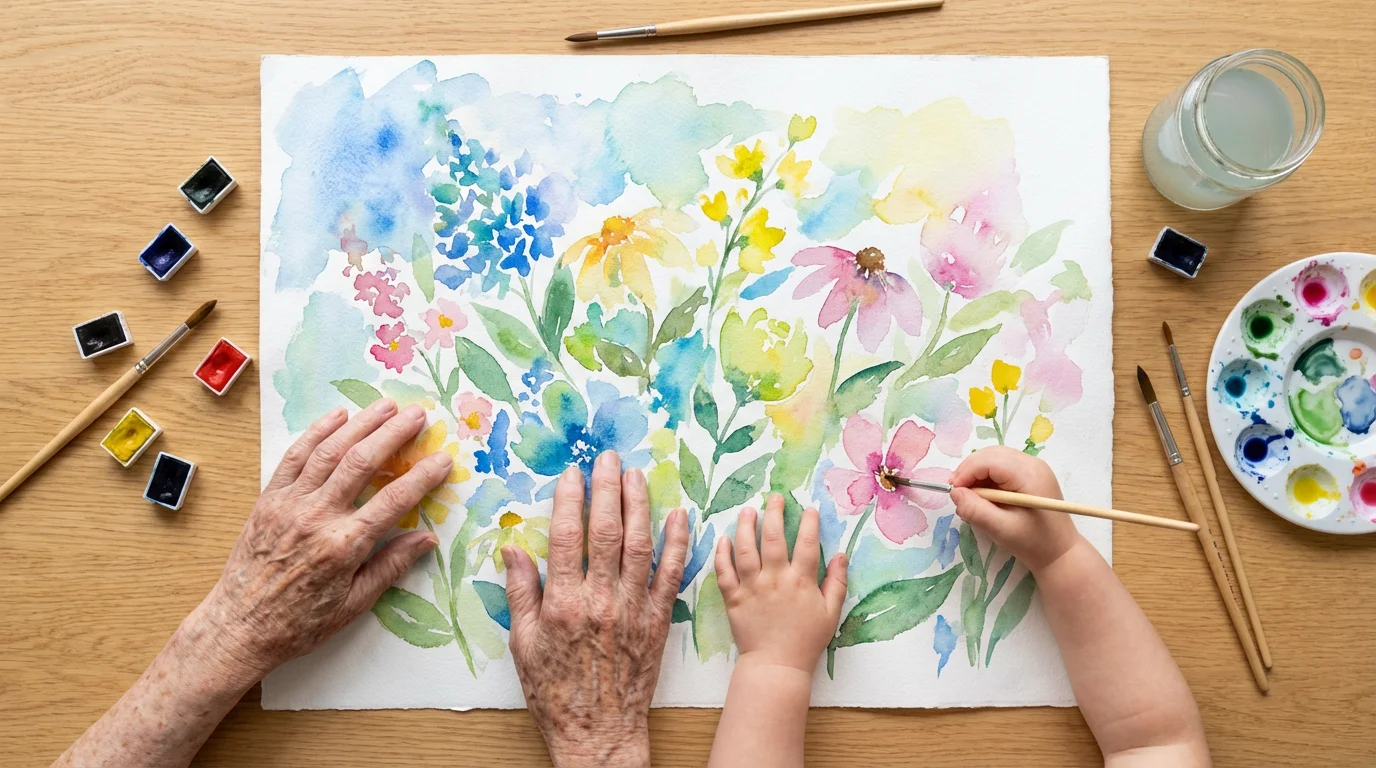
- Arts and Crafts Workshops: Shared creative projects like painting (even if you’re like me and not very good at it!), pottery, knitting, or making cards.
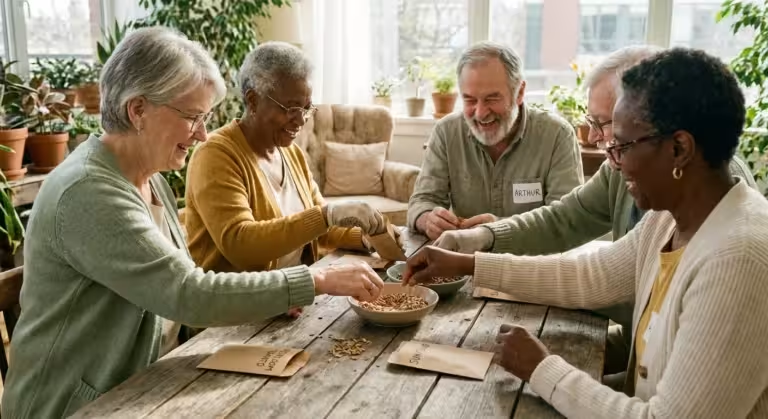
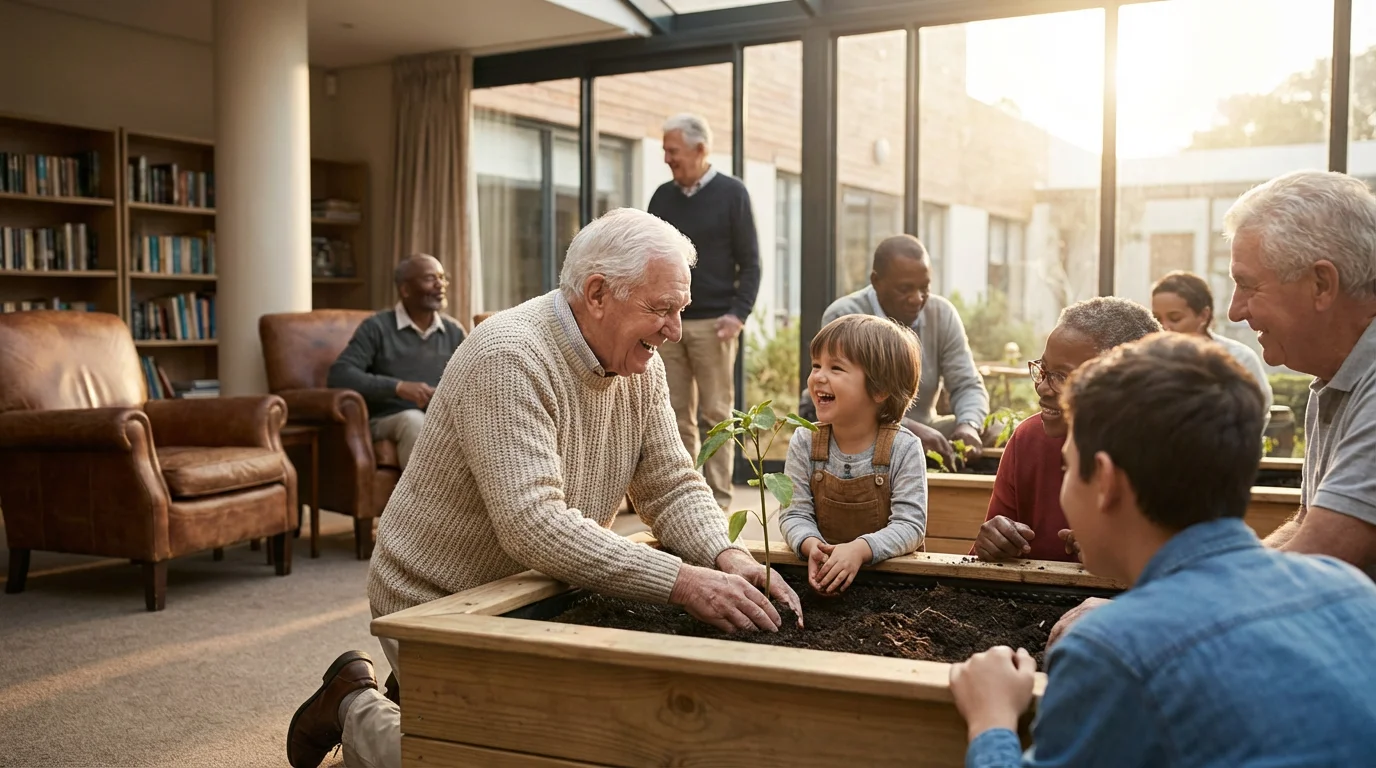
- Shared Gardening Projects: Planting, tending, and harvesting produce together in community gardens. I still miss my garden in Columbus, so this is a lovely way to get my hands in the dirt again.
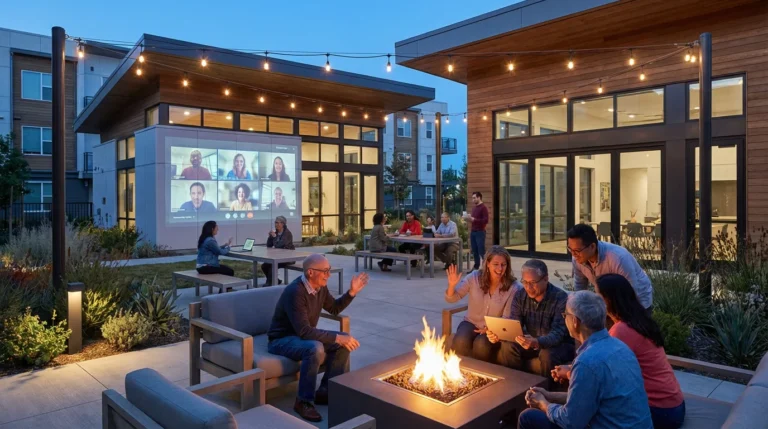
- Technology Mentoring: Younger individuals teach us how to use smartphones, tablets, or social media. My grandkids have patiently shown me how to video call!
- Storytelling Sessions: We can share our life stories, family traditions, and historical events with captivated young audiences. I have so many stories from my 72 years!
- Community Service Initiatives: Working together on local clean-up drives, food bank donations, or charity projects. Bill volunteers at a food bank, so he’s very keen on these.
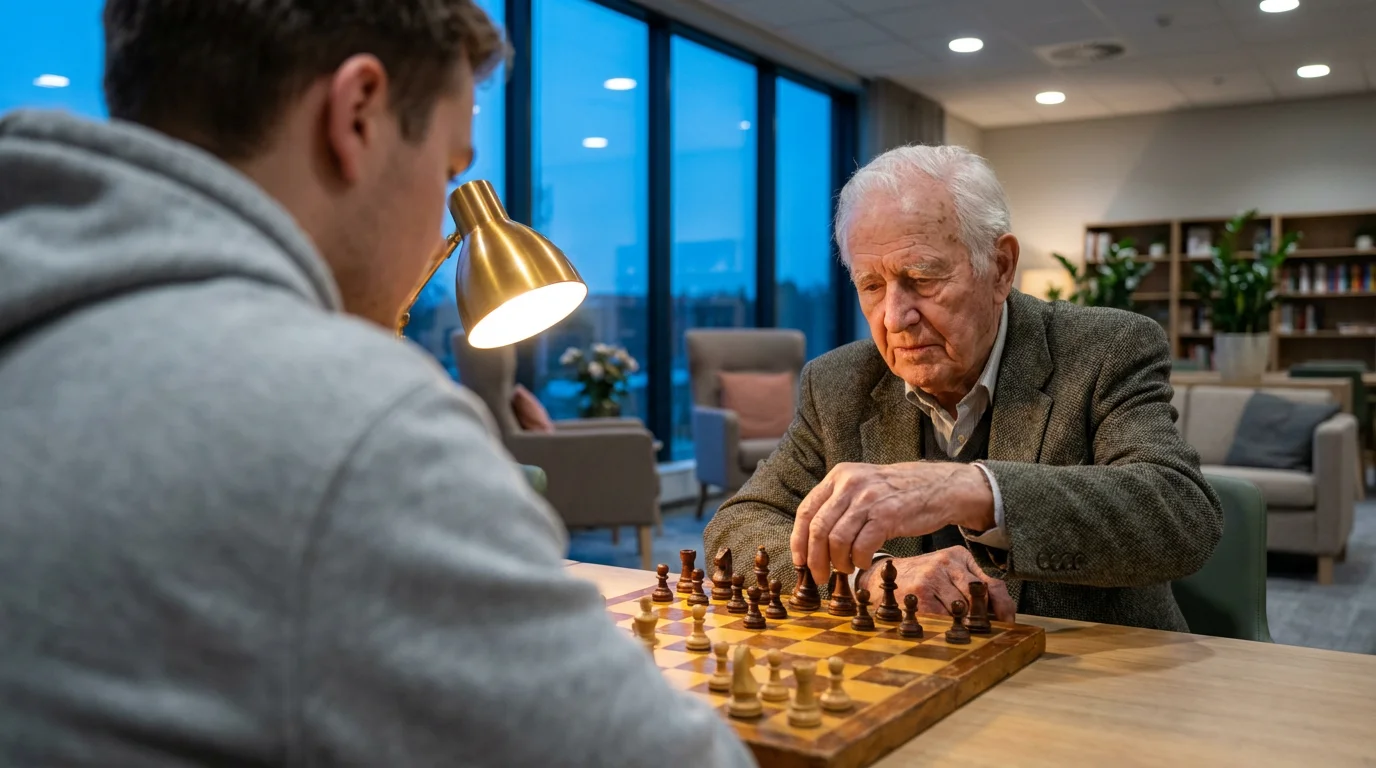
- Game Nights: Board games, card games, or even video games bring different generations together for some friendly competition. Bill loves a good game night.
- Music and Performance: Choirs, bands, or theatrical groups involving members from various age groups. I love to sing, though usually just in the shower!
- Culinary Classes: Cooking or baking together, sharing family recipes and cultural traditions. This is right up my alley, especially on Sunday mornings!
- Holiday Celebrations: Joint events for Halloween, Thanksgiving, or winter holidays, fostering a festive community spirit.
How Communities Implement These Programs
Our 55+ communities, like Hawthorn Ridge, have really thoughtful ways of making these intergenerational programs happen. It’s clear they’re truly committed to fostering vibrant social ecosystems.
You’ll find that effective implementation takes careful planning and dedicated resources, something Bill would certainly appreciate with his NASA-level detail!
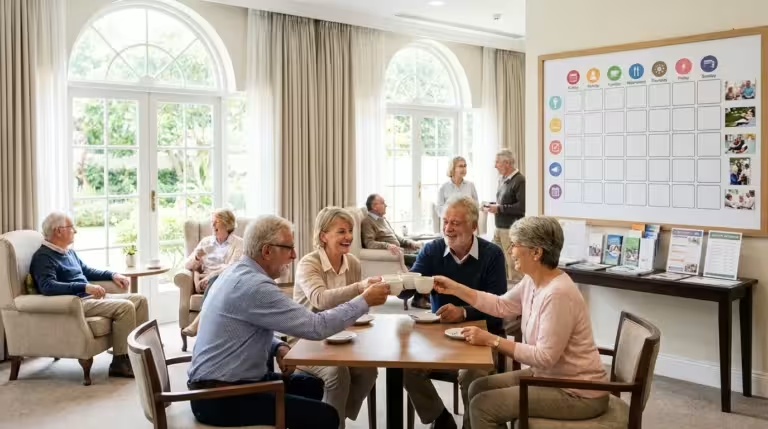
Here at Hawthorn Ridge, we have a wonderful activities director who is just fantastic. She’s the one who spearheads the development and execution of programs, making sure we have a rich and varied calendar.
She builds strong relationships with local schools and youth groups, which is so important for creating sustainable partnerships.
These collaborations are crucial for consistent and impactful programming, and I’m always so impressed by how well organized everything is.
Our community also really listens to us residents. They’ll often survey us to understand our interests and skills, and then try to match us with suitable youth programs.
This approach makes us feel like we’re actively shaping what the community offers, which really increases our engagement and satisfaction.
They also have clear ways of letting us know about upcoming events and opportunities to get involved. I often find out about things just by talking to my “Florida family” at the pool!
It’s how we connect, and it’s how we find out how we can connect with younger generations too.
Finding Communities with Strong Intergenerational Ties
If connecting with younger generations truly speaks to your heart, like it does to mine, then it’s absolutely essential to prioritize this when you’re looking for a new community.
Not all 55+ communities offer the same level of intergenerational programming, so you’ll need to ask some pointed questions and really get a feel for the community culture.
Bill had his spreadsheets with 14 variables when we were looking, but I always went with my gut feeling about how warm and welcoming a place felt, especially for when our grandchildren visit.
When you visit potential neighborhoods, have a set of questions to ask when touring a retirement community to see how they specifically facilitate these intergenerational bonds.
You can start your research by looking at community websites and brochures. Many will highlight their commitment to diverse programming and community involvement.
Pay close attention to descriptions of partnerships with local schools, daycares, or youth organizations. Online resources like 55places.com also provide insights into community amenities and lifestyle offerings, which can sometimes hint at broader social programs.
But remember, a website can only tell you so much!
When you actually tour a community, make sure to ask specific questions about their intergenerational initiatives. Don’t hesitate to inquire about past successes and what they have planned for the future.
And most importantly, try to speak with current residents.
They can give you invaluable firsthand perspectives on how vibrant and frequent these programs truly are. That’s how I really got a feel for Hawthorn Ridge.
Here are some questions I’d suggest asking when you’re evaluating a community:
- Does the community have established partnerships with local schools, daycare centers, or youth organizations?
- How often do you hold intergenerational events, and how many people usually attend?
- What specific types of intergenerational programs do you currently offer?
- How do residents get involved in planning or leading these activities?
- Is there a dedicated staff member whose job it is to organize intergenerational programs?
- Can I see a calendar of your upcoming intergenerational events?
- Would it be possible for me to chat with some residents who actively participate in these programs?
- Are there opportunities for both structured events and more informal interactions between generations?
- What resources are put towards supporting intergenerational programming?
Getting Involved: Tips for Residents
Once you’ve found that perfect community that truly aligns with your desire for intergenerational connection, taking that first step to get involved might still feel a little daunting.
Even I, Dorothy, who talks to strangers at the pool, can feel a little nervous about joining something new! But remember, there are so many ways to participate, whether you’re an extrovert who loves to lead or an introvert who prefers quieter, one-on-one interactions.
Your comfort level and energy should always guide your participation.
I always suggest starting small and exploring different options. You certainly don’t need to commit to every single program.
Find activities that genuinely interest you and align with your skills, or even just something you’d like to learn.
When I started my watercolor painting class, I knew I wasn’t going to be a master, but I wanted to try something new, and it was a gentle way to connect with others.
Many communities offer orientation sessions or welcoming committees that can help you navigate the social landscape.
Here are some actionable tips for connecting with younger generations:
- Review the Community Calendar: Look for intergenerational events that pique your interest and mark them in your schedule.
- Start with Familiar Activities: If you love reading, volunteer for a reading buddy program. If you enjoy crafts, join an art workshop. It’s easier to start with what you know.
- Attend Information Sessions: Learn more about specific programs before committing. This helps you gauge your comfort level.
- Offer Your Expertise: Consider sharing a skill or hobby you possess, like gardening, knitting, or storytelling. Believe me, your life experience is a valuable resource!
- Be Open to Learning: Approach interactions with a willingness to learn from younger generations. Ask questions and show genuine curiosity. They can teach us so much!
- Connect with the Activities Director: This staff member can help you find opportunities that match your preferences and even introduce you to others.
- Respect Personal Space: Understand that some interactions will be more structured than informal. Always respect individual boundaries and preferences.
- Invite a Friend: Attending events with a familiar face, like one of my “Florida family” friends, can make those initial steps feel a lot less intimidating.
- Start with Observation: If you’re unsure, attend an event just to observe. You can decide if you want to participate more actively next time. There’s no pressure.
Remember, the goal is to enrich your retirement living through meaningful connection. Participate in a way that feels authentic and enjoyable to you.
Even a brief, friendly interaction can brighten your day and the day of a younger person. It certainly brightens mine!

Addressing Challenges and Ensuring Success
While these intergenerational programs offer immense benefits, they do require thoughtful management to truly succeed. Our communities have to address potential challenges to create an environment where everyone feels comfortable, respected, and engaged.
Proactive planning helps overcome obstacles and maximizes positive outcomes, something Bill would definitely approve of!
One key challenge involves respecting our individual needs for privacy and independence. Not everyone wants constant social engagement, and the best programs offer a good balance.
They provide opportunities for connection without pressuring residents into participation. Acknowledging and accommodating our various social preferences ensures a truly inclusive environment.
Bill, for instance, loves his pickleball and food bank volunteering, but also cherishes his quiet time with a good book.
Successful programs also require clear communication and preparation. Both us “seasoned” folks and the younger participants benefit from understanding expectations, safety guidelines, and the purpose of the activities.
Training for facilitators and volunteers can really enhance the quality of interactions and address any unforeseen issues. Regular feedback, like when our activities director asks for our opinions, helps communities refine their offerings.
Ensuring sustainability means securing adequate resources and continuous community support. Partnerships with external organizations strengthen program longevity and reach.
Celebrating successes and sharing stories of positive impact helps maintain enthusiasm and encourages continued participation from all generations. It’s a group effort, and when it works, it’s truly beautiful.
Frequently Asked Questions
How do intergenerational programs benefit people like us?
Oh, they offer so many wonderful benefits! For me, they provide opportunities for truly meaningful social connection, which helps so much with those feelings of isolation.
They also foster a strong sense of purpose, reminding me that I still have so much to share.
We get to share our wisdom, learn new skills from younger generations (like how to use my tablet!), and engage in mentally stimulating activities.
This interaction just boosts my mood, keeps my mind active, and really contributes to my overall well-being, making retirement living so much richer.
What kinds of intergenerational activities are common in communities like Hawthorn Ridge?
Here at Hawthorn Ridge, and in many other communities, we see a lovely variety of intergenerational activities.
These often include reading or tutoring programs with local schools, shared gardening projects (I love getting my hands in the dirt again!), arts and crafts workshops, and technology mentoring sessions where we learn from those tech-savvy youngsters.
We also have joint community service initiatives. Some communities also facilitate storytelling events, holiday celebrations, and board game nights that bring different age groups together for fun and learning.
There’s usually something for everyone!
How can I find a community that truly cares about connecting generations?
When you’re doing your research, make sure to ask very specific questions about their intergenerational programming. Ask if they have established partnerships with local schools, youth organizations, or daycare centers.
Don’t be shy! Ask to see a calendar of past and upcoming intergenerational events.
And honestly, the best thing you can do is speak with current residents about their experiences. Websites and tours are great starting points, but direct questions and real conversations will give you the clearest picture of a community’s commitment to connecting generations.
Do I have to be an extrovert to enjoy these programs?
Absolutely not, dear! I know I’m the one who talks to strangers at the pool, but intergenerational programs truly cater to all sorts of personalities and preferences.
You can participate in so many ways, from quiet one-on-one activities like reading to children (which I used to do as a librarian!), to group settings like shared gardening or craft classes.
Communities understand that everyone has different social comfort levels. You can choose activities that match your energy and desire for interaction, ensuring a comfortable and rewarding experience.
There’s no pressure to be the life of the party if that’s not you.
Are intergenerational programs safe and well-supervised?
Yes, absolutely. Reputable communities like ours prioritize the safety and well-being of everyone participating in their intergenerational programs.
They typically have established protocols for things like background checks for adult volunteers, clear supervision guidelines for interactions, and dedicated staff members overseeing all the activities.
Partnerships with schools and other organizations often involve their own safety standards too. If you have any concerns during your community evaluation, please always ask about specific safety measures.
It’s important to feel comfortable and secure.
Connecting generations truly enriches our retirement experience in such profound ways. These programs offer a unique blend of purpose, learning, and vital social engagement.
I encourage you to embrace the opportunity to share your wisdom and experience the pure joy of fresh perspectives. You will discover, just as Bill and I have, a retirement filled with deeper connections and lasting fulfillment.
Disclaimer: This article is for informational purposes only. Community living options, amenities, and cultures vary significantly. We encourage readers to visit communities in person, speak with current residents, and evaluate whether a community fits their unique needs and preferences.