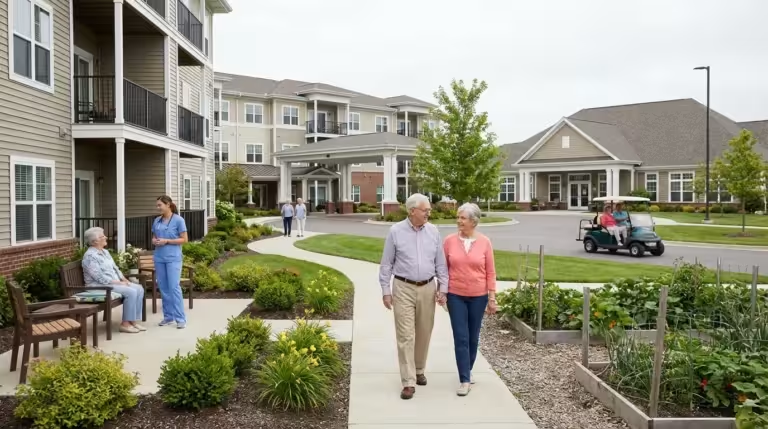

When I retired from civil engineering in 2021, I found myself with a lot more free time than I’d had in 38 years.
Dorothy and I had just started our two-year journey of researching 55+ communities, and while that kept me busy with spreadsheets, I knew I’d need something more structured once we settled.
For me, retirement wasn’t just about pickleball and managing our finances (though those are certainly important!). It was about finding a new purpose, a way to keep my mind sharp and my days productive.
That’s where volunteering comes in.
I’ve found that giving back, whether it’s within our community here at Hawthorn Ridge or out in Sarasota, is one of the most effective ways to stay engaged and fulfilled.
It’s not just a nice thing to do; it’s a practical strategy for a well-rounded retirement. You can truly transform your retirement years into a vibrant period of contribution, leveraging your skills and passions to make a real difference.
In this guide8 sections
- The Profound Benefits of Retirement Volunteering
- Exploring Volunteer Opportunities Within Your Retirement Community
- Expanding Your Reach: Community Service Beyond the Community Walls
- Matching Your Skills and Passions to Meaningful Roles
- Finding the Right Fit: Resources and Steps for Senior Engagement
- Overcoming Common Challenges in Senior Volunteering
- The Impact of Senior Volunteers on Communities and Individuals
- Frequently Asked Questions

The Profound Benefits of Retirement Volunteering
When Dorothy and I first started talking about retirement, I pictured more golf and less spreadsheets. But I quickly realized that while relaxation and hobbies are great, I also needed a defined purpose.
Volunteering provides that structure, a way to maintain engagement and directly address concerns about feeling stagnant. It’s a practical solution to staying active and connected.
Navigating a major transition like this can be challenging, but understanding how to cope with moving to senior housing makes the emotional adjustment much smoother.
Finding purpose in these years is much easier when residing in active adult communities that prioritize health, social interaction, and regular engagement.
Developing an active retirement lifestyle is about finding the right balance of hobbies, physical activity, and social contribution.
The research backs this up, and I always appreciate good data. Studies consistently highlight the positive impact of senior engagement on overall well-being.
For example, older adults who volunteer regularly report higher levels of life satisfaction and lower rates of depression.
This engagement stimulates your mind, keeps you physically active, and strengthens your social connections—all vital components of healthy aging, which, frankly, is something I factor into my own routine, like my four mornings of pickleball each week.
Consider these key benefits I’ve seen firsthand from retirement volunteering:
- Enhanced Physical Health: Volunteering often involves movement, light physical activity, and regular outings. This helps you stay active, improving cardiovascular health, mobility, and energy levels. My Thursdays at the food bank involve a fair bit of lifting and moving boxes, which certainly adds to my weekly activity, alongside my pickleball games.
- Improved Mental and Cognitive Health: Engaging your brain through new tasks, problem-solving, and social interaction helps maintain cognitive function. Learning new skills or teaching others keeps your mind sharp. I’ve found that even simple tasks require attention to detail, which keeps me on my toes.
- Stronger Social Connections: Volunteering introduces you to new people who share similar values and interests. You build new friendships and expand your support network, combating loneliness and isolation, which are significant risk factors for health issues in older adults. It’s a good way to meet people beyond the immediate neighborhood.
- Increased Sense of Purpose: Retirement can sometimes lead to a feeling of lost identity or purpose after decades in a career. Volunteering offers a renewed sense of value and meaning as you directly see the positive impact of your efforts. For me, it’s seeing how many families we can help at the food bank.
- Skill Development and Maintenance: You utilize and refine existing skills, or even acquire new ones. Whether you apply professional expertise in mentoring or learn a new craft for a charity, volunteering keeps your capabilities honed and relevant. I still find myself organizing and optimizing processes, just like I did as an engineer.
- Reduced Stress and Better Mood: The act of helping others releases endorphins, promoting feelings of happiness and contentment. I’ve found that even on a busy Thursday, I leave the food bank feeling a sense of accomplishment and a lighter mood.
These advantages underscore why volunteering represents a cornerstone of fulfilling senior engagement. You not only enrich the lives of others but also significantly enhance your own quality of life.
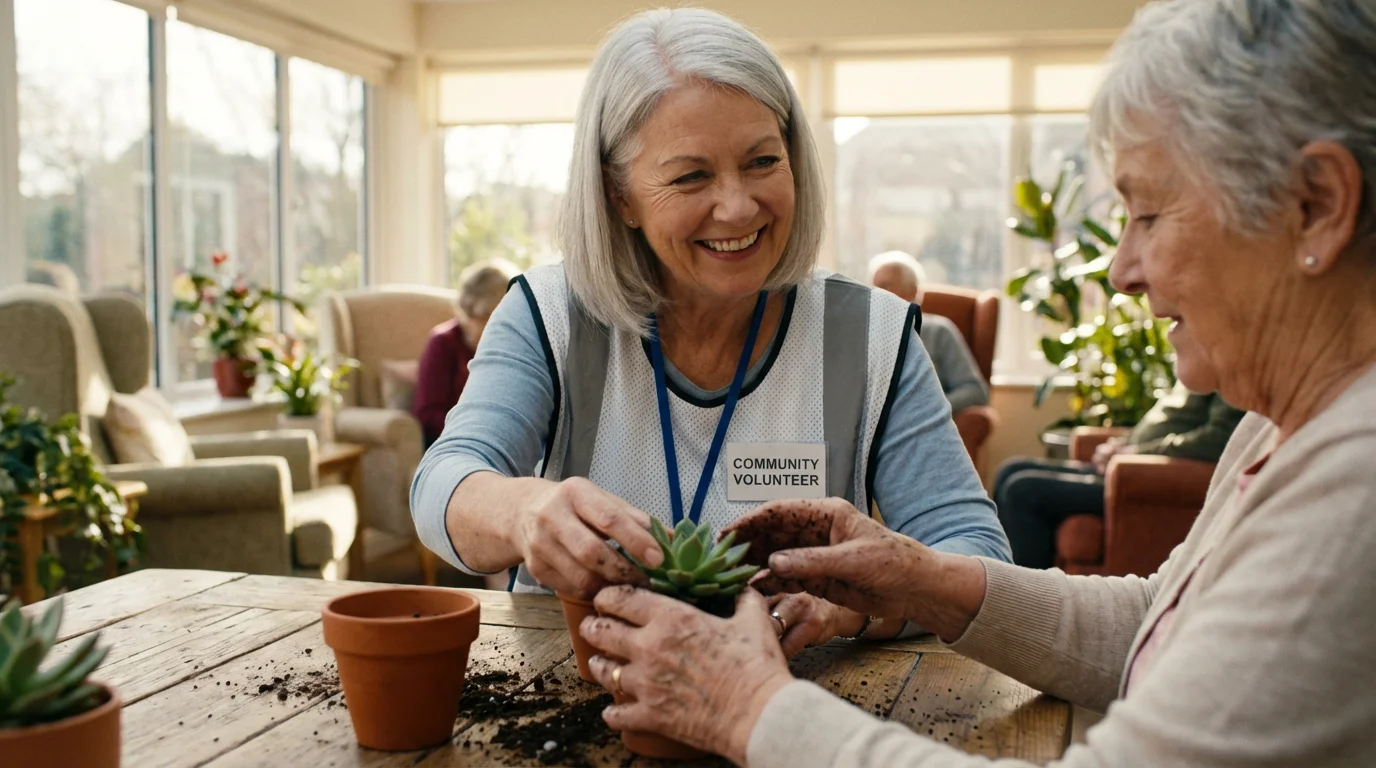
Exploring Volunteer Opportunities Within Your Retirement Community
When Dorothy and I were researching 55+ communities like Hawthorn Ridge, I had a column in my comparison matrix specifically for “Resident Engagement Opportunities.” I wanted to ensure we’d have convenient ways to stay active and connected right where we lived.
Many communities, including independent living facilities and Continuing Care Retirement Communities (CCRCs), actively foster a culture of volunteerism among their residents.
A CCRC provides a range of living options and care levels, typically from independent living to assisted living, and skilled nursing care, all on one campus. This integrated approach often means a rich internal ecosystem for engagement.
These communities understand that residents thrive when they remain active and connected. You will likely find a wealth of convenient opportunities right where you live.
Volunteering to help peers use new devices is increasingly common, highlighting the growing role of technology for seniors in modern living.
In addition, helping organize internal events is a fantastic way to maximize your community’s social calendar and keep everyone connected.
Engaging in intellectually stimulating volunteer roles also supports the goal of lifelong learning in retirement communities, helping to keep your mind sharp.
We knew that choosing a community based on our interests would be essential for maintaining our active lifestyle and finding opportunities to give back.
To truly appreciate the value of these activities, it helps to understand the broader benefits of community living that enrich residents’ daily lives.
Consider the diverse ways you can contribute within your own community:
- Resident Councils and Committees: Join or lead resident councils, which advocate for resident interests, plan events, and address community issues. You can also participate in various committees, such as welcome committees for new residents, beautification committees for common areas, or special event planning committees.
- Mentoring and Tutoring: If your community has intergenerational programs, you can mentor younger students or tutor residents who need academic support or help with new technologies. Your life experience and knowledge provide invaluable guidance.
- Social and Recreational Program Support: Assist with organizing and running activities like card games, book clubs, movie nights, or fitness classes. You might lead a craft group, teach a language, or facilitate discussions.
- Community Libraries and Resource Centers: Volunteer to organize books, assist residents with computer usage, or manage a community information desk. Dorothy, being a retired librarian, would be a natural fit here.
- Wellness and Fitness Initiatives: Support the community’s wellness programs by leading walking groups, helping with exercise classes, or organizing health fairs. I’ve often thought about helping organize the pickleball ladder here.
- Chapel or Spiritual Services: Contribute to religious or spiritual gatherings by reading, ushering, or assisting with coordination.
- Administrative Support: Offer your skills for light administrative tasks in the community office, such as answering phones, data entry, or preparing newsletters.
- Gardening and Landscaping: Many communities feature beautiful grounds. You can volunteer to tend to community gardens, assist with flower beds, or help with light landscaping. Dorothy misses her garden in Columbus and talks about getting involved in something like this here.
The convenience of volunteering within your community cannot be overstated. You eliminate transportation concerns and enjoy the camaraderie of contributing alongside your neighbors and friends.
This creates a strong sense of belonging and shared purpose.
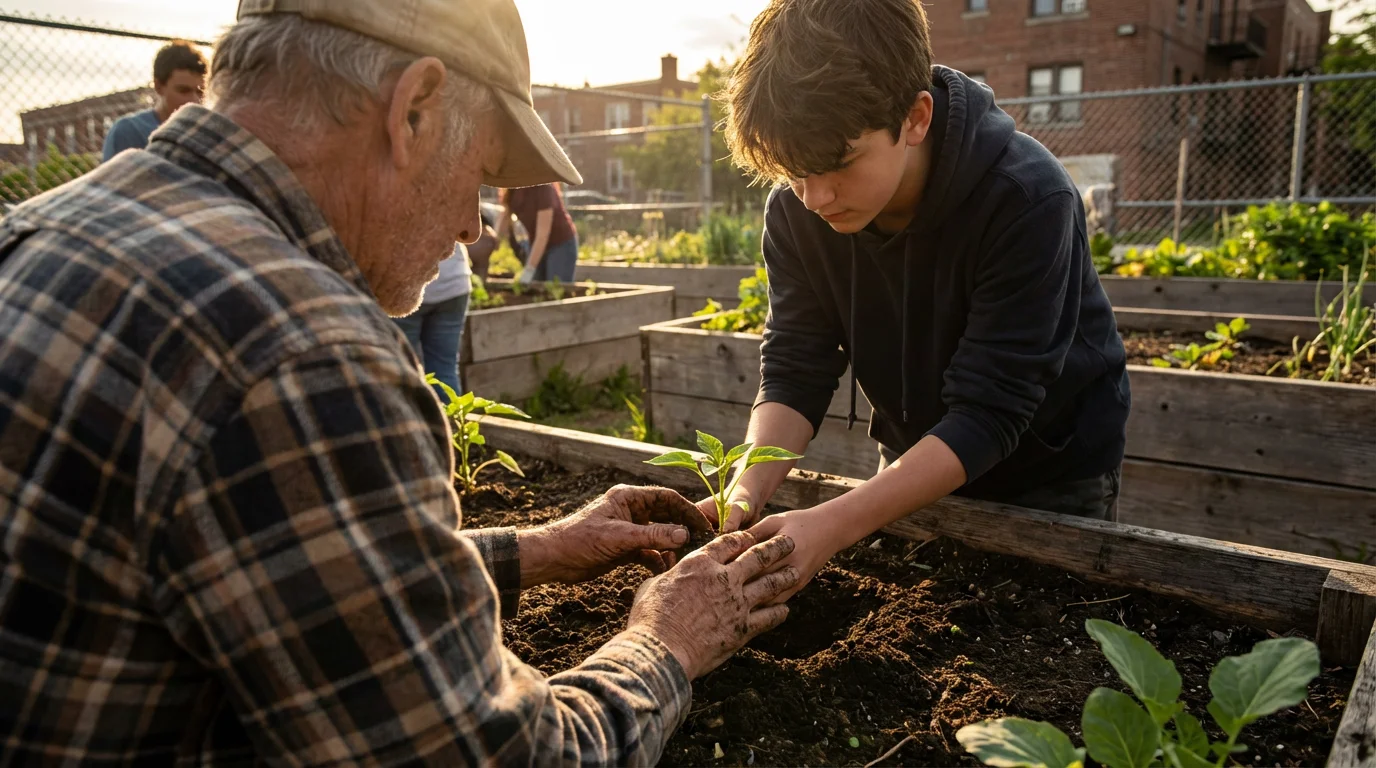
Expanding Your Reach: Community Service Beyond the Community Walls
While internal opportunities offer convenience, I also believe there’s immense satisfaction in extending your volunteer efforts into the broader local community. For me, that’s my Thursday mornings at the local food bank here in Sarasota.
It broadens my social circle beyond Hawthorn Ridge and allows me to address community needs directly, which I find very rewarding.
As you evaluate potential locations, keep accessibility in mind, which is a major factor during a retirement relocation to ensure you can reach local volunteer sites.
Your local community offers numerous avenues for impactful service. Here are common areas where senior volunteers thrive:
- Educational Institutions: Volunteer at local schools, libraries, or universities. You can read to children, tutor students, assist librarians, or provide administrative support. Your wisdom and experience are invaluable in educational settings.
- Hospitals and Healthcare Facilities: Offer your time at hospitals, clinics, or assisted living facilities, which provide support for individuals who need help with Activities of Daily Living (ADLs), such as bathing, dressing, and eating. Roles often include greeting visitors, assisting patients, reading to residents, or providing companionship.
- Animal Shelters and Rescues: If you love animals, you can walk dogs, play with cats, assist with adoption events, or help with administrative tasks at local shelters.
- Environmental and Conservation Groups: Participate in park clean-ups, trail maintenance, community garden projects, or environmental education initiatives.
- Food Banks and Homeless Shelters: Help sort donations, prepare and serve meals, or assist with client intake at organizations supporting vulnerable populations. This is where I spend my time, helping to organize the incoming donations and ensuring they get to the right places.
- Museums, Theaters, and Arts Organizations: Serve as a docent, usher, provide administrative help, or assist with event planning and promotion.
- Senior Centers and Adult Day Programs: Support programs for other seniors, leading activities, offering companionship, or assisting with events.
- Veterans’ Organizations: Assist local veterans’ groups with fundraising, advocacy, or support services for veterans and their families.
When you choose to volunteer externally, consider transportation logistics. I made sure the food bank was a reasonable drive from Hawthorn Ridge.
Many communities offer shuttle services or have ride-sharing programs. If you reside in a town or city with good public transportation, that also expands your options.
Organizations like the Eldercare Locator can help you find local resources and volunteer opportunities tailored to seniors in your area.
The best senior living community is one where you can see yourself thriving, and for many, that thriving includes opportunities to give back.
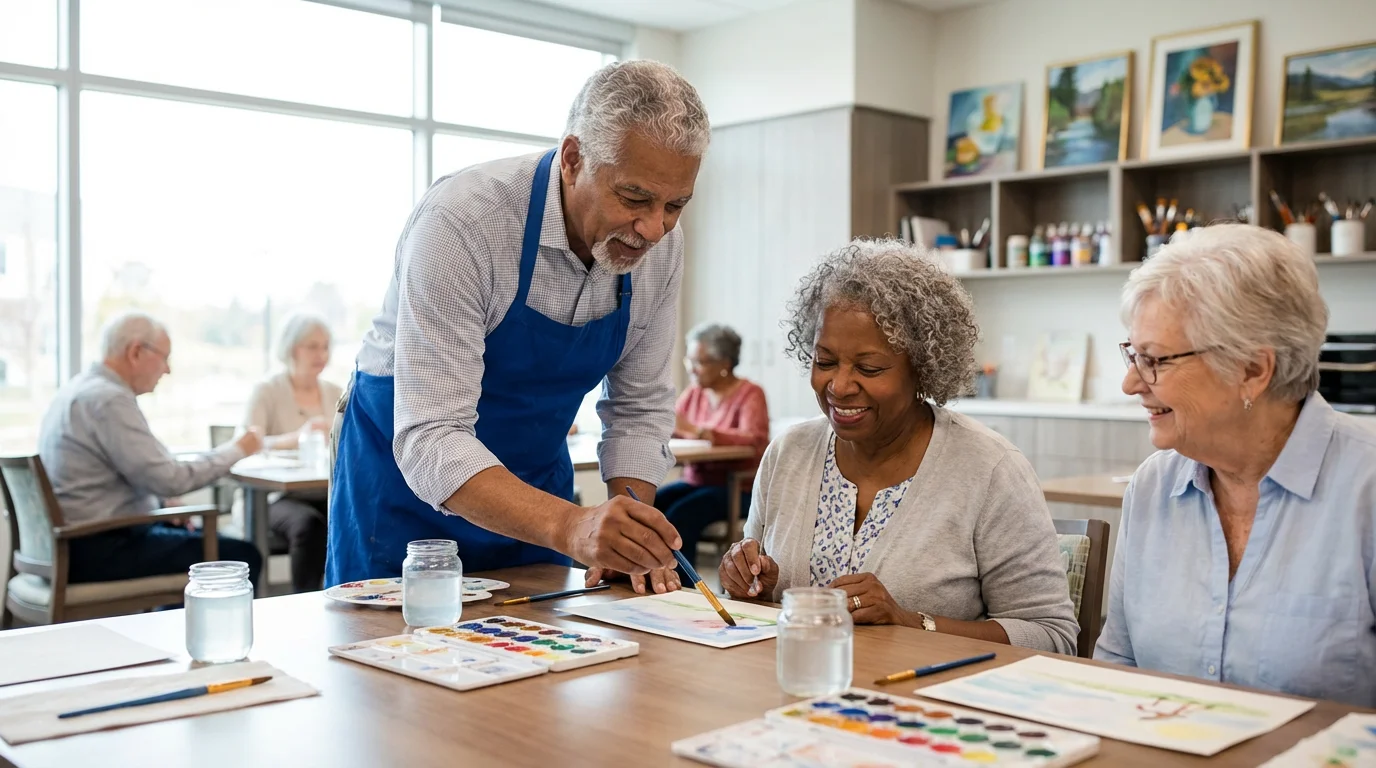
Matching Your Skills and Passions to Meaningful Roles
As an engineer, I always approached problems by breaking them down and matching resources to needs. It’s no different with volunteering.
The most fulfilling volunteer experiences arise when you align your unique skills, interests, and passions with the needs of an organization. Take time to reflect on what truly energizes you and where you feel you can make the greatest impact.
My decades of experience in civil engineering taught me organization, logistics, and problem-solving, all of which are surprisingly useful at the food bank.
Consider these questions to help you identify suitable volunteer roles:
- What professional skills did you hone during your career? (e.g., accounting, marketing, teaching, engineering, management)
- What hobbies or personal interests do you enjoy? (e.g., gardening, reading, crafts, cooking, photography, sports)
- What causes are you passionate about? (e.g., animal welfare, education, environmental protection, supporting veterans, arts and culture)
- How much time can you realistically commit each week or month?
- Do you prefer working independently or as part of a team?
- Are you looking for a physically active role, or one that is more sedentary?
- Do you prefer interacting with people, or working behind the scenes?
- What new skills are you interested in learning or developing?
Once you identify your preferences, you can more effectively seek out opportunities. For instance, a retired teacher might excel as a tutor or a museum docent.
A former accountant could assist a small non-profit with their financial records. Someone passionate about animals would find joy volunteering at a local shelter.
The key is to find a role that not only fills a need but also brings you personal satisfaction and leverages your unique capabilities.

Finding the Right Fit: Resources and Steps for Senior Engagement
Locating the ideal volunteer opportunity involves a systematic approach, much like the two years I spent researching 55+ communities before Dorothy and I moved to Sarasota. I built a comparison matrix with 14 variables, and I’d suggest a similar methodical process here.
You have many resources available to guide your search and help you connect with organizations needing your assistance. Approach this process with curiosity and a clear understanding of your preferences.
Follow these steps to find your perfect volunteer match:
- Assess Your Interests and Availability: Begin by revisiting your skills, passions, and how much time you can dedicate. Be realistic about your energy levels and commitments.
- Research Local Opportunities:
- Online Volunteer Platforms: Websites like VolunteerMatch.org or Idealist.org allow you to search for opportunities by interest, location, and keywords.
- Local Senior Centers: Many senior centers maintain lists of local volunteer needs and can connect you with organizations.
- Community Boards and Newsletters: Check bulletin boards in your retirement community, local libraries, or community centers. Local newspapers often list volunteer calls.
- Direct Outreach: If you have a specific organization in mind, visit their website or contact them directly to inquire about volunteer programs. This is how I initially connected with the food bank.
- National Organizations with Local Chapters: Large organizations like the American Red Cross, Meals on Wheels, or AARP often have local chapters seeking volunteers.
- Eldercare Locator: Use the Eldercare Locator, a public service of the U.S. Administration for Community Living, to find local resources that may include volunteer opportunities. You can visit their website at eldercare.acl.gov.
- Contact Potential Organizations: Reach out to organizations that interest you. Ask about their volunteer roles, time commitments, and any required training.
- Schedule an Interview or Orientation: Most organizations conduct interviews or orientations to ensure a good fit for both you and their needs. This is your chance to learn more and ask questions.
- Undergo Background Checks (If Required): For roles involving vulnerable populations, such as children or the elderly, organizations often require background checks for safety and security.
- Start Small and Evaluate: You do not need to commit to a demanding schedule immediately. Begin with a smaller commitment to see if the role truly suits you. After a few weeks, assess your satisfaction and impact.
Organizations like LeadingAge, which represents non-profit aging services providers, often promote strong volunteer programs within their member communities. You can explore their resources at leadingage.org for examples of impactful senior engagement initiatives.

Overcoming Common Challenges in Senior Volunteering
While the benefits of volunteering are significant, I know you might encounter certain challenges. Recognizing these potential hurdles helps you proactively address them and sustain your volunteer efforts for the long term.
Many issues have practical solutions, ensuring your experience remains positive and rewarding. It’s about problem-solving, just like any good engineering project.
Common challenges and solutions include:
- Transportation Issues:
- Challenge: Getting to and from external volunteer sites.
- Solution: Prioritize opportunities within walking distance, seek organizations near public transit, or inquire if your retirement community offers shuttle services. For my food bank volunteering, I mapped out the most efficient route and checked traffic patterns to avoid delays. Consider virtual volunteering opportunities that require no travel.
- Physical Limitations:
- Challenge: Difficulty with physically demanding tasks or prolonged standing.
- Solution: Be upfront about your capabilities and seek roles that accommodate your physical comfort. Many organizations need help with administrative tasks, phone calls, or light duties. Focus on roles that leverage your cognitive skills.
- Time Commitment:
- Challenge: Fear of overcommitting or difficulty balancing volunteering with other retirement activities.
- Solution: Start with a small, manageable commitment, perhaps a few hours a week or a one-time project. I have my pickleball games scheduled four mornings a week, so I knew I needed a volunteer slot that didn’t conflict. Communicate your availability clearly and do not hesitate to adjust your schedule as needed. Organizations value consistent, even if limited, contributions.
- Finding the “Right Fit”:
- Challenge: Difficulty finding an opportunity that genuinely aligns with your interests and skills.
- Solution: Be patient in your search. Utilize multiple resources, network within your community, and do not be afraid to try different roles until you discover one that resonates.
- Technological Barriers:
- Challenge: Lack of familiarity with modern computer programs or communication tools.
- Solution: Many organizations offer training. You can also specifically seek roles that require less computer use or focus on person-to-person interaction. Consider taking a basic computer course at a local senior center.
- Emotional Overload:
- Challenge: In some volunteer roles, especially in social services or healthcare, you may encounter difficult situations.
- Solution: Choose roles where you feel emotionally comfortable. Understand that it is acceptable to set boundaries, take breaks, and seek support from fellow volunteers or the organization’s staff if a role becomes too emotionally taxing.
Addressing these challenges proactively ensures that your volunteer journey remains a positive and sustainable part of your retirement lifestyle. Your well-being remains paramount.
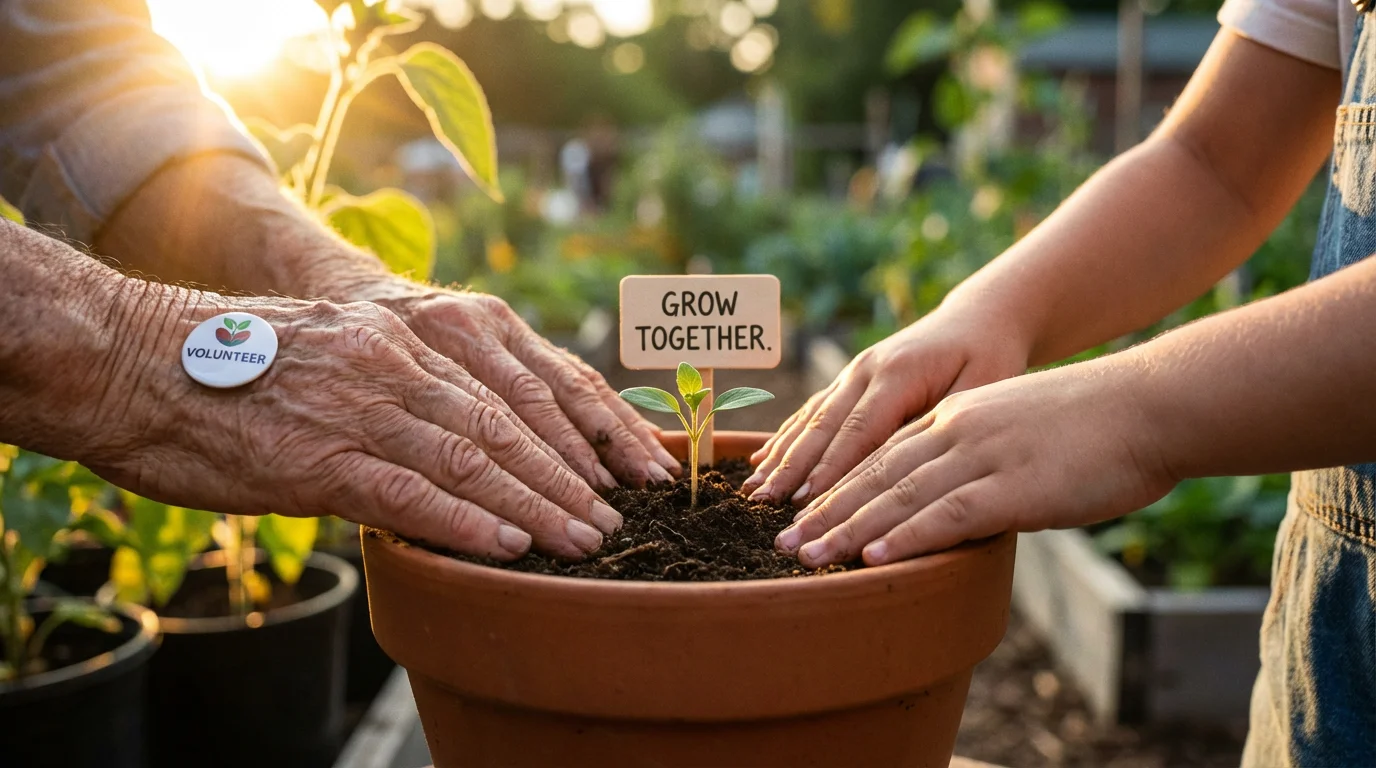
The Impact of Senior Volunteers on Communities and Individuals
Your contributions as a senior volunteer extend far beyond the immediate tasks you perform. The cumulative effect of senior engagement profoundly strengthens communities and enriches individual lives, both for those receiving help and those providing it.
I see this every Thursday at the food bank. You embody a valuable and often underutilized resource.
Consider the broad ripple effects of your volunteer efforts:
- Economic Impact: The value of volunteer hours is immense. Independent sector data consistently demonstrates that volunteer service saves organizations significant labor costs, allowing them to allocate resources to their core missions. You contribute to the economic efficiency of non-profits. I often think about the tangible value we provide, allowing the food bank to serve more people.
- Bridging Generational Gaps: When you volunteer in intergenerational programs, you provide invaluable wisdom and perspective to younger generations. This interaction fosters mutual respect and understanding, creating a stronger, more cohesive community fabric.
- Enhanced Quality of Life for Recipients: Whether you read to a child, visit a lonely senior, or help at a food bank, your actions directly improve the quality of life for others. You provide comfort, assistance, and a human connection that is often desperately needed.
- Increased Community Resilience: A community with active volunteers is more resilient, better equipped to respond to crises, and more capable of addressing ongoing social needs. Your active participation strengthens the overall capacity of your local area.
- Positive Role Modeling: You serve as an inspiration to others, demonstrating that age does not diminish one’s capacity to contribute and lead a purposeful life. This encourages others to engage and give back.
The National Council on Aging (NCOA) consistently advocates for senior engagement, highlighting the societal benefits of active older adults. Their work underscores that when you volunteer, you become an essential part of the solution to many community challenges.
You can explore more resources on healthy aging and engagement at ncoa.org.
Your decision to volunteer in retirement is a powerful one. It is a commitment to continued growth, connection, and contribution, shaping a more vibrant and compassionate world for everyone.
Frequently Asked Questions
What types of volunteer opportunities are most popular among seniors?
From my perspective, seniors often gravitate towards roles that align with their past professional experiences or personal interests.
Popular options I’ve seen include tutoring, mentoring, administrative support (where my engineering background comes in handy for organization), assisting in hospitals or libraries, helping at animal shelters, participating in community gardens, and supporting social activities within their retirement communities.
Many find satisfaction in roles that involve direct interaction and making a visible, practical difference.
Do I need specific skills to volunteer in retirement?
Not always. While professional skills like mine from civil engineering are highly valued, many organizations are simply looking for enthusiastic individuals willing to learn and contribute.
Soft skills like communication, empathy, patience, and reliability are equally important. Organizations often provide training for specific tasks, so don’t let a perceived lack of “specific skills” deter you from exploring options.
Can I volunteer if I have physical limitations or health concerns?
Absolutely. Many volunteer roles accommodate various physical capabilities.
You can find opportunities that are less physically demanding, such as administrative tasks, phone banking, virtual volunteering, or leading discussion groups. Be transparent with organizations about your limitations, and they will help you find a suitable and comfortable role.
Always consult with your healthcare provider if you have concerns about the physical demands of a volunteer role.
How much time should I dedicate to volunteering?
The time commitment varies widely. You can find opportunities ranging from a few hours a month to several days a week.
When I started at the food bank, I committed to a consistent half-day each week, which fits well with my pickleball schedule.
Many seniors begin with a smaller commitment, perhaps 2-4 hours per week, and then increase their time if they feel comfortable and enjoy the role. It’s important to choose a schedule that fits your lifestyle and doesn’t lead to burnout.
Where can I find volunteer opportunities specifically for seniors?
You can find opportunities through your retirement community’s activity director, local senior centers, online platforms like VolunteerMatch.org, the Eldercare Locator website (eldercare.acl.gov), and by directly contacting local non-profits or community organizations that align with your interests.
Networking with other active seniors, like I do at Hawthorn Ridge, also often reveals new possibilities.
What are the emotional benefits of volunteering in retirement?
Volunteering offers numerous emotional benefits, including a stronger sense of purpose and self-worth, reduced feelings of loneliness and isolation, improved mood, and lower rates of depression.
The act of helping others creates a positive feedback loop, fostering feelings of happiness, contentment, and accomplishment, significantly enhancing your emotional well-being. It’s a tangible return on your investment of time and effort.
Disclaimer: This article is for informational purposes only and does not constitute medical, legal, or financial advice. Senior housing costs, services, and availability vary significantly by location and provider.
We strongly encourage readers to tour multiple communities, review contracts carefully with legal counsel, and consult with eldercare specialists, financial advisors, and healthcare providers before making housing decisions.