Embarking on retirement living means embracing a new chapter filled with opportunities, connection, and vibrant experiences. When Bill and I first started talking about moving to a 55+ community, I’ll admit I wasn’t thinking about the “enhanced social life.”
I was thinking about leaving our home on Elmwood Drive, the one where we raised our three children. But Bill, ever the researcher, kept telling me about the sense of belonging these communities offer.
And you know what? He was right.
You really do gain access to a world of activities, events, and shared interests, designed to enrich your days and foster meaningful friendships.
This guide will help you navigate your community’s social calendar, find out about social events, and truly thrive, just like I’ve started to do here in Hawthorn Ridge.
Ultimately, finding your tribe in these settings is what turns a new house into a true home.
In this guide10 sections
- Understanding Your Community’s Social Landscape
- Researching Community Social Offerings Before You Move
- Your Community’s Social Hub: Finding the Calendar
- Beyond Bingo: Diverse Social Activities and Clubs
- Embracing Engagement: Tips for Getting Involved
- Building Genuine Connections: Beyond Scheduled Events
- Intergenerational Opportunities and Family Involvement
- Community Governance and Resident-Led Initiatives
- It’s Okay to Be You: Respecting Your Social Comfort Zone
- Frequently Asked Questions

Understanding Your Community’s Social Landscape
When Bill first showed me the social calendar for Hawthorn Ridge, I just saw a lot of lines and tiny print. I was still missing my garden in Columbus and feeling a bit lost.
But what I’ve learned is that a 55+ community’s social calendar is so much more than just a list of dates. It represents a vibrant ecosystem of opportunities for connection, learning, and fun.
These communities are specifically designed to combat isolation, which was something I was worried about after leaving our old life.
Research from the National Institute on Aging emphasizes the importance of social engagement for overall well-being, and I can tell you from experience, a robust social calendar directly supports that goal.
Here at Hawthorn Ridge, I’ve found everything from daily fitness classes (Bill loves his pickleball!) to weekly happy hours, monthly themed dinners, and even excursions to local attractions. The offerings typically cater to a wide range of interests and activity levels.
This variety ensures everyone can find something appealing, whether you prefer quiet intellectual pursuits or lively group gatherings. I’ve even found a watercolor painting group, and while I’m not good at it, I certainly don’t care!
It’s just lovely to spend time with new friends.
Every community cultivates its own unique social culture. Some buzz with constant activity, while others offer a more laid-back atmosphere with ample opportunities for quiet enjoyment.
Understanding this culture helps you choose a place where you will feel most comfortable and engaged. It empowers you to maximize your social life in a way that truly resonates with your preferences.
I’m so glad I found my “Florida family” here, three genuine friends who make this place feel like home.

Researching Community Social Offerings Before You Move
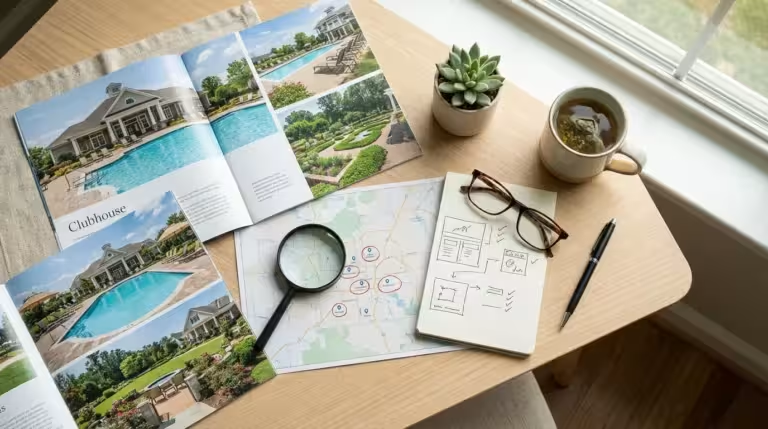
Oh, this section brings back memories! Bill researched 55+ communities for two full years before we moved.
He had spreadsheets, and I had feelings. He was looking at floor plans and HOA fees, and I was trying to imagine if I’d ever feel at home again after leaving our 2,400 sq ft colonial on Elmwood Drive.
But proactive research really is crucial when considering a 55+ community, especially regarding its social heartbeat. You want to ensure the community aligns with your social preferences before making a commitment.
Sites like 55places.com provide valuable community reviews and details, offering insights into various social environments.
While focus is often on the social aspects, remember that downsizing and moving effectively is the first step toward enjoying these community perks.
It is important to remember that coping with the emotional side of moving is a natural part of transitioning into a community environment.
When Bill and I visited Hawthorn Ridge, I made sure to look beyond the model homes and beautiful amenities. I tried to pay close attention to the people and the atmosphere.
I remember seeing a group of women laughing by the pool, and I wondered if I could ever be that comfortable. Your social well-being is a key component of a fulfilling retirement, and it took me a while to realize that.
Here are key questions to ask and observations to make during your research (and believe me, Bill asked all of these, and then some!):
- What does a typical weekly social calendar look like? Ask for a copy.
- Are there resident-led clubs and groups, or are activities primarily staff-driven?
- How diverse are the social activities and programming? Do they cater to various interests like arts, fitness, intellectual pursuits, and outdoor activities?
- What opportunities exist for residents to connect in smaller, more intimate settings?
- Are there intergenerational programs or ways for grandchildren to participate when they visit? (This was a big one for me, thinking about Lily and Noah.)
- How does the community gather feedback for new social events and programs?
- What is the participation rate like for popular social events? Are events usually well-attended?
Observing community spaces during your visit offers additional clues. Do you see residents chatting in common areas, using the fitness center, or gathering for a game?
These real-time observations paint a clearer picture than any brochure. The level of spontaneous interaction often indicates a healthy social environment.
I remember seeing people just chatting by the mailboxes, and that felt very welcoming.
Your Community’s Social Hub: Finding the Calendar
Once Bill and I settled into Hawthorn Ridge, my immediate priority wasn’t exactly finding the social calendar. I was still unpacking boxes and trying to figure out where everything went in our new, smaller kitchen.
But Bill, bless his methodical heart, had the calendar pinned to our fridge within a day. Communities typically offer multiple accessible channels for their community calendar, ensuring you stay informed about everything happening.
You will discover that staying updated is straightforward with these resources.
Common places to find your community calendar include:
- Online Resident Portals or Websites: Many communities maintain a dedicated online platform where you can view the full social calendar, sign up for events, and even connect with neighbors. These portals often provide detailed descriptions, times, and locations for each activity. I’m still learning to navigate ours, but Bill is a pro.
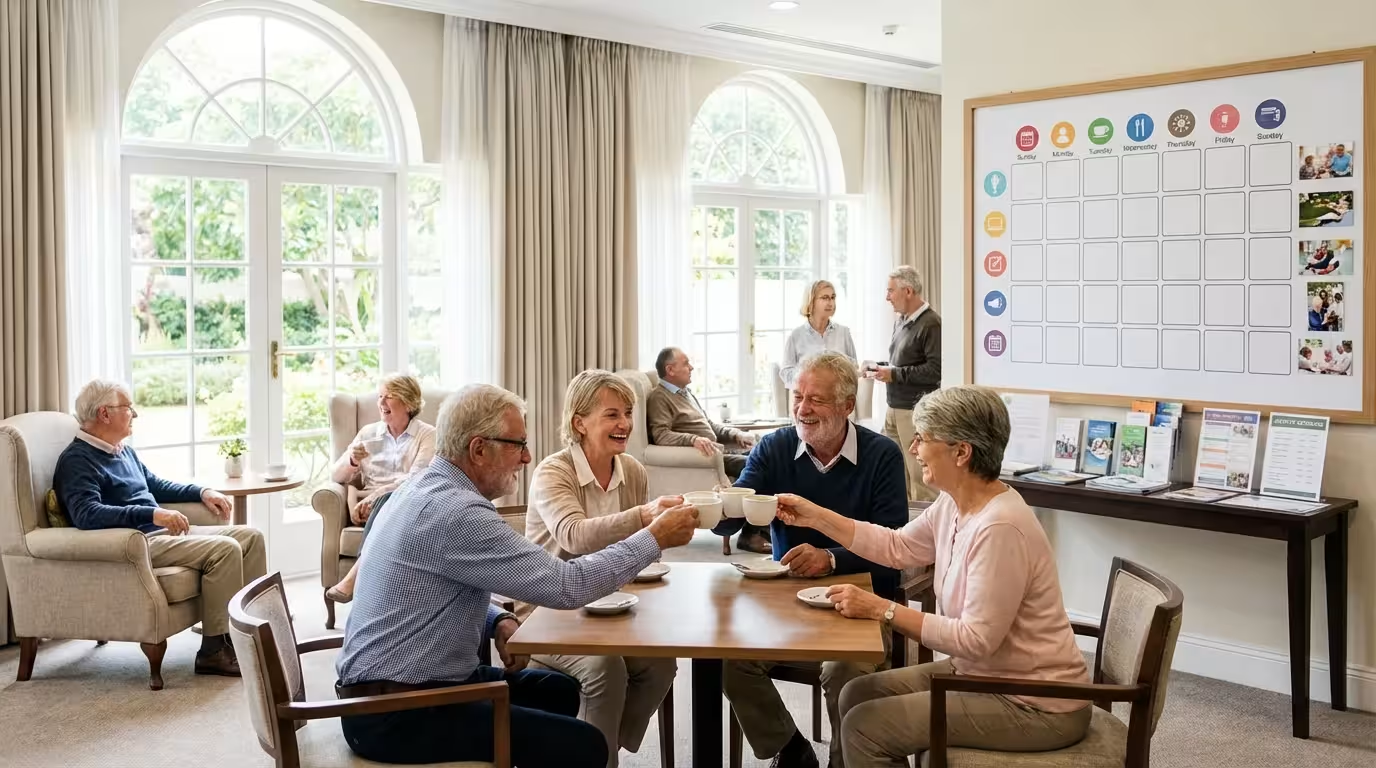
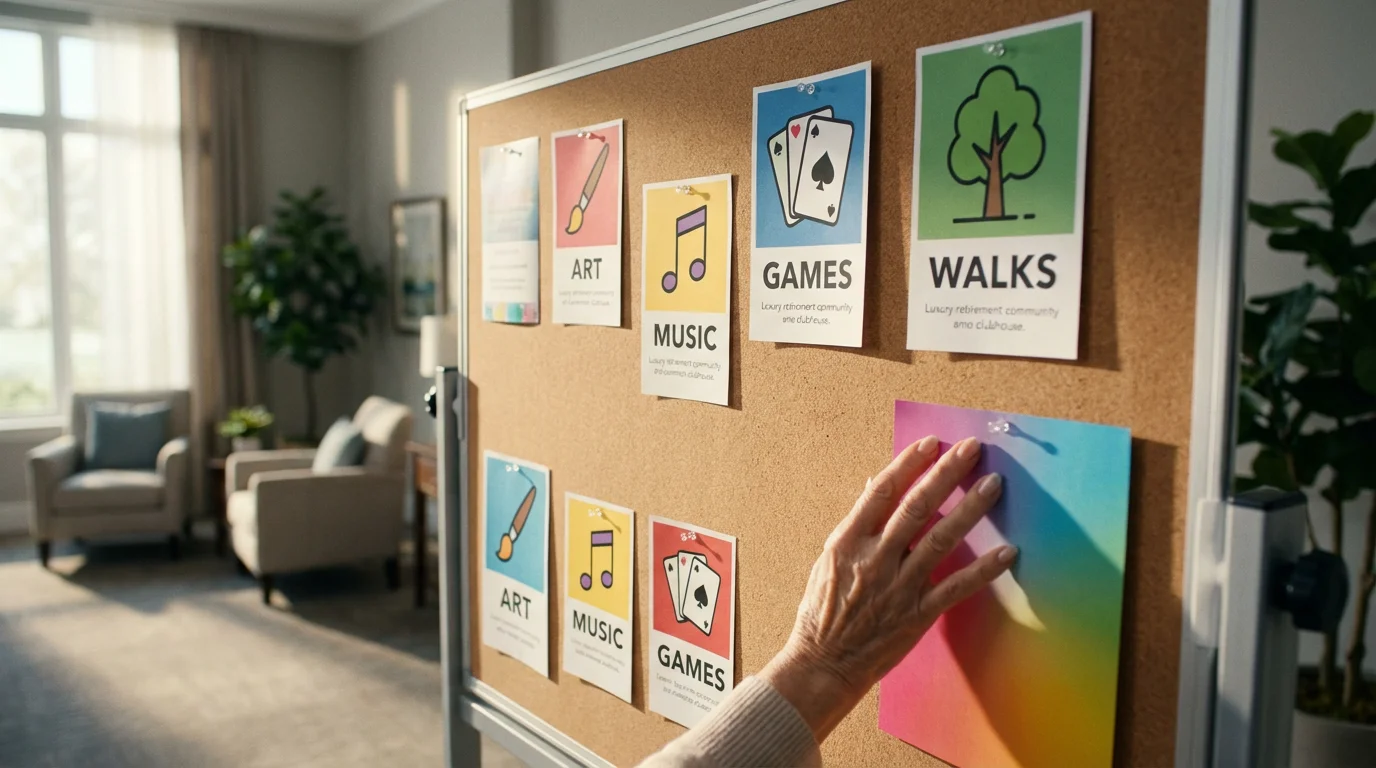
- Physical Bulletin Boards: Look for large, prominently displayed boards in the clubhouse, community center, or main common areas. These often feature printed monthly or weekly calendars, sign-up sheets, and flyers for special social events. This is where I found the watercolor painting class!
- Community Newsletters: Most communities publish a regular newsletter, either printed or digital, that highlights upcoming social activities, resident news, and important announcements. This is an excellent way to get a comprehensive overview of the month’s social events.
- Email Notifications: Many communities offer an email subscription service where you receive daily or weekly updates on social activities directly in your inbox. This convenient option ensures you never miss out on new opportunities.
- Front Desk or Activity Director: The community’s front desk staff or dedicated activity director can always provide you with a printed social calendar, answer questions about specific events, and help you sign up. They are valuable resources for navigating your community’s social life.
I make it a habit to check the bulletin board by the pool regularly, partly because I’m often there chatting with new people, but also because it helps me plan my week or month.
It allows me to participate in social events that align with my interests, like that painting class, or something I know Bill would enjoy, like a new restaurant outing.
Beyond Bingo: Diverse Social Activities and Clubs
I remember thinking, when we first looked at communities, that it would just be bingo and shuffleboard. And while bingo remains a beloved classic in many communities, the range of social activities extends far beyond!
Today’s 55+ communities boast an incredible array of programming designed to cater to every passion and interest. I’ve found opportunities to explore new hobbies, and Bill has certainly rekindled his love for pickleball, playing four mornings a week.
It’s a joy to connect with people who share your enthusiasm.
Consider some of the most popular social events and clubs you might encounter:
- Fitness and Wellness: Yoga, Tai Chi, water aerobics, dance classes, walking groups, pickleball, tennis, golf leagues, and personal training sessions. (Bill’s pickleball is practically a religion now!)
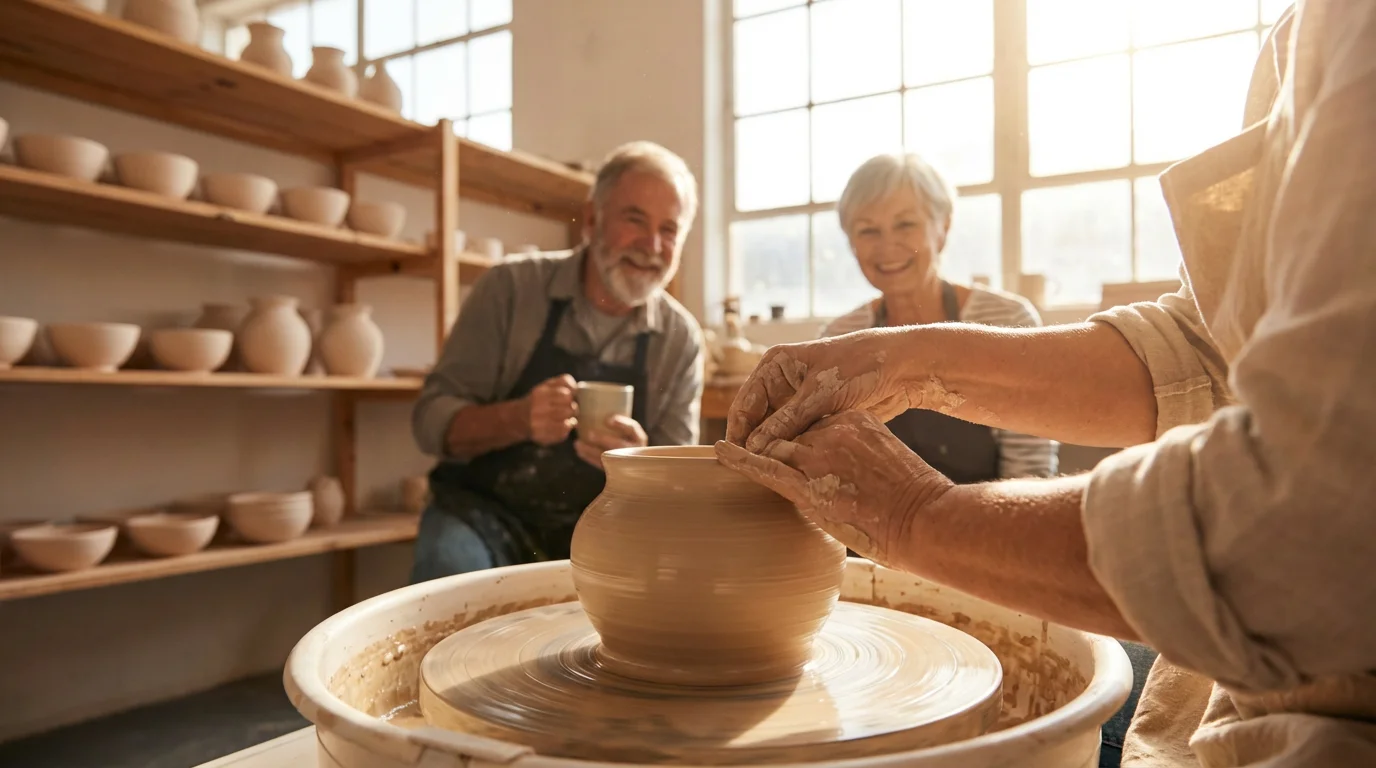
- Arts and Crafts: Painting classes (that’s me and my watercolors!), pottery workshops, knitting and crocheting circles, jewelry making, photography clubs, and scrapbooking groups.
- Intellectual Pursuits: Book clubs, current events discussions, lecture series with guest speakers, language classes, history clubs, and creative writing workshops.
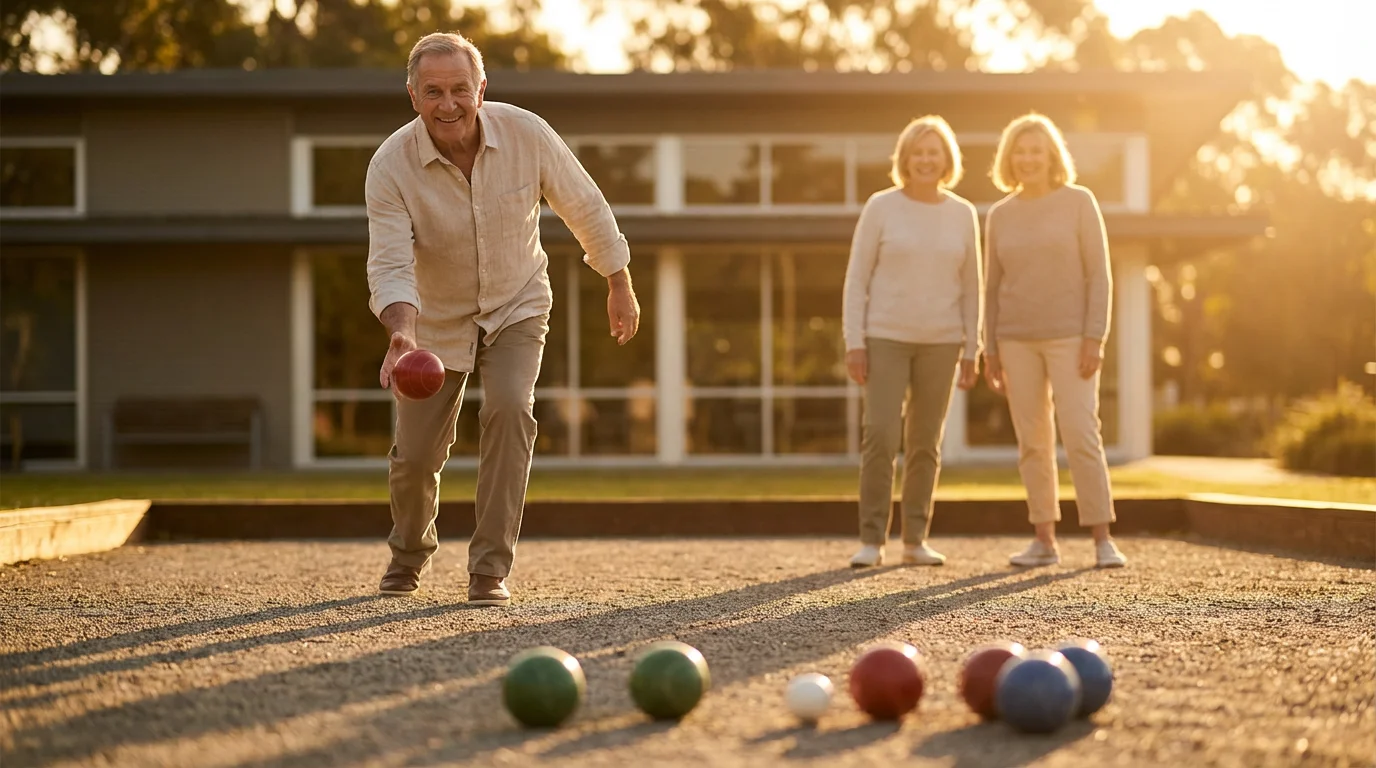
- Games and Recreation: Bridge, poker, mahjong, billiards, bocce ball, shuffleboard, trivia nights, and board game gatherings.
- Performing Arts: Community theater groups, choral ensembles, talent shows, and opportunities to attend local concerts or plays.
- Culinary and Dining: Cooking classes, wine tasting clubs, themed potlucks, restaurant outings, and gourmet dinner parties. (Bill has become an unexpectedly good cook since retirement, which still surprises both of us!)
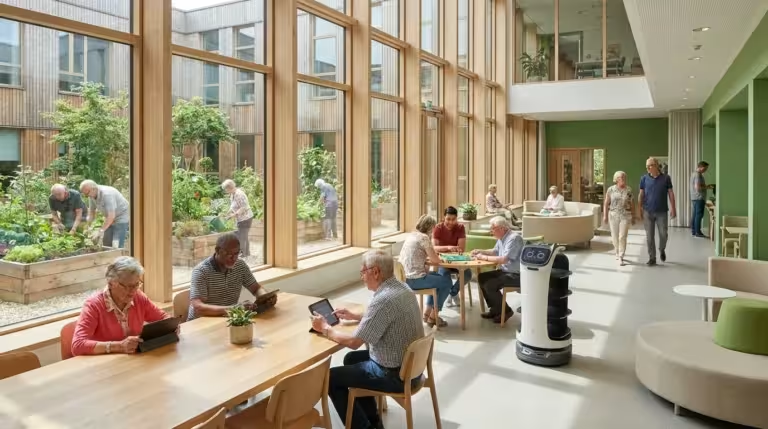
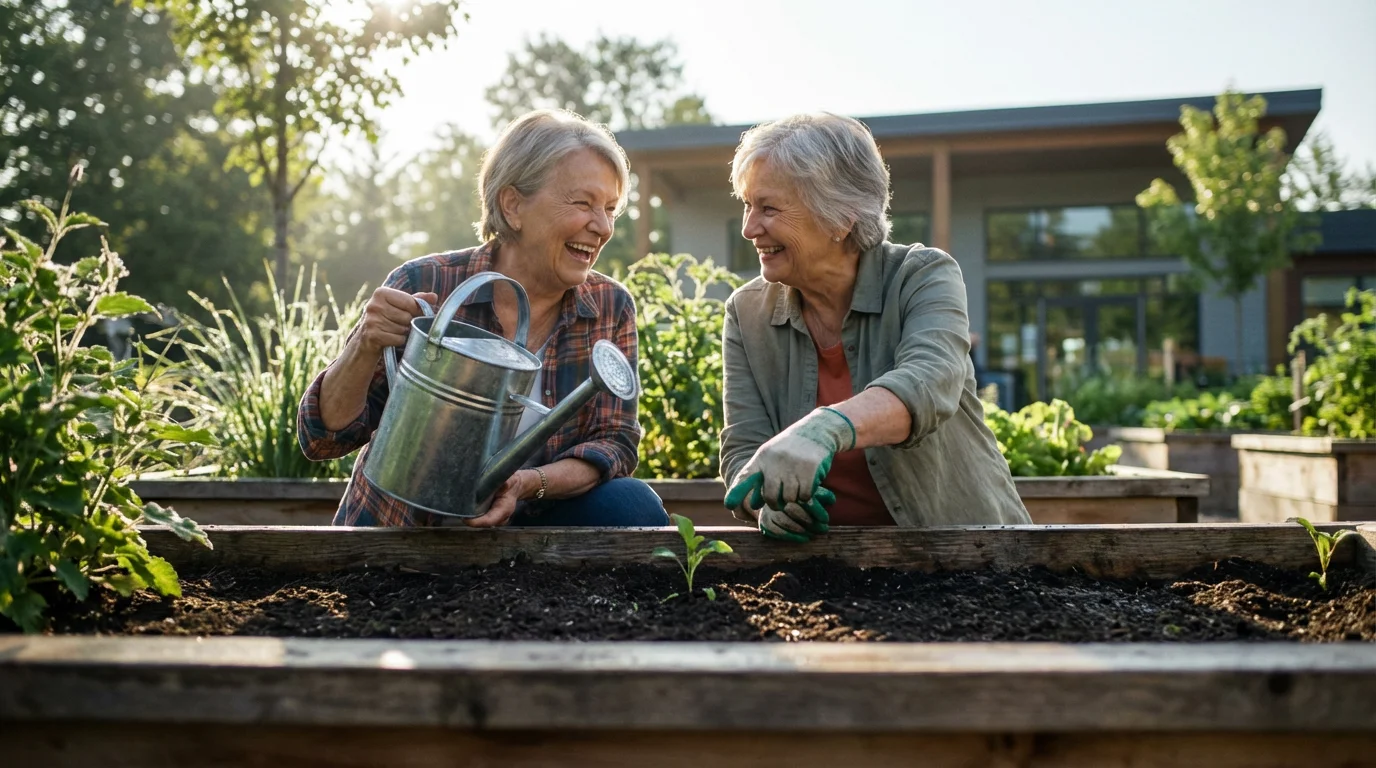
- Outdoor and Nature: Gardening clubs, bird watching groups, hiking or biking meetups, nature photography outings, and community park clean-up days. (I still miss my Columbus garden, but I do enjoy seeing the community gardens here.)
- Volunteering and Service: Opportunities to contribute to local charities, help within the community, or support intergenerational programs. (Bill volunteers at a local food bank on Thursdays.)
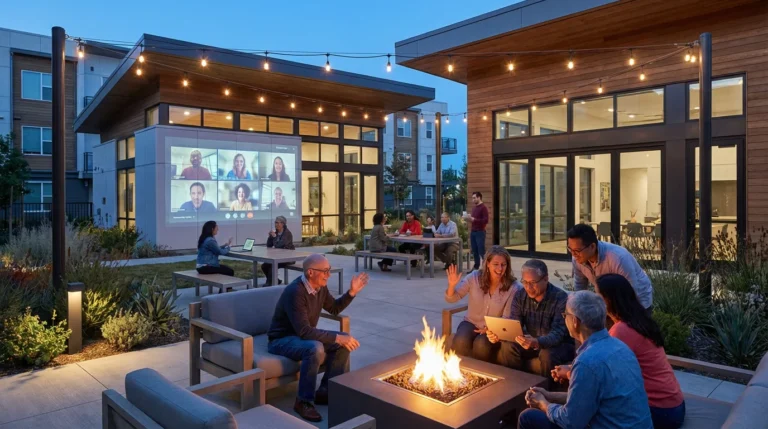
Many communities also host larger special events throughout the year, such as holiday parties, summer barbecues, cultural festivals, and talent showcases. These gatherings provide excellent opportunities to meet a broader range of residents and celebrate together.
The diversity of these offerings ensures you can tailor your social calendar to your unique preferences, whether you are an avid adventurer or prefer a quieter gathering.
I even found myself talking to strangers at the pool about a new art class, which is something I never would have done in Columbus!
Embracing Engagement: Tips for Getting Involved
Stepping into a new social environment can feel daunting for anyone. I know it certainly did for me, especially after leaving a place I’d called home for 44 years.
For the first three months at Hawthorn Ridge, I mostly just watched. But a 55+ community offers such a welcoming foundation.
You have many avenues to explore, and a few practical steps help you make the most of your community’s social calendar. Remember, the goal is to find what brings you joy and connection, not to fill every moment with activity.
Actively participating in these events is the fastest way to begin building meaningful connections in retirement with your new neighbors.
- Start Small: You do not need to dive headfirst into every activity. I started by just going to the community pool and saying hello to people. A casual coffee chat, a low-key walking group, or a resident orientation session are great starting points.
- Try Something New: Retirement offers the perfect chance to explore new hobbies. I’d always wanted to try painting, and now I’m doing watercolors (not well, but I’m doing it!). Bill took up pickleball, and he’s out there four mornings a week. Now is your opportunity. You might discover a hidden talent or a new passion.
- Volunteer Your Time: Many communities thrive on resident volunteers. Bill volunteers at the food bank, and I’ve helped out with some of the community bake sales. Volunteering is an excellent way to meet people with shared values and contribute meaningfully.
- Be Approachable: A warm smile and an open posture invite conversation. You do not need to be an extrovert to make connections. Simply being present and friendly creates opportunities for interaction. I always try to smile, even when I was feeling a bit down.
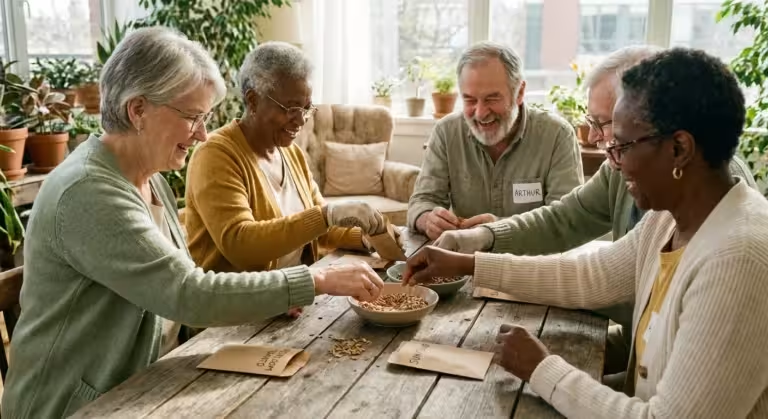
- Introduce Yourself: When you attend an event, introduce yourself to someone new. A simple “Hello, I’m Dorothy, I just moved here” opens the door to conversation. Many residents remember being new themselves and are happy to welcome you. This is how I met one of my “Florida family” members, just striking up a conversation at the pool.
- Follow Up: If you connect with someone, suggest grabbing coffee or walking together another time. These smaller, more personal interactions often lead to deeper friendships than large group events alone.
Remember, building connections takes time. Be patient with yourself and the process.
It took me a full year to truly feel settled and admit that Bill was right about the move. The community offers the framework, and your participation brings it to life.
Many residents, whether introverted or extroverted, successfully find their niche and create fulfilling social lives.
Building Genuine Connections: Beyond Scheduled Events
While the social calendar provides abundant opportunities for interaction, true connection often extends beyond organized social events. Building genuine friendships involves shared experiences, mutual interests, and a willingness to invest in relationships.
I’ve found that these deeper bonds significantly enhance my retirement living experience. My “Florida family” – Marilyn, Carol, and Susan – didn’t just become my friends because we signed up for the same class; it was all the little moments in between.
“Good neighbors are the best security system.”
One powerful way to forge deeper connections is by joining interest-based clubs. These groups bring together people who share a specific passion, such as a book club, a gardening group, or a poker game.
The shared focus naturally fosters conversation and camaraderie. Over time, these consistent, smaller group interactions often lead to stronger friendships than sporadic large events.
You gain regular exposure to the same individuals, allowing relationships to develop organically. That’s how I got to know the women in my watercolor group.
Beyond clubs, consider informal gatherings. Many communities have residents who regularly meet for coffee, walks, or impromptu happy hours.
These unofficial meetups are often discovered through word-of-mouth or by simply being present in common areas. Engaging in these less structured environments allows for more spontaneous and authentic conversations, which are crucial for forming lasting bonds.
Sometimes, my friends and I will just meet for coffee after an exercise class, and those are some of my favorite times.
Actively listening and showing genuine interest in others also play a vital role. Ask questions, remember details about their lives, and offer support when appropriate.
These small gestures build trust and rapport, transforming acquaintances into friends. Combating social isolation involves both being present and actively engaging with the people around you.
My willingness to reach out, even when I was feeling a bit shy, made a significant difference in my adjustment to Hawthorn Ridge.
Intergenerational Opportunities and Family Involvement
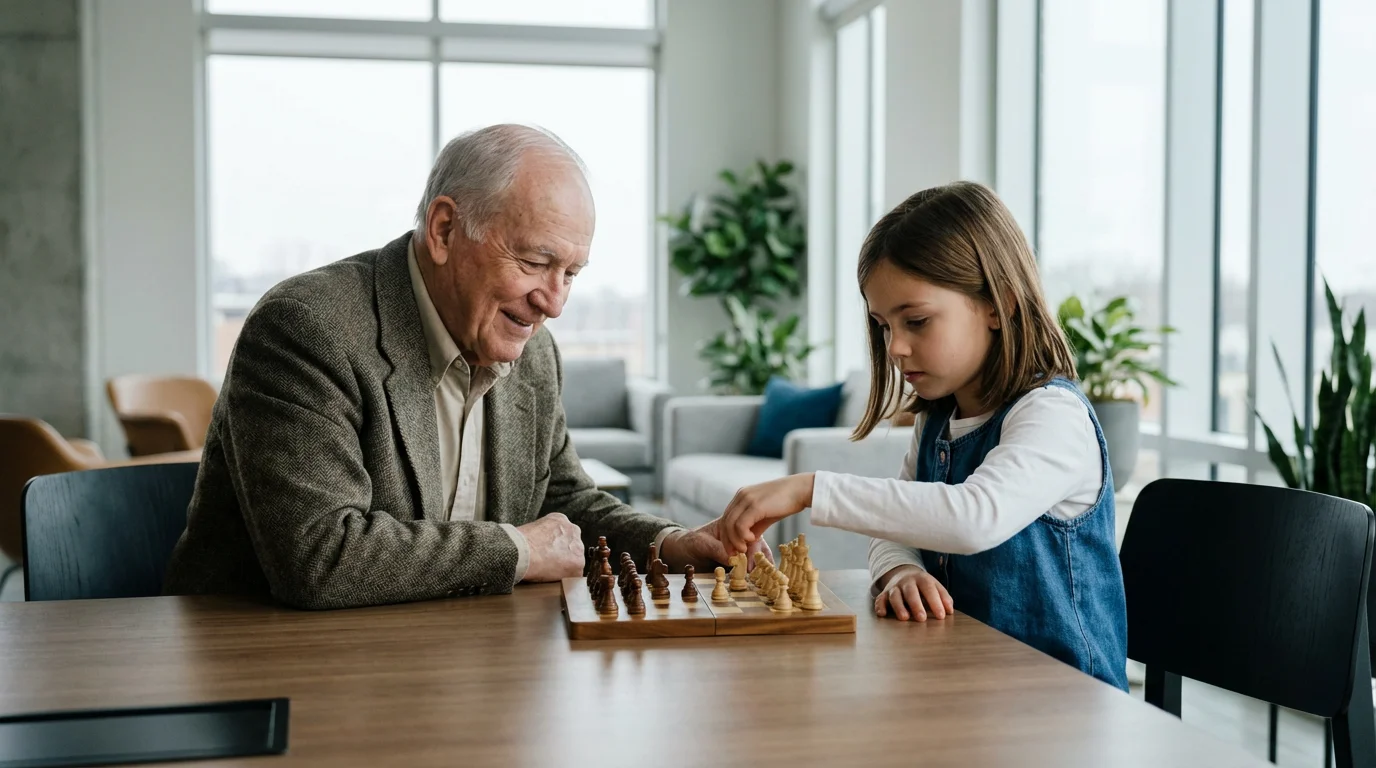
This is where my heart really sings. Modern 55+ communities recognize the value of intergenerational connections, fostering environments where all ages can interact.
I’ve found that these opportunities truly enrich the lives of us residents, our families, and younger generations. Connecting across age groups brings fresh perspectives and mutual benefits.
I remember my daughter Karen telling me, “Mom, the grandkids want YOU, not the house.” That was the turning point for me, and I still tear up thinking about it.
Many communities actively encourage family involvement in social events. My grandchildren, Lily (9) and Noah (7), absolutely love visiting Hawthorn Ridge.
They participate in activities such as:
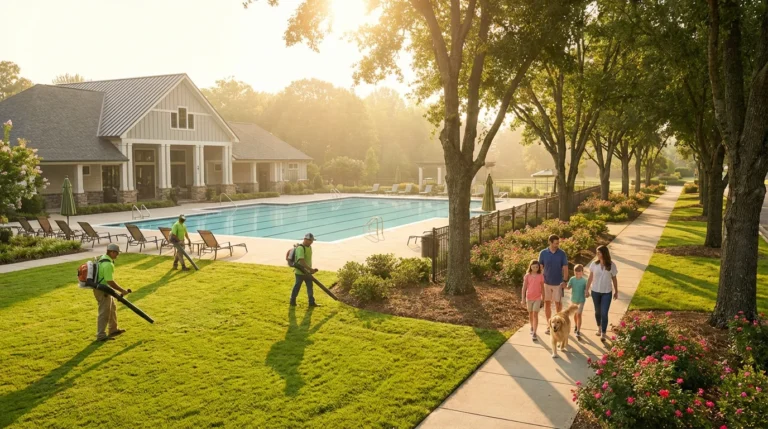
- Family-friendly pool days (Lily loves the splash pad!)
- Holiday celebrations and themed parties (Noah still talks about the Halloween parade last year)
- Game nights with board games or outdoor games
- Craft sessions or baking activities (we bake on Sunday mornings, and they always help!)
- Community talent shows where all ages perform
- “Grandparents’ Day” events or special family picnics
Beyond family visits, some communities partner with local schools or youth organizations to create structured intergenerational programs. You might see residents volunteering to read to schoolchildren, tutor students, or share their life experiences with younger generations.
Conversely, young people might visit the community to perform, share technology skills, or simply spend time chatting with residents. Organizations like Generations United champion these vital connections, highlighting their benefits for all involved.
Knowing that Lily and Noah have so much to do here, and that they love coming to visit, makes me so incredibly happy. It truly was the best decision.
Community Governance and Resident-Led Initiatives
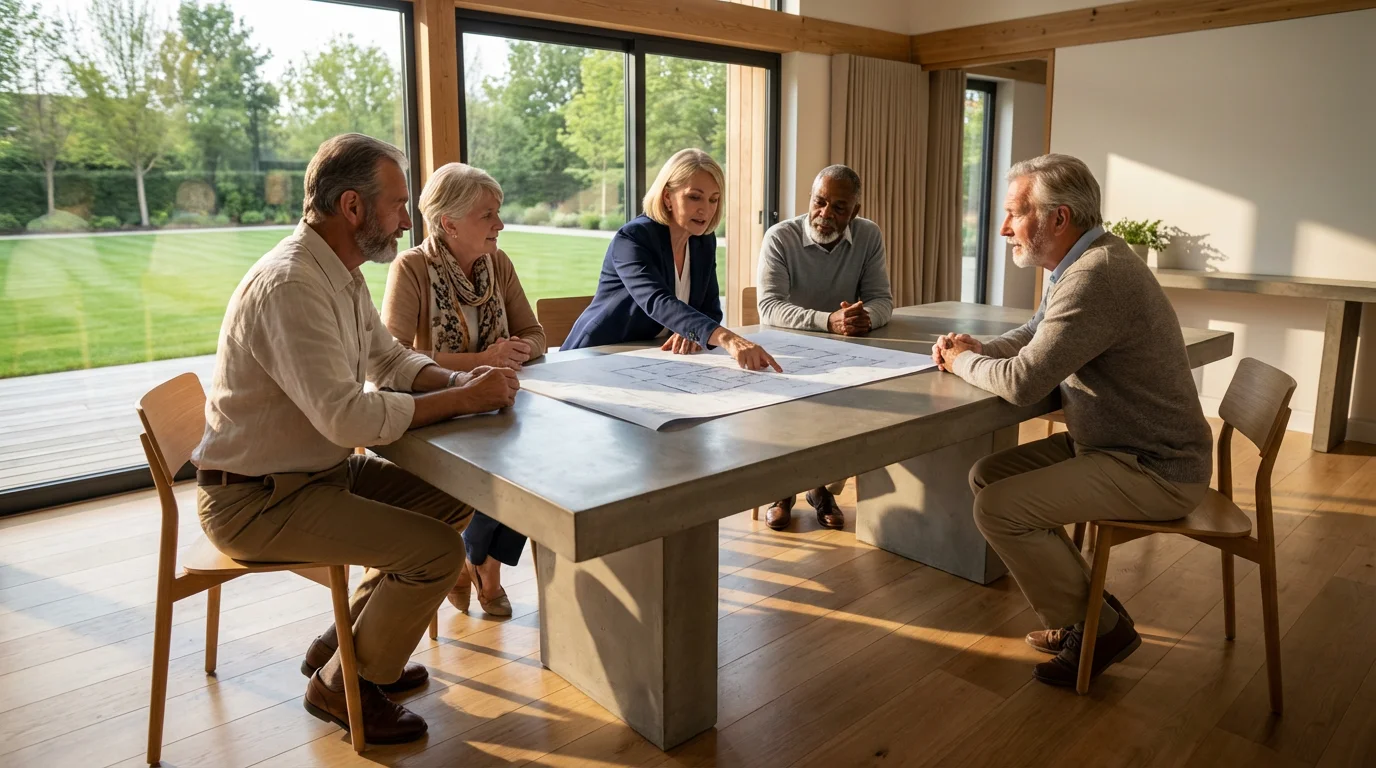
A truly vibrant social calendar often reflects the passions and initiatives of the residents themselves. I’ve found that many 55+ communities empower their residents to play a significant role in shaping the social landscape.
This resident-led approach ensures that activities genuinely meet the interests of the people living there, creating a stronger sense of ownership and engagement. The watercolor painting group I joined, for example, was started by a resident!
Resident associations or councils frequently serve as the voice of the community. These elected bodies often work directly with management to suggest new social events, propose club formations, and provide feedback on existing programs.
While I haven’t joined a committee myself yet, Bill is always up-to-date on what’s happening, and I appreciate that our voices are heard.
Beyond formal governance, countless clubs and groups spring from resident initiative. If you possess a passion for bridge, a particular craft, or a unique hobby, you can often start a club.
Communities typically provide resources, meeting spaces, and support to help residents launch and sustain their interest groups. This bottom-up approach to social programming fosters diversity and ensures that niche interests also find a home.
I’ve heard talk of a new baking club, and I might just have to join that one!
Consider:
- Joining the Welcoming Committee to greet new residents and help them integrate socially.
- Volunteering to help plan and execute community-wide social events, such as holiday parties or themed dinners.
- Proposing a new club based on an unmet interest, perhaps a chess club, a photography group, or a walking club focused on local trails.
- Attending resident association meetings to stay informed and offer your ideas for community enhancement.
Your participation in these initiatives directly contributes to the richness and variety of the community’s social calendar. It transforms you from a passive participant into an active co-creator of your social environment, ensuring the activities reflect real resident desires.

It’s Okay to Be You: Respecting Your Social Comfort Zone
While 55+ communities offer an abundance of social opportunities, it is crucial to remember that participation is entirely your choice.
I certainly felt some pressure at first to be “active” all the time, but I quickly learned you never need to feel pressured to engage in every social event or join every club.
Your retirement years are about living life on your terms, and that includes respecting your personal social comfort zone.
Some individuals thrive on constant social interaction, finding energy in large gatherings and diverse activities. Others, particularly introverts, might prefer smaller, more intimate connections or significant periods of quiet solitude.
Both approaches are equally valid and contribute to a fulfilling retirement. A healthy community recognizes and respects this diversity.
I remember how much I resisted the move, and it took me a full year to really find my footing. Part of that was learning to find my own rhythm here.
You define your ideal social life. Perhaps you want to focus on one or two deeply meaningful friendships, or you might prefer engaging in a single club related to a cherished hobby.
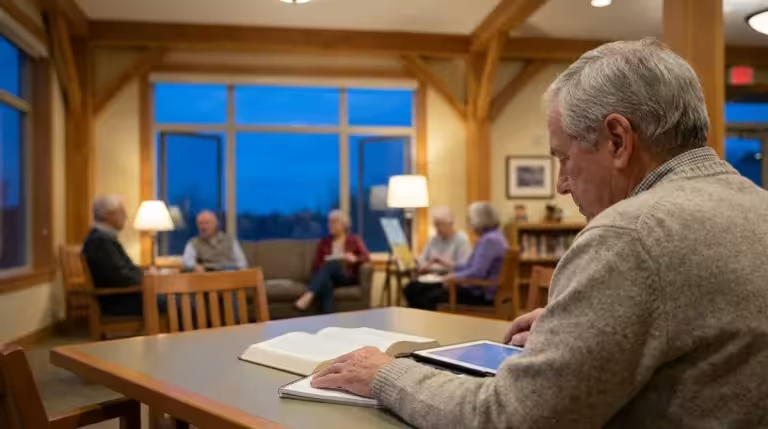
Maybe your perfect day involves a quiet morning with a book, followed by a casual lunch with a friend, and an evening spent on personal projects. There is no “right” way to be social in retirement.
My Sunday mornings baking, with coffee and something in the oven, are a cherished quiet time for me.
If you find yourself feeling overwhelmed by the sheer number of social events, take a step back. Re-evaluate your calendar and prioritize activities that genuinely bring you joy and energy.
It is perfectly acceptable to decline invitations or choose solitude when you need it. Boundaries are healthy and essential for maintaining your well-being.
The community provides the opportunities, and you decide how to embrace them, ensuring your social life aligns with your authentic self. After all, this is *your* retirement!
Frequently Asked Questions
How active are most residents in 55+ communities?
From what I’ve seen here at Hawthorn Ridge, resident activity levels vary widely by community and by individual. Some communities attract very active residents who participate in multiple social events daily, like Bill with his pickleball, while others have a more relaxed pace.
Within any community, you will find a spectrum, from those who are highly involved in clubs and social activities to those who prefer quieter pursuits and fewer structured engagements. During your research, look for communities that match your desired level of activity.
I found my balance after a while, and it’s perfect for me.
Can I bring my family or grandchildren to social events?
Most 55+ communities are very family-friendly and welcome visitors, including grandchildren, to certain social events and amenities. I know Lily and Noah just adore coming here!
However, specific policies differ between communities regarding age restrictions for amenities like pools or fitness centers, and which social events are open to guests.
Always check the community’s guest policy or the specific event details on the community calendar beforehand to ensure a smooth visit for your loved ones.
What if I don’t find a club or activity that interests me?
If you do not immediately find a club or activity that perfectly aligns with your interests, do not worry. I remember thinking I wouldn’t find anything beyond book clubs!
But many communities encourage residents to start new groups. You can often propose a new club to the resident association or activity director, who can help you find other interested residents and secure a meeting space.
This is a wonderful way to shape the community’s social offerings and connect with like-minded individuals. I’ve heard rumors of a baking club starting, and I might just have to join!
Is there typically an app or digital tool for the social calendar?
Many modern 55+ communities provide a digital resident portal or a dedicated app where you can access the full social calendar. Bill uses ours all the time!
These tools often allow you to view event details, sign up, receive notifications, and sometimes even communicate with other residents or community staff.
However, availability varies, so inquire about digital calendar options during your community tour or upon moving in. Printed calendars and email newsletters remain common alternatives, and I find the bulletin board by the pool is often the easiest for me.
What are the most popular social events in 55+ communities?
While popularity can vary, universally beloved social events often include fitness classes like water aerobics or yoga, card games such as bridge or poker, book clubs, happy hours, themed dinner parties, and excursions to local attractions, theaters, or restaurants.
Golf leagues, pickleball (Bill’s favorite!), and gardening clubs also consistently rank high in participation, reflecting diverse interests within these communities. There’s truly something for everyone, even for someone like me who just picked up watercolor painting!
Disclaimer: This article is for informational purposes only. Community living options, amenities, and cultures vary significantly.
We encourage readers to visit communities in person, speak with current residents, and evaluate whether a community fits their unique needs and preferences.