
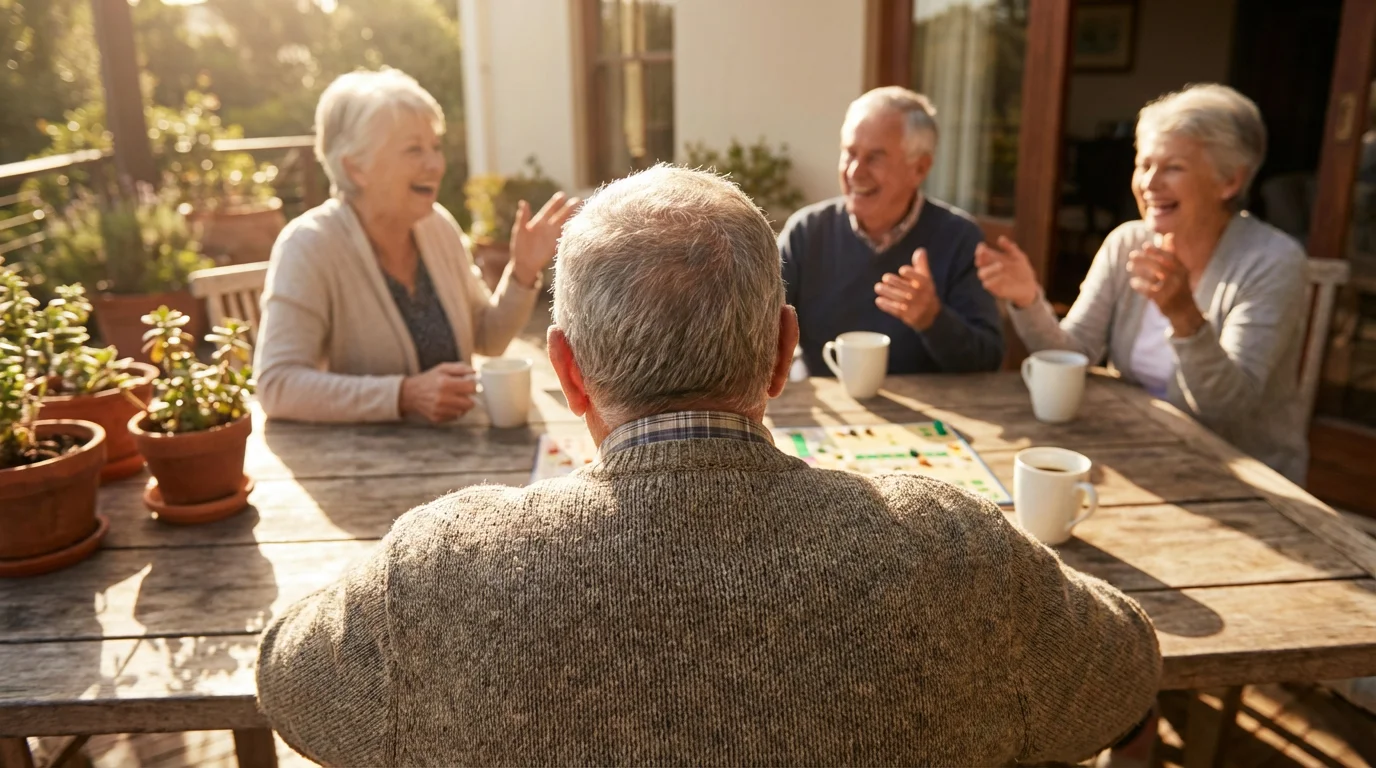
Retirement is a significant life transition, offering a new kind of freedom and plenty of opportunities.
While Dorothy and I spent years meticulously planning our finances, healthcare, and our move to Hawthorn Ridge, I’ve learned that your social well-being plays an equally critical role in defining a fulfilling retirement.
Understanding the future of senior living trends can also help you identify environments designed specifically to foster these vital bonds.
Strong social connections aren’t just a nice-to-have; they’re fundamental to your physical health, mental sharpness, and overall happiness. Ignoring this vital aspect of your retirement plan can lead to isolation, diminished health, and reduced quality of life.
From an engineer’s perspective, understanding how to cultivate and maintain robust retirement friendships ensures you embrace this next chapter with vitality and purpose, much like building a solid foundation for a structure.
In this guide10 sections
- Redefining Your Social Landscape in Retirement
- The Profound Impact of Strong Social Connections
- Why Social Connections are Important for Retirees
- Practical Strategies for Cultivating Retirement Friendships
- Engaging in Senior Activities and Community Involvement
- Leveraging Technology to Stay Connected
- Involving Family and Bridging Generational Gaps
- Planning for Evolving Social Needs
- Building Your Social Connections Action Plan
- Frequently Asked Questions
Redefining Your Social Landscape in Retirement
During my 38 years as a civil engineer, my work provided a built-in social network. Colleagues, professional events, and shared projects created a constant stream of interactions.
When I retired in 2021, that automatic structure dissolved almost overnight.
Suddenly, I found myself with more free time but far fewer immediate opportunities for spontaneous interaction. It was a significant shift, even for someone as methodical as I am.
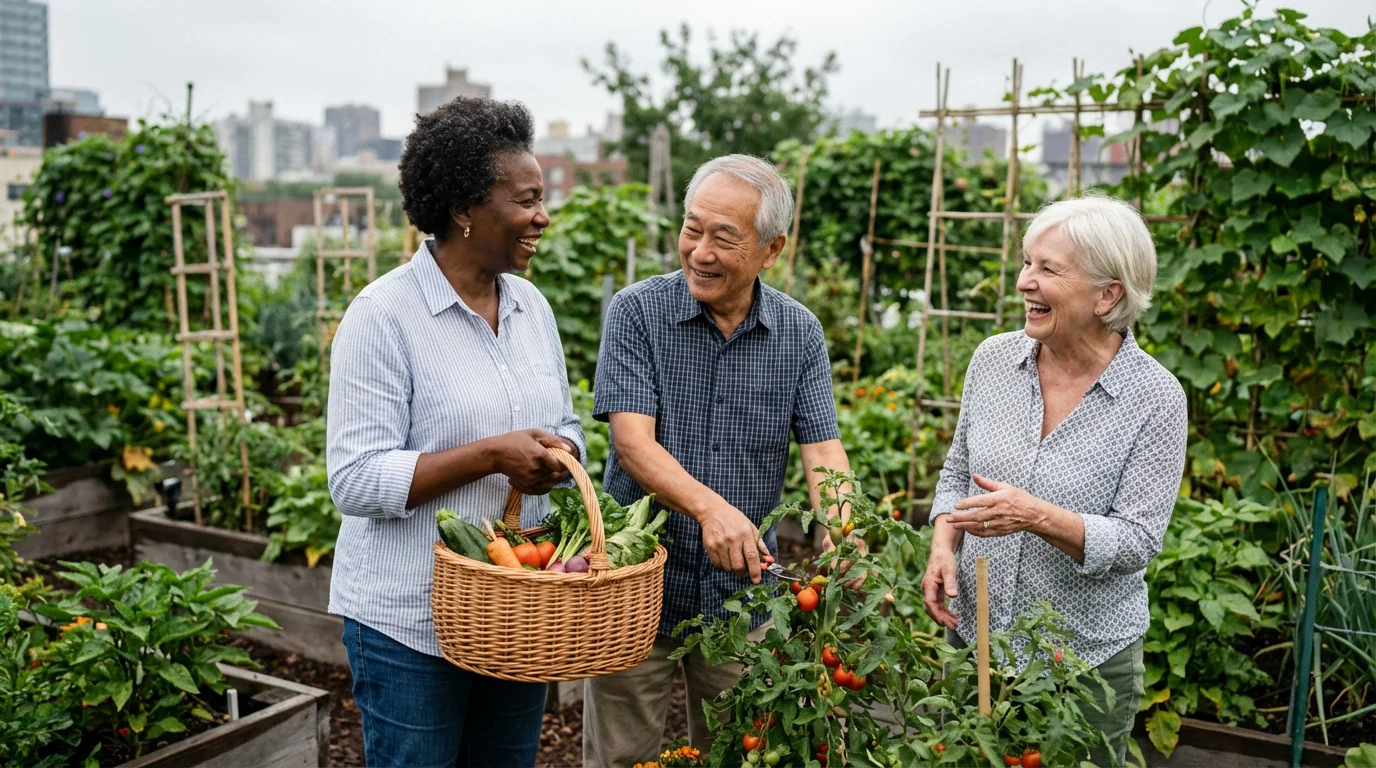
This change presented both challenges and exciting possibilities. I had the chance to deepen existing relationships and forge new social connections based on shared interests rather than professional obligations.
This period allowed me to intentionally design a social life that truly aligned with my values.
I had to proactively decide what aspects of my social life I wanted to carry forward and what new dimensions I wished to explore, much like planning a new project from the ground up.
The Profound Impact of Strong Social Connections
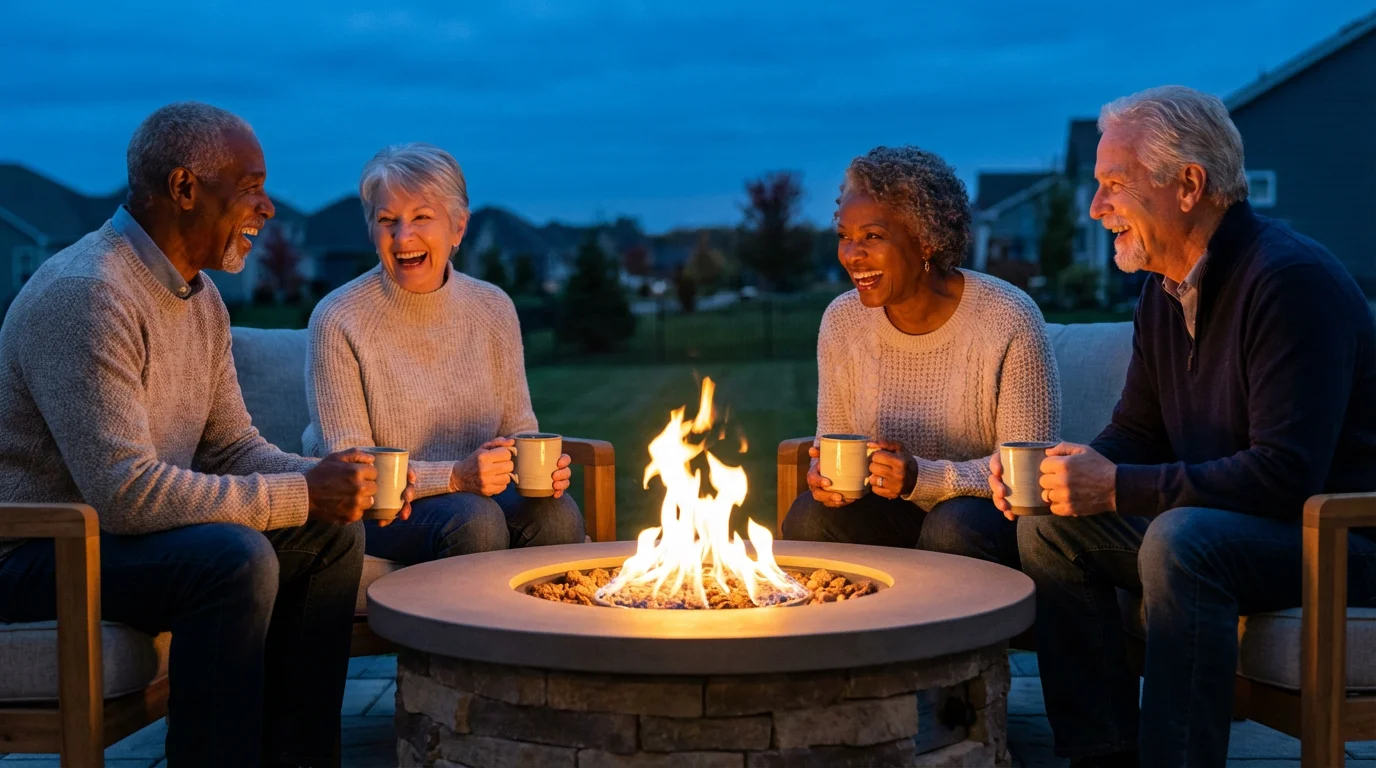
The benefits of social connections extend far beyond simply having someone to talk to. The data consistently demonstrates a powerful link between robust social networks and improved health outcomes.
Strong relationships act as a buffer against stress and contribute to a longer, healthier life.
Choosing the right environment is key, as community living for seniors provides a natural structure for these vital daily interactions.
I’ve seen this firsthand; since moving to Hawthorn Ridge, Dorothy’s made three genuine friends she calls her “Florida family,” and I’ve watched her emotional well-being flourish as a result.
Physical Health Benefits
Studies show that individuals with strong social ties tend to live longer and experience fewer chronic health problems. A large meta-analysis by Holt-Lunstad, Smith, and Layton (2010) found that strong social relationships significantly increase your likelihood of survival, comparable to quitting smoking.
For me, playing pickleball four mornings a week isn’t just exercise; it’s a consistent social outlet that keeps me active and connected.
- Increased Longevity: People with active social lives generally live longer.
- Stronger Immune System: Social engagement can boost your body’s ability to fight off illness.
- Reduced Risk of Cardiovascular Disease: Social support helps manage stress, a known factor in heart health.
- Better Sleep Quality: Feeling connected and supported can lead to more restful sleep.
Mental and Emotional Well-being
Your mental and emotional health thrives when you maintain meaningful connections. Retirement can sometimes bring feelings of isolation or a loss of identity, especially if your professional role was central to your self-perception.
I know Dorothy initially struggled with leaving her librarian career and our old house, but social interaction has provided a vital antidote for both of us.
- Lower Rates of Depression and Anxiety: Regular social interaction provides emotional support and a sense of belonging.
- Enhanced Cognitive Function: Engaging in conversation and social activities keeps your mind sharp and challenged.
- Greater Sense of Purpose: Contributing to groups or helping friends provides meaning and direction.
- Increased Happiness and Life Satisfaction: Human connection is a fundamental component of well-being.
This sentiment highlights why feeling connected and valued within a community is so crucial, especially during a time of transition like retirement. It reinforces the idea that true wealth in retirement extends beyond financial assets to include rich relationships.

Why Social Connections are Important for Retirees
Retirement can bring unique challenges that social connections are perfectly suited to address. Understanding these specific needs helps you proactively build a supportive network.
Why are social connections important for retirees? The answer lies in how they combat common retirement pitfalls and enhance daily life. I’ve found this to be true as Dorothy and I settled into our new life in Sarasota.
Combating Isolation and Loneliness
For many, the abrupt cessation of daily work routines leaves a void that can quickly lead to feelings of loneliness. My work environment provided structure, conversation, and a sense of belonging.
Without intentional effort, these elements can vanish. Dorothy, after we sold our 2,400 sq ft colonial on Elmwood Drive, really felt the absence of her long-established community, and I saw how important it was for her to rebuild those connections.
Social connections fill this void by providing consistent interaction and emotional support. They offer opportunities for shared experiences, laughter, and serious conversations, preventing the quiet creep of isolation.
Maintaining Identity and Purpose
My professional role often defined a significant part of my identity. Upon retirement, I grappled with questions of who I was without that title or daily responsibility.
Connecting with others has helped me explore new facets of my identity and find new purposes.
Volunteering at the local food bank on Thursdays, for instance, gives me a clear schedule and a sense of contributing meaningfully, which I missed from my engineering days.
Joining groups, volunteering, or engaging in hobbies with others allows you to redefine yourself, discover new passions, and contribute to something larger than yourself. This shared pursuit can be incredibly affirming.
Support Through Life Transitions
Retirement often coincides with other major life events: changes in health, loss of loved ones, or relocation. A strong social network provides invaluable emotional and practical support during these times.
Our move to Hawthorn Ridge in Sarasota, for example, was a huge transition. Having our children, Karen, Michael, and Susan, checking in regularly, and then Dorothy making new friends here, made that adjustment much smoother than it might have been.
Having trusted confidants who share similar life stages can also offer unique perspectives and empathy, helping you navigate challenges with greater resilience.
Practical Strategies for Cultivating Retirement Friendships
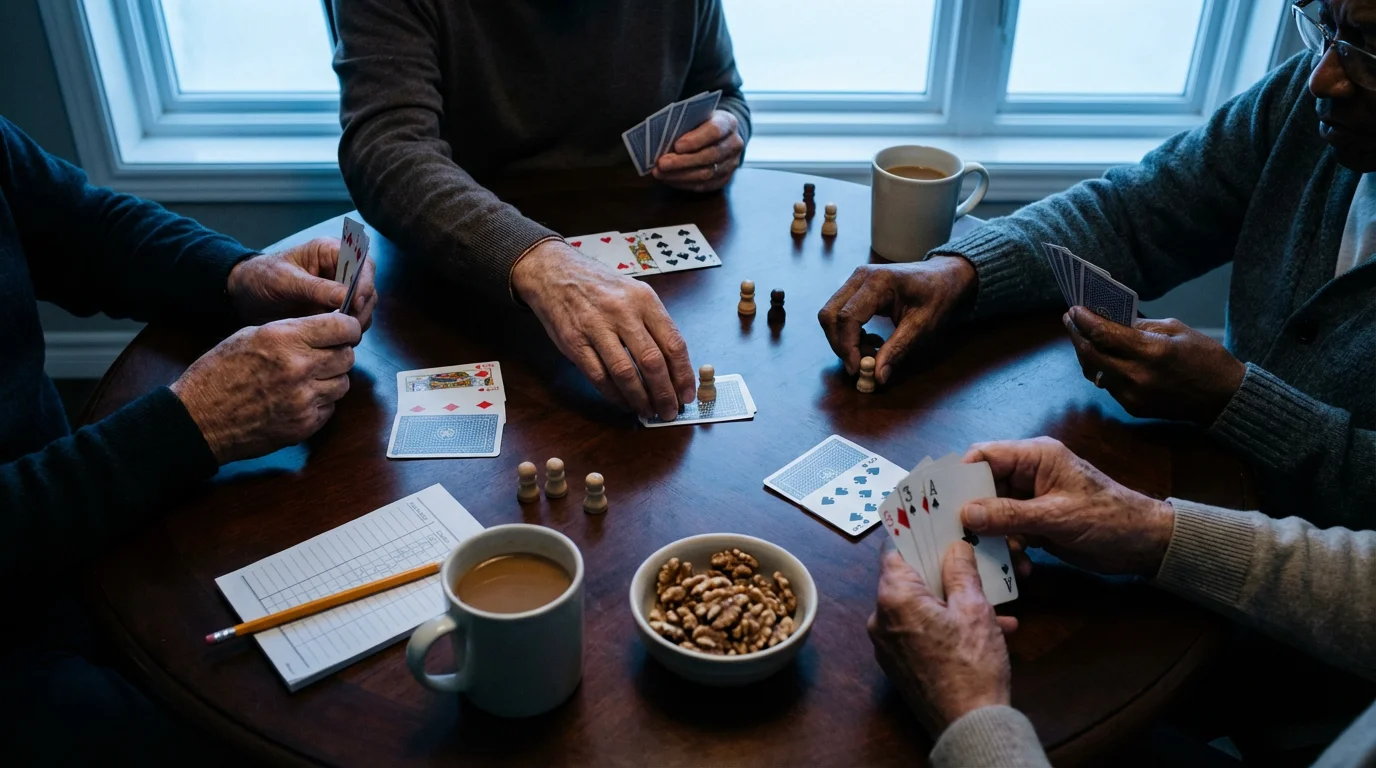
Building new friendships in retirement requires intentionality, but it does not need to be daunting. Think of it as an exciting new project, much like planning for your finances or housing.
For those who enjoy the outdoors, exploring local hiking trails is an excellent way to combine physical fitness with social engagement.
Many people find that finding your tribe within a dedicated community is the most effective way to ensure a consistent social life.
How can retirees make new friends? Start by identifying opportunities and being open to new experiences. For me, that meant finding a regular pickleball group, and for Dorothy, it was taking up watercolor painting and talking to strangers at the pool.
- Reactivate Old Connections: Reach out to former colleagues, college friends, or neighbors you lost touch with. A simple email, phone call, or social media message can rekindle a valuable relationship.
- Pursue New Hobbies: Join a book club, a gardening group, a hiking club, or an art class. Dorothy’s watercolor painting class, for example, has opened up a whole new circle of acquaintances for her, even if she claims she’s “not good at it and doesn’t care.” Shared interests naturally lead to shared conversations and potential friendships.
- Volunteer Your Time: Giving back to your community provides a sense of purpose and puts you in contact with like-minded individuals. Whether it is at a hospital, a local charity, or a school, volunteering creates natural opportunities for connection. My work at the food bank has introduced me to some genuinely good people.
- Attend Community Events: Look for local festivals, farmers markets, lectures, or concerts. These informal settings offer easy ways to strike up conversations with new people.
- Join a Retirement Community or Senior Center: These environments are specifically designed to foster social interaction among retirees, offering a wide array of activities and programs. Our decision to move to Hawthorn Ridge was largely driven by the sheer number of activities and social opportunities available, which was a major factor in my 14-variable comparison matrix.
- Take a Class or Workshop: Learning new skills, whether it is a language, cooking, or technology, connects you with others who share a desire for personal growth. I’ve even become an unexpectedly good cook since retirement, which has opened up new conversations with neighbors about recipes.
Remember, initiating connections often requires you to take the first step. Be approachable, smile, and express genuine interest in others.

Engaging in Senior Activities and Community Involvement
Many communities, especially active adult communities like Hawthorn Ridge, offer a wealth of opportunities specifically designed for older adults. Engaging in senior activities provides structured environments where you can meet new people and remain physically and mentally active.
This focus on group activities has significantly enriched our daily lives here in Sarasota.
Exploring Local Senior Centers and Programs
Senior centers are vibrant hubs of activity, offering everything from fitness classes and card games to educational seminars and day trips. When I was researching 55+ communities, I had a whole section in my spreadsheet dedicated to available programs.
You’ll find opportunities for:
- Exercise classes (yoga, tai chi, dance)
- Art and craft workshops
- Game groups (bridge, mahjong, chess)
- Book clubs and discussion groups
- Computer and technology classes
- Group outings and tours
These centers often serve as central gathering places, making it easier to consistently connect with the same group of people and build rapport.
Joining Clubs and Organizations
Beyond senior centers, consider joining clubs or organizations that align with your passions. If you love history, find a local historical society.
If you enjoy hiking, seek out a walking club.
Many organizations, such as AARP, also offer local chapters and events designed to foster connection. For me, the pickleball group was a non-negotiable, and it quickly became a cornerstone of my weekly routine.
Formal organizations provide a framework for regular meetings and shared goals, which are excellent foundations for strong social connections.
Community Service and Volunteer Opportunities
Contributing to your community is a powerful way to make social connections and maintain a sense of purpose. Local hospitals, libraries, schools, and non-profits often rely heavily on volunteer support.
I’ve found my weekly volunteer shift at the local food bank to be incredibly rewarding, both for the work itself and for the camaraderie with the other volunteers. You can:
- Mentor younger individuals.
- Assist with administrative tasks.
- Help organize community events.
- Provide companionship to others in need.
Volunteering introduces you to individuals who share your values and commitment to making a difference, creating a natural bond.

Leveraging Technology to Stay Connected
While face-to-face interaction remains paramount, technology offers powerful tools to complement your in-person social life, especially when distance separates you from loved ones.
As an engineer, I appreciate the efficiency and utility of digital platforms to maintain and forge social connections. We use it constantly to keep up with our children and grandchildren spread across Cincinnati, Seattle, and Austin.
Video Calls and Messaging
Tools like Zoom, FaceTime, and WhatsApp allow you to see and speak with family and friends who live far away. Scheduling regular video calls can bridge geographical gaps and keep you feeling connected to your loved ones.
We have a standing Sunday call with Karen and the grandkids, Lily and Noah, which is always a highlight.
Social Media Platforms
Platforms like Facebook can help you reconnect with old friends, share life updates, and join groups based on specific interests. You can find groups dedicated to hobbies, local community news, or even former high school classmates.
Online Communities and Forums
For specific interests, online forums and communities offer a space to connect with people worldwide who share your niche passions. Whether it is birdwatching, classic cars, or genealogy, an online community exists for almost every interest.
These can be particularly valuable for those with mobility challenges or living in rural areas.
Remember to prioritize safety and privacy when using online platforms. Only share personal information with trusted individuals and be mindful of online scams.
Involving Family and Bridging Generational Gaps
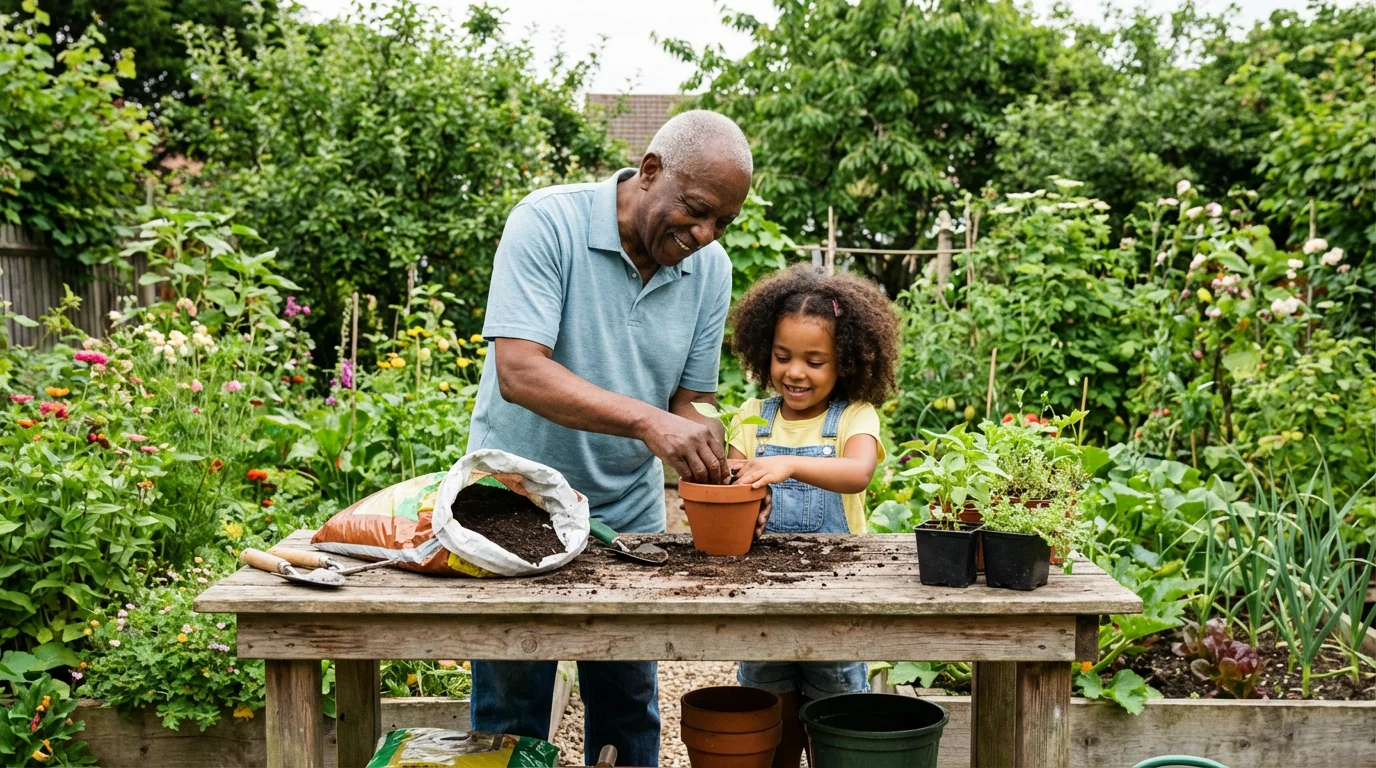
Your family forms the core of many individuals’ social networks, and retirement offers a unique chance to strengthen these bonds. Intentional effort to connect with adult children, grandchildren, and other relatives can be deeply rewarding.
Dorothy and I both prioritize this, and it’s a big reason we moved to Florida – to be closer to where our kids might eventually settle, even if they’re still spread out.
Deepening Relationships with Adult Children
With more free time, you can schedule regular visits, phone calls, or shared activities with your adult children. Offer support, share wisdom, and enjoy their company without the pressures of daily work life interfering.
Consider helping with childcare or household tasks if they need assistance, creating meaningful shared experiences. We often visit Karen in Cincinnati, and Dorothy bakes with Lily and Noah.
When our daughter Karen told Dorothy, “Mom, the grandkids want YOU, not the house,” it was a real turning point for us in deciding to move.
Connecting with Grandchildren
Grandchildren often bring immense joy and a fresh perspective. Engage with them through shared hobbies, storytelling, or helping them with school projects.
Teach them a skill, read books together, or play games.
These intergenerational connections are beneficial for both you and your grandchildren, enriching their lives while keeping you feeling young and engaged. I enjoy teaching Noah chess when we visit.
Bridging Generational Gaps
Do not limit your social circle to only your age group. Actively seek out opportunities to interact with younger generations.
Volunteering at schools, mentoring new professionals, or simply striking up conversations with younger individuals can offer new insights and perspectives, keeping your mind agile and your social outlook broad.
Organizations like the National Institute on Aging (NIA) often highlight the cognitive benefits of staying socially engaged across different age groups, noting how diverse interactions challenge your thinking.
Planning for Evolving Social Needs
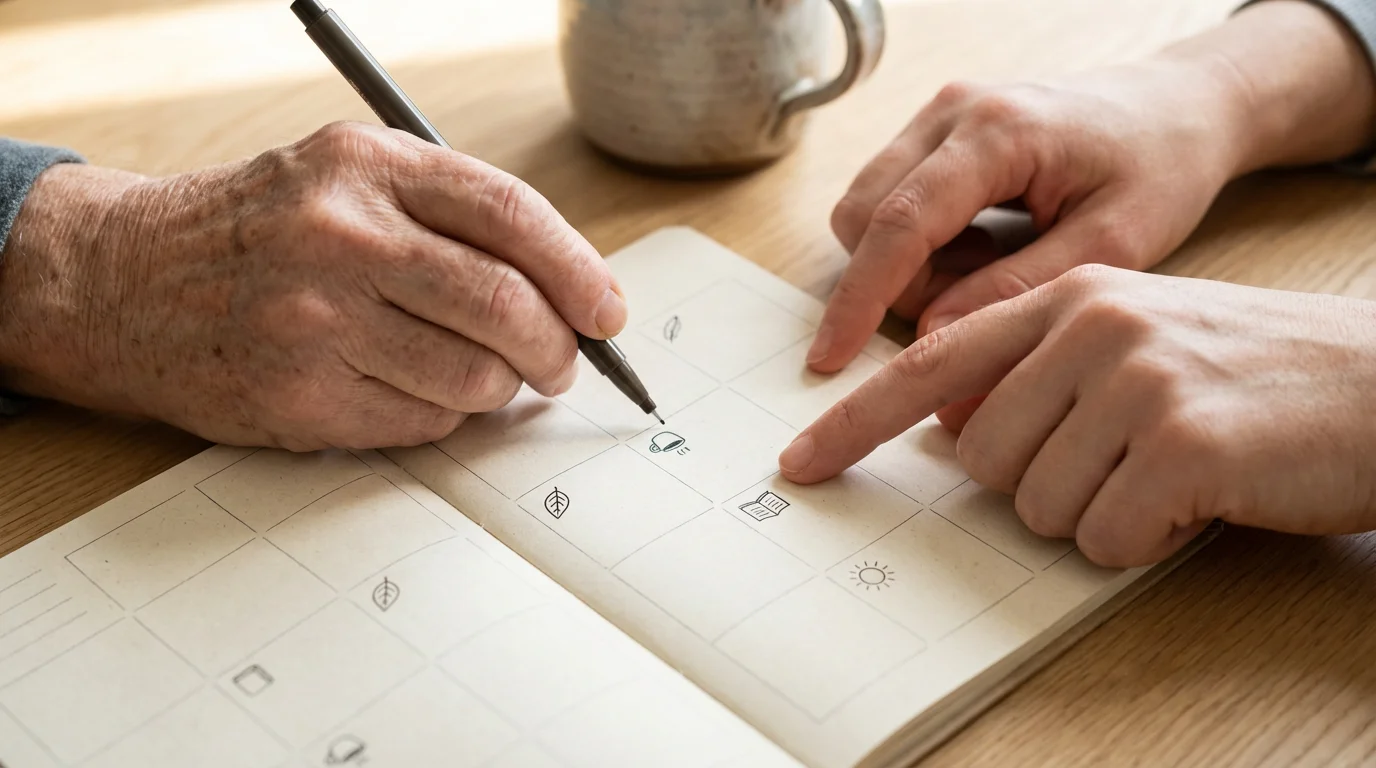
Your social needs are not static; they will change throughout your retirement. What brings you joy and connection at age 65 might differ at 75 or 85.
A forward-thinking approach means acknowledging this evolution and building flexibility into your social plan, much like designing a system with built-in redundancies.
Anticipating Changes
Consider how factors like health, mobility, or changes in your living situation might impact your ability to engage socially. If you anticipate reduced mobility in the future, research accessible senior activities or consider adapting hobbies that can be enjoyed from home with technological support.
When I planned our move, I looked at the long-term accessibility of amenities at Hawthorn Ridge, knowing our needs would change over time.
Discuss your social aspirations with your family or close friends. They can provide support and assistance as your needs shift, helping you maintain vital connections.
Adapting Your Social Strategy
Be prepared to adapt. If a favorite activity becomes too challenging, explore new options.
If friends move away, seek out new connections locally. Resilience in your social planning involves being open to new ways of connecting and not becoming overly reliant on a single social outlet.
Dorothy and I have both had to adapt since moving from Columbus; it took her a full year to adjust, but now she’s the one telling friends in Ohio they should do it too.
This proactive adaptation ensures your social life remains vibrant and fulfilling, regardless of life’s inevitable changes.

Building Your Social Connections Action Plan
Transforming these insights into action ensures you reap the full benefits of strong social connections in retirement. Develop a concrete plan with actionable steps to actively cultivate and maintain your social network.
Think of it as a blueprint for your social well-being, just as I approach financial planning with a level of detail that Dorothy says “belongs in a NASA mission.”
Your Personalized Checklist:
- Identify Your Current Social Circle: List existing friends, family, and acquaintances. Note who you want to connect with more regularly.
- Pinpoint Interests and Hobbies: What activities genuinely excite you? These are your best avenues for meeting like-minded individuals. For me, it was pickleball; for Dorothy, it’s baking and her new watercolor painting.
- Research Local Opportunities: Look up senior centers, community groups, volunteer organizations, and adult education classes in your area. Check websites like AARP for local events. This was a key part of my two years of research before we moved.
- Schedule Regular Social Engagements: Block out time in your calendar for social activities, just as you would for appointments. This makes connections a priority. My pickleball schedule is non-negotiable.
- Set Connection Goals: Decide on a reasonable number of new activities to try per month or a certain number of calls to make to friends.
- Embrace New Technologies: If comfortable, explore video calls or social media to connect with distant family and friends. It’s how we stay connected with Lily and Noah.
- Reflect and Adjust: Periodically review your social activities. Are they fulfilling? Do you need to try something new? Adapt your plan as your interests and needs evolve.
Remember, building strong social connections is an ongoing process. It requires effort, openness, and a willingness to step outside your comfort zone.
The rewards, however, are immeasurable, contributing significantly to a truly enriched and satisfying retirement.
Frequently Asked Questions
What are the biggest barriers to making new friends in retirement?
From my experience, many of us face barriers like established routines, a bit of shyness, or even health limitations. It’s also easy to fall into the trap of thinking “everyone already has friends.”
The key is to acknowledge these feelings and proactively seek out structured opportunities like classes or volunteer groups, which facilitate natural introductions and shared experiences. That’s how I found my pickleball group, and it made overcoming initial hesitations much easier.
How can I stay connected if I live in a rural area or have limited mobility?
Leverage technology for social connections. Video calls with family and friends, online communities centered on your interests, and virtual classes can all help bridge physical distances.
Many organizations also offer phone-based programs or volunteer opportunities you can do from home.
Dorothy and I discussed this at length before our move; we considered if a move to a more amenity-rich area or a retirement community, like Hawthorn Ridge, might be a future option for increased social access.
Is it ever too late to build new friendships?
It is never too late to make new friends. Human beings are wired for connection throughout their lives, and the data supports that.
Even in later years, forming new relationships can provide immense joy, support, and a renewed sense of purpose.
Focus on quality over quantity, and be open to diverse friendships that enrich your life.
How often should I be socializing to reap the benefits?
There is no magic number, but regularity is important. Aim for several meaningful interactions each week, whether it’s an in-person gathering, a phone call, or a video chat.
The quality of your interactions often matters more than the sheer volume. Prioritize interactions that leave you feeling uplifted and supported, like my weekly volunteer shift or a good game of pickleball.
What role does family play in my social connections plan?
Family often forms the foundational layer of your social network. Make intentional efforts to deepen relationships with adult children and grandchildren.
While family provides invaluable support and love, remember that friendships with peers who share similar life stages are also crucial for a well-rounded social life.
It’s about balance; we love our family time, but Dorothy and I both needed to forge new, independent connections here in Florida.
You might also want to read: Building and Maintaining Connections in Retirement
Should I consult a professional if I feel persistently lonely?
If feelings of loneliness are persistent, overwhelming, or lead to symptoms of depression or anxiety, seeking professional help is a wise step. A therapist or counselor can provide strategies for coping with loneliness, improving social skills, and addressing underlying emotional issues.
They can also connect you with local resources and support groups. Your mental health is just as important as your physical health in retirement, and it’s a practical decision to seek help when you need it.
Disclaimer: This article is for informational purposes only and does not constitute financial, legal, tax, or investment advice. Retirement planning decisions should be made in consultation with qualified professionals including certified financial planners, tax advisors, and estate planning attorneys. Individual circumstances vary significantly, and this content should not be relied upon as a substitute for professional advice tailored to your specific situation.