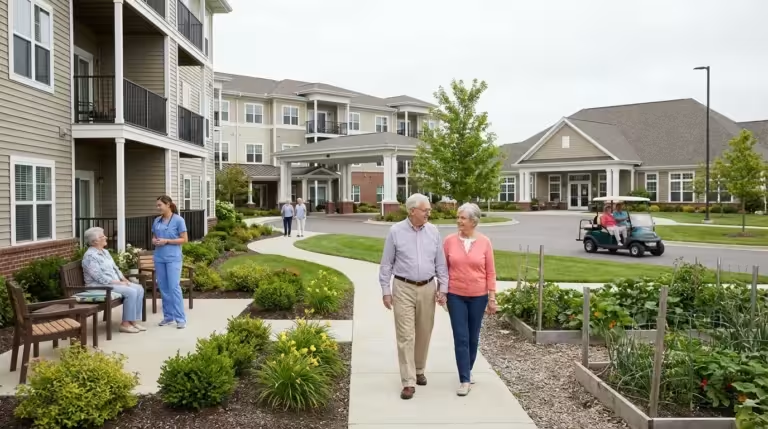

Dorothy and I know firsthand that exploring senior housing options can feel overwhelming.
For nearly two years, before we finally made the move to Hawthorn Ridge here in Sarasota, I was knee-deep in research, trying to find a place that wasn’t just a roof over our heads.
Many seniors spend months comparing aging in place versus community options before deciding what truly fits their future needs.
We wanted somewhere safe, comfortable, and supportive, but I knew community living offered so much more than just a new address. It provides a vibrant environment designed to enrich your life, support your well-being, and foster meaningful connections.
Understanding these deeper benefits is what empowered me to convince Dorothy (eventually!) that choosing a community could truly elevate our retirement experience.
This guide will walk you through the options, just like I did for Dorothy, and help you recognize the profound advantages of joining a senior living community.
In this guide8 sections
- Understanding Community Living: More Than Just a Roof
- The Power of Social Connection and Mental Well-being
- Enhanced Physical Health and Wellness
- Safety, Security, and Peace of Mind
- Exploring Your Options: A Spectrum of Senior Communities
- Financial Considerations for Community Living
- Making Your Decision: Key Steps and Questions
- Frequently Asked Questions

Understanding Community Living: More Than Just a Roof
From my perspective as a retired civil engineer, I see community living for us retirees as a well-engineered solution. It encompasses a wide range of residential options designed to support an active, engaged, and independent lifestyle.
Once you make the choice, preparing for the logistics of moving can be a significant undertaking that requires careful planning.
I’ve even written about the lessons I learned throughout the selection process to help others avoid the same mistakes.
We quickly discovered that the benefits of downsizing reached far beyond just having fewer rooms to clean.
These communities move beyond basic housing to offer integrated services, amenities, and opportunities for social interaction. They are specifically created to meet our evolving needs, fostering environments where residents thrive.
We gain access to a lifestyle focused on convenience, engagement, and support.
Before Dorothy and I moved from our 2,400 sq ft colonial on Elmwood Drive in Columbus, I spent two full years researching 55+ communities. I built a comparison matrix with 14 variables, looking at everything from HOA fees to the number of pickleball courts.
I knew these environments prioritize our well-being across multiple dimensions, offering solutions to common challenges like home maintenance, social isolation, and access to services.
Our decision to explore community living, despite Dorothy’s initial resistance, represented a proactive step towards a fulfilling retirement.
It allowed us to shed daily burdens – like the “one metric ton of stuff we don’t need” I once estimated we’d accumulated – and embrace new possibilities.

The Power of Social Connection and Mental Well-being
One of the most profound benefits of community living, and something Dorothy has certainly embraced, is the immediate access to robust socialization. Loneliness and social isolation significantly impact senior health, contributing to higher rates of depression, anxiety, and cognitive decline.
Focusing on building a new tribe helps turn a new facility into a true home.
Studies consistently demonstrate that strong social ties improve mental acuity and emotional resilience. Moving into a community, like we did at Hawthorn Ridge, provides an instant network of peers who share similar life experiences and interests.
Dorothy, for example, has made three genuine friends here that she calls her “Florida family.” She’s the one who talks to strangers at the pool, something I never would have imagined when she was so hesitant to leave Ohio.
You find countless opportunities for daily interaction, from shared meals to group activities and informal gatherings. This constant engagement combats isolation, a critical factor in maintaining cognitive function.
The consistent social stimulation keeps your mind active and prevents the cognitive decline often associated with solitary living. Your mental well-being flourishes in an environment designed for connection.
Consider the positive impact of regular social events:
- Daily interactions: Casual conversations during meals, walks, or common area gatherings.
- Group activities: Card games, book clubs, crafting sessions, movie nights, and cultural outings.
- Shared interests: Forming bonds with neighbors who enjoy similar hobbies or discussions.
- Peer support: A built-in support system that understands your stage of life and potential challenges.
- Sense of belonging: Feeling like an integral part of a welcoming and active group.
This rich social fabric enhances your quality of life significantly. It ensures you remain connected, valued, and engaged, directly supporting your overall senior health.

Enhanced Physical Health and Wellness
Beyond mental benefits, community living directly contributes to improved physical health and wellness. Many communities offer comprehensive wellness programs, fitness centers, and healthy dining options.
For many, participating in a communal garden provides a perfect blend of light exercise and social engagement.
I find it much easier to maintain an active lifestyle when amenities like the pickleball courts are just a short walk away and integrated into my daily routine. This proactive approach to health helps us stay stronger and more independent for longer.
Regular physical activity is crucial for maintaining mobility, balance, and overall cardiovascular health. Here at Hawthorn Ridge, I play pickleball four mornings a week.
The community provides exercise classes, walking paths, and often has professional fitness instructors.
While Dorothy still bakes on Sunday mornings, the availability of nutritious, chef-prepared meals (something I’ve actually gotten good at myself since retirement, to both our surprise!) relieves you of cooking burdens while ensuring a balanced diet.
This comprehensive approach to wellness directly addresses how community affects health, promoting longevity and vitality.
Here are ways community living supports your physical well-being:
- Fitness facilities: On-site gyms, swimming pools, and dedicated exercise areas.
- Wellness programs: Yoga, tai chi, balance classes, and personalized fitness plans.
- Healthy dining: Chef-prepared meals with diverse menus, accommodating dietary restrictions.
- Transportation: Scheduled transportation for medical appointments, reducing stress and logistical challenges.
- Regular health monitoring: In some communities, basic health screenings and access to visiting clinicians.
The consistent availability of these resources empowers you to prioritize your physical well-being without effort. This integrated support system plays a vital role in maintaining your independence and reducing health risks.

Safety, Security, and Peace of Mind
The safety and security provided by senior living communities offer immense peace of mind for both you and your family. Many of us worry about falling at home, emergency situations, or the burdens of home maintenance.
Community living addresses these concerns with comprehensive safety measures and supportive services. Dorothy and I can relax knowing help is always available.
Most communities feature 24/7 staffing, emergency call systems in residences, and secure entry points. This constant oversight ensures a quick response in case of a fall or medical emergency.
Furthermore, the absence of home maintenance chores removes a significant source of stress. We no longer worry about roof repairs, yard work for our old Columbus garden, or plumbing issues.
This freedom allows us to focus on enjoying our retirement and for me, to volunteer at the local food bank on Thursdays.
Key safety and security features include:
- 24/7 staff availability: Personnel are always on-site to assist with needs and emergencies.
- Emergency call systems: Pull cords or wearable devices connect you instantly to staff.
- Secure premises: Controlled access, surveillance, and well-lit common areas.
- Maintenance-free living: All interior and exterior home repairs, landscaping, and housekeeping are managed by staff.
- Personalized support: Assistance with daily tasks as needed, ensuring your comfort and safety.
This secure and supportive environment fosters confidence and independence. You gain freedom from household worries, allowing you to live a more carefree and active life.

Exploring Your Options: A Spectrum of Senior Communities
Understanding the different types of senior living communities is crucial for identifying the best fit for your current and future needs. This is where my two years of research, and that 14-variable comparison matrix, really came in handy.
Before selecting a specific path, it is essential to consider financial planning for community living to ensure your new home remains sustainable for your budget.
Each type offers a distinct level of support, amenities, and lifestyle. This section explains the common categories, from active adult communities to skilled nursing facilities.
Active Adult Communities and Senior Apartments
These communities cater to independent seniors, often 55+, who seek a maintenance-free lifestyle and social opportunities. They are not licensed care facilities.
You buy or rent a home, condo, or apartment within a community offering amenities like clubhouses, fitness centers, and planned activities.
The focus is on an active, social lifestyle without the burden of homeownership. This is what Dorothy and I chose at Hawthorn Ridge.
Independent Living Facilities
Independent Living communities provide private residences, often apartments, for seniors who are self-sufficient. They typically include services such as dining programs, housekeeping, transportation, and a robust activity calendar.
While they do not provide medical care, staff are often available for emergencies. Your lifestyle remains independent, but with added convenience and social engagement.
Assisted Living Facilities
Assisted Living offers personalized support for seniors who need help with Activities of Daily Living (ADLs). ADLs include tasks such as bathing, dressing, eating, toileting, and medication management.
These communities provide a supportive environment with trained staff available 24/7. They also offer meals, housekeeping, transportation, and social programs.
The goal is to maximize your independence while providing the necessary assistance.
Memory Care Facilities
Memory Care is a specialized form of assisted living designed for individuals with Alzheimer’s disease or other forms of dementia. These communities feature secure environments, specialized programming, and staff trained in dementia care.
They focus on creating a safe, stimulating, and structured routine that supports cognitive function and reduces agitation. You receive round-the-clock supervision and specialized support.
Continuing Care Retirement Communities (CCRCs)
A Continuing Care Retirement Community (CCRC) offers a full spectrum of care levels on one campus. You typically move in as an independent living resident.
The community provides a continuum of care, including independent living, assisted living, memory care, and skilled nursing care.
This model ensures you can age in place, even if your care needs change over time. It offers predictability and familiarity as your needs evolve, providing long-term care (LTC) solutions.
Nursing Homes and Skilled Nursing Facilities (SNFs)
Nursing homes, often referred to as Skilled Nursing Facilities (SNFs), provide the highest level of medical care and supervision for seniors. They are for individuals requiring extensive medical attention, rehabilitation services after an injury or illness, or long-term care for chronic conditions.
Staff include registered nurses, licensed practical nurses, and certified nursing assistants. Medicare’s Care Compare tool can help you find and compare nursing homes.
Here is a comparison of common senior housing options:
| Community Type | Care Level | Typical Services Included | General Cost Range (Monthly) |
|---|---|---|---|
| Active Adult / Senior Apartments | None (Independent Living) | Amenities, social activities, maintenance-free | $1,500 – $3,500 (Rent/HOA) |
| Independent Living | None (Emergency support available) | Meals, housekeeping, transportation, activities | $2,500 – $6,000+ |
| Assisted Living | Personal care (ADLs), medication management | 24/7 care, meals, housekeeping, activities, transportation | $4,000 – $8,000+ |
| Memory Care | Specialized dementia care, high supervision | Secure environment, specialized activities, 24/7 trained staff | $5,000 – $10,000+ |
| CCRC | Continuum of care (IL, AL, MC, SNF) | Varies by contract; includes multiple care levels | Entry fee + $3,000 – $7,000+ (Monthly) |
| Skilled Nursing Facility (SNF) | 24/7 medical care, rehabilitation | Nursing care, therapy, meals, personal care | $8,000 – $15,000+ |
Note: These cost ranges are approximate and vary significantly by region, specific services, and community luxury level.

Financial Considerations for Community Living
Understanding the financial aspects of senior housing is crucial for making an informed decision. This is an area where I truly shine, as Dorothy would tell you, I manage our finances with “a level of detail that belongs in a NASA mission.”
Costs vary widely based on location, community type, services included, and apartment size. You need a clear picture of what your budget allows and what financial aid may be available.
Most communities operate on a monthly fee structure. This fee often covers a comprehensive package of services and amenities.
For example, Independent Living communities typically bundle meals, housekeeping, utilities, activities, and transportation into one payment. Assisted Living and Memory Care communities include personal care services based on your assessed needs.
Factors influencing cost include:
- Location: Major metropolitan areas generally have higher costs.
- Apartment size: Larger units typically cost more.
- Care level: Higher levels of care, such as Assisted Living or Memory Care, cost more due to increased staffing and specialized services.
- Amenities: Communities with extensive amenities, like golf courses or multiple dining venues, may have higher fees.
- Contract type (for CCRCs): CCRCs often have entry fees and various contract options affecting long-term costs.
Payment options for senior living include:
- Private funds: Personal savings, pensions, 401(k)s, and Social Security.
- Selling a home: Proceeds from selling your current home often fund senior living. Dorothy and I used the proceeds from our Columbus house to help fund our move and set up our new life here.
- Long-Term Care (LTC) insurance: If you have an LTC policy, it may cover a portion of assisted living or nursing home costs. Review your policy details carefully.
- Veterans benefits: Programs like Aid and Attendance for eligible veterans and their spouses can help offset costs.
- Bridge loans: Short-term loans to cover expenses while waiting for other funds, like a home sale.
- Medicaid: While primarily covering nursing home care, some states have waiver programs that help cover Assisted Living costs for eligible individuals.
It is highly advisable to consult with a financial advisor specializing in eldercare. They help you evaluate your assets, understand payment options, and plan for long-term expenses.
Many communities also have financial counselors who can discuss their pricing models with you.
Making Your Decision: Key Steps and Questions
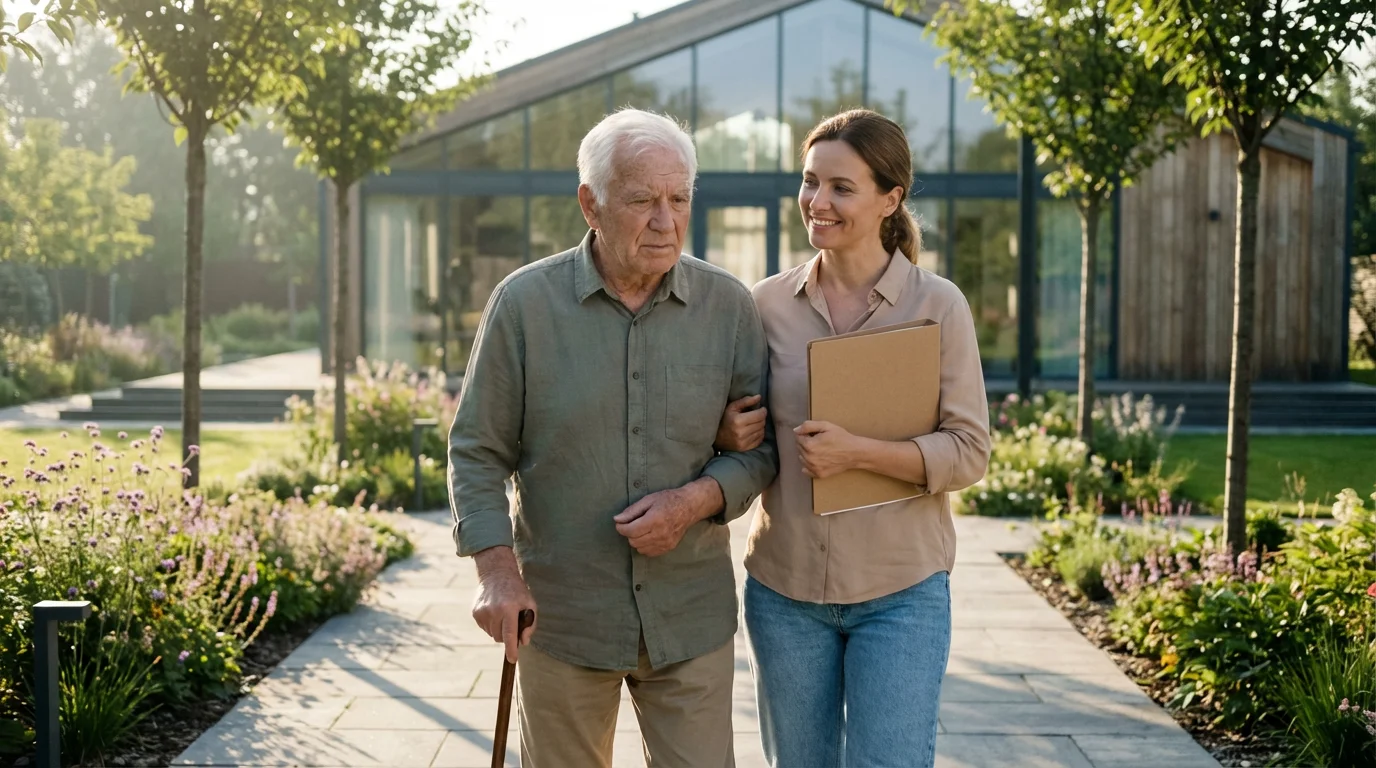
Choosing the right senior living community is a significant decision. I found it best to approach this process systematically, involving Dorothy and our daughter, Karen, as trusted advisors.
Thorough research and careful consideration ensure you find a community where you truly thrive.
Steps to Choosing a Community
- Assess your needs: Objectively evaluate your current and potential future care needs, lifestyle preferences, and budget. Consider what level of independence you want to maintain and what support you might require.
- Research options: Explore different types of communities in your desired location. Websites like A Place for Mom or the Eldercare Locator can provide starting points. This is where my spreadsheets came in.
- Tour communities: Visit multiple communities that match your criteria. Schedule tours and, if possible, spend time observing daily life. Dorothy and I visited over a dozen communities before settling on Hawthorn Ridge.
- Ask thorough questions: Prepare a list of questions to ask staff, residents, and family members of current residents.
- Review contracts: Have an elder law attorney review any contracts before signing. Understand all fees, services, and policies.
- Consult professionals: Discuss your decision with your healthcare provider, financial advisor, and family.
Questions to Ask During Tours and Meetings:
When you visit communities, ask specific questions that address your priorities.
- What is included in the monthly fee? Are there additional costs for specific services or amenities?
- What is the staff-to-resident ratio, especially during evenings and weekends?
- How does the community handle medical emergencies?
- What is the process for assessing care needs and adjusting care plans?
- What types of activities and programs are offered, and how often? Can I see a recent activity calendar? (I always asked for at least three months of past calendars to see consistency.)
- What are the dining options, meal times, and provisions for special dietary needs?
- What are the visitation policies for family and friends?
- Can residents personalize their living spaces?
- What is the staff turnover rate?
- What is the procedure for voicing concerns or making suggestions?
- Are there trial stays available?
- How does the community handle transportation needs?
Do not hesitate to ask for references or talk to current residents. Their insights offer valuable perspectives on daily life in the community.
Your thorough investigation ensures a confident and informed choice. It certainly did for Dorothy and me; two years in, we both agree it was the best decision of our retirement.
Frequently Asked Questions
What is the difference between Independent Living and Assisted Living?
Independent Living, which is what Dorothy and I chose, is for folks who can live autonomously but desire amenities and social opportunities without home maintenance.
Assisted Living provides support with Activities of Daily Living (ADLs), such as bathing, dressing, and medication management, for those needing daily personal care assistance. Independent Living residents manage all their care independently, while Assisted Living residents receive personalized help from staff.
How can I afford senior living communities?
Dorothy and I used our private funds from savings and the sale of our house in Columbus. Many seniors do the same.
Long-Term Care insurance policies may cover some costs, and veterans and their spouses might qualify for Aid and Attendance benefits.
Medicaid can cover nursing home care, and some states offer waivers for Assisted Living. My advice is always to consult a financial advisor specializing in eldercare to explore all your options; it’s a numbers game, and you want to get it right.
You might also like: Assisted Living vs. Nursing Homes
What are Activities of Daily Living (ADLs)?
Activities of Daily Living (ADLs) are fundamental self-care tasks essential for independent living. They typically include bathing, dressing, eating, toileting, transferring (moving from a bed to a chair), and continence.
The level of assistance an individual needs with ADLs often determines the appropriate type of senior living community, particularly for Assisted Living and Memory Care. I made sure to understand these definitions thoroughly in my research.
What is a CCRC, and why should I consider one?
A Continuing Care Retirement Community (CCRC) provides a full range of living and care options on one campus. You can transition from independent living to assisted living, memory care, or skilled nursing care as your needs change, without moving to a new location.
CCRCs offer peace of mind, knowing your future care needs are addressed within a familiar environment, providing a consistent long-term care solution. It’s a comprehensive plan, which appeals to my systematic nature.
How do I know if a community is reputable?
You research, plain and simple. Check the community’s licensing, accreditation (e.g., CARF International for CCRCs), and state inspection reports.
I always checked online reviews, but more importantly, I spoke directly with current residents and their families.
Ask about staff training, turnover rates, and emergency protocols. A reputable community welcomes your questions and provides transparent information.
Disclaimer: This article is for informational purposes only and does not constitute medical, legal, or financial advice. Senior housing costs, services, and availability vary significantly by location and provider. We strongly encourage readers to tour multiple communities, review contracts carefully with legal counsel, and consult with eldercare specialists, financial advisors, and healthcare providers before making housing decisions.