Retirement, for me, felt like opening a brand new book with a lot of blank pages. After 36 years as an elementary school librarian, I had so much time on my hands, and for a while, I wasn’t quite sure what to fill it with.
But what I’ve discovered, and what I want to share with you, is the immense joy and satisfaction that comes from volunteering.
It’s been a wonderful way for me to stay active, feel connected, and find a new kind of purpose here in Sarasota.
Finding the right mix of activities is a key part of designing an active retirement lifestyle that keeps you energized and fulfilled.
You know, we’ve all accumulated a lifetime of experiences, wisdom, and skills. And I’ve learned that these are incredibly valuable assets just waiting to make a difference in our communities.
This article is all about exploring the wonderful benefits of giving back, helping you figure out where you might fit in, and showing you how meaningful it can be – for both you and the people you help.
In this guide7 sections
- The Transformative Power of Volunteering in Retirement
- Boosting Your Well-being Through Community Service
- Discovering Your Passion: Where to Find Volunteer Opportunities
- Types of Volunteer Roles for Every Interest and Ability
- Making Your Volunteer Experience Rewarding and Sustainable
- The Ripple Effect: How Your Service Strengthens Your Community
- Frequently Asked Questions

The Transformative Power of Volunteering in Retirement
Leaving my library in Columbus after 36 years was a huge adjustment, much bigger than I expected. For a while, I felt like I’d lost a piece of myself, that sense of purpose I had every day.
Retirement really does present this unique opportunity to redefine who you are and what you do. For me, volunteering has become such a powerful way to find that sense of fulfillment again.
It’s given me a structured way to use my time and talents, creating a feeling of achievement and belonging that I now realize is essential for a happy, healthy retirement.
Finding local opportunities for volunteering in your community can spark this same personal transformation and help you stay fully engaged.
I’ve read that studies consistently show a strong link between volunteering and improved overall well-being for folks our age, and I can certainly attest to that. You really do gain more than you give, from feeling sharper mentally to expanding your social circle.
It’s helped counteract some of those challenges I felt initially, like a bit of isolation or that diminished sense of purpose.
How Does Volunteering Benefit Mental Health?
Volunteering has truly been a boost for my mental health. When I first retired, I sometimes felt a little aimless, like a ship without a rudder.
Knowing that my actions can directly help others, even in small ways, has brought back a wonderful sense of self-esteem and satisfaction. My watercolor painting helps too, even if I’m not very good at it!
It’s about engaging your mind.
Engaging in volunteer activities often involves learning new things or solving little problems, which really does stimulate your brain. This mental stimulation helps keep my mind agile.
I’ve heard that people who volunteer regularly often report lower rates of depression and anxiety, and I can see why. There’s something about helping that just gives you a natural mood lift and reduces stress.
It certainly helps me on those days when I might miss my old garden in Columbus a little too much.
Boosting Your Well-being Through Community Service
When Bill first suggested moving to a 55+ community like Hawthorn Ridge, I resisted so much. I cried when we sold our house on Elmwood Drive.
But he was right – and I’ll admit it now, it took me a full year – that getting involved in a new community would be good for us.
My decision to volunteer, and just generally be more open, has rippled across so many aspects of my health. Beyond just feeling better mentally, it’s promoted physical activity, strengthened my social ties, and keeps me sharp.
It’s truly a holistic investment in my happiness.
Managing a major move or retirement relocation thoughtfully makes all the difference when settling into a brand-new neighborhood.
Strengthening Social Engagement and Combating Isolation
This is where volunteering truly shines for me. When we first moved, I left behind decades of friendships in Columbus.
It was hard. But volunteering, and even just talking to strangers at the pool, has been a natural antidote to that initial loneliness.
I’ve met so many new people with shared interests and values, and I’ve actually made three genuine friends here at Hawthorn Ridge that I call my “Florida family.” Regularly interacting with them, and others, keeps me connected and provides invaluable emotional support.
Prioritizing your well-being by staying social in retirement is key to building a strong, lasting support network.
For those living in shared neighborhoods, volunteering in retirement communities is a convenient way to make a difference right outside your front door.
These new connections have really evolved into lasting relationships, offering me companionship and a stronger sense of belonging. Strong social ties really do correlate with better health outcomes, and I certainly feel healthier and happier now.
My volunteer roles, and just being part of this community, create regular opportunities for interaction, building a reliable network of friends.
Maintaining Physical Activity and Cognitive Health
Now, Bill is the pickleball player, out there four mornings a week. But even I find that many volunteer roles involve some level of physical activity.
Whether it’s walking around setting things up for a community event, or just getting out and about, you move your body. This active participation contributes to my daily activity goals, enhancing my mobility and strength.
Of course, it’s always smart to check with your doctor before starting anything new, just to be safe!
If you want to complement your volunteer activities with structured exercise, regular swimming for seniors offers a wonderful, low-impact option for full-body health.
Even my watercolor painting, which isn’t exactly a workout, offers cognitive benefits. It demands focus, planning, and problem-solving, all excellent brain exercises.
Staying mentally sharp prevents cognitive decline and keeps my mind agile and responsive. It’s so important to keep those gears turning!
“The best way to find yourself is to lose yourself in the service of others.”

Discovering Your Passion: Where to Find Volunteer Opportunities
Finding the right volunteer fit starts with understanding your interests, skills, and the amount of time you wish to commit. I know I thought my only skill was shelving books and recommending stories!
But we all possess a unique set of life experiences that can benefit countless organizations. Take a moment to reflect on what truly excites you now that you have this wonderful freedom.
Identifying Your Interests and Skills
For me, after being a librarian, I thought I’d naturally gravitate towards something with books. But I’ve found new interests, like my watercolor painting, and realized my communication skills from years of talking to children (and their parents!) are pretty useful.
Do you love animals, history, or helping children like my grandchildren, Lily and Noah? Your skills, whether in communication, organization, gardening (oh, how I miss my garden!), or mentorship, are valuable assets.
You can contribute in so many ways, matching your abilities to an organization’s needs.
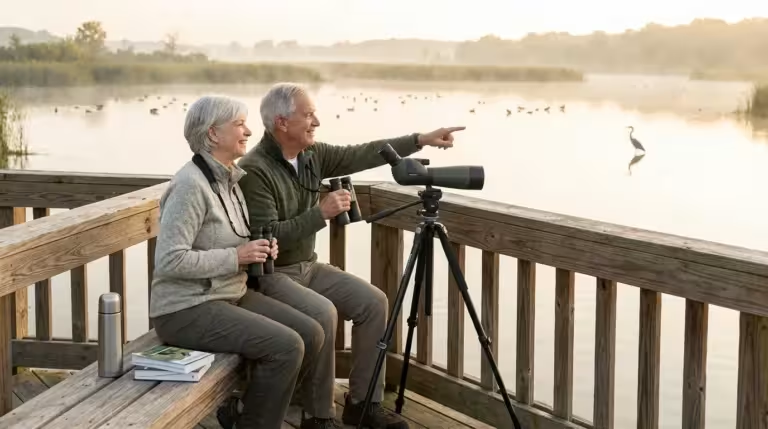
For instance, if you enjoy spending time in nature, you might find that birdwatching in retirement provides a wonderful way to connect with the outdoors while boosting your observation skills.
- Reflect on past experiences: What did you enjoy doing in your career or personal life?
- Consider causes you care about: Which issues resonate most with you?
- Assess your physical capabilities: Are you looking for something active, or a more sedentary role?
- Determine time commitment: How many hours a week or month can you realistically dedicate?
Key Resources for Finding Volunteer Roles
Numerous resources exist to connect you with volunteer opportunities. Bill, with his usual thoroughness, probably had a spreadsheet for these too!
But even for someone like me, who prefers a good chat, these resources are so helpful. Start by exploring local options and then expand your search to national platforms.
Your ideal role might be just a few clicks away.
- Online Platforms: Websites like VolunteerMatch connect you with thousands of opportunities based on your location, interests, and skills. This is an excellent starting point for exploring diverse options.
- Local Community Centers and Senior Centers: These hubs often maintain lists of local needs or host volunteer fairs. They understand the specific requirements and opportunities within your immediate area.
- Non-profit Organizations: Directly contact local charities, food banks, homeless shelters, environmental groups, or arts organizations. Many rely heavily on volunteer support.
- Hospitals and Healthcare Facilities: Hospitals frequently seek volunteers for roles like greeting patients, running gift shops, or providing companionship.
- Schools and Libraries: Offer your time to tutor children, assist with literacy programs, or help organize events.
- Religious Institutions: Many churches, synagogues, and mosques have active outreach programs that welcome volunteers.
Types of Volunteer Roles for Every Interest and Ability
Volunteering is incredibly diverse, offering roles suitable for almost any interest, skill set, and physical capability.
I know I worried I wouldn’t find anything that fit me after retirement, but there truly is something for everyone, whether you prefer hands-on tasks or administrative duties, active engagement or more reflective contributions.
Mentorship and Education
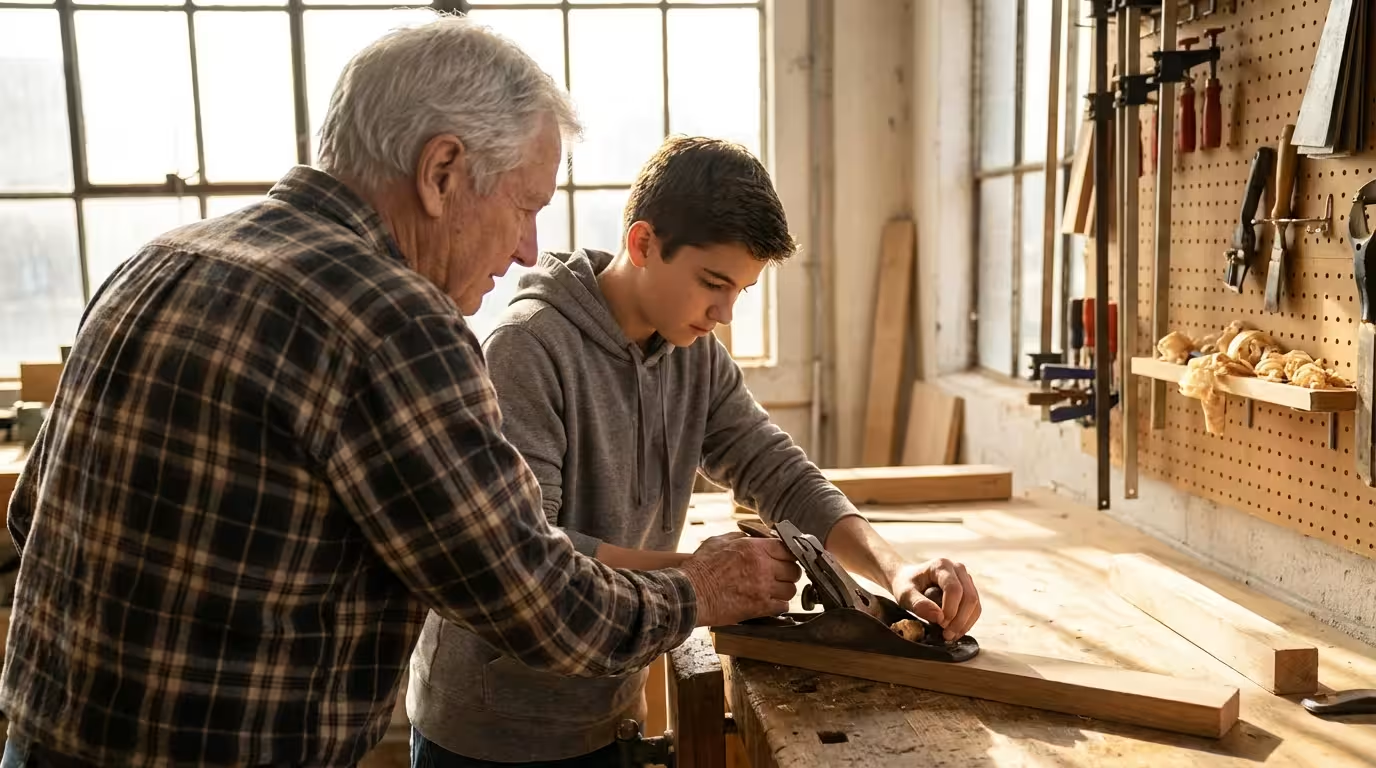
Your life experience makes you an invaluable mentor. As a librarian, I loved guiding children to new books and helping them learn.
Now, many organizations seek people like us to guide younger generations or provide educational support. You can share your professional wisdom or help individuals develop new skills.
In addition to teaching others, challenging yourself by learning a new language is a fantastic, self-paced way to keep your mind sharp.
If you love literature but want a more conversational setting, joining or hosting senior book clubs is another wonderful way to share your love of reading.
- Tutoring: Assist students with reading, math, or other subjects.
- Mentoring Programs: Guide young entrepreneurs, job seekers, or at-risk youth.
- ESL Support: Help non-native speakers practice English.
- Workshops: Lead classes on topics you are passionate about, such as crafting, history, or financial literacy.
Environmental and Animal Welfare
If you love nature or animals, many organizations desperately need your help. I still miss my garden in Columbus so much, so I often think about roles like these.
These opportunities often involve outdoor activity or direct interaction with animals, offering both physical and emotional rewards.
- Park Clean-up: Participate in local park or trail maintenance.
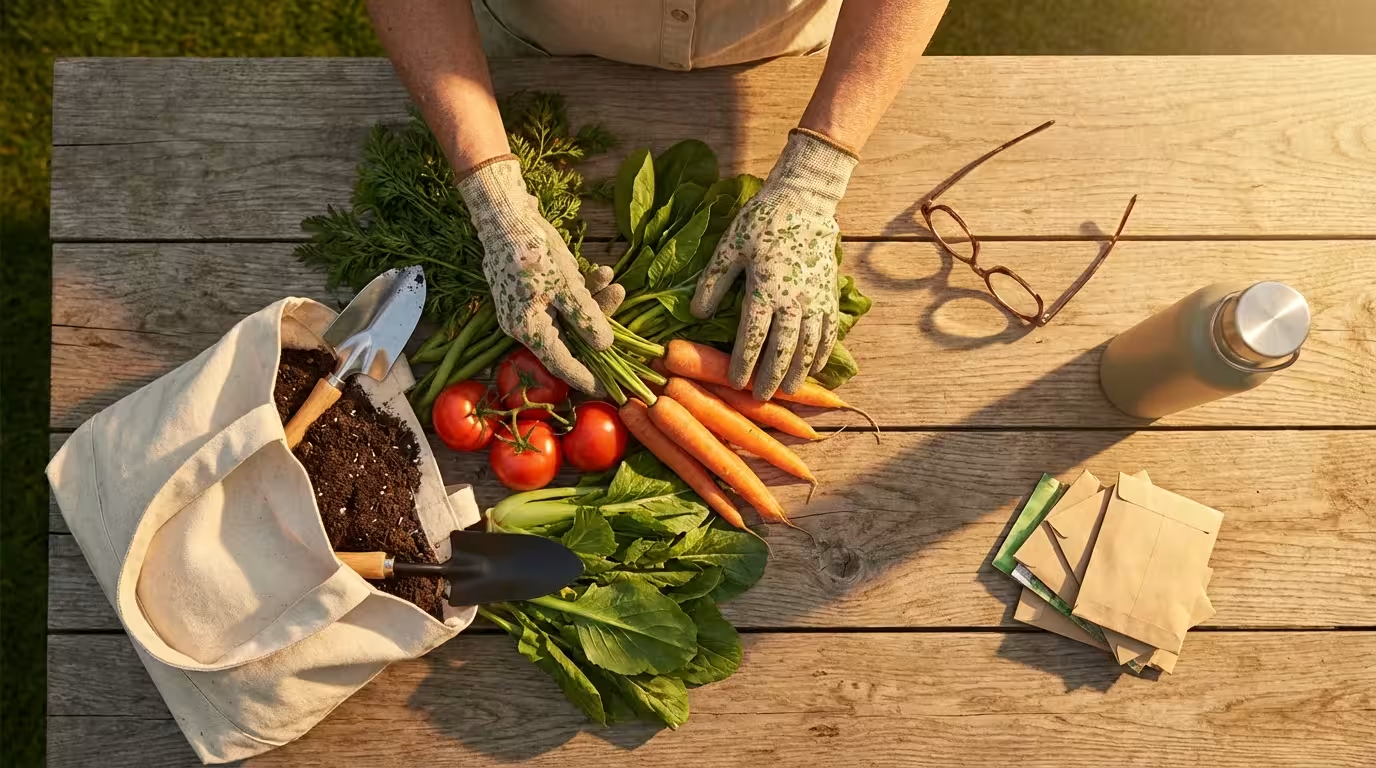
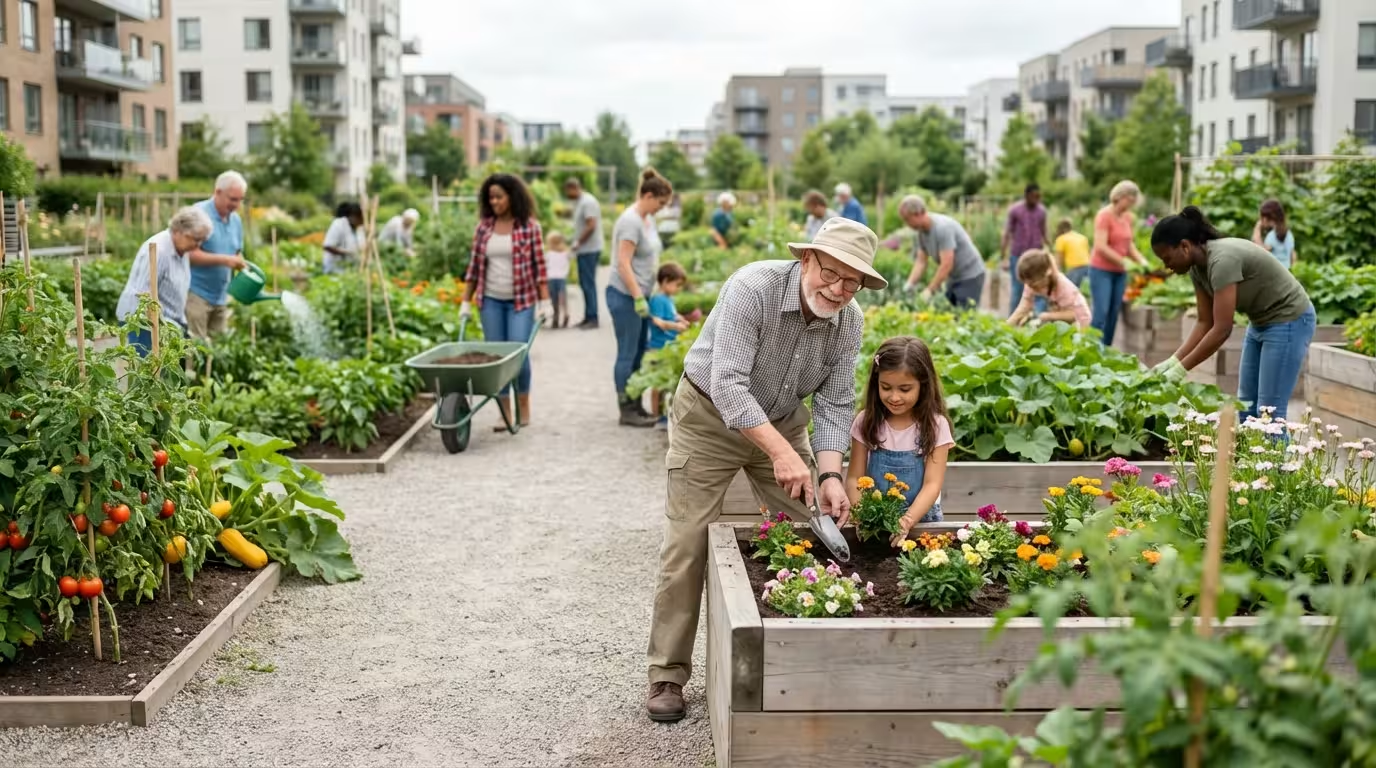
- Community Gardens: Help plant, tend, and harvest produce for local food banks.
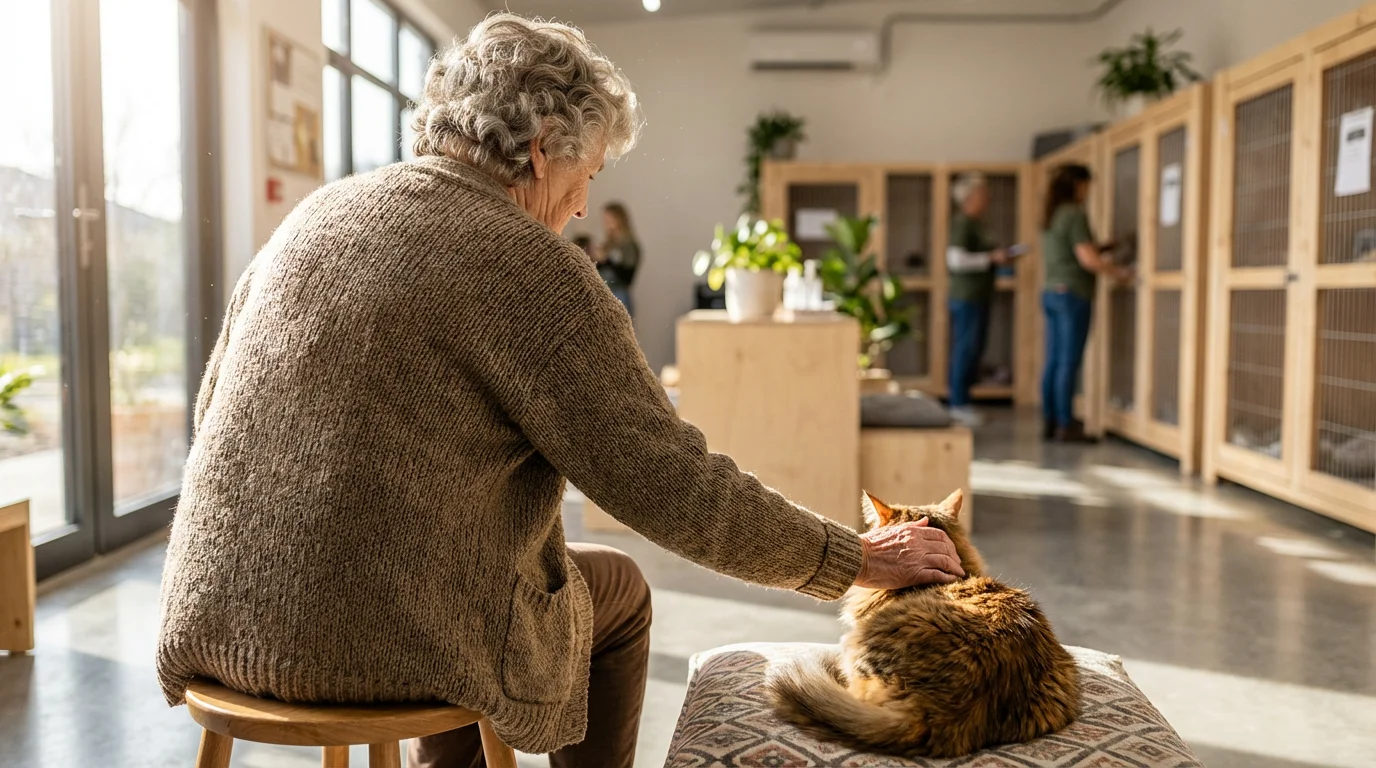
- Animal Shelters: Walk dogs, cuddle cats, assist with cleaning, or help with adoption events.
- Wildlife Rehabilitation Centers: Support the care and recovery of injured animals.
Health and Wellness Support
Many of us find deep satisfaction in supporting health-related causes, drawing on personal experiences or simply a desire to help others navigate challenging times. These roles often involve empathy and compassion, which I think comes naturally to many of us.
- Hospital Greeter: Welcome visitors and assist them with directions.
- Patient Companion: Offer companionship to patients who need emotional support.
- Blood Drive Assistant: Help organize and run local blood donation events.
- Meal Delivery: Deliver meals to homebound seniors, such as through Meals on Wheels programs.
Arts, Culture, and Heritage
For those with an appreciation for history, art, or local culture, numerous opportunities exist to preserve and share these treasures. My new interest in watercolor painting has opened my eyes to how much there is to explore in the arts.
You can contribute to keeping local heritage alive for future generations.
- Museum Docent: Lead tours or provide information to visitors.
- Theater Usher: Help patrons find their seats and assist with event logistics.
- Historical Society Volunteer: Research local history, organize archives, or assist with exhibits.
- Concert Series Support: Help with event setup, ticketing, or promotion.
Administrative and Skill-Based Roles
Not all volunteering requires physical exertion. Many organizations need your administrative expertise, organizational skills, or specific professional knowledge.
My years as a librarian certainly taught me a thing or two about organizing! Your office skills remain highly valued.
- Office Assistant: Help with data entry, filing, phone calls, or mailings.
- Grant Writing: Use your writing skills to help non-profits secure funding.
- Financial Advisor: Offer pro bono financial literacy workshops or guidance.
- Website Maintenance: Use your tech skills to update or manage an organization’s online presence.
Making Your Volunteer Experience Rewarding and Sustainable
To truly enjoy and sustain your volunteer efforts, consider a few practical tips. I want this experience to be a source of joy for you, not stress.
Thoughtful planning ensures a fulfilling and lasting commitment.
Starting Small and Finding the Right Fit
Please, don’t feel pressured to commit to a demanding schedule right away. After the big move to Florida, I certainly wasn’t ready to jump into a huge commitment.
It took me a full year to really feel settled, so I understand the need to start small. Begin with a smaller time commitment or try a few different opportunities to see what resonates.
The goal is to find a role that aligns with your passions and respects your energy levels. A good fit ensures longevity and greater satisfaction.
- Research thoroughly: Understand the organization’s mission and the specific role’s responsibilities.
- Interview the organization: Ask questions about training, support, and expectations.
- Start with a trial period: Many organizations allow you to volunteer for a short period before making a long-term commitment.
- Be honest about your availability: Only commit to what you can comfortably manage without feeling overwhelmed.
Communicating Your Needs and Limitations
This is so important! It is perfectly acceptable to discuss your physical abilities, scheduling preferences, and any other limitations upfront.
Organizations appreciate honesty; it helps them place you in a role where you can truly thrive. Open communication fosters a positive and productive volunteer experience for everyone involved.
I learned the hard way that sometimes you have to be honest about what you can handle. When Bill and I first moved, I was so overwhelmed, and I had to learn to say “no” to some things until I found my footing.
If a role becomes too physically demanding, or if your circumstances change, communicate this immediately. They may have other roles that better suit your current situation.
Remember, your well-being comes first; a sustainable volunteer role is one that you enjoy and can maintain without detriment to your health.
The Ripple Effect: How Your Service Strengthens Your Community
Your individual acts of volunteering create a powerful ripple effect that strengthens the entire community.
I see it all the time here in Hawthorn Ridge, how people look out for each other and chip in. You become a vital thread in the fabric of local support, extending beyond the immediate impact of your tasks.
Every hour you give contributes to a more vibrant and compassionate society.
Building Intergenerational Connections
One of the things I love most about being a grandmother is seeing the world through Lily and Noah’s eyes. Volunteering often brings people of different generations together.
You share your wisdom and experience with younger individuals, while they, in turn, can offer fresh perspectives and technical skills. These intergenerational bonds enrich both sides, breaking down age barriers and fostering mutual understanding.
You contribute to a more cohesive and understanding community by bridging generational gaps, even if your own grandkids are far away.
Inspiring Others and Fostering Civic Engagement
Your dedication to volunteering truly inspires those around you. When I see my friends here at Hawthorn Ridge getting involved, it makes me want to do more too.
It’s like a happy chain reaction! This creates a positive cycle of civic participation, encouraging more people to get involved and invest in their local areas.
You serve as a role model, demonstrating the profound joy and impact that comes from giving back. Your actions show that age is no barrier to making a significant difference.
I even tell my friends back in Ohio that they should consider moving here and getting involved!
Frequently Asked Questions
Are there volunteer opportunities suitable for seniors with limited mobility?
Yes, absolutely! I know some wonderful people right here at Hawthorn Ridge who volunteer from their computers or by making phone calls.
Many organizations offer roles that accommodate limited mobility. You can find opportunities for administrative tasks, phone banking, virtual volunteering from home, mentoring via video calls, or organizing events from a seated position.
Libraries, museums, and hospitals often have roles that require minimal physical movement. Always inquire about specific accessibility and physical requirements when exploring options.
How much time should I commit to volunteering?
Oh, don’t feel like you have to jump in headfirst! Remember how I said it took me a full year to adjust?
The ideal time commitment varies greatly depending on your personal schedule, energy levels, and the organization’s needs. You can find roles that require as little as a few hours a month, or more intensive commitments of several hours a week.
Many organizations are flexible and appreciate any amount of time you can offer. Start with a smaller commitment, and if you enjoy the work and feel you have more to give, you can often increase your hours later.
Will volunteering cost me money?
Goodness no, usually not! Most volunteer opportunities do not require you to spend your own money.
Organizations often cover any necessary expenses, such as training materials or mileage reimbursement for specific tasks. If there’s ever a cost, they should tell you upfront.
Bill would be the first to tell you to ask those questions! Many non-profits are grateful for your time and want to ensure financial barriers do not prevent you from contributing.
Can I volunteer if I have specific health concerns?
Yes, you can! It is crucial to be upfront with potential volunteer organizations about any health concerns or physical limitations you have.
They can then recommend roles that are safe and appropriate for you. Many organizations are experienced in accommodating volunteers with diverse needs.
Discuss your health with your healthcare provider before committing to physically demanding volunteer roles to ensure your safety and well-being. Your well-being is the most important thing.
What are the first steps to getting started with volunteering?
Just start with what you love! What makes your heart sing?
Begin by reflecting on your interests, skills, and availability. Next, explore online platforms like VolunteerMatch or contact your local senior center, community center, or favorite non-profit organizations directly.
Attend local volunteer fairs if available. Do not hesitate to ask questions about roles, training, and expectations.
Starting a conversation is often the most effective first step toward finding your ideal volunteer opportunity. That’s how I found my “Florida family” – by just talking to people!
Disclaimer: This article is for informational purposes only and does not constitute medical advice.
Before starting any new exercise program or making significant changes to your activity level, please consult with your healthcare provider, especially if you have chronic health conditions or concerns about physical limitations.