Retirement has offered me such a unique opportunity to explore new passions and truly deepen my connection with the world around me. You know, after 36 years as an elementary school librarian in Columbus, I wasn’t quite sure what my days would look like.
Coming from a background as a librarian, I also find that joining senior book clubs is a wonderful way to maintain intellectual curiosity and community.
Embracing outdoor hobbies has really helped me stay active, keep my mind stimulated, and even make some wonderful new friends.
One of those pursuits, birdwatching, has brought me immense joy and such a peaceful engagement with nature, right from our backyard here in Sarasota or a local park.
Birdwatching, or birding as some call it, is so much more than just looking at birds. It’s an immersive experience that sharpens your senses, calms your mind, and offers continuous learning.
I’ve discovered the incredible diversity of avian life, from the smallest hummingbird zipping by to the majestic eagles we sometimes see soaring over Hawthorn Ridge.
It truly transforms ordinary moments into extraordinary adventures. This engaging hobby is accessible to nearly everyone, regardless of physical ability, making it such an ideal choice for us retirees.
When we first moved, I really missed my garden in Columbus, and finding new ways to connect with nature here has truly helped fill that little void in my heart.
In this guide10 sections
- Embrace Nature’s Symphony Through Birdwatching
- Unveiling the Many Benefits of Birdwatching
- Getting Started: Your First Steps into Birding
- Essential Equipment for the Aspiring Birdwatcher
- Choosing Your Binoculars: A Clear View of the World
- Beyond Binoculars: Field Guides, Apps, and More
- Where to Find Your Feathered Friends: Best Birdwatching Locations
- Tips for a Successful and Enjoyable Birdwatching Experience
- Making Birdwatching a Lifelong Pursuit
- Frequently Asked Questions
Embrace Nature’s Symphony Through Birdwatching
Can you imagine waking to a chorus of bird calls, then spending a tranquil morning trying to identify that tiny warbler flitting among the leaves? Birdwatching connects you directly with the natural world, fostering such a sense of wonder and presence.
Many birders also find joy in the art of senior photography, capturing stunning images of the species they discover in the wild.
If you find yourself wanting to spot species from further afield, combining your new hobby with senior travel can turn any vacation into an avian adventure.
I’ve learned to appreciate the subtle beauty of different species, their unique songs, their funny behaviors, and even their migration patterns.
This hobby really encourages a gentle pace, inviting you to slow down and just observe. It’s been a perfect antidote to the fast-paced world I lived in as a librarian, offering moments of peace and profound discovery.
It’s a lot like taking up watercolor painting, which I’ve recently started doing (I’m not very good, but I don’t care!).
Both activities make me slow down, really look at the details, and appreciate the beauty around me in a way I rarely had time for before.
Unveiling the Many Benefits of Birdwatching
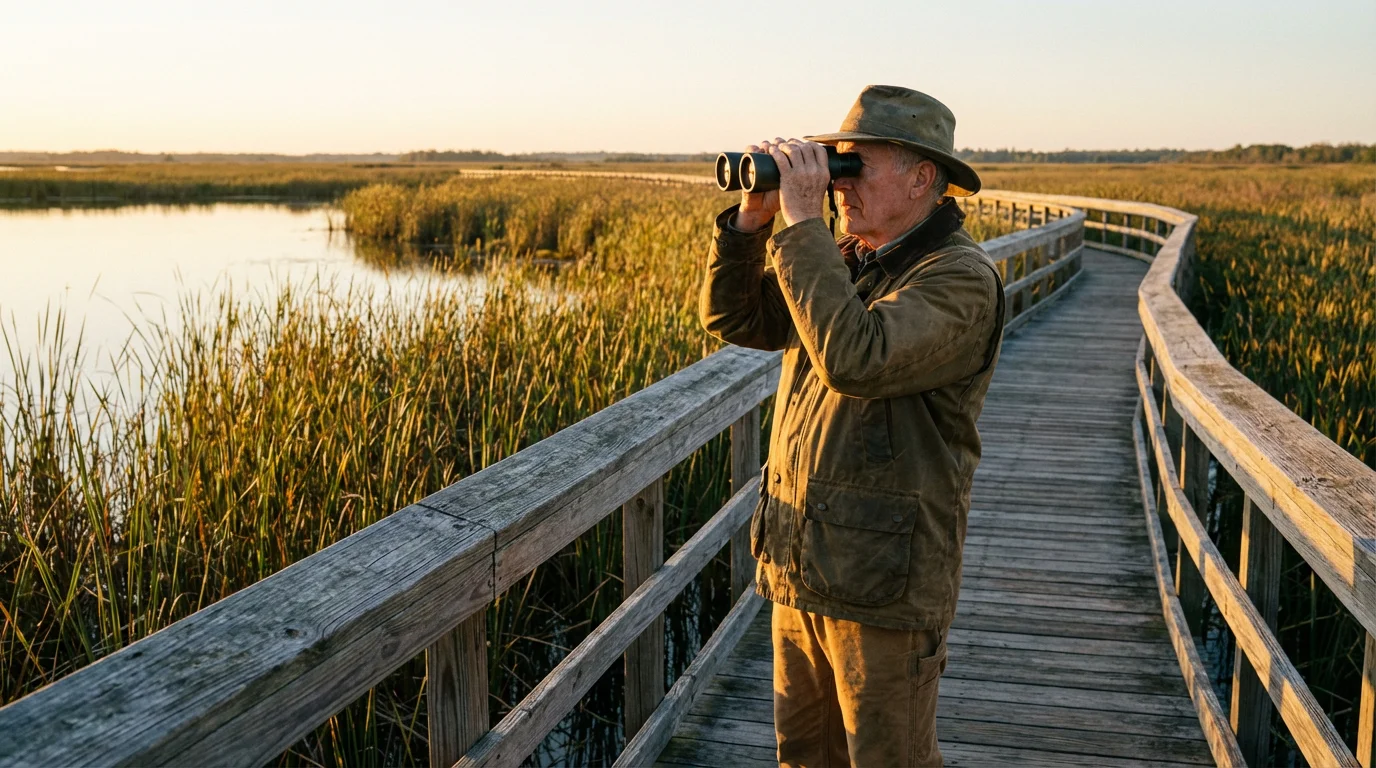
Engaging in birdwatching truly delivers a rich tapestry of physical, mental, and social advantages. It provides a gentle form of exercise and sharpens cognitive functions, contributing so much to my overall well-being.
Shared hobbies like birding are effective strategies for overcoming loneliness in retirement communities by connecting you with fellow enthusiasts.
I often think about all the good it does for me when I simply step outside with my binoculars. It’s been particularly helpful in navigating the emotional adjustments of retirement and moving to a whole new state!
- Physical Activity: Birdwatching often involves walking, whether around our community here in Hawthorn Ridge, through a local park, or on nature trails. This low-impact activity improves cardiovascular health, strengthens muscles, and enhances balance, reducing the risk of falls. Even backyard birding requires moving around and stretching to get a better view.
- Mental Stimulation: Identifying species, remembering calls, and tracking movements actively engages your brain. This mental workout boosts memory, concentration, and problem-solving skills, supporting cognitive health and reducing the risk of cognitive decline. I’m constantly learning new information about birds and their habitats, which keeps my librarian brain happy!
- Stress Reduction: Spending time in nature lowers stress hormones, blood pressure, and heart rate. The calming sounds and sights of birds provide a meditative experience, promoting relaxation and reducing anxiety. After the whirlwind of selling our 2,400 sq ft colonial on Elmwood Drive and moving, these moments of peace have been invaluable.
- Social Connection: Birdwatching often becomes a communal activity. Joining local birding groups, participating in organized walks, or sharing sightings with friends fosters social interaction and community building. I’ve found myself talking to strangers at the pool about a new bird I spotted, and it’s a lovely way to connect with like-minded people.
- Lifelong Learning: The world of birds is endlessly fascinating. You continuously learn about different species, ecosystems, and conservation efforts. This continuous learning keeps your mind curious and engaged, fostering personal growth throughout retirement.
The earth has music for those who listen.
Getting Started: Your First Steps into Birding
Embarking on your birdwatching journey is straightforward and requires minimal initial investment. You certainly don’t need to travel to exotic locations to begin.
The best place to start is often right outside your window or in your immediate neighborhood. I know that’s where I started, right here in our Sarasota backyard!
Much like learning a new language, identifying bird species by their unique calls provides a rewarding mental workout.
Here are practical steps to initiate your adventure:
- Start Local: Observe birds in your backyard, a nearby park, or a local nature preserve. I began by just watching the birds that visited the feeders Bill put up here in Sarasota. It was a wonderful way to familiarize myself with our new Florida feathered friends.
- Listen Actively: Birds often reveal themselves through their songs and calls before you see them. Take time to listen and try to distinguish different sounds. Many birding apps can help you identify calls.
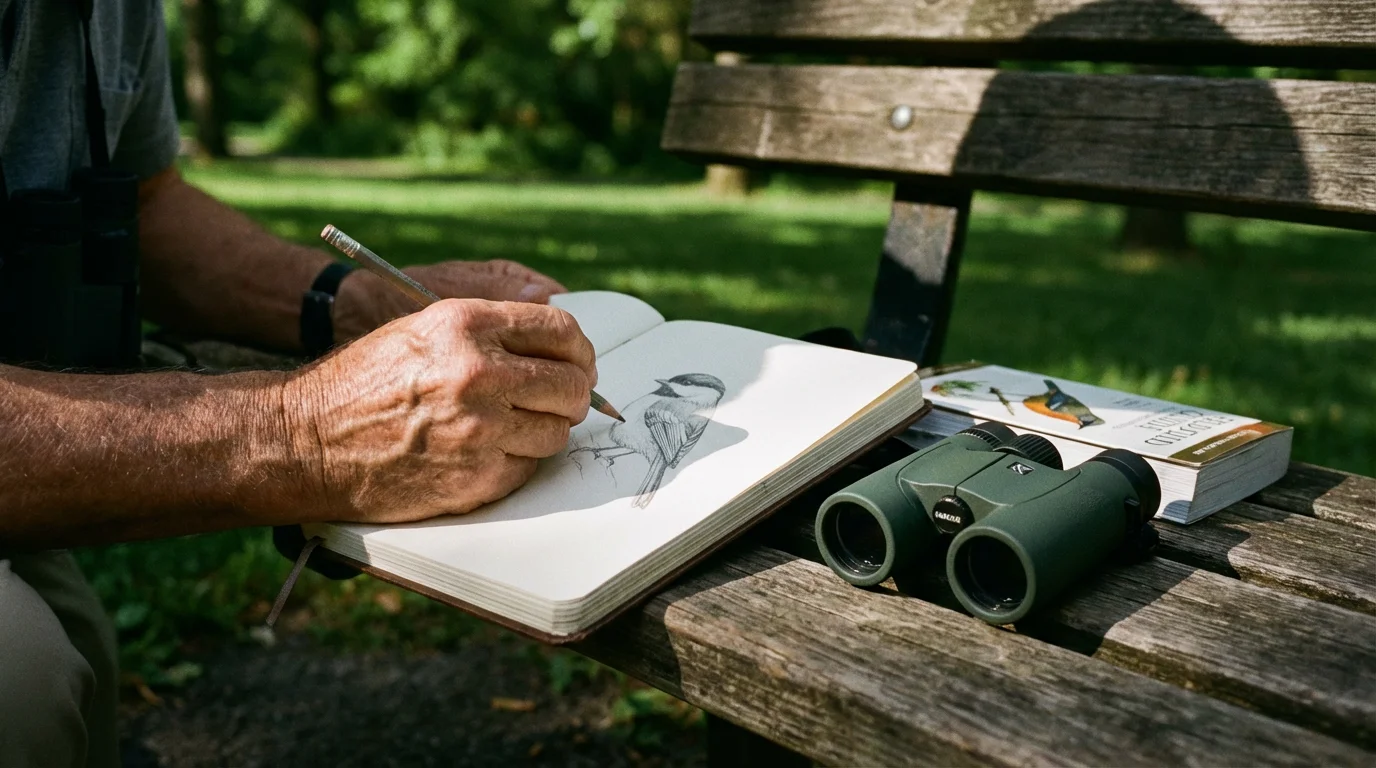
- Keep a Simple Journal: Note the date, time, location, weather, and descriptions of the birds you see. This practice improves your observation skills and helps you remember your sightings.
- Connect with Others: Look for local Audubon Society chapters or birding clubs. These groups often offer guided walks and beginner workshops, providing invaluable insights and opportunities for social engagement. It’s a lovely way to make new friends, like my “Florida family” here.
- Consult a Doctor: If you plan to incorporate extensive walking or hiking into your birdwatching activities, consult your doctor. Ensure your chosen physical activities align with your health and fitness levels.
Essential Equipment for the Aspiring Birdwatcher
You don’t need an extensive collection of gear to start birdwatching, but a few key items significantly enhance your experience. I always say to focus on quality over quantity, especially when selecting binoculars.
Think of these tools as extensions of your senses, bringing the avian world closer into view.
Here is what equipment you need for birdwatching to get started:
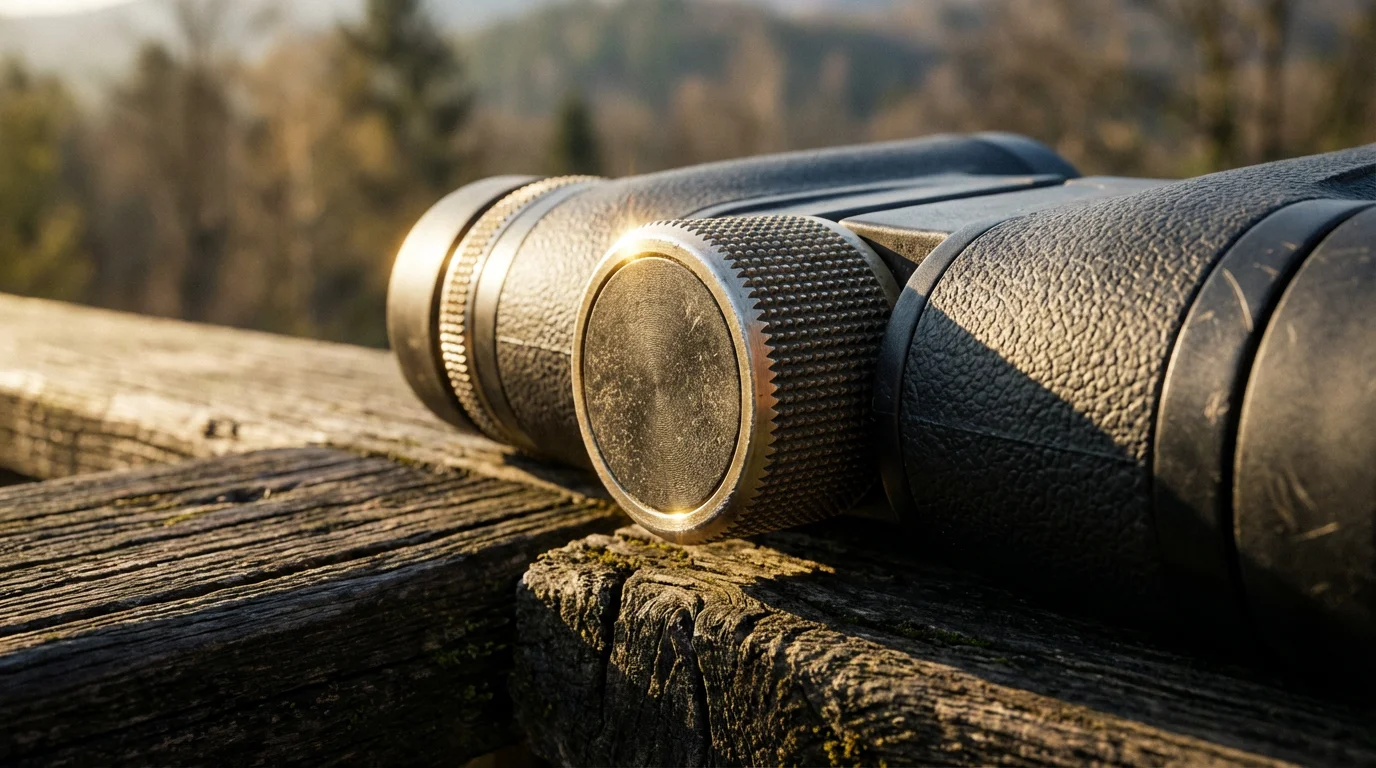
- Binoculars: These are your most crucial tool. They bring distant birds into clear focus, allowing you to observe their plumage, markings, and behaviors. Bill, being the engineer he is, probably researched binoculars for two years before we bought ours, complete with a spreadsheet, I’m sure!
- Field Guide: A good field guide helps you identify species based on their appearance, habitat, and range. Select one specific to your region to make identification easier. Modern guides often include sound guides and detailed illustrations.
- Notebook and Pen: For jotting down observations, sketches, and notes about your sightings. This helps you remember what you saw and improve your identification skills over time.
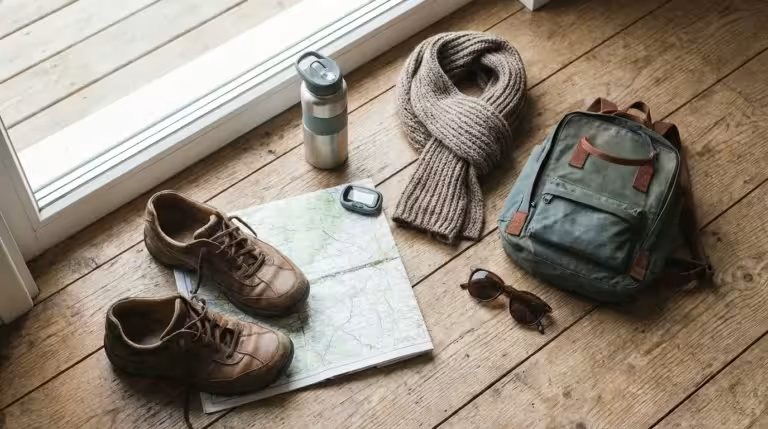
- Comfortable Clothing and Footwear: Dress in layers suitable for varying weather conditions. Comfortable walking shoes are essential for any outdoor activity, including birding. Consider neutral colors to avoid startling birds.
- Water Bottle: Staying hydrated is important, especially when spending time outdoors. Carry a reusable water bottle to keep refreshed during your birding excursions.
Choosing Your Binoculars: A Clear View of the World
Selecting the right binoculars marks a significant step in your birdwatching journey. For us, ease of use, weight, and optical clarity become paramount considerations.
You want a pair that feels comfortable during extended use and delivers bright, sharp images without causing eye strain.
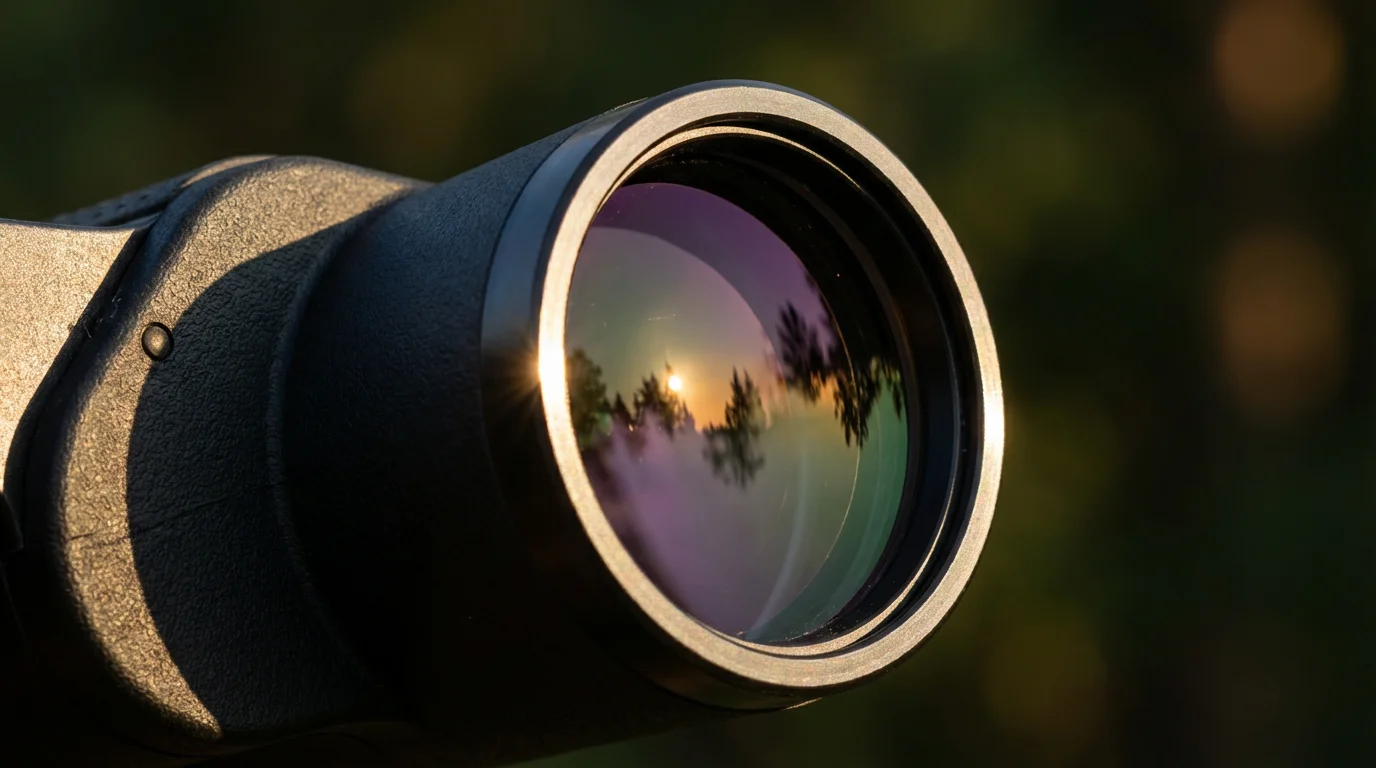
Binoculars come with two numbers, like 8×42 or 10×42. The first number indicates magnification, the second refers to the objective lens diameter in millimeters.
Here is what you should consider:
- Magnification (First Number): An 8x magnification generally works best for beginners and most birdwatching situations. It provides a wide field of view, making it easier to locate birds, and offers a steadier image. Higher magnifications, such as 10x, can make it harder to hold steady and find birds, though they bring subjects closer.
- Objective Lens Diameter (Second Number): A 32mm or 42mm objective lens gathers sufficient light for bright images, even in lower light conditions. Larger lenses (e.g., 50mm) collect more light but also make binoculars heavier and bulkier. For general use, 8×42 or 10×42 models strike a good balance.
- Weight and Ergonomics: Lightweight binoculars prevent neck and arm fatigue during long sessions. Test different models to ensure they fit comfortably in your hands and feel balanced. Bill, with his engineering mind, probably loved comparing all these numbers and specifications. I just wanted a pair that wasn’t too heavy for my hands and felt comfortable!
- Field of View: This refers to the width of the area you see through the binoculars. A wider field of view (often found with lower magnification) helps you quickly spot and follow fast-moving birds.
- Waterproofing and Fogproofing: These features protect your binoculars from rain, humidity, and temperature changes, ensuring clear views in various weather conditions. Look for nitrogen-purged or argon-purged models.
Visit a specialty camera or outdoor gear store to try out different models. Their staff can guide you through the options and help you find the perfect fit for your needs and budget.
Beyond Binoculars: Field Guides, Apps, and More
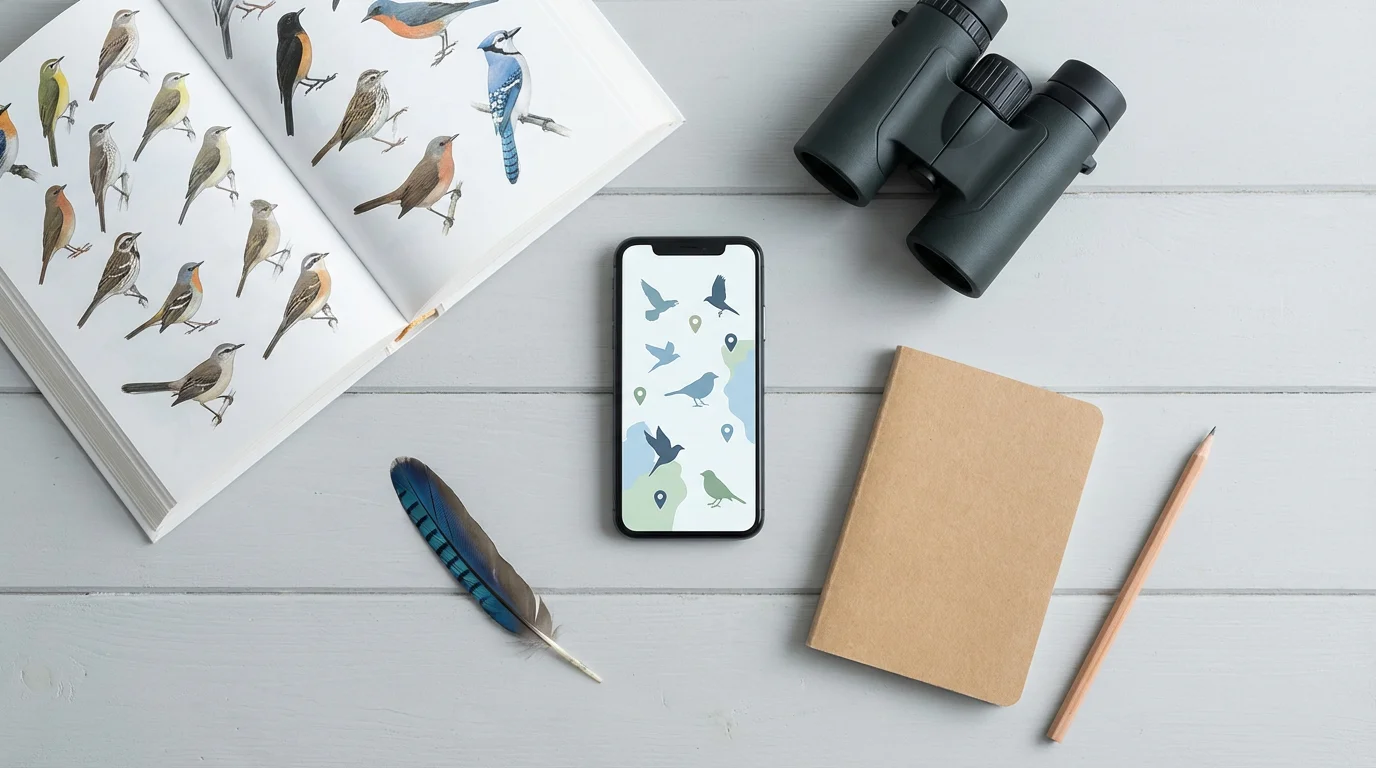
While binoculars remain your primary tool, several other resources can significantly enhance your birdwatching endeavors. These tools provide invaluable information, aid in identification, and connect you with a broader birding community.
For those looking to document their findings, the art of senior photography provides a wonderful way to preserve the beauty of every species you encounter.
I’ve found that embracing these supplementary resources has really deepened my understanding and enjoyment.
Consider adding these items to your birding kit:
- Regional Field Guides: Choose a physical field guide specific to your state or region. These guides often feature detailed illustrations or photographs, descriptions of common and rare species, range maps, and information on bird calls. A physical book eliminates reliance on batteries or cell service.
- Bird Identification Apps: Modern smartphone apps like Merlin Bird ID (Cornell Lab of Ornithology) or Audubon Birds provide instant access to identification tools. They use photos or even recorded bird calls to help you identify species in real time. Our grandchildren, Lily and Noah, absolutely love using the Merlin app with me when they visit. It makes it such a fun family activity!
- Portable Seat or Chair: For prolonged observation, especially in one location like a bird blind or a park bench, a lightweight, portable chair or stool offers comfort and stability. This is particularly helpful if standing for long periods presents a challenge.
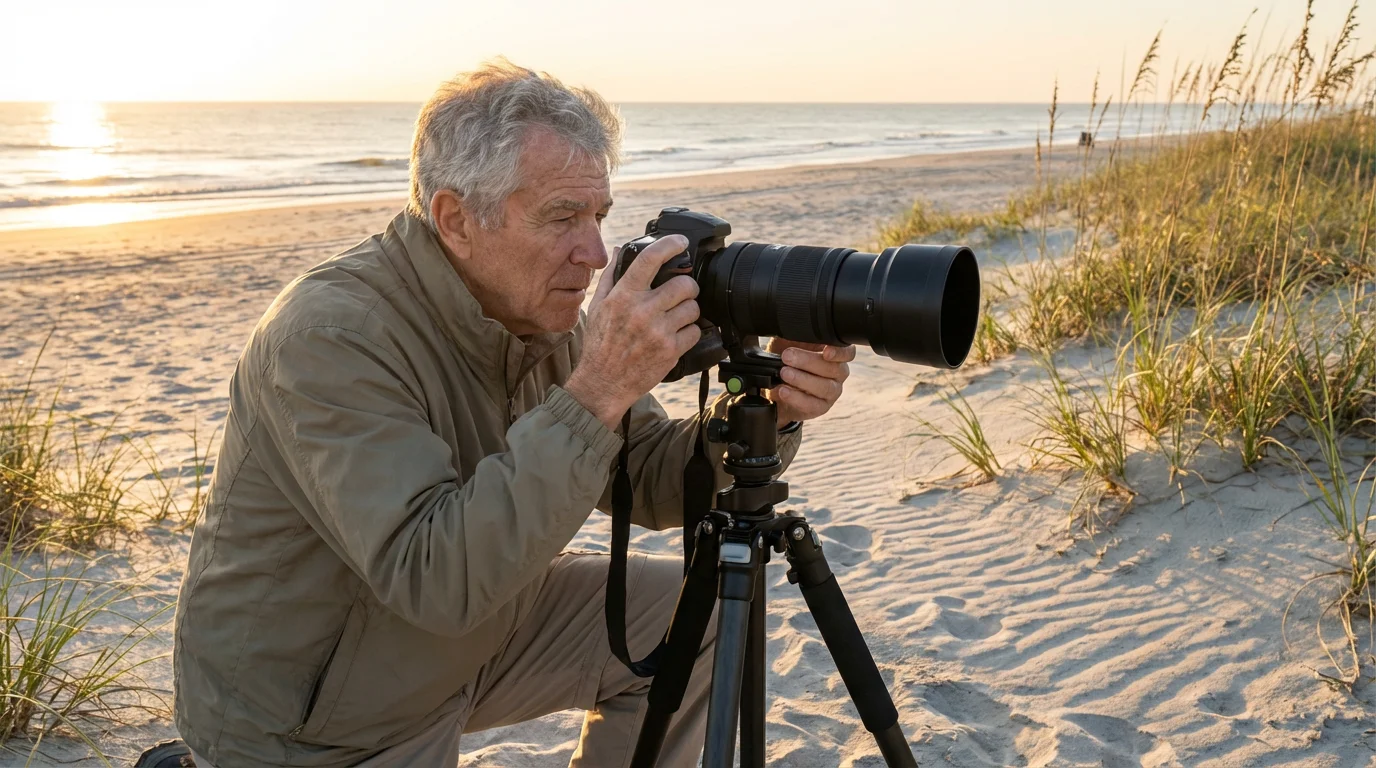
- Camera (Optional): If you enjoy photography, a camera with a telephoto lens allows you to capture stunning images of your sightings. This adds another layer of engagement and a wonderful way to document your discoveries.
- Backpack or Vest: A comfortable backpack or birding vest helps you carry all your gear hands-free. Look for one with multiple pockets for easy organization and access to your binoculars, field guide, water, and snacks.
These supplementary tools equip you for a richer, more informed birdwatching experience, transforming you from a casual observer into a knowledgeable enthusiast.
Where to Find Your Feathered Friends: Best Birdwatching Locations
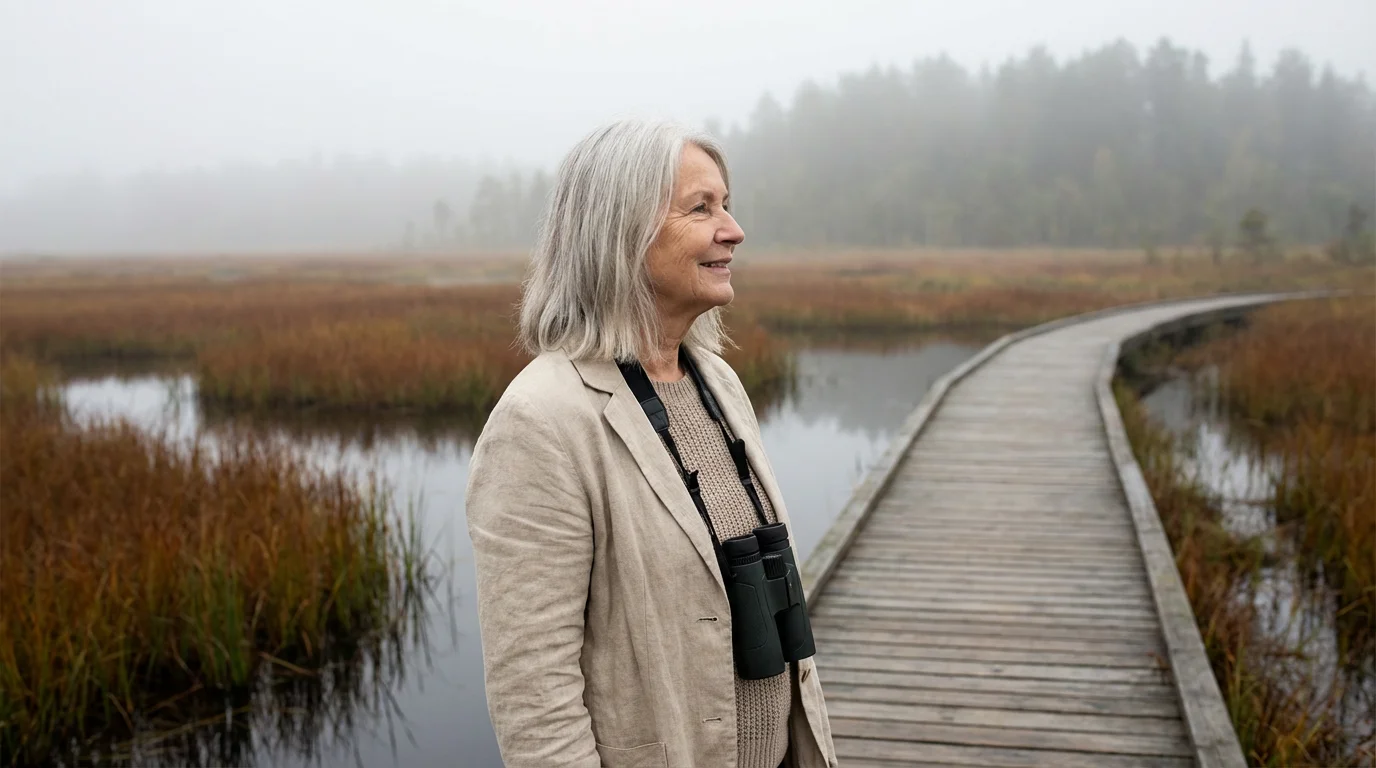
You can find birds almost anywhere, but certain locations offer superior opportunities for observation. Knowing where to look enhances your chances of spotting diverse species and enjoying productive outings.
I love exploring new types of places to discover an abundance of avian life.
Here are some of the best birdwatching locations for us retirees, categorized by accessibility and type:
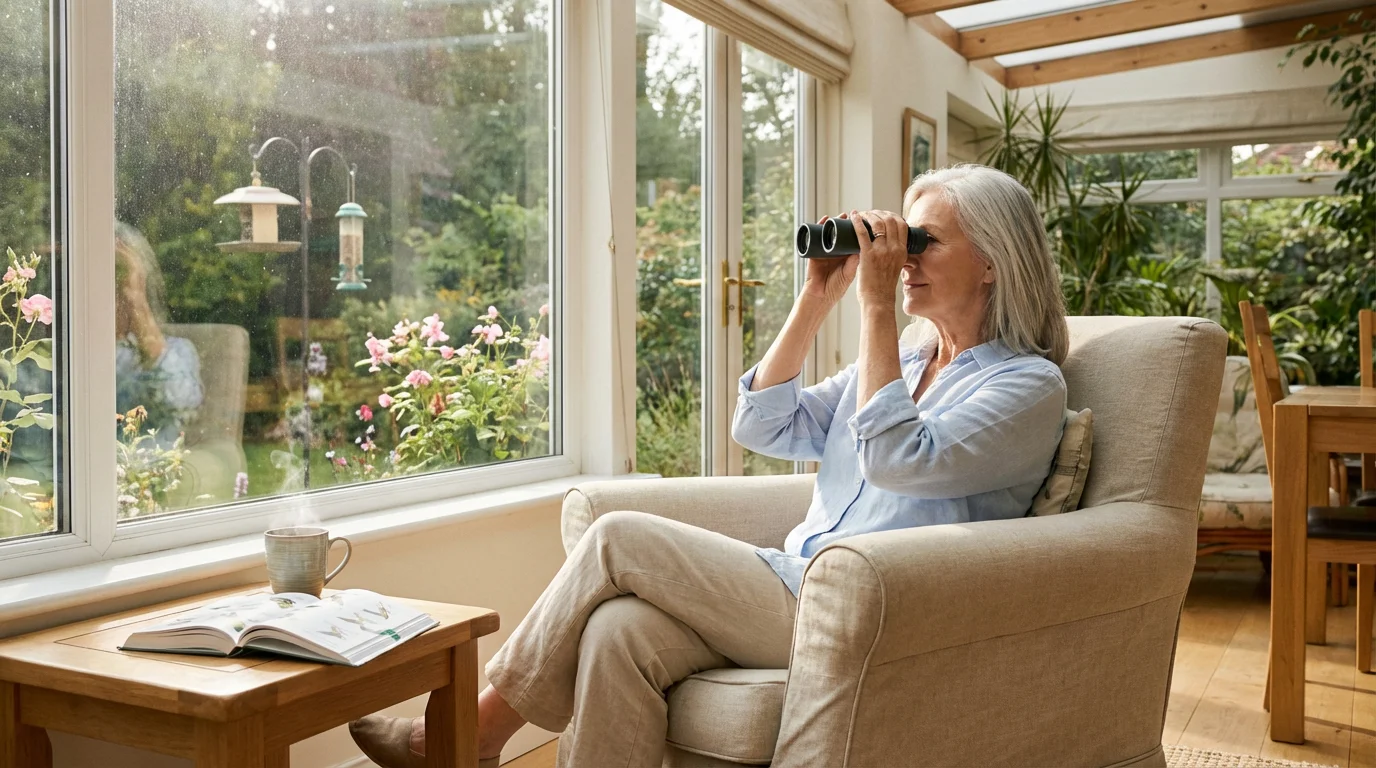
- Your Own Backyard: This remains the most accessible and convenient location. Install bird feeders, bird baths, and plant native shrubs or trees to attract a variety of species. Observe from a comfortable chair on your patio or through a window.
- Local Parks and Gardens: Urban and suburban parks often provide surprising havens for birds, especially during migration. Look for areas with diverse vegetation, water features, and quiet trails. Botanical gardens also serve as excellent birding spots.
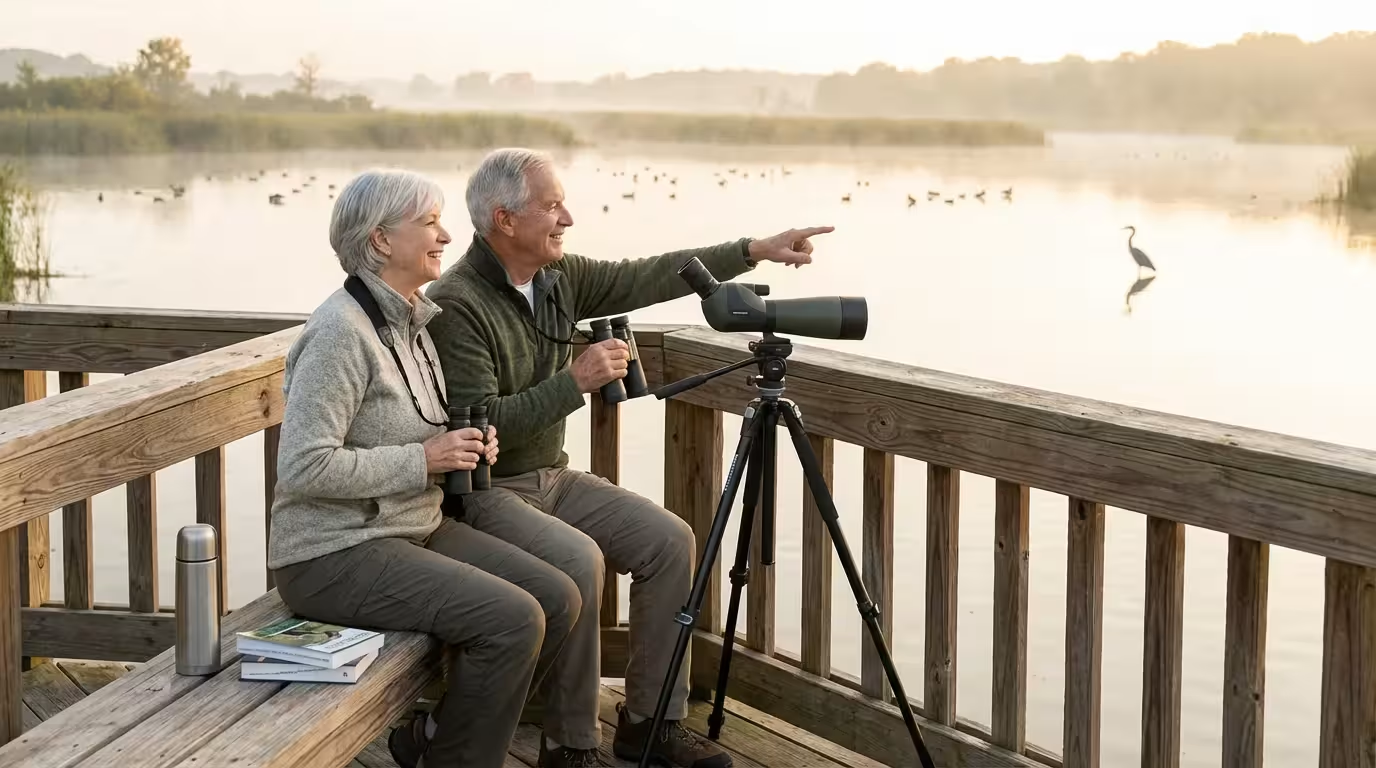
- Nature Preserves and Wildlife Sanctuaries: These protected areas specifically aim to conserve natural habitats, making them prime locations for diverse bird populations. Many offer well-maintained, accessible trails and viewing platforms. One of my favorite spots here in Sarasota is the Celery Fields. My “Florida family” and I love to go there – it’s full of such different birds than what I saw back in Ohio!
- Lakes, Ponds, and Coastal Areas: Water bodies attract waterfowl, shorebirds, and raptors that hunt near water. Coastal regions are particularly vibrant during migration seasons, offering opportunities to see unique migratory species.
- Forests and Woodlands: Different forest types support distinct bird communities. Deciduous forests, coniferous forests, and mixed woodlands each offer unique species depending on the season. Look for established trails that are easy to navigate.
Research local hot spots through online birding forums, local Audubon chapters, or park visitor centers. Many organizations publish guides to the best birding sites in their region, often highlighting accessible trails and facilities.
Tips for a Successful and Enjoyable Birdwatching Experience
Maximizing your birdwatching enjoyment involves more than just having the right equipment. Strategic planning and a mindful approach significantly enhance your success and satisfaction.
I’ve found that implementing these practical tips really elevates my birding adventures and helps me connect more deeply with nature.
Consider these helpful strategies:
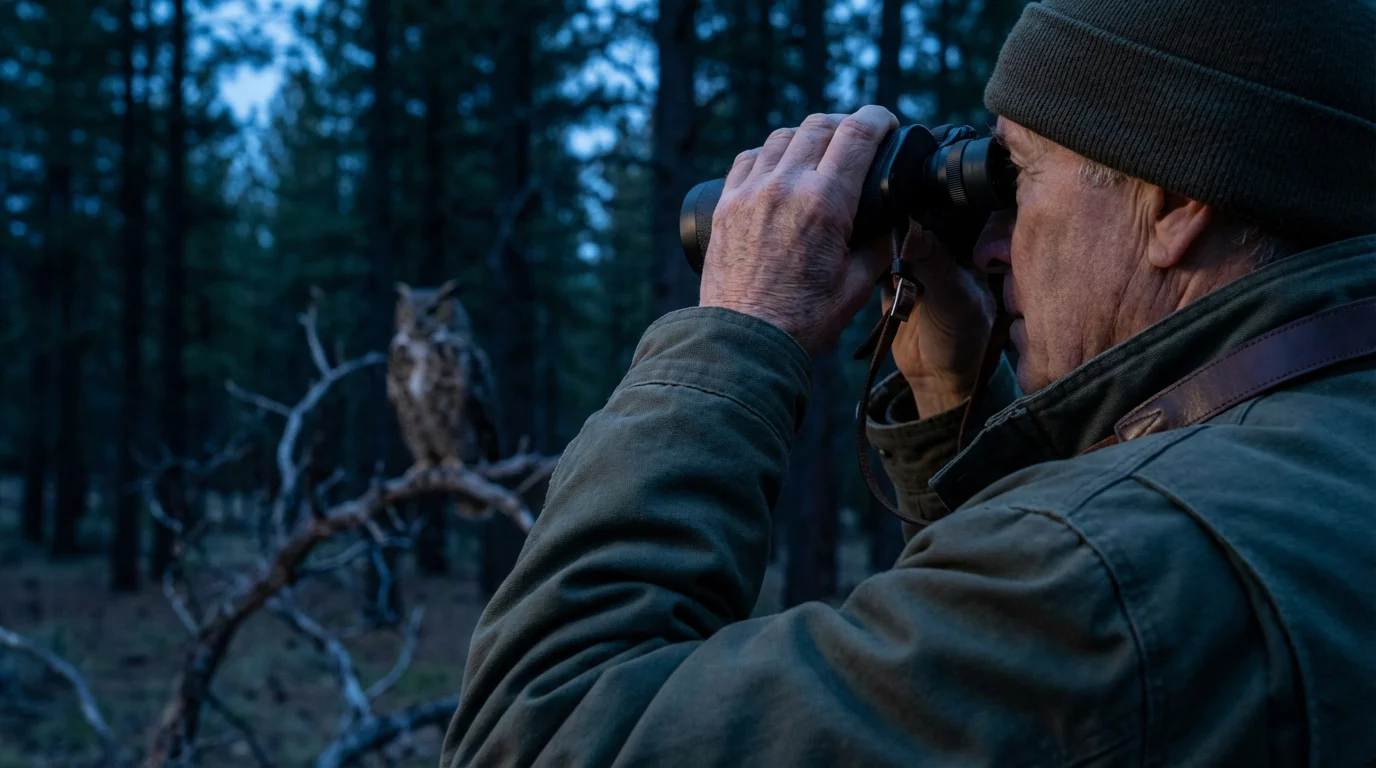
- Go Early or Late: Birds are most active during the early morning hours shortly after sunrise and in the late afternoon before sunset. These times offer better light for viewing and increased chances of seeing birds feeding or singing. It’s a great way to enjoy the Florida mornings before it gets too warm!
- Be Patient and Quiet: Birdwatching requires patience. Find a comfortable spot, remain still, and let the birds come to you. Move slowly and speak softly, if at all, to avoid scaring birds away. Patience was certainly something I had to learn during the big transition of retirement and our move, and it serves me well in birdwatching too!
- Learn Bird Sounds: Identifying birds by their calls and songs proves incredibly helpful, especially when they are hidden from view. Use apps or online resources to familiarize yourself with common bird vocalizations in your area.
- Dress Appropriately: Wear comfortable, muted clothing that blends with the natural environment. Bright colors can startle birds. Protect yourself from the elements with hats, sunscreen, and rain gear as needed.
- Practice Field Ethics: Always prioritize the well-being of the birds and their habitat. Maintain a respectful distance, avoid disturbing nests, and leave no trace behind. Share your sightings responsibly, especially for rare birds, to prevent overwhelming their habitat.
- Stay Hydrated and Bring Snacks: Especially on longer outings, remember to carry water and light snacks. This keeps your energy levels up and ensures you remain comfortable.
Remember, birdwatching is a journey of discovery. Every outing, whether successful in terms of sightings or not, offers an opportunity to connect with nature and enjoy peaceful moments outdoors.
Making Birdwatching a Lifelong Pursuit
Birdwatching truly offers a hobby with limitless possibilities for growth and engagement. As I’ve become more experienced, I find myself drawn to new aspects of birding, which really keeps my retirement years vibrant and full of purpose.
This versatile hobby adapts easily to your changing interests and abilities over time.
Consider these ways to deepen your birdwatching journey:
- Contribute to Citizen Science: Participate in programs like the Great Backyard Bird Count or eBird. You record your observations, helping scientists monitor bird populations and understand migration patterns. This contributes to important conservation efforts.
- Expand Your Knowledge: Read books on ornithology, attend lectures, or take online courses about bird behavior and ecology. There is always more to learn about the avian world. Organizations like AARP also offer a wealth of information and programs to support your journey towards an active and engaged retirement.
- Explore New Locations: Venture beyond your local area to discover different ecosystems and the unique birds they host. This provides opportunities for travel and new adventures, whether a day trip or a longer expedition.
- Join a Birding Community: Engage with local birding clubs or online forums. Sharing experiences, asking questions, and learning from others enriches your hobby and fosters new friendships. I love sharing my latest bird sightings (and my Sunday morning baking!) with my “Florida family.”
- Mentor New Birders: Share your growing knowledge and passion with others. Mentoring offers a rewarding way to give back and keep your own skills sharp.
Birdwatching truly offers a hobby that grows with you, providing continuous opportunities for learning, exploration, and meaningful connection throughout your retirement. It’s given me a wonderful new sense of purpose after my 36 years as a librarian, and I feel so vibrant here in Sarasota!
Frequently Asked Questions
Is birdwatching a good activity for seniors with limited mobility?
Oh, absolutely! That’s one of the wonderful things about it.
You know, when I first moved here to Hawthorn Ridge, I wasn’t always up for long walks. But I found that just sitting on our lanai with a cup of coffee, watching the feeders Bill set up, was just as lovely.
And many places, like some of the parks here in Sarasota, have beautiful paved paths and viewing spots, so you can enjoy nature without worrying about getting around too much. It’s really for everyone.
What is the most important piece of equipment for a beginner birdwatcher?
Well, Bill would probably give you a whole lecture on specifications, bless his heart! But from my experience, the most important thing really is a good pair of binoculars.
They make such a difference, letting you see all those tiny details you’d miss otherwise. You don’t need anything fancy to start, but a decent pair, maybe an 8x magnification, will truly open up a whole new world.
I remember when I got mine, it was like magic!
Can birdwatching improve my mental health?
Oh, without a doubt! For me, personally, after the big move from Columbus and all the emotions that came with it, birdwatching became a quiet comfort.
Just sitting and observing those little creatures, listening to their songs – it’s like a gentle meditation. It really helps calm the mind, and honestly, it makes me feel so much more connected to the world around me.
It’s a lovely way to find peace.
How can I attract more birds to my backyard?
It’s simpler than you might think! We started by putting out a few feeders and a bird bath in our backyard here in Sarasota.
Make sure to keep the water fresh, that’s key! And if you can, plant some native shrubs and flowers.
They provide natural food and shelter, and it’s just delightful to see how quickly the birds discover your little haven. It’s like having your own private nature show!
Are there any online resources for learning about bird calls?
Oh, yes! The technology these days is just amazing.
Bill and I, and especially our grandchildren Lily and Noah when they visit, love using the Merlin Bird ID app. You can just point your phone, and it helps identify the bird by its song!
It’s such a fun way to learn. There are also wonderful websites, like the Cornell Lab of Ornithology, that have tons of bird sounds and information.
It’s like having a whole library of bird songs at your fingertips!
Disclaimer: This article is for informational purposes only and does not constitute medical advice. Before starting any new exercise program or making significant changes to your activity level, please consult with your healthcare provider, especially if you have chronic health conditions or concerns about physical limitations.