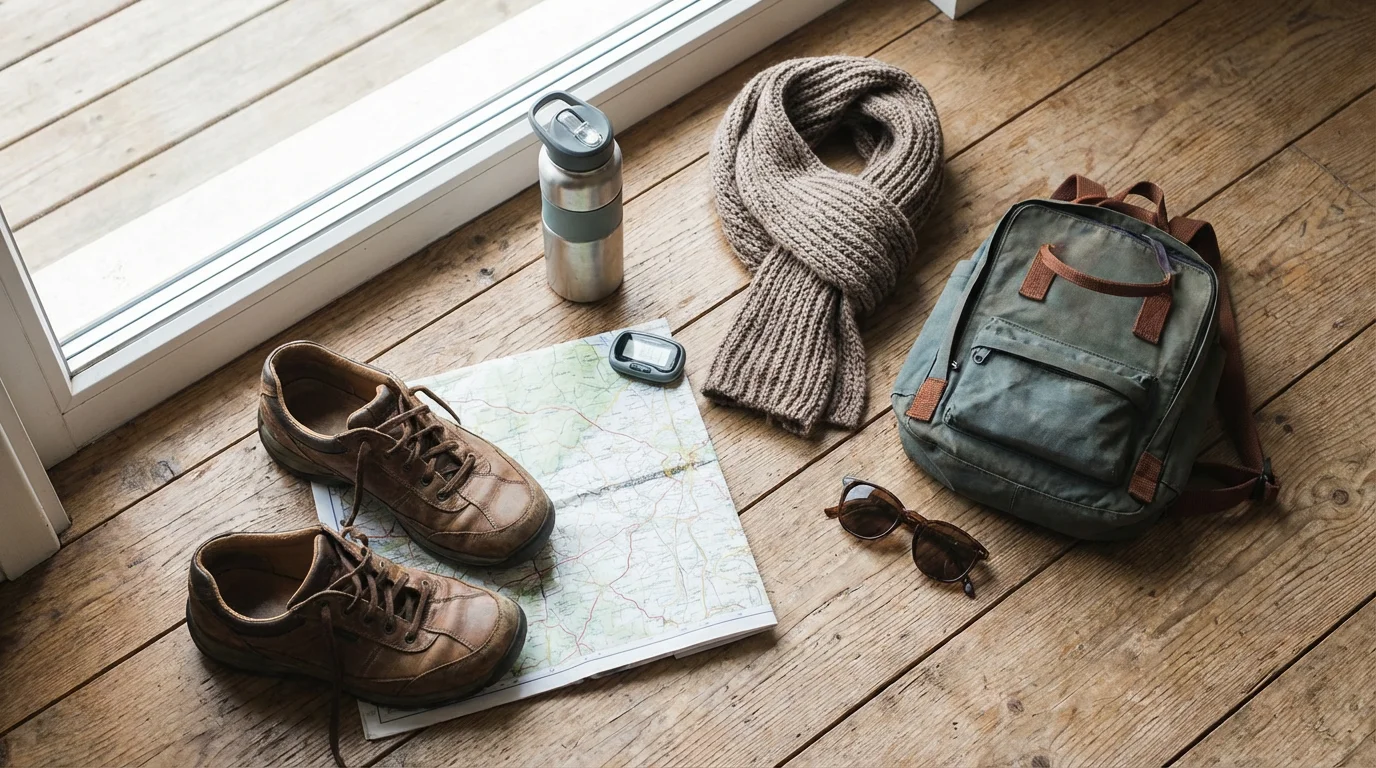
Walking is a profound and accessible activity, offering a gateway to an active, fulfilling retirement. You can unlock immense benefits for your physical health, mental sharpness, and overall well-being simply by placing one foot in front of the other.
Bill and I certainly found this to be true, especially after our big move to Florida. It was such a simple way for me to find my footing, literally and figuratively, after leaving our home in Columbus.
Walking requires minimal equipment and adapts easily to various fitness levels, making it ideal for almost everyone.
Walking is also the perfect physical preparation for senior travel, allowing you to explore new cities and landmarks comfortably on foot.
In this guide8 sections
- Why Walking Is Your Retirement Superpower
- Incredible Health Benefits of Daily Walking
- Designing Your Effective Walking Routine
- Essential Gear and Safety Tips for Walkers
- Making Walking Enjoyable and Social
- Overcoming Challenges and Staying Motivated
- Beyond the Pavement: Expanding Your Walking Horizons
- Frequently Asked Questions
Why Walking Is Your Retirement Superpower
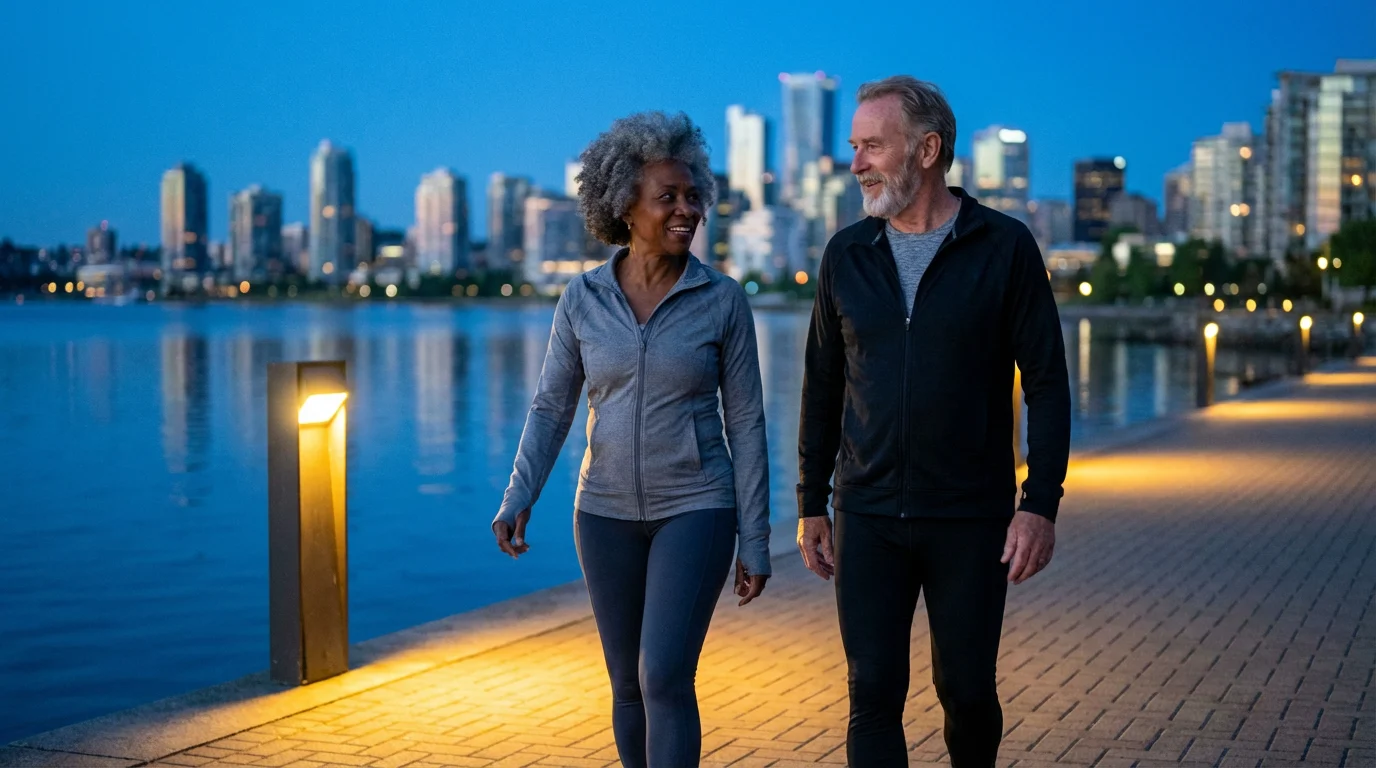
I remember thinking during that first year of retirement, especially after we moved from our 2,400 sq ft colonial on Elmwood Drive to Hawthorn Ridge, that I had this incredible opportunity to finally invest in myself.
But honestly, I was also feeling a little lost and overwhelmed. Walking turned out to be one of the simplest, yet most powerful, investments I could make.
It’s a gentle exercise that strengthens your body without excessive strain, which was perfect for me as I adjusted to a new routine and climate here in Sarasota.
Making the decision to downsize to a smaller home often makes it easier to find a neighborhood with better walking infrastructure and proximity to parks.
If you prefer more rhythmic movement, senior dance classes can also be a wonderful way to stay fit and meet new people in your community.
The accessibility of walking truly surprised me. Back in Columbus, I walked, of course, but here in Hawthorn Ridge, it became my way of exploring my new home and community.
Whether I choose our neighborhood sidewalks, the walking paths around the community lake, or even a quick stroll through the local farmers market, there are always opportunities.
This convenience really removed a lot of the barriers that might have kept me from exercising, especially when I was feeling a bit down about leaving my old life behind.
I know I discovered renewed energy and a real sense of accomplishment through my consistent walking practice.
It became more than just exercise; it transformed into a vital part of my daily routine, connecting me with my new surroundings and helping me feel more at home.
In fact, it was often on these walks that I’d strike up conversations with neighbors, which eventually led to me finding my three wonderful “Florida family” friends. This simple act truly opened doors to a more active and engaged retirement for me.
The best time to start exercising was twenty years ago. The second best time is now.
Incredible Health Benefits of Daily Walking
When Bill was researching our move, he had spreadsheets for everything, including the health benefits of staying active. While he focused on the data, I’ve felt the wide array of proven health benefits that daily walking delivers firsthand.
Consistent physical activity is a cornerstone of healthy aging, and walking has definitely enhanced my quality of life. These benefits extend from bolstering my physical resilience to sharpening my mental faculties, especially during that first challenging year in Florida.
When we were finding the right location for our retirement, we specifically looked for areas that promoted an active lifestyle and safe walking paths.
Strengthen Your Cardiovascular Health
My doctor in Columbus always stressed the importance of cardiovascular health, and I really took that to heart, especially after retiring. Regular walking significantly improves your heart health, which is so critical as we get a little older.
Walking elevates your heart rate, strengthening your heart muscle and improving blood circulation.
The Centers for Disease Control and Prevention (CDC) highlights walking as a key way for older adults to achieve recommended physical activity levels, which helps reduce the risk of heart disease and stroke.
For instance, studies show that regular moderate-intensity walking can lower blood pressure and improve cholesterol levels. I aim for at least 150 minutes of brisk walking each week, and I can truly feel the difference.
Boost Bone and Joint Health
Walking is a weight-bearing exercise that helps maintain bone density, reducing your risk of osteoporosis and fractures. Unlike high-impact activities, walking places minimal stress on your joints while still promoting the flow of synovial fluid, which lubricates and nourishes cartilage.
This has certainly helped alleviate some of the stiffness I used to feel, especially in my knees. It makes it easier to keep up with Lily and Noah when they visit, which is the most important thing to me!
Enhance Cognitive Function and Mood
This benefit was a lifesaver for me, especially in those first few months after we moved. Regular physical activity, including walking, is linked to improved cognitive function, memory, and focus.
It increases blood flow to the brain, supporting brain health. The National Institute on Aging emphasizes that exercise can help reduce your risk of cognitive decline.
But for me, the biggest impact was on my mood. Walking releases endorphins, natural mood boosters that truly combat feelings of stress, anxiety, and even that little bit of sadness I felt about leaving my old life.
A daily stroll offers a powerful antidote to the blues, fostering a more positive outlook, and it’s often when I get my best ideas for my watercolor paintings, even if they aren’t very good!
Maintain a Healthy Weight and Manage Blood Sugar
Bill, of course, tracks all this stuff with a level of detail that belongs in a NASA mission, but I can tell you from experience that walking burns calories and helps manage your weight. This is crucial for preventing various age-related health issues.
Regular activity improves your metabolism and body composition. For individuals managing diabetes, walking helps regulate blood sugar levels, making it an invaluable part of a healthy lifestyle.
This consistent activity plays a vital role in keeping my body functioning optimally.
Improve Balance and Reduce Fall Risk
As I’ve gotten a little older, maintaining good balance has become increasingly important to prevent falls. Walking regularly strengthens the muscles in my legs and core, which are essential for stability.
It also enhances proprioception, your body’s awareness of its position in space. I remember feeling a bit unsteady on my feet when I first started walking more, but now I feel so much more confident.
This improved balance significantly reduces my risk of falls, empowering me to move with greater confidence and independence.
Designing Your Effective Walking Routine
Starting a walking routine is straightforward, and you can easily adapt it to your current fitness level. Consistency is key, so begin with manageable goals and gradually increase your distance or intensity.
I certainly wasn’t ready to run a marathon when we first got to Hawthorn Ridge! Remember to consult your healthcare provider before starting any new exercise program, especially if you have existing health conditions.
How to Start Your Walking Journey
- Consult Your Doctor: Before beginning any new exercise regimen, talk with your physician. My doctor in Columbus always stressed this, and it’s good advice no matter where you live. They can offer personalized advice based on your health history.
- Start Slow: If you are new to exercise, begin with short walks, perhaps 10-15 minutes, two to three times a week. Focus on comfort and consistency. I certainly wasn’t ready to run a marathon when we first got to Hawthorn Ridge!
- Choose the Right Time: Select a time of day when you feel energetic and can commit to your walk without interruption. Morning walks often offer cooler temperatures and a great start to your day. I love my morning walks before it gets too hot here in Florida.
- Find a Safe Route: Identify flat, well-lit paths free from obstacles. Consider local parks, walking trails, or even indoor tracks. Exploring Hawthorn Ridge and the local Sarasota parks was part of the fun for me.
- Listen to Your Body: Pay attention to any discomfort. It is normal to feel some muscle fatigue, but stop if you experience pain. I’ve learned to really pay attention to what my body is telling me.
Gradually Increase Your Pace and Duration
Once you establish a consistent routine, you can begin to increase your walking challenge. A common goal is to reach 30 minutes of brisk walking most days of the week.
“Brisk” means you can talk but not sing comfortably.
- Increase Duration: Add 5-10 minutes to your walks each week until you reach your target duration.
- Increase Frequency: Gradually add more walking days to your week.
- Increase Intensity: Incorporate intervals of faster walking or tackle gentle inclines. You can also swing your arms more actively to increase your heart rate.
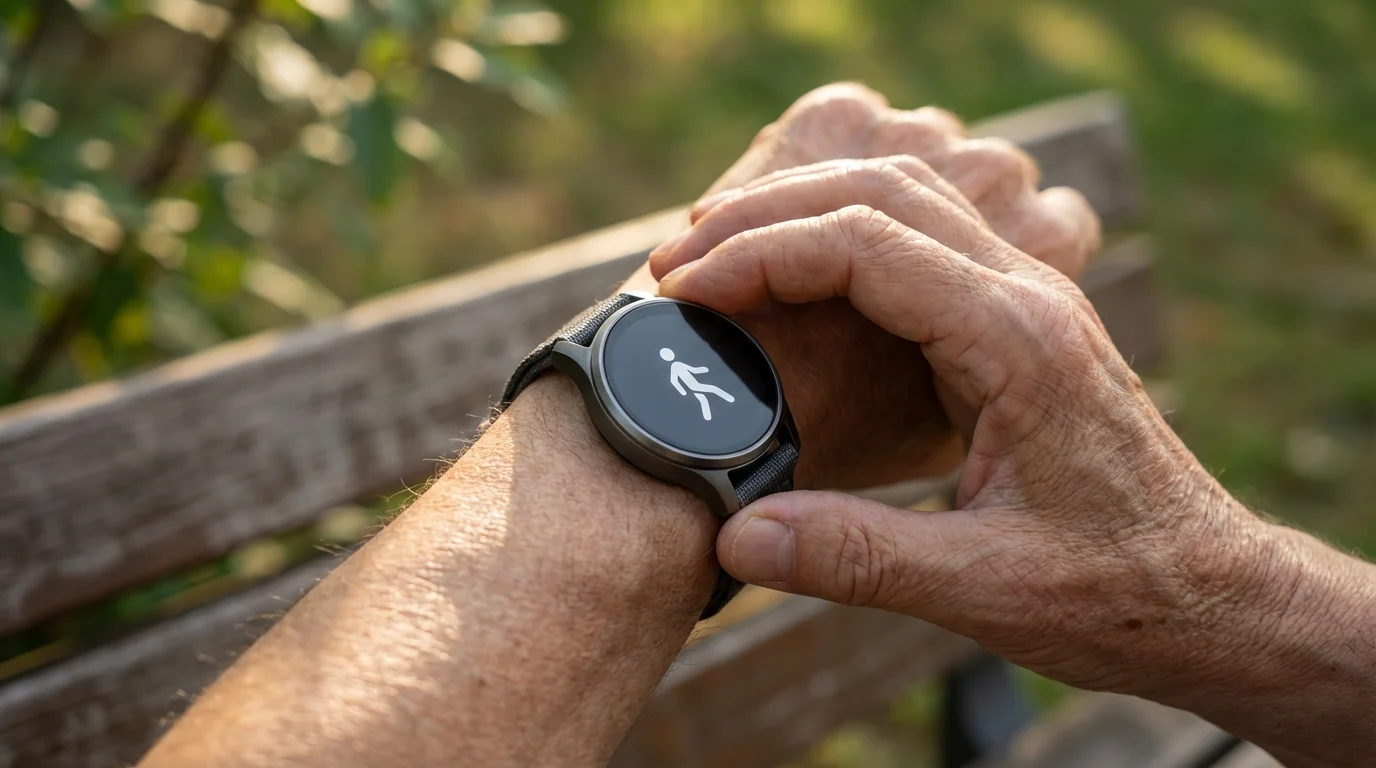
- Track Your Progress: Bill, of course, loves his fitness tracker to monitor his steps, distance, and calories burned. I just like knowing I’m doing something good for myself, but seeing the numbers can be a nice little boost!
Essential Gear and Safety Tips for Walkers
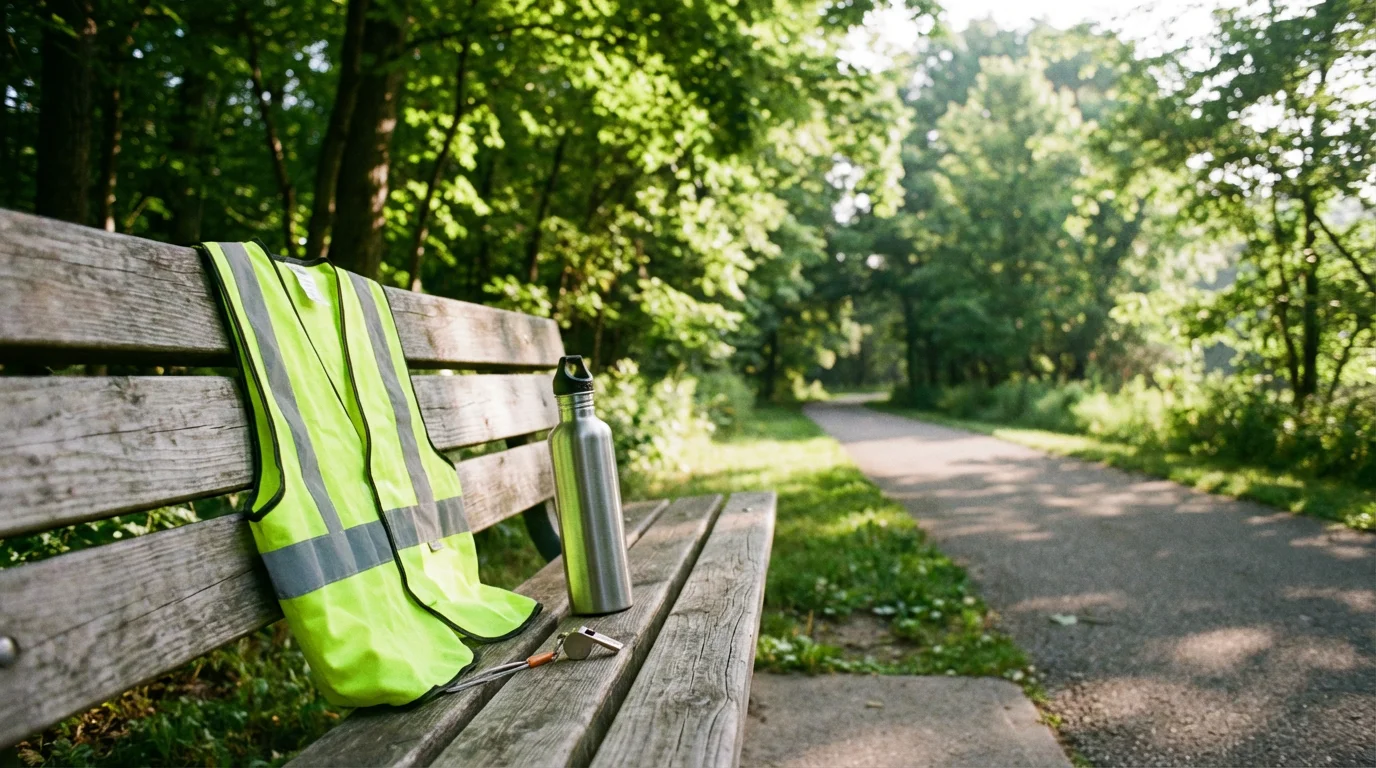
While walking requires minimal equipment, having the right gear enhances comfort and safety. I learned quickly what works best in the Florida sunshine compared to those chilly Ohio mornings.
Prioritizing safety ensures you can enjoy your walks with peace of mind. Investing in a few key items makes a significant difference in your walking experience.
What to Wear and Bring
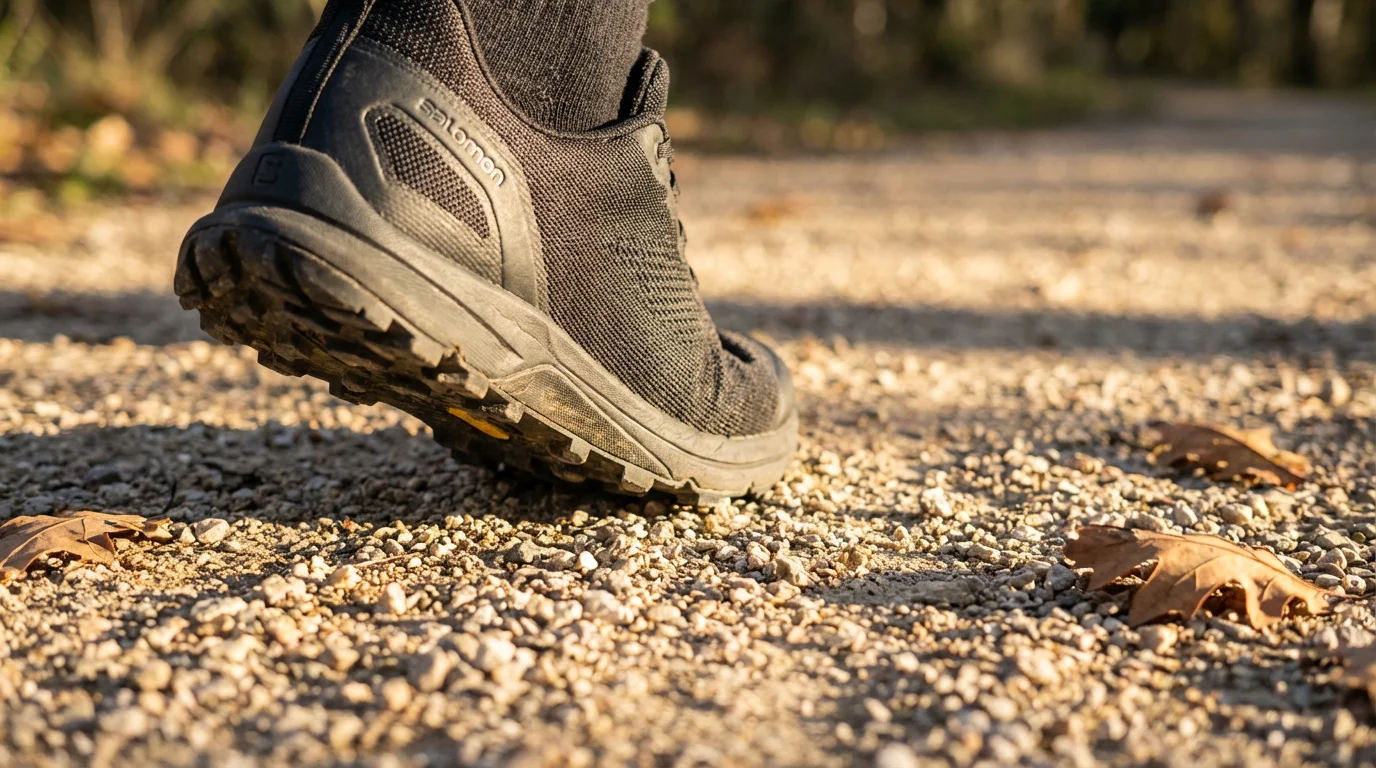
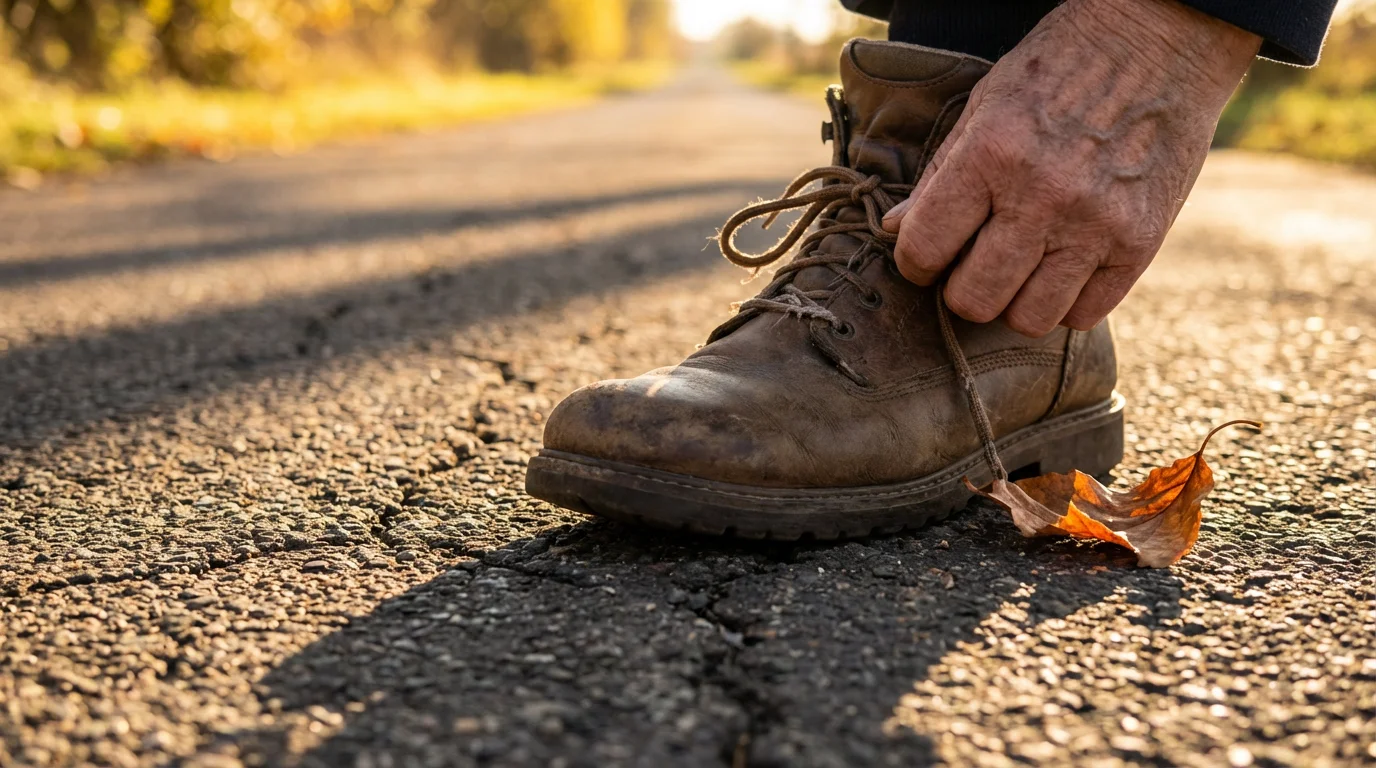
- Comfortable Shoes: Wear supportive athletic shoes designed for walking. Ensure they fit well, provide good cushioning, and offer a non-slip sole. Replace shoes every 300-500 miles or every six months, whichever comes first. I learned quickly that good shoes are a must, especially when I’m walking around Hawthorn Ridge.
- Layered Clothing: Dress in layers that you can easily add or remove. Choose moisture-wicking fabrics to stay dry and comfortable. Bright colors are excellent for visibility. Here in Florida, it’s less about layers for warmth and more about breathable fabrics!
- Hydration: Carry a water bottle, especially for walks longer than 30 minutes or in warm weather. Staying hydrated prevents fatigue and maintains energy levels. You absolutely cannot forget your water in the Florida sun!
- Sun Protection: Apply sunscreen, wear a wide-brimmed hat, and use sunglasses to protect yourself from the sun’s rays, even on cloudy days. My skin isn’t as forgiving as it used to be, so I’m very careful about sun protection now.
Prioritizing Your Safety
Safety considerations are paramount for any exercise. Being aware of your surroundings and taking precautions helps prevent accidents, and that’s especially true when you’re exploring a new place like I was.
- Walk During Daylight: Whenever possible, walk during daylight hours when visibility is best. If walking in low light, wear reflective clothing and carry a light.
- Stay Aware: Pay attention to your surroundings. Avoid distractions like your phone. Be mindful of traffic, uneven surfaces, and potential hazards.
- Tell Someone Your Route: I always tell one of my “Florida family” friends where I’m headed and when I expect to be back, especially if I walk alone. It’s just a good habit to get into.
- Carry Identification: Always carry some form of identification and emergency contact information. A small medical alert card can also be beneficial.
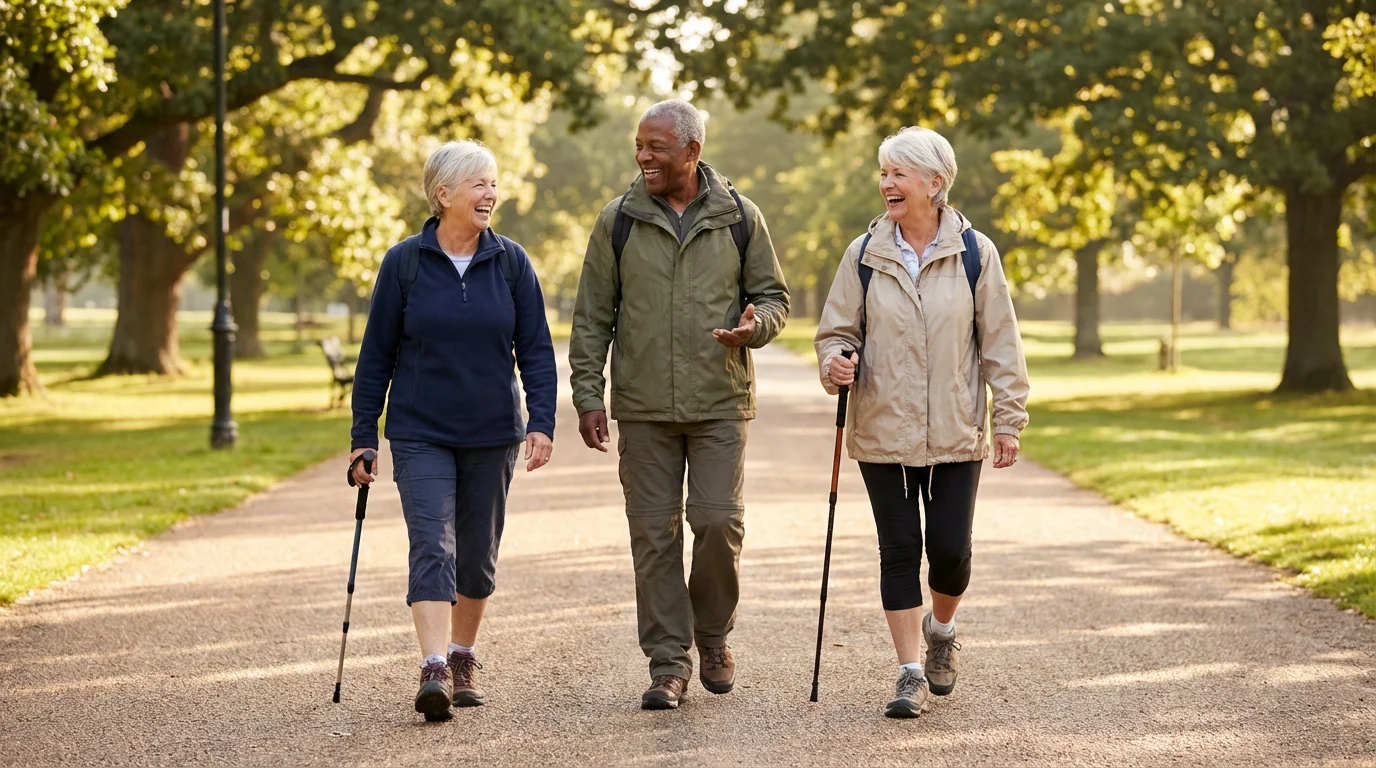
- Consider a Walking Buddy: Walking with a friend or in a group enhances safety and provides social engagement. This is actually how I met Carol and Sue, two of my closest friends here!
- Listen to Your Body: Do not overdo it. If you feel dizzy, faint, or experience chest pain, stop walking immediately and seek assistance.
Making Walking Enjoyable and Social
Walking does not have to be a solitary or monotonous activity. I’ve found that transforming my walks into engaging and enriching experiences has been key to truly enjoying retirement here.
Adding elements of enjoyment and social connection enhances motivation and makes your routine more sustainable. Connecting with others through shared activities has certainly helped me find renewed purpose and belonging here in Sarasota.
Tips for Adding Joy to Your Walks
- Explore New Routes: Break free from routine by exploring different parks, neighborhoods, or trails. New scenery keeps your walks fresh and exciting. Exploring new paths around Sarasota has been such a joy, so different from my familiar routes in Columbus.
- Listen to Audio: Enjoy podcasts, audiobooks, or your favorite music. This can make the time fly by and provide mental stimulation. Sometimes I listen to an audiobook, other times I just listen to the birds and the sounds of the community.
- Practice Mindfulness: Use your walk as an opportunity to practice mindfulness. Notice the sounds, sights, and smells around you. Appreciate nature’s beauty. It’s a wonderful way to just *be* in the moment, something I’m trying to do more of since retirement.
- Set Personal Challenges: Aim for a specific number of steps each day or week, or plan to walk a local charity 5K. These goals provide motivation, though I leave the intense step counting to Bill and his spreadsheets!
Connect Through Walking
Walking offers a fantastic way to foster social connections, combating loneliness and enhancing your sense of community. Shared experiences strengthen bonds and provide mutual encouragement.
This was so important for me when we first moved.
- Join a Walking Group: Look for local walking clubs or groups at senior centers. Many communities, like Hawthorn Ridge, have organized walks that cater to various fitness levels. This is how I really started to feel like Hawthorn Ridge was home.
- Walk with Friends or Family: Invite loved ones to join you. It is a wonderful way to spend quality time together while staying active. When Karen and the grandkids visit from Cincinnati, we love walking to the community park together.
- Volunteer for Walking Events: Participate in charity walks or help organize local walking initiatives. This combines physical activity with giving back to your community.
Overcoming Challenges and Staying Motivated
Even with the best intentions, you might encounter obstacles that challenge your walking routine. Weather, lack of motivation, or minor setbacks are common.
I know I had plenty of days like that, especially in that first year after our move when I was still adjusting. However, with proactive strategies and a positive mindset, you can overcome these hurdles and maintain your commitment to an active lifestyle.
Tackling Common Obstacles
- Bad Weather: Do not let rain or extreme temperatures derail your efforts. Consider walking indoors at a mall, community center track, or even using a treadmill. Adjust your clothing for colder or warmer weather conditions. I remember those cold Ohio winters, but here in Florida, it’s usually the heat and humidity that’s the challenge!
- Lack of Motivation: Oh, I had plenty of days like that, especially in that first year. If you feel unmotivated, revisit your reasons for walking. Remind yourself of the health benefits and the positive impact on your well-being. Try varying your route, listening to a new podcast, or inviting a friend to join you.
- Plateaus: If your progress seems to stall, change up your routine. Add short bursts of faster walking, incorporate hills, or increase your overall distance. Sometimes, simply taking a rest day can recharge your enthusiasm.
- Minor Aches and Pains: Differentiate between muscle fatigue and actual pain. If you experience discomfort, rest, stretch, and ensure your footwear is still supportive. My knees aren’t what they used to be, so I’m very careful about listening to them. Consult your doctor if pain persists.
Strategies for Long-Term Motivation
Maintaining long-term motivation is key to making walking a lasting habit. Celebrate your successes and view challenges as temporary setbacks, not failures.
- Set Realistic Goals: Aim for achievable goals that you can build upon. Small victories lead to sustained motivation.
- Reward Yourself: Acknowledge your milestones with non-food rewards, like a new book, a massage, or a fun outing.
- Stay Flexible: Life happens. If you miss a walk, simply get back on track the next day. Do not let one missed session derail your entire routine.
- Focus on How You Feel: Pay attention to the increased energy, better sleep, and improved mood that walking brings. These internal rewards are powerful motivators. For me, feeling better and more at peace with our new life was the best reward.
- Connect with a Purpose: Walk for a cause, train for a fun run, or simply walk to explore and enjoy nature. Giving your walks a purpose can significantly boost your enthusiasm.
Beyond the Pavement: Expanding Your Walking Horizons
Walking offers a foundation for much more than just a routine stroll. I’ve found that I can leverage my improved fitness to explore new environments and activities, enriching my retirement years here in Florida.
Think of walking as your gateway to a world of adventure and continued growth, so different from the familiar streets of Columbus.
If you are looking to take your routine into nature, exploring hiking trails can provide a more adventurous way to stay fit.
Discovering New Walking Experiences
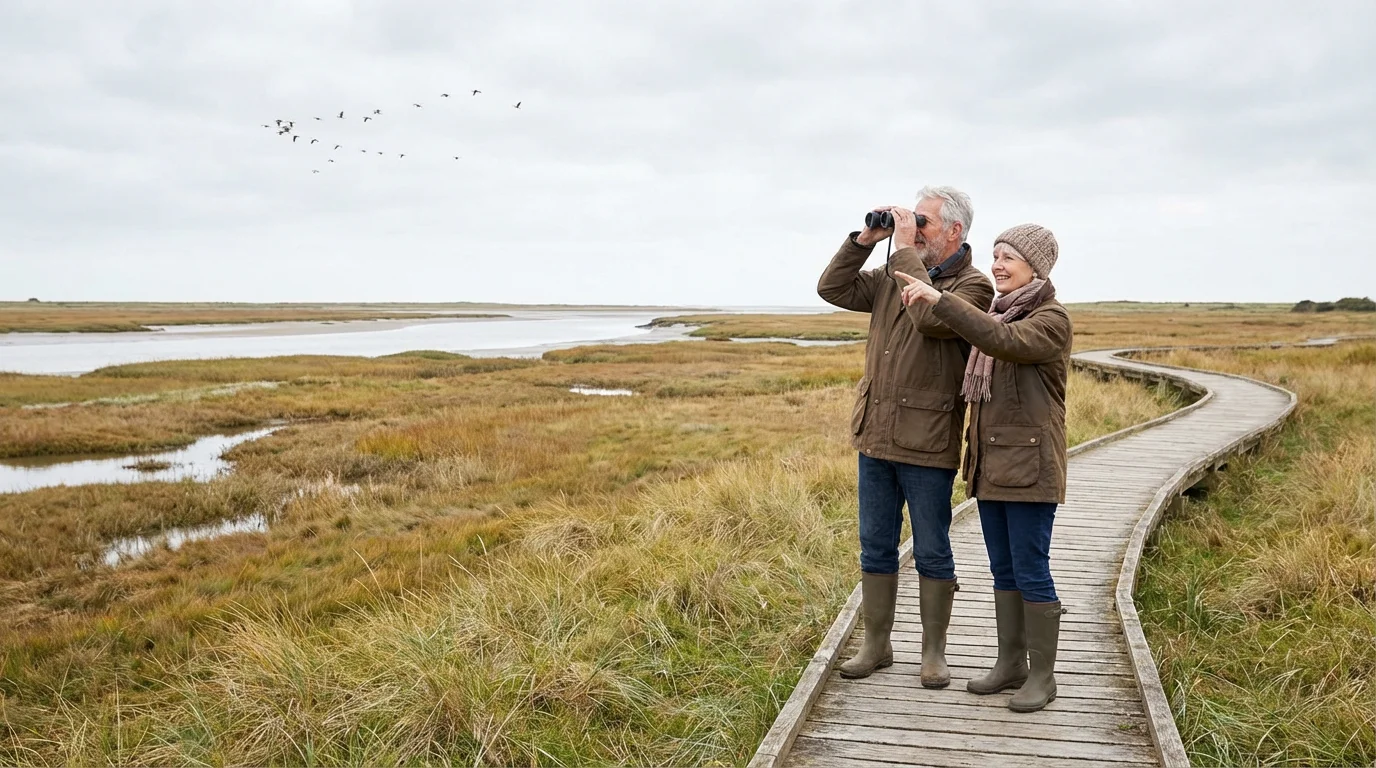
- Nature Trails and Parks: Explore local, state, or national parks. Many offer well-maintained trails suitable for various abilities. Immerse yourself in nature’s beauty. There are so many beautiful places to explore here in Florida, so different from my beloved garden in Columbus.
- Urban Exploration: Discover hidden gems in your own city or nearby towns. Walking allows you to notice details you might miss from a car. Bill and I love to just wander around downtown Sarasota and see what we find. Join historical walking tours.
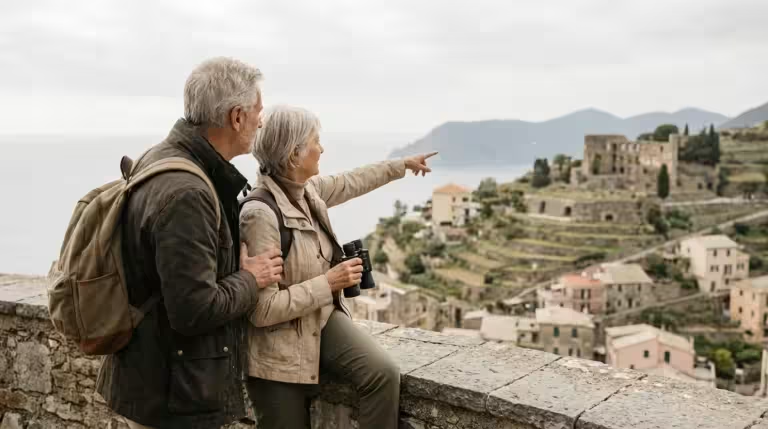
- Destination Walking: Plan trips around walking opportunities, such as exploring European cities on foot or hiking scenic coastal paths. Organizations like Road Scholar offer educational walking adventures tailored for seniors.
- Walking Sports: Consider activities like pickleball, golf, or disc golf, where walking is an integral part of the game. These offer exercise combined with strategy and social interaction. Bill is absolutely obsessed with pickleball, and I love watching him!
Lifelong Learning on Foot
Combine your walking routine with opportunities for mental stimulation and lifelong learning. Your walks can become mobile classrooms or creative spaces.
- Audio-Guided Tours: Many apps offer audio tours of historical sites or natural areas, providing context and information as you walk.
- Photography Walks: Bring a camera and capture the beauty you discover. This adds an artistic dimension to your walks. Sometimes I’ll take a photo on my walk to inspire my (not-very-good) watercolor painting.
- Nature Journaling: Carry a small notebook to jot down observations about plants, birds, or other natural elements you encounter. It’s a lovely way to reflect and appreciate the world around you.
Frequently Asked Questions
How much walking should a senior aim for daily?
My doctor always told me that aiming for at least 150 minutes of moderate-intensity aerobic activity, like brisk walking, per week is a great goal. That usually breaks down into 30 minutes, five days a week.
If you’re just starting out, begin with shorter walks and gradually increase your duration and frequency. Most importantly, listen to your body and build up gradually.
What is the difference between moderate and vigorous walking?
I think of moderate-intensity walking as when I can chat comfortably with a friend but can’t quite sing a whole song without catching my breath.
Your heart rate is up, and you’re breathing harder than usual, but you’re not completely out of breath. Vigorous walking is much more intense, making it hard to say more than a few words.
For most of us, moderate-intensity walking gives us wonderful benefits without too much strain.
Can walking help with joint pain or arthritis?
Yes, regular, moderate walking has certainly helped me with my joints! It strengthens the muscles around your joints, improves flexibility, and helps lubricate cartilage without excessive impact.
If you have significant joint pain, start with short, gentle walks on flat surfaces and always consult your doctor or a physical therapist for personalized advice.
What if I have balance issues or a fear of falling?
I remember feeling a little unsteady when I first started walking more in our new community. If you have balance concerns, start by walking in a safe, controlled environment, such as indoors or on very flat, even surfaces.
Consider using a walking aid like a cane or poles for added stability. Walking with a friend or in a group can also provide confidence, and it’s a wonderful way to meet people!
Regular walking naturally improves balance over time by strengthening core and leg muscles. The National Council on Aging (NCOA) offers excellent resources on falls prevention.
Always discuss these concerns with your doctor.
Are there any specific warm-up or cool-down exercises I should do?
Yes, a brief warm-up and cool-down are really beneficial. Before your walk, spend 5 minutes walking at a slow pace, then do some dynamic stretches like leg swings or arm circles.
After your walk, cool down with another 5 minutes of slow walking, followed by gentle static stretches, holding each stretch for 20-30 seconds. I like to focus on stretching my hamstrings, calves, and quadriceps.
Walking is truly a powerful tool we possess for an energetic and fulfilling retirement. It’s simple, effective, and readily available, offering profound benefits for your physical, mental, and social health.
I can honestly say it helped me through a challenging transition and led me to truly love our new life here in Sarasota. So, start today, take that first step, and experience the transformative power of walking.
Your journey to a more active, engaged, and healthier retirement begins with you.
Disclaimer: This article is for informational purposes only and does not constitute medical advice.
Before starting any new exercise program or making significant changes to your activity level, please consult with your healthcare provider, especially if you have chronic health conditions or concerns about physical limitations.