Oh, retirement! It’s a whole new chapter, isn’t it?
When Bill first started talking about it, I mostly pictured lazy mornings and maybe finally getting around to organizing all those photo albums. But what I’ve found, truly, is an incredible opportunity for growth, connection, and finding a new kind of purpose.
While I certainly enjoy my quiet moments – and my Sunday morning baking! – I’ve discovered a deep desire to stay engaged and contribute.
And let me tell you, lending a hand right here in our 55+ community, or even in the wider Sarasota area, has been such a powerful way to make that happen.
Embracing an active retirement lifestyle is all about finding the perfect mix of hobbies, new adventures, and meaningful service.
You know, for a while there, after we sold our 2,400 sq ft colonial on Elmwood Drive in Columbus, I felt a little lost.
I missed my garden, I missed my routine, and frankly, I missed feeling *needed* in the same way I had as an elementary school librarian for 36 years.
But by giving my time and talents, even in small ways, I’ve found that I can truly enrich not just my own life, but the lives of those around me.
This guide isn’t just about volunteering; it’s about finding that spark again, that meaningful way to give back and truly thrive in this wonderful, sometimes surprising, new phase of life.
In this guide8 sections
- The Powerful Benefits of Volunteering for Us
- Finding Your Purpose: Diverse Volunteer Opportunities in 55+ Communities
- Matching Your Skills and Interests to Volunteer Roles
- Navigating the Volunteer Landscape: Where to Look
- Beyond Formal Roles: Everyday Acts of Community Service
- Making a Difference Together: Intergenerational Volunteering
- Overcoming Challenges and Maximizing Your Impact
- Frequently Asked Questions
The Powerful Benefits of Volunteering for Us
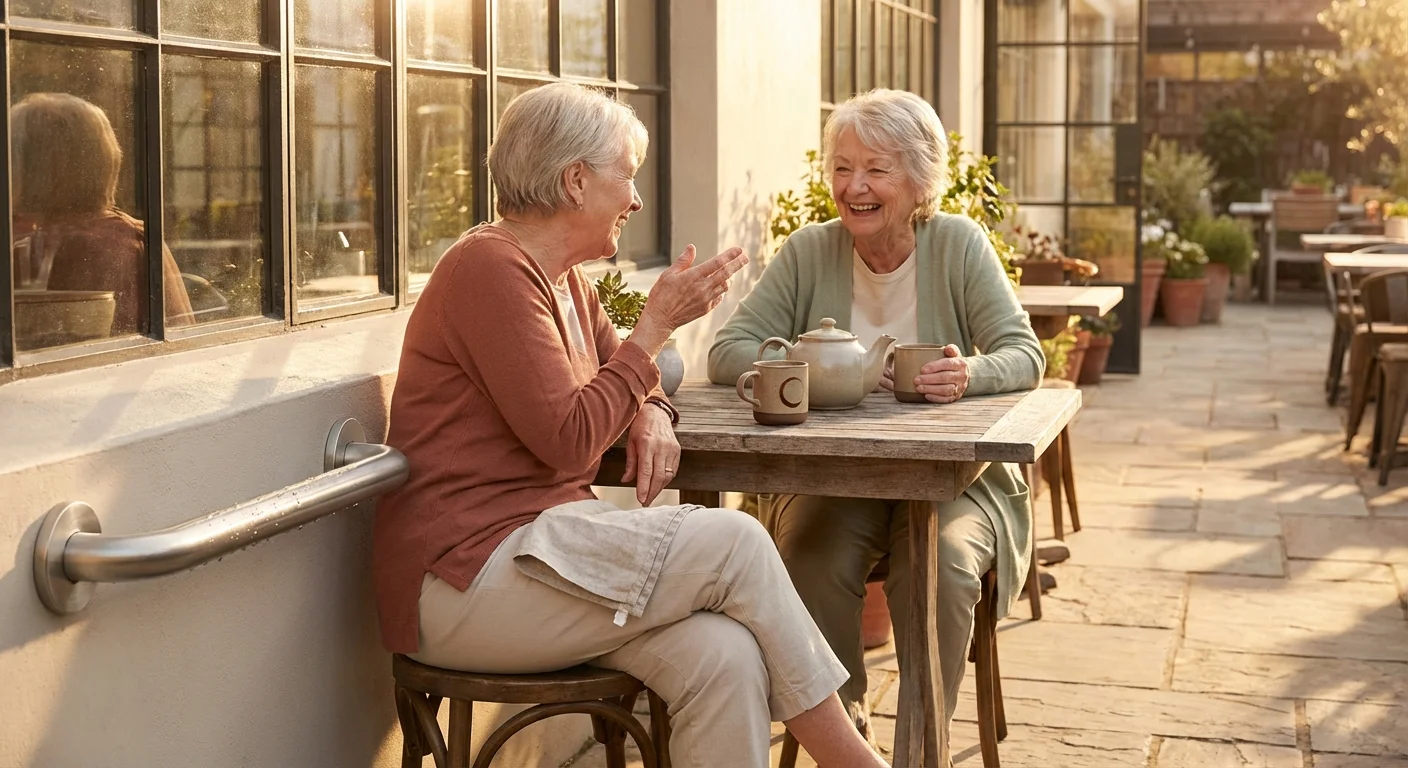
Oh, the things I’ve learned since retiring! Volunteering, I’ve discovered, offers a treasure trove of advantages for people our age.
It goes so much further than just helping out; it really nourishes your physical, mental, and social well-being.
Ensuring a high level of safety and security in 55+ communities starts with these daily connections and looking out for one another.
Focusing on staying social in retirement has shown me how vital it is to cultivate strong personal networks during this transition.
I know it sounds a bit like something Bill would pull from a research paper – he’s always got his studies and data – but there really is a strong connection between volunteering and feeling better overall. I’ve noticed it in myself.
After those first few months of adjusting to Hawthorn Ridge, when I was feeling a bit adrift without my old routine, getting involved helped so much. I didn’t realize how much I missed that sense of purpose.
It truly does help with stress and just generally keeps your spirits up. And, of course, staying active, even if it’s just walking around helping at a community event, helps keep me moving.
And the connections! That’s been the biggest gift for me.
When we first moved, even though I’m the one who talks to strangers at the pool, it was still a big change. I’d left behind 44 years of friendships in Columbus.
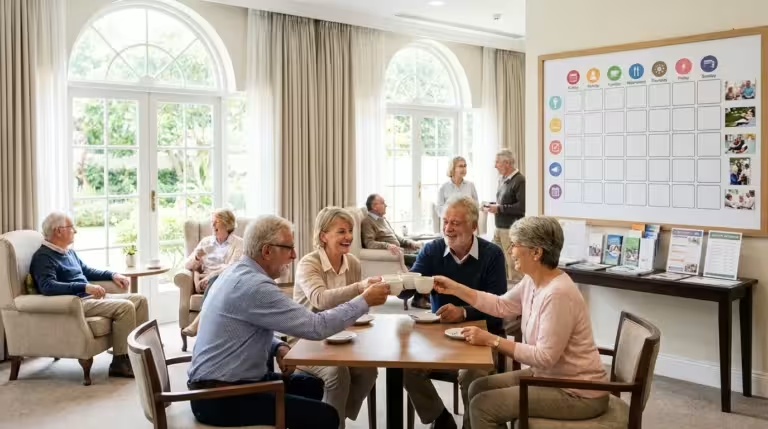
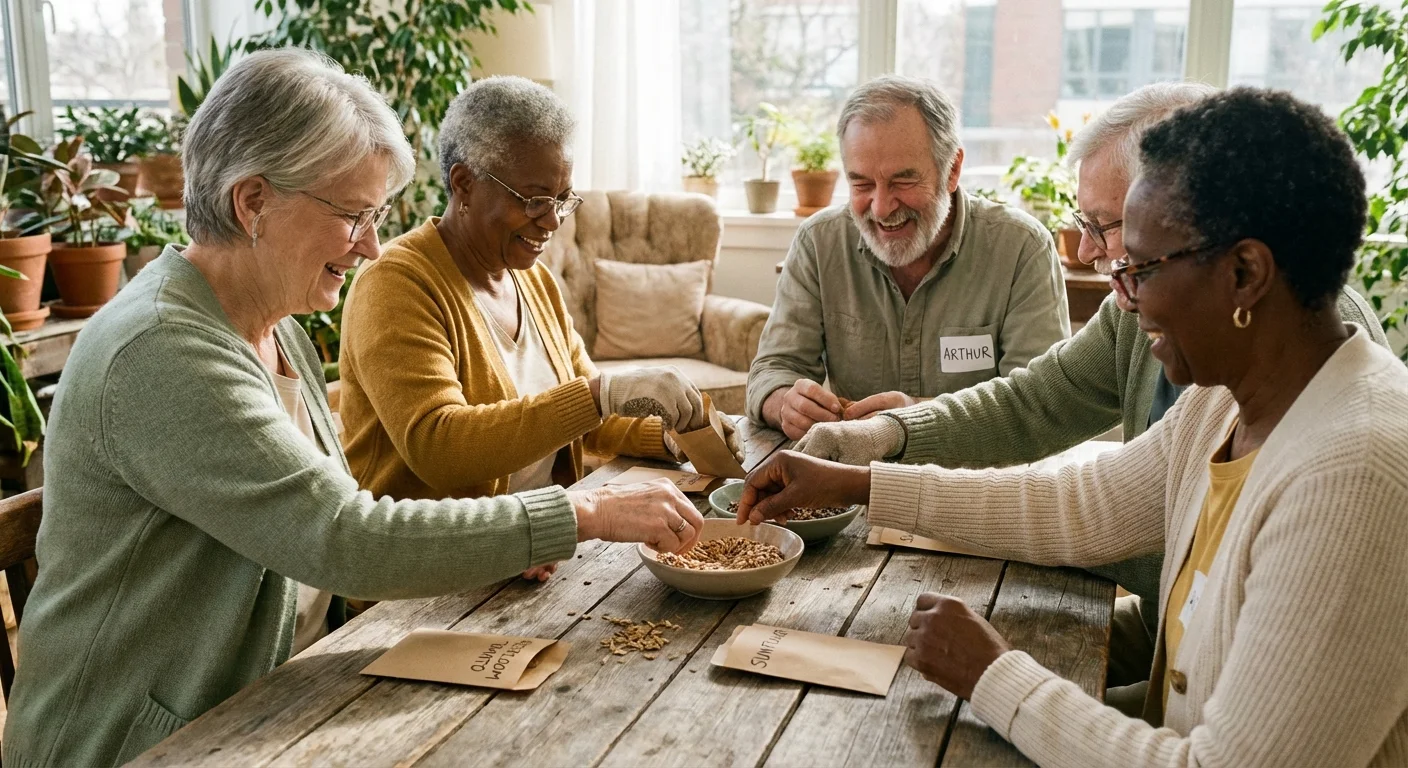
Volunteering here gave me a wonderful way to meet new people who shared my interests. It’s how I found my “Florida family” – my three genuine friends here.
We’ve all bonded over helping out, and it makes such a difference in combating that feeling of loneliness that can sometimes creep in when your social circles shift.
The CDC talks about it, and I’ve certainly seen how important it is to keep those connections strong.
For me, volunteering has also given me that renewed sense of purpose I mentioned. As a librarian, I loved helping children discover new worlds, and I missed that feeling of contributing.
Now, whether it’s helping organize a book swap or just welcoming a new resident, I get that feeling of accomplishment again. It’s knowing you make a tangible difference, and that really does boost your self-esteem and makes you feel good about life.
“Good neighbors are the best security system.”
Plus, it’s a chance to keep learning! I’ve always loved learning new things, and volunteering lets me explore different areas, pick up new skills, or just understand our community better.
It keeps your mind sharp and your spirit vibrant, which is something I cherish.
Finding Your Purpose: Diverse Volunteer Opportunities in 55+ Communities
You know, when Bill was researching 55+ communities for those two full years, he had his comparison matrix with 14 variables, all very practical.
What he couldn’t put on a spreadsheet, though, was the incredible sense of community and all the ways to get involved once you’re here.
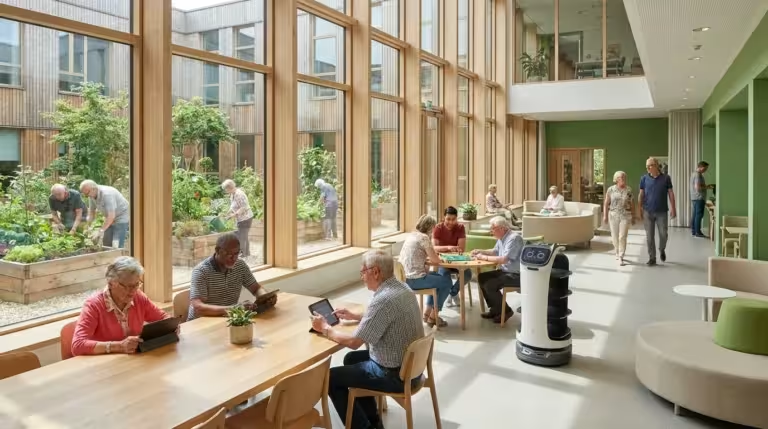
Hawthorn Ridge, like many places, is just bursting with opportunities to lend a hand, both inside our gates and out in Sarasota.
I’ve always believed that volunteering in retirement communities not only improves the neighborhood but keeps us deeply connected to our peers.
Right here in our own community, there are so many ways to help make life better for everyone. These are the things that really shape the vibrant atmosphere we all enjoy.
For example, my friend Carol, one of my “Florida family,” serves on the social events committee, and she’s always coming up with fun new ideas for our holiday celebrations. It’s amazing what people do!
Here are some of the ways you can get involved right where you live:
- Serving on the Resident Association board or various committees, like the landscaping committee (I still miss my garden, so I always appreciate seeing our beautiful grounds), social events, or even finance (Bill would love that one!).
- Being a welcoming face for new residents and helping them get settled. I remember how much I appreciated the friendly faces when we first arrived!
- Organizing or leading clubs – we have everything from book clubs (my kind of people!) and bridge groups to hiking clubs and craft circles.
- Assisting with community events, holiday celebrations, or educational workshops.
- Contributing to our community newsletter, which is a lovely way to keep up with everything.
- Mentoring new residents on navigating community resources or local attractions.
And then there’s the wider world! Countless organizations outside our community are always looking for volunteers.
Bill, for example, plays pickleball four mornings a week, but on Thursdays, he volunteers at a local food bank. It’s a wonderful way to connect with the larger community and support causes that matter to you.
You might consider:
- Healthcare: Hospitals, nursing homes, and hospice programs often need volunteers for patient support, administrative tasks, or visiting.
- Education: Schools, libraries, and adult literacy programs value volunteers for tutoring, reading to children, or assisting with classroom activities. As a former librarian, this is close to my heart!
- Social Services: Food banks, shelters, and senior centers constantly seek help with meal delivery, administrative support, or companionship programs.
- Arts and Culture: Museums, theaters, and historical societies often need docents, ushers, or administrative assistants.
- Environment: Local parks, nature preserves, and community gardens welcome volunteers for planting, maintenance, or educational programs.
The wonderful thing is that there’s such a variety, you truly can find something that resonates with your passions and fits into your new schedule.
Whether you like a quiet, behind-the-scenes role or love being social like me, there’s absolutely a place for you.

Matching Your Skills and Interests to Volunteer Roles
When I first retired, I wasn’t sure how my skills as an elementary school librarian would translate into this new phase of life.
But I’ve learned that the most fulfilling volunteer experiences come from simply looking at what you love to do, what you’ve done your whole life, and what truly brings you joy.
You have a lifetime of knowledge and abilities, and believe me, they are all valuable to some organization or another!
While some choose to stay close to home, others find that combining volunteer opportunities with senior travel allows them to explore the world while helping others.
For instance, if you appreciate the joy of birdwatching, you might volunteer to lead nature walks at a local preserve.
Take a moment, maybe with a cup of coffee and one of my Sunday morning muffins, and think about it. What did you really enjoy about your career?
What hobbies do you pursue now? For me, I loved organizing books and helping children find the perfect story.
Now, I might not be in a school library, but I can still help organize a community book exchange or even help a friend declutter their overflowing bookshelf.
And my new hobby, watercolor painting (I’m not good at it, and I truly don’t care!), has opened up conversations with other creative folks here.
Let me give you some ideas:
- If you worked in finance or accounting, like Bill’s meticulous management of our finances (which I lovingly call “a level of detail that belongs in a NASA mission”), you could help a non-profit with their bookkeeping.
- Former educators, like myself, could tutor children, lead adult learning classes, or help organize educational programs right here in our community.
- If you have a knack for marketing or communications, you might help a local charity with their outreach or social media.
- Passionate gardeners, like I used to be in Columbus, can volunteer to maintain community green spaces or lead a gardening club.
- If you enjoy crafts or hobbies, you might teach a class, organize a craft fair, or even create handmade items for charity.
Don’t ever feel limited by your professional past, though. Your personal interests are just as important.
I love animals, so I’ve thought about volunteering at the local animal shelter. If you love reading, a library or school is a natural fit.
The key is finding something that truly excites you and makes you feel good about your contribution.
And remember, not every impactful role requires you to be the life of the party! I know some friends who are more on the quiet side, and they still make a huge difference.
Many organizations need help with administrative tasks, data entry, research, writing, or organizing materials. These roles let you contribute meaningfully without constant interaction, respecting your energy levels and preferences.
It’s all about finding *your* right fit.
Navigating the Volunteer Landscape: Where to Look
Once you’ve got a handle on what you’re interested in, the next step is finding where to put those interests to good use.
Our 55+ community is usually a fantastic place to start, but there are so many resources out there, both big and small, that I wanted to share a few of the ways I’ve learned about opportunities.
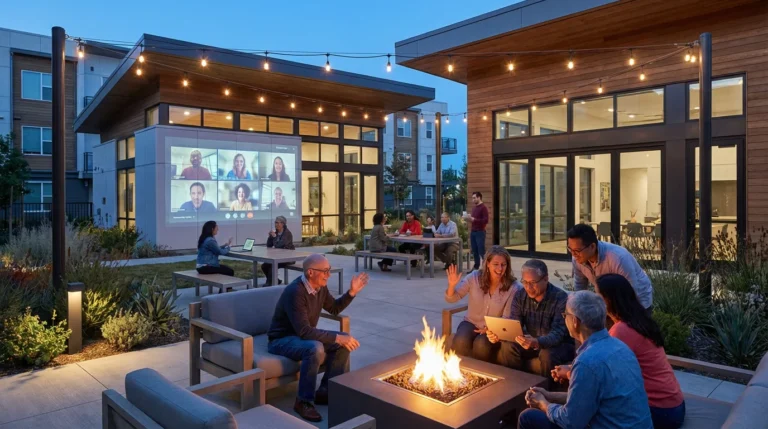
With more opportunities moving online, understanding the role of technology in community living can really open up new digital avenues for service.
Bill, of course, would tell you to start with a spreadsheet. But I prefer a more, shall we say, *conversational* approach!
Here are some practical steps you can take:
- Talk to your community’s activity director or resident services: Our activity director here at Hawthorn Ridge knows everything! They usually have a comprehensive understanding of what’s needed internally and can even connect you with local external organizations.
- Check community bulletin boards and newsletters: I always skim our community newsletter; it’s where I first saw the call for volunteers for our annual holiday bazaar.
- Speak with fellow residents: This is my favorite way! Word of mouth is incredibly powerful. My neighbors here, my “Florida family,” are always sharing what they’re involved in. It’s how I learned about the local library needing storybook readers.
- Contact local non-profit organizations directly: If there’s a specific cause or charity that tugs at your heartstrings, just reach out to them. They usually have wonderful volunteer coordinators.
- Visit local senior centers: These centers are often buzzing with volunteer programs and can connect you with all sorts of community needs.
- Explore online volunteer matching platforms: Bill would love this one! Websites dedicated to volunteerism can help you search based on your location, interests, and availability. Resources like the National Council on Aging (NCOA) offer general aging resources that can sometimes point to volunteer initiatives.
- Attend local volunteer fairs: Many cities host events where different organizations gather to recruit volunteers. It’s a great way to learn about diverse options all in one place.
Don’t feel like you have to jump into a huge commitment right away. Starting small, maybe with a few hours a month, can feel less daunting.
You can always increase your involvement once you feel comfortable and are enjoying the experience. The main goal, I think, is to find a role that truly fits your new lifestyle and brings you joy.
Beyond Formal Roles: Everyday Acts of Community Service
You know, when I first started thinking about “volunteering,” I pictured myself in some official uniform, signing up for shifts. But I’ve learned that giving back doesn’t always mean committing to a formal program.
Sometimes, the most valuable contributions come from the simple, everyday acts of kindness that truly strengthen the fabric of our community. These are the things that make Hawthorn Ridge feel like home, not just a collection of houses.
I try to do these little things without even thinking about it.
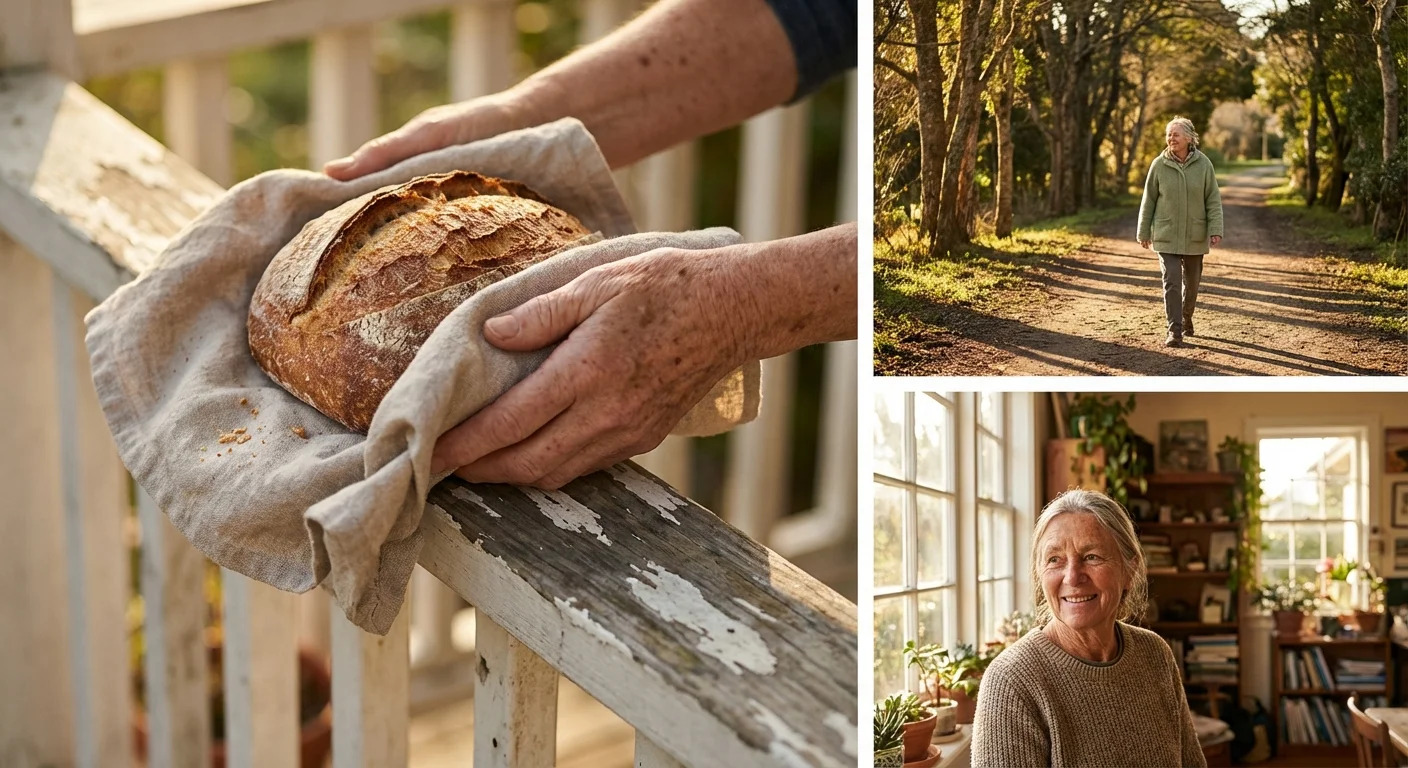
Like when I’m baking on Sunday mornings, I’ll often make an extra loaf of banana bread to take to a new neighbor or someone I know might be feeling a little under the weather.
It’s not a formal “meal delivery service,” but it means the world to them!
Consider these simple, yet impactful, ways to contribute:
- Checking on neighbors: A friendly visit, a quick phone call, or an offer to pick up groceries for someone who may be less mobile makes a huge difference.
- Sharing your skills: Offer to teach a neighbor a new hobby (maybe even watercolor, though I’m no expert!), help someone troubleshoot a tech issue, or share gardening tips for a flourishing community plot.
- Organizing an informal gathering: A potluck, a game night, or a coffee morning (I’m always up for coffee!) can bring residents together and build camaraderie.
- Helping with small tasks: Offering to water plants for a traveling neighbor, collecting mail, or assisting with a small repair can be incredibly valuable.
- Sharing knowledge: If you have expertise in a particular area, offer to give a casual talk or lead a discussion group for interested residents.
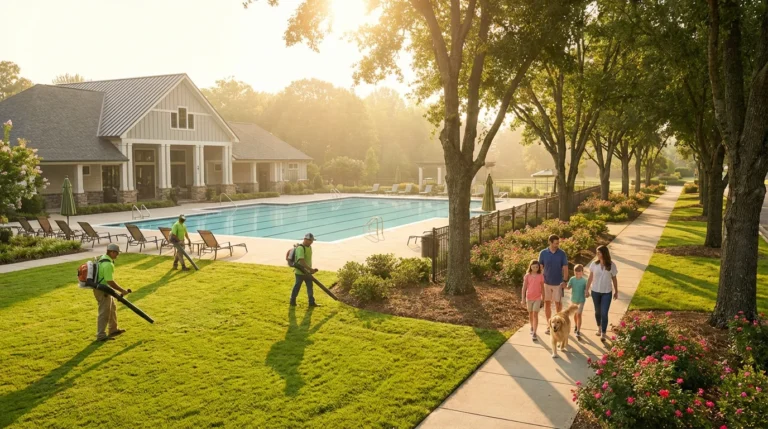
- Maintaining shared spaces: Picking up stray litter, reporting a maintenance issue, or simply taking pride in the appearance of common areas contributes to everyone’s enjoyment.
These spontaneous acts truly create such a supportive and caring environment. They show that you value your neighbors and your shared living space.
Even seemingly small gestures contribute to a richer, more connected community experience for everyone. We’re not just living in a community here; we’re actively helping to build it, one friendly interaction at a time.
Making a Difference Together: Intergenerational Volunteering
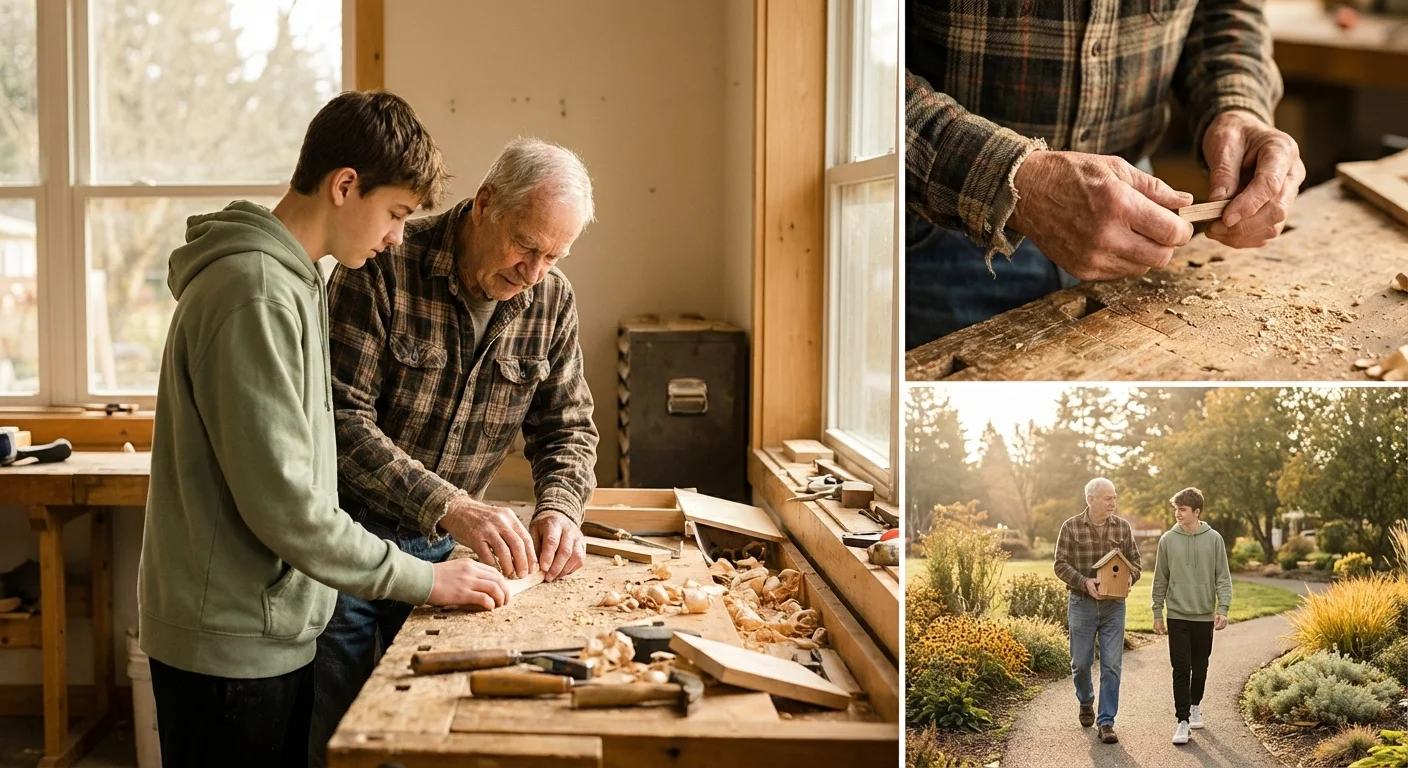
Oh, this is one of my absolute favorites! You know, when our daughter Karen said, “Mom, the grandkids want YOU, not the house,” it was a real turning point for me about moving.
And it really highlighted how important those connections are between different generations. Volunteering alongside or for younger people offers so many benefits to everyone involved.
It enriches our perspectives, lets us share what we’ve learned, and just strengthens our whole community.
I just adore my grandchildren, Lily and Noah, and getting to spend time with them is the best. But even beyond my own family, engaging with younger people through volunteer work is such an invaluable opportunity to share your wisdom and life experiences.
We can offer guidance and support that’s different from what they might get from their parents or teachers. And honestly, the younger folks bring so much fresh energy and new ideas – sometimes they even teach me about technology, which Bill finds endlessly amusing!
Here are some of the wonderful ways to connect across generations:
- Reading programs: Volunteer to read to children at local schools or libraries. As a former librarian, this is pure joy for me!
- Mentorship: Become a mentor for students, offering advice on academic pursuits or career paths.
- Tutoring: Help students with subjects like math, reading, or history.
- Shared projects: Participate in community garden projects, art initiatives, or environmental cleanups that involve people of all ages.
- Skill-sharing workshops: Teach younger generations a traditional craft, an instrument, or a life skill, while they might teach you about current technology or social media.
- Adopt-a-Grandparent programs: Many organizations pair people our age with children or teens who don’t have local grandparents, fostering truly meaningful relationships.
Organizations like Generations United do such important work championing these programs. I’ve seen firsthand how much they help bridge those generational gaps and build a stronger, more empathetic society.
We gain fresh perspectives and renewed energy, and the younger generation benefits so much from our invaluable experience and just, well, our presence.
Overcoming Challenges and Maximizing Your Impact
I remember those first three months after we moved to Hawthorn Ridge. It was an adjustment, to say the least.
Even though Bill had researched 55+ communities for two full years and built that comparison matrix, the emotional reality was still a lot to navigate. I was wrong to resist the move, and I’ll openly admit it now, though it took me a full year.
So, I understand completely that even with the best intentions, sometimes practical things or just a little bit of apprehension can get in the way of volunteering.
One common concern I hear from friends is about time. We retired to enjoy more freedom, right?
So, you might not want to commit to a super rigid schedule. The good news is, many volunteer roles are wonderfully flexible.
You can contribute just a few hours a week, a few times a month, or even on an as-needed basis. Always be clear about your availability right from the start.
You can always begin with something small, maybe a short-term project, and then increase your involvement if it feels right. That’s what I did when I first started helping with the community library here.
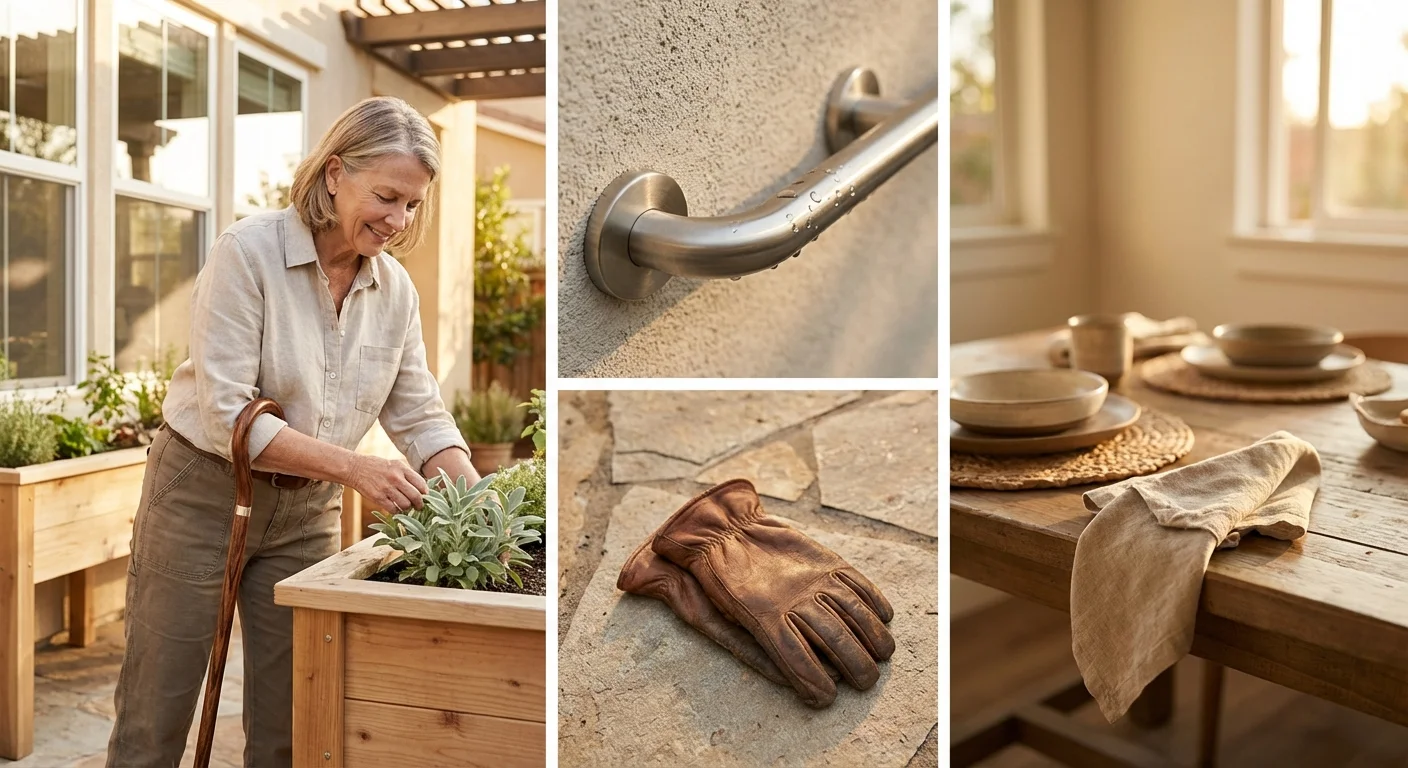
Physical limitations can also be a worry. If you have mobility issues or specific health concerns, you might think you won’t find anything suitable.
But trust me, there are so many opportunities that don’t require extensive physical exertion. Administrative tasks, phone calls, online support, or creative projects can all be done from a seated position or even from your home.
Be honest about what you can and can’t do, and the volunteer coordinator can almost always find a role that works for you. Don’t be afraid to ask for modifications!
And then there’s that little bit of shyness, or feeling unsure about meeting new people. This is a very common feeling, but remember that volunteering gives you a shared purpose, which makes those initial interactions so much easier.
You already have a common goal with your fellow volunteers or the people you’re serving. If it helps, start with roles that involve smaller groups or less direct interaction.
I’ve found that my confidence just grows naturally once I get immersed in the work.
To really make the most of your time and ensure it’s a positive experience, here are my tips:
- Be clear about your expectations: Understand what the role entails, how much time it will take, and if any training is needed.
- Communicate openly: If your availability changes, or if a role isn’t a good fit, talk it over with the volunteer coordinator.
- Embrace learning: Be open to new ideas, different ways of doing things, and expanding your skill set. That’s part of the fun of retirement!
- Connect with fellow volunteers: Building relationships with others who share your commitment can truly enhance your experience and provide wonderful support. It’s how I found my “Florida family”!
- Take pride in your contributions: Recognize the real difference you make, no matter how small an individual task might seem. It all adds up!
Volunteering should feel like an enriching experience, not a burden. By addressing any challenges and being proactive, you ensure your efforts bring you sustained joy and allow you to continue contributing to your community for years to come.
By year two here, Bill and I both agreed moving was the best decision of our retirement, and volunteering has been a huge part of why I feel that way.
Frequently Asked Questions
How much time should I commit to volunteering?
Oh, the time commitment varies so much, dear! Many organizations, especially here in 55+ communities, are really flexible.
It could be just a few hours a month, or maybe a couple of hours a week. The most important thing is to be honest about your availability upfront and choose something that comfortably fits into your new retirement schedule.
Remember, even a small amount of time can make a significant difference, and you can always adjust your commitment once you get a feel for it.
What if I am an introvert and prefer less social interaction?
Introverts absolutely have a wonderful place in volunteering! I have friends who prefer quieter tasks, and they contribute so much.
Many vital roles require focused, independent work rather than constant social engagement. Think about administrative support, data entry, writing, organizing resources, or even maintenance tasks behind the scenes.
Just clearly express your preferences to the volunteer coordinator; they can often match you with a role that respects your need for quiet and independent work.
Can I volunteer from home or remotely?
Yes, absolutely! Especially these days, there are many remote volunteering opportunities.
You can help organizations with things like writing, editing, graphic design, social media management, research, or even virtual tutoring. Check with local non-profits or national organizations to see if they offer virtual roles that you can perform comfortably from your own home.
It makes it so accessible, no matter your mobility or if you don’t want to drive.
Do I need specific skills or prior experience to volunteer?
Not always, not at all! While some specialized roles might benefit from particular skills, many volunteer positions simply need your enthusiasm, reliability, and a willingness to learn.
Organizations are usually happy to provide training for specific tasks. Your life experiences, general knowledge, and common sense are incredibly valuable assets.
Just focus on your interests and what you enjoy, and I bet you’ll find a rewarding match.
How do I find out about volunteer opportunities within my 55+ community?
Start right here at home! Contact your community’s activity director, resident services office, or resident association.
They usually manage all the internal volunteer programs and can connect you with committees, clubs, or events that need a helping hand. I always check our community bulletin boards and newsletters for announcements.
And honestly, just chatting with your neighbors, like I do at the pool, is often the best way to hear about what’s going on and how to get involved!
Volunteering in retirement truly allows you to continue growing, connecting, and making a tangible difference in the world around you. Your time and talents are invaluable assets, contributing not only to the well-being of others but also to your own fulfillment and vitality.
Embrace this wonderful opportunity to give back, stay active, and truly thrive in your community.
Disclaimer: This article is for informational purposes only. Community living options, amenities, and cultures vary significantly.
We encourage readers to visit communities in person, speak with current residents, and evaluate whether a community fits their unique needs and preferences.