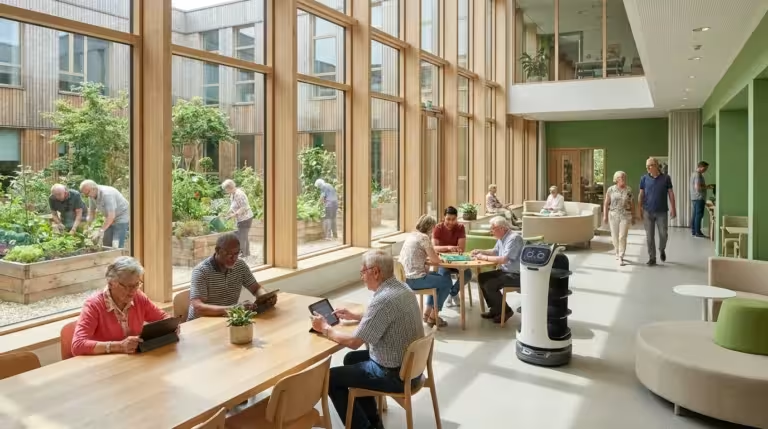

Retirement offers a remarkable opportunity for reinvention, exploration, and continued personal growth. Bill and I, like so many of you, envisioned our retirement as a time for relaxation, travel, and pursuing hobbies.
While those are certainly valuable aspects – and believe me, after 36 years as an elementary school librarian, I certainly earned some relaxation! – I’ve found that focusing on lifelong learning can truly transform your retirement years into an era of vibrant discovery, keeping your mind sharp and your spirit engaged.
For Bill and me, living in a 55+ active adult community like Hawthorn Ridge, educational opportunities really do lie at the heart of our new life here. They foster environments where curiosity thrives.
This commitment to continuous learning enriches our individual lives and strengthens the fabric of the community itself, creating a dynamic and stimulating place to call home.
Honestly, it’s one of the things that helped me adjust so much after we moved from our 2,400 sq ft colonial on Elmwood Drive in Columbus.
In this guide9 sections
- Beyond Relaxation: Why Continuous Learning Matters in Retirement
- The Profound Cognitive Benefits of Senior Education
- Cultivating Connection Through Shared Interests and Community Classes
- Diverse Educational Pathways in 55+ Communities
- Finding Your Niche: Clubs, Workshops, and Interest-Based Groups
- Making the Most of Your Community’s Learning Resources
- Tips for Engaging with Educational Opportunities
- Evaluating Communities for Learning-Rich Environments
- Frequently Asked Questions
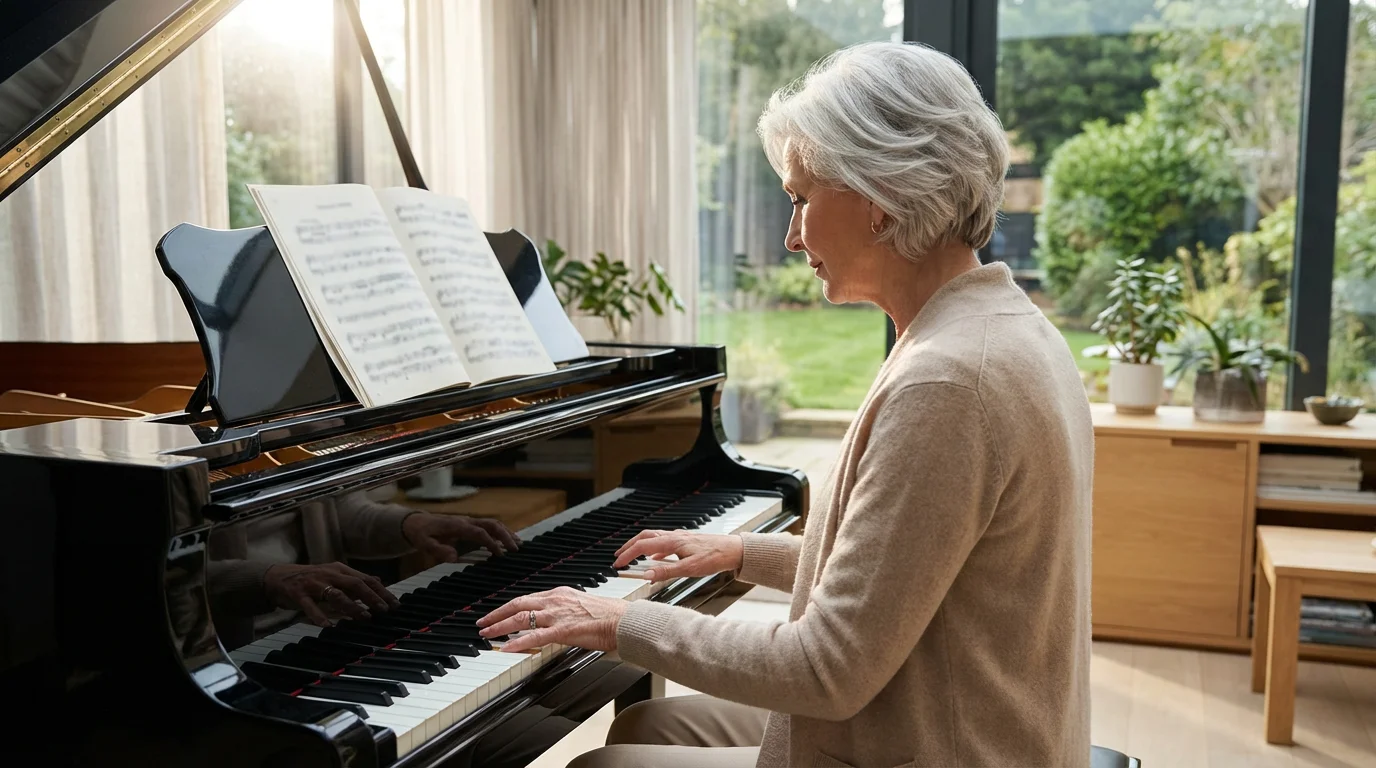
Beyond Relaxation: Why Continuous Learning Matters in Retirement
Retirement represents a significant life transition, moving from a structured career path to a new chapter filled with personal choice. I remember feeling a bit lost in those first few months after Bill retired and then after we sold our house.
Beyond mental growth, many residents find that the built-in safety and security of these neighborhoods provides the peace of mind necessary to focus fully on new hobbies.
While leisure is a well-deserved reward, I’ve found immense satisfaction in challenging myself intellectually and acquiring new skills.
Lifelong learning provides a powerful antidote to boredom and stagnation, offering a sense of purpose and continued relevance – something I truly needed after leaving my library behind.
Engaging in senior education goes far beyond simply passing the time. It is about actively investing in your well-being, enriching your experiences, and expanding your horizons.
This commitment to growth contributes significantly to a fulfilling and vibrant retirement lifestyle, keeping you energized and inspired. I mean, who knew I’d be taking watercolor painting classes at 72?
I’m not good at it, not by a long shot, but it certainly keeps me energized!
Studies consistently show that individuals who remain intellectually active throughout their lives tend to experience better cognitive health. Retirement communities are increasingly recognizing this, integrating a wide array of educational programs and learning resources into their offerings.
These programs not only cater to varied interests but also serve as vital social conduits, bringing like-minded individuals together, fostering stronger connections.

The Profound Cognitive Benefits of Senior Education
One of the most compelling reasons to embrace lifelong learning in retirement is its positive impact on brain health. Learning new things challenges your mind, building new neural pathways and strengthening existing ones.
This mental exercise is crucial for maintaining cognitive function, memory, and problem-solving abilities as you age.
I certainly feel sharper now that I’m trying new things, which is a nice change from the feeling of “brain fog” I sometimes had when I first retired and was just adjusting to not having a daily routine.
Research, including insights shared by organizations like the National Institute on Aging, highlights the importance of mental stimulation. Continuous learning can help delay cognitive decline, improve brain plasticity, and even enhance your mood.
By keeping your brain active, you equip yourself with greater resilience against age-related changes, promoting overall brain wellness.
Imagine mastering a new language, delving into advanced photography techniques, or exploring complex historical topics. Each of these pursuits requires focus, memory recall, and critical thinking, all of which contribute to a healthier, more agile mind.
The satisfaction of acquiring new knowledge or skills also boosts self-esteem and provides a deep sense of accomplishment, further enhancing your overall well-being and sense of purpose.
For me, just trying to mix the right shade of blue for a Florida sky in my watercolor class is a mental workout!

Cultivating Connection Through Shared Interests and Community Classes
Beyond individual benefits, senior education within 55+ communities serves as a powerful catalyst for social connection. When you enroll in a class or join a learning group, you automatically share an interest with others.
Engaging in group learning is one of the most effective ways of finding your tribe and building lasting friendships in a new environment.
This common ground provides an immediate basis for conversation, friendship, and collaborative activities, helping combat isolation. This was huge for me, especially after leaving all our friends back in Columbus and feeling a bit lonely at first.
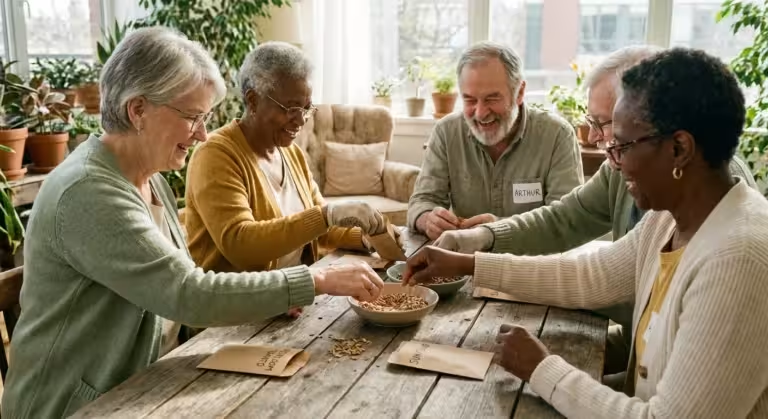
Community classes offer a structured yet informal environment for residents to interact. You might find yourself discussing literature with a former professor, collaborating on an art project with a newfound friend, or debating current events with neighbors who share your passion.
These shared learning experiences naturally lead to deeper bonds, transforming strangers into companions and enriching your social circle. My watercolor class, for example, is where I met Martha, one of my “Florida family” friends.
We bonded over our equally terrible attempts at painting palm trees!
Even for those who prefer quieter forms of engagement, a learning environment offers a comfortable entry point into social life. You can participate at your own pace, focusing on the material while gradually getting to know your classmates.
Many friendships in retirement communities blossom from these initial shared learning experiences, proving that intellectual pursuits are also deeply social ones.
Diverse Educational Pathways in 55+ Communities
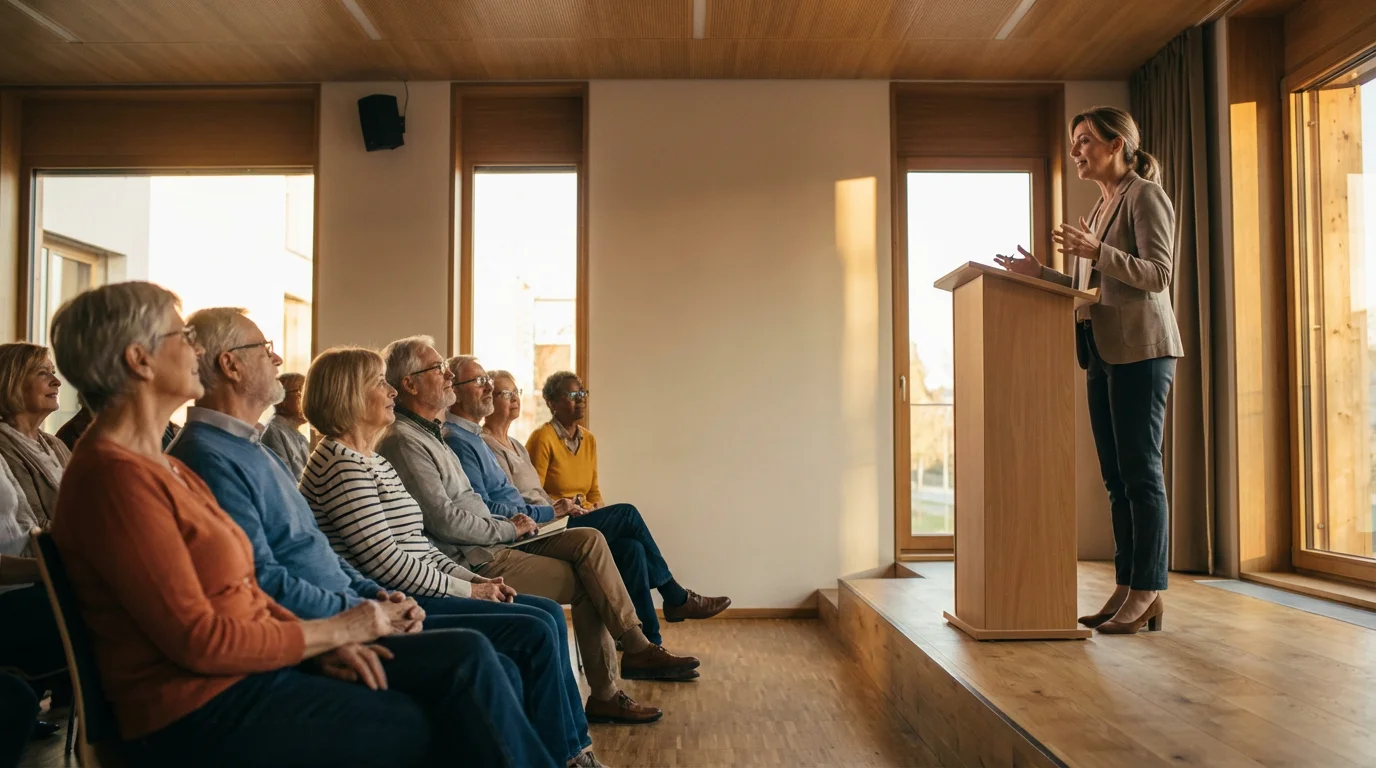
Modern 55+ communities understand that learning encompasses a broad spectrum of interests and styles. They typically offer a rich and varied calendar of educational programs designed to appeal to diverse tastes.
Educational events are often the highlights of a robust social calendar, offering consistent opportunities for engagement.
You will find opportunities for formal learning, informal workshops, and self-directed study, all within easy reach. It’s certainly a far cry from the quiet elementary school library I used to run!
These communities frequently partner with local universities, colleges, and adult education centers to bring high-quality courses directly to residents. You might attend lectures from university professors on topics ranging from world history to astrophysics, or participate in accredited courses that lead to new certifications.
This access to formal education enriches your mind without the commute or pressure of traditional academic settings, making senior education convenient and engaging.
Many communities also boast dedicated learning centers, libraries, and technology hubs. These spaces provide resources for self-study, research, and skill development.
Imagine a dedicated computer lab where you can learn new software, or a well-stocked library offering an extensive collection of books, magazines, and digital resources.
It reminds me a bit of my old library, just with much more sunshine and fewer sticky fingers on the books. These facilities foster a culture of curiosity and provide the tools for you to pursue almost any learning objective.

Finding Your Niche: Clubs, Workshops, and Interest-Based Groups
Beyond formal classes, the vibrant social calendars of 55+ communities are often filled with clubs and groups centered around specific learning interests. These resident-driven initiatives provide excellent avenues for senior education and social engagement.
Ultimately, choosing a community based on your interests ensures that your retirement years are spent in an environment that truly supports your passions.
For those who enjoy combining education with the outdoors, the joy of birdwatching offers a wonderful way to learn about local nature.
You can choose to join an existing group or even start one of your own, based on your passions.
For me, I found a lovely group of ladies who meet every Sunday morning for coffee and to share baking recipes – it’s a sweet way to connect and learn new tricks for my grandchildren, Lily and Noah, when they visit!
Consider the breadth of possibilities available to you, reflecting the varied ways to continue learning in retirement:
- Book Clubs: Discuss literature from various genres, share perspectives, and explore new authors, fostering critical thinking and camaraderie.
- Language Learning Groups: Practice conversational Spanish, French, or another language with fellow residents, often led by a native speaker or an enthusiastic learner, expanding your cultural horizons.
- Art Workshops: Explore painting, pottery, sculpture, or drawing, often with guidance from experienced instructors or talented peers, nurturing your creative side.
- Tech Clubs: Learn about new software, cybersecurity, social media, or how to get the most out of your smartphone and tablet, keeping you current in the digital world.
- History and Current Events Forums: Engage in lively debates, analyze historical events, and stay informed on global affairs, deepening your understanding of the world.
- Gardening Societies: Learn about horticulture, share tips for cultivating beautiful plants, and contribute to community gardens, connecting with nature and fellow enthusiasts. I still miss my big garden back in Columbus, so I’ve been thinking about joining this one here!
- Genealogy Groups: Research family histories, share findings, and learn about ancestry tools, uncovering personal stories and heritage.
- Creative Writing Circles: Develop your storytelling skills, share your work, and receive constructive feedback from peers, expressing your unique voice.
These groups are often flexible and welcoming, making it easy for you to explore different areas. They allow for deep dives into subjects you already love or provide a gentle introduction to entirely new fields, fostering both individual learning and strong community bonds.

Making the Most of Your Community’s Learning Resources
Once you are part of a 55+ community, a wealth of educational resources awaits your discovery. Taking full advantage of these offerings requires a proactive approach.
Remember that choosing a community based on your interests from the start ensures you have easy access to the subjects you love most.
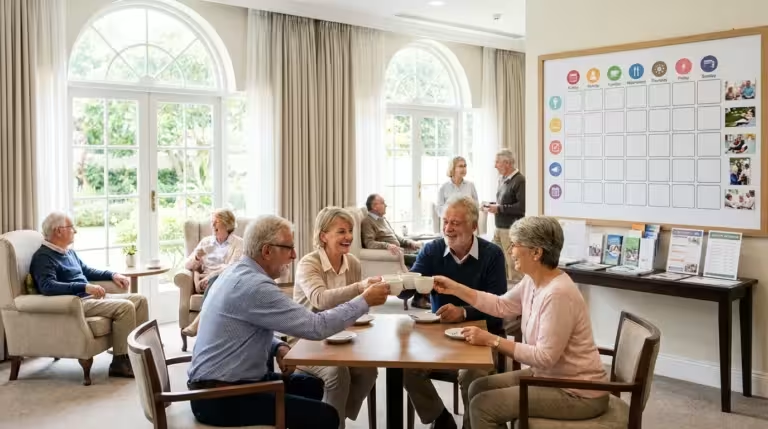
Familiarize yourself with the community’s activity calendar, newsletters, and dedicated learning centers to ensure you do not miss out on enriching opportunities for lifelong learning.
Bill, with his spreadsheets, is always on top of the community calendar, but I usually just look for what sparks my interest.
Many communities employ dedicated lifestyle directors or activity coordinators whose job includes curating and promoting educational programs. Speak with these professionals to understand the full scope of available classes, workshops, and lectures.
They can often provide personalized recommendations based on your interests and help you navigate the schedule, answering questions like “how can I continue learning in retirement?”
Do not hesitate to suggest new learning opportunities. Many communities thrive on resident input, and a proposal for a new club or class, whether it is an astronomy group or a financial literacy workshop, might find eager participants.
Your initiative can enrich the entire community, broadening the range of senior education options for everyone and fostering a truly responsive environment.
I’ve even thought about starting a “Grandparent Story Time” since I was a librarian, so I know firsthand that they’re open to new ideas!

Tips for Engaging with Educational Opportunities
Whether you are an extrovert eager to join every class or an introvert who prefers a more gradual approach, there are many ways to engage with learning in your retirement community.
Remember, participation is about what feels right for you; there is no single correct path for how you can continue learning in retirement. I certainly didn’t jump into everything at once when we first moved here!
- Start Small: If you feel overwhelmed, choose one class or workshop that genuinely piques your interest. A single commitment can lead to unexpected discoveries and connections, building your confidence. That’s exactly how I started with my watercolor class.
- Bring a Friend: Attending a new activity with a neighbor or partner can make the experience more comfortable and enjoyable, providing immediate companionship and shared exploration. I often encourage my “Florida family” to try new things with me.
- Observe First: Some communities allow you to audit a class or attend an introductory meeting of a club without full commitment. This lets you gauge the atmosphere and content before diving in, reducing any initial apprehension.
- Embrace Your Passions: Focus on subjects you truly love or have always wanted to explore. Genuine interest fuels motivation and makes learning a joy, leading to more consistent engagement.
- Be Open to New Things: Step outside your comfort zone occasionally. You might discover a hidden talent or a new lifelong passion you never anticipated, expanding your horizons in exciting ways. Bill, for instance, has become an unexpectedly good cook since retirement – something I never would have predicted after 44 years!
- Utilize Digital Resources: Many communities offer access to online learning platforms or digital libraries. Explore these options for self-paced learning that complements group activities, perfect for quiet study.
- Volunteer to Share Your Expertise: If you have a particular skill or knowledge, consider leading a workshop or starting a special interest group. Teaching can be a powerful form of learning and community building, leveraging your experience.
Your engagement with learning is a personal journey, and your community likely offers resources to support you every step of the way. Prioritize what brings you joy and intellectual stimulation, allowing for both quiet study and vibrant group discussion to truly thrive.

Evaluating Communities for Learning-Rich Environments
When considering a 55+ community, assessing its commitment to lifelong learning is crucial, especially if senior education is a priority for you. A community that truly values continuous learning will integrate it into its core philosophy and provide ample resources to support it.
Bill, of course, had a spreadsheet for every variable when we were looking, but I always tried to get a “feel” for the community’s heart, and learning opportunities were a big part of that.
Here are key questions to ask and aspects to observe during your community tours to gauge the emphasis on community classes and learning:
- What types of educational programs do you offer? Ask for a current activity calendar and look for variety in subjects, formats, and instructors. Pay attention to how frequently new programs are introduced.
- Do you partner with local universities or colleges? Inquire about guest lecturers, extended learning programs, or opportunities for residents to audit courses, as this often indicates higher-level educational content.
- What dedicated learning spaces are available? Look for well-maintained libraries, quiet study rooms, computer labs with up-to-date software, art studios, and dedicated classrooms designed for various activities. I always poked my head into the library first!
- How are resident interests incorporated into programming? A thriving learning environment often reflects the passions of its residents, not just a pre-set curriculum. Ask about resident-led clubs and how new ideas are welcomed.
- Is there a resident-led learning committee or a resident association that promotes education? This indicates a strong, active resident base committed to learning, driving engagement from within the community.
- What technology resources are available? Ask about Wi-Fi access throughout the community, available tech support for residents, and classes on using devices or new software, crucial for modern lifelong learning.
- How accessible are the learning opportunities? Consider factors like transportation to off-site classes or cultural events, and the availability of online courses or hybrid learning options.
- Are there intergenerational learning programs? Some communities host programs that involve local schools or youth organizations, creating enriching experiences for all ages, as championed by organizations like Generations United. These programs offer unique perspectives and social benefits. Imagine Lily and Noah doing a project with local kids here!
Speaking with current residents provides invaluable insight into the actual learning culture. Ask them about their experiences with the educational offerings, which community classes they enjoy, and how easy it is to get involved.
Their firsthand accounts will paint a clearer picture of the community’s learning environment and its vibrancy.
Frequently Asked Questions
What types of subjects can I learn in a retirement community?
Oh, you can learn a vast array of subjects! From arts and crafts like painting (my personal favorite, even if I’m not a natural!), pottery, and creative writing, to academic subjects like history, literature, philosophy, and current events.
Many communities also offer technology classes, language lessons, financial literacy workshops, and health and wellness seminars. The offerings often reflect what residents are interested in, so you’re sure to find something stimulating.
How can I get involved in learning activities if I’m new to a community?
My advice is to start by simply reviewing the community’s activity calendar and newsletter. Then, pick one class or a club meeting that really sparks your interest and just go for it!
Most communities have a wonderful lifestyle director who can guide you to suitable programs. Remember, you can always observe an activity first to see if it feels like a good fit before fully committing.
That’s how I eased into things here.
Are learning programs in retirement communities typically free or do they cost extra?
The cost really does vary from one community to another. Many basic classes, resident-led clubs, and general lectures are included as part of your monthly fees.
However, specialized workshops, courses that need external instructors, or field trips to educational institutions might have an additional fee. It’s always a good idea to clarify the cost structure when you’re asking about specific programs, just so you know what to expect.
Do I need prior experience or specific qualifications to join learning groups?
Generally, no, not at all! Most learning opportunities in retirement communities are designed to be accessible to everyone, regardless of prior experience or educational background.
The focus is on participation, personal growth, and enjoyment. Instructors and group leaders are typically so supportive and encouraging, creating an inclusive environment for all learners to thrive.
I certainly didn’t have any watercolor experience when I started!
Can introverts find fulfilling learning opportunities without constant social pressure?
Absolutely, yes! Many learning opportunities are designed to cater to various engagement styles.
You can certainly participate in online courses, utilize the community library for self-study (which I, as a former librarian, highly recommend!), or join a class where the primary focus is on the material itself, allowing you to engage socially at your own comfort level.
Quiet observation and individual contributions are always welcome, ensuring you can learn without feeling overwhelmed by social demands.
Disclaimer: This article is for informational purposes only. Community living options, amenities, and cultures vary significantly. We encourage readers to visit communities in person, speak with current residents, and evaluate whether a community fits their unique needs and preferences.