Choosing where you’ll live out your retirement years? Oh, Bill and I know that feeling!
It’s a huge, life-altering decision, and for me, it came with a whole lot of feelings. I remember envisioning a place that felt comfortable and safe, somewhere I could still connect with people, but also have my own quiet space.
Honestly, for a long time, I just envisioned staying right where we were, in our home on Elmwood Drive. But Bill had other ideas, and I have to admit now, he was right.
For us, a 55+ community like Hawthorn Ridge has turned out to be that perfect balance – a place where we’re independent but surrounded by a wonderful social environment.
This guide isn’t just theory; it’s our story, walking you through the steps Bill and I took (and sometimes stumbled through!) to find our home.
We’ll share how we figured out what truly mattered to us, explored different communities, and asked all the right questions.
Our hope is that our experience helps you find a home that truly supports a fulfilling and connected retirement, without all the emotional wrestling I put Bill through!
In this guide8 sections
- Understanding 55+ Communities: More Than Just a Place to Live
- Defining Your Ideal Lifestyle: What Matters Most to You?
- Exploring Community Types and Amenities: Finding Your Fit
- Evaluating Social Life and Connection: Beyond the Brochure
- Financial Considerations and Costs: Understanding Your Investment
- The Visit Experience and Questions to Ask: Your Due Diligence
- Transitioning and Thriving in Your New Home: Making the Most of It
- Frequently Asked Questions
Understanding 55+ Communities: More Than Just a Place to Live
When Bill first started talking about moving to a 55+ community, I admit, I had a certain picture in my head. I worried it would feel… well, restrictive.
I pictured something more like a nursing home or assisted living. But I quickly learned that’s just not what an active adult community is at all!
These places, often called 55+ communities or active adult communities, are truly designed for folks like Bill and me – people 55 and older who want to maintain their independence but also enjoy a low-maintenance lifestyle and a built-in community.
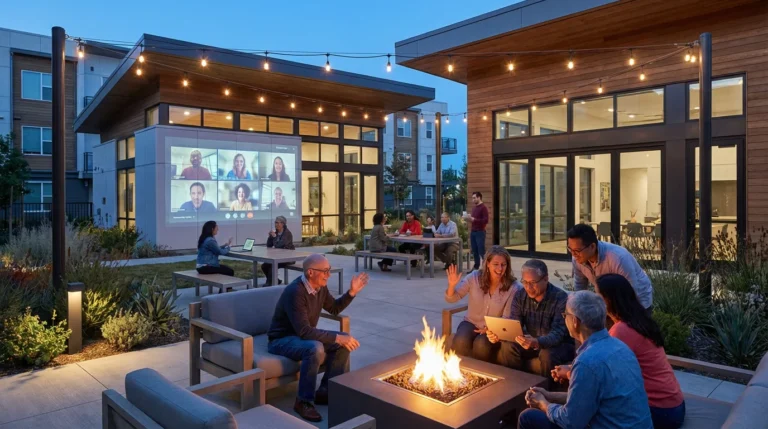
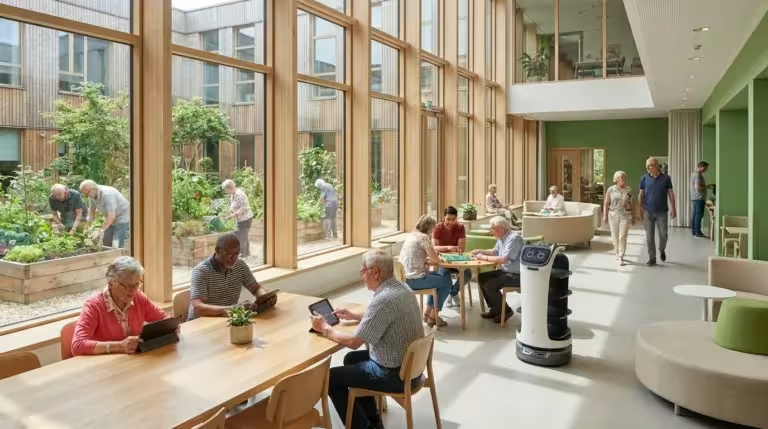
It is also worth exploring how the future of community living is being shaped by new technologies and innovative designs for seniors.
We quickly realized that residents here are completely independent, managing their own daily lives and schedules. The age restriction simply means you’re living among peers who are in a similar stage of life, which, as I’ve found, is a real blessing.
It means there’s always someone around who understands what you’re going through, whether it’s celebrating a grandchild’s milestone or commiserating about a new ache!
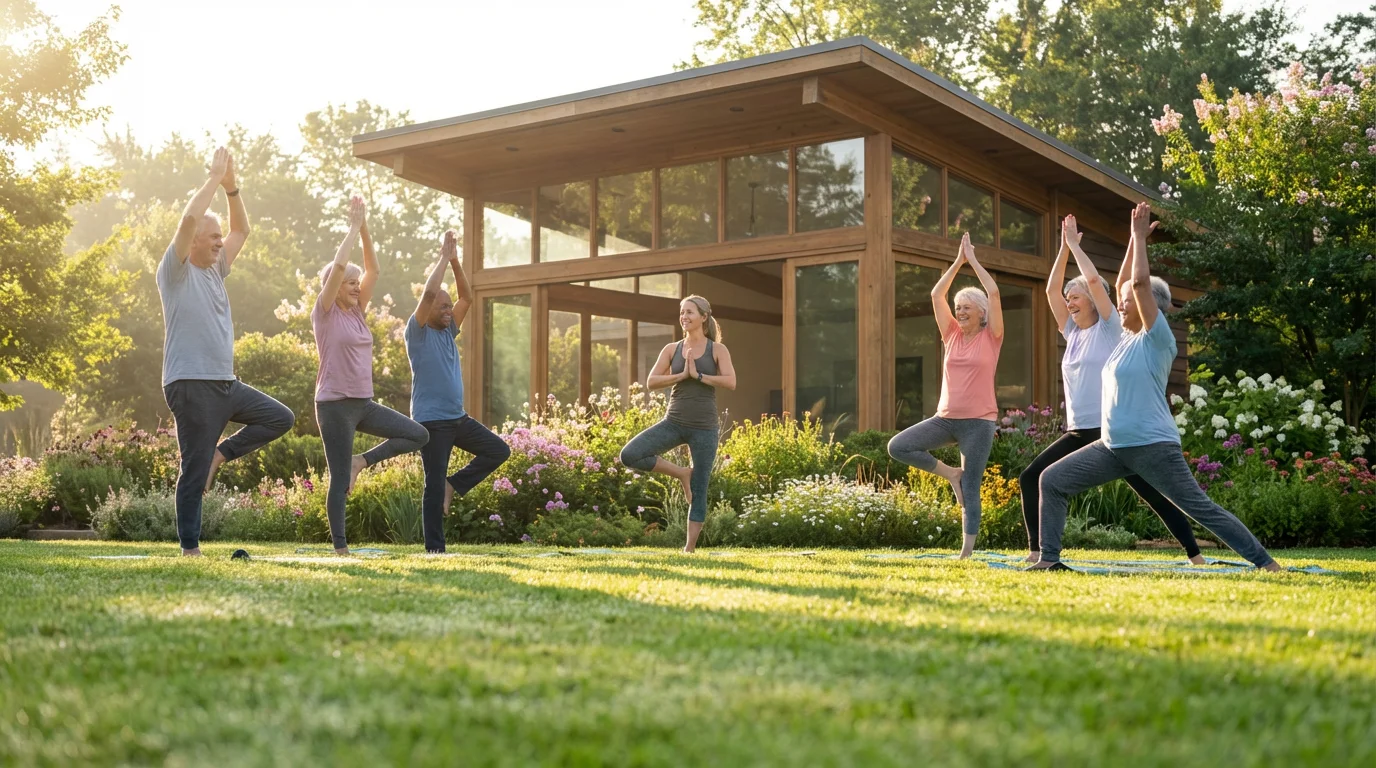
The “active” part is key. It’s all about opportunities for engagement – physical activity, learning new things, and plenty of social interaction.
This focus helps us all stay engaged and connected, which, for me, was so important after spending 36 years in a school library, surrounded by children and books. I needed new ways to feel purposeful, and Hawthorn Ridge has certainly provided them.
Defining Your Ideal Lifestyle: What Matters Most to You?
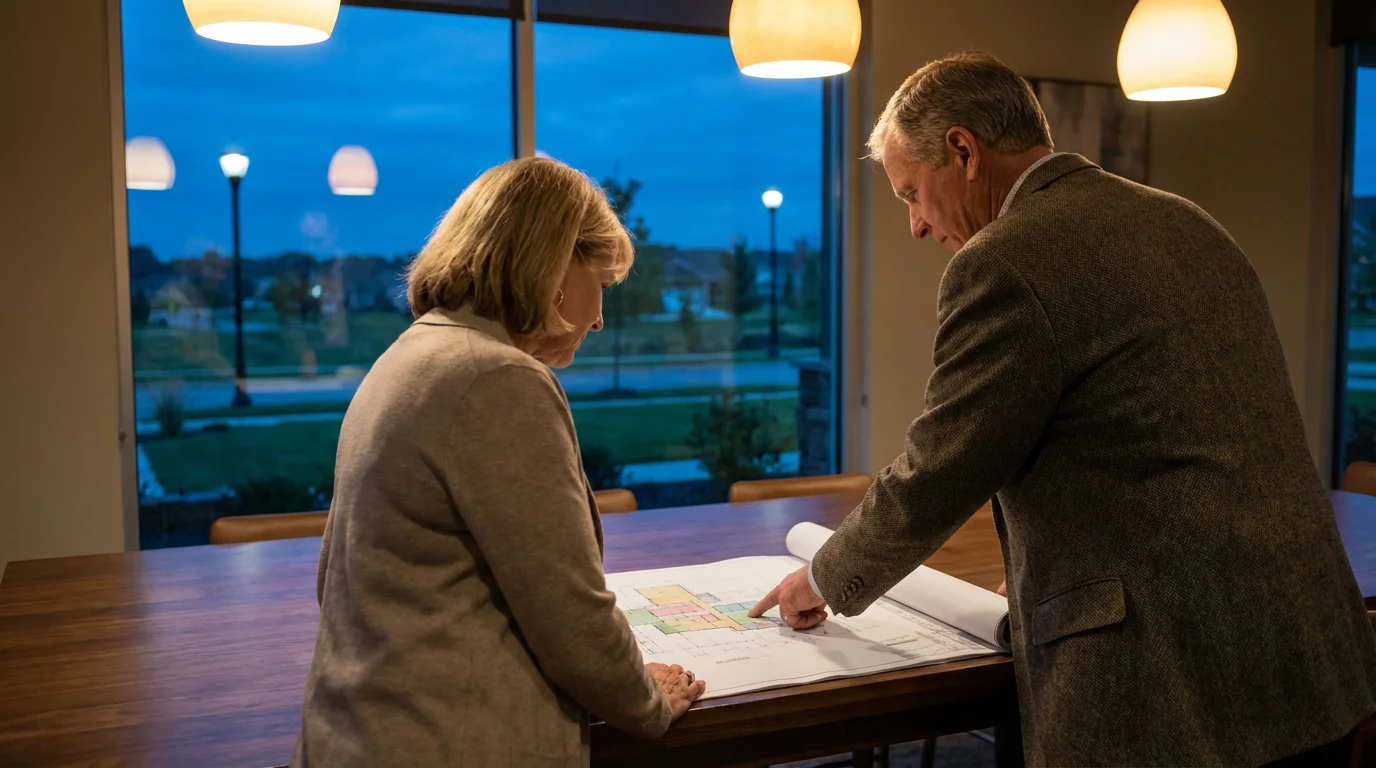
Oh, this was a tough one for me. Before Bill and I even started looking at specific communities, I really had to sit down and think about what I wanted my retirement to look like.
After so many years as an elementary school librarian, my identity felt tied to my work. I loved my garden in Columbus, and I cried when we sold the house.
It felt like I was losing a part of myself. So, I had to really consider what truly makes me happy now, what I wanted to pursue, and how much social interaction I really wanted.
This self-assessment was the bedrock, as Bill would say, for finding our place.
For many, finding the right location that balances climate with proximity to family is the most critical part of the process.
I thought about my old hobbies and the new ones I hoped to cultivate. I wasn’t dreaming of daily golf like Bill, but I did dream of reading by a quiet pool and maybe, just maybe, trying something creative.
That’s how I ended up taking up watercolor painting – I’m not good at it, and I really don’t care! The process of trying something new, just for the joy of it, has been wonderful.
I also realized how much I wanted to be close to my grandchildren, Lily and Noah, and how important baking on Sunday mornings was to me.
I also had to think about my desired level of social interaction. I love talking to strangers at the pool, but I also cherish my quiet mornings.
There’s no right or wrong way to engage, and finding a community that offered both was key for me.
Here are some of the key things Bill and I talked about (and sometimes debated!) as we defined our ideal lifestyle:
- Social Engagement: Did I want daily social events, or a quieter environment with occasional gatherings? I found I wanted a mix.
- Physical Activity: Bill wanted pickleball (and he plays four mornings a week!). I was more interested in walking trails and the pool.
- Creative Pursuits: This was big for me. I wanted a place where I could try painting or other crafts.
- Learning and Growth: I loved the idea of workshops and lectures, keeping my mind active.
- Outdoor Enjoyment: While I miss my Columbus garden, I appreciate the green spaces here and being able to enjoy the Florida sunshine.
- Pet Ownership: We don’t have a pet, but many of our friends here do, so knowing a community is pet-friendly is important for them.
- Privacy: Even with all the community, I still value a quiet home where I can read or paint without interruption.
Answering these questions honestly helped us narrow down our search and find Hawthorn Ridge, a place that truly aligns with what Bill and I both wanted, even if we started from different places. It’s truly a place where I feel I can thrive.
Exploring Community Types and Amenities: Finding Your Fit
Bill, being the civil engineer he is, had spreadsheets for everything when we were looking at 55+ communities. He’d list out all the different types and their amenities, trying to find our “fit.”
I, on the other hand, was looking for the heart of the place – what would make it feel like home, and what would help me find my people. We looked at everything from big master-planned communities to smaller, more intimate senior apartments.
The amenities really do tell you a lot about a community. Bill was all about the pickleball courts, naturally!
I was more interested in things like a community garden (a small solace for my lost Columbus garden), a clubhouse where I could meet people, and maybe even a craft room for my burgeoning watercolor hobby.
It’s funny how different our priorities were, but both were necessary to find the right place.
We also had to consider the housing types. Our 2,400 sq ft colonial on Elmwood Drive was a lot of house, and Bill was ready for something smaller.
We ended up with a maintenance-free home here, which means I have more time for baking, painting, and playing with Lily and Noah when they visit, instead of worrying about yard work.
Here are some common amenities we saw (and many we now enjoy at Hawthorn Ridge):
- Clubhouses: Our clubhouse is the hub for so many gatherings – I’ve made three genuine friends there that I call my “Florida family.”
- Fitness Centers: Bill uses the gym regularly, and I enjoy the water aerobics classes in the pool.
- Swimming Pools: A must-have for me! It’s where I love to relax and, yes, talk to strangers.
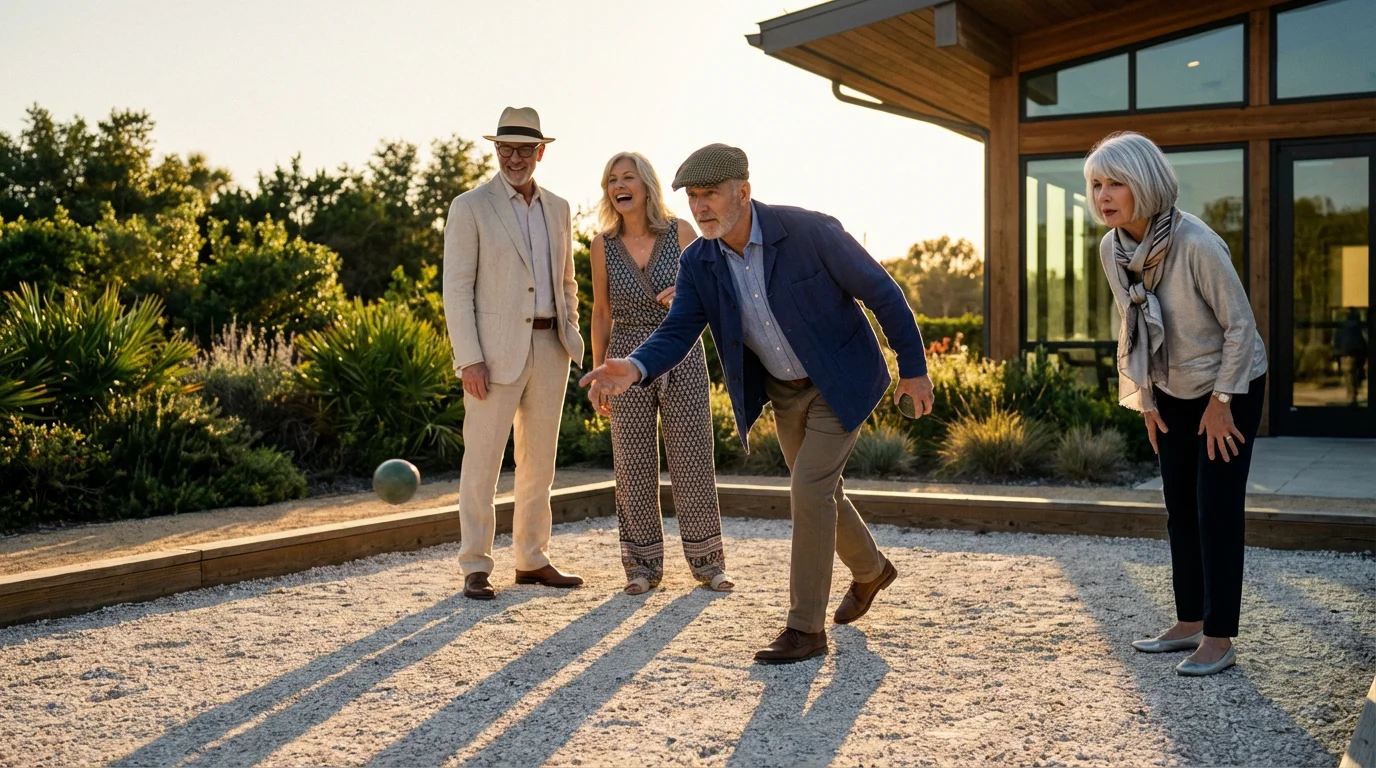
- Sports Facilities: Pickleball for Bill, bocce ball for my friends and me!
- Walking/Biking Trails: Perfect for my morning strolls.
- Hobby/Craft Rooms: My watercolor painting has found a home here, even if I’m not very good at it!
- Libraries/Learning Centers: The librarian in me loves having access to new books and workshops.
- Game Rooms: Bill loves a good card game, and I’ve even tried a few!
- Community Gardens: While not quite my old garden, it’s a lovely spot to visit and connect with other green thumbs.
- Dog Parks: We don’t have a dog, but it’s wonderful to see all the happy pups and their owners!
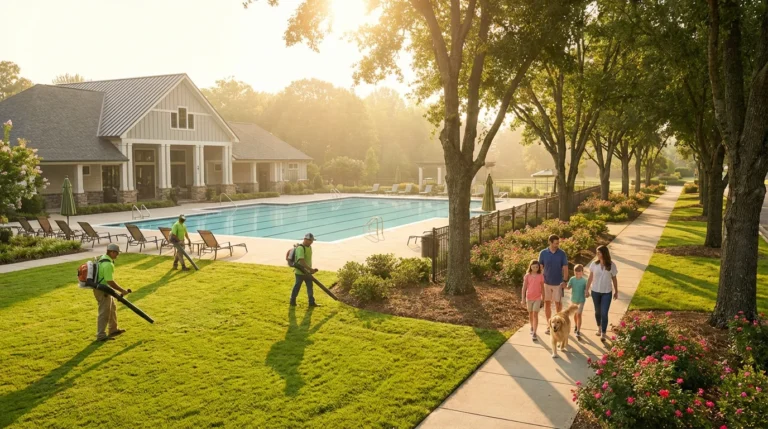
Beyond the physical spaces, the services were a huge draw. No more worrying about exterior home maintenance or landscaping!
That reduced responsibility has truly freed up my time for the things that really matter to me now.
Evaluating Social Life and Connection: Beyond the Brochure
For me, the real heart of Hawthorn Ridge isn’t the beautiful buildings or the amenities – it’s the people. It’s the social fabric, the connections you make.
When we were looking, I tried to look beyond the glossy pictures and really feel the atmosphere. I wanted to know if I could truly find a sense of belonging here, especially after leaving so many dear friends in Columbus.
Transitioning to a new environment can be daunting, but proactively overcoming loneliness through these connections makes all the difference.
I asked about resident associations and how involved people were. An active group usually means a vibrant, engaged community, and that’s exactly what I found here.
It’s empowering to know that residents have a say in shaping our living environment.
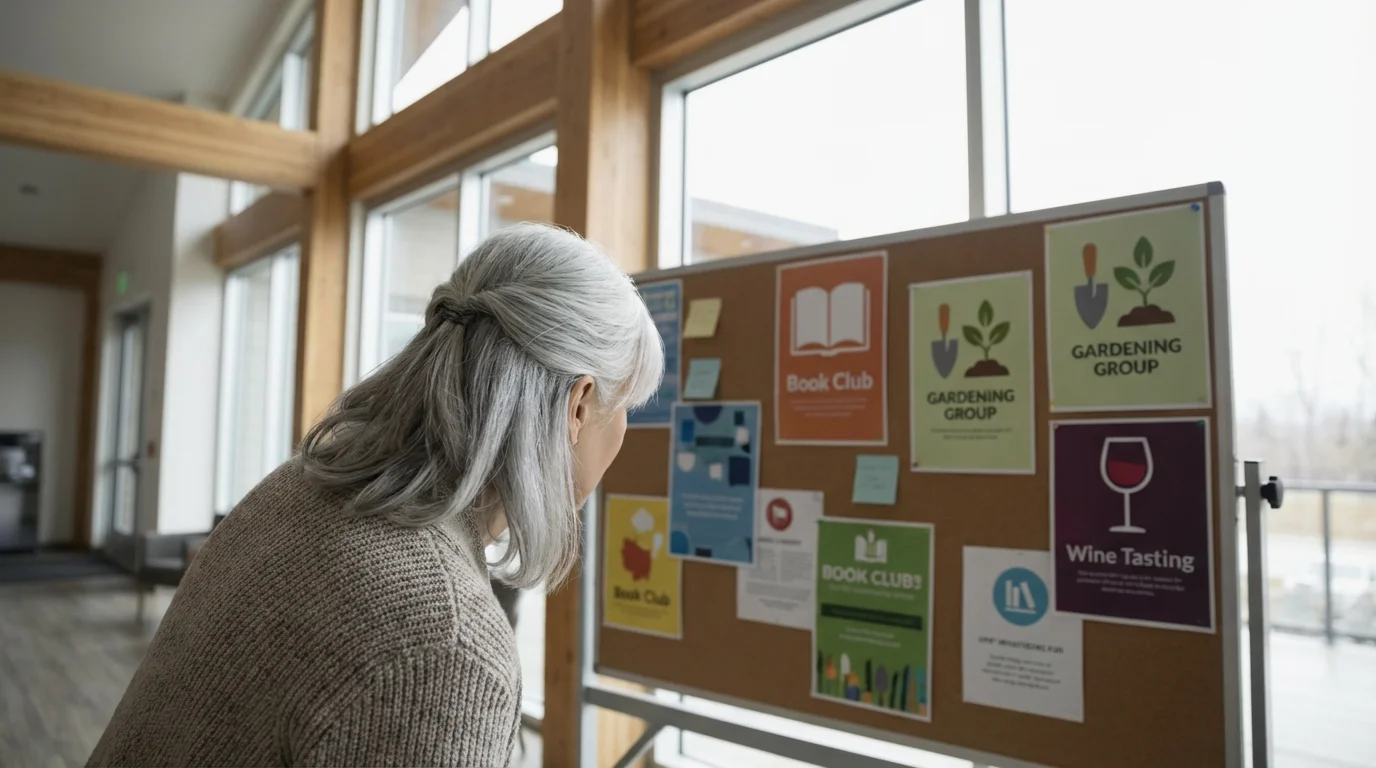
The variety of clubs and groups was also important. I wanted options – a place where I could join a book club or a craft circle, but also where Bill could find his pickleball buddies.
It means there’s something for everyone, whether you’re an introvert who prefers a quiet gathering or an extrovert like me who loves a big party!
Research, like that from the National Institute on Aging, confirms how important social connection is for our well-being. I know that firsthand.
Moving was hard for me, and finding my “Florida family” – my three genuine friends here – made all the difference in my adjustment. It proved Karen right when she said, “Mom, the grandkids want YOU, not the house.”
I needed to be happy and connected to be the best grandma I could be.
I looked for a rich social calendar, with a good mix of activities:
- Hobby Groups: I’ve joined a book club, and there are so many craft circles!
- Fitness Classes: I love the water aerobics, and Bill’s found his people in pickleball.
- Game Nights: Bill and I sometimes join in for trivia or a card game.
- Social Events: The potlucks and holiday parties are wonderful for meeting new faces.
- Outings: We’ve taken day trips to local attractions, which is a fun way to explore Florida.
- Volunteer Opportunities: Bill volunteers at the food bank, which gives him a great sense of purpose.
- Lifelong Learning: I’ve attended some fascinating guest speaker events.
The beauty is that you don’t have to do everything. I pick and choose what interests me most, but just knowing those friendly neighbors are nearby makes all the difference.
It’s like George Bernard Shaw said, and I truly believe it:
“We don’t stop playing because we grow old; we grow old because we stop playing.”
That sentiment perfectly captures the spirit here. I’ve embraced opportunities to learn, explore, and connect, but I also know my limits.
Genuine connection, whether it’s a big social event or a quiet conversation with a new friend at the pool, truly enriches my life.

Financial Considerations and Costs: Understanding Your Investment
Now, this section is where Bill really shines. He manages our finances with what I call “a level of detail that belongs in a NASA mission.”
When it came to understanding the costs of a 55+ community, I mostly just nodded and trusted him, but I did want to make sure we could comfortably afford our new life after selling our 2,400 sq ft colonial on Elmwood Drive.
He made sure we understood that it’s more than just the price of the home.
He understands that financial planning for community living is about more than just the purchase price; it’s about sustaining the lifestyle we enjoy long-term.
Most communities involve buying a home, like we did, along with monthly Homeowners Association (HOA) fees. Bill made sure I knew exactly what those fees covered – maintenance, amenities, and common area upkeep.
It’s actually quite nice to have so many things taken care of for us now!
Bill made sure we got a transparent breakdown of all costs, both upfront and recurring. He even asked about potential future increases, because that’s just how he is!
When you’re asking, “how much does a 55 plus community cost,” here are the things Bill made sure we considered:
- Purchase Price/Rent: The initial cost of our home.
- HOA Fees: Our monthly dues cover so much – it’s a big part of the low-maintenance living we wanted.
- Property Taxes: Still applicable, of course.
- Utilities: Electricity, water, internet – the usual.
- Insurance: Homeowner’s insurance for our new place.
- Special Assessments: Bill made sure to ask if any big repairs were on the horizon.
- Optional Services: We don’t use any, but it’s good to know what’s available.
Bill compared the total cost of living here with our old expenses in Columbus. It turns out, even with the HOA fees, the value of having landscaping, exterior maintenance, and all the amenities included is pretty significant.
It really does simplify budgeting, which I appreciate, even if I don’t love spreadsheets quite as much as Bill does.
The Visit Experience and Questions to Ask: Your Due Diligence
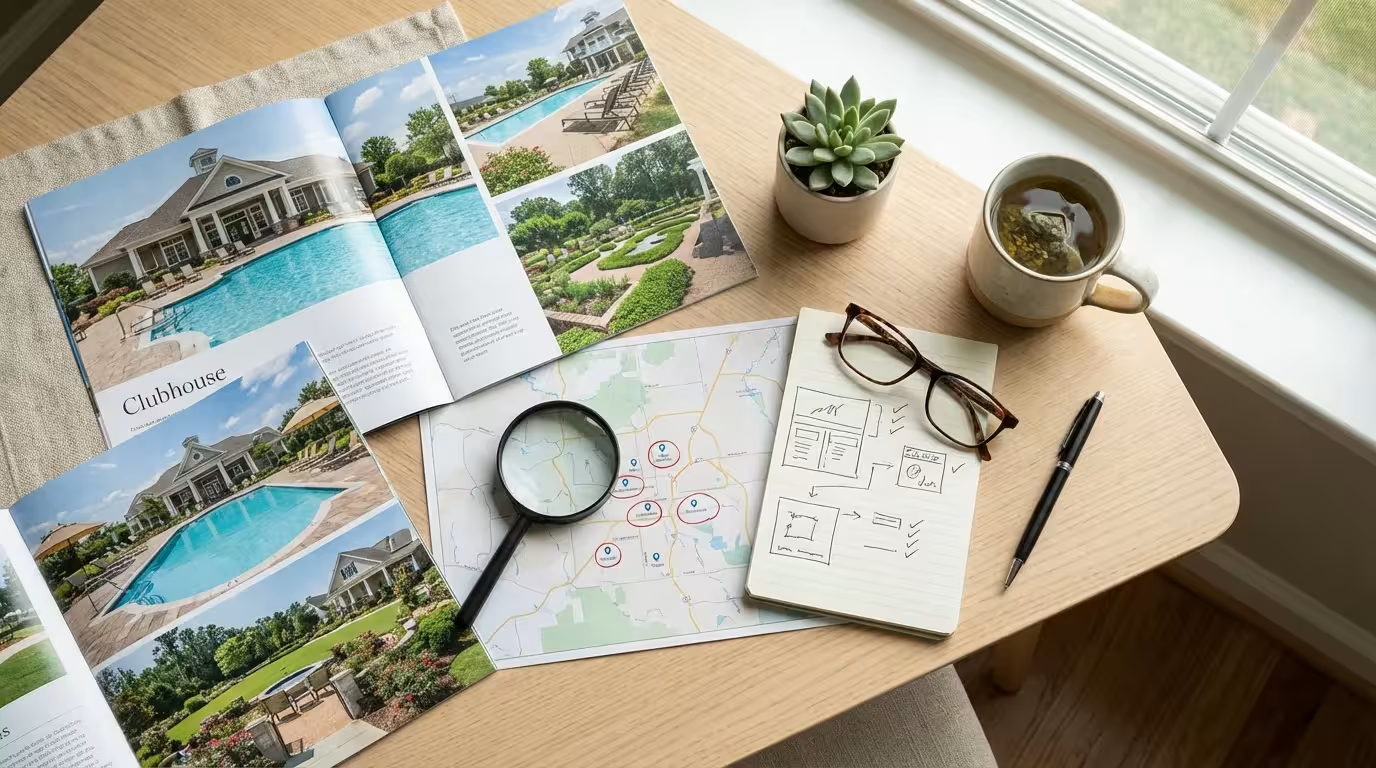
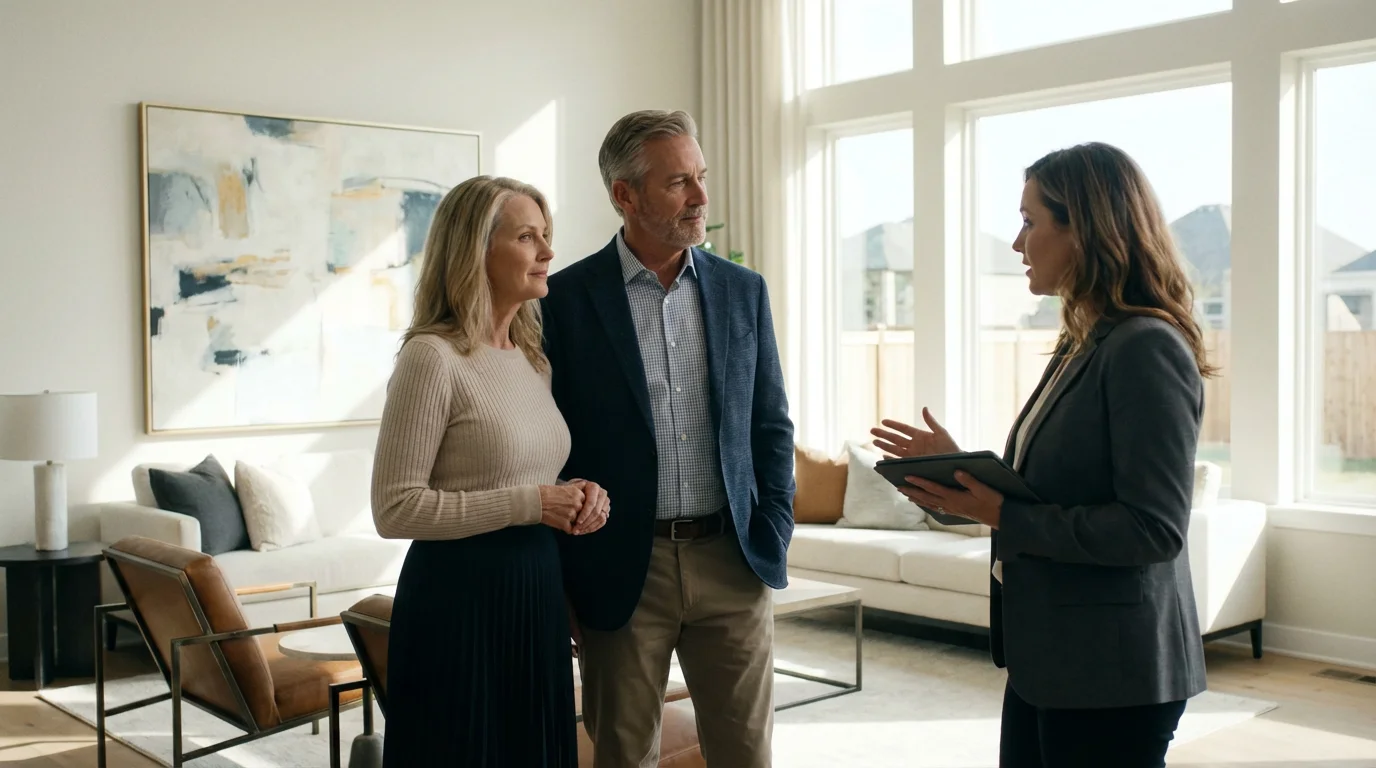
After two full years of Bill’s research and our debates, we finally narrowed down our options and started visiting communities. There’s really no substitute for seeing a place with your own eyes.
We planned to spend a lot of time at each one, sometimes visiting at different times of day to get a real feel for it.
During our visits, I wasn’t just looking at the buildings; I was watching the people. Did they seem happy?
Were they engaged? Was the atmosphere welcoming?
I paid attention to the overall cleanliness and how well the facilities were maintained. Bill, of course, was probably checking off his 14 variables on his comparison matrix!
My favorite part was always talking to current residents. Their insights were invaluable.
Most people were so happy to share their experiences, the good and the bad. It helped me understand what daily life was really like, beyond what the brochures said.
Here are some essential questions Bill and I made sure to ask during our community tours:
- What are the resident demographics and typical age range?
- What is included in the monthly HOA fees? What is not?
- How often do HOA fees increase, and by how much?
- Are there any special assessments planned or anticipated?
- What are the rules regarding guests, especially overnight stays? (Crucial for our grandkids, Lily and Noah!)
- What is the process for addressing maintenance issues in homes or common areas?
- What is the pet policy, including breed or size restrictions?
- How active is the resident association, and how can residents get involved?
- Can I see a sample monthly activity calendar?
- Are there any intergenerational programs or opportunities for family involvement?
- How are new residents welcomed and integrated into the community?
- What are the safety and security measures in place?
- What dining options are available, if any, and what do they cost?
- How far are essential services, such as hospitals, grocery stores, and pharmacies?
We even stayed for a meal at one community and attended a community event at another. That kind of immersion really gives you an authentic feel for the place.
Bill also used sites like 55places.com for his research, which he says provides extensive reviews and data points. I just enjoyed seeing the places with my own eyes and imagining us living there.

Transitioning and Thriving in Your New Home: Making the Most of It
Oh, this was the biggest part of our journey for me. Moving to Hawthorn Ridge marked a brand-new chapter, and it definitely required some adjustment.
I spent 44 years in our four-bedroom colonial on Elmwood Drive, the house where we raised our three children and hosted every Thanksgiving for 30 years. Letting go was incredibly difficult.
I was not ready, and I will openly admit now that I was wrong to resist the move, though it took me a full year to truly feel that way.
The first three months here were an adjustment, to say the least. It was a new place, new routines, new everything.
But I gave myself time to settle in. I didn’t feel pressured to join every club or attend every event right away. I explored at my own pace, trying out different things as I felt comfortable.
Making new friends takes effort, just like it does at any age. But I made a point to be open.
I joined the book club, I started talking to people at the pool (which I love doing), and slowly but surely, I started building connections. That’s how I found my “Florida family” – three wonderful friends who have made this place feel like home.
The turning point for me really came when our daughter Karen said: “Mom, the grandkids want YOU, not the house.” That just hit me right in the heart, and I still tear up telling that story.
It helped me realize that home isn’t just a physical place; it’s where my family is, and where I can be happy and present for them. By month six, I was the one telling my friends in Ohio they should do it too!
And now, two years later, Bill and I both agree it was the best decision of our retirement.
Here are some tips I learned for getting involved and truly thriving:
- Attend Welcome Events: We went to a few of these, and it’s a gentle way to meet other new residents.
- Join a Club: I picked the book club and found my friends there. Bill found his pickleball group immediately!
- Use the Amenities: I spend a lot of time at the pool and in the craft room. You naturally meet people with similar interests.
- Volunteer: Bill volunteers at a local food bank, and it gives him such a sense of purpose.
- Be Approachable: A friendly wave, a smile, saying hello to neighbors – it opens so many doors.
- Respect Privacy: It’s a community, but everyone still needs their own quiet time.
- Personalize Your Home: Make your new living space truly yours. That’s what made our new home feel like *our* home.
Remember, everyone adjusts differently. Some people love quiet hobbies, only occasionally joining a community event.
Others, like me, become social butterflies, participating in multiple activities daily. Both approaches are perfectly valid.
The goal is your happiness and comfort in your new environment, and I’m so grateful I found mine here.
Frequently Asked Questions
What are the key features of 55 plus communities?
From our experience, 55+ communities offer age-restricted living, typically for folks like Bill and me, aged 55 and older, with a real focus on an active lifestyle.
For us, the key features are the low-maintenance homes, the wonderful amenities like the clubhouse, fitness center, and pools, and that vibrant social calendar. It truly fosters a peer-focused environment that has helped us stay engaged and well.
How much does a 55 plus community cost?
Oh, this is Bill’s territory! But from what I understand, the cost varies quite a bit.
It includes the purchase price or rent of your home, plus those monthly Homeowners Association (HOA) fees. These fees typically cover things like common area maintenance, amenities, and sometimes even utilities, which is lovely.
You’ll also have property taxes and insurance, and sometimes optional services. Bill always says to ask for a detailed breakdown of all the fees, and I agree!
Are 55+ communities only for extroverts?
Not at all! I consider myself more of an extrovert – I love talking to strangers at the pool!
But our community, Hawthorn Ridge, really caters to all kinds of personalities. While there are tons of social opportunities, participating is always optional.
My friends who are more introverted enjoy quiet hobbies, use the library or walking trails, and might join a smaller, interest-based group. The beauty is truly in the choice and flexibility you have to engage as much or as little as you like.
Can my family visit and stay overnight?
Absolutely! We love having our children and especially our grandchildren, Lily and Noah, visit us here.
Most 55+ communities warmly welcome family. Policies for overnight stays can vary a bit, often with guidelines regarding how long younger visitors can stay, so it’s always a good idea to check the specific community’s guest policies before you make arrangements.
We made sure to ask about this early on!
Do 55+ communities allow pets?
Many 55+ communities are very pet-friendly, which is wonderful because so many of our neighbors have furry companions. However, most do have specific pet policies, which might include restrictions on breed, size, or the number of pets.
Some even have great amenities like dog parks or walking trails. If you have a pet, make sure to verify the exact pet policy with any community you’re considering.
Disclaimer: This article is for informational purposes only. Community living options, amenities, and cultures vary significantly.
We encourage readers to visit communities in person, speak with current residents, and evaluate whether a community fits their unique needs and preferences.