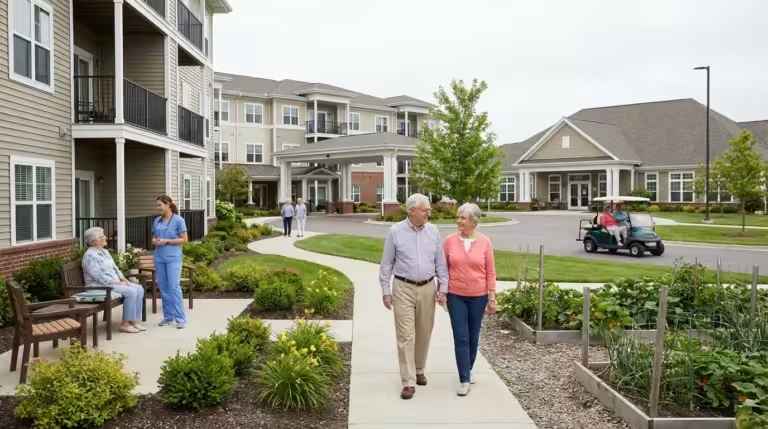

Dorothy and I have walked this road of retirement planning, and I can tell you it’s a journey with plenty of twists and turns.
When we first started looking at senior housing options, the sheer number of choices felt like trying to navigate a new city without a map.
From active adult communities to skilled nursing facilities, it’s a lot to take in. Here at RetirementLivingHub.com, we want to simplify that process for you, sharing what we learned from our own experience.
Thinking about retirement relocation is a big step, but finding the right spot makes all the difference.
Today, I want to focus on independent living. It was a popular choice for us, and for good reason.
I’ll define what it is, detail the benefits we found, compare it with other housing types (I had a spreadsheet for this, of course), and give you some practical advice for picking the right community.
You deserve a solution that supports the life you want to live in retirement, just like Dorothy and I found in Sarasota.
In this guide9 sections
- What is Independent Living?
- Key Features and Amenities of Independent Living Communities
- The Benefits of Independent Living
- Independent Living Versus Other Senior Housing Options
- Understanding the Costs of Independent Living
- How to Choose the Right Independent Living Community
- What to Look For During a Community Tour
- Essential Questions to Ask Before You Decide
- Frequently Asked Questions

What is Independent Living?
Independent living is designed for folks like Dorothy and me – active adults, typically 55 or older, who want a maintenance-free lifestyle within a community. It means you manage your daily life, no assistance with personal care or medical needs required.
You get to keep your full independence while enjoying the perks of a supportive environment.
Making these downsizing decisions early can make the entire transition feel much more manageable.
For many, comparing community living versus aging in place is the first step in deciding which environment supports their long-term goals.
For many seniors, moving to a community is the perfect catalyst for downsizing your home to reduce stress and physical labor.
These communities, like our Hawthorn Ridge, really prioritize freedom, social engagement, and convenience. They’re built for people who can live on their own but appreciate having amenities and social opportunities right at their fingertips.
For me, that meant peace of mind knowing that if things changed, support was often available on-site. For Dorothy, it meant people to chat with at the pool.
Most independent living communities offer private residences – apartments, condos, or even small homes. We chose an apartment that we furnished ourselves, making it feel like home.
The best part? The community handles all the chores like landscaping and exterior maintenance.
After 44 years of taking care of our 2,400 sq ft colonial on Elmwood Drive, I was more than ready to hang up my lawnmower and put away the ladder for good.
That alone freed up a lot of time for things I actually wanted to do, like pickleball.
“The best senior living community is one where you can see yourself thriving, maintaining your independence and enjoying life to the fullest.”
The core idea is to foster an active and fulfilling lifestyle. You connect with peers, get involved in various activities, and access services meant to improve your well-being.
This setup is quite different from places that offer a higher level of medical or personal care, which wasn’t what Dorothy and I were looking for when we retired.

Key Features and Amenities of Independent Living Communities
What really sets independent living communities apart is the wide range of services and amenities they offer. These are designed to simplify your life and make every day more enjoyable.
You’ll find convenience and opportunities for engagement right within your community, which was a huge selling point for me after years of commuting and maintaining a big house.
For many of us, finding pet-friendly retirement communities is also a top priority to ensure our furry family members can join the adventure.
Proper financial planning for community living ensures you can enjoy these wonderful features without worrying about budget constraints down the road.
Typical features we looked for, and found at Hawthorn Ridge, included:
- Maintenance-Free Living: This was at the top of my list. Staff handles all interior and exterior home maintenance, including repairs and yard work. No more worrying about a leaky roof or raking leaves on Elmwood Drive.
- Housekeeping Services: Many communities, including ours, offer regular housekeeping. Dorothy loves this, as it frees her up for her watercolor painting (she’s not good, but she loves it) and baking.
- Dining Options: Most places have flexible dining plans with nutritious meals. We appreciate having the option to cook in our own kitchen or head down to the dining room to eat with friends. It’s a nice change of pace.
- Transportation: Scheduled transportation services are common. This is helpful for Dorothy to get to her art supply store, and for both of us to get to appointments or community outings.
- Security: Gated entrances, 24-hour staff, and emergency call systems provide a secure living environment. My engineering brain appreciated the thought put into safety and peace of mind.
- Social and Recreational Activities: A full calendar of events, clubs, classes, and excursions keeps you active and engaged. Dorothy immediately found her “Florida family” through these activities, which was wonderful to see. I found my pickleball courts.
- Wellness Programs: Fitness centers, exercise classes, and health screenings support your physical well-being. The on-site gym meant I didn’t have to drive anywhere to stay active.
- On-Site Amenities: Libraries, salons, game rooms, swimming pools, and community gardens are common. Our community has a fantastic pool, which Dorothy loves for talking to strangers.
The specific amenities vary, of course, and they definitely influence both the lifestyle and the cost. I made sure to evaluate which features aligned best with our preferences and priorities using my comparison matrix.
Some communities are like resorts, others are more intimate. We wanted a good balance.
Having access to these services means we spend less time on daily chores and more time on hobbies, social connections, and personal growth. It’s a noticeable improvement in quality of life, free from the burdens of homeownership.
This focus on convenience and engagement is precisely why we chose independent living.

The Benefits of Independent Living
Choosing independent living has brought Dorothy and me a lot of advantages that really have enhanced our retirement. It’s a great blend of autonomy and community support, leading to a much more fulfilling life than we had imagined.
Let me share some of the key benefits we’ve experienced:
Understanding the broad benefits of community living can help put these advantages into perspective as you consider your next move.
Enhanced Social Life:
Living in an independent community like Hawthorn Ridge naturally fosters social connections. Dorothy, being the social butterfly she is, immediately met neighbors with shared interests, joined groups, and built a strong support network.
Her “Florida family” is a testament to that. Loneliness, which can be a real concern for many, certainly isn’t an issue for us here.
I’ve even found myself chatting more, especially after pickleball.
Freedom from Homeownership Responsibilities:
This was a huge one for me. Managing our 2,400 sq ft colonial on Elmwood Drive involved significant time, effort, and expense.
Independent living eliminated all those worries about maintenance, repairs, property taxes, and utility bills. I no longer mow the lawn, clean gutters, or worry about a leaky roof.
This freedom has allowed me to play pickleball four mornings a week, volunteer at the food bank, and even start cooking – something that still surprises Dorothy (and me!).
Safety and Security:
Independent living communities typically feature secure access, emergency call systems, and staff available around the clock. We live in an environment designed with our safety in mind, which provides peace of mind for both of us, and for our kids who live out of state.
Access to Convenient Services:
On-site amenities and services really do simplify daily life. Transportation, dining, housekeeping, and wellness programs are readily available.
We save time and energy, redirecting them towards more enjoyable pursuits. Dorothy can bake on Sunday mornings without worrying about cleaning the whole house, and I can focus on perfecting my chili recipe.
Promotes Active and Healthy Lifestyles:
With fitness centers, swimming pools, walking paths, and organized exercise classes, maintaining physical health is much easier. My pickleball game has never been better!
Dorothy enjoys the water aerobics. We also have access to educational programs and social events that stimulate mental activity.
These resources truly encourage holistic well-being.
Future Planning and Peace of Mind:
While Hawthorn Ridge isn’t a CCRC, the idea of a continuum of care was something I researched heavily. Many independent living communities, especially Continuing Care Retirement Communities (CCRCs), offer this.
It means you can transition to assisted living or skilled nursing care within the same community if your needs change. This foresight provides security and minimizes future disruptions, which was a big consideration for my methodical planning.

Independent Living Versus Other Senior Housing Options
When Dorothy and I were debating the move, understanding where independent living fit into the bigger picture of senior housing was critical.
I spent two full years researching 55+ communities and built a comparison matrix with 14 variables because each option serves different needs and levels of care. You really have to match your current and anticipated requirements with the right community type.
My spreadsheet helped us narrow it down quite a bit.
Keeping up with trends in senior housing can help you see how these communities are evolving to better serve residents.
If you are comparing different models, looking at assisted living vs 55+ community costs can provide a realistic picture of the financial commitment involved.
Here is a comparison, much like the one I used, of independent living with other common senior housing choices:
| Housing Type | Primary Focus | Level of Care Provided | Typical Resident Profile | Cost Structure (General) |
|---|---|---|---|---|
| Independent Living | Maintenance-free, active lifestyle, social engagement | Minimal to none; residents are self-sufficient | Active seniors (55+) who desire community, amenities, and no home upkeep. | Monthly rent or entrance fee plus monthly fees. Meals and services often bundled. |
| 55+ Communities / Active Adult Communities | Age-restricted, community amenities, social opportunities | None; residents own their homes | Active seniors (55+) seeking a peer-focused neighborhood with amenities, but fully independent. | Home purchase price plus HOA fees. All living expenses are separate. |
| Assisted Living Facilities | Personal care assistance, supportive environment | Help with Activities of Daily Living (ADLs) like bathing, dressing, medication management. | Seniors who need some daily support but do not require complex medical care. | Monthly rent/fee based on care level. Meals, basic services included. |
| Memory Care Facilities | Specialized care for cognitive impairments | High level of supervision, structured activities, secure environment. | Individuals with Alzheimer’s disease or other forms of dementia. | Monthly fee, often higher due to specialized staffing and secure environment. |
| Continuing Care Retirement Communities (CCRCs) | Long-term planning, continuum of care | Independent living, assisted living, skilled nursing, and sometimes memory care, all on one campus. | Seniors who want to age in place within one community, with predictable care transitions. | Significant entrance fee plus monthly fees, varies by contract type. |
| Nursing Homes / Skilled Nursing Facilities (SNFs) | 24-hour medical care, rehabilitation | High level of medical and personal care, skilled nursing, therapy services. | Individuals requiring complex medical care, long-term care, or short-term rehabilitation. | Daily or monthly fees, often covered by Medicare (short-term) or Medicaid (long-term). |
Independent living residents handle their Activities of Daily Living (ADLs) autonomously. ADLs include tasks like bathing, dressing, eating, continence, and transferring.
When these tasks become challenging, assisted living often becomes a more appropriate choice. I made sure we evaluated our current and projected needs carefully to ensure we picked the right fit for *us*.
A Continuing Care Retirement Community (CCRC) provides a unique model. It offers independent living residences, but also includes assisted living, and skilled nursing care on the same campus.
You can transition between care levels as your needs evolve, offering long-term security. Many seniors, myself included, value the predictability and stability a CCRC provides, though they often involve a significant entrance fee.
I weighed the CCRC option heavily in my research before we settled on Hawthorn Ridge.
Nursing homes, also known as Skilled Nursing Facilities (SNFs), provide the highest level of medical care outside a hospital. You would choose a nursing home if you require 24-hour medical supervision, rehabilitative therapies, or extensive personal care due to chronic health conditions.
Independent living contrasts sharply with this medical-focused environment, which was definitely not what Dorothy and I were looking for.

Understanding the Costs of Independent Living
The cost of independent living varies significantly based on location, community amenities, apartment size, and services included. When Dorothy and I were looking, I went through every line item with what she calls “a level of detail that belongs in a NASA mission.”
You typically encounter two main financial structures: a monthly rental model or an entrance fee model. Understanding these helps you budget effectively.
Monthly Rental Model:
Many independent living communities, including ours at Hawthorn Ridge, operate on a monthly rental basis. You pay a monthly fee, similar to renting an apartment, which covers your living space and a package of services.
This model offers flexibility, as it usually requires no large upfront investment. Typical monthly rents range from $2,500 to $6,000, depending heavily on geography and community luxury.
For instance, a basic apartment in a rural area might start at $2,000, while a larger unit in an urban, amenity-rich community could exceed $7,000.
What the monthly fee often includes:
- Rent for your apartment or home
- Utilities (electricity, water, heating, cooling)
- One or more daily meals
- Housekeeping services
- Maintenance and repairs
- Scheduled transportation
- Access to all community amenities and activities
- 24-hour security and emergency call systems
Entrance Fee Model (Often associated with CCRCs):
Some independent living communities, particularly CCRCs, require a substantial upfront entrance fee. This fee can range from $100,000 to over $500,000.
It essentially reserves your spot in the community and often guarantees access to future care at predictable rates. In addition to the entrance fee, you pay ongoing monthly fees, similar to the rental model.
The entrance fee structure often comes with different contract types:
- Type A (Extensive) Contract: This includes unlimited or extensive long-term care services at little or no increase in your monthly fee. It provides the most financial predictability for future care needs.
- Type B (Modified) Contract: This includes some health care services for a specified period, or at a discounted rate, after which your monthly fees increase.
- Type C (Fee-for-Service) Contract: You pay lower monthly fees in independent living, but you pay market rates for assisted living or skilled nursing care if you need it later. This offers less financial predictability for future care.
I always recommend consulting a financial advisor to understand the implications of these different contract types. They can help you assess the long-term financial impact of each option, which is exactly what Dorothy and I did.
Additional Costs to Consider:
While many services are bundled, you might incur extra charges for:
- Personal care services (if available)
- Additional meals beyond the standard plan
- Guest meals or overnight stays
- Personal laundry service
- Hair salon or spa services
- Premium transportation services
- Certain specialized activities or excursions
- Pet fees (if applicable)
Always request a detailed breakdown of all fees and services from any community you consider. Understand what is included and what costs extra.
This transparency prevents unexpected expenses later, and believe me, I asked for every single detail.

How to Choose the Right Independent Living Community
Selecting the right independent living community involves more than just finding an available apartment. It’s about finding a place where you truly thrive.
Dorothy and I found that a thoughtful approach, backed by my extensive research, ensured we chose a place that suited both of us, even though she was initially resistant to the idea of leaving Columbus.
Assess Your Current and Future Needs:
I started by honestly evaluating our current health, independence, and social preferences. Dorothy needed social interaction and community, while I was looking for active pursuits and freedom from home maintenance.
Crucially, I considered our potential future needs. While independent living supports self-sufficiency now, I thought about whether we might eventually require more care.
If so, a CCRC could have been a wise choice, but we determined Hawthorn Ridge was the right fit for our current and foreseeable needs.
Location, Location, Location:
The community’s location significantly influences your lifestyle. I wanted somewhere warm, and Dorothy wanted to be close enough for our grandkids, Lily and Noah, to visit easily.
Sarasota, Florida, hit both those marks. We considered traffic, public transportation access, and the overall feel of the neighborhood.
A convenient location allows you to maintain existing connections and activities outside the community, which was important for Dorothy to feel settled.
Budget and Financial Planning:
I reviewed our financial resources very carefully. I understood the costs, including monthly fees and potential extra charges, and analyzed the contract types.
I sought advice from a financial advisor specializing in senior living to confirm affordability. This meticulous planning, which Dorothy sometimes found excessive, meant we were confident in our financial decision.
Community Culture and Atmosphere:
We made sure to spend time in any community we considered to gauge its atmosphere. Did residents seem happy, engaged, and welcoming?
Did the staff appear friendly and attentive? Dorothy is much better at picking up on these subtleties than I am, and her gut feelings were often right.
You want to feel comfortable and at home, and she certainly does now.
Amenities and Services That Matter to You:
I made a list of “must-have” and “nice-to-have” amenities for both of us. For me, a fitness center and pickleball courts were high priorities.
For Dorothy, it was a pool and spaces for social gatherings. We ensured the community offered services that genuinely enhance our life, such as transportation or housekeeping.
There’s no point in paying for features you will never use.
Staff Quality and Responsiveness:
I observed the staff closely during our visits. Were they professional, kind, and responsive to residents’ needs?
A well-trained and compassionate staff creates a positive living environment. I asked about staff-to-resident ratios and training protocols – the kind of details an engineer tends to focus on.
Reputation and Accreditation:
I researched the community’s reputation online, looked for reviews, and talked to current residents. Dorothy, in her charming way, would strike up conversations with anyone she met.
We checked for any complaints with state licensing agencies. Communities that hold accreditation, such as from CARF International, often demonstrate a commitment to quality and high standards.
While not mandatory, accreditation signals a dedication to excellence, which was important in my evaluation.
What to Look For During a Community Tour
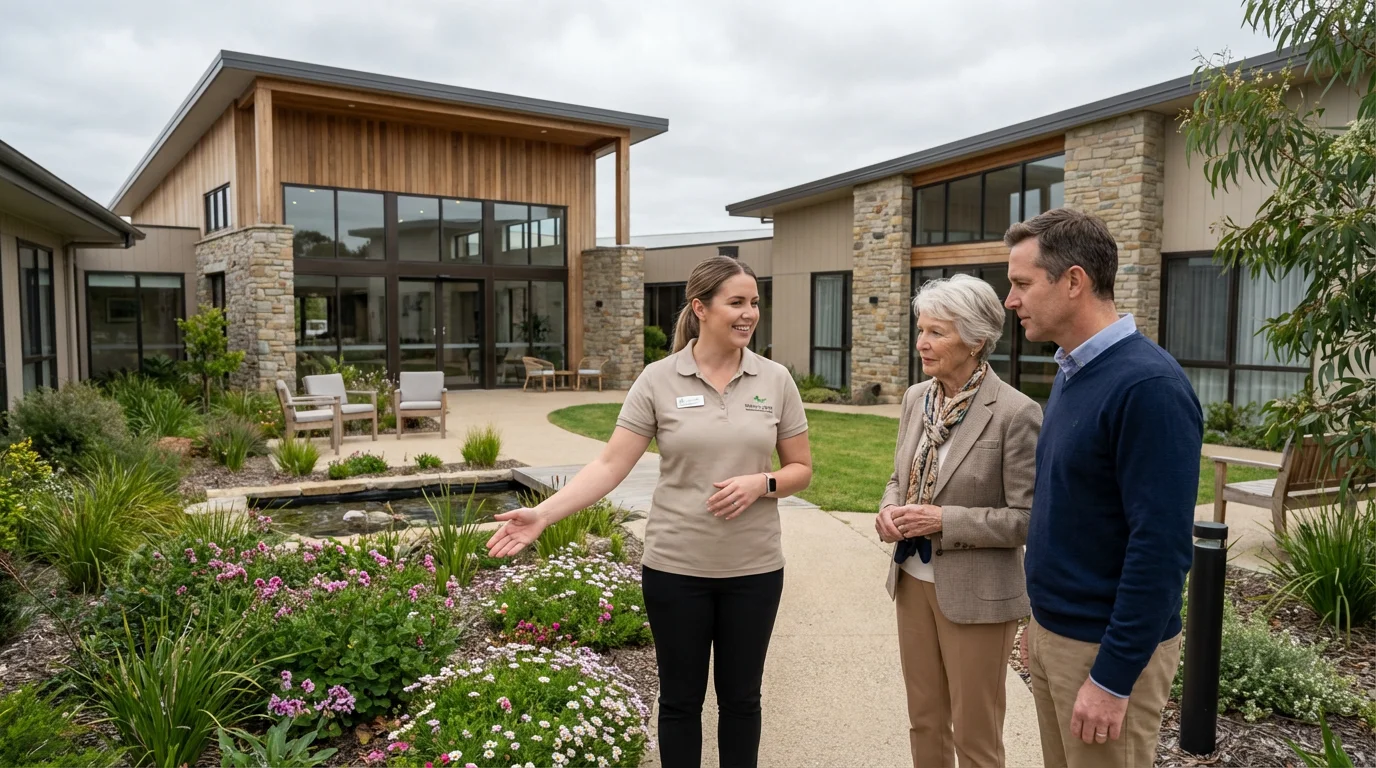
A community tour is your chance to experience the environment firsthand and gather crucial information. When Dorothy and I toured Hawthorn Ridge, I approached it with a checklist to ensure we covered all important aspects.
You become an informed decision-maker by observing and asking specific questions.
When you tour, pay close attention to:
- Overall Cleanliness and Maintenance: Observe the common areas, dining rooms, and grounds. Is everything well-maintained and clean? This reflects the community’s operational standards, and as a civil engineer, I paid close attention to this.
- Resident Engagement: Do residents appear engaged and happy? Are they participating in activities, socializing, or pursuing hobbies? A vibrant atmosphere is a positive sign. Dorothy was particularly good at sensing this.
- Staff Interaction: Watch how staff members interact with residents and with each other. Are they friendly, respectful, and attentive? A positive staff culture enhances the living experience.
- Dining Experience: If possible, have a meal in the dining room. Dorothy and I did, and evaluated the food quality, menu variety, and service. It’s a good way to observe the ambiance and social interaction during meal times.
- Apartment or Home Layout: Inspect the specific unit you might occupy. Consider its size, natural light, accessibility features (e.g., grab bars, wide doorways), and storage space. We made sure our apartment felt like a place we could comfortably call home, even if it was much smaller than our Columbus house.
- Emergency Preparedness: Ask about emergency procedures, including fire safety, medical emergencies, and natural disasters. Understand how the community ensures resident safety. This was a non-negotiable for me.
- Safety and Security Measures: Look for secure entry systems, well-lit common areas, and emergency call buttons in residences and common areas.
- Activity Calendar: Review the monthly activity calendar. Does it offer a diverse range of activities that align with your interests? I looked for sports and volunteering opportunities; Dorothy looked for art classes and social events.
- Outdoor Spaces: If you enjoy the outdoors, check the availability and upkeep of gardens, walking paths, and common outdoor areas. Dorothy still misses her garden in Columbus, so I made sure there were pleasant outdoor spaces here.
Take notes during your tour, and don’t hesitate to ask follow-up questions. I recommend visiting more than once, perhaps at different times of day, to get a fuller picture.
You want to feel confident in your choice, just as we did when we finally decided on Hawthorn Ridge.

Essential Questions to Ask Before You Decide
Beyond what you observe during a tour, specific questions help clarify a community’s policies, services, and financial implications. Asking these questions empowers you with the knowledge needed to make a confident decision.
I made sure to ask every single one of these, and then some, to ensure transparency and avoid future surprises. It’s the engineer in me.
Regarding Costs and Contracts:
- What is the exact monthly fee, and what does it include?
- Are there any entrance fees, and if so, how is it structured (e.g., refundable portion)?
- What services or amenities incur additional charges? Provide a complete list.
- How often do fees increase, and what is the typical percentage of increase?
- What is the policy for moving to a higher level of care (if applicable, in a CCRC)? How do costs change?
- What happens if my financial situation changes in the future? Do you offer financial assistance programs?
- Can I review a sample resident contract and financial disclosure statement? (Always ask for this!)
Regarding Services and Care:
- What are the dining options, meal schedules, and dietary accommodations?
- What transportation services are provided, and for what purposes (appointments, shopping, outings)?
- How often are housekeeping and laundry services provided?
- What emergency response systems are in place in the apartments and common areas?
- What is the typical staff-to-resident ratio, particularly during evenings and weekends?
- What health and wellness programs do you offer? Is there a nurse on staff, and during what hours?
- What is the guest policy for visitors and overnight stays?
Regarding Lifestyle and Community:
- Can I see a typical weekly or monthly activity calendar?
- How are residents’ interests incorporated into activity planning?
- Are there opportunities for resident involvement in community governance or committees?
- What is the average age of residents, and what is the male-to-female ratio?
- What is the community’s policy on pets?
- How do you handle resident grievances or concerns?
- Can I speak with current residents privately about their experiences? (Dorothy excelled at this, striking up conversations with everyone.)
I cannot emphasize this enough: You should review all contracts with an elder law attorney before signing. This ensures you understand all terms, conditions, and financial obligations.
You protect your interests by seeking professional legal advice.
Frequently Asked Questions
Is independent living only for healthy seniors?
Independent living communities are designed for seniors who can live independently without assistance with daily personal care. While residents are generally healthy, the focus is on maintaining an active, social, and maintenance-free lifestyle.
This was perfect for Dorothy and me. If you require help with bathing, dressing, or medication management, assisted living would be a more suitable option.
What is the typical age range for independent living residents?
While most communities set a minimum age, often 55 or 62, the typical age range of residents varies. Dorothy and I are in our early 70s, and we’ve found a diverse group of individuals, generally in their late 70s to 90s, who value independence and community.
Some communities may have a younger, more active demographic, while others cater to an older population.
Can couples live together in an independent living community?
Yes, independent living communities absolutely welcome couples. Dorothy and I found plenty of apartments with sufficient space for two individuals.
The fees might be slightly higher for a second occupant, but you still benefit from the shared amenities and services. Living together helped us maintain our established routines and support systems through the big move.
Do independent living communities allow pets?
Many independent living communities are pet-friendly, recognizing the companionship pets provide. However, specific policies vary.
You should inquire about pet fees, size or breed restrictions, and designated pet areas during your tour. Dorothy and I didn’t have to worry about this, as our kids took our dog when we moved, but it’s an important question for many.
What happens if my health declines while living in an independent living community?
If your health declines, your options depend on the community type. In a standalone independent living community like Hawthorn Ridge, you might need to move to an assisted living facility or another care setting.
If you reside in a Continuing Care Retirement Community (CCRC), you can often transition to their on-site assisted living or skilled nursing facilities, ensuring continuity of care. I made sure to discuss these potential transitions with community staff during our research.
Is independent living more expensive than staying in my own home?
The cost comparison between independent living and staying in your own home varies. When I crunched the numbers for our 2,400 sq ft colonial on Elmwood Drive, I included the mortgage, property taxes, insurance, utilities, maintenance, repairs, landscaping, and potential costs for in-home services.
Independent living bundles many of these costs into one monthly fee. For many, the value of convenience, safety, and social engagement in independent living outweighs the perceived cost difference, especially when considering the hidden costs and burdens of homeownership.
I encourage you to create a detailed cost comparison specific to your situation, just as I did. For us, the move was the best financial and lifestyle decision we made in retirement.
Disclaimer: This article is for informational purposes only and does not constitute medical, legal, or financial advice. Senior housing costs, services, and availability vary significantly by location and provider.
We strongly encourage readers to tour multiple communities, review contracts carefully with legal counsel, and consult with eldercare specialists, financial advisors, and healthcare providers before making housing decisions.