When Dorothy and I started looking at where we’d spend our retirement, the landscape of senior housing felt a bit like a foreign country. I’m a civil engineer, so I like things laid out clearly, with all the variables accounted for.
But what I quickly learned, after two full years of research, was that this isn’t a static field.
Finding the right fit often involves exploring various housing options that can accommodate your specific lifestyle and medical needs.
It’s evolving rapidly, driven by new technology, what people like us expect, and a much better understanding of how to stay healthy as we get older.
For anyone else out there, just starting to explore their options like we did, understanding these emerging trends is crucial.
It helps you see what’s truly possible and what you should be looking for as you plan your next chapter.
In this guide9 sections
- Embracing Smart Technology and Connected Living
- Wellness-Centric Design and Holistic Health
- Personalized Care Models and Adaptive Services
- Sustainable and Intergenerational Communities
- Innovative Financing Models and Affordability
- Advancements in Specialized Care and Support
- Telehealth and Remote Monitoring Integration
- Navigating Your Future Housing Decisions
- Frequently Asked Questions

Embracing Smart Technology and Connected Living
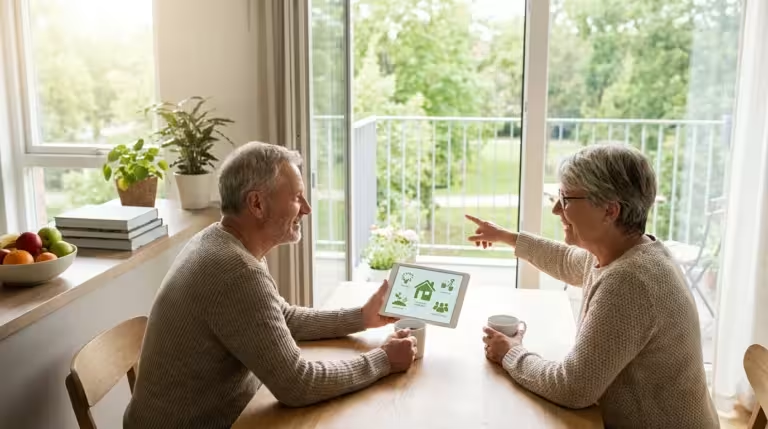
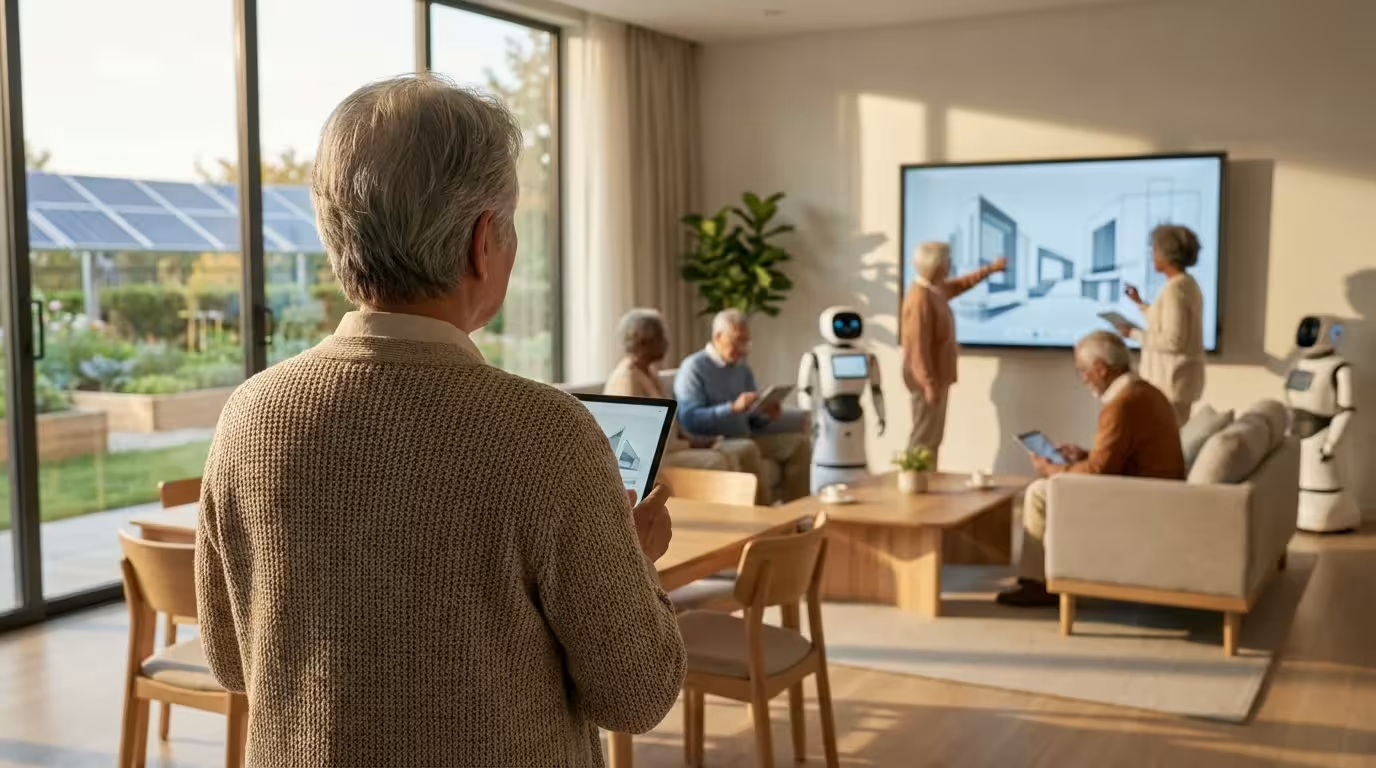
When I was researching 55+ communities, I had a specific section in my spreadsheet for “Technology Integration.” I’m glad I did, because the integration of smart home technology is truly changing senior housing.
As you evaluate these tech features, it’s also important to have a list of questions to ask when touring a prospective community.
These smart home features are essential not just for new communities, but also for those looking at safety when aging in place in their current homes.
It’s making things safer, more convenient, and keeping us connected. Communities are really leaning into Internet of Things (IoT) devices, artificial intelligence (AI), and automation to create living environments that respond to our needs.
These innovations empower residents and certainly give our kids, Karen, Michael, and Susan, a lot more peace of mind.
Smart Home Features for Enhanced Living
- Voice-Activated Assistants: Dorothy uses our smart speaker constantly to check the weather, play her classical music, or set a timer for her Sunday morning baking. It’s a simple thing, but it reduces physical effort and helps us maintain our independence here in Hawthorn Ridge.
- Automated Environmental Controls: Smart thermostats learn our preferences, adjusting temperatures automatically for comfort and energy efficiency. I’ve always been a stickler for energy bills, so this was a feature I definitely looked for. Automated blinds can open and close with the sun, optimizing natural light.
- Advanced Security Systems: Keyless entry systems, smart doorbells with video feeds, and motion sensors offer improved security. These features provide residents with greater control over their personal space, something I value quite a bit.
- Smart Lighting: Adaptive lighting systems can adjust brightness and color temperature throughout the day, supporting circadian rhythms. This promotes better sleep and overall well-being.
Beyond individual units, community-wide Wi-Fi and digital platforms facilitate communication, event scheduling, and access to services. Many communities now offer resident portals for ordering meals, booking fitness classes, or connecting with staff directly from their devices.
I’ve even used ours to sign up for a pickleball clinic or two.
Wearable technology also plays a crucial role in future senior living. I wear a device that tracks my activity levels, heart rate, and sleep patterns, providing valuable data for preventative health.
Some wearables include fall detection, automatically alerting staff or family members in an emergency. This proactive approach to health monitoring is becoming a standard feature in many forward-thinking communities, and it’s something I considered a “must-have” when I was comparing options.
Wellness-Centric Design and Holistic Health
When Dorothy and I were looking at communities, the “amenities” column on my spreadsheet got pretty long. What I realized, though, is that future senior housing focuses increasingly on holistic wellness, encompassing physical, mental, and social health.
While focus on physical health is vital, many families find that addressing the emotional side of moving to senior housing is just as important for a smooth transition.
Design principles now prioritize natural light, open spaces, and access to nature, what they call biophilic design. These elements certainly contribute to our overall happiness and cognitive function here in Sarasota.
I’ve noticed a big difference myself.
Key Aspects of Wellness-Focused Communities
- Integrated Fitness and Therapy Spaces: State-of-the-art gyms, warm-water therapy pools, and dedicated spaces for yoga or meditation are becoming common. I play pickleball four mornings a week, and having top-notch courts and a good gym accessible right in Hawthorn Ridge was a major factor in my decision matrix. These facilities support diverse physical activity levels and rehabilitation needs.
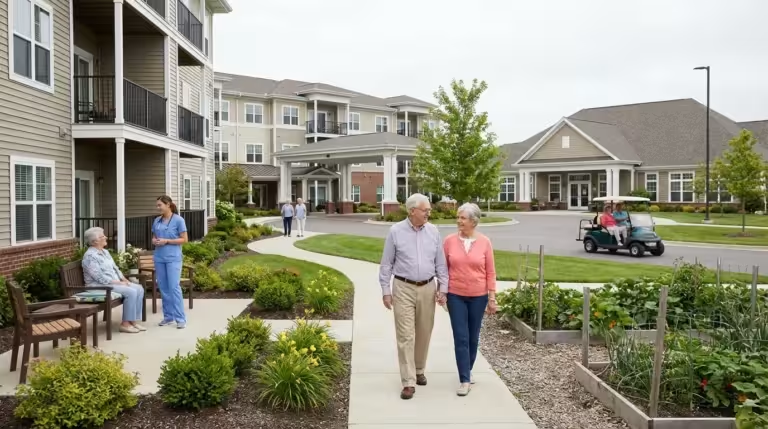
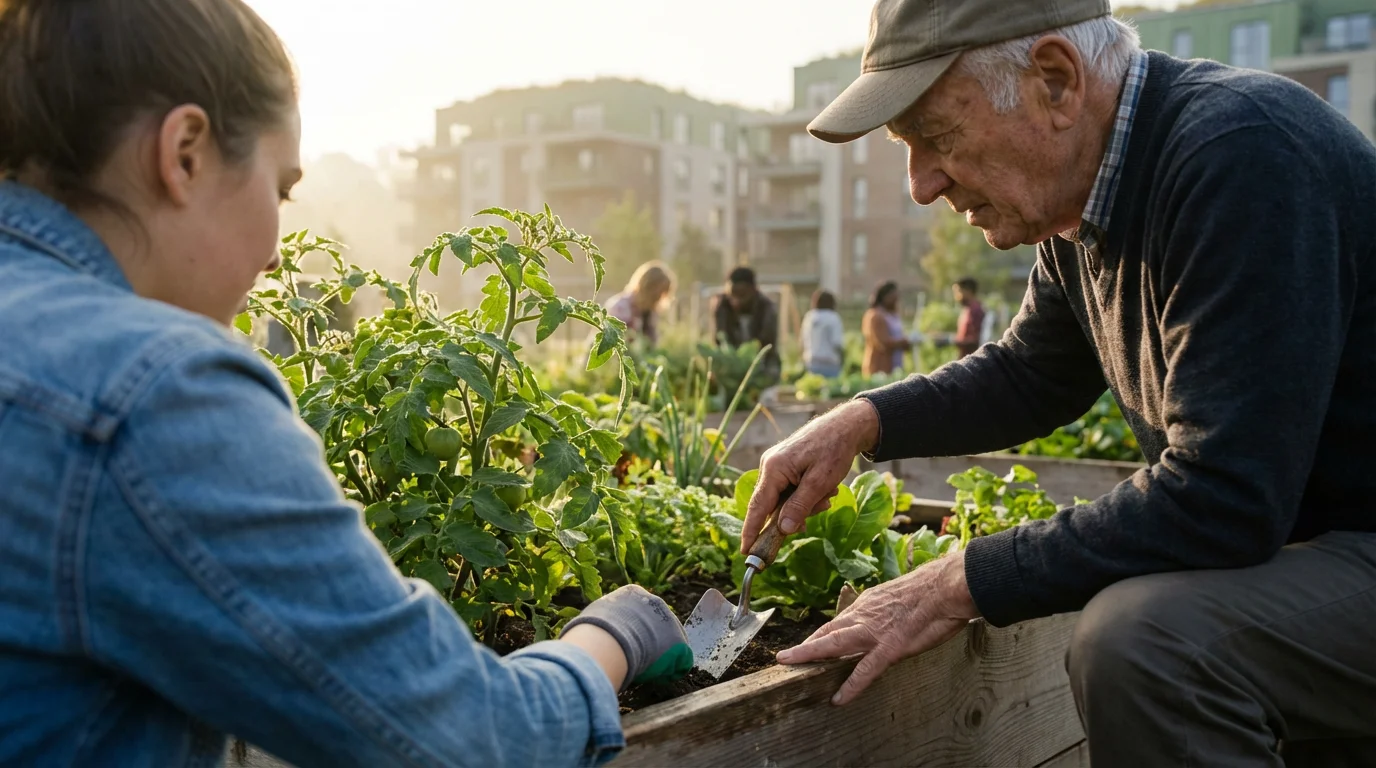
- Outdoor Greenspaces and Gardens: Access to walking trails, sensory gardens, and communal gardening plots encourages outdoor activity and social interaction. Dorothy still misses her garden in Columbus, so she appreciates the communal gardening plots here, even if she’s not tending her own roses anymore. Studies show that time in nature can reduce stress and improve mood.
- Nutritional Programs and Dining: Future communities offer diverse, chef-prepared meals catering to various dietary needs and preferences. Emphasis is placed on fresh, locally sourced ingredients and flexible dining options, including bistro-style cafes and formal restaurants. I’ve become an unexpectedly good cook since retirement, but having options for fresh, healthy meals when I don’t feel like cooking is a real benefit.
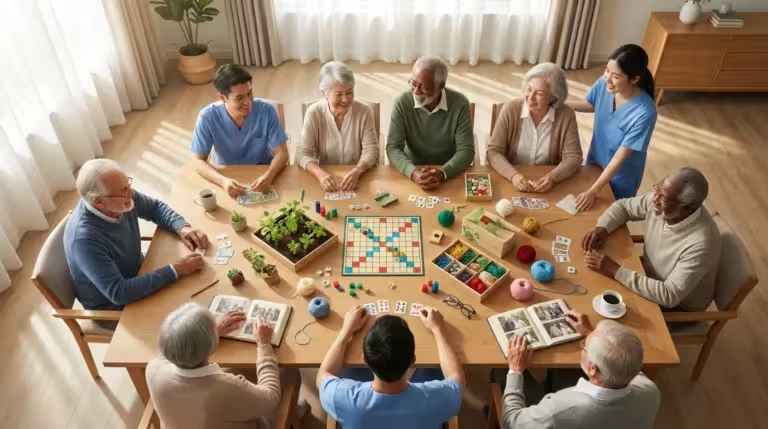
- Lifelong Learning and Engagement: Programs include educational workshops, art classes, music therapy, and intergenerational activities. Dorothy, for instance, has recently taken up watercolor painting – she’s not good at it, and doesn’t care, which I find admirable. These opportunities stimulate cognitive function and foster a strong sense of community belonging.
The National Council on Aging (NCOA) emphasizes the importance of accessible and engaging environments for promoting senior health and well-being. Look for communities that actively integrate these principles into their core offerings.
This shift from mere housing to comprehensive wellness hubs signifies a major evolution in senior living, and it’s something I truly believe improves our quality of life.

Personalized Care Models and Adaptive Services
As a civil engineer, I appreciate efficiency and systems that adapt to changing conditions. The future of senior housing prioritizes individualized care, moving away from one-size-fits-all approaches.
AI and data analytics enable communities to tailor services precisely to each resident’s unique needs, preferences, and health status.
This ensures we receive the right level of support at the right time, which was a significant factor in my extensive research into our long-term planning.
Innovations in Personalized Care
- Flexible Care Plans: Residents experience dynamic care plans that adapt as their needs change. For instance, a resident might start in independent living, then transition to assisted living services within the same community, receiving support for Activities of Daily Living (ADLs) like bathing or dressing, without a full relocation. This continuum of care was one of the 14 variables in my comparison matrix when I was researching communities for two full years.
- Predictive Analytics: AI algorithms analyze data from wearables, smart home sensors, and health records to identify subtle changes in behavior or health markers. This allows staff to intervene proactively, potentially preventing falls or health crises. As someone who values data, this kind of foresight is incredibly appealing.
- On-Demand Services: Residents access services such as housekeeping, personal assistance, or transportation via apps or voice commands. This offers greater autonomy and control over their daily routines.
- Telemedicine Integration: Virtual doctor appointments and remote health consultations are easily accessible within the community. This reduces the need for external travel and ensures timely medical attention, something I appreciate since I don’t enjoy driving in heavy traffic.
Continuing Care Retirement Communities (CCRCs) are particularly well-suited to these adaptive models, offering a full continuum of care from independent living to skilled nursing facilities (SNFs).
They provide security and peace of mind, knowing that escalating care needs can be met within a familiar environment. This was a critical component of my long-term planning for Dorothy and me.
Sustainable and Intergenerational Communities
Even as I was focused on the practicalities of our move, I also paid attention to the broader community. Future senior housing models are increasingly embracing sustainability and fostering connections across generations.
By focusing on shared spaces and eco-friendly design, many are realizing the benefits of downsizing to a more communal environment.
Eco-friendly practices and designs are not just good for the planet; they also appeal to a new generation of environmentally conscious seniors.
Intergenerational programs combat social isolation and enrich the lives of both seniors and younger community members, which I know Dorothy, especially, would appreciate with our grandchildren, Lily and Noah, living so far away.
Trends in Eco-Friendly Design and Community Living
- Green Building Practices: As a civil engineer, I appreciate seeing new communities incorporate sustainable materials, energy-efficient systems, and water conservation technologies. Features like solar panels, rainwater harvesting, and recycled content are becoming standard. It’s simply good design.
- Community Gardens and Local Food Sourcing: On-site gardens provide fresh produce, reducing the carbon footprint associated with food transportation. This also offers therapeutic and social benefits for residents. Our community in Hawthorn Ridge has some lovely green spaces, and I often see Dorothy chatting with folks near the smaller garden plots.
- Intergenerational Programs: Communities partner with local schools or universities, hosting mentorship programs, shared activities, or even on-site daycare centers. These interactions provide opportunities for learning, shared experiences, and mutual support. I’ve seen how much joy Dorothy gets from talking to younger people, and I think it’s healthy for everyone.
- Walkable Neighborhoods: Developments are designed to be part of larger, walkable communities, with easy access to shops, parks, and public transportation. This promotes independence and reduces reliance on personal vehicles. While we still drive, it’s nice to know everything we need isn’t far.
These models offer a vibrant living experience that supports both environmental responsibility and social engagement. They challenge traditional perceptions of senior living, creating dynamic spaces where residents thrive alongside their broader community.

Innovative Financing Models and Affordability
Now, this is an area where I truly shine. I manage our finances with what Dorothy calls “a level of detail that belongs in a NASA mission.”
As the cost of living and care continues to rise, innovative financial models are emerging to make senior housing more accessible and affordable.
We also looked at how government assistance for senior housing could potentially factor into the long-term affordability of various facilities.
Exploring budget-friendly senior apartments is another way to maintain a high quality of life while keeping costs manageable.
Traditional models often involve significant upfront entry fees and monthly service charges. Future options aim to provide greater flexibility and financial predictability, which was high on my list of priorities when I built my 14-variable comparison matrix.
New Approaches to Senior Housing Financing
- Co-Housing and Shared Equity Models: Seniors pool resources to purchase or rent properties, sharing expenses and responsibilities. This reduces individual costs and fosters strong communal bonds.
- Subscription-Based Services: Some communities offer a base rent with flexible add-on service packages, allowing residents to pay only for the care and amenities they use. This can be more cost-effective than all-inclusive models.
- Rent-Only Communities with A La Carte Care: These senior apartments or independent living facilities allow residents to pay only for their housing. They then purchase personal care services or meal plans as needed, often from external providers or the community itself.
- Partnerships with Long-Term Care (LTC) Insurance and Government Programs: Providers are working to streamline the use of LTC insurance benefits and explore new avenues for government funding or subsidies. This expands access for a broader range of income levels.
Understanding the financial implications is critical for any housing decision. When we were evaluating our options, I found that typical costs for assisted living, for example, can range from $3,500 to $7,500 per month, depending heavily on location, level of care, and amenities.
Independent living usually has lower costs, often ranging from $2,000 to $5,000 monthly, excluding extensive care services.
These figures vary significantly, so always request a detailed breakdown of all fees. Be sure to ask about what is included in the base rate versus what constitutes extra charges.
I can’t stress this enough – get it in writing, and then read it twice.
When considering options, ask comprehensive questions about financial transparency. The Argentum Senior Living association provides resources that highlight the importance of clear pricing structures and resident rights regarding financial agreements.
Don’t be afraid to dig into the numbers; it’s the only way to avoid surprises.

Advancements in Specialized Care and Support
While Dorothy and I are in independent living, my two years of research, and especially my comparison matrix, certainly included looking at the full spectrum of care.
Memory care and skilled nursing facilities are seeing profound innovations aimed at improving resident quality of life and care outcomes.
These advancements focus on creating therapeutic environments and employing cutting-edge techniques to support individuals with specific health challenges. It’s reassuring to know these options are evolving.
Key Innovations in Specialized Care
- Therapeutic Design for Memory Care: Communities incorporate circular pathways to reduce disorientation, color-coded signage, and sensory stimulation rooms. These design elements help calm residents and support cognitive function.
- Virtual Reality (VR) and Immersive Experiences: VR technology offers therapeutic benefits for individuals with dementia, allowing them to revisit past memories or experience new, calming environments. These experiences can reduce agitation and improve mood.
- Personalized Engagement Activities: AI-driven platforms can tailor activities to an individual’s cognitive level, interests, and life history. This ensures meaningful engagement, which is vital for mental well-being in memory care settings.
- Advanced Rehabilitation Technology: Skilled Nursing Facilities (SNFs) are utilizing robotics for physical therapy, advanced wound care technologies, and sophisticated monitoring systems. These tools enhance recovery and optimize health outcomes. As an engineer, I find the application of these technologies quite impressive.
When exploring options for specialized care, it is essential to ask about staff training, resident-to-staff ratios, and specific programs offered. Resources like Medicare’s Care Compare tool allow you to research and compare skilled nursing facilities based on quality ratings and services provided.
It’s another layer of due diligence that’s worth the effort.
Telehealth and Remote Monitoring Integration
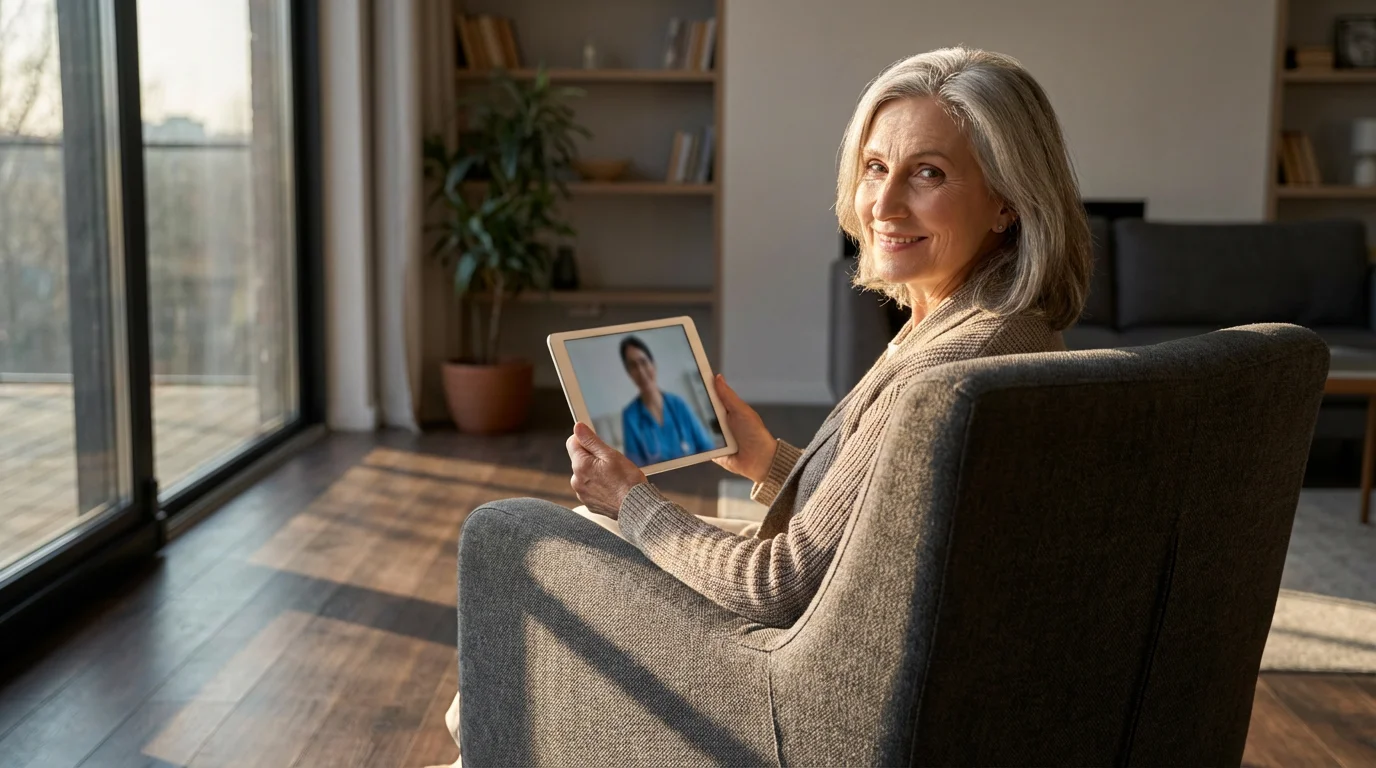
Telehealth has rapidly transformed healthcare delivery, and its integration into senior housing is a critical trend for the future. Remote monitoring technologies enable continuous oversight of residents’ health, providing immediate alerts for concerning changes and supporting preventive care.
This was another aspect I weighed when considering our move, knowing that our children live in Cincinnati, Seattle, and Austin, and having that extra layer of remote support would give them, and us, peace of mind.
Benefits of Telehealth and Remote Monitoring in Senior Living
- Convenient Medical Consultations: Residents can have virtual appointments with doctors, specialists, and therapists from the comfort of their own homes or community clinic. This reduces transportation challenges and wait times, which is always a plus.
- Proactive Health Management: Wearable sensors track vital signs, sleep patterns, and activity levels. This data helps care teams identify potential health issues early, leading to timely interventions. I’m a big believer in proactive maintenance, whether it’s for a bridge or for my own health.
- Enhanced Communication: Telehealth platforms facilitate easier communication between residents, family members, and healthcare providers. This ensures everyone stays informed about a resident’s well-being, which is especially important for our kids who are spread across the country.
- Reduced Hospital Readmissions: Continuous monitoring and quick access to medical advice can help manage chronic conditions effectively. This minimizes the need for emergency room visits and hospitalizations.
These technologies are particularly beneficial for residents in independent living or assisted living settings, offering an added layer of safety and support. They provide peace of mind, knowing that medical expertise is readily available without significant disruption to daily life.

Navigating Your Future Housing Decisions
Understanding these senior housing trends empowers you to make more informed choices for your future. I spent two full years researching 55+ communities before Dorothy and I finally moved to Hawthorn Ridge.
My methodical approach, with my comparison matrix and 14 variables, might have seemed excessive to some, but it gave me a clear picture of what we were getting into. As you explore current options, consider how communities are adapting and incorporating these innovations.
Your decision should align with your long-term vision for health, independence, and quality of life.
Questions to Ask When Touring Communities About Future Readiness
- What smart home technologies are currently implemented, or what are your plans for future integration?
- How do you personalize care plans, and how do those plans adapt to changing needs over time?
- What wellness programs are offered, and what new initiatives are planned for holistic health?
- Do you have any intergenerational programs or partnerships with local schools or organizations?
- What are the details of your financial models, and what provisions are in place for long-term affordability?
- How do you support residents with specialized care needs, and what advancements are you exploring in those areas?
- What telehealth and remote monitoring services are available to residents?
Remember that the best community is one that evolves with you, offering a supportive and stimulating environment for years to come. Do not hesitate to engage with staff, talk to current residents, and review all contractual agreements carefully.
Consulting with an eldercare specialist or financial advisor can provide invaluable guidance throughout this process. It certainly did for us.
Frequently Asked Questions
What are the biggest future trends in senior housing?
From my perspective, the biggest future trends include widespread integration of smart home technology, highly personalized care models, wellness-centric design, sustainable practices, intergenerational living, and innovative financial structures.
These trends aim to enhance our independence, well-being, and social connection, which were key factors in my own research process.
How will technology improve senior living?
Technology will improve senior living by offering enhanced safety through smart sensors, greater convenience with voice-activated controls (which Dorothy uses daily), better health monitoring via wearables and telehealth, and increased social engagement through digital platforms.
It will enable proactive care and personalize the living experience, making our lives more efficient and secure.
What should I look for regarding affordability in future senior housing?
You should look for communities offering flexible financing models such as subscription services for care, rent-only options with a la carte services, or co-housing arrangements.
Inquire about transparent fee structures, potential partnerships with Long-Term Care (LTC) insurance providers, and any available government subsidies. Don’t be afraid to ask for a detailed breakdown of every single cost – that’s what I did.
Are Continuing Care Retirement Communities (CCRCs) adapting to these trends?
Yes, CCRCs are actively adapting by incorporating smart home features into new construction and renovations, enhancing wellness programs (like the pickleball courts I enjoy), and leveraging technology for personalized care across their continuum of services.
They remain a strong option for those seeking long-term security and integrated care, and were a significant part of my initial research.
How can I ensure a community is forward-thinking in its approach?
During your tour, ask specific questions about technology integration, personalized care plans, and future development initiatives. Look for evidence of investment in modern amenities, staff training in new technologies, and a clear vision for resident engagement and wellness.
Check if they have CARF accreditation, which indicates a commitment to quality and continuous improvement – it’s a good indicator of a well-run organization.
What role will intergenerational programs play?
Intergenerational programs will play a vital role in combating social isolation among seniors and enriching communities. They offer opportunities for mentorship, shared learning, and mutual support, benefiting both older and younger generations by fostering connection and reducing age segregation.
Dorothy, especially, would tell you how important connecting with younger folks is.
Disclaimer: This article is for informational purposes only and does not constitute medical, legal, or financial advice. Senior housing costs, services, and availability vary significantly by location and provider. We strongly encourage readers to tour multiple communities, review contracts carefully with legal counsel, and consult with eldercare specialists, financial advisors, and healthcare providers before making housing decisions.