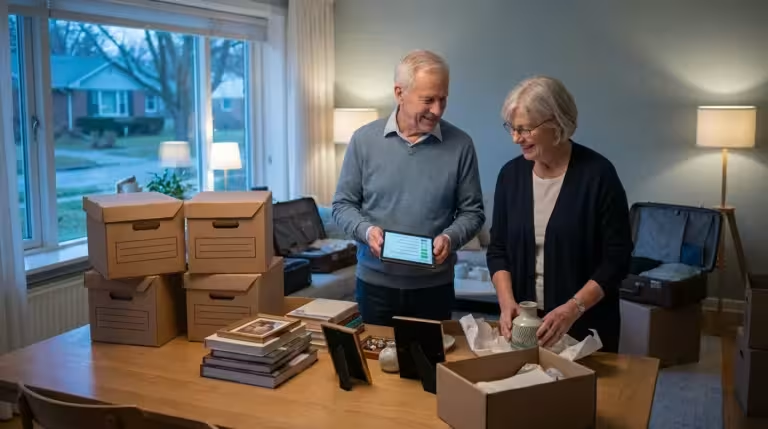

Deciding to downsize our home was, for Dorothy and me, one of the biggest transitions we’ve made in our 44 years together.
I’ll admit, when I first started crunching the numbers and looking at floor plans for smaller places, I saw it as a purely logical step.
Dorothy, of course, looked at our 2,400 sq ft colonial on Elmwood Drive in Columbus, Ohio, and saw a lifetime of memories, each one attached to a specific piece of furniture or a dusty old box.
We both had our reasons for how we felt, and in the end, both turned out to be necessary.
Downsizing, as we discovered, isn’t just about moving boxes; it’s about freeing yourself from the burden of too much house and too much stuff.
It reduces financial pressures, cuts down on maintenance, and creates room for new adventures – like my pickleball games or Dorothy’s watercolor painting (she insists she’s not good, but I think she’s just being modest).
This guide is about the practical benefits we found, the insights we gained, and how we navigated this journey to what I now call “right-sized living.”
In this guide9 sections
- Beyond the Boxes: Understanding the True Benefits of Downsizing
- Financial Freedom and Reduced Expenses
- Embracing a More Manageable Lifestyle
- Navigating the Emotional Landscape of Letting Go
- Practical Steps for a Smooth Downsizing Journey
- Smart Strategies for Selling, Donating, and Discarding
- Optimizing Your New, Right-Sized Space
- Helping Loved Ones: A Guide for Adult Children
- Frequently Asked Questions
Beyond the Boxes: Understanding the True Benefits of Downsizing
When I first started researching retirement and what it meant for our future, downsizing wasn’t just about finding a smaller house. For me, it was a logical strategy to regain control over our lives and our finances.
Finding ways to move from clutter to calm helps turn a smaller footprint into a peaceful and functional sanctuary.
We had accumulated what I once estimated to be “approximately one metric ton of stuff we don’t need” over 44 years in our Columbus home. I realized that rather than owning our possessions, they were starting to own us.
The benefits, as I laid out in my initial research for Dorothy, go far beyond simply decluttering. It’s about simplifying daily routines, cutting down on time spent on chores, and freeing up mental energy.
This shift, I explained, would empower us to focus on experiences, hobbies, and relationships that truly enrich retirement.
I envisioned more time with our grandchildren, more travel, and definitely more time on the pickleball court – things that were hard to fit in when we were constantly maintaining a large home and all its contents.
From my perspective, the core advantages we unlocked by embracing simpler living were clear:
- Increased financial flexibility and security.
- Significantly reduced home maintenance and chores.
- Greater freedom to travel and pursue hobbies (like my pickleball).
- A more organized and peaceful living environment.
- Less stress and improved mental well-being for both of us.
- The opportunity to design a home that perfectly suited our current needs in Hawthorn Ridge.
These transformative changes were compelling reasons why I was so determined to pursue this path. I wanted a life defined by purpose, not by possessions, and I knew the numbers supported it.

Financial Freedom and Reduced Expenses
This is where my spreadsheets really sang. When I ran the numbers on our 2,400 sq ft colonial on Elmwood Drive versus the smaller homes in the 55+ communities I was researching, the financial benefits of downsizing were undeniable.
It wasn’t just a boost; it was a significant overhaul of our financial well-being, allowing us to live more comfortably and securely in retirement.
Reviewing different senior housing options ensures you find a property that aligns with your long-term budget and lifestyle goals.
Beyond monthly savings, it is important to understand the tax implications of selling your family home to ensure your financial plan remains sound.
The savings were immediate and tangible. Our property taxes in Ohio were substantial, and they decreased considerably with a smaller home value in Florida.
Utility bills – heating, cooling, electricity for a four-bedroom house – dropped like a stone.
Even our home insurance premiums were lower. These monthly savings, which I meticulously tracked, added up quickly, creating a substantial positive impact on our budget.
Dorothy often jokes that my financial planning belongs in a NASA mission, but it certainly paid off here.
Selling our larger, more valuable home in Columbus also freed up significant capital. We used those funds to purchase our new place in Hawthorn Ridge outright.
That meant no mortgage payments, which was a huge weight off our minds.
This capital infusion provided a valuable safety net, and it also allowed us to invest in experiences we’d always dreamed of, like visiting our kids in Seattle and Austin more often.
It’s helped us build a robust emergency fund, which, as a civil engineer, gives me immense peace of mind.
Even the cost of furnishing and decorating our smaller space was naturally less. We focused on quality over quantity, buying fewer items that truly enhanced our new home, rather than just filling empty rooms.
My financial strategy became more robust, and our funds went further, directly answering how downsizing could improve our retirement finances. The numbers were clear as day, and I was right about that part.

Embracing a More Manageable Lifestyle
After 44 years in our house on Elmwood Drive, I was tired of spending weekends fixing things, mowing a large yard, or cleaning rooms we barely used. The allure of simpler living, for me, was largely about shedding those obligations.
Downsizing truly liberated us from the constant demands of home maintenance, offering a lifestyle characterized by ease and enjoyment. This was a core reason I pushed for the move, and I’m glad Dorothy eventually saw the light.
Think about the time I used to spend on household chores. Cleaning three bathrooms, vacuuming extensive living areas, or tending to that large yard became physically taxing.
In our smaller place in Hawthorn Ridge, these tasks are quick and effortless.
For example, I read a study by Age UK that found individuals in smaller, well-designed homes reported higher levels of daily physical activity due to easier access to amenities, and spent 40% less time on home maintenance tasks.
I can certainly vouch for that statistic now; I spend much more time on the pickleball court or volunteering at the food bank, and much less time wrestling with a lawnmower.
This newfound free time is a valuable asset. I can dedicate it to activities I truly love, like playing pickleball four mornings a week, or reading more deeply into topics that interest me.
Dorothy uses her extra time for her new watercolor painting hobby, and we both have more energy for our grandchildren when they visit.
We found we had more energy for social engagements and personal enrichment when we weren’t constantly battling household upkeep. Our days became less about managing possessions and more about living fully.
Moving to Hawthorn Ridge, a 55+ active adult community in Sarasota, placed us closer to amenities and services. We can walk to the community pool, the gym, or even a coffee shop.
This proximity enhances independence and reduces reliance on driving, contributing to a more active and engaged retirement. This shift towards practicality and convenience significantly improved our quality of life, exactly as my research predicted.

Navigating the Emotional Landscape of Letting Go
While I tend to focus on the practical benefits, I can tell you that for Dorothy, the emotional journey was probably the greatest challenge. Our house on Elmwood Drive held 44 years of memories – raising our three children, hosting every Thanksgiving for 30 years.
Each item, no matter how small, seemed to evoke powerful feelings for her. It was perfectly normal for her to feel overwhelmed, nostalgic, and even a sense of loss during this process.
Acknowledging those emotions was important, even for a logical person like me.
I learned not to dismiss her emotional attachments. Instead, I tried to approach our belongings with empathy, even if I was secretly thinking about square footage and utility.
I understood that letting go of an item didn’t mean letting go of the memory itself. The memory, as Dorothy often reminded me, lives in our hearts and minds, not in the object.
When dealing with sentimental items, I tried to apply a thoughtful decision-making framework, similar to how I’d approach an engineering problem, but with more heart. We asked ourselves these questions:
- Does this item truly enhance our future living in Sarasota? We considered its function, beauty, and how it would fit into our new, smaller space.
- Does it spark joy or bring genuine happiness? Dorothy was very good at this one.
- Have we used or interacted with this item in the past year? Practical use often revealed its current relevance, or lack thereof.
- Does it hold a unique family history or story? Some items served as tangible links to our heritage, like the old family Bible.
- Could a loved one cherish this item more than we do now? Passing on heirlooms to Karen, Michael, and Susan was a joyful act for Dorothy.
We ended up taking photos of many items we decided not to keep. A digital album provides a wonderful way to preserve visual memories without the physical clutter.
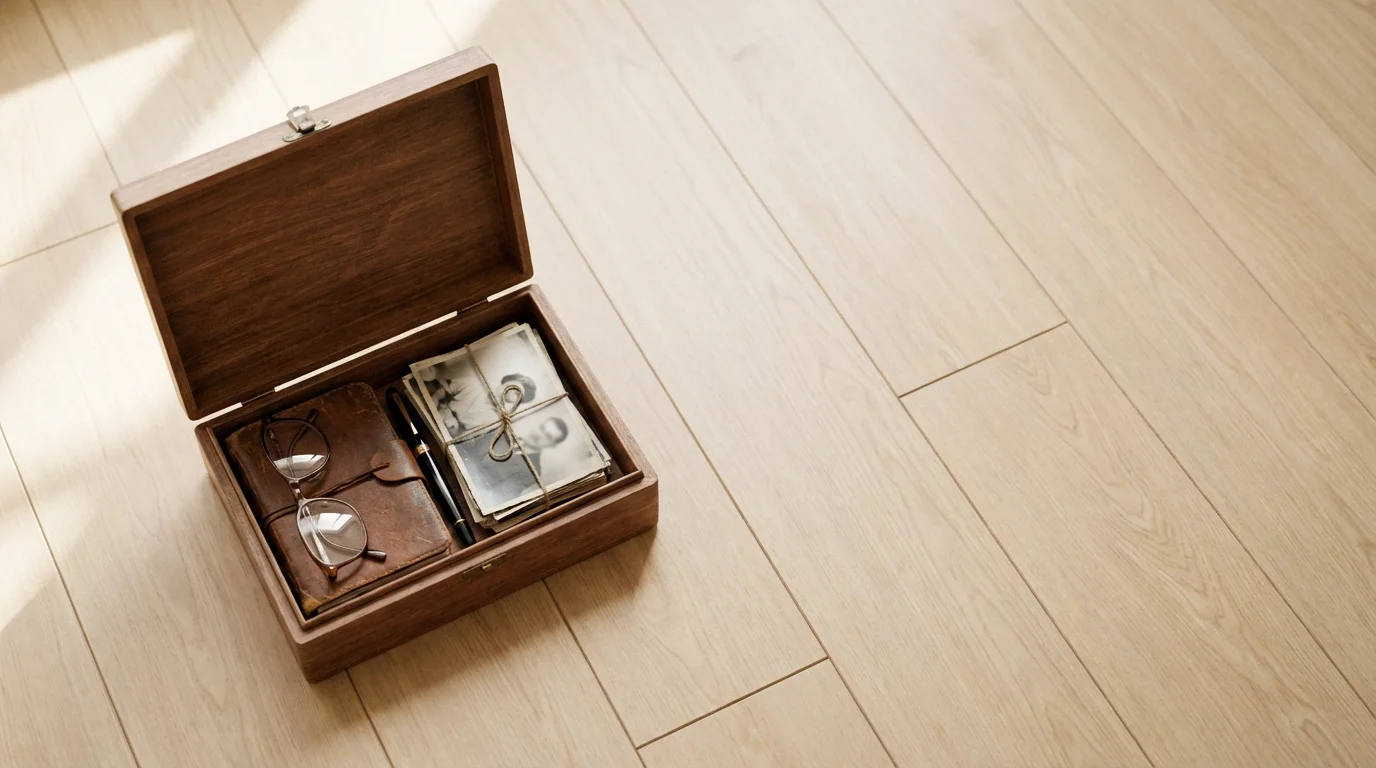
We also created a “memory box” for a select few truly irreplaceable items, which now sits proudly in our new living room in Hawthorn Ridge. It’s a curated collection of our most cherished possessions, easily stored and revisited.
For items with significant family history, we engaged our children in the process. We asked if specific pieces held meaning for them.
Often, one of the kids or even Lily or Noah, our grandchildren, would be thrilled to receive a piece of furniture or an old toy that evoked their own childhood memories.
This made letting go a positive act of sharing and continuation, and it saved us from having to figure out what to do with everything.

Practical Steps for a Smooth Downsizing Journey
This is where my civil engineering background really came in handy. Approaching downsizing with a clear, step-by-step plan significantly reduced stress and increased efficiency.
It is also beneficial to begin preparing for your transition to community living months in advance to ensure every logistical detail is covered.
To stay organized, we found that following a room-by-room downsizing checklist kept the process from feeling like an engineering nightmare.
My 14-variable comparison matrix for 55+ communities wasn’t just for choosing a new place; it was a blueprint for the move itself. A structured approach transforms an overwhelming task into a series of manageable actions.
This proactive strategy ensured we enjoyed the benefits downsizing brings, rather than becoming entangled in the process.
I started by setting realistic goals and timelines. I knew we couldn’t declutter our entire 2,400 sq ft home in a weekend.
I broke down the process into smaller, achievable segments, tackling one room or even one closet at a time.
This methodical approach prevented burnout and maintained momentum, especially for Dorothy, who found it overwhelming at times.
- Start Small and Build Momentum: We chose a less emotionally charged area first, like the linen closet or a guest bathroom. Success in these smaller areas built confidence for the bigger challenges.
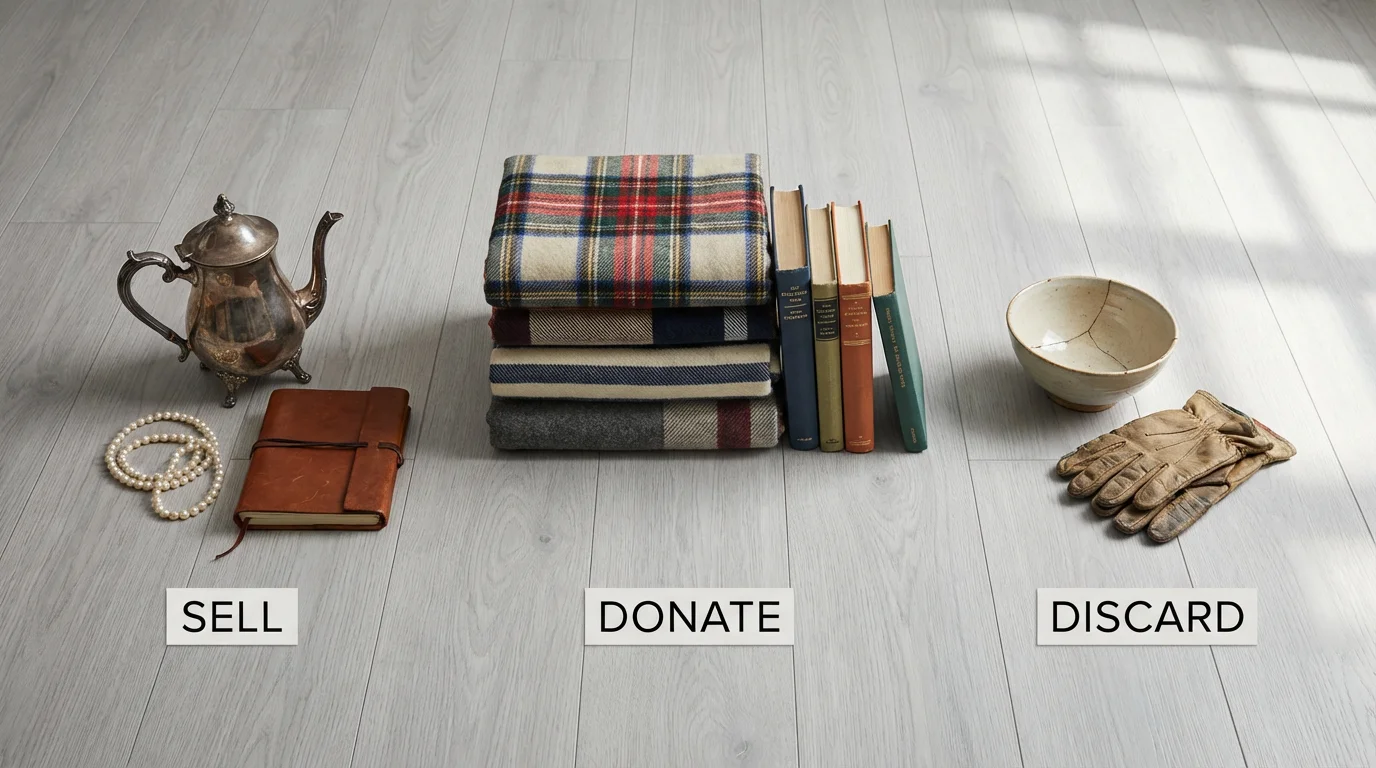
- Categorize Everything: As we went through items, I made sure we sorted them into clear categories. My labels were:
- Keep: Items we genuinely needed, used, or deeply cherished for our new home in Hawthorn Ridge.
- Donate: Items in good condition that someone else could use (and that our kids didn’t want!).
- Sell: Valuable items that could generate income (I kept a separate spreadsheet for these).
- Discard/Recycle: Broken, unusable, or environmentally disposable items.
- Measure Your New Space: Before we began, I obtained floor plans and measurements for our new home in Hawthorn Ridge. This was critical to ensure we only kept furniture and large items that would actually fit and function well in our right-sized space. I even made a scaled drawing of the new place with our existing furniture to see what would work.
- Enlist Support: We didn’t hesitate to ask for help. Our daughter Karen was invaluable, and we even considered a Senior Move Manager, though we ended up managing it ourselves with family support.
Professional organizers can guide you through the sorting and decision-making process, offering objective advice and practical strategies. The National Association of Productivity & Organizing (NAPO) provides resources to find certified professionals in your area.
For comprehensive logistical support with the entire move, including sorting, packing, and settling into your new home, consider hiring a Senior Move Manager.
The National Association of Senior & Specialty Move Managers (NASMM) offers a directory of qualified professionals who specialize in assisting older adults with transitions. According to NASMM, clients using their services report a 35% reduction in moving-related stress – a statistic I certainly appreciate.
I also took the opportunity to do some digital decluttering. I organized our digital photos, documents, and emails.
I backed up important files and deleted redundant ones. This reduced digital clutter and simplified our online life, mirroring the physical simplification we achieved in our home.
Smart Strategies for Selling, Donating, and Discarding
Once we had sorted our possessions into my carefully labeled categories, implementing effective strategies for their dispersal became crucial. I wanted to maximize value, ensure responsible disposal, and minimize hassle.
This practical phase helped consolidate the benefits downsizing brings, turning our “metric ton of stuff” into opportunity and a cleaner slate.
For items we wished to sell, I considered several avenues. We used online marketplaces for smaller items and had a successful estate sale for the larger furniture we weren’t taking to Florida.
If you have a large volume of valuable items, an estate sale company can manage the entire process, from appraisal to sale, taking a percentage of the proceeds. EstateSales.net offers a national directory of estate sale companies, providing transparent service.
I always research and choose reputable services to ensure a fair return, and I recommend you do the same.
Donating items not only decluttered our home but also supported valuable community initiatives and offered potential tax benefits. We made several trips to local charities.
Reputable organizations accept a wide range of goods:
- Goodwill: They accepted clothing, household goods, electronics, and even some furniture. Our donations helped fund job training programs, which felt good. You can visit Goodwill.org to find a donation center near you.
- Habitat for Humanity ReStore: This was great for our old appliances, building materials we had stored in the garage, and some of the more practical furniture. Sales support affordable housing projects. Find a ReStore at Habitat.org/restores.
- Local Food Banks and Shelters: We made sure to donate non-perishable food items and toiletries we wouldn’t be taking with us.
- Libraries: Many accept gently used books, CDs, and DVDs for resale or distribution.
I kept detailed records of our donations, including itemized lists and their estimated fair market value. The IRS provides guidance on claiming charitable contribution deductions, which can further enhance your financial benefits.
Consulting with a tax professional regarding significant donations is always a prudent step, and one I certainly took.
For items that couldn’t be sold or donated, responsible disposal was key. We arranged for bulk trash pickup for large, unusable items and utilized local recycling centers for electronics and hazardous materials.
Avoid simply tossing everything into a landfill; many items have recyclable components or require specific disposal methods. This thoughtful approach extended our commitment to a simpler, more responsible lifestyle, even in the final stages of moving out of our Columbus home.
Optimizing Your New, Right-Sized Space
Moving into our smaller home in Hawthorn Ridge presented an exciting opportunity to design a living environment that perfectly aligned with our current needs and preferences. Optimizing our right-sized space meant making every square foot functional, comfortable, and aesthetically pleasing.
This intentional design truly maximized the simpler living experience we were looking for.
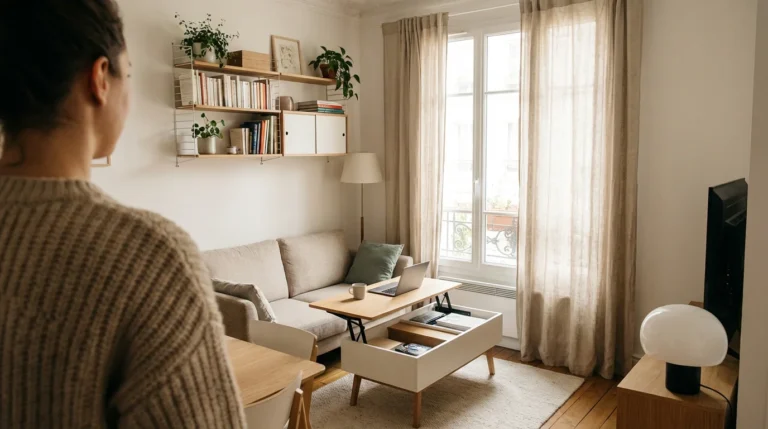
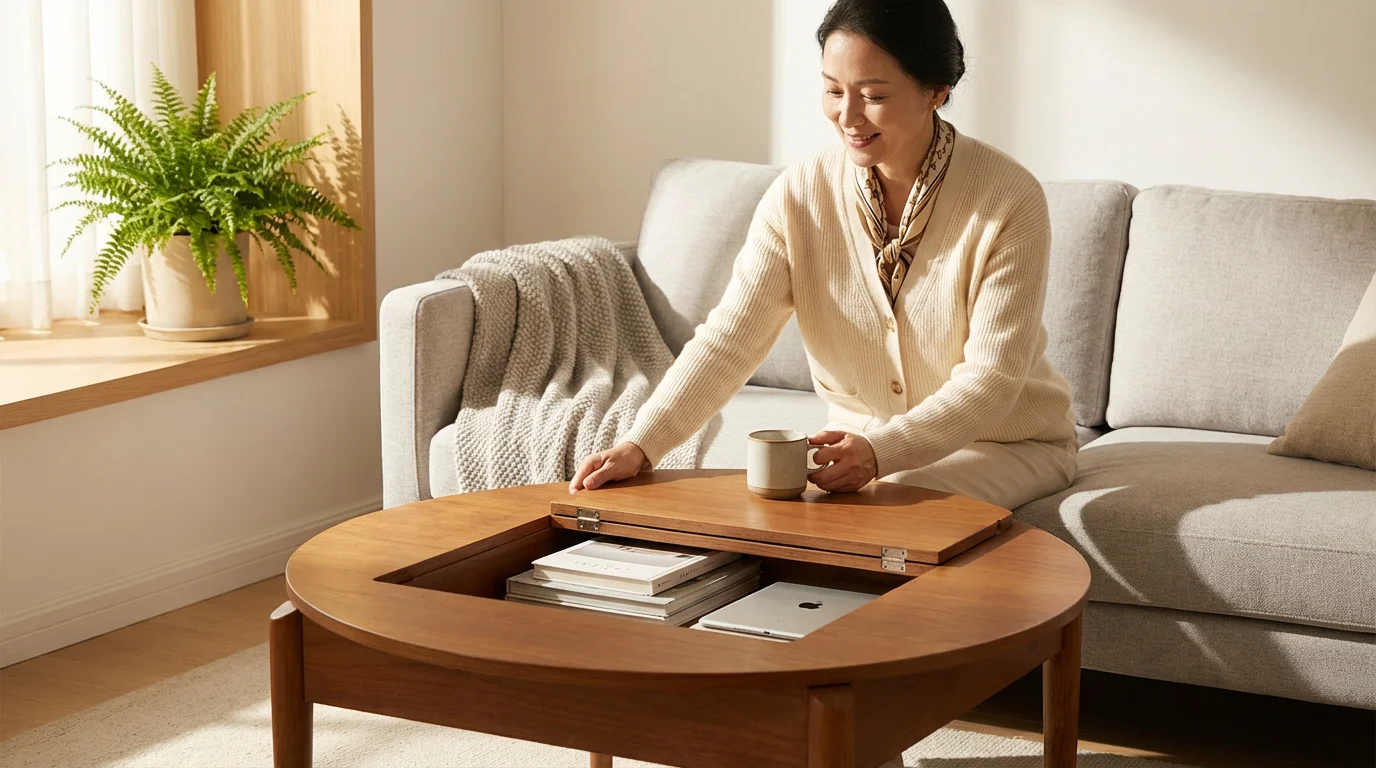
We started by focusing on multi-functional furniture. Our coffee table has hidden storage, and we chose an ottoman that doubles as extra seating.
We even found a sofa bed for when the grandchildren, Lily and Noah, come to visit.
Wall-mounted shelving and vertical storage solutions draw the eye upward and utilize often-overlooked areas, which was a clever trick Dorothy picked up. These choices create an uncluttered feel and provide practical solutions without making the place feel cramped.
I considered the flow and purpose of each room when we moved in. In our smaller home, open-concept living areas promote a spacious feel. We arranged furniture to define zones within our main living space, creating distinct areas for dining, relaxation, or Dorothy’s painting.
For example, a small area rug delineates her little art nook, even within the larger living space.
Strategic use of color and lighting also enhances a smaller footprint. We chose light paint colors that reflect light and make rooms feel larger and brighter.
Mirrors strategically placed also create an illusion of depth and space.
We incorporated ample lighting, both natural and artificial, to illuminate corners and avoid shadows that can make rooms feel smaller. Dimmers offer flexibility, allowing us to adjust the ambiance to suit different activities, whether I’m reading or Dorothy is painting.
We personalized our new home with a carefully curated selection of our favorite artwork, photos, and decorative items. Since we have fewer surfaces, each piece we chose holds more significance.
This careful selection ensures our new space reflects our personality and cherished memories without becoming cluttered. We truly chose the items that matter, making our new home in Sarasota a sanctuary of meaningful possessions, and it feels just right.
Helping Loved Ones: A Guide for Adult Children
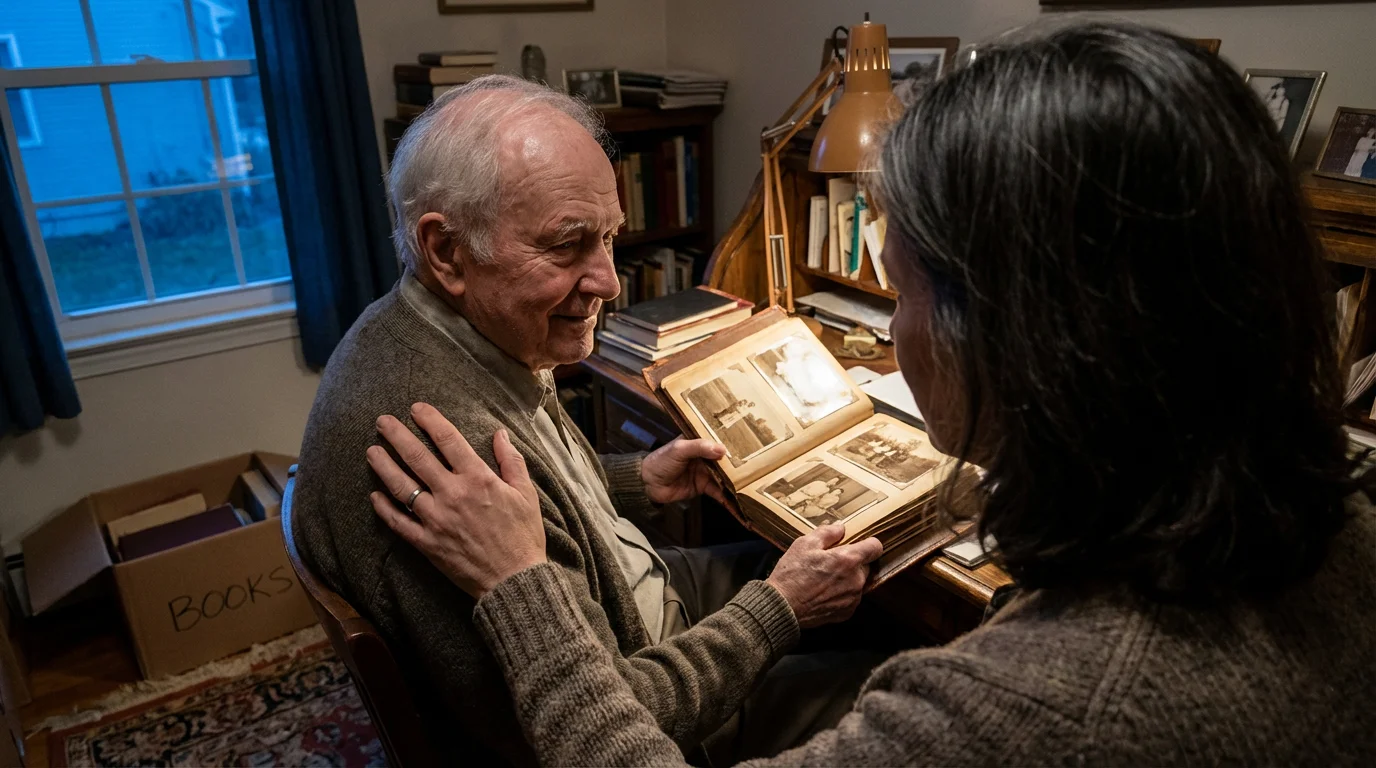
When Dorothy and I decided to downsize and move to Florida, our children, especially our daughter Karen, played a crucial role. As an adult child assisting your parents with downsizing, you truly are invaluable.
Your empathy, patience, and practical assistance are what make the transition as smooth and supportive as possible. I know firsthand that this process carries significant emotional weight for parents, who are letting go of a home where they raised their family and built a life.
Karen started with open, respectful communication. She asked us about our feelings, concerns, and goals for downsizing.
She listened actively and validated Dorothy’s emotions, even when Dorothy was struggling to part with items that held deep memories.
Karen wisely avoided judgmental language or pushing us to discard things we weren’t ready to let go of. She framed the conversation around the benefits downsizing offered, like more freedom, less stress, and enhanced financial security, which really resonated with me.
Karen offered practical support without taking over, which was key. We needed to feel in control of our own decisions.
She helped by:
- Providing logistical assistance: She helped research real estate agents, and even offered to make phone calls or schedule appointments for donations.
- Being a sorting partner: She sat with us as we went through items, offering an objective perspective but respecting our final choices. She helped us lift heavy boxes and move furniture, which was a huge help.
- Organizing resources: She helped create a system for items to be kept, donated, sold, or discarded. She labeled boxes clearly and helped transport items to their designated destinations.
- Preserving memories: Karen took photos of significant items we decided to let go of. She even helped Dorothy create a digital photo album of our home before the move.
- Handling the physical labor: Packing, lifting, and cleaning can be physically demanding, especially as you get older. Her assistance with these tasks relieved a significant burden for both Dorothy and me.
Karen encouraged us to focus on what we were gaining, like a more manageable lifestyle and being closer to her (she’s in Cincinnati, but it’s a shorter trip from Florida). She celebrated our small victories throughout the process.
The transition takes time, and patience, as I learned, is your most valuable asset. Remember, your goal is to empower your parents through this change, ensuring they embrace their new chapter with confidence and comfort.
We certainly appreciated it.
Frequently Asked Questions
What are the biggest benefits of downsizing for retirement?
From my perspective, the biggest benefits are gaining financial freedom by significantly reducing housing costs, achieving a much more manageable lifestyle with far less home maintenance, and enjoying increased flexibility to travel or pursue hobbies.
It really allows you to create a living space that truly fits your current needs and desires, as we found in Hawthorn Ridge.
How can downsizing improve my retirement lifestyle?
For Dorothy and me, downsizing significantly improved our retirement lifestyle by freeing up immense amounts of time and energy that used to be spent on home maintenance.
This allows me to engage in more fulfilling activities like pickleball and volunteering, reduces daily stress, and often places you in a more community-oriented setting, enhancing social connections and access to amenities, which was a big plus for Dorothy.
What are common challenges in downsizing, and how can I overcome them?
The biggest challenge for us was the sheer volume of stuff we’d accumulated over 44 years, and for Dorothy, the emotional attachment to belongings.
You can overcome these by acknowledging your emotions, breaking the process into small, manageable steps (that’s my advice!), using decision-making frameworks for items, and seeking support from family or professional organizers and senior move managers.
Should I sell or donate most of my unused items?
I approached this by looking at the item’s value and our priorities. Selling valuable items can certainly provide financial gain, which I tracked carefully.
Donating supports charitable causes and offers potential tax benefits, which is a good incentive.
Consider the effort involved in selling versus the ease of donating. Many items are best donated to reputable organizations like Goodwill or Habitat for Humanity ReStore, especially if the selling effort isn’t worth the return.
How do I start the downsizing process if I feel overwhelmed?
My advice is to begin by choosing one small, less emotionally charged area, like a single closet or a bathroom, to declutter. Sort items into clear categories: Keep, Donate, Sell, Discard.
Celebrate these small victories to build momentum.
If it still feels too much, consider hiring a professional organizer or senior move manager to provide structured guidance and support. A good plan always helps.
Disclaimer: This article is for informational purposes only. Downsizing decisions are deeply personal and should be made at your own pace. If you’re struggling with the emotional aspects of letting go, consider speaking with a counselor or therapist who specializes in life transitions. For valuable items, consult with appraisers or estate professionals.