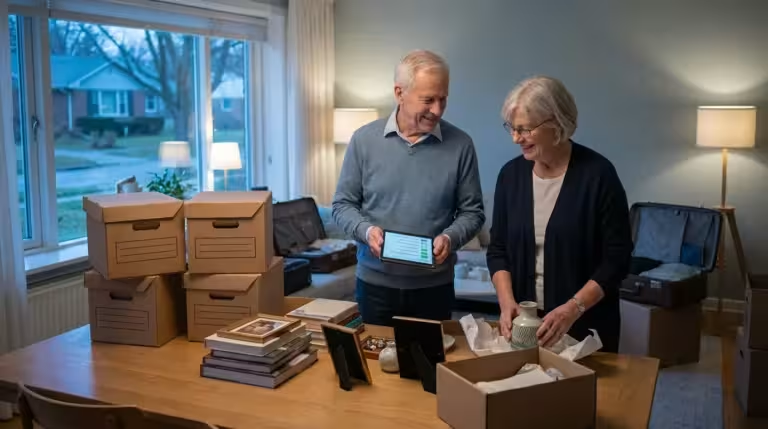
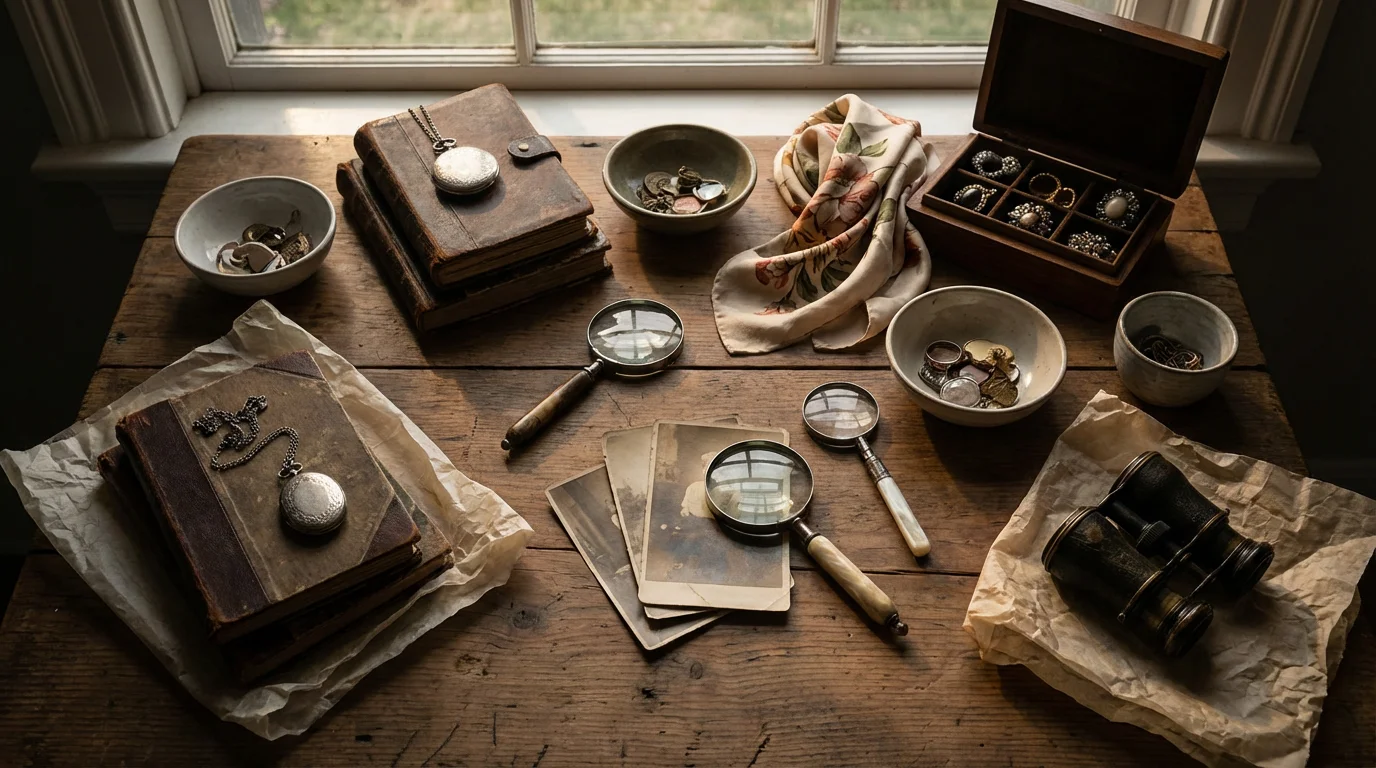
Downsizing can certainly stir up a lot of emotions. Dorothy will tell you all about that.
When we looked around our 2,400 sq ft colonial on Elmwood Drive, after 44 years, it was more than just a house; it was a repository for what I once estimated to be “approximately one metric ton of stuff we don’t need.”
We knew that getting retirement ready by decluttering our everyday belongings was just as important as managing the high-value heirlooms.
Before we could handle the contents, we had to address the bigger question of whether we should sell the house and move toward community living.
Each item held a story, a memory, and for Dorothy, letting go felt like shedding a part of our past.
But from my perspective, downsizing wasn’t about discarding our history; it was about strategically rehoming those items, ensuring they continued their journey, and yes, sometimes even bringing a financial benefit.
This guide outlines the practical steps I took for selling our heirlooms and collectibles, helping us monetize memories with respect and strategic planning.
We navigated this process with confidence, transforming what could have been a daunting task into a resourceful transition that set us up for our new life in Hawthorn Ridge.
In this guide8 sections
- Understanding the Emotional Landscape of Letting Go
- Assessing Your Treasures: What to Sell, Keep, or Rehome
- Researching Value: Knowing What Your Antiques and Collectibles Are Worth
- Choosing Your Selling Channels: From Online Marketplaces to Estate Sales
- Preparing Items for Sale: Photography, Description, and Logistics
- Navigating Family Dynamics and Shared History
- The Downsizing Sale: Maximizing Your Return and Minimizing Stress
- Frequently Asked Questions
Understanding the Emotional Landscape of Letting Go
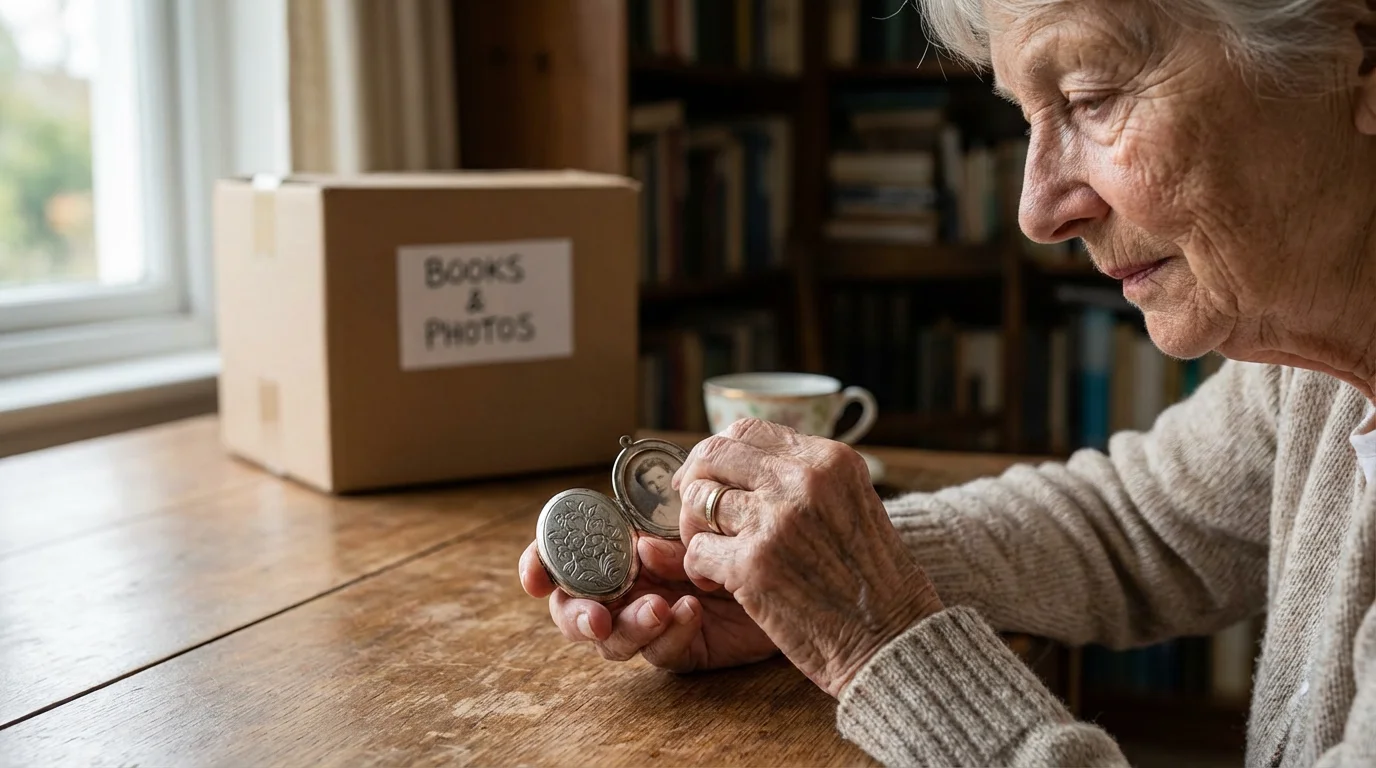
I learned quickly that parting with possessions holds a profound emotional weight for some, especially for Dorothy. These items aren’t just “stuff”; they’re tangible links to our past, embodying identity, relationships, and life experiences.
While we moved by choice, those downsizing after a loss may face an even more complex emotional journey.
Taking a gradual approach to downsizing in stages helped us manage the stress without feeling rushed.
Recognizing this emotional connection was the first crucial step in effective downsizing for us. I realized we weren’t simply clearing space; we were navigating a significant life transition, and Dorothy needed time to process it.
I had to acknowledge Dorothy’s feelings, whether they involved sadness, nostalgia, or even liberation. I found it helpful to reframe my own perspective, too.
Instead of viewing the process as losing something, I considered it an opportunity to preserve memories in new ways, share history with others, or transform dormant assets into resources for our next chapter.
My goal was to honor the past while embracing our future in Sarasota.
I gave Dorothy the time she needed to process these emotions and make decisions at a pace that felt comfortable for her, even if it meant my spreadsheets collected dust for a bit longer.
Assessing Your Treasures: What to Sell, Keep, or Rehome
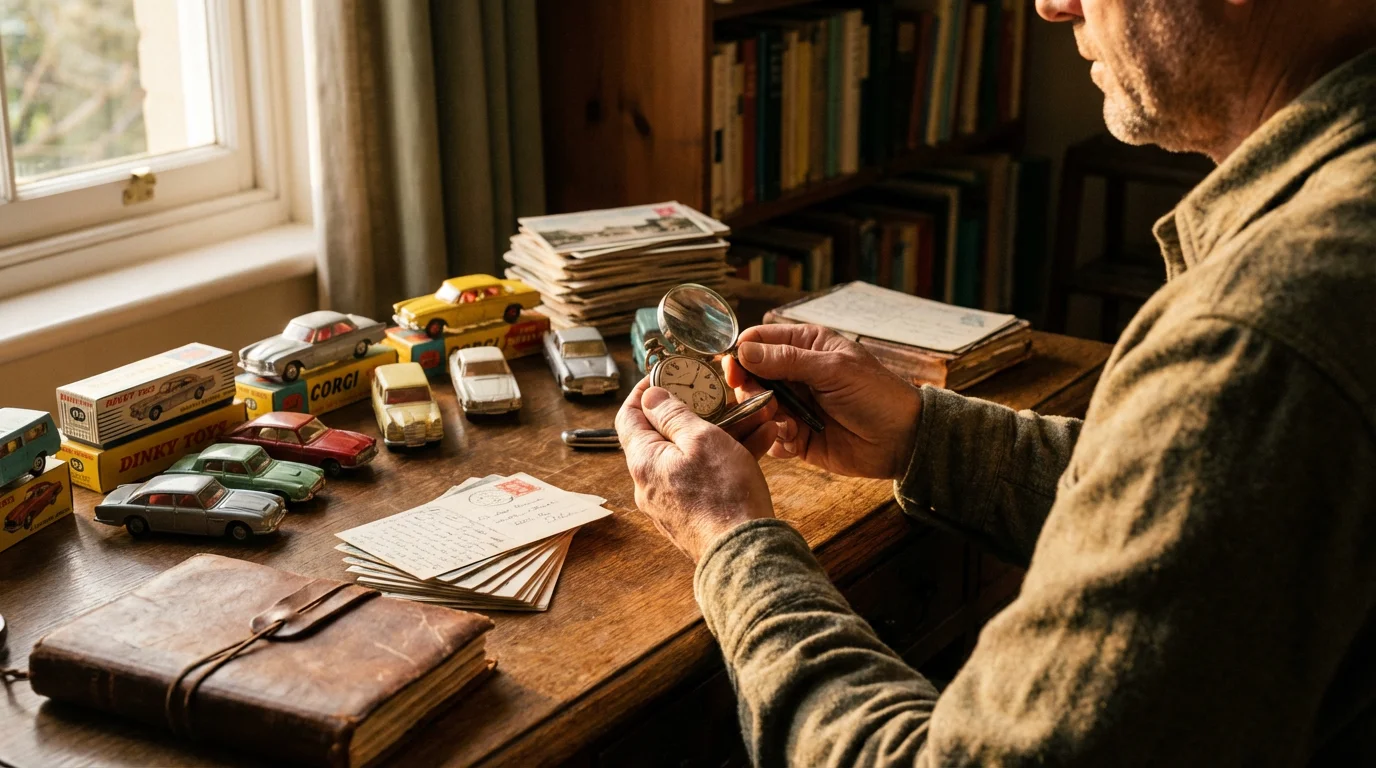
Before we could even think about selling, I knew we needed a clear inventory and a thoughtful decision-making framework. Not every heirloom or collectible holds significant monetary value, and not every valuable item is something you need to keep.
Selecting only the best items allowed us to focus on maximizing our new living room space in a much smaller footprint.
My first step was to systematically divide our possessions into distinct categories, just like I would approach any complex engineering project.
Distinguishing Value: Sentimental vs. Monetary
Dorothy and I often found that items carried immense sentimental value but little market worth, or vice versa. Understanding this distinction clearly was key.
A cherished family photo album had priceless sentimental value for Dorothy but, objectively, no market value.
A rare coin collection I’d accumulated, while less personal, held substantial monetary worth. Our focus became retaining items that truly resonated with our current life and future desires, whether for their beauty, utility, or deep personal significance.
It was a balance, and sometimes, a negotiation.
Your Sorting Categories
I created clear categories to guide our decisions, which helped prevent us from getting overwhelmed and streamlined the entire process. I even labeled bins and areas clearly to maintain organization, much to Dorothy’s amusement.
- Keep: These were items we truly loved, used regularly, or had profound, irreplaceable sentimental value. These fit into our right-sized future in Florida.
- Sell: Items with demonstrable monetary value that we no longer needed, used, or wanted to keep. This included many heirlooms and collectibles we aimed to monetize.
- Donate: Functional items in good condition that held little monetary value but could benefit others.
- Discard: Broken, damaged, or unusable items that lacked sentimental or monetary value.
The “Family Heirlooms” Discussion
Family heirlooms often presented unique challenges. I made sure we discussed these items with our children, Karen, Michael, and Susan, early in the process.
We asked what items they truly cherished and might want to receive.
This proactive communication prevented misunderstandings and ensured treasured pieces remained within the family, or found new homes if no one expressed interest. For items where multiple kids wanted the same thing, we sometimes drew names, though thankfully, most items found an obvious home.
I made sure to document these decisions clearly, just in case.
Researching Value: Knowing What Your Antiques and Collectibles Are Worth
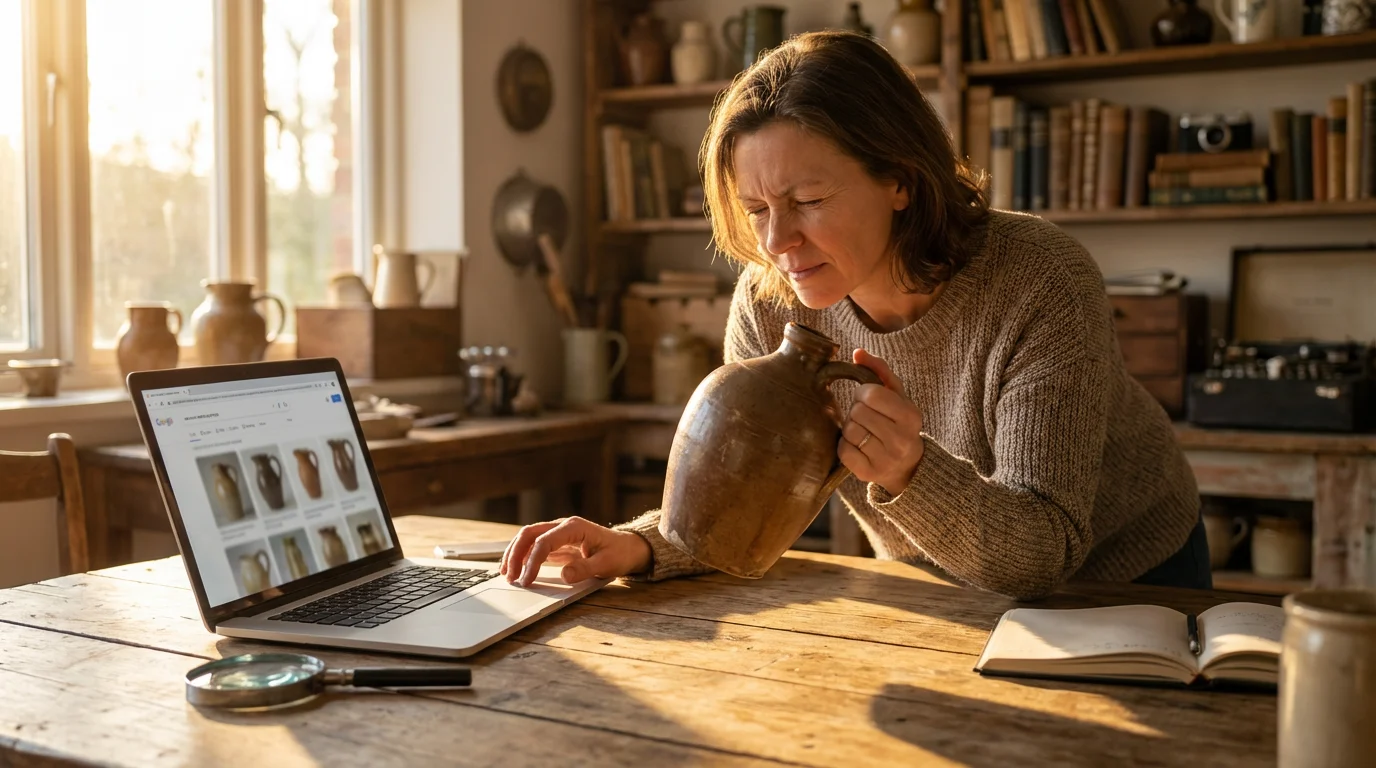
As a civil engineer, I understand the importance of solid data. Understanding the actual market value of our items was fundamental to a successful downsizing sale.
I never assumed an item was worthless or priceless without investigation.
Beyond the items’ market value, it’s wise to consider the financial and tax implications of significant sales during a move.
Many items often surprised us with their hidden value, while others that appeared valuable to Dorothy might not have been, financially speaking.
While you evaluate your possessions, you should also begin preparing your home for sale to ensure the real estate itself attracts the highest possible offers.
Initial Research Steps
I began with accessible research to get a preliminary sense of an item’s worth. This initial phase helped me decide which items warranted professional appraisal.
I was essentially building a mini-comparison matrix for each significant item.
- Online Marketplaces: I spent quite a bit of time browsing sold listings on platforms like eBay and specialized collectible sites. I searched for items similar to ours, meticulously noting their condition, rarity, and final sale prices.
- Specialized Guides: I even consulted pricing guides for specific collectibles, such as some of my old tools or Dorothy’s vintage kitchenware. Many were available online or at the local library.
- Manufacturer Marks and Signatures: I examined items for any identifying marks, artist signatures, or manufacturer stamps. These details significantly impacted value and helped with accurate online searches.
- Condition Assessment: I objectively assessed the condition of our items. Damage, wear, or missing parts generally reduce value. I made sure to be honest about any flaws when listing.
When to Get Professional Appraisals
For items that appeared to have significant value – like an antique desk that had been in Dorothy’s family for generations – a professional appraisal was a wise investment. An appraiser provides an impartial, documented opinion of value based on current market conditions and expert knowledge.
This gave us confidence in our pricing and provided a professional assessment for potential buyers. I sought out appraisers who specialized in the particular item category, such as antique furniture.
I certainly didn’t want to leave any money on the table, especially after putting in all that effort.
Professional appraisers typically charge an hourly rate or a flat fee per item or collection. I made sure to avoid appraisers who based their fees on a percentage of the item’s value, as that creates a clear conflict of interest.
I looked for appraisers who were members of recognized professional organizations, ensuring adherence to ethical standards. The National Association of Senior Move Managers (NASMM) was a good resource, often able to refer us to reputable appraisers or other professionals who assist with downsizing.

Choosing Your Selling Channels: From Online Marketplaces to Estate Sales
The method we chose for selling our items profoundly impacted our success, the effort required, and our potential returns. I carefully selected channels that aligned with our items’ value, our comfort level with technology, and the time we had available before our move to Sarasota.
Carefully vetting your options helps you avoid common downsizing mistakes that can lead to seller’s remorse or lost revenue.
This was another area where my research matrix came in handy, comparing the pros and cons of each option.
Online Platforms
Online sales offered a broad reach to buyers worldwide. This was often the best route for specialized collectibles or unique heirlooms, and it’s where I spent a good deal of my time.
- eBay: Ideal for a wide range of collectibles, antiques, and unique items. I managed listings, pricing, and shipping. I rigorously researched similar items that had already sold to guide my pricing strategy.
- Etsy: Best for vintage items, handmade goods, and unique decorative pieces. Dorothy had a few handcrafted items and some vintage serving dishes that did well here.
- Specialized Collectible Sites: For certain items, like my old stamp collection, I looked at niche platforms. These sites often yielded higher prices for specific items.
- Facebook Marketplace/Local Groups: Good for larger items or furniture that we wanted to sell locally without shipping. We exercised caution and met in safe, public places for transactions.
Local Options
For items that were difficult to ship, or if Dorothy preferred face-to-face transactions, local options were highly effective.
- Antique Dealers: They offered quick sales but typically paid wholesale prices. This was convenient for a fast transaction without personal selling effort, though we received less than retail.
- Consignment Shops: We placed some items with a shop, and they sold them for a percentage of the sale price. This method yielded better returns than direct sales to dealers but required more patience.
- Auction Houses: For truly valuable or rare items, auction houses connected us with serious collectors. They charged a commission, but competitive bidding could drive prices higher. I researched local auction houses specializing in our item type.
Estate Sales and Downsizing Sales
An estate sale at our Columbus home was excellent for clearing a significant volume of items quickly. We hired professionals who managed the entire process, from pricing and staging to selling and cleanup.
Estate sale companies typically take a percentage of the sales, but they handled the marketing, security, and logistics. I found reputable estate sale companies through EstateSales.net and local referrals.
This option minimized our personal involvement and maximized efficiency for the sheer volume of goods we had accumulated.
Garage and Yard Sales
For lower-value items, general household goods, and things we just wanted gone, a good old-fashioned garage sale worked well. These were less suitable for high-value heirlooms or rare collectibles, which required a more targeted audience.
Garage sales provided quick cash and community engagement but involved significant personal effort for setup, sales, and post-sale cleanup, which Dorothy and I tackled together.
Preparing Items for Sale: Photography, Description, and Logistics
Effective presentation significantly increases an item’s appeal and sale potential. I treated each item we sold as a valuable commodity, regardless of its perceived worth.
Attention to detail attracts serious buyers and helps you achieve better prices, and for me, that attention to detail comes naturally.
Cleaning and Minor Repairs
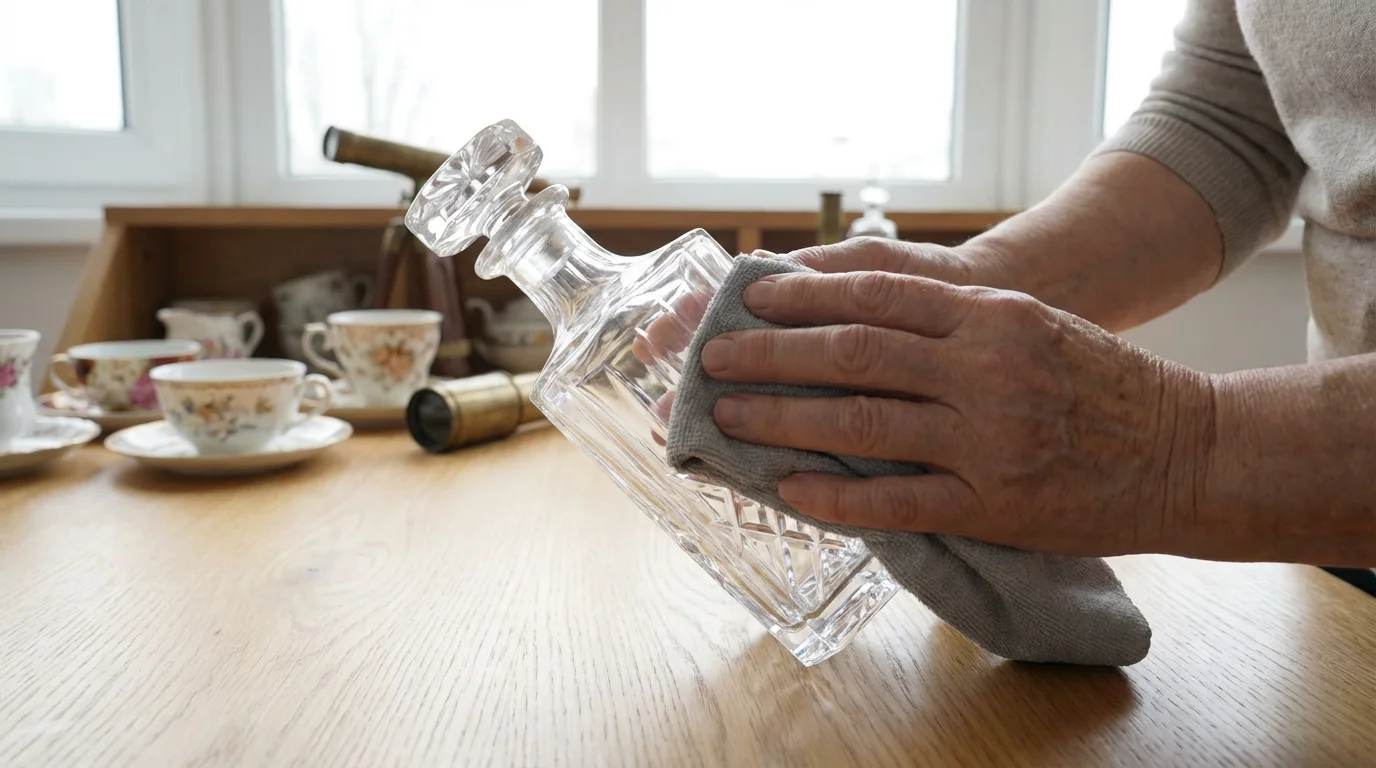
I gently cleaned items to remove dust and dirt. For antiques, I made sure to avoid harsh chemicals that could cause damage; simple dusting or a soft cloth often sufficed.
If an item had minor, easily fixable damage, I considered making the repair if it enhanced value without significant cost.
However, I never attempted extensive restorations unless I was an expert; poor repairs can actually decrease value.
High-Quality Photography
Good photos are non-negotiable for online sales and beneficial for any type of selling. They serve as a buyer’s first impression and primary inspection tool.
I approached this like documenting a project, ensuring clarity and accuracy.
- Use Natural Light: I photographed items in bright, diffused natural light to accurately capture colors and details. I avoided harsh shadows or direct sunlight.
- Multiple Angles: I took photos from various angles, including front, back, sides, and top, just like I was inspecting a structure.
- Detail Shots: I captured close-ups of any unique features, manufacturer marks, signatures, or specific details that added value. I also photographed any flaws or damage clearly. Transparency builds trust.
- Clean Background: I used a plain, neutral background that didn’t distract from the item.
Accurate, Compelling Descriptions
An item’s description persuades buyers and answers their questions before they even ask. I made sure to be thorough and honest, just like writing a technical report.
- Key Information: I included essential details such as dimensions, materials, age (if known), and any identifying marks.
- Condition Report: I provided an honest assessment of the item’s condition, noting any wear, damage, or repairs. I used clear, descriptive language.
- Historical Context: If we knew the item’s provenance or interesting family history, Dorothy would often share it, and I’d include it. This added character and value, allowing us to monetize memories effectively.
- Keyword Rich: For online listings, I used relevant keywords that potential buyers might search for. I thought about phrases like “antique sterling silver teapot,” “vintage stamp collection,” or “mid-century modern furniture.”
Shipping and Handling Considerations
If selling online, I always planned for shipping. Accurate estimates prevented surprises and ensured customer satisfaction, which helps with online ratings.
- Packaging Materials: I stocked up on appropriate boxes, bubble wrap, packing peanuts, and tape. Fragile items required careful, robust packing.
- Shipping Costs: I researched shipping costs based on item size, weight, and destination. I offered clear shipping options to buyers.
- Insurance: I always considered insuring valuable items during shipping to protect against loss or damage.
Navigating Family Dynamics and Shared History
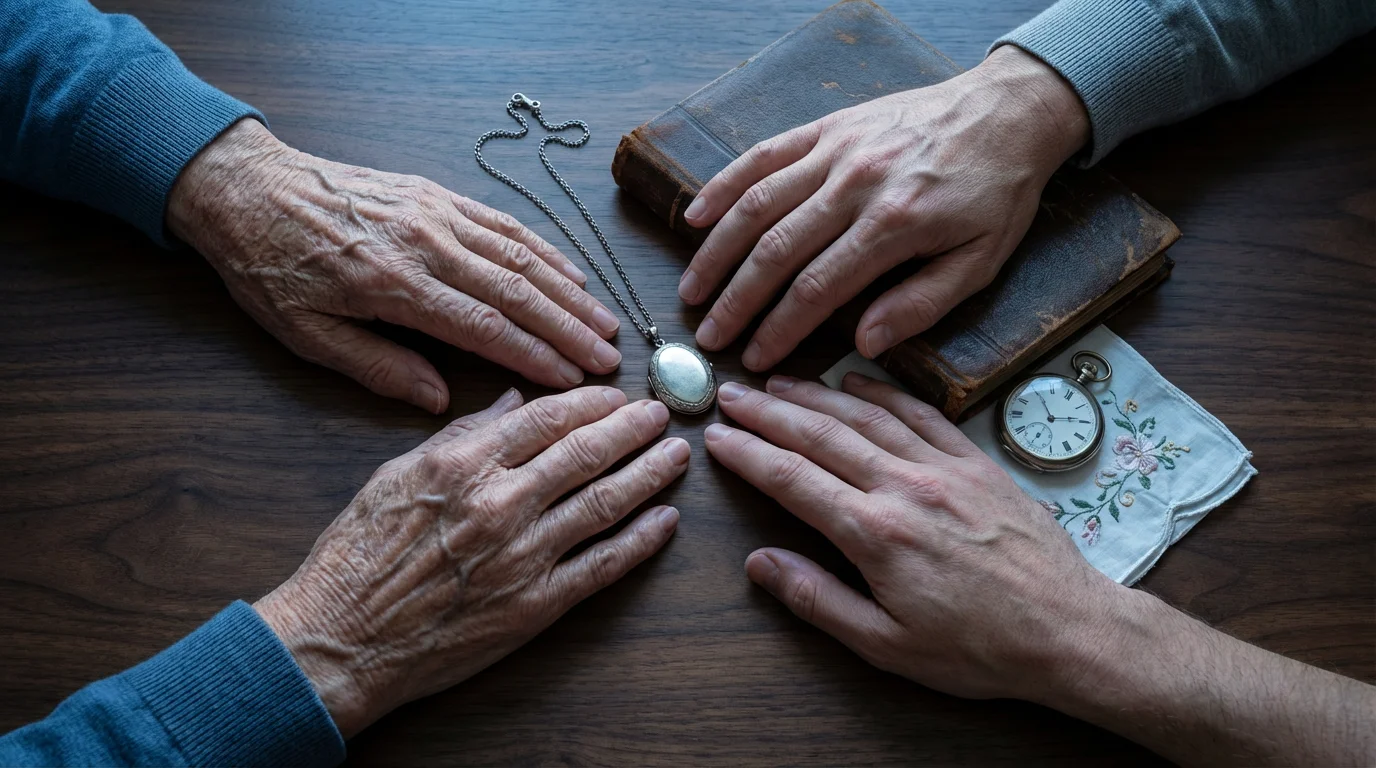
Selling family heirlooms can be a sensitive process, often intertwining personal sentiment with family expectations. I learned that open communication and clear boundaries were essential for preserving relationships and ensuring a smooth transition.
These pieces represented shared history, and their destiny often concerned multiple generations, especially our three children.
Communicating with Family About Heirlooms
I encouraged Dorothy to start conversations early and with empathy. We explained our downsizing goals and the practical necessity of reducing possessions.
We shared our intentions for selling certain items and offered family members the first opportunity to express interest in specific pieces.
We presented it as an opportunity for them to receive cherished items or for us to help these items find new stewards.
Documenting decisions in writing, as I insisted, helped avoid future misunderstandings. We set a deadline for family members to claim items they wished to keep, which created a clear timeline for us to work with.
Fair Distribution and Managing Expectations
Ensuring fairness in the distribution of items, particularly those with monetary or significant sentimental value, was crucial. When our daughter Karen mentioned, “Mom, the grandkids want YOU, not the house,” it really helped Dorothy reframe her thinking.
For items where multiple family members desired the same thing, we considered options like:
- Rotation of Possession: For some items, especially art or unique collectibles, families might agree to rotate possession over time.
- Appraised Value Buyout: If one family member strongly desired a valuable item, they might “buy out” other family members’ shares at its appraised value.
- Drawing Lots: For less valuable but equally desired items, a simple drawing was a fair solution.
I tried to manage expectations by reiterating that the goal was to simplify our life and respect the history of the items. Not every item could stay within the family, but every item could be rehomed thoughtfully.
Digital Preservation of Memories
Even if physical items were sold or rehomed, their memories could endure. I encouraged Dorothy to consider digitally preserving the stories associated with our heirlooms, especially since she’s so good at capturing the emotional side of things.
- Photography and Documentation: We took high-resolution photos of significant items. I helped Dorothy create a digital album, which was actually quite satisfying.
- Oral Histories: Dorothy recorded herself and our kids sharing stories and memories connected to specific pieces. These personal narratives add richness and preserve the emotional value long after the physical item is gone.
- Scanned Documents: We digitized old letters, certificates, or photos related to the items.
This process allowed us to keep the essence of the memory without needing the physical object, making it easier to let go of a lot of things.

The Downsizing Sale: Maximizing Your Return and Minimizing Stress
Executing a successful downsizing sale requires strategic planning, particularly for pricing and logistics. My aim was not just to sell items, but to monetize memories and reduce our inventory efficiently while minimizing stress.
This was where my methodical approach really paid off.
Pricing Strategy
Effective pricing balances competitive market value with your desire for a quick sale. I was firm: we did not price items based solely on sentimental value; buyers pay for market worth, not what it meant to us.
- Competitive Pricing: I used my research to set realistic prices. I made sure to check comparable sold items, not just asking prices.
- Flexibility: I was prepared to negotiate, especially for larger items or during a multi-day sale. We offered discounts towards the end of a sale to clear remaining inventory.
- Bundle Items: I grouped lower-value items together to increase their appeal and make small sales more efficient. For example, a set of antique teacups rather than individual ones.
Negotiation Tips
Negotiation is a natural part of selling, especially at estate or garage sales. I approached it with a friendly, open demeanor, but with a clear bottom line.
- Set a Minimum Price: I decided beforehand the lowest price I would accept for key items. This prevented on-the-spot indecision.
- Counteroffer Thoughtfully: If a buyer offered a low price, I politely countered with a reasonable amount.
- Know When to Walk Away: I never felt pressured to accept an offer that felt too low. Sometimes, waiting for the right buyer pays off.
Logistics and Safety Considerations for Home Sales
When we hosted our estate sale at our Columbus home, I implemented practical strategies for security and ease of access. It was like planning for crowd control at a public event.
- Clear Pathways: I ensured clear, unobstructed paths throughout the selling area. I removed any trip hazards.
- Secure Valuables: We kept extremely valuable items or personal documents secure and out of sight. We had already sold our highest-value items through an appraiser or auction house.
- Cash Management: We kept limited cash on hand for change. For larger transactions, we used secure digital payment methods.
- Assistance: Dorothy and I had our kids and a few friends help during the sale for security and to assist customers.
Frequently Asked Questions
Are all heirlooms valuable?
No, not all heirlooms possess significant monetary value. Many hold immense sentimental worth for your family, as Dorothy would attest, but don’t command high prices in the open market.
Market value depends on factors such as rarity, condition, maker, historical significance, and current demand among collectors. Always research or get an appraisal for items you suspect might be valuable; it’s a wise investment of your time and resources.
How do I determine the actual market value of my antiques?
You can determine market value through a multi-step process, similar to how I’d approach any research project. Start with online research on platforms like eBay or specialized auction sites, looking specifically at “sold” listings for comparable items.
Consult antique pricing guides for specific categories. For high-value or unique pieces, hire a professional appraiser who specializes in that category.
They provide expert, unbiased valuations, which is crucial for fair pricing.
What should I do with heirlooms that no one in the family wants?
If family members do not want particular heirlooms, you have several practical options. You can sell them through antique dealers, consignment shops, auction houses, or online marketplaces to monetize memories.
Alternatively, you can donate items in good condition to charities, historical societies, or museums where they might be appreciated. Before letting go of the physical item, I always recommend digitally preserving photos and stories associated with it.
Is it better to have an estate sale or sell items individually?
The best approach depends on the volume and value of your items, as well as your available time and energy. An estate sale is efficient for clearing a large volume of items quickly and is managed by professionals.
Selling individually, particularly high-value pieces through specialized channels like auction houses or online marketplaces, can potentially yield higher prices but requires more personal effort and time. Consider a hybrid approach for optimal results, as we did.
How can I protect myself when selling items online?
Protect yourself by using reputable selling platforms that offer buyer and seller protections. Take clear, accurate photos and write honest descriptions, including any flaws.
Communicate promptly with buyers and use tracked, insured shipping for valuable items.
For local pick-ups, meet in a public, well-lit place, or have someone with you if buyers must come to your home. Never share personal financial details beyond what is necessary for the transaction; always prioritize your security.
Disclaimer: This article is for informational purposes only. Downsizing decisions are deeply personal and should be made at your own pace. If you’re struggling with the emotional aspects of letting go, consider speaking with a counselor or therapist who specializes in life transitions. For valuable items, consult with appraisers or estate professionals.