

Moving to a new home is a big change at any age, but when Dorothy and I made the move to our 55+ community, it brought a complex mix of emotions, especially for Dorothy.
Deciding to move often begins with weighing community living vs. aging in place to see which path best supports your long-term goals.
I saw her grappling with excitement about new opportunities, apprehension about leaving our familiar colonial on Elmwood Drive, and certainly some grief over the past 44 years we’d spent there.
I’ve learned that understanding and addressing these feelings proactively makes the whole journey much smoother.
In this article, I want to share some practical strategies to cope with the emotional challenges of moving to senior housing, drawing from our own experience.
I’ll offer insights into common feelings, techniques we used to prepare, and how we built a fulfilling life here in Hawthorn Ridge.
My goal is to support you through every step, ensuring your emotional well-being is a top priority, just like it became for Dorothy and me.
In this guide9 sections
- Understanding the Emotional Landscape of Senior Housing Transitions
- Common Feelings During the Moving Process
- Pre-Move Coping Strategies: Preparing Emotionally and Practically
- Navigating the Decision: Involving Family and Professionals
- Settling In: Post-Move Emotional Support
- Maintaining Connection and Purpose in Your New Community
- Supporting Loved Ones Through Their Transition
- When to Seek Professional Help
- Frequently Asked Questions
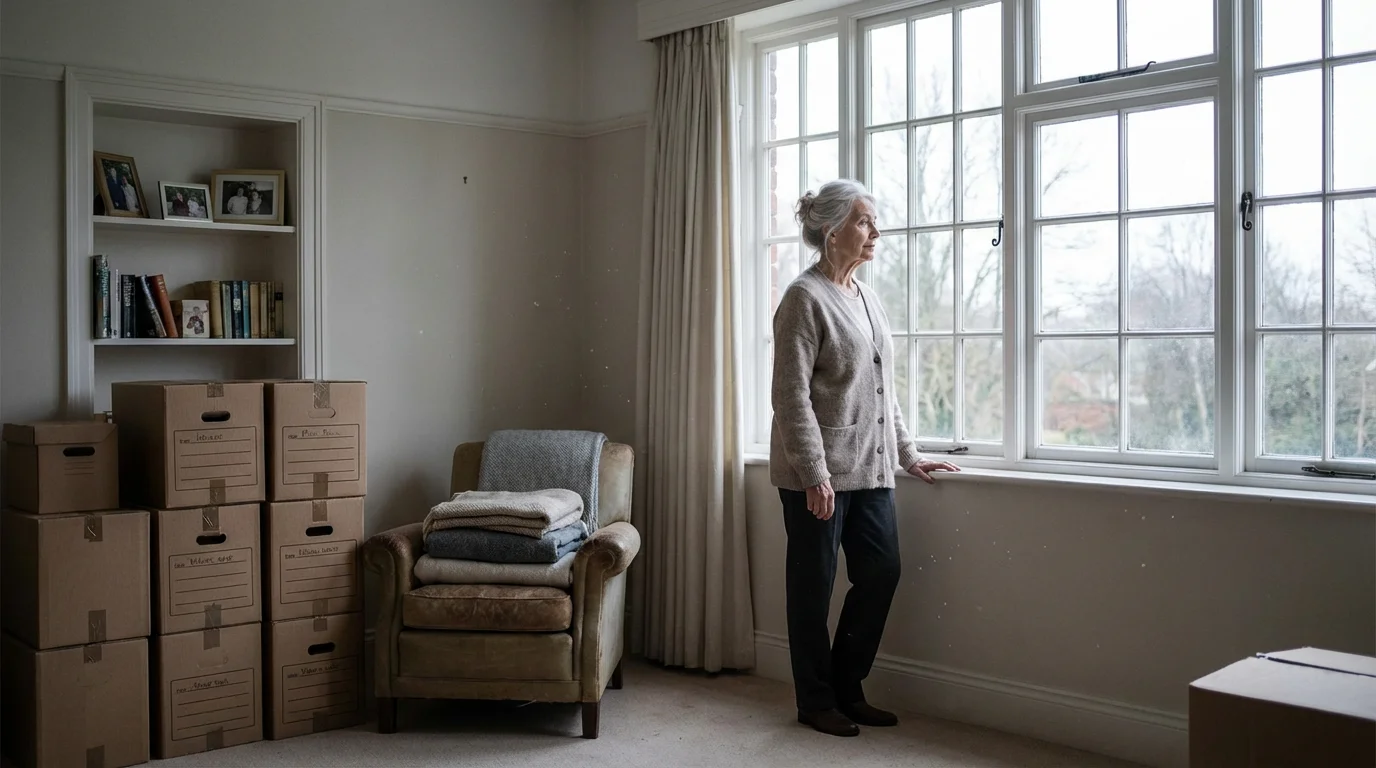
Understanding the Emotional Landscape of Senior Housing Transitions
Moving to senior housing, whether it’s an Independent Living facility like ours, Assisted Living, or a Continuing Care Retirement Community (CCRC), really is more than simply changing your address. For Dorothy, it meant a complete shift in lifestyle, routine, and, she worried, her independence.
While the change is significant, many seniors find that the lifestyle benefits of community living ultimately provide more fulfillment than staying in an aging family home.
I watched this change trigger a wide spectrum of emotions in her, and I learned that all of them are valid.
Recognizing the emotional depth of this transition was the first step toward effective coping for us. I can tell you from experience, you are not alone in experiencing these feelings.
Dorothy and I navigated this path, and now we’re in a comfortable, supportive environment for our later years.

Common Feelings During the Moving Process
The journey to senior housing often involves an emotional roller coaster. I saw Dorothy experience a variety of feelings, sometimes simultaneously.
Acknowledging these emotions helps you process them constructively, even if you’re the more practical one like me.
Understanding how to prepare for your transition to community living can help balance these emotions with practical steps.
Grief and Loss
Dorothy definitely grieved the loss of our familiar 2,400 sq ft colonial on Elmwood Drive. That house was where we raised our three children and hosted Thanksgiving for 30 years.
It’s a natural response to leaving a place filled with so many memories.
She also worried about a loss of personal independence, even though I knew, practically speaking, the move would enhance her overall well-being.
Anxiety and Fear
The uncertainty about the future generated significant anxiety for Dorothy. She worried about fitting into a new community, making new friends, and maintaining her routines.
I remember her asking, “What if I don’t like Florida? What if I miss my garden too much?”
Fears about declining health or needing more care can also surface, contributing to the stress.
Relief and Optimism
For me, there was a profound sense of relief once the decision was made, and even more so after the move was completed. The burden of home maintenance – fixing the leaky roof, mowing the lawn, shoveling snow – was gone.
For Dorothy, the optimism took a little longer, but by month six, she was telling friends in Ohio they should do it too.
This often happens in communities offering a range of services from independent living to memory care facilities, and it certainly happened for us.
Guilt and Resentment
I know Dorothy felt some resentment about leaving Columbus, especially in the beginning. We debated the move for nearly two years, and she was not ready.
I had my spreadsheets, and she had her feelings, and sometimes those feelings manifested as resentment.
I also know our kids probably felt a bit of guilt about encouraging us to move, but as our daughter Karen reminded Dorothy, “Mom, the grandkids want YOU, not the house.”
Open communication and understanding form crucial bridges in these situations, and I can tell you, these feelings, though difficult, are normal parts of a significant family decision.

Pre-Move Coping Strategies: Preparing Emotionally and Practically
Proactive preparation significantly reduces moving stress. I believe addressing both the emotional and practical aspects early creates a smoother transition for everyone involved, and I can attest to this from my own planning.
Learning to avoid common downsizing mistakes can help ensure the physical move doesn’t add unnecessary stress to your emotional burden.
Involve Yourself in the Decision-Making
I certainly maintained as much control as possible over the process. I spent two full years researching 55+ communities before we moved, building a comparison matrix with 14 variables.
I participated actively in touring different senior living communities, asking questions, and discussing options. This engagement reinforced my autonomy and helped me feel more invested in the outcome.
- Research thoroughly: I explored options like independent living facilities, assisted living, and continuing care retirement communities (CCRCs) that matched our needs.
- Visit multiple communities: We visited quite a few. I wanted to experience the atmosphere and interact with residents and staff.
- Express your preferences: I made sure to communicate what mattered most to me in a new home environment, even if Dorothy and I had different priorities.
Downsizing and Decluttering Mindfully
The process of sorting through belongings was, as Dorothy called it, “emotionally charged.” We had accumulated what I once estimated to be “approximately one metric ton of stuff we don’t need” in our Columbus house.
Each item held a memory, and letting go felt like losing a piece of our past for Dorothy. I tried to approach this task with patience, even though my methodical nature wanted to just get it done.
- Start early: We began several months before our April 2023 move to avoid feeling rushed.
- Enlist help: Our kids helped out quite a bit, which was invaluable.
- Categorize items: I created my own system for sorting belongings into “keep,” “donate,” “sell,” and “discard” piles.
- Prioritize sentimentality: Dorothy kept items with deep personal meaning that fit into our new space.
- Share memories: As we sorted, Dorothy would share stories associated with items. This process, while slowing things down, was therapeutic for her.
Visualize Your New Life
I focused on the positive aspects and opportunities awaiting us. I researched the activities, amenities, and social events offered by communities like Hawthorn Ridge.
I imagined myself playing pickleball, and Dorothy finding new friends.
This mental preparation helped me shift my perspective from the burden of our old house to the gains of a new lifestyle.
I considered the advantages, such as no home maintenance, chef-prepared meals, and a built-in social network. These practical benefits were a huge draw for me.
Gather Information and Ask Questions
Knowledge reduces anxiety. The more I understood about our new environment, the less daunting the transition became.
I prepared a list of questions to ask staff members during tours and follow-up conversations. Believe me, I didn’t leave a stone unturned.
- What are the typical daily routines and activity schedules?
- How does the community handle emergency situations?
- What transportation services do you offer?
- Are there opportunities for resident feedback and involvement?
- How do you support new residents in making friends?
- What is the process for transitioning between care levels, such as from independent living to assisted living, if needed?
Understanding the specifics of services, costs, and contract terms minimized surprises for me. I consulted resources like AARP for additional insights on various senior housing options, including active adult communities and senior apartments, ensuring I had all the data.

Navigating the Decision: Involving Family and Professionals
Making the decision about senior housing involves multiple stakeholders. I found that open, honest communication within the family, often with the support of professionals, fosters better outcomes and reduces emotional strain.
Dorothy and I certainly had our share of discussions.
Facilitating Family Discussions
Dorothy and I held many “family meetings” – some more formal than others – where we could both voice concerns and contribute ideas. I made sure Dorothy’s preferences and wishes remained central to the discussion, even when they conflicted with my spreadsheets.
Our kids, Karen, Michael, and Susan, also weighed in. Active listening and empathy were vital during these conversations, especially for me when Dorothy had strong feelings.
I learned to avoid making assumptions about what Dorothy wanted. Instead, I asked direct questions and genuinely listened to the answers.
This approach built trust and mutual respect, even when we disagreed.
Consulting with Elder Care Specialists
While Dorothy and I didn’t use an eldercare specialist for our move, I can see how they would be invaluable. These professionals, such as geriatric care managers or social workers, provide objective guidance.
They assess needs, recommend suitable communities, and can mediate family discussions. Their expertise can be invaluable in navigating complex decisions, especially when you have strong feelings on one side and strong data on the other.
These professionals understand the nuances of different housing types, from nursing homes and skilled nursing facilities to specialized memory care facilities. They help clarify the distinctions between these options based on your specific care requirements, which is the kind of detailed information I always appreciated.
Seeking Financial Advice
Financial considerations often fuel emotional stress. I manage our finances with what Dorothy calls “a level of detail that belongs in a NASA mission,” so I made sure we understood every cost.
I consulted with our financial advisor to understand the costs associated with various senior housing options and developed a sustainable payment plan before we even looked at houses.
Understanding cost breakdowns, including what is included versus extra fees for services like ADLs (Activities of Daily Living) support, allows for informed decisions. Medicare’s Care Compare tool, for instance, provides information on nursing home quality and costs, giving you a clearer picture.

Settling In: Post-Move Emotional Support
The emotional work does not end once you move. The first few weeks and months in a new senior living community require continued self-care and adaptation strategies.
Dorothy and I certainly found this to be true in our first three months at Hawthorn Ridge.
Creating Your New Home
As soon as we got to our apartment in Hawthorn Ridge, Dorothy started unpacking and arranging our new space to feel familiar and comforting. She displayed cherished photos of the grandkids, her favorite books, and personal decor.
Personalizing our apartment helped her foster a sense of belonging and ownership in a place that initially felt so new.
We focused on making our immediate surroundings a sanctuary. This created a stable base from which to explore our new environment.
Small personal touches, like her watercolor paints in the corner, made a big difference.
Engaging with the Community
Dorothy, being the heart of our website, is the one who talks to strangers at the pool. She actively participated in the community’s social life, attending welcome events and joining clubs.
I, on the other hand, joined the pickleball group, playing four mornings a week. Engaging with others helped us both build new friendships and feel connected.
- Attend welcome events: Dorothy went to all of them, which helped her meet her “Florida family.”
- Join a hobby group: I found pickleball, and Dorothy started watercolor painting (she’s not good at it and doesn’t care, which is great).
- Dine with different residents: We made an effort to try new dining companions at meal times to meet new people.
- Volunteer: I started volunteering at a local food bank on Thursdays.
Building a social network combats feelings of loneliness and isolation. Most communities, from active adult communities to those offering memory care, strive to create vibrant social calendars, and Hawthorn Ridge certainly does.
Maintaining Connections with Outside Friends and Family
We made sure our move didn’t sever important relationships outside the community. We schedule regular visits, phone calls, and video chats with our former neighbors, friends in Ohio, and of course, our children and grandchildren.
This continuity provides a strong emotional anchor for both of us.
Our new community offers new connections, but existing bonds remain invaluable. We try to balance making new friends with nurturing our long-standing relationships.
Seeking Peer Support
Dorothy quickly connected with other residents who had recently moved. They understood her experience and could offer valuable advice and empathy.
Sharing her feelings with someone who related was incredibly validating for her. I saw how quickly she made her “Florida family” – three genuine friends she spends a lot of time with.
Many senior communities facilitate resident councils or support groups. These provide structured opportunities for peer interaction and problem-solving, helping new residents adapt more quickly, and I certainly looked for these kinds of programs when I was doing my research.

Maintaining Connection and Purpose in Your New Community
A sense of purpose and continued engagement are fundamental to emotional well-being. Our new senior housing environment has provided abundant opportunities for both.
Embrace New Routines and Activities
I made sure to explore the full range of amenities and programs available here. I’m playing pickleball four mornings a week, and Dorothy has taken up watercolor painting.
I’ve also become an unexpectedly good cook since retirement – something that still surprises both of us! Discovering new hobbies or rekindling old ones injects vitality into your days.
For example, our community has a fitness center, various classes, and regular social events. Taking advantage of these offerings has certainly made our days fuller.
Volunteer and Contribute
I found ways to contribute my skills and experience to our local community. I volunteer at a local food bank on Thursdays, which fosters a sense of purpose and allows me to make a meaningful difference.
This could also involve mentoring, assisting with community events, or helping in the library, as Dorothy sometimes does.
Engaging in purposeful activities helps maintain cognitive function and emotional resilience. It shifts focus from personal challenges to contributing to something larger than yourself, which I find very rewarding.
Utilize On-Site Support Services
Many senior living communities, especially those offering assisted living or Continuing Care Retirement Communities (CCRCs), provide on-site counselors, social workers, or spiritual advisors. I made sure to check for these resources when I was researching communities.
Utilizing them offers confidential support and guidance as you adjust, should you need it.
These professionals offer a safe space to discuss challenges and develop personalized coping strategies. They also connect you with external resources if needed, reinforcing the comprehensive support often found in senior housing.
| Emotional Challenge | Coping Strategy | Benefit |
|---|---|---|
| Loss of Familiar Home | Personalize your new space with cherished items and photos. | Creates a sense of belonging and continuity. |
| Anxiety about New Environment | Actively participate in community activities and meet new residents. | Builds social connections and reduces isolation. |
| Grief Over Lost Independence | Focus on new freedoms from household chores; celebrate newfound social opportunities. | Shifts perspective from loss to new gains and possibilities. |
| Difficulty Making New Friends | Attend welcome events, join clubs, or offer to dine with different groups. | Facilitates new friendships and integration into community life. |
| Feeling Overwhelmed by Downsizing | Start early, enlist family help, and focus on preserving meaningful items. | Breaks down the task, making it manageable and less stressful. |

Supporting Loved Ones Through Their Transition
If you are an adult child helping a parent move, your role in providing emotional support is critical. I saw firsthand how important our children, Karen, Michael, and Susan, were in supporting Dorothy.
Understand that your loved one’s feelings are valid, and offer practical assistance combined with empathy.
Be Patient and Empathetic
I had to recognize that this transition was profound for Dorothy. She expressed frustration and sadness, especially in the first few months.
I tried to listen without judgment and validate her feelings, even when I knew, logically, that the move was the right decision. I offered reassurance and reminded her I was there to support her.
I learned to avoid rushing her through emotional processes. Acknowledging the difficulty of letting go of our lifelong home provided immense comfort to her.
Your presence and understanding do the same.
Help Them Personalize Their New Space
I assisted Dorothy with unpacking and arranging furniture and personal items. We made sure our new living space reflected her personality and comfort preferences.
This created a sense of continuity and helped her feel at home faster in Hawthorn Ridge.
Simple gestures, like hanging familiar pictures of the grandkids or placing her favorite blanket on the sofa, can significantly ease the adjustment period. Ensure the new space feels like their own.
Facilitate Social Connections
I encouraged Dorothy to participate in community activities. I even went to some initial welcome events with her when she was hesitant.
I helped her identify groups or individuals with shared interests, like the art class she now enjoys. This reduced her feelings of isolation and helped her foster new friendships, which was a huge turning point.
I made sure to check in frequently and ask about her experiences. We celebrated small victories, like her attending a new class or meeting a new friend.
This positive reinforcement was very encouraging for her.
Maintain Regular Contact
Our children continue to visit, call, and engage with us regularly. Their consistent presence reinforces that we remain an important part of their lives and family.
This helps us feel secure and loved in our new environment. We often have video chats with Lily and Noah, our grandchildren, which Dorothy loves.
Consistency in communication is key. Even short, frequent contacts can make a big difference in preventing loneliness and reassuring them of your continued connection.

When to Seek Professional Help
While many coping strategies effectively manage moving stress, some individuals may need additional support. Recognizing the signs that professional help is necessary is crucial for maintaining emotional health, and as a civil engineer, I believe in addressing problems with the right tools.
Persistent Symptoms
If feelings of sadness, anxiety, or despair persist for more than a few weeks after the move, or if they intensify, it may be time to consult a healthcare provider. These symptoms could indicate depression or an anxiety disorder requiring clinical intervention.
I kept a close eye on Dorothy’s adjustment and would have certainly taken action if her emotional struggles had lasted too long.
Look for signs such as loss of appetite, significant sleep disturbances, withdrawal from social activities, or a noticeable decline in personal hygiene. These are indicators that your loved one, or you, may need more support.
Difficulty Adjusting
When an individual struggles severely to adjust to their new environment, despite efforts to engage and cope, professional intervention offers valuable tools. A therapist or counselor provides strategies for processing grief, managing anxiety, and building resilience.
For example, if your loved one expresses a strong desire to return home, rejects all new activities, or shows signs of significant cognitive decline, consult with their doctor or an elder care specialist.
They assess the situation and recommend appropriate next steps, which is the logical thing to do.
Support Resources
Your community’s staff, especially social workers or care coordinators in assisted living or memory care facilities, can often recommend local therapists or support groups.
The Eldercare Locator, a public service of the U.S. Administration for Community Living, connects you with resources in your area.
Do not hesitate to reach out. Professional guidance provides personalized strategies and helps individuals navigate complex emotional landscapes during significant life transitions.
Always consult with healthcare providers for individualized medical advice.
Frequently Asked Questions
What is the biggest emotional challenge when moving to senior housing?
From my perspective, and watching Dorothy, the biggest emotional challenge often involves a combination of grief over leaving a familiar home and lifestyle, coupled with anxiety about the unknown.
Dorothy experienced a profound sense of loss for our Columbus house, even while I was anticipating the practical benefits of our new community. Preparing for these feelings and seeking support, as we did, helps manage them effectively.
How can I make the downsizing process less stressful for an elderly parent?
Based on our experience, I’d say begin the downsizing process early, several months before the move, to avoid rushing. Involve your parent in every decision, allowing them to choose what to keep.
Focus on sentimentality rather than sheer volume – Dorothy definitely needed to keep her cherished items. Consider creating a “memory box” for items they cannot take but want to preserve.
Professional organizers specializing in senior moves also offer valuable assistance, and I wish we had considered one.
What if my parent resists moving to senior housing entirely?
I know a thing or two about resistance. Dorothy was not ready to move for nearly two years.
Resistance often stems from fear of losing independence or familiarity. Approach the conversation with empathy and patience.
Focus on the benefits of senior housing, such as safety, social opportunities, and freedom from home maintenance.
Involve an elder care specialist or geriatric care manager to provide objective insights and mediate discussions. Emphasize that the goal is to enhance their quality of life, not diminish it, as our daughter Karen helped Dorothy realize.
How long does it take for seniors to adjust to a new community?
The adjustment period varies greatly for each individual. For Dorothy and me, it took about three to six months to fully settle in and feel truly at home in Hawthorn Ridge.
Some may adjust quicker, while others need more time.
Factors influencing this include personality, health status, the level of social engagement, and the support received from family and community staff. Patience and consistent encouragement are key during this time.
Are there specific types of senior housing that offer more emotional support?
From my research, many senior housing options prioritize emotional well-being. Assisted living facilities and Continuing Care Retirement Communities (CCRCs) often provide on-site social workers, activity coordinators, and wellness programs designed to foster connection and support.
Psst! If you want to know the key differences between assisted living and nursing homes, read this!
Memory care facilities, by their nature, offer highly structured environments and specialized staff trained to manage the emotional needs of residents with cognitive impairments.
Independent living communities like ours also frequently have robust social calendars and resident support groups, which I made sure to factor into my comparison matrix.
What role does family play in a senior’s emotional adjustment after moving?
Family plays a crucial role. Our children’s regular visits and communication reassured Dorothy of their continued presence and love.
Assisting with personalization of our new space, encouraging participation in activities, and simply listening to her feelings were all vital forms of support from them.
Their consistent involvement significantly eased the transition for Dorothy and helped her feel connected and valued.
Disclaimer: This article is for informational purposes only and does not constitute medical, legal, or financial advice. Senior housing costs, services, and availability vary significantly by location and provider. We strongly encourage readers to tour multiple communities, review contracts carefully with legal counsel, and consult with eldercare specialists, financial advisors, and healthcare providers before making housing decisions.