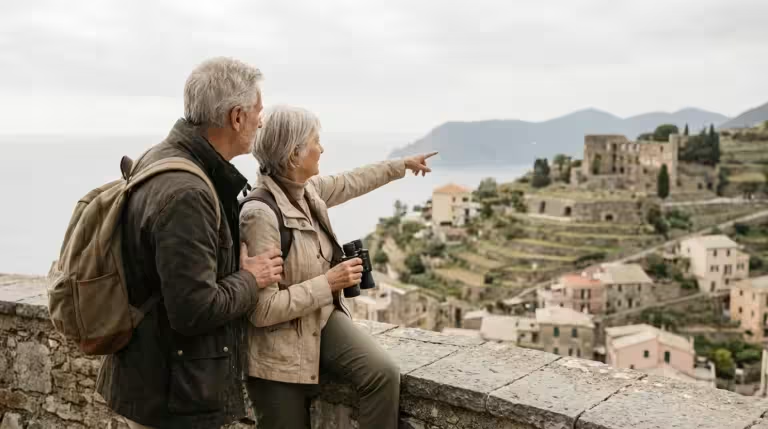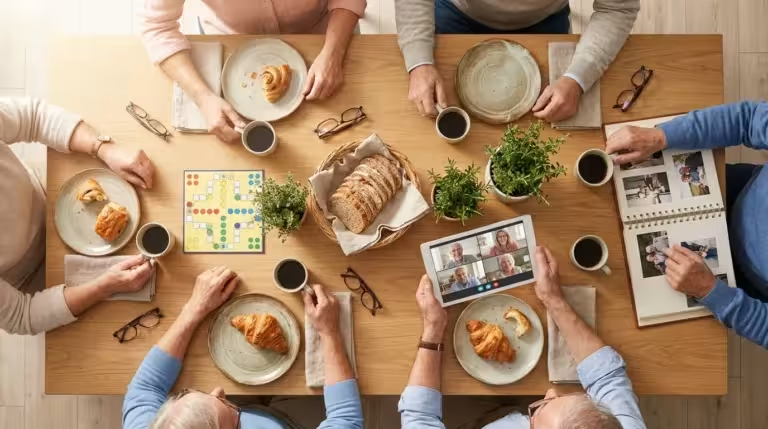
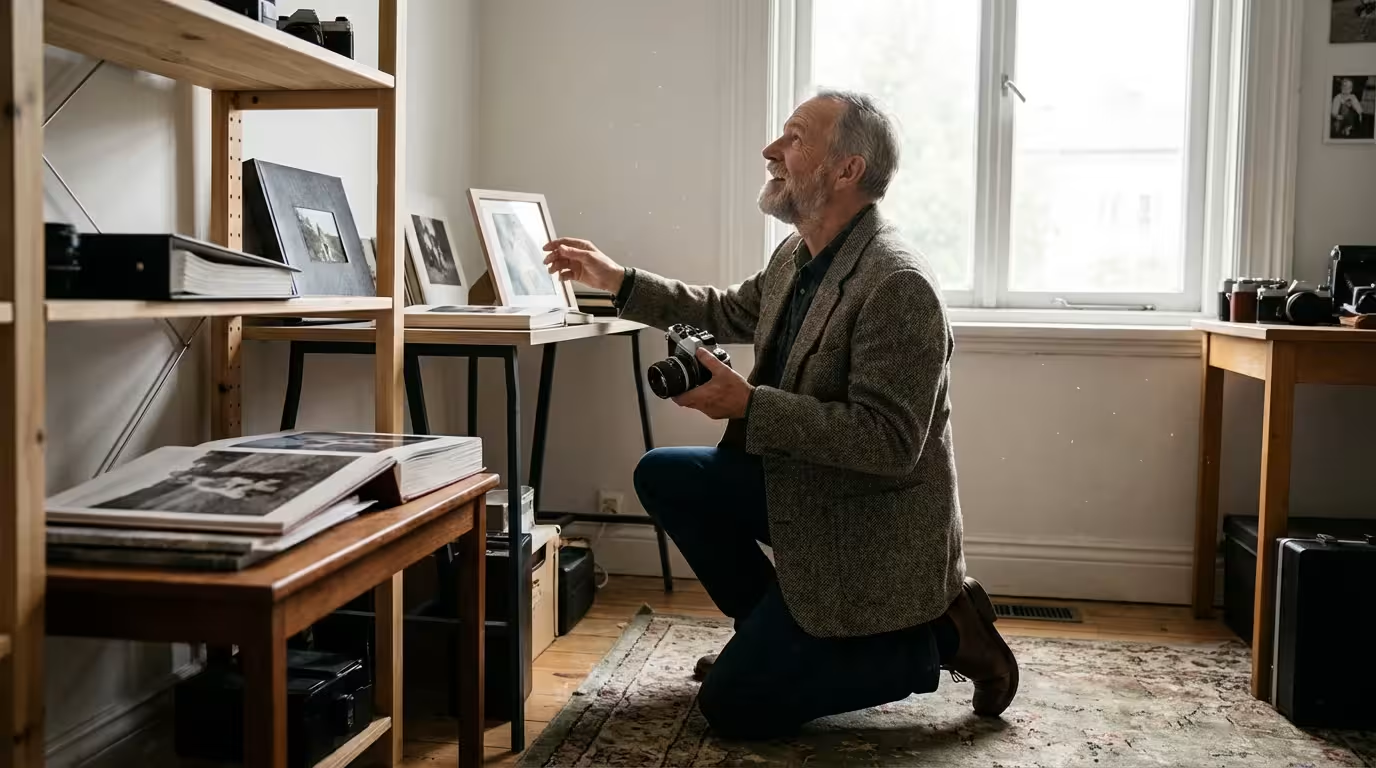
Retirement has truly opened a vibrant new chapter for Bill and me, full of possibilities for personal growth and exploration. For me, it’s been an ideal opportunity to finally pursue passions I’d put off for decades – like my watercolor painting!
Many retirees find that downsizing for simpler living provides the time and headspace needed to start such artistic endeavors.
Embracing a fulfilling active retirement lifestyle involves exploring new ways to stay curious and engaged every day.
And even though I’m not exactly an artist (Bill says my palm trees look a bit like green lollipops, bless his heart), the joy is in the doing. Photography, I’ve realized, is another wonderful pursuit that fits this vision perfectly.
It invites you to explore the world with fresh eyes, cultivate creativity, and remain active in both body and mind.
This guide will help you discover how photography can enrich your retirement, offering practical steps to begin your journey. I’ll share what I’ve learned about equipment choices, fundamental techniques, and how photography keeps you moving, mentally sharp, and socially connected.
It’s a bit like finding your footing in a new place – you start small, learn the ropes, and before you know it, you’re exploring every nook and cranny!
In this guide9 sections
- Unlocking Your Creative Eye in Retirement
- Beyond the Lens: The Active Benefits of Photography
- Getting Started: Choosing Your Photography Tools
- Mastering the Basics: Your First Steps Behind the Camera
- Exploring Photography Genres: Find Your Focus
- Photography as a Path to Exploration and Connection
- Enhancing Your Skills: Learning and Growing
- Sharing Your Vision: Connecting Through Your Art
- Frequently Asked Questions
Unlocking Your Creative Eye in Retirement
Retirement truly presents a unique chance to dive into those creative hobbies you might have postponed for, oh, say, 36 years of working as an elementary school librarian! For me, it was watercolor painting, which I’ve recently taken up.
If you find joy in visual storytelling, you may also enjoy creative writing as a way to further document your retirement adventures.
For many, the freedom to pursue these arts comes after right-sizing your home for retirement, allowing more time to focus on personal growth.
Photography offers a similarly accessible entry point into the arts, regardless of your prior experience. It teaches you to see beauty in everyday moments, transforming ordinary scenes into extraordinary visual stories.
Embracing a creative outlet like photography (or painting, in my case!) provides immense satisfaction. You develop a keener sense of observation, noticing details and compositions others overlook.
Since moving to Hawthorn Ridge, I’ve really tried to appreciate the beauty of our new surroundings, even though I still miss my garden back on Elmwood Drive.
This mindful engagement truly enriches your daily experiences and helps you appreciate the world around you with new depth.
Beyond the Lens: The Active Benefits of Photography
When Bill retired, he immediately started playing pickleball four mornings a week, and I thought, “Well, I need something to keep me moving, too!”
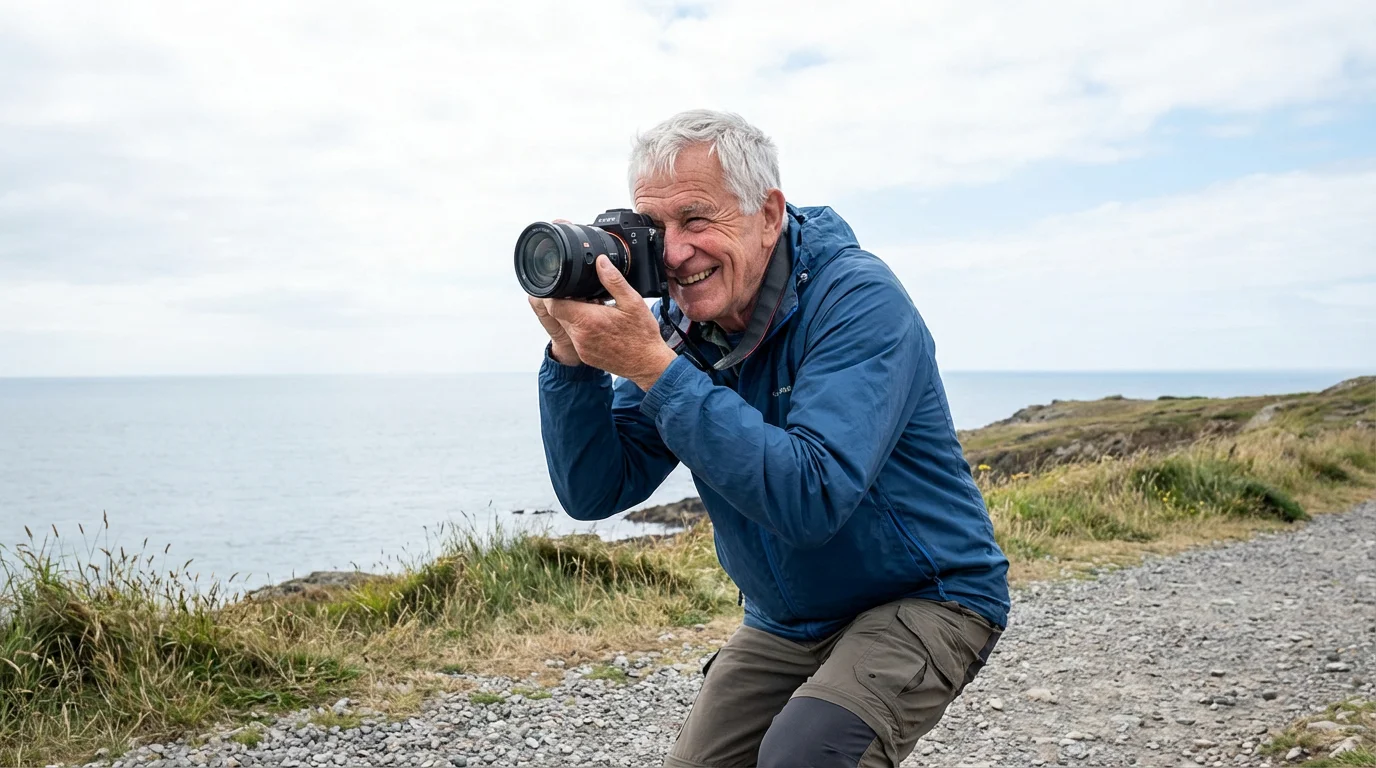
Photography is far more than a sedentary pastime; it is a holistic activity that encourages physical movement, mental stimulation, and social engagement.
You stay active by seeking out interesting subjects and locations, keeping both your body and mind sharp.
Engaging in creative hobbies like photography contributes significantly to overall well-being. It provides a sense of purpose and accomplishment, boosting your mood and cognitive function.
The National Institute on Aging highlights how staying physically active and mentally engaged supports healthy aging, and photography naturally combines both aspects. I’ve certainly found that keeping busy with my painting and my friends keeps me feeling much younger than 72!
Physical Activity and Exploration
Chasing the perfect shot often means moving your body. Whether you walk through a local park, stroll along a beach, or explore a bustling city, photography encourages you to get out and about.
This gentle exercise strengthens your legs, improves balance, and keeps your cardiovascular system healthy. Bill and I love to take walks around Hawthorn Ridge, and I can just imagine pausing to capture a beautiful bird or a particularly vibrant flower.
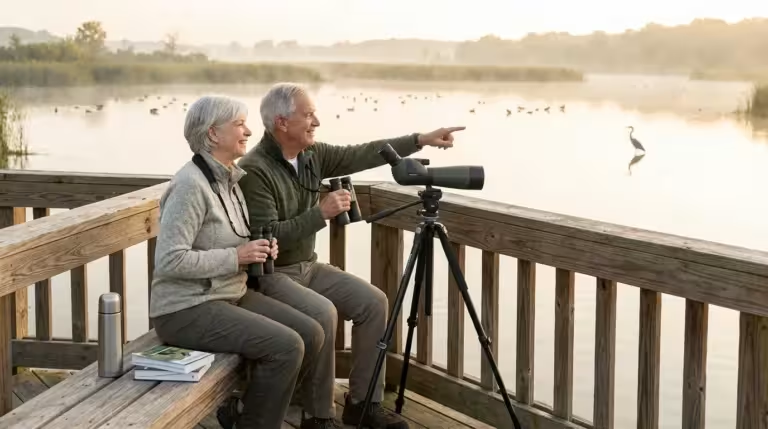
- Nature Walks: Explore local trails, botanical gardens, or scenic viewpoints. I’ve found myself looking for birds down by the intercoastal waterway here in Sarasota.
- City Exploration: Wander through historic districts, street markets, or urban landscapes.
- Event Coverage: Photograph community events, family gatherings, or sports games, moving around to capture different angles.
- Garden Photography: Spend time bending and stretching to capture details in your own backyard. Oh, how I miss my Columbus garden, but there are so many beautiful plants here in Florida to admire and photograph!
Mental Acuity and Cognitive Health
Photography provides excellent mental exercise. You constantly solve problems, make decisions, and learn new skills.
This continuous cognitive engagement helps maintain brain health and wards off mental stagnation.
It’s a bit like trying to learn watercolor painting – my brain certainly gets a workout trying to figure out how to blend colors and create depth!
- Composition: Deciding how to frame a shot, applying rules of thirds, and leading lines.
- Technical Skills: Understanding aperture, shutter speed, and ISO, and how they affect your images.
- Problem-Solving: Adjusting to different lighting conditions, unpredictable subjects, and environmental challenges.
- Memory and Observation: Paying close attention to details, colors, and textures, which enhances your observational skills.
Social Engagement and Connection
This is something I really value, especially having found my “Florida family” here in Hawthorn Ridge. Photography can be a wonderfully social activity.
You meet like-minded individuals, share experiences, and even collaborate on projects.
It provides a natural avenue for connection and friendship, which was so important for me when we first moved.
Getting Started: Choosing Your Photography Tools
You know, Bill spent two full years researching 55+ communities and built a comparison matrix with 14 variables. I, on the other hand, tend to be a bit more spontaneous!
So, you certainly do not need expensive equipment to begin your photography journey.
The best camera is often the one you have with you. Modern technology makes high-quality photography accessible to everyone.
Your Smartphone Camera
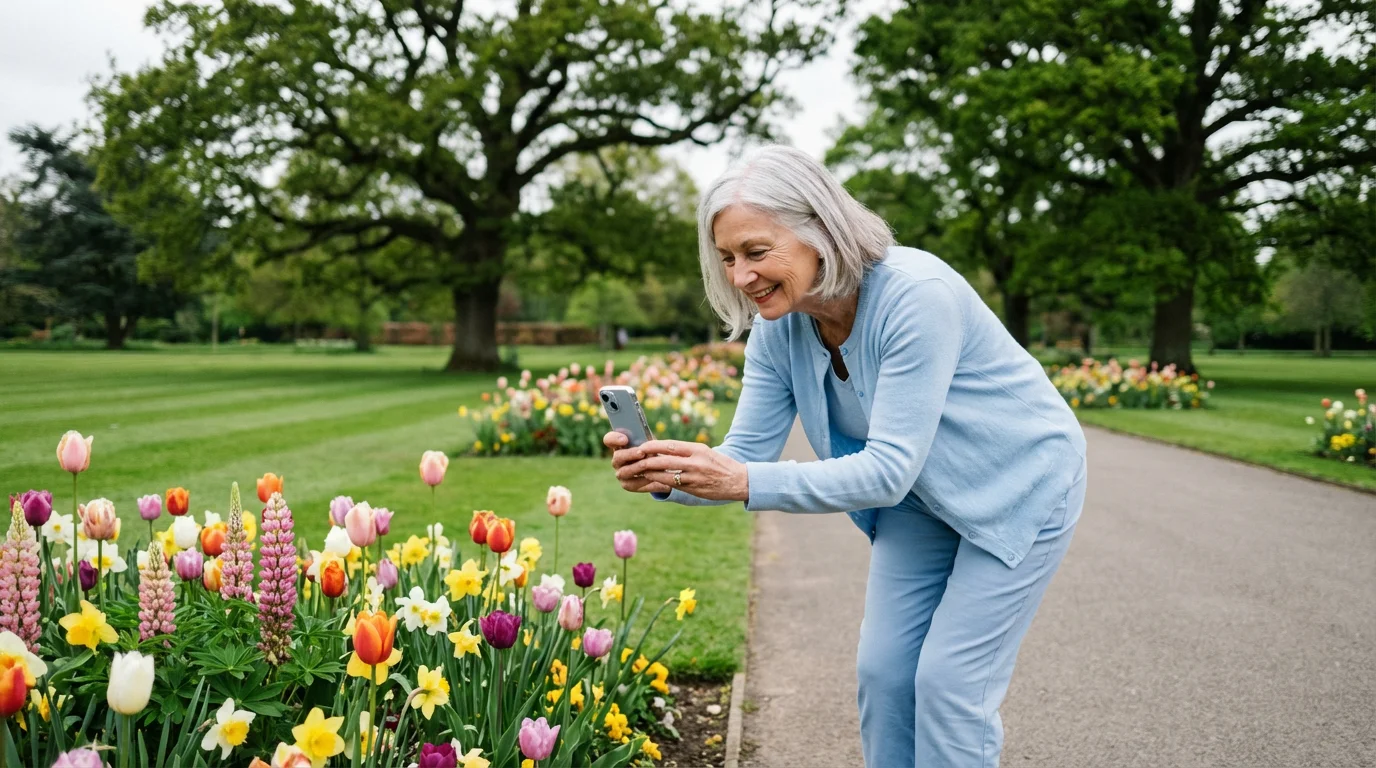
I mostly use my phone to snap pictures of Lily and Noah when they visit, or a pretty sunset from our lanai. Most contemporary smartphones feature incredibly powerful cameras capable of stunning images.
They are convenient, always available, and easy to use. Many of my friends here at Hawthorn Ridge find their smartphone an excellent starting point for photography.
- Accessibility: Always in your pocket, ready to capture unexpected moments.
- Ease of Use: Intuitive interfaces and automatic settings simplify the process.
- Editing Apps: Numerous free and low-cost apps allow you to enhance photos directly on your phone.
Compact Digital Cameras
For those seeking a step up from a smartphone without the complexity of a professional camera, a compact digital camera offers a great balance. These cameras provide optical zoom, better low-light performance, and more manual controls than a phone.
- Point-and-Shoot Models: Simple operation, often pocket-sized, with improved image quality over phones.
- Bridge Cameras: Offer extensive zoom capabilities and more advanced controls, resembling DSLRs but with a fixed lens.
Mirrorless and DSLR Cameras
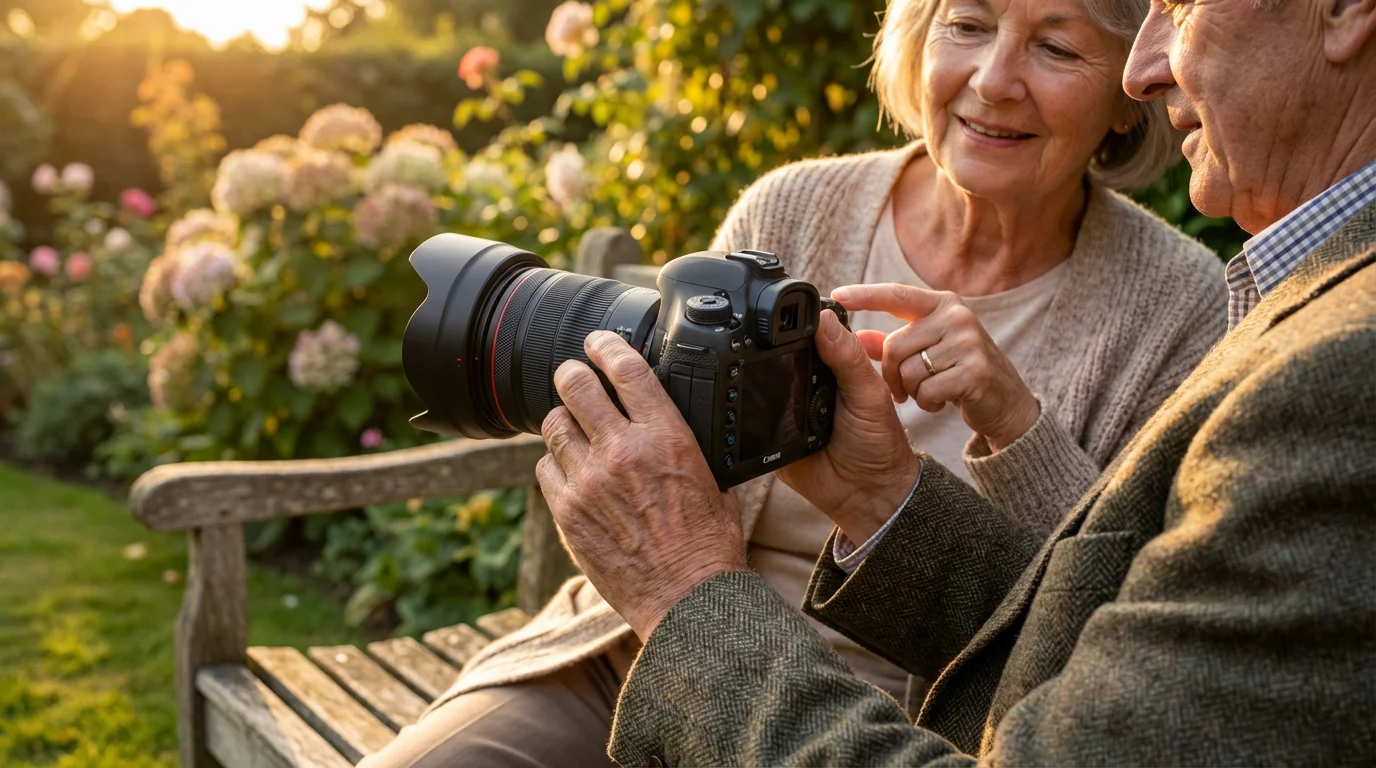
If you develop a deeper passion for photography, you might consider a mirrorless or DSLR camera. These systems offer superior image quality, interchangeable lenses, and full manual control.
This choice allows for significant creative freedom and growth. For me, they look a bit complicated, but I admire those who use them!
Remember, the camera is merely a tool. Your vision and creativity matter most.
Start with what you have, learn the fundamentals, and upgrade only when your skills demand it.
Mastering the Basics: Your First Steps Behind the Camera
I’m still learning with my watercolors, but I’ve picked up a few pointers that apply to photography too. Understanding a few core principles significantly improves your photographs.
You do not need to memorize complex technical terms to create beautiful images. Focus on observation and simple techniques.
Understanding Light
Light is the foundation of every photograph. Learning to recognize good light and how it impacts your subject transforms your pictures.
Soft, diffused light often yields pleasing results, especially for portraits and nature shots. I’ve started noticing how the light hits the palm trees in the morning here in Sarasota, making them glow just so.
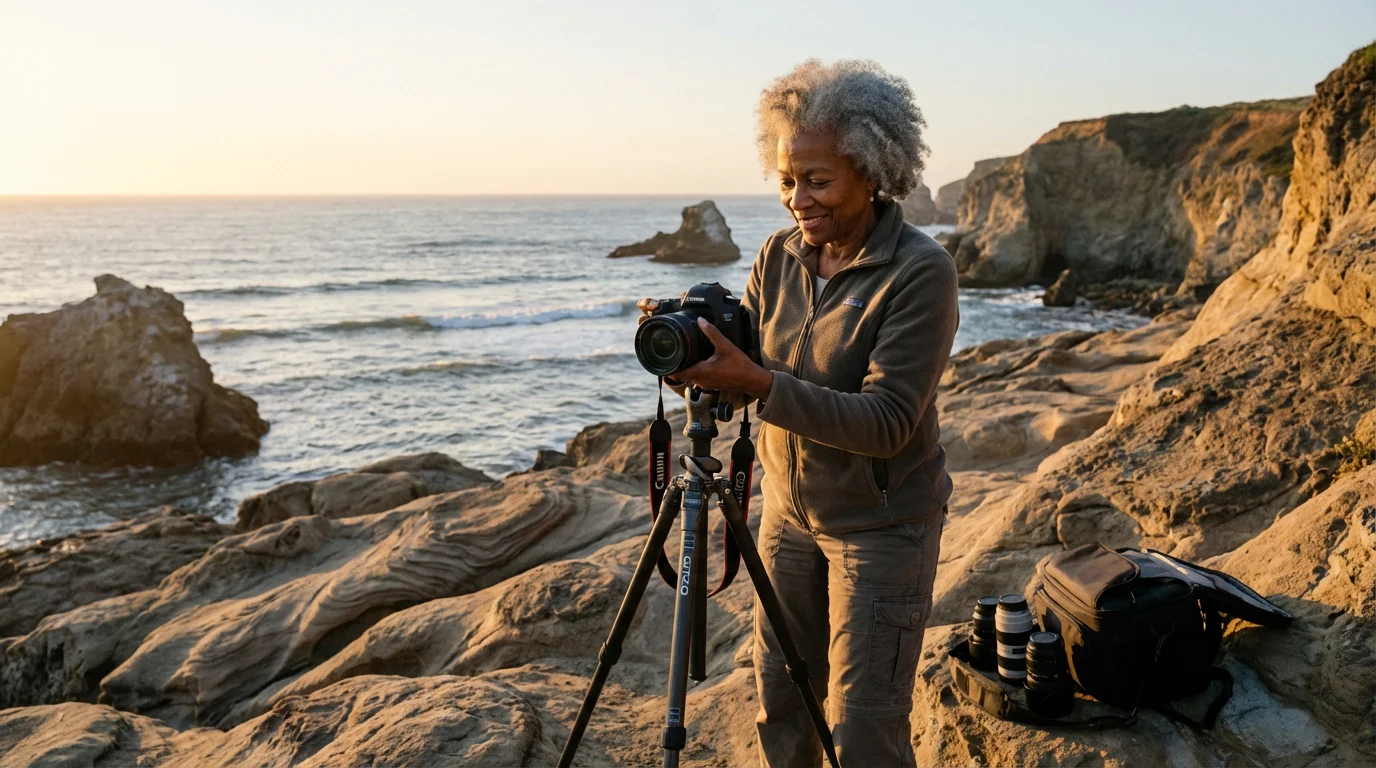
- Golden Hour: The hour after sunrise and before sunset offers warm, soft light perfect for many subjects.
- Overcast Days: Clouds act as natural diffusers, creating even and gentle lighting.
- Avoid Harsh Midday Sun: Direct overhead sun creates strong shadows and blown-out highlights, which can be challenging for beginners.
Composition Rules
Composition refers to how you arrange elements within your frame. Simple compositional techniques elevate your images from snapshots to thoughtful photographs.
Experiment with these guidelines to see their effect. Even I, with my beginner’s eye for composition in painting, can appreciate how these little tricks make a big difference.
- Rule of Thirds: Imagine your frame divided into nine equal sections by two horizontal and two vertical lines. Place your subject or points of interest along these lines or at their intersections for a more dynamic composition.
- Leading Lines: Use natural lines in the scene, such as roads, fences, or rivers, to draw the viewer’s eye towards your main subject.
- Framing: Use natural frames, like doorways, windows, or tree branches, to add depth and emphasize your subject.
- Simplify Your Background: A cluttered background distracts from your subject. Look for clean, uncluttered backgrounds to make your subject stand out.
Exploring Photography Genres: Find Your Focus
The world of photography offers diverse genres, each with its unique appeal. Experimenting with different styles helps you discover what truly excites you.
This exploration keeps your creative journey fresh and engaging.
For me, I imagine I’d lean towards nature, maybe capturing the beautiful flowers here in Florida, since I miss my Columbus garden so much, or perhaps candid shots of my grandchildren when they visit.
Consider what aspects of the world you enjoy observing and documenting. Your passion will guide you towards the perfect genre.
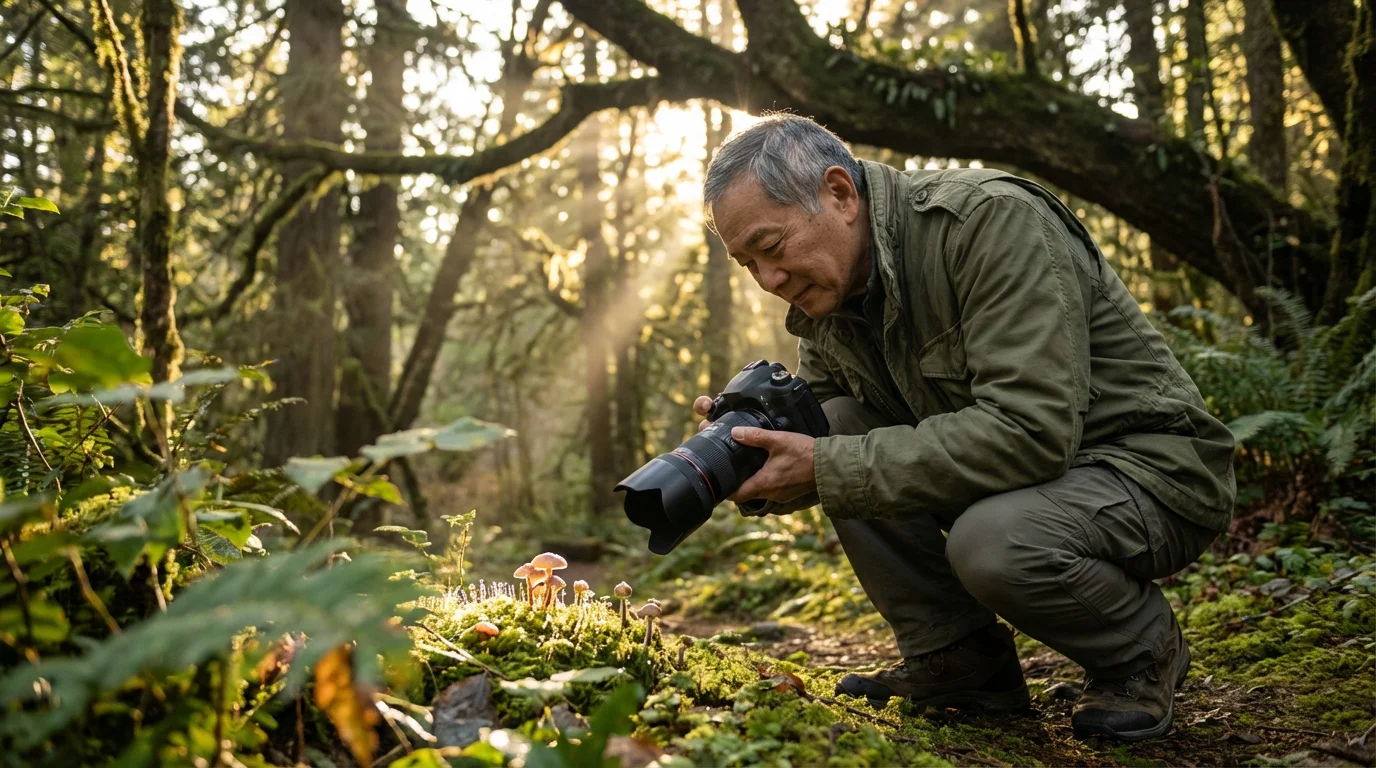
- Nature Photography: Capture landscapes, wildlife, plants, and natural phenomena. This genre often involves physical activity outdoors.
- Portrait Photography: Focus on people, capturing expressions and personalities. This can include family, friends, or community members.
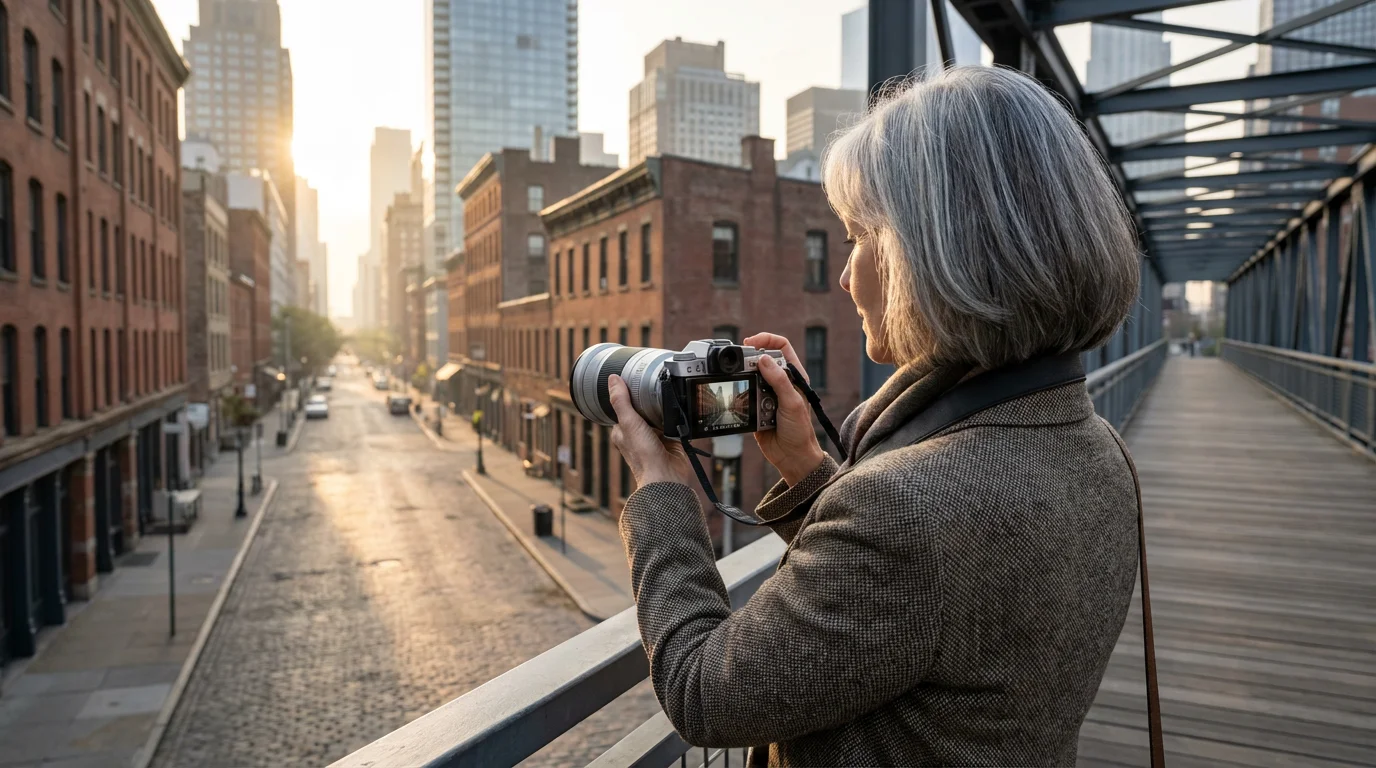
- Street Photography: Document everyday life in public spaces, capturing candid moments and the urban environment. This encourages observation and walking.
- Macro Photography: Explore the tiny details of the world, photographing insects, flowers, or textures up close.
- Travel Photography: Document your adventures, capturing the essence of different places and cultures.
- Documentary Photography: Tell stories through images, perhaps focusing on local history, community events, or personal projects.
Photography as a Path to Exploration and Connection
Photography inherently encourages you to explore your surroundings and connect with others. It transforms everyday outings into photo expeditions, turning familiar places into new discoveries.
I remember when we first moved to Sarasota, everything felt new and a little daunting. Now, I love exploring Hawthorn Ridge and the surrounding areas!
Consider how photography can enhance your social life and personal adventures. It provides a shared interest that often leads to meaningful interactions and friendships.
This is exactly how I’ve made my “Florida family” here.
Photo Walks and Group Outings
Join local photography groups or clubs that organize photo walks. These excursions offer structured opportunities to practice your skills, discover new locations, and socialize with fellow enthusiasts.
You gain inspiration from others and receive constructive feedback. I can just imagine myself on a photo walk with my “Florida family” – maybe even inviting a new neighbor I met at the pool!
Look for community centers or senior organizations that host photography outings. These events often cater to various skill levels and provide a supportive environment for learning and sharing.
Connecting with Nature and Your Community
Photography encourages a deeper connection with your environment. You notice the changing seasons, the architectural details of your town, and the unique characters in your community.
This heightened awareness fosters a greater appreciation for your surroundings. Even though I cried when we sold our house in Columbus and I miss my garden, photography could help me connect with the beautiful nature here in Florida.
Documenting local events, capturing the beauty of your neighborhood, or taking portraits of friends and family creates a visual legacy. Your photographs become treasured memories, shared with loved ones for years to come.
I love capturing moments of Lily and Noah when they visit – those are truly precious memories.
Enhancing Your Skills: Learning and Growing
I’m certainly a testament to the idea that you’re never too old to learn something new, even if you’re not going to be a master at it! The journey of photography offers endless opportunities for learning and growth.
You can continuously refine your techniques, experiment with new styles, and expand your creative horizons. This pursuit of knowledge keeps your mind active and engaged, which is so important in retirement.
Seek out resources that match your learning style and commitment level. Many options exist for seniors interested in improving their photography.
Photography Classes for Seniors
Many community colleges, adult education centers, and senior centers offer photography courses specifically designed for older adults. These classes provide structured learning environments and opportunities to interact with instructors and peers.
I’ve been thinking about looking into classes here in Sarasota, maybe even one for photography after my watercolor adventures, just to meet more people!
Consider programs like the Osher Lifelong Learning Institutes, which often include arts and photography courses tailored for seasoned learners. These environments emphasize learning for the joy of it, without academic pressure.
- Local Workshops: Look for weekend workshops on specific topics like portraiture, landscape photography, or post-processing.
- Online Tutorials: Websites like YouTube, Udemy, and Skillshare offer countless free and paid tutorials on every aspect of photography.
- Photography Books and Magazines: Traditional resources provide in-depth knowledge and inspiration.
- Mentorship: Connect with experienced photographers in your community for personalized guidance.
Practice and Experimentation
Consistent practice is key to improving your photography skills. Do not fear making mistakes; they are part of the learning process.
Experiment with different settings, angles, and subjects.
The more you shoot, the more you develop your unique photographic voice. I tell myself the same thing when I’m trying to get the right shade of blue for the ocean in my paintings – just keep trying!
Set personal projects for yourself. For example, dedicate a month to photographing only flowers, or challenge yourself to capture ten different expressions on faces.
These projects provide focus and motivation.
Sharing Your Vision: Connecting Through Your Art
Sharing your photographs is such a rewarding part of the creative process. It allows you to connect with others, receive feedback, and celebrate your accomplishments.
Your images can inspire, evoke emotion, and tell powerful stories. I know my children, Karen, Michael, and Susan, always love seeing pictures of their own children, Lily and Noah, doing something fun here in Florida!
Numerous avenues exist for sharing your work, from intimate family circles to broader online communities.
Prints and Photo Albums
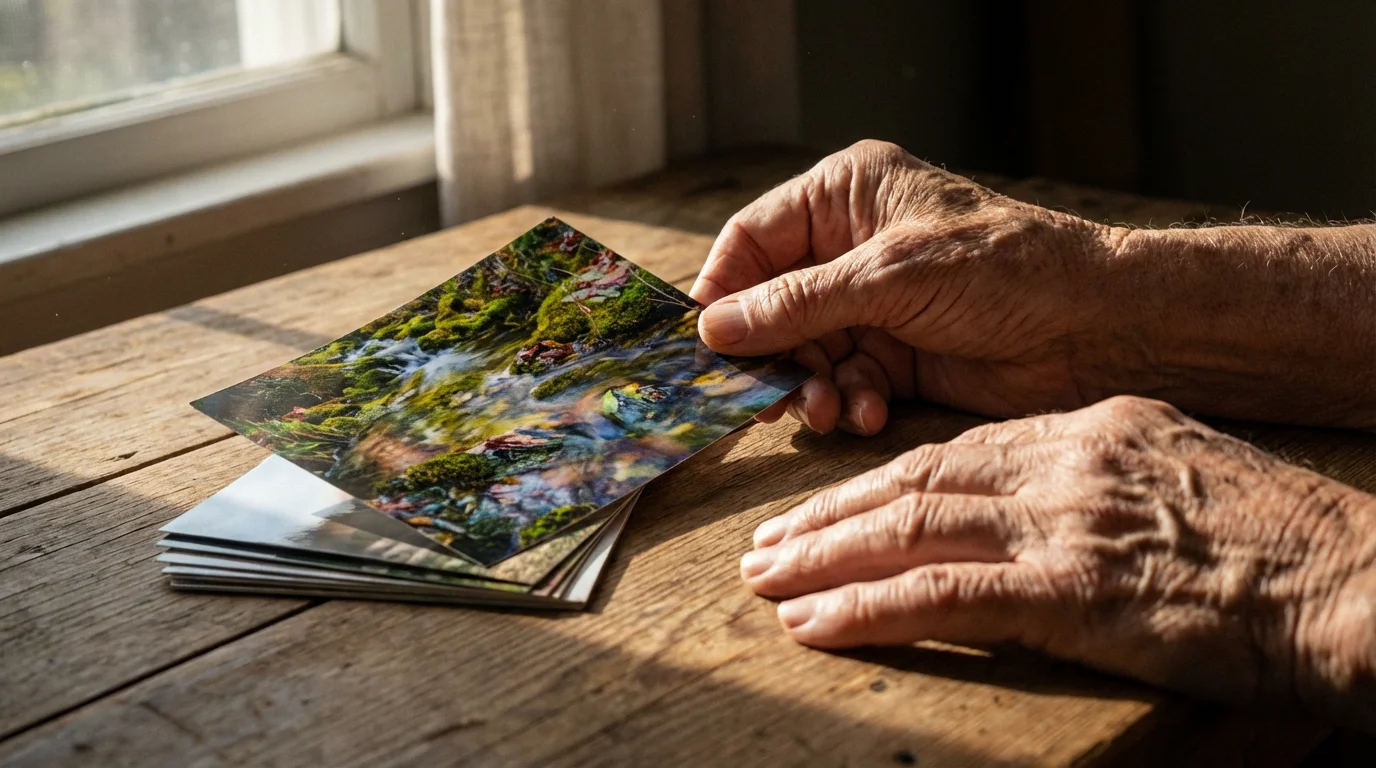
Transform your digital images into tangible memories. Printing your favorite photographs and creating photo albums offers a classic way to preserve and share your work.
These physical prints make wonderful gifts and provide lasting enjoyment. I can just picture making photo albums of Lily and Noah’s visits for Karen, Michael, and Susan – a perfect way to share our new life here!
Consider displaying your best work in your home or gifting framed prints to loved ones. Seeing your photographs in print provides a profound sense of accomplishment.
Online Galleries and Social Media
Platforms like Flickr, Instagram, or even personal websites provide avenues to share your photography with a wider audience. These online spaces allow you to connect with photographers globally, gain inspiration, and receive comments on your work.
Bill probably knows all about these, but for me, it’s about sharing with family and maybe my new friends here at Hawthorn Ridge.
Participate in online photography challenges or groups. This can push your creativity and introduce you to new techniques and perspectives from a supportive community.
Local Exhibitions and Photography Clubs
Many communities host local art shows, photography exhibitions, or gallery spaces where you can display your work. Participating in these events offers a fantastic way to engage with your local art scene and showcase your talent.
I could see myself joining a club here at Hawthorn Ridge – another great way to meet people and share a laugh, maybe even over a cup of coffee and some of my Sunday morning baking!
Frequently Asked Questions
What are good photography classes for seniors?
From my experience, many community centers, local libraries, and adult education programs often offer beginner photography classes specifically for folks like us. I’ve also heard good things about online courses through platforms like Udemy or Skillshare.
And definitely check out programs like the Osher Lifelong Learning Institutes; they often have wonderful arts and photography modules designed for us lifelong learners who just want to enjoy the process!
How can seniors get started with photography?
The easiest way to start, in my opinion, is with the camera you already own – your smartphone! That’s what I use for most of my pictures, especially of my grandchildren.
Just practice taking pictures of everyday subjects around your home and neighborhood.
Focus on understanding natural light and basic composition rules, like the rule of thirds. Joining a local photography club or taking a beginner class can also give you a great foundation and help you connect with others, which I always recommend!
Is photography a good hobby for active retirement?
Oh, absolutely! I think it’s wonderful.
Photography naturally encourages you to get out and move, whether you’re taking a photo walk or exploring new places, which is great for staying active.
It also stimulates your mind by teaching you new skills and how to solve little problems, much like my watercolor painting. And it’s fantastic for making social connections when you join clubs or go on group outings.
It really hits all the marks for an active and engaged retirement, if you ask me!
What type of photography is easiest for beginners?
I think many of us beginners find nature photography, like landscapes or close-ups of flowers (I’d love to capture the beautiful flowers here in Florida!), and everyday life photography, like candid shots of family or pets, to be really accessible.
These genres let you practice composition and lighting in familiar surroundings without too much pressure. And as I mentioned, smartphone photography is a super easy entry point because it’s so user-friendly.
Do I need expensive equipment to be a good photographer?
Goodness no, you absolutely do not need expensive equipment to be a good photographer! I think your creativity, your unique way of seeing things, and understanding how light works are far more important than how much your camera costs.
Many truly beautiful photographs are taken with just a smartphone or a basic camera. My advice is to focus on mastering the basics with whatever you have, and if your passion really grows, then you can think about getting something more advanced.
Disclaimer: This article is for informational purposes only and does not constitute medical advice. Before starting any new exercise program or making significant changes to your activity level, please consult with your healthcare provider, especially if you have chronic health conditions or concerns about physical limitations.