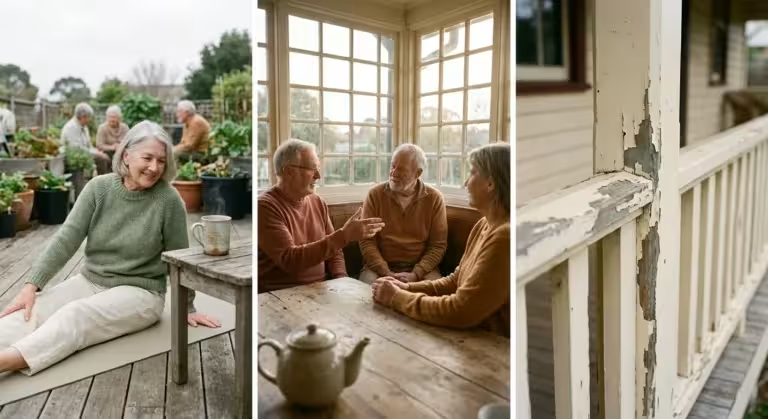
Retirement offers a unique opportunity for introspection, growth, and embracing a lifestyle centered on well-being. For me, it certainly did.
After 36 years as an elementary school librarian, I thought I knew what “well-being” meant, but the truth is, I spent so many years focused on work and family that I hadn’t truly invested in my own mental and emotional health.
Now, Bill and I are discovering a newfound desire to cultivate inner peace and effectively manage daily stresses.
This journey often leads us to the profound practices of meditation and mindfulness, tools that empower us to live more fully and calmly in this wonderful new chapter.
I dedicated years to work, raising our three children, and all those responsibilities. Now is my time to invest in my mental and emotional health.
Integrating meditation and mindfulness into my daily routine has truly transformed my retirement experience, reducing stress and enhancing my enjoyment of every moment.
I only wish I’d started sooner!
In this guide7 sections
- Understanding Meditation and Mindfulness for Us
- The Profound Benefits of a Mindful Retirement
- How to Start Meditating: Simple Steps for Anyone
- Exploring Different Mindfulness Practices
- Overcoming Common Challenges and Staying Consistent
- Integrating Mindfulness into Our Daily Retirement Life
- Frequently Asked Questions

Understanding Meditation and Mindfulness for Us
Meditation involves training your mind to achieve a state of relaxed awareness. It is not about stopping thoughts entirely, which is a common misconception.
I certainly thought it was at first! Instead, you learn to observe your thoughts and feelings without judgment, allowing them to pass without getting caught up in them.
Cultivating this inner focus can also provide the confidence needed to participate in resident-led initiatives within your new community.
Mindfulness is a specific type of meditation that focuses on bringing your attention to the present moment. You intentionally observe your sensations, thoughts, and surroundings without labeling them as good or bad.
This practice helps you stay grounded and fully engaged in your current experience.
For Bill and me, these practices are particularly valuable. Retirement brought significant life changes, from adjusting to a new routine (no more school bells!) to navigating social shifts in a new community.
I remember how much I resisted selling our 2,400 sq ft colonial on Elmwood Drive in Columbus, and the emotional turmoil that came with moving to Hawthorn Ridge.
Meditation and mindfulness have provided a stable anchor in these evolving circumstances, helping me maintain emotional balance and mental clarity, especially in those first few months.
Think of meditation as exercise for your brain. Just as physical exercise strengthens your body, meditation strengthens your mind.
It builds resilience, improves focus, and fosters a sense of inner calm that you can carry with you throughout your day.

The Profound Benefits of a Mindful Retirement
Embracing meditation and mindfulness offers a wealth of advantages that directly address the common concerns and aspirations we retirees have.
While meditation focuses on stillness, engaging in senior dance classes can also improve physical coordination and mood through social movement.
Retirees looking for additional ways to support brain health might also find learning a new language to be an effective and rewarding mental challenge.
Beyond emotional work, establishing a clear financial roadmap can also significantly reduce the underlying anxiety many feel about their future security.
These practices extend far beyond simple relaxation, impacting your physical, mental, and emotional health in tangible ways. I’ve found they give me powerful tools for navigating the challenges and joys of my retirement years.
Reducing Stress and Anxiety
One of the most immediate and impactful benefits I’ve experienced is significant stress relief. I’ll admit, the whole process of downsizing, selling our house, and moving to Florida was incredibly stressful for me.
I had a lot of feelings, and Bill had his spreadsheets, which didn’t always help with my emotional state! Research consistently shows that regular meditation can lower cortisol levels, the body’s primary stress hormone.
A study published in Health Psychology, for instance, demonstrated that mindfulness-based stress reduction programs effectively reduced psychological distress in older adults. I’ve learned to respond to stressors with greater calm, preventing anxiety from taking root.
When I was worried about leaving my garden or whether I’d make friends in Florida, mindfulness taught me to observe these thoughts without letting them spiral into overwhelming anxiety.
I’ve developed a psychological distance from troubling thoughts, allowing me to address concerns from a place of clarity rather than panic.
Enhancing Cognitive Function
Maintaining mental sharpness is a top priority for me. I spent 36 years as a librarian, after all, keeping my brain active!
Mindfulness practice actively engages areas of the brain associated with attention, memory, and executive function.
Regular meditation can literally change the structure of your brain, increasing gray matter in regions related to learning and memory.
As I practice focusing my attention during meditation, I strengthen my ability to concentrate in daily life. This has translated into improved memory recall, better problem-solving skills, and a sharper overall cognitive function.
I want to be able to keep up with Lily and Noah’s questions, so staying mentally active through practices like mindfulness supports long-term brain health, a key aspect of healthy aging.
Improving Emotional Well-being
Retirement can sometimes bring feelings of loneliness or a sense of lost purpose. I certainly felt that when I first retired, and then again when we left Columbus.
I cried when we sold the house on Elmwood Drive.
Meditation and mindfulness cultivate a deeper connection to myself and the present moment, fostering feelings of contentment and joy. I’ve developed greater self-compassion and acceptance, which were crucial for me to move past my initial resistance to Florida.
Now, I have three genuine friends here that I call my “Florida family,” and I credit mindfulness for helping me open up to those new connections.
These practices help me process emotions in a healthier way. Instead of suppressing difficult feelings, I learn to acknowledge them without judgment and allow them to pass.
This leads to a more stable mood, increased positivity, and a greater appreciation for the simple pleasures of life, like baking on Sunday mornings.
Supporting Physical Health
The mind-body connection is powerful, and meditation demonstrates this clearly. By reducing stress, you also reduce the physical toll stress takes on your body.
This includes benefits such as lower blood pressure, improved sleep quality, and even a bolstered immune system.
A more relaxed nervous system promotes better circulation and reduces muscle tension. You may find relief from chronic pain as your relationship with discomfort changes, becoming more accepting rather than reactive.
These physical improvements contribute to a higher quality of life, allowing you to remain active and independent. I certainly feel better and have more energy for my watercolor painting (even if I’m not good at it!).
Here are some key benefits I’ve come to expect from embracing mindfulness:
- Reduced feelings of loneliness and isolation.
- Improved sleep patterns and overall restfulness.
- Enhanced ability to cope with chronic pain.
- Greater emotional regulation and mood stability.
- Increased patience and compassion towards myself and others.
- A deeper sense of purpose and connection to life.
How to Start Meditating: Simple Steps for Anyone
Starting a meditation practice does not require special equipment or complicated rituals. I certainly didn’t have any when I started!
You can begin right where you are, using simple techniques that fit into your daily routine.
The most important step is simply to begin, approaching the practice with curiosity and kindness towards yourself, which is something I had to learn to do for myself after retirement.
Here is a straightforward guide to help you start your meditation journey:
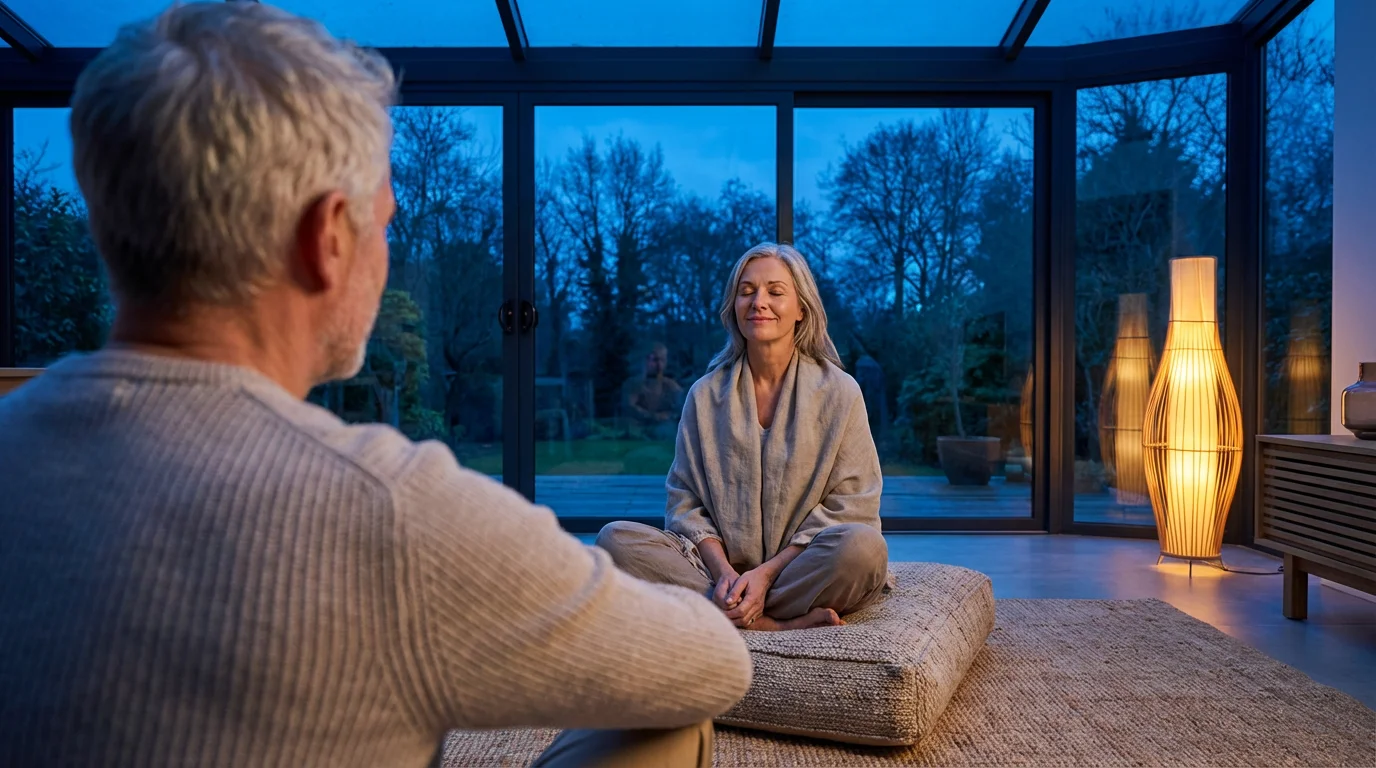
- Find a Quiet Space: Choose a time and place where you are unlikely to be disturbed. For me, it’s often a specific armchair in our living room here in Hawthorn Ridge, or sometimes I’ll sit by the pool early in the morning before anyone else gets there. The goal is to minimize external distractions.
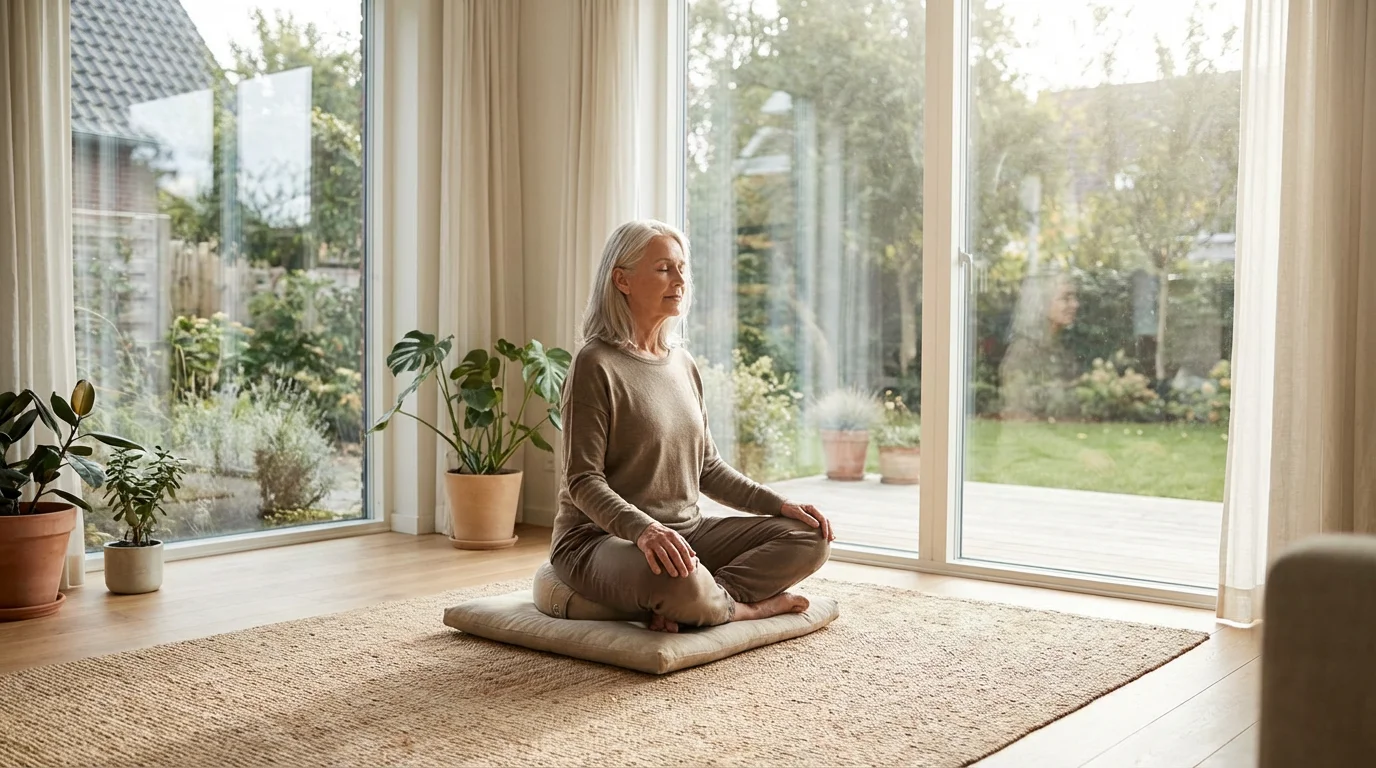
- Comfortable Posture: Sit comfortably, either on a cushion on the floor or in a chair. If you are in a chair, keep your feet flat on the floor and your back straight but relaxed. Your hands can rest gently in your lap or on your knees. The key is to be comfortable enough to remain still, yet alert.
- Set a Timer: Begin with short sessions, perhaps 5-10 minutes. When I first started, I aimed for just 5 minutes right after my morning coffee. Consistency matters more than duration when you are starting. You can gradually increase the time as you become more comfortable and build your capacity for longer sessions.
- Focus on Your Breath: Gently close your eyes or soften your gaze downwards. Bring your attention to your breath. Notice the sensation of the air entering and leaving your body. Feel your chest or abdomen rise and fall. Do not try to control your breath, just observe it naturally.
- Acknowledge Wandering Thoughts: Your mind will inevitably wander. This is completely normal and expected. My mind used to race thinking about all the things I needed to do, or even just replaying old memories from Columbus. When you notice your mind has drifted, simply acknowledge the thought without judgment. Then, gently guide your attention back to your breath. There is no need to get frustrated; each time you bring your attention back, you are strengthening your mindful muscle.
- Conclude Your Session: When your timer rings, slowly open your eyes. Take a moment to notice how you feel, both physically and mentally. Carry this sense of calm awareness into the rest of your day.
Remember, consistency is key. Aim to meditate daily, even if it is for just a few minutes.
You are building a new habit, and regular practice will yield the greatest results.

Exploring Different Mindfulness Practices
Meditation is not a one-size-fits-all practice. While breath-focused seated meditation is a great starting point, I’ve found it helpful to explore various mindfulness techniques that resonate with my preferences and lifestyle.
These diverse approaches allow me to integrate mindfulness more deeply into my daily retirement life.
Active mindfulness techniques work beautifully while exploring hiking trails, where you can truly connect with the natural world through your senses.
For those who prefer active meditation, incorporating gentle movement like Tai Chi can be a wonderful way to build focus and physical balance simultaneously.
Guided Meditations
I found guided meditations incredibly helpful, especially when I was just starting out. They involve listening to an audio recording that leads you through the meditation process, offering instructions on where to place your attention.
You can find numerous free guided meditations online, often tailored for stress relief, sleep, or specific emotional support.
- Apps and Websites: I explored apps like Insight Timer, which offered some great free introductory courses. Websites like UCLA Mindful provide excellent resources too.
- Local Classes: I haven’t tried a formal class here in Sarasota yet, but I’ve heard our community center sometimes offers them. Learning in a group can provide support and motivation.
Walking Meditation
If sitting still for extended periods is challenging, walking meditation offers a wonderful alternative. This practice involves bringing mindful attention to the act of walking.
I love to do this around Hawthorn Ridge, focusing on the sensations of my feet touching the ground, the movement of my legs, and the rhythm of my breath as I walk past all the beautiful Florida plants.
- Slow Pace: Choose a quiet outdoor path or even a hallway in your home. Walk at a slower pace than usual.
- Sensory Awareness: Notice the feeling of each foot lifting and placing, the swing of your arms, the air on your skin.
- Present Moment: If your mind wanders, gently bring it back to the physical sensations of walking.
Mindful Eating
I’ve really enjoyed transforming my mealtimes into an opportunity for mindfulness. Mindful eating involves paying full attention to the experience of eating, engaging all your senses.
It’s especially wonderful when I’m enjoying a piece of my Sunday morning baking!
- Slow Down: Eat slowly, taking smaller bites.
- Engage Senses: Notice the colors, textures, aromas, and flavors of your food. Chew thoroughly.
- Satiety Cues: Pay attention to your body’s signals of hunger and fullness, stopping when you feel satisfied.
Body Scan Meditation
A body scan is a powerful practice for developing body awareness and releasing tension. I sometimes do this after a long day of trying to perfect my watercolor painting (which, let’s be honest, rarely happens!).
You systematically bring your attention to different parts of your body, noticing any sensations without judgment.
- Lie Down: Lie on your back in a comfortable position, or sit upright if preferred.
- Scan Your Body: Start with your toes, bringing your awareness to any sensations there. Slowly move your attention up through your feet, ankles, calves, knees, and so on, all the way to the top of your head.
- Observe and Release: Notice any tension, tingling, warmth, or coolness. Just observe these sensations without trying to change them. If you find tension, simply breathe into that area, imagining the tension softening with each exhale.
Overcoming Common Challenges and Staying Consistent
As with any new habit, I certainly encountered challenges when starting my meditation practice. It’s important to approach these hurdles with patience and self-compassion, rather than frustration.
Recognize that every meditator, regardless of experience, faces moments of distraction or difficulty. I know I did!
Dealing with a Busy Mind
One of the most frequent complaints I hear, and certainly felt myself, is “my mind is too busy.” This is a universal experience.
Meditation does not aim to empty your mind, but rather to change your relationship with your thoughts.
I used to get so caught up in thoughts about missing my garden in Columbus or worrying about the grandkids, but I’ve learned to observe them, acknowledge them, and let them pass without getting entangled.
- Non-Judgment: Avoid judging your thoughts as good or bad. Simply note their presence.
- Gentle Return: Each time you bring your attention back to your breath, you are successfully meditating, regardless of how many times your mind wandered.
- Shorter Sessions: If your mind feels particularly restless, try meditating for even shorter periods, perhaps 2-3 minutes, multiple times a day.
Finding Time
Even in retirement, my schedule can feel full with baking, painting, and visits with friends! Integrating meditation requires intentional effort.
Think of it as a vital appointment with yourself, rather than an optional activity.
- Schedule It: I treat my meditation time like any other important appointment. I put it on my calendar.
- Anchor It: I pair my meditation with an existing daily habit. For example, I meditate immediately after my morning coffee, before Bill gets up for pickleball.
- Micro-Meditations: You do not need long periods. A minute of mindful breathing while waiting for the kettle to boil, or during a commercial break, still provides benefits.
Discomfort or Physical Limitations
I’m 72, so I certainly understand that some folks might experience physical discomfort during seated meditation due to arthritis, back pain, or other conditions. Your comfort is paramount.
- Adjust Your Posture: Experiment with different seating positions. Use cushions, blankets, or even lie down if that is more comfortable.
- Chair Meditation: A sturdy chair with back support is perfectly acceptable. Keep your feet flat on the floor.
- Movement: Consider practices like walking meditation or mindful stretching if stillness is too challenging.
- Consult Your Doctor: Always consult your healthcare provider if you have concerns about physical limitations, particularly when starting any new activity, even a gentle one like meditation.
Integrating Mindfulness into Your Daily Retirement Life
Mindfulness is not just a formal practice you do for a few minutes each day; it is a way of living. I’ve found I can weave mindful moments into countless everyday activities, transforming routine tasks into opportunities for presence and peace.
This integration enhances my overall well-being and allows me to experience my retirement years more richly.
Mindful Morning Routine
I love to start my day with intention and awareness. Instead of rushing, I bring mindfulness to my first activities.
- Awakening: Before getting out of bed, I notice the sensations of my body resting, the sounds around me here in Florida. I take a few deep, conscious breaths.
- First Sips: I savor my morning coffee. I feel the warmth of the mug, notice the aroma, taste each sip. It’s a simple pleasure I’ve learned to truly appreciate.
- Dressing: I pay attention to the feeling of clothing on my skin, the simple movements of getting ready.
Mindful Chores and Activities
Even mundane tasks can become opportunities for mindfulness. These are perfect chances to practice bringing your attention to the present moment, rather than letting your mind drift or fret.
- Washing Dishes: I notice the warm water, the feel of the soap, the sound of the plates.
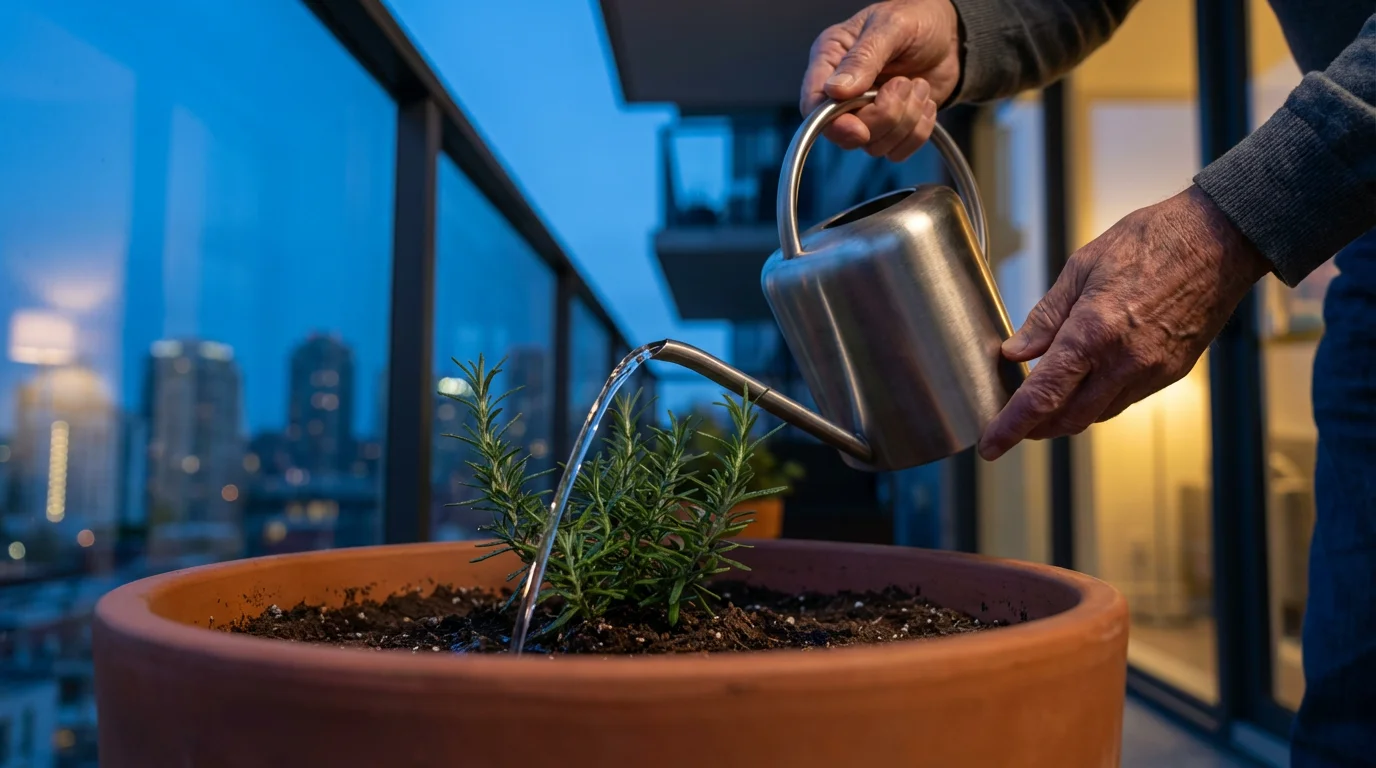
- Gardening: While I still miss my big garden in Columbus, I’ve started tending to some potted plants on our lanai here. I feel the soil, observe the new growth, listen to the birds. It helps me connect with nature in a new way.
- Walking: As mentioned, I turn a simple walk into a walking meditation by focusing on my steps and surroundings.
Mindful Communication
Bringing mindfulness to my interactions with others has really deepened my connections and improved my relationships. It helped me immensely when I was trying to make new friends here at Hawthorn Ridge.
- Active Listening: When someone speaks, especially my “Florida family” friends or my grandkids on the phone, I try to give them my full, undivided attention. I really hear their words, tone, and body language without formulating my response.
- Mindful Speaking: Before I speak, I pause and consider my words. Are they kind, necessary, and true?
Using Prompts and Reminders
In the beginning, I definitely used to forget to be mindful throughout the day. So, I set up gentle reminders to bring my attention back to the present.
- Visual Cues: I have a small seashell on my kitchen counter that I picked up on the beach. When I see it, it reminds me to pause and take a mindful breath.
- Sound Cues: The sound of Bill’s pickleball shoes squeaking when he comes home, or even a car horn outside, can be a prompt for me to check in with my breath and body.
- Body Check-ins: Periodically I ask myself, “What am I experiencing right now?” “What do I hear, see, feel?” “How is my breath?”
By regularly incorporating these small mindful moments, I cultivate a continuous thread of awareness throughout my day. This consistent practice reinforces the benefits of my formal meditation sessions, leading to a more peaceful, engaged, and joyful retirement.
For further resources on maintaining overall health and wellness in retirement, you might find valuable insights from organizations like AARP Health & Wellness, which offers a broad range of information relevant to us retirees.
Frequently Asked Questions
What is the difference between meditation and mindfulness?
Well, I used to get them confused too! Meditation is a broad term for practices that train your mind to achieve a state of relaxed awareness.
Mindfulness is a specific type of meditation where you intentionally focus your attention on the present moment, observing your thoughts, feelings, and sensations without judgment.
I’ve found that mindfulness can also be a quality of attention I bring to everyday activities, not just a formal seated practice.
How long should someone meditate each day?
When I was starting, even 5-10 minutes a day yielded significant benefits. I truly believe consistency is more important than duration.
As you become more comfortable, you might gradually increase your sessions to 15-20 minutes or longer.
I find success with one session in the morning, and sometimes a shorter one in the evening if my mind feels particularly busy.
Are there any risks for us practicing meditation?
From my experience, meditation is generally considered very safe and beneficial. For some, especially those with a history of trauma or certain mental health conditions, intense meditation practices might occasionally bring up uncomfortable emotions.
If you have any concerns, particularly related to mental health, I’d suggest starting with guided meditations and discussing your plans with a healthcare professional or a qualified meditation teacher. Most gentle mindfulness practices are widely adaptable and low-risk.
Can meditation help with sleep problems in retirement?
Absolutely, it certainly helped me! I used to have nights where my mind would just race, especially after we moved.
By reducing stress, calming a busy mind, and fostering a sense of relaxation, meditation helps prepare your body and mind for rest.
I’ve found practices like body scan meditation or guided sleep meditations particularly effective in promoting deeper, more restorative sleep.
Do I need to be spiritual or religious to meditate?
Not at all! I don’t consider myself particularly spiritual in a formal sense, and I’ve found immense benefit.
Meditation and mindfulness are secular practices and do not require any specific religious or spiritual beliefs.
While these practices have roots in various traditions, modern mindfulness is often taught and practiced in a secular context, focusing on universal aspects of human experience like attention, awareness, and compassion. You can integrate them into your life regardless of your personal beliefs.
Disclaimer: This article is for informational purposes only and does not constitute medical advice. Before starting any new exercise program or making significant changes to your activity level, please consult with your healthcare provider, especially if you have chronic health conditions or concerns about physical limitations.