

When I first started looking at retirement, I didn’t see it as some vague ‘golden years’ destination. For me, it was a major life project, a multi-year engineering challenge that needed careful planning.
This transition often involves making proactive downsizing decisions to ensure your home environment matches your future needs.
Dorothy, bless her heart, saw it as a more emotional journey, and she was right about that too, in her own way.
But from my perspective as a retired civil engineer, retirement is a dynamic process, full of choices that need to be weighed, researched, and ultimately, decided upon.
My goal was to make sure our retirement years weren’t just comfortable, but also well-structured, connected, and, yes, even vibrant. In this article, I want to share some of the forward-thinking approaches I’ve seen in retirement planning and senior living.
Think of it as a strategic blueprint for what comes next, based on what Dorothy and I have learned.
In this guide9 sections
- Reimagining Retirement Housing: Diverse Options for Your Future
- Technology Empowering Independent Living and Connectivity
- Redefining Retirement Finance: Adapting to Longer Lifespans
- Holistic Wellness and Preventative Care: A New Healthcare Model
- Vibrant Communities and Lifelong Learning: Cultivating Engagement
- The Rise of Encore Careers and Flexible Work in Retirement
- Navigating Location Decisions and Intergenerational Living
- Securing Your Legacy: Estate Planning for the Future
- Frequently Asked Questions
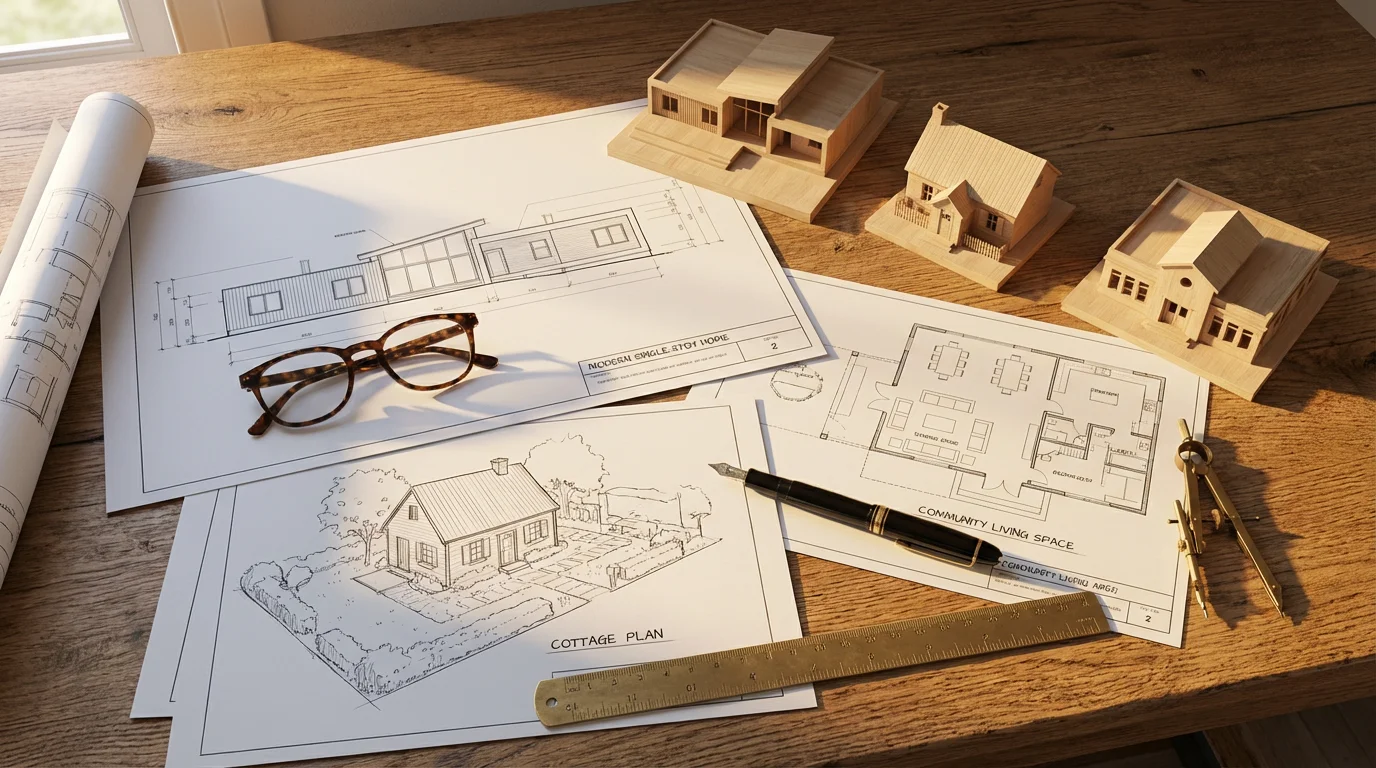
Reimagining Retirement Housing: Diverse Options for Your Future
The old idea of a “retirement home” is definitely outdated. When Dorothy and I started looking at our options, I quickly realized the landscape had completely changed.
There’s a whole spectrum of housing solutions out there now, designed to fit just about any preference.
Furthermore, remember to review the legal considerations of moving into managed facilities to protect your rights and assets.
It is helpful to weigh the pros and cons of community living vs. aging in place to determine which path offers the best support for your lifestyle.
I spent two full years researching 55+ communities, not just flipping through brochures, but digging into the details. I even built a comparison matrix with 14 variables to objectively evaluate everything from community fees to healthcare access.
It was a lot of data, but it helped us see the sheer number of choices available and how they each offered different levels of autonomy and community integration.
Many folks, including Dorothy initially, prioritize aging in place, wanting to remain in their familiar homes. This choice absolutely requires proactive planning and potential home modifications.
I’d recommend evaluating your home for accessibility, safety, and long-term suitability. Research smart home technologies that can support independent living, such as automated lighting, fall detection systems, and medication reminders.
It’s all about practical solutions.
Beyond staying put, several innovative models are gaining prominence:
- Co-housing Communities: These intentional communities emphasize shared spaces, resident-led management, and mutual support. Residents often own private homes but share common facilities like dining halls, workshops, and gardens, fostering a strong sense of community and reducing isolation.
- Continuing Care Retirement Communities (CCRCs): CCRCs offer a tiered approach, providing independent living, assisted living, and skilled nursing care all on one campus. This model appealed to me because it offers comprehensive care options that can adapt as needs change over time. You benefit from predictable care costs and the comfort of remaining within a familiar environment.
- Pocket Neighborhoods: These clusters of smaller homes are often arranged around a common green space, designed to encourage interaction among neighbors. They combine the privacy of individual residences with the benefits of close-knit community engagement.
- Intergenerational Living: Some communities and housing developments actively promote interactions between different age groups. This can involve housing students, young families, or caregivers alongside seniors, creating dynamic environments that share resources and foster mutual enrichment.
When Dorothy and I were evaluating housing options, I insisted we ask ourselves these crucial questions:
- What level of independence do you wish to maintain?
- How important are social connections and community activities to you?
- What are your long-term healthcare needs and how will your housing support them?
- What is your budget for housing, including potential modifications, maintenance, and community fees?
Your housing decision is foundational to your retirement lifestyle. Explore all possibilities thoroughly and imagine your daily life within each scenario.
It’s a big decision, and it deserves a thorough investigation.

Technology Empowering Independent Living and Connectivity
As an engineer, I appreciate efficiency and practicality, and technology is delivering both in spades for retirement living. I’ve seen firsthand how innovations are moving beyond just convenience, offering real solutions that enhance safety, simplify daily tasks, and keep us connected.
Dorothy, for instance, used to struggle with video calls, but now she’s a pro, chatting with Lily and Noah in Cincinnati and Austin.
For me, knowing we have smart home devices that can help manage schedules or even detect falls gives us both a good deal of peace of mind here in Hawthorn Ridge.
Smart home devices offer numerous benefits. Voice-activated assistants can help manage schedules, set reminders, and control lighting or thermostats.
Smart sensors can monitor for unusual activity, alert family members to potential issues, or even detect falls.
These tools provide peace of mind for both you and your loved ones, extending the ability to live comfortably and safely at home.
Telehealth services represent another significant innovation, allowing you to consult with healthcare professionals remotely. This improves access to care, reduces travel time, and can be particularly beneficial for managing chronic conditions or receiving routine check-ups.
Organizations like Medicare.gov increasingly cover these services, making them a practical component of modern healthcare.
For staying connected, digital platforms and social media offer powerful avenues. Video calls with family, online interest groups, and virtual events keep you engaged and reduce feelings of isolation.
Wearable devices track fitness levels, sleep patterns, and heart rate, encouraging proactive health management. Data shows that regular social engagement contributes to better cognitive health outcomes.
When Dorothy and I were getting ready for our move, I considered these steps to integrate technology into our retirement plan:
- Assess your current technological comfort level and identify areas where you feel confident or need support.
- Research smart home devices and telehealth options that align with your health needs and lifestyle preferences.
- Explore online courses or community workshops to improve your digital literacy and learn new skills.
- Discuss technology solutions with your family to ensure everyone understands the benefits and how to use them.
- Consult with healthcare providers about telehealth options and how they fit into your overall care plan.
Adopting technology does not require you to become a tech expert. Focus on solutions that genuinely improve your daily life and help you achieve your retirement goals.
Your proactive engagement with these tools empowers you to live more independently and connectedly.

Redefining Retirement Finance: Adapting to Longer Lifespans
Now, this is an area where I truly feel at home. Financial preparation for retirement isn’t just a suggestion; it’s a mission-critical operation, especially with people living longer.
Dorothy often jokes that I manage our finances “a level of detail that belongs in a NASA mission,” and honestly, she’s not wrong.
When I retired in 2021, I knew we needed a robust and flexible strategy that could account for potentially 20, 30, or even 40 years of retirement.
That meant looking at every income stream, from our investments to Social Security, and creating a budget that wasn’t just about today, but about ensuring our savings lasted for the long haul, even with those inevitable healthcare costs.
One primary concern involves ensuring your savings last. Dorothy and I considered diversifying our income sources beyond traditional pensions and investment portfolios.
This might include income from part-time work, rental properties, or annuities.
Understanding your Social Security benefits is also critical. The Social Security Administration provides detailed resources to help you estimate your future benefits and understand claiming strategies.
Healthcare costs present a significant financial challenge in retirement. Medicare covers many expenses, but it does not cover everything.
You must plan for deductibles, co-pays, and services like long-term care.
The average couple retiring today will need hundreds of thousands of dollars for healthcare expenses throughout retirement, even with Medicare. Researching options for supplemental insurance and considering long-term care insurance becomes imperative.
LongTermCare.gov offers valuable information on planning for long-term care needs.
Budgeting in retirement also takes on new importance. You transition from saving for retirement to living off your savings.
This shift necessitates careful tracking of expenses and adjustments to ensure sustainability.
Create a detailed budget that includes both fixed and variable costs, allowing for leisure activities, travel, and unexpected expenses.
For comprehensive financial planning, I recommend these essential steps, because they’re the ones I took:
- Review your current investment portfolio and asset allocation with a qualified financial advisor, ensuring it aligns with your retirement timeline and risk tolerance.
- Develop a clear understanding of your anticipated retirement income from all sources, including Social Security, pensions, and investments.
- Estimate your future healthcare costs, including potential long-term care needs, and explore insurance options to mitigate these risks.
- Create a detailed retirement budget, accounting for lifestyle choices and potential inflation.
- Discuss your financial plans with your family, especially if they might play a role in your future care or support.
Working with a certified financial planner can provide personalized guidance. They help you navigate complex financial decisions, optimize your assets, and build a resilient retirement plan.
The CFP Board offers a tool to find qualified professionals in your area.

Holistic Wellness and Preventative Care: A New Healthcare Model
I’ve always believed in a proactive approach to keeping things running smoothly, whether it was a bridge project or my own health. The future of retirement certainly emphasizes that, moving beyond just treating illness to actively managing our physical, mental, and emotional well-being.
For me, that means playing pickleball four mornings a week – it keeps me moving and sharp.
Dorothy’s taken up watercolor painting, and while she says she’s “not good at it and doesn’t care,” I see it as her own way of engaging her mind and spirit.
It’s all part of this holistic approach, making sure we’re investing in our longevity and quality of life.
Preventative screenings and regular check-ups remain cornerstones of good health. However, modern approaches integrate nutrition, exercise, stress management, and social engagement as equally vital components.
Many senior living communities now offer extensive wellness programs, including fitness classes, meditation groups, and healthy cooking demonstrations. These resources support a lifestyle focused on vitality.
Mental and cognitive health receive increased attention. Engaging in lifelong learning, maintaining strong social connections, and practicing mindfulness contribute significantly to cognitive resilience.
The National Institute on Aging (NIA) provides extensive research and resources on brain health and healthy aging, encouraging proactive steps to maintain cognitive function.
Personalized medicine also gains traction. Advances in genetics and data analytics allow healthcare providers to tailor treatments and preventative strategies to your unique biological profile.
This leads to more effective interventions and a greater understanding of your individual health risks. Discuss these possibilities with your doctor.
To prioritize your holistic wellness in retirement, I’ve found these strategies to be effective:
- Regularly engage in physical activity that suits your abilities, combining aerobic exercise, strength training, and flexibility.
- Adopt a balanced diet rich in fruits, vegetables, and whole grains, and stay well-hydrated.
- Prioritize sufficient sleep, as it profoundly impacts both physical and mental health.
- Cultivate strong social connections through community involvement, family interactions, and pursuing hobbies.
- Explore stress-reduction techniques such as meditation, yoga, or spending time in nature.
- Stay informed about your health conditions and actively participate in decisions about your care with your healthcare team.
Your active participation in maintaining your health becomes a powerful investment in your future. Embrace wellness as an ongoing journey, allowing you to fully enjoy your retirement years with vitality.

Vibrant Communities and Lifelong Learning: Cultivating Engagement
One of the things I really looked for when researching communities was a place that offered more than just sunshine. I wanted a vibrant environment where Dorothy and I could stay engaged.
Retirement isn’t about sitting still; it’s a profound opportunity for continued growth.
For me, that means volunteering at a local food bank every Thursday – it’s a practical way to contribute and connect. Dorothy, of course, talks to strangers at the pool and has built a whole “Florida family” here, which has been wonderful to see.
We’ve both found that staying involved, whether through service or just pursuing new interests, keeps us feeling connected and keeps our minds sharp.
Many seniors seek communities that support their passions and provide opportunities for social interaction. This extends beyond traditional social clubs to include interest-based groups, volunteer opportunities, and intergenerational programs.
Data indicates that strong social networks significantly reduce the risk of cognitive decline and improve overall life satisfaction. Consider what types of activities and people energize you.
Lifelong learning is another cornerstone of a fulfilling retirement. Universities and community colleges often offer auditing options or special programs for seniors, allowing you to pursue new subjects or deepen existing knowledge.
Online learning platforms also provide a flexible way to acquire new skills, from photography to coding. This continuous mental engagement keeps your mind sharp and your spirit curious.
Volunteering offers a powerful way to contribute your skills and experience to causes you care about. Whether mentoring young professionals, helping at a local library, or supporting environmental initiatives, giving back provides purpose and connects you with your community.
AARP, for example, highlights numerous volunteer opportunities tailored for seniors.
To cultivate a vibrant and engaged retirement, I suggest considering these actions, as they’ve certainly worked for us:
- Identify your core interests and passions, then seek out local groups, clubs, or organizations that align with them.
- Research lifelong learning opportunities, including local college courses, online platforms, or community workshops.
- Explore volunteer roles that utilize your professional skills or allow you to explore new areas of interest.
- Actively maintain existing friendships and family relationships, scheduling regular interactions.
- Consider moving to a community that offers a rich array of social, cultural, and educational activities.
Your retirement years provide the perfect stage to explore new dimensions of yourself and your community. Embrace the chance to learn, connect, and contribute, making your retirement truly enriching.

The Rise of Encore Careers and Flexible Work in Retirement
When I retired from civil engineering in 2021, I was ready to step away from the daily grind, but I wasn’t ready to stop contributing. The idea of a complete cessation of work at an arbitrary age really is becoming a thing of the past.
While I haven’t pursued a formal “encore career,” my volunteer work at the food bank gives me purpose and keeps me engaged. I’ve seen plenty of folks here in Hawthorn Ridge who’ve started small businesses or taken on consulting gigs.
It’s a practical way to maintain a sense of accomplishment, stay socially connected, and even provide a little financial buffer, which, as I always say, is never a bad idea.
An encore career involves transitioning from a long-term primary career into a new, often purpose-driven role later in life. This might mean starting a small business, working for a non-profit, or consulting in your area of expertise.
It offers a chance to utilize accumulated wisdom and skills in a fresh context, contributing meaningfully while often maintaining a reduced schedule.
Flexible work options also abound. The gig economy provides opportunities for project-based work, part-time roles, or remote positions that offer significant autonomy.
This could involve freelance writing, online tutoring, temporary assignments, or seasonal employment. These arrangements allow you to generate income without the demands of a full-time commitment, balancing work with leisure and other retirement activities.
Data suggests that continued engagement in meaningful work can positively impact cognitive health and overall well-being. It provides structure, social interaction, and a sense of accomplishment.
Moreover, even a modest income stream can provide a valuable buffer against unexpected expenses or market fluctuations, enhancing your financial security.
Consider these steps when exploring work in retirement:
- Reflect on your skills, passions, and what brings you a sense of purpose. What kind of work would genuinely energize you?
- Research industries or organizations that align with your values and offer flexible employment opportunities for experienced professionals.
- Update your resume and network with former colleagues or industry contacts to explore potential openings.
- Evaluate the financial impact of working part-time on your retirement income, Social Security benefits, and taxes.
- Consider taking courses or workshops to acquire new skills that enhance your employability in desired fields.
The decision to work in retirement is deeply personal. Whether for financial reasons, a desire for engagement, or both, exploring flexible work or an encore career can add significant value and fulfillment to your later years.

Navigating Location Decisions and Intergenerational Living
This was probably the biggest decision Dorothy and I faced, and one I spent two full years methodically researching. For 44 years, we lived in our 2,400 sq ft colonial on Elmwood Drive in Columbus, Ohio.
When choosing a retirement destination, it is essential to balance proximity to healthcare with your desired social amenities.
Strategizing for retirement relocation allows you to explore new regions that may offer a better quality of life.
It was the house where we raised our kids and accumulated what I once estimated to be “approximately one metric ton of stuff we don’t need.” I knew I wanted to downsize and move somewhere warm, but Dorothy wasn’t ready.
My comparison matrix, with its 14 variables, helped us objectively weigh things like proximity to family (Karen’s in Cincinnati, Michael in Seattle, Susan in Austin), access to good healthcare, community amenities, and cost of living.
It was a tough sell at first, but looking back, moving to Hawthorn Ridge in Sarasota, Florida, was the best decision we made. I was right about the move, of course, though I’ve mostly stopped saying so.
Relocating in retirement offers the chance to align your environment with your desired lifestyle. You might seek a vibrant urban center with cultural opportunities, a quiet rural setting for peace and nature, or a suburban area close to children and grandchildren.
Carefully evaluate the practical aspects of any potential new location, including taxes, climate, public transportation, and access to services.
Intergenerational living arrangements are gaining popularity, addressing both housing costs and the desire for family connection. This can range from adult children and their parents sharing a home to purpose-built communities designed to foster interactions between different age groups.
These models offer benefits such as shared expenses, mutual support, and reduced loneliness across generations.
For example, some college towns develop retirement communities adjacent to universities, encouraging seniors to engage with campus life, take courses, and mentor students. This creates a dynamic environment benefiting both generations.
Others explore “grandparent apartments” or “accessory dwelling units (ADUs)” on family property, allowing proximity without complete cohabitation.
When considering your retirement location and potential intergenerational arrangements, I’d suggest asking these questions, as they were key for us:
- How important is being near family, especially grandchildren, to your retirement happiness?
- What kind of social environment do you desire: bustling, quiet, or a mix?
- What are your essential amenities and services, such as healthcare, cultural venues, and recreational facilities?
- How will a move impact your budget, considering housing costs, taxes, and daily expenses?
- Are your family members open to discussing and potentially participating in intergenerational living arrangements?
Your location choice impacts your daily life, your social network, and your access to resources. Approach this decision thoughtfully, considering both your personal preferences and practical needs for the long term.

Securing Your Legacy: Estate Planning for the Future
Just like planning for retirement finances, securing your legacy through estate planning isn’t something to put off. It’s a critical component of a comprehensive retirement strategy.
For me, as someone who manages finances with NASA-level detail, ensuring our assets are protected and our wishes are honored is paramount.
Dorothy and I have reviewed our will and trusts regularly, especially after our grandchildren, Lily and Noah, came along.
It’s about having control and providing peace of mind, knowing that everything is in order and our children, Karen, Michael, and Susan, won’t be left guessing about our intentions.
Modern estate planning emphasizes flexibility and regular review. Life circumstances, family dynamics, and legal regulations can change, necessitating updates to your will, trusts, and beneficiary designations.
A proactive approach means revisiting your plan every few years or after significant life events, such as marriage, divorce, birth of grandchildren, or changes in financial status.
Key components of a robust estate plan include:
- Will: This legal document outlines how your assets will be distributed and who will be the guardian for minor children, if applicable.
- Trusts: Various types of trusts can help manage assets, avoid probate, reduce estate taxes, and provide for specific beneficiaries, such as children with special needs.
- Powers of Attorney: These designate individuals to make financial decisions on your behalf if you become incapacitated.
- Healthcare Directives (Living Will and Healthcare Power of Attorney): These documents articulate your wishes regarding medical treatment and appoint someone to make healthcare decisions for you if you cannot.
- Beneficiary Designations: Crucial for retirement accounts and life insurance policies, these supersede your will in determining who receives these assets. Review them regularly.
Involving your family in certain aspects of your estate planning can foster understanding and prevent future disputes. While you do not need to share every detail, discussing your intentions and the location of important documents can be invaluable.
This transparency helps ensure your legacy reflects your values and supports your loved ones as intended.
For effective estate planning, I recommend taking these essential steps:
- Consult with an estate planning attorney to draft or update your will, trusts, and other legal documents.
- Review all beneficiary designations on your retirement accounts, life insurance policies, and other financial assets.
- Discuss your healthcare wishes with your family and ensure your healthcare directives are clearly documented.
- Organize important financial and legal documents in an accessible location and inform a trusted individual of their whereabouts.
- Consider your philanthropic goals and how you might incorporate charitable giving into your estate plan.
Your estate plan serves as a powerful tool to provide peace of mind, knowing you have safeguarded your future and cared for your loved ones. Do not delay this vital aspect of your comprehensive retirement preparation.
Frequently Asked Questions
What are the latest trends in senior living beyond traditional nursing homes?
From my research, I’ve seen that modern senior living is all about choice and staying engaged. We’re moving away from institutional models towards places that foster independence and community.
Think co-housing, pocket neighborhoods, intergenerational living arrangements, and technology-enhanced aging-in-place solutions.
Continuing Care Retirement Communities (CCRCs) also evolve, offering a range of services from independent living to skilled nursing on one campus, providing flexibility as needs evolve, which was a key factor in my 14-variable comparison matrix.
How will retirement change in the future due to technology?
Technology will significantly reshape retirement by empowering independent living, enhancing health management, and improving social connectivity. Smart home devices will offer safety and convenience, telehealth will revolutionize access to care, and wearable health monitors will support proactive wellness.
Digital platforms will foster stronger social bonds, connecting you with family and communities regardless of location. For Dorothy and me, these innovations help us maintain autonomy and a high quality of life here in Hawthorn Ridge.
How should I financially prepare for these future retirement trends?
Financial preparation for future retirement trends requires adapting to longer lifespans and evolving healthcare costs. I focused on diversifying income streams, meticulously budgeting, and planning for significant healthcare expenses, including potential long-term care.
Consider strategies like “encore careers” or flexible work to supplement income.
It is crucial to work with a qualified financial advisor to create a flexible, robust plan that accounts for these shifts, ensuring your financial security throughout retirement, and I manage our finances with a level of detail that belongs in a NASA mission to make sure of it.
What is an “encore career” and why are more retirees pursuing them?
An “encore career” involves transitioning from a long-term primary career into a new, often purpose-driven role later in life.
More retirees pursue them for a combination of reasons: a desire for continued purpose and intellectual engagement, the social benefits of work, and the need for supplemental income to support longer retirements.
These roles often involve working part-time, consulting, or starting a small business, offering flexibility and a sense of contribution. My volunteer work at the food bank gives me a similar sense of purpose, even if it’s not a paid position.
How can I involve my family in planning for future retirement housing or care needs?
Involving your family in retirement planning fosters understanding and ensures your wishes are known. Dorothy and I had many open, honest conversations about our preferences for housing and healthcare, especially when we were debating the move from Columbus.
Discuss options like aging in place modifications, potential relocation, or intergenerational living. Reviewing estate planning documents and healthcare directives together helps avoid future misunderstandings.
Regular discussions ensure everyone is informed and on the same page, creating a shared vision for your future care and lifestyle.
What is the importance of lifelong learning in future retirement?
Lifelong learning gains paramount importance in future retirement, contributing significantly to cognitive health, personal fulfillment, and social engagement. It keeps your mind active and sharp, reduces the risk of cognitive decline, and provides opportunities to pursue new passions or skills.
For example, I’ve become an unexpectedly good cook in retirement, and Dorothy’s taken up watercolor painting. Engaging in courses, workshops, or volunteer work also fosters new social connections, enriching your retirement experience beyond mere leisure.
It embodies a commitment to continuous growth and intellectual vitality.
Disclaimer: This article is for informational purposes only and does not constitute financial, legal, tax, or investment advice. Retirement planning decisions should be made in consultation with qualified professionals, including certified financial planners, tax advisors, and estate planning attorneys. Individual circumstances vary significantly, and this content should not be relied upon as a substitute for professional advice tailored to your specific situation.