
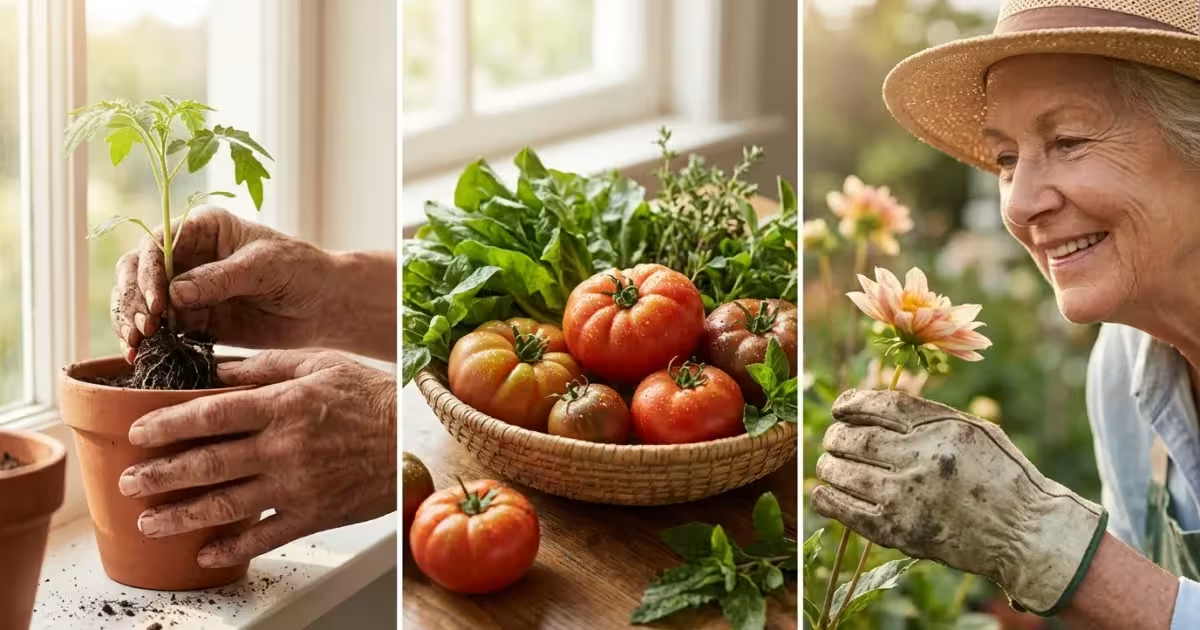
When Bill and I first started talking about retirement, I imagined lazy mornings, grandkids visits, and maybe finally getting to read all those books on my list. What I didn’t quite picture was the emotional rollercoaster, or how much I’d miss some of the things I took for granted, like my big garden back on Elmwood Drive in Columbus.
We lived in that 2,400 sq ft colonial for 44 years, and that garden was my sanctuary. I even cried when we sold the house, not just for the memories, but for leaving behind all those rose bushes and the vegetable patch I’d nurtured for decades.
But here’s the thing about retirement: it’s a big transition, and it often means finding new ways to do the things you love. For me, that meant rediscovering gardening in a whole new climate and a much smaller space here in Sarasota.
It turns out, whether you’ve got years of experience with a green thumb like I did, or you’re just starting to consider the joys of cultivation, retirement gardening offers a flexible and fulfilling path.
You can create a peaceful sanctuary in your backyard (or patio, in my case!), join a vibrant community garden, or even cultivate a thriving indoor oasis. This guide is all about sharing what I’ve learned and hopefully inspiring you to dig into this deeply rewarding activity.
The Transformative Power of Retirement Gardening
For me, gardening isn’t just something to pass the time; it’s become a powerful tool for enhancing my well-being, especially after our big move. Leaving my huge garden in Columbus was genuinely one of the hardest parts of downsizing, and it took me a full year to admit that Bill was right about moving to Florida.
I missed the routine, the soil under my fingernails, and the simple act of nurturing something beautiful. Here in Sarasota, I’ve had to adapt to a much smaller space, mostly container gardening on our lanai, but the core joy is still there.
There’s such satisfaction in watching tiny seeds sprout into lush plants, even if they’re in pots now, or the joy of harvesting my own fresh herbs for Sunday dinner. Gardening empowers me to create, to learn, and to connect with the cycles of nature, just like it always did.
It offers a tangible sense of accomplishment, reminding me that I’m still capable of growing wonderful things, even when everything else feels different.
Physical Vitality: Moving Your Body with Nature
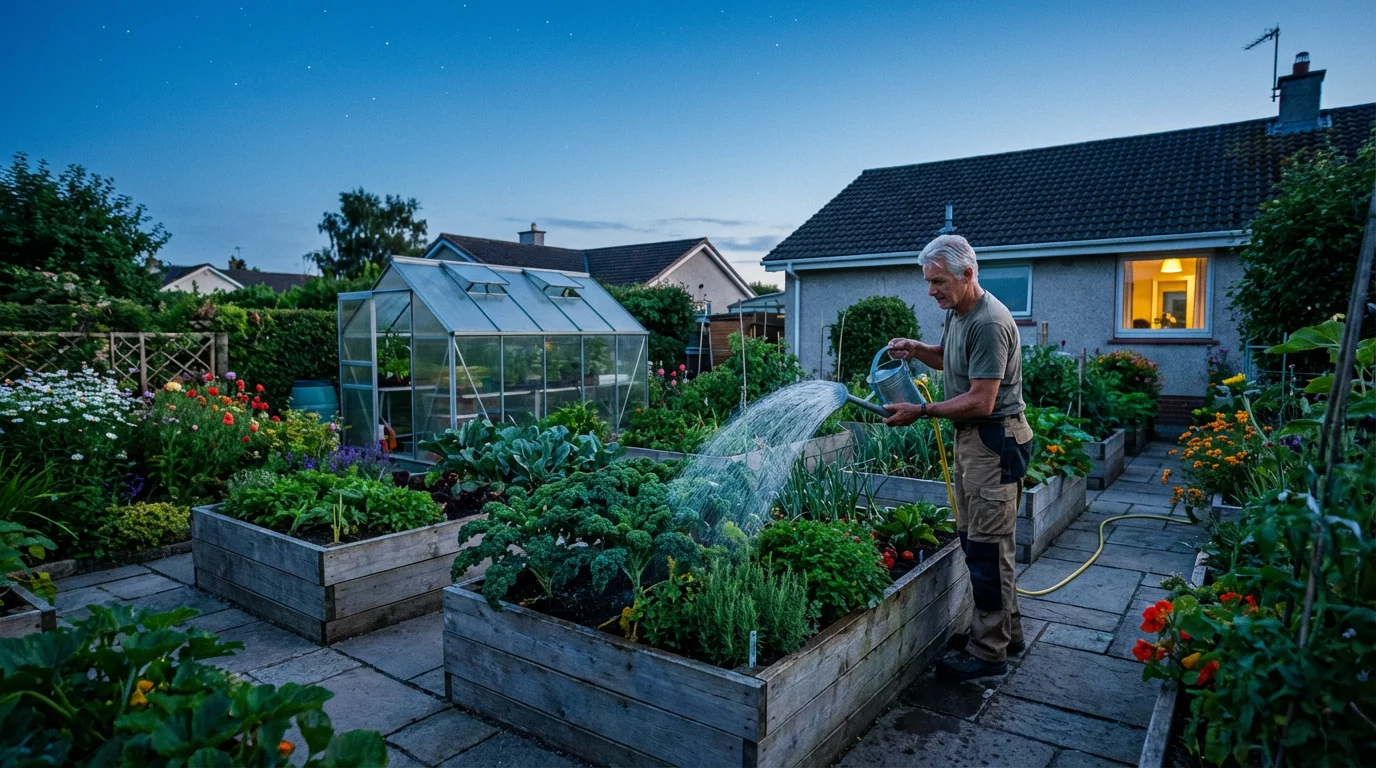
You know, Bill plays pickleball four mornings a week and always teases me about my “gentle” hobbies. But let me tell you, even with my smaller container garden, I still get a wonderful workout!
Activities like potting, weeding, and watering my herbs and flowers offer a full-body workout that improves strength, flexibility, and balance. These movements are often low-impact, making them suitable for various fitness levels, and they certainly contribute to my overall physical vitality.
I find that regular gardening sessions can really get my heart rate up, almost like a brisk walk. I remember reading about a 2017 study published in the journal HortTechnology that found active gardening can reduce the risk of heart disease and stroke.
Even moderate activity, performed consistently, delivers profound health improvements. Of course, I always tell folks, before you begin any new physical activity, including gardening, always consult your healthcare provider.
This ensures your chosen activities align with your current health status and any existing conditions. Your doctor can offer personalized advice to keep you safe and active.
The CDC highlights the importance of physical activity for adults, recommending at least 150 minutes of moderate-intensity activity each week. Gardening contributes wonderfully to meeting these guidelines. Find more guidance on physical activity for adults from the CDC.
Here are some of the physical benefits I’ve personally gained from this rewarding hobby:
- Improved Strength: Lifting bags of potting soil (the smaller ones now!), and even just carrying my watering can, builds muscle strength in my arms and core.
- Enhanced Flexibility: Bending and reaching to tend to my plants increases my range of motion and keeps my joints feeling good.
- Better Balance: Even on our flat lanai, navigating around pots and performing tasks helps strengthen my stabilizer muscles.
- Cardiovascular Health: Consistent activity elevates my heart rate, strengthening my heart and improving circulation.
- Increased Stamina: Regular gardening builds my endurance, allowing me to sustain activities longer throughout my day.
Nurturing Your Mind: Gardening for Cognitive and Mental Health
Gardening offers much more than physical exercise; it serves as a powerful stimulant for my brain and a balm for my spirit. Especially during that first year after we moved, when I was really struggling with the adjustment and missing Columbus, getting out to my little garden space helped immensely.
It engaged multiple cognitive functions, keeping my mind sharp and resilient. Planning which new plants to try, identifying the occasional little pest, and figuring out the best watering schedule all contributed to robust brain health.
The sensory experience of gardening, from the scent of fresh soil (even if it’s from a bag now!) to the vibrant colors of my hibiscus, also promotes mindfulness and reduces stress.
Studies have shown that interacting with nature, even through simple tasks like potting plants, significantly lowers cortisol levels, the body’s primary stress hormone. This natural relaxation helped combat my anxiety and helped me find a sense of peace during a really uncertain time.
It’s a bit like my watercolor painting – I’m not good at it, and I don’t care, because the act of creating and focusing on something beautiful is what matters.
Gardening provides a consistent source of mental engagement, helping me stay mentally sharp. Learning about different plant species, understanding soil compositions, and experimenting with new techniques offer continuous intellectual stimulation.
This lifelong learning aspect is crucial for cognitive vitality, making gardening one of the best activities for staying sharp.
Here is how gardening supports my mental well-being:
- Cognitive Stimulation: Planning, problem-solving, and remembering plant care schedules exercise my brain, enhancing memory and decision-making skills.
- Stress Reduction: The calming environment of a garden and the rhythmic nature of tasks help lower stress hormones and promote relaxation.
- Mood Enhancement: Exposure to sunlight boosts Vitamin D, a known mood elevator, and the sense of achievement from nurturing plants provides deep satisfaction.
- Mindfulness and Focus: Concentrating on the present task in the garden encourages mindfulness, drawing my attention away from worries and anxieties.
- Sense of Purpose: Caring for living things provides a profound sense of responsibility and accomplishment, contributing to overall life satisfaction.
Harvesting Joy: Social Connection and Purpose
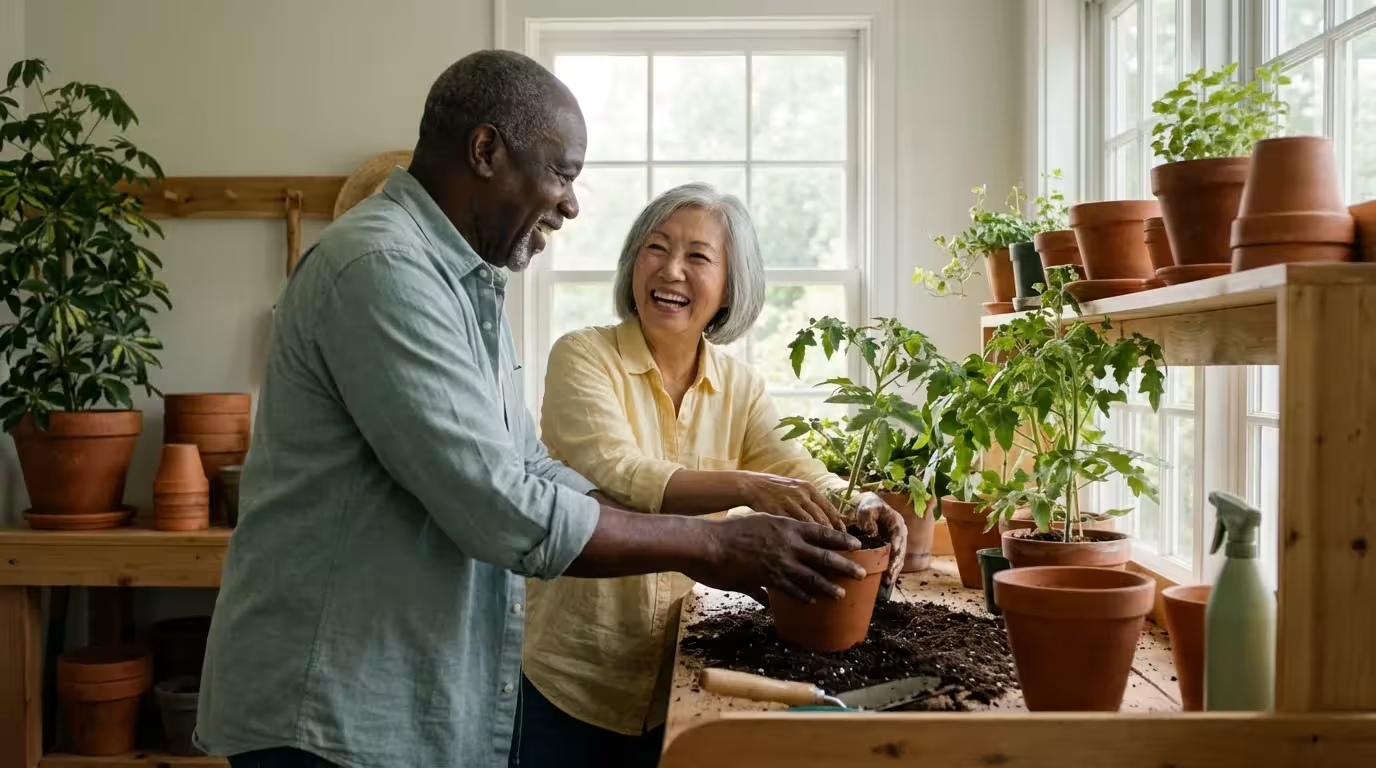
While I love the quiet time in my garden, it’s also been an unexpected way to connect with people. When we first moved to Hawthorn Ridge, I was worried about making friends – it’s not like making friends when you’re 20!
But I’m the one who talks to strangers at the pool, and I quickly found myself chatting with neighbors about their plants. Gardening can be a deeply personal and meditative activity, but it also offers incredible avenues for social connection and community engagement.
Sharing your gardening journey with others amplifies the joy and broadens your sense of purpose in retirement.
I’ve swapped gardening tips with my new “Florida family” – that’s what I call my three genuine friends here – and shared my abundant basil harvest with them. These interactions strengthen social bonds and combat feelings of isolation, which can sometimes accompany retirement.
You become part of a larger, supportive network. It’s truly wonderful.
Beyond social interaction, gardening instills a powerful sense of purpose. Nurturing a plant from seed to harvest, contributing to your family’s table (even if it’s just a few cherry tomatoes for Bill’s salads), or beautifying your neighborhood provides meaningful daily tasks.
This consistent engagement with a productive activity reinforces your value and contributes to a positive self-image, helping us all feel that our contributions still matter.
Consider these opportunities to combine gardening with social engagement:
- Joining a local community garden group.
- Volunteering at a botanical garden or local park.
- Starting a neighborhood plant swap.
- Sharing excess produce with food banks or neighbors.
- Participating in garden club meetings or workshops.
Essential Tools and Techniques for Senior Gardeners
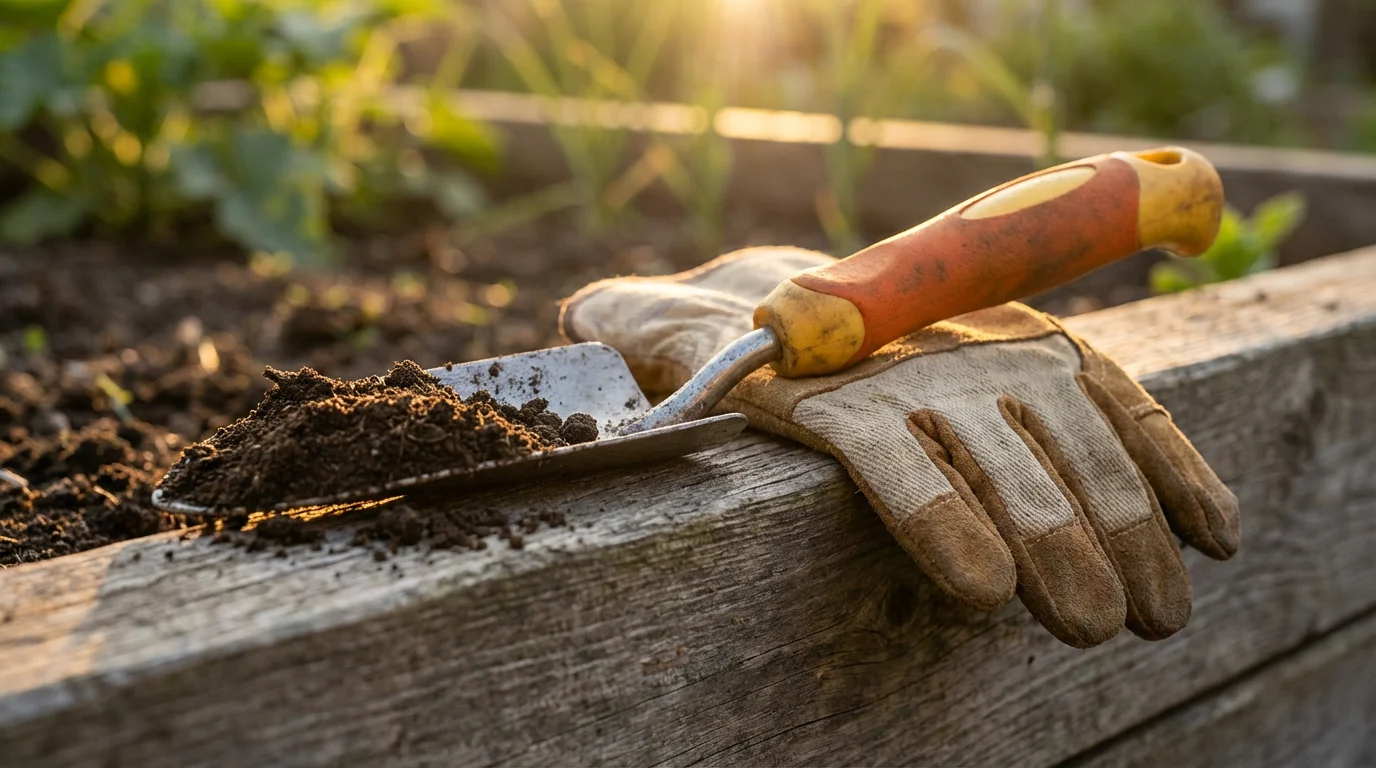
To fully enjoy your gardening experience, having the right tools and employing smart techniques makes all the difference. When Bill and I first started setting up my new garden space here, he, being the methodical civil engineer he is, researched all the “ergonomic” tools.
I just wanted my old trowel! But I have to admit, he was right (don’t tell him I said that too often). Investing in tools designed for ease of use really helps prevent aches and pains. Look for lightweight materials, comfortable grips, and extended handles.
Adaptive techniques, such as gardening from a seated position or using raised beds, also expand accessibility, allowing you to continue this beloved hobby for years to come, regardless of physical limitations.
I always try to keep my tools clean and sharp for optimal performance and safety. Store them properly to extend their lifespan. Remember, gardening should be enjoyable, not a chore, so equipping yourself thoughtfully is a crucial step.
Here are some essential tools and helpful tips for us gardeners:
Recommended Tools and Adaptations:
- Ergonomic Hand Tools: Choose trowels, cultivators, and weeders with large, cushioned handles to reduce wrist strain.
- Long-Handled Tools: Hoes, rakes, and cultivators with extended handles minimize bending and kneeling.
- Kneeling Pads or Garden Seats: Protect your knees and provide a comfortable resting spot while working at ground level.
- Lightweight Watering Cans or Hoses: Avoid heavy lifting; consider a watering wand with an adjustable nozzle for easy reach.
- Rolling Garden Carts or Scooters: Transport tools, soil, and harvested produce with ease, and offer a mobile seat.
- Pruning Shears with Ratchet Action: These require less hand strength for cutting branches.
General Gardening Techniques for Ease:
- Garden in Shorter Bursts: I often break up my gardening tasks into smaller, manageable segments to avoid overexertion.
- Vary Your Positions: Alternate between standing, sitting, and kneeling to engage different muscle groups and prevent stiffness.
- Stretch Regularly: Perform gentle stretches before and after gardening to warm up muscles and improve flexibility.
- Lift with Your Legs: When lifting heavy items, bend your knees and keep your back straight to protect your spine.
- Stay Hydrated: Drink plenty of water, especially when gardening in warm weather.
- Wear Protective Gear: Gloves, a wide-brimmed hat, and sunscreen protect you from sun exposure and minor injuries.
Designing Your Accessible Garden Space
Creating a garden that caters to your needs enhances enjoyment and ensures your gardening remains a comfortable, safe activity. After moving from our sprawling backyard in Columbus to a smaller lanai in Hawthorn Ridge, I had to completely rethink my garden.
Accessible garden design focuses on minimizing physical strain and maximizing independence. Thoughtful planning allows you to reach plants easily, move freely, and enjoy your green space without unnecessary challenges. This proactive approach significantly contributes to falls prevention, which is so important for all of us.
I had to consider the layout of my pathways (or lack thereof!), the height of my planting beds (now mostly containers), and the placement of water sources. Making these adjustments transformed my garden into a haven of tranquility and productivity, rather than a source of potential strain.
Incorporating features like sturdy seating and good lighting further improves safety and accessibility.
For more information on preventing falls and creating a safe environment, visit the National Council on Aging. An accessible garden is not just convenient; it is an investment in your long-term health and gardening pleasure.
Implement these design principles for an accessible and enjoyable garden:
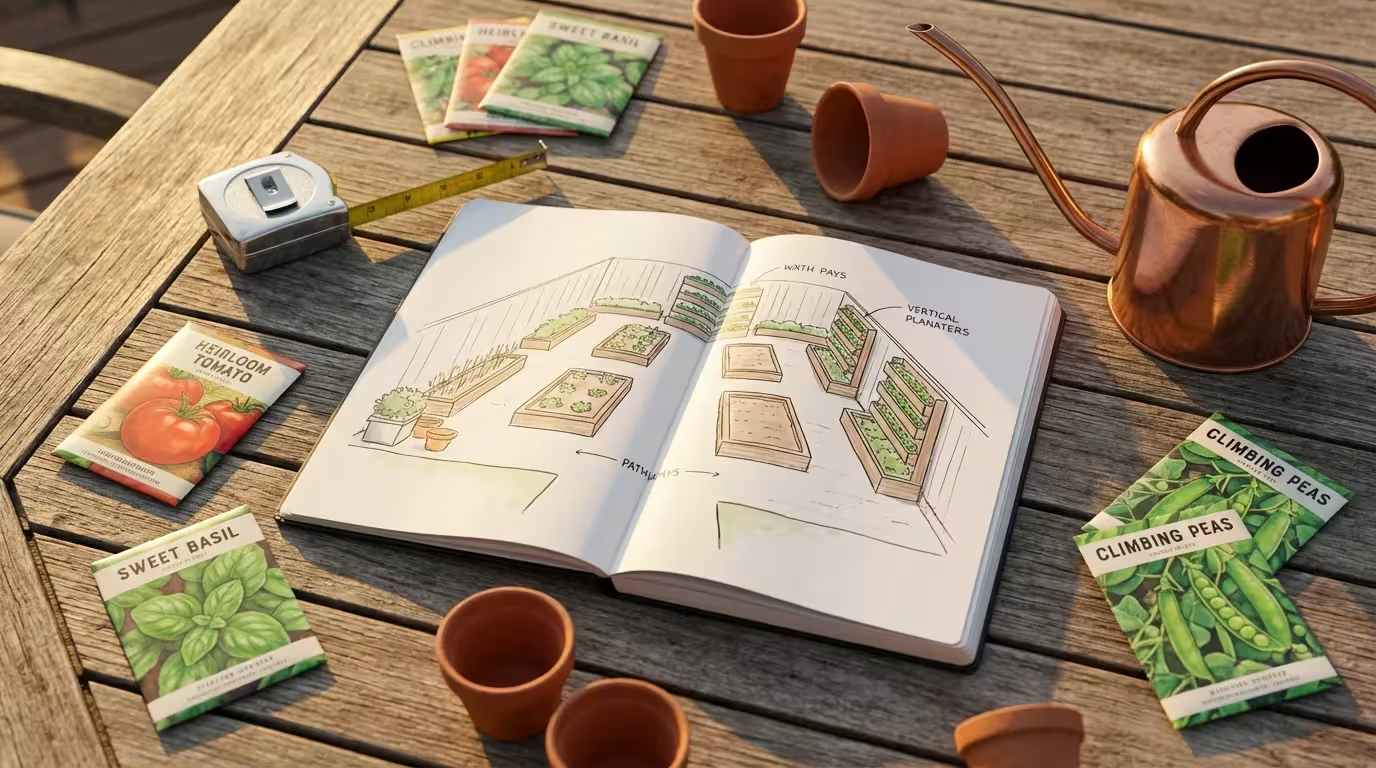
- Raised Garden Beds: These elevate the planting area, reducing the need to bend or kneel extensively. Choose heights that allow you to work comfortably from a standing or seated position.
- Vertical Gardens: Utilize walls or fences for planting, bringing plants up to eye level and saving space. This works well for herbs, strawberries, and some leafy greens.
- Wide, Even Pathways: Ensure paths are at least 36 inches wide, clear of obstacles, and made of non-slip materials like smooth paving stones or compacted gravel.
- Strategic Seating Areas: Place benches or sturdy chairs throughout your garden, allowing for frequent rests and opportunities to admire your work.
- Close Water Sources: Install faucets or rain barrels near planting areas to minimize carrying heavy watering cans or dragging long hoses.
- Container Gardening: Grow plants in pots on patios, decks, or even indoors. You can arrange containers at varying heights and easily move them as needed. This is mostly what I do now!
- Automatic Irrigation Systems: Consider drip irrigation or soaker hoses to reduce the need for manual watering, saving time and effort.
Year-Round Engagement: Extending Your Gardening Season
The beauty of gardening is that it does not have to be limited by seasons or climate. Moving from Ohio to Florida really highlighted this for me. In Columbus, I had distinct spring, summer, and fall gardening seasons, and then winter was for planning.
Here in Sarasota, it feels like I can garden all year! With a little creativity and planning, you can extend your engagement with plants throughout the entire year, keeping your green thumb active even during colder months (if you have them!).
This continuous interaction with nature helps maintain the physical and mental health benefits of gardening, ensuring your passion never hibernates.
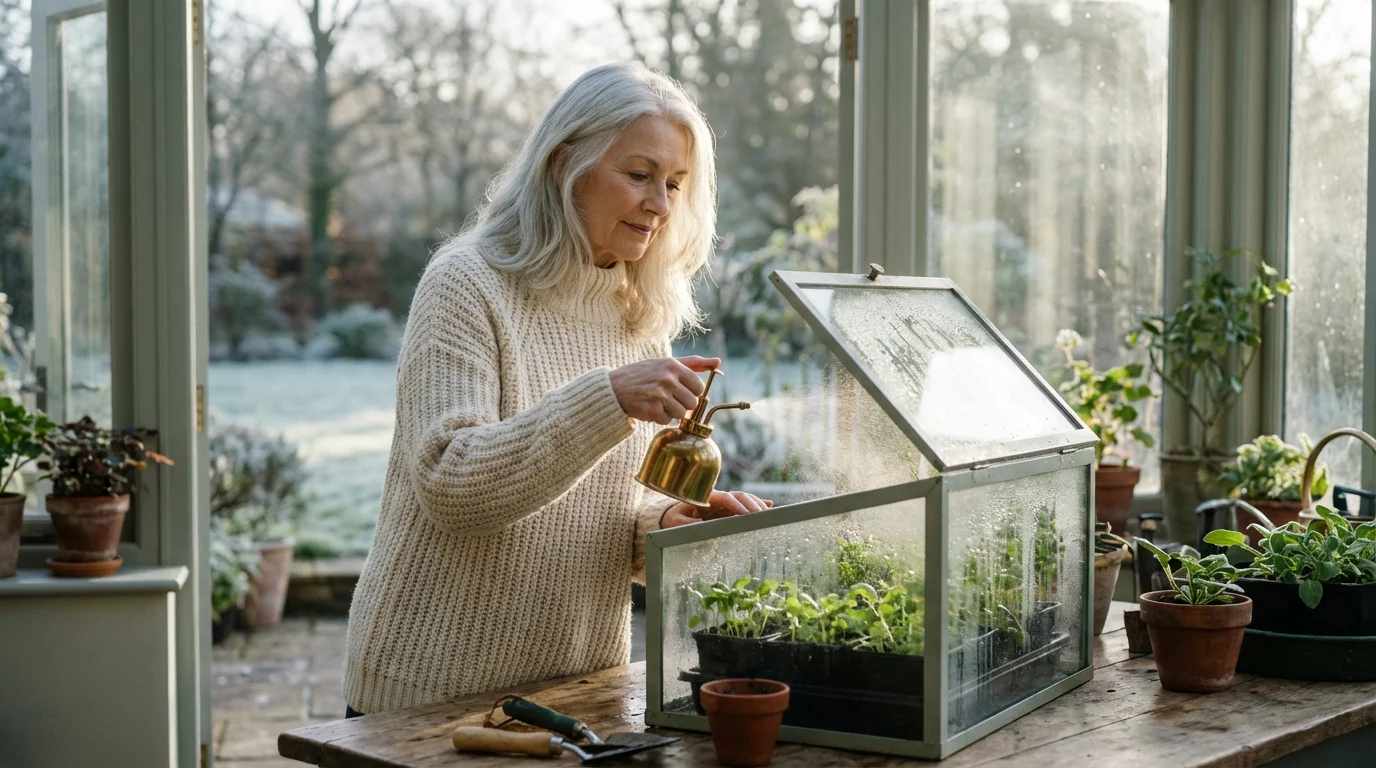
Indoor gardening offers a fantastic solution for those times when outdoor conditions are not ideal. I love having fresh herbs on my kitchen windowsill, and sometimes I’ll try growing microgreens for Bill’s salads. These smaller projects still deliver the satisfaction of care and growth, offering visual appeal and fresh produce.
Thinking ahead and planning for the next season also keeps you actively engaged. Researching new plant varieties, sketching garden layouts, or starting seeds indoors provides meaningful tasks. This forward-looking approach ensures a seamless transition between seasons and keeps the anticipation of new growth alive.
Explore these options to keep your garden vibrant all year long:
- Indoor Herb Gardens: Grow culinary herbs like basil, mint, and chives on a sunny windowsill.
- Microgreens and Sprouts: These require minimal space and light, providing fresh, nutrient-rich greens quickly.
- Houseplant Care: Tend to a collection of houseplants; pruning, repotting, and watering offer continuous engagement.
- Seed Starting: Begin seeds indoors during late winter or early spring, preparing for the outdoor planting season.
- Winter Sowing: Use recycled containers to sow seeds outdoors in winter, letting nature stratify them for spring germination.
- Garden Planning and Research: Use colder months to study gardening books, plan your next season’s layout, and research new plants.
- Preserving Your Harvest: Learn to can, freeze, or dry your garden’s bounty, extending the enjoyment of your produce.
Frequently Asked Questions
What are the best plants for me to grow?
I find that easy-to-grow plants with clear benefits are ideal. I love low-maintenance vegetables like lettuce, spinach, cherry tomatoes, and bush beans – they’re so rewarding!
Herbs such as basil, mint, and rosemary are also excellent choices, and they do wonderfully in containers, which is perfect for my smaller space here in Sarasota. For flowers, petunias, marigolds, and impatiens offer vibrant colors and require minimal fuss, providing continuous beauty with little effort.
How can I make my garden safer for myself?
I always prioritize safety. Make sure your pathways are clear and non-slip, and remove any trip hazards. Incorporate raised beds or vertical gardens to reduce bending, especially if your knees aren’t what they used to be!
Use lightweight, ergonomic tools to lessen strain. I always try to garden during the cooler parts of the day and stay hydrated. And if you’re out there alone, consider keeping your cell phone handy for emergencies.
Can gardening help with memory?
Oh, absolutely! Gardening actively supports cognitive function and memory. I find myself remembering plant names (and sometimes forgetting them, but that’s part of the fun!), understanding their specific care requirements, and recalling planting schedules – it all exercises my memory.
The problem-solving aspects, like figuring out why a plant isn’t thriving, stimulate critical thinking. This consistent mental engagement truly contributes to maintaining cognitive sharpness and overall brain health.
What if I do not have a large yard for gardening?
Believe me, you do not need a large yard for gardening! After leaving my big Columbus garden, I’ve become an expert in container gardening. It allows you to grow a wide variety of plants on a patio, balcony, or even indoors.
Raised beds can be custom-sized for smaller spaces, and vertical gardens utilize wall space efficiently. You can also explore community gardens in your area, which often offer plots to cultivate and a chance to connect with other gardeners, maximizing your space and social engagement.
How often should I garden to see health benefits?
Consistency is key for reaping the health benefits of gardening. I aim for at least 30 minutes of moderate gardening activity most days of the week, or I break it into shorter 10-15 minute sessions.
Even spending a few minutes daily tending to plants provides physical movement and mental stimulation. The most important thing is to listen to your body and adjust the duration and intensity based on your comfort and energy levels. It should always feel good, not like a chore!
Gardening offers such a rich tapestry of benefits, inviting you to engage your body, sharpen your mind, and nourish your spirit during retirement. For me, it was a way to find joy and purpose again after a difficult transition, and it continues to be a flexible and accessible path to an active lifestyle, adapting to my preferences and abilities.
Embracing this fulfilling hobby has allowed me to cultivate not only beautiful plants but also a vibrant, healthy, and happy retirement.
I encourage you to begin your gardening adventure today. Start small, experiment with what you love, and enjoy the profound satisfaction of nurturing life. You will find that the rewards extend far beyond your garden gates, enriching every aspect of your life.
Disclaimer: This article is for informational purposes only and does not constitute medical advice. Before starting any new exercise program or making significant changes to your activity level, please consult with your healthcare provider, especially if you have chronic health conditions or concerns about physical limitations.







Leave a Reply