
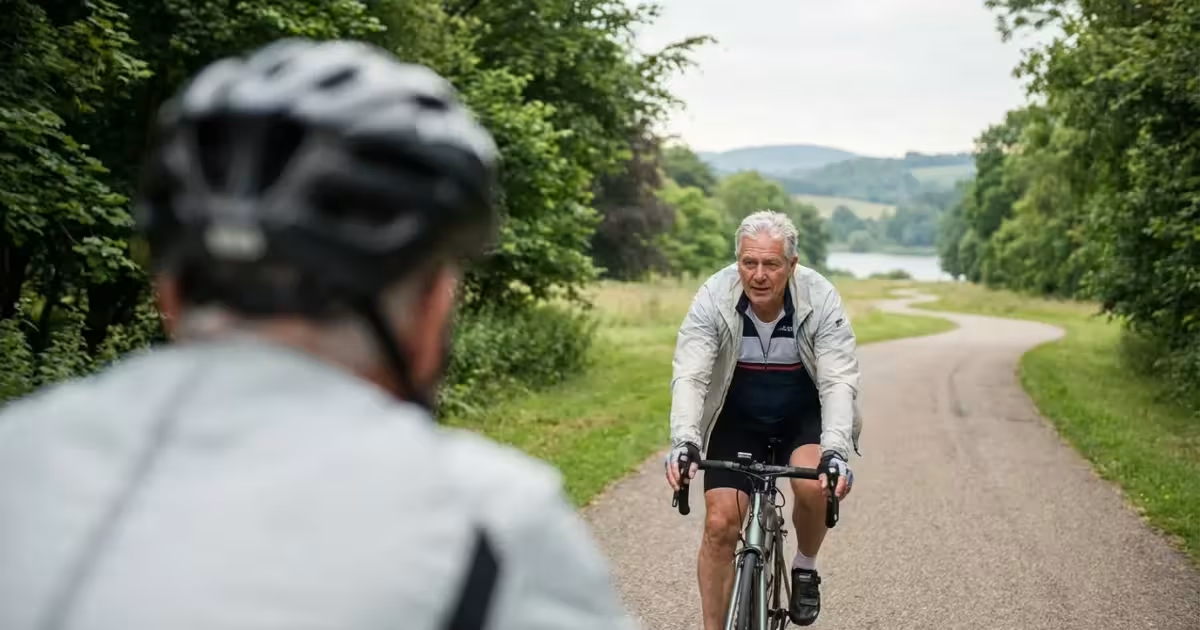
When Bill and I first moved down to Hawthorn Ridge in Sarasota, Florida, after 44 years on Elmwood Drive in Columbus, I wasn’t quite sure what my new routine would look like.
I missed my garden terribly, and even though I was wrong to resist the move, that first year was a real adjustment. I found myself looking for things to *do*, things that would get me out, moving, and connecting with people. That’s when I rediscovered the simple joy of riding a bicycle.
It’s funny, you know, how sometimes the simplest things can bring back so much zest for life. Feeling the wind in my hair as I pedal along is just pure joy. Cycling has given me an unparalleled blend of physical activity, a little mental stimulation (mostly trying to remember which turn to take!), and honestly, a lot of happiness.
It’s more than just getting exercise; it’s a little adventure every time I hop on the bike, and it’s been such a powerful tool for maintaining my vitality in this wonderful new chapter of my life.
Whether you haven’t been on a bike since your kids were little (like me!) or you’re ready to get back to a beloved pastime, I hope this guide gives you some practical insights and advice.
I’ve certainly discovered how cycling enhances my well-being, helps me explore our new surroundings here in Florida, and keeps me socially engaged.
Get ready to embrace the open road with confidence and enthusiasm!
The Pedal-Powered Perks: Benefits of Senior Cycling
Cycling delivers a wealth of health advantages, making it an ideal activity for us in our later years. It offers a low-impact workout that supports joint health – which is a big deal for me, especially after 36 years on my feet in the library! – while strengthening my cardiovascular system. Regular bike riding contributes so much to my overall physical well-being.
Studies consistently demonstrate the positive impact of physical activity on aging adults. The Centers for Disease Control and Prevention (CDC) highlights how exercise helps manage chronic conditions, improves balance, and reduces the risk of falls. Cycling directly supports these critical health objectives, offering a path to greater independence and vitality.
I remember when I first started walking around Hawthorn Ridge, my knees weren’t what they used to be after all those years on library floors. Bill, in his methodical way, suggested a low-impact activity, and I’m so glad we picked cycling.
t truly makes me feel better, and it even helps me focus a bit more on my watercolor painting, even though I’m not very good at it!
Consider the comprehensive benefits you gain from embracing cycling:
- Cardiovascular Health: Strengthen your heart and lungs, improving circulation and reducing the risk of heart disease.
- Joint-Friendly Exercise: Cycling is kind to your knees and hips, providing an effective workout without jarring impacts common in other activities.
- Muscle Strength and Endurance: Build strength in your legs, glutes, and core, improving overall mobility and stamina.
- Balance and Coordination: Enhance your stability and agility, reducing your risk of falls. This benefit is particularly crucial for us.
- Mental Acuity: Boost cognitive function and reduce stress. The fresh air and changing scenery invigorate your mind, promoting mental sharpness.
- Mood Enhancement: Release endorphins, natural mood lifters. Cycling combats feelings of isolation and contributes to a more positive outlook.
- Weight Management: Burn calories and maintain a healthy weight. Regular activity is key to managing metabolism and body composition.
- Social Connection: Join group rides or cycle with friends. This fosters companionship and strengthens community ties.
Embracing cycling truly opens a door to a more active, healthier, and fulfilling retirement. It is an investment in your future well-being, delivering returns in energy and joy.
Getting Started Safely: Consult Your Doctor
Embarking on any new exercise regimen requires thoughtful preparation. Prioritizing your health ensures a safe and enjoyable transition into cycling in this stage of life. You gain peace of mind and confidence when you start right.
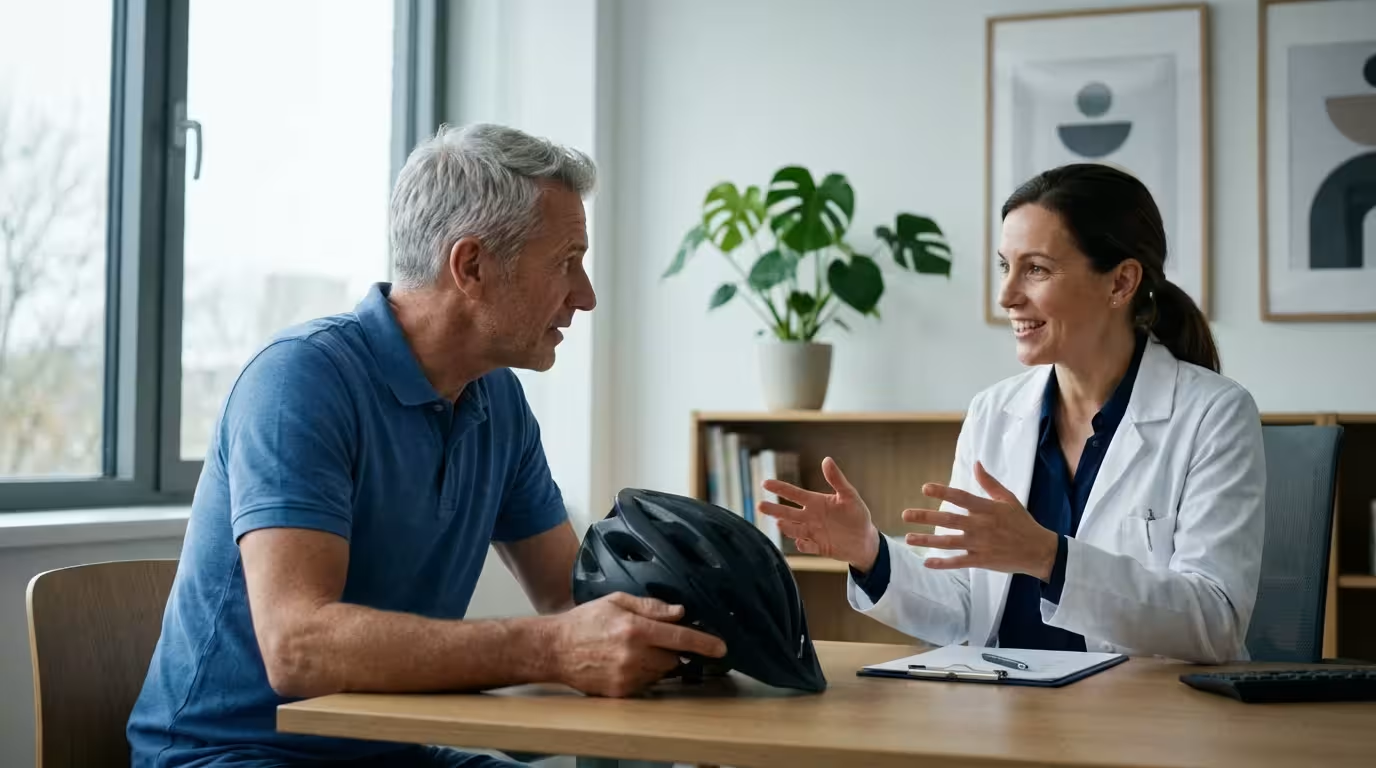
Bill, being the civil engineer he is, made sure we both got a full check-up before we even thought about getting on a bike. He even had a checklist for the doctor! He always says, “Dorothy, we wouldn’t build a bridge without checking the blueprints, and our bodies are a lot more complex than a bridge.”
So, always consult your doctor before beginning a new physical activity like bike riding. Your healthcare provider assesses your current health status, discusses any existing medical conditions, and offers personalized advice. They help you understand your physical limits and recommend appropriate intensity levels.
Discuss these points with your doctor:
- Your current fitness level and any past exercise experience.
- Any chronic conditions, such as heart disease, diabetes, or arthritis.
- Medications you currently take, as some may affect balance or stamina.
- Concerns about balance, joint pain, or vision.
Your doctor might suggest specific modifications or recommend a gradual approach to cycling. They confirm you are ready to hit the road, ensuring your safety and maximizing the health benefits of this wonderful activity.
Choosing Your Perfect Ride: What are the best bikes for senior cyclists?
Selecting the right bicycle is fundamental to your cycling success and enjoyment. An appropriate bike enhances comfort, stability, and confidence, encouraging you to ride more frequently. Consider your physical capabilities, planned riding environment, and comfort preferences when making your choice.
I hadn’t ridden a bike since I was chasing the kids down Elmwood Drive in Columbus, so when Bill suggested we get new ones, I pictured those old clunky models from the 70s. But oh, how things have changed! There are so many excellent options for us today, designed with ease of use and safety in mind.
Forget the racing bikes of your youth; modern engineering prioritizes accessibility. Bill, of course, had researched all the models and even had a comparison matrix (he’s mostly stopped saying “I told you so” about the move, but he still likes to remind me about his research skills!).
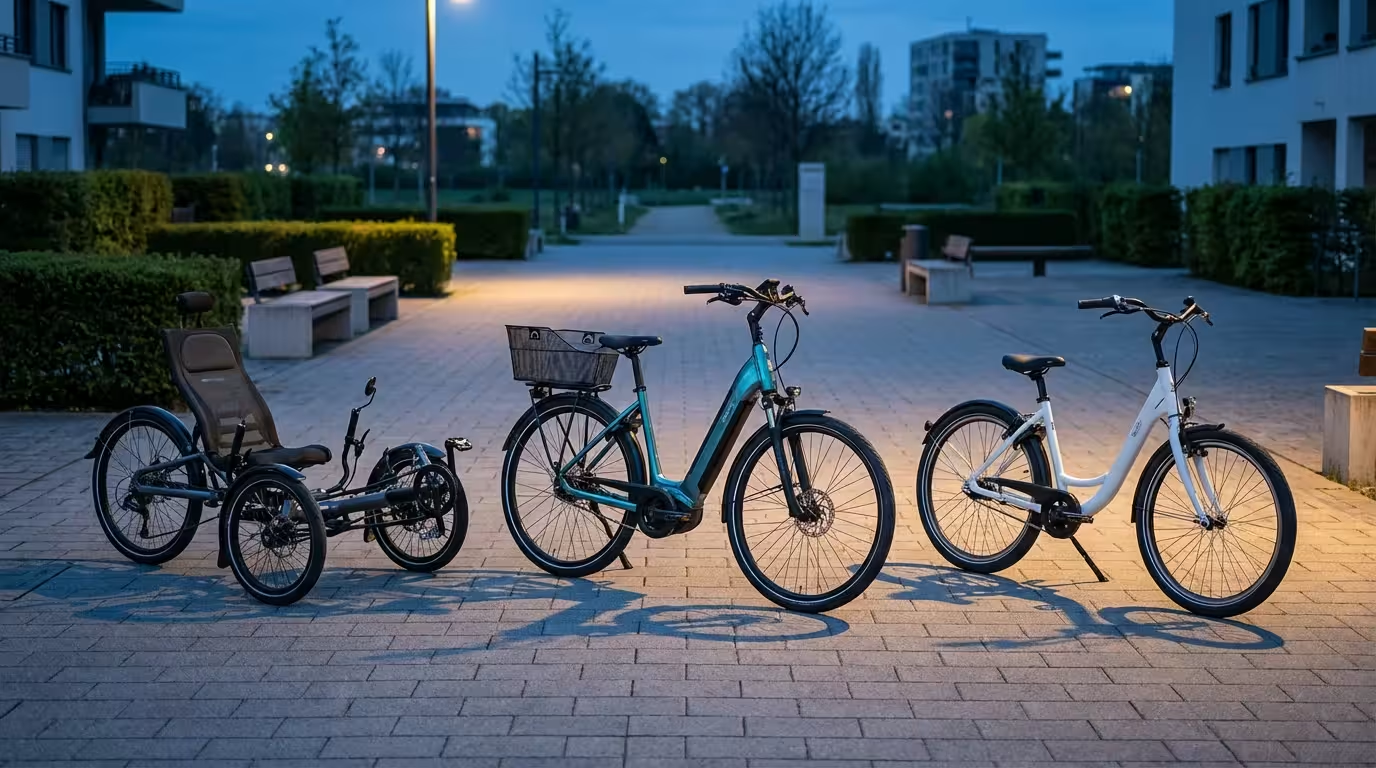
Here are some of the best bikes for us:
- Comfort Bikes: These bikes feature an upright riding position, wide seats, and often front suspension for a smooth ride. They are ideal for casual rides on paved paths and light trails, prioritizing comfort over speed.
- Cruiser Bikes: Known for their classic style and relaxed riding position, cruisers offer a comfortable, stable ride. Their wide tires and plush seats make them perfect for leisurely trips around the neighborhood or along boardwalks.
- Hybrid Bikes: Blending features of road and mountain bikes, hybrids offer versatility. They handle various terrains from paved roads to gravel paths with ease, providing a good balance of comfort and efficiency. Many have a more upright posture than traditional road bikes.
- Tricycles (Three-Wheelers): Offering unmatched stability, tricycles eliminate balance concerns entirely. They are an excellent choice for individuals prioritizing stability or carrying groceries and other items. Many come with baskets, making errands a breeze.
- Electric Bikes (E-Bikes): E-bikes provide pedal assist, making hills and longer distances much more manageable. They allow you to extend your rides, keep up with faster companions, and enjoy cycling without excessive strain. This technology is a game-changer for many of us, expanding our riding possibilities significantly. Bill got one, and I’m still debating if I should too, just to keep up with him!
- Recumbent Bikes: These bikes allow you to recline with your legs out in front, distributing your weight over a larger area. They are extremely comfortable for long rides and put less strain on your back and wrists, though they have a different learning curve.
Visit a local bike shop to test ride different models. An expert helps you find the perfect fit, adjusting seat height and handlebar position for optimal comfort and control. Proper bike fit prevents discomfort and injury, ensuring every ride is a pleasure.
Essential Gear for Senior Cyclists
Equipping yourself properly ensures both safety and enjoyment on every ride. Good gear protects you, enhances comfort, and prepares you for various conditions. Invest in quality items; they significantly improve your cycling experience.
I used to just hop on my bike in Columbus with my shorts and a t-shirt, but Bill quickly reminded me that safety isn’t just for NASA missions! He actually went out and bought me a helmet before I even picked out my bike. Sometimes he’s a little *too* practical, but I have to admit, he’s usually right.
Here is essential gear you should consider before your next bike riding adventure:
- Helmet: A non-negotiable item, a well-fitting helmet protects your head from serious injury. Look for one that meets safety standards, fits snugly, and feels comfortable. Helmets save lives and prevent severe trauma.
- Comfortable Clothing: Choose moisture-wicking fabrics that allow freedom of movement. Padded cycling shorts improve comfort, especially on longer rides. Avoid loose clothing that could snag on the bike.
- Cycling Gloves: Gloves absorb road vibrations, prevent blisters, and provide a better grip on the handlebars. They also protect your hands in the event of a fall.
- Eyewear: Sunglasses or clear cycling glasses protect your eyes from sun, wind, dust, and insects. Choose lenses appropriate for the light conditions.
- Hydration System: A water bottle cage on your bike or a hydration pack keeps you hydrated. Staying properly hydrated is crucial, particularly during longer rides or in warm weather.
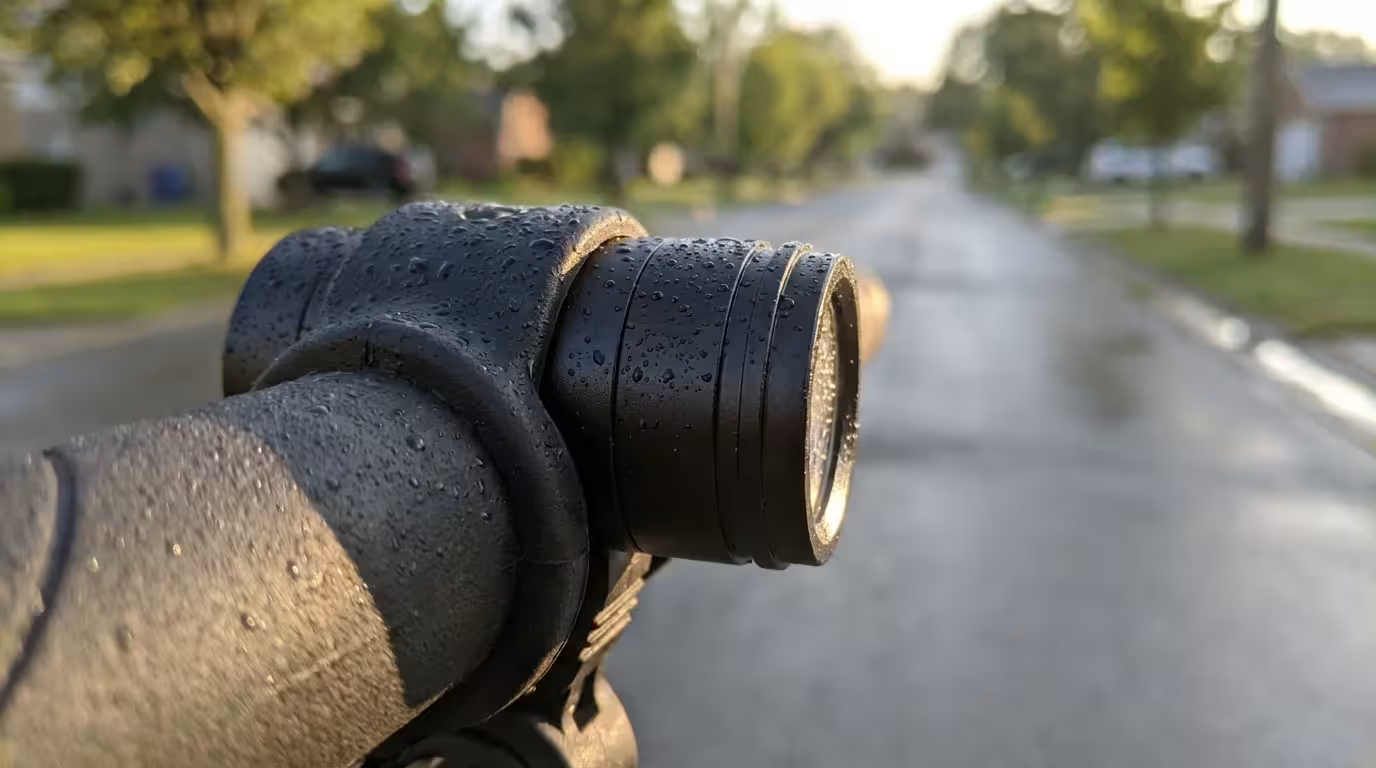
- Lights and Reflectors: Front and rear lights are vital for visibility, even during daylight hours. Reflectors on your bike and clothing further enhance your presence to others on the road.
- Basic Repair Kit: A small bag containing a spare tube, tire levers, and a portable pump helps you address minor flats. Learning basic roadside repairs empowers you and prevents being stranded.
- First-Aid Kit: Carry a small personal first-aid kit for minor scrapes or injuries. This simple preparation provides peace of mind.
Preparing with the right gear lets you focus on the joy of the ride, rather than worrying about safety or discomfort. It turns every cycling outing into a pleasant and secure experience.
Building Your Cycling Fitness: How can seniors improve their cycling fitness?
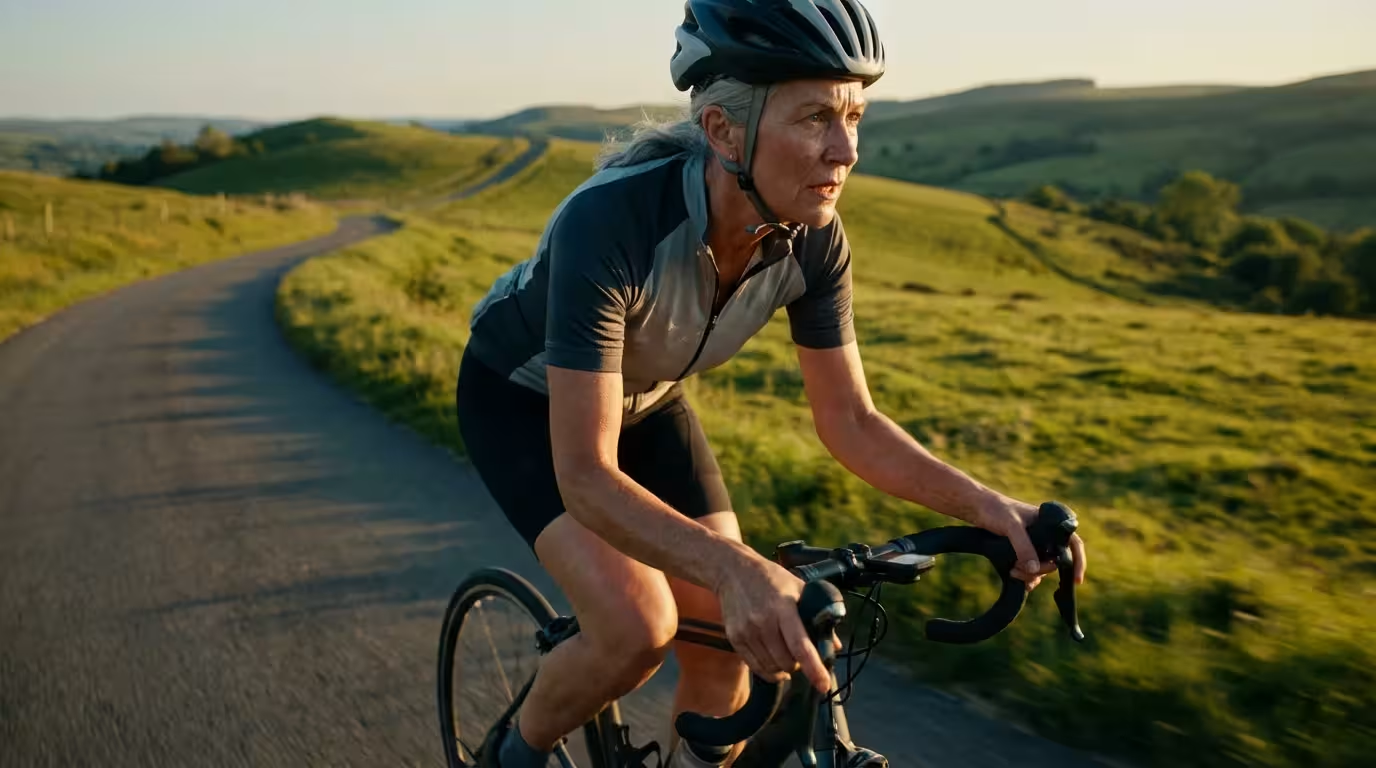
Improving your cycling fitness allows you to ride longer, with more ease, and enjoy every moment. A gradual and consistent approach yields the best results. Focus on sustainable progress, listening to your body along the way.
I’m not trying to win any races, believe me! My goal is just to enjoy the ride, maybe explore a little further than I did last week. It’s a bit like my watercolor painting – I’m certainly not Van Gogh, but I love the process of learning and seeing what I can create. The same goes for cycling; it’s about the journey and how it makes me feel.
Here is how we can improve our cycling fitness effectively and safely:
- Start Gradually: Begin with shorter rides on flat terrain. For example, aim for 15-20 minutes, two to three times a week. Gradually increase your ride time or distance by 10% each week. This prevents overexertion and reduces injury risk.
- Focus on Consistency: Regularity is more important than intensity. Consistent activity builds stamina and strength over time. Even short, frequent rides contribute significantly to your fitness.
- Incorporate Intervals: After you establish a baseline fitness, introduce short bursts of higher intensity followed by recovery periods. For instance, pedal faster for 30 seconds, then ride at an easy pace for two minutes. Repeat this a few times during a ride.
- Master Pacing: Learn to maintain a comfortable, steady pace that you can sustain for your entire ride. Avoid starting too fast and burning out early. Your breathing should feel rhythmic, allowing for conversation.
- Cross-Training: Complement your cycling with other activities. Strength training builds leg and core muscles, crucial for power and stability on the bike. Walking or swimming improves cardiovascular health without additional cycling strain.
- Include Flexibility: Regular stretching improves range of motion and prevents stiffness. Focus on your hamstrings, quadriceps, and hip flexors after your rides.
- Listen to Your Body: Pay attention to fatigue or pain signals. Rest days are as vital as active days for recovery and muscle repair. Pushing through pain often leads to injury.
- Fuel Your Rides: Eat a balanced diet rich in whole foods. Hydrate adequately before, during, and after your rides. Proper nutrition provides the energy you need for optimal performance and recovery.
Remember, improvement is a journey, not a race. Celebrate small victories and enjoy the process of becoming a stronger, more confident cyclist. Your dedication to regular bike riding enhances your overall health and enjoyment of life.
Safety First: Rules of the Road and Trail
Safety remains paramount for any cyclist, especially for us. Understanding and following traffic laws and best practices protects you and others. Confident and careful riding makes every journey more enjoyable and secure.
Bill is always reminding me about the rules of the road. He says it’s like traffic engineering, but for bicycles, and that I should always “be predictable, Dorothy, just like a well-designed intersection!” Sometimes I roll my eyes, but he’s usually right.
Always prioritize visibility and predictability. Assume drivers and pedestrians may not see you, even when you have the right of way.
Here are crucial safety guidelines for cycling:
- Obey Traffic Laws: Cyclists are vehicles; follow all traffic signals, stop signs, and lane markings. Riding predictably makes you safer.
- Be Visible: Wear bright, reflective clothing. Use a bright white front light and a red rear light, even during the day. This significantly increases your visibility to motorists.
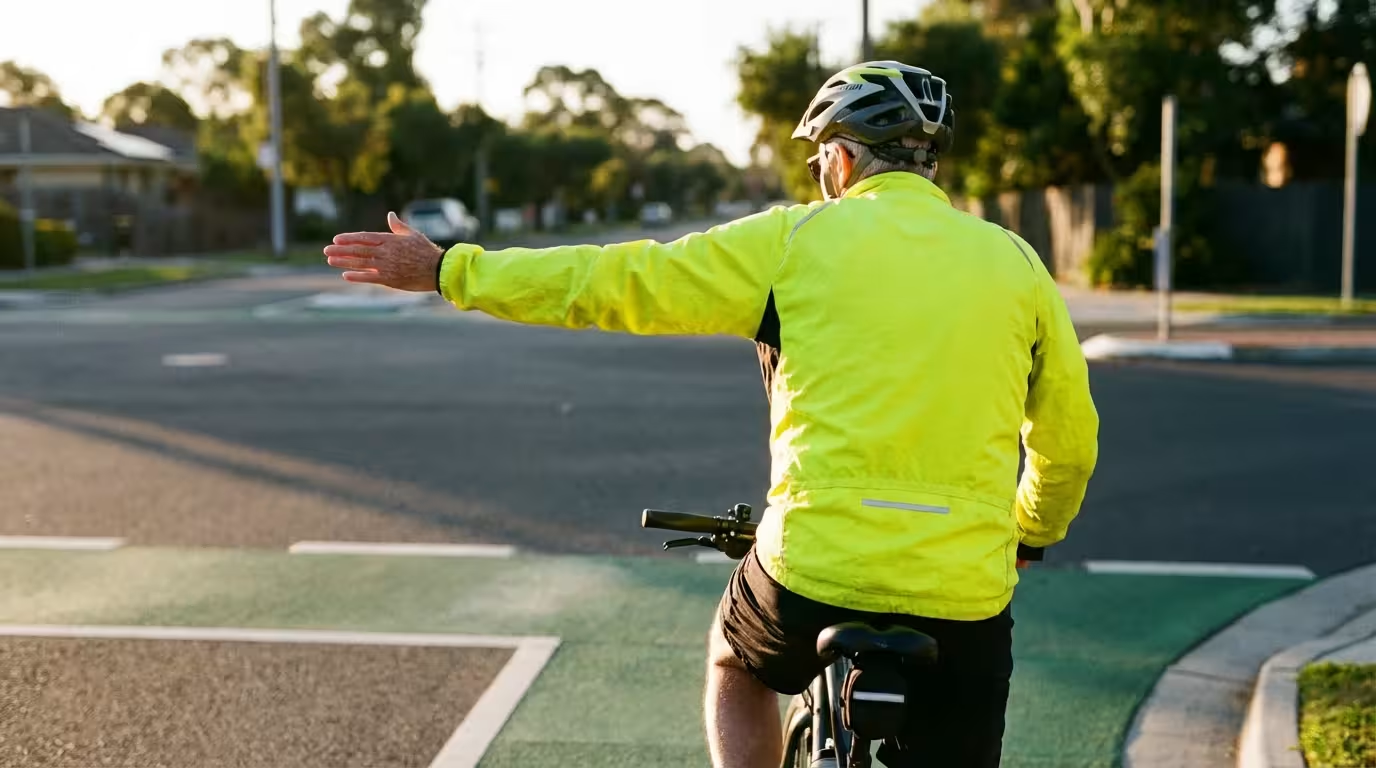
- Signal Your Intentions: Use clear hand signals for turning and stopping. This communicates your movements to drivers and other cyclists, preventing surprises.
- Maintain Control: Keep both hands on the handlebars, except when signaling. Avoid distractions like cell phones or headphones that impair your awareness.
- Ride Defensively: Watch for opening car doors, potholes, storm grates, and other hazards. Anticipate potential dangers and react proactively.
- Choose Safe Routes: Opt for bike lanes, designated paths, or quiet residential streets whenever possible. Avoid high-traffic areas or roads with narrow shoulders.
- Keep Your Distance: Maintain a safe following distance from vehicles and other cyclists. This gives you time to react to sudden stops or movements.
- Perform Pre-Ride Checks: Before each ride, quickly check your tire pressure, brakes, and chain. A well-maintained bike is a safe bike.
- Carry Identification: Always carry some form of identification and emergency contact information. Consider a medical alert tag if you have specific conditions.
These practices empower you to navigate roads and trails with confidence. They minimize risks, allowing you to fully enjoy the freedom and fitness benefits of bike riding.
Finding Your Community: Social Cycling and Group Rides
Cycling offers more than just physical and mental benefits; it is a fantastic avenue for social connection. Sharing the road with others transforms a solitary activity into a vibrant community experience. You build friendships, find support, and enhance your overall well-being.
When we first moved to Hawthorn Ridge, I worried about making new friends. It’s not like school where you just show up and meet people! But one day, I saw a group of ladies getting ready for a bike ride, and I just walked right over and introduced myself.
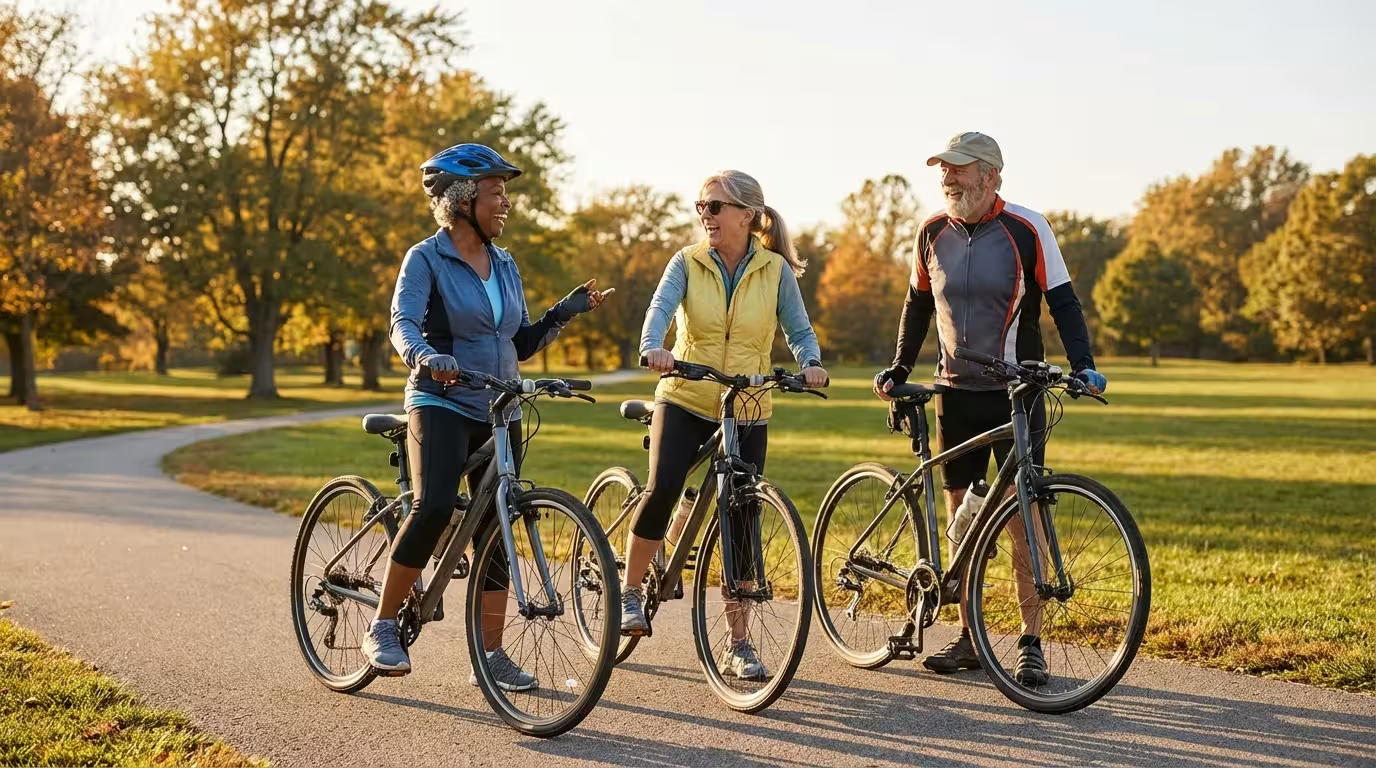
That’s how I met Carol, Betty, and Susan – my “Florida family.” We ride together a few times a week, and it’s just wonderful. It’s so much more fun than riding alone!
Joining a cycling group provides motivation and companionship. Many communities offer clubs specifically tailored for leisurely bike riding or more active exercise. Search for local bike shops, community centers, or online forums to find groups in your area.
Consider these options for finding your cycling community:
- Local Bike Shops: Many shops host regular group rides for various skill levels. They often have senior-friendly rides that are slower-paced and shorter in duration.
- Senior Centers: Community senior centers frequently organize recreational activities, including cycling outings or walking groups that might lead to cycling interest.
- Online Forums and Social Media Groups: Platforms like Meetup or Facebook host local cycling groups. You can often find groups catering to specific interests, such as e-bike riders or casual scenic tours.
- National Organizations: Organizations like AARP often provide resources or connect you to local groups focusing on active lifestyles. Look for chapters that encourage outdoor activities.
- Volunteer Cycling Programs: Some communities have programs where we can cycle with individuals who have mobility challenges, offering companionship and outdoor access.
Group rides offer additional safety in numbers and the opportunity to discover new routes. They provide a wonderful way to stay engaged and active. Embrace the camaraderie that comes with shared pedal strokes.
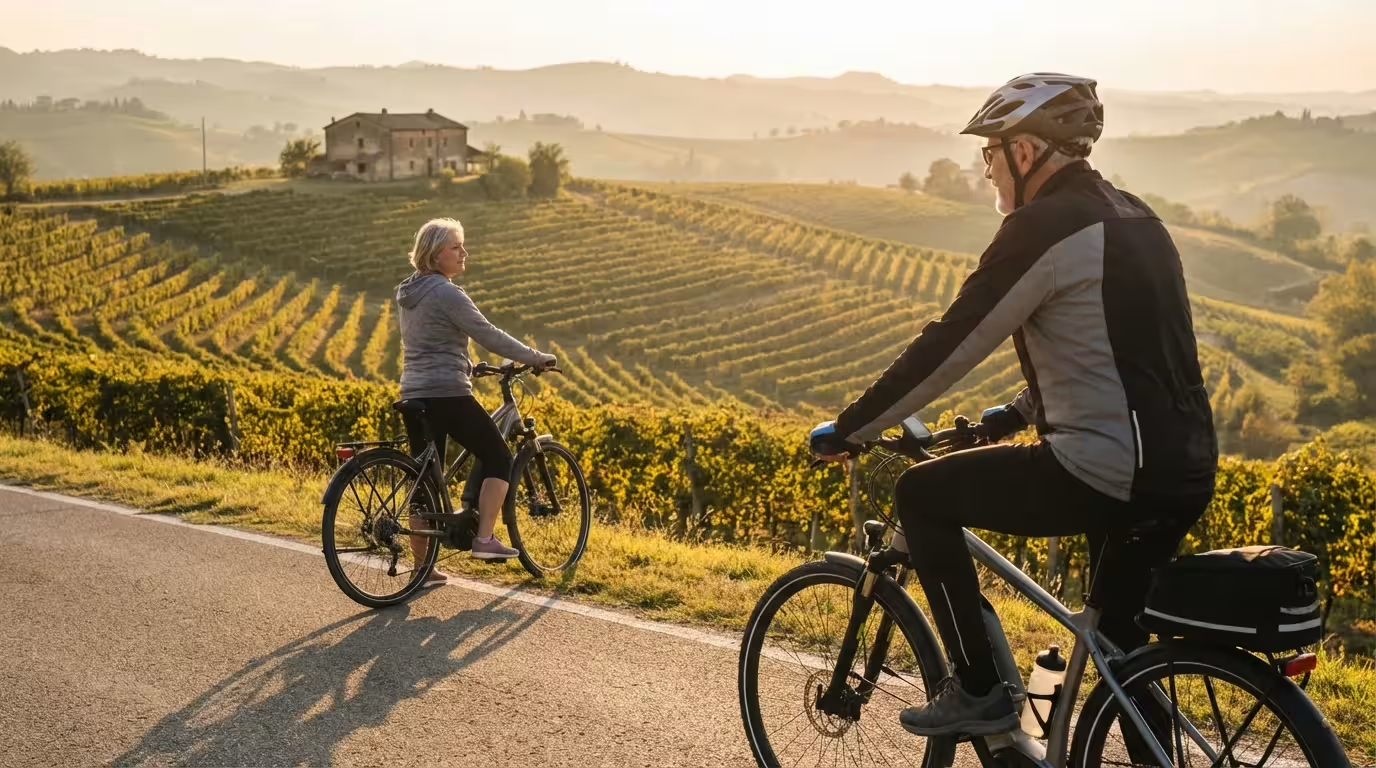
Exploring New Horizons: Cycling Adventures and Travel
Once you develop confidence and fitness, cycling opens up incredible opportunities for adventure and travel. Imagine exploring scenic routes, charming towns, and even international landscapes from the seat of your bicycle. These experiences create lasting memories and enrich your retirement years.
I never thought I’d be exploring Florida on two wheels! Back in Columbus, my ‘exploration’ was mostly finding new books at the library or a new route to the grocery store.
Now, Bill and I have been able to see so many beautiful places right here in Sarasota, places we would have just driven past before. We’ve even talked about visiting Karen in Cincinnati and taking our bikes to explore some of their bike trails there!
Cycling tourism caters to all levels, from leisurely day trips to multi-day tours. Many companies specialize in active travel for us, providing support vehicles, knowledgeable guides, and routes tailored for comfort and enjoyment.
You can bike through wine regions, along coastal paths, or through historic European villages.
Consider these types of cycling adventures:
- Local Day Trips: Explore nearby parks, nature trails, or charming small towns. Pack a picnic and make a day of it.
- Weekend Getaways: Discover bike-friendly destinations within a few hours’ drive. Many rail-to-trail conversions offer long, flat, scenic routes perfect for us.
- Guided Cycling Tours: Join organized tours that handle logistics like luggage transport, accommodations, and meals. Companies like Road Scholar specialize in educational and active travel for us, offering cycling itineraries designed for varied abilities.
- Bike and Barge Tours: Popular in Europe, these tours combine cycling with river cruising. You bike during the day and return to a comfortable barge each evening, often moving to a new location while you sleep. This option offers flexibility and convenience.
These adventures challenge you in new ways, introduce you to diverse cultures, and provide invigorating physical activity. They prove that your retirement years are for discovering new passions and making extraordinary journeys.

Maintaining Your Bike and Your Health
Both your bicycle and your body require regular attention to ensure peak performance and longevity. Consistent maintenance prevents small issues from becoming major problems. You invest in continued enjoyment and fewer unexpected interruptions to your bike riding routine.
I always say, whether it’s my Sunday morning sourdough or my little herb garden, a little bit of care goes a long way. The same goes for our bikes, and especially for ourselves! Bill is very good about keeping our bikes in tip-top shape, almost as meticulous as he is with our finances.
Regular bicycle maintenance is straightforward and essential. A well-cared-for bike operates smoothly, safely, and efficiently. Learn basic checks you can perform yourself, and schedule periodic professional tune-ups.
- Clean Your Bike Regularly: Wipe down the frame, chain, and gears after dusty or muddy rides. A clean bike functions better and lasts longer.
- Lubricate Your Chain: Apply chain lubricant every few rides or when it starts to look dry. Proper lubrication reduces wear and makes shifting smoother.
- Check Tire Pressure: Inflate your tires to the recommended PSI before each ride. Correct tire pressure improves efficiency, comfort, and reduces the risk of flats.
- Inspect Brakes: Ensure your brakes are responsive and that brake pads are not excessively worn. Test them before you head out.
- Professional Tune-Ups: Take your bike to a reputable shop for a professional tune-up once a year, or more frequently if you ride often. Experts adjust gears, check bearings, and identify potential issues.
Equally important is maintaining your physical health. Beyond cycling, adopt a holistic approach to wellness. This includes a balanced diet, adequate sleep, and other forms of exercise. The National Institute on Aging (NIA) provides comprehensive resources on staying active and healthy in our later years, emphasizing diverse activities.
By actively caring for both your bike and your body, you ensure your cycling journey remains smooth, safe, and immensely rewarding for years to come. This proactive approach supports a truly active retirement.
Frequently Asked Questions
Is cycling a good activity for us, especially with joint issues?
Oh, absolutely! When I first heard about cycling, I thought of those fast, young folks, but it’s really so gentle on the joints. It strengthens muscles around my knees and hips without the jarring impact you might get from running or even brisk walking.
This makes it ideal if you’re managing arthritis or other joint concerns. Just make sure to chat with your doctor first, so they can tell you if it’s right for your specific situation.
What are the best bikes for us who prioritize stability?
For folks like us who really want stability, tricycles (those three-wheelers) are an outstanding choice. They offer such a stable platform, so you don’t have to worry about balancing at all.
Electric bikes (e-bikes) also provide great stability and a little pedal assist, which makes them easier to handle and lets you extend your rides without getting too tired. Comfort bikes and hybrid bikes, with their upright riding positions, also offer good stability, which is what I looked for when Bill and I picked ours out.
How often should we go bike riding to improve fitness?
To really improve your cycling fitness, I’d say aim for consistent rides, ideally 3-5 times a week. Start with shorter durations, maybe 15-20 minutes, and then gradually add a little more time or distance each week – about 10% is a good rule of thumb.
What I’ve found is that consistency and slowly building up are much more important than trying to do one really intense ride every now and then. And, of course, always listen to your body and make sure to take rest days!
Can cycling help with cognitive health and mental sharpness in retirement?
Yes, it certainly can! Cycling does wonders for your cognitive health and keeping your mind sharp. When you’re physically active, it boosts blood flow to your brain, which helps with how your brain functions and even your memory.
Plus, all the engagement with your surroundings, figuring out routes, and the lovely social interaction you get on group rides, it all gives your mind a wonderful workout. It reduces stress and just makes you feel happier and more mentally clear.
How about a hike? This article might help you!
Disclaimer: This article is for informational purposes only and does not constitute medical advice. Before starting any new exercise program or making significant changes to your activity level, please consult with your healthcare provider, especially if you have chronic health conditions or concerns about physical limitations.



Leave a Reply