
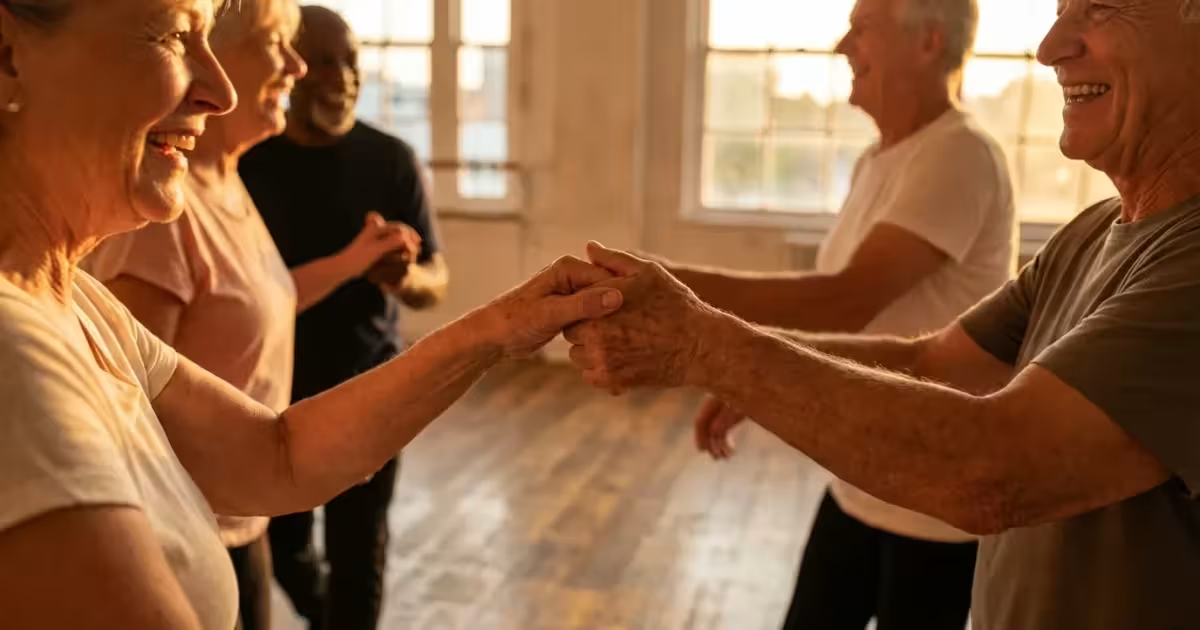
Oh, this stage of life we’re in, isn’t it something? When Bill first started talking about retirement, I pictured endless quiet days, maybe a bit of gardening, and a lot of reading. I certainly didn’t imagine the vibrant, sometimes surprising, journey it’s become.
Retirement truly is a chance to explore, find joy, and embrace new experiences – even when you weren’t quite ready for them to begin with. For me, it was taking up watercolor painting (and honestly, I’m not good at it, but I don’t care!), but for you, it might be something else entirely.
Dance classes, in particular, offer such a lively way to stay active, keep your mind engaged, and just feel incredibly happy. Can you imagine yourself moving to music, maybe learning a few new steps, and connecting with wonderful people in a lively, supportive place?
This guide is all about the wonderful world of dance for us retirees, showing you all the good it can do and helping you find a rhythm that feels just right for you.
The Joyful Benefits of Dance for Us
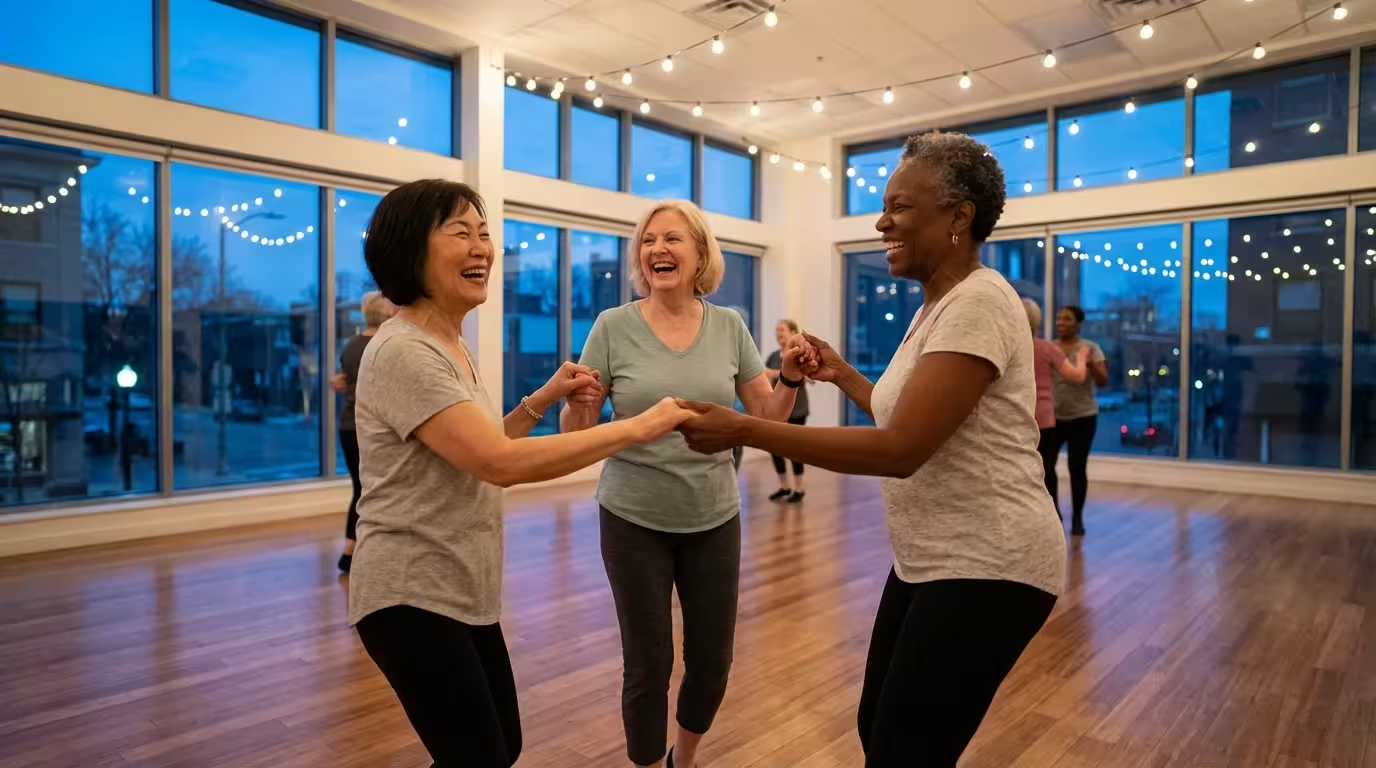
Dance, to me, feels like so much more than just moving your feet; it’s a whole-body, whole-heart activity that touches every part of who you are. When I think about stepping onto a dance floor, I imagine engaging my body, giving my brain a good workout, and opening myself up to new friendships.
These aren’t just benefits that stay in the studio, either. They spill over into my everyday life, making retirement here in Sarasota feel so much fuller and more joyful. For example, when I first moved to Hawthorn Ridge, I was pretty lonely and missed my friends from Columbus.
Getting out and talking to strangers at the pool, or finding my little watercolor group, was so important for making me feel connected. Dance offers that same kind of wonderful community!
From a physical standpoint, dance is just exceptional. When I think about how much good a regular activity can do, I see dance as a fantastic choice. It gets your heart pumping, strengthens those muscles we all want to keep strong, makes us more flexible, and really helps with balance.
All these improvements really add up, helping us stay physically fit and independent, which is something Bill and I both value immensely.
And mentally, oh my goodness, dance is a marvel! Learning and remembering those dance sequences is like a fun puzzle for your memory, and coordinating your steps with the music really sharpens your problem-solving skills and how you understand space around you.
It’s exactly the kind of mental engagement that helps keep our brains sharp and active, which is so important as we get a little older.
Socially, dance classes are just wonderful for building communities. I’ve seen it here at Hawthorn Ridge – people connecting over shared interests. You get to meet new people who love to move just like you do, and those shared experiences of laughter and movement really build strong bonds.
It’s truly an enriching way to make new friends, which, after moving from Columbus, I know firsthand is incredibly important.
Choosing Your Rhythm: Popular Dance Styles for Us
Finding the right `dance classes` that really speak to your interests and fit what your body can do makes such a big difference. I know, because when I decided to try watercolor painting, I looked for a class that wasn’t too serious and focused more on having fun than being a master artist.
It’s the same with dance! Many studios and community centers now have wonderful programs just for us retirees. You’ll find so many options, so I’m sure you’ll discover a style that truly excites you and meets your needs.
Here are some of the dance styles I’ve heard about or seen people enjoying around Hawthorn Ridge:
- Zumba Gold: This sounds like so much fun! It’s a gentler version of Zumba with lower-impact movements and a slower pace, which I think is perfect for beginners or if you’re looking for something a bit less strenuous. You still get to enjoy that upbeat, Latin-inspired music and feel wonderfully invigorated. Zumba Gold really focuses on keeping your heart healthy, staying flexible, and improving balance, all in what sounds like a big party!
- Line Dancing: I’ve seen groups doing this at some of the community events, and it looks like a blast! You don’t need a partner, which makes it so easy for anyone to join in. You learn these choreographed sequences, all performed in lines, and it’s a fantastic way to improve your coordination and memory. The repetition really helps you get comfortable with the movements, building your confidence with every step.
- Ballroom Dancing: Oh, the elegance of ballroom dancing! Many studios offer adaptive or beginner ballroom classes for us. You get to learn classic dances like the waltz, foxtrot, or cha-cha, which not only look beautiful but also really help with your posture, grace, and even communicating with a partner. It’s such a lovely way to socialize and move with a touch of sophistication.
- Tap Dance: I remember my grandmother talking about tap dancing! Modified tap classes today focus on rhythm and intricate footwork without all those high-impact jumps or fast turns. Tap really helps with coordination, timing, and strengthening your ankles. And the rhythmic sounds you create just add such a fun and engaging dimension to your workout.
- Chair Dancing or Seated Dance: This is such a thoughtful option for those of us with limited mobility or if you just prefer to stay seated. You still get incredible benefits, doing upper body movements, footwork, and core exercises from your chair. It’s wonderful for improving flexibility, circulation, and your range of motion.
- Ballet for Seniors/Adaptive Ballet: When I hear “ballet,” I immediately think of those graceful dancers. But these classes focus on the basic techniques, really emphasizing posture, balance, and gentle, flowing movements at a slower pace. They often use a barre for support, and adaptive ballet truly helps with strength, flexibility, and body awareness without any of the demanding jumps or turns of traditional ballet.
- Folk Dance: Styles like square dancing or international folk dances are often all about community and focus on group patterns and traditional steps. I think these would be excellent for getting out, meeting people, giving your memory a gentle nudge, and getting some good, moderate physical activity.
When you’re exploring `what are the best dance styles for seniors?`, I’d say think about what makes you feel comfortable, what kind of music you love, and how much energy you want to put in. But most importantly, choose a style that just makes you want to get up and move!
Getting Started: Finding the Right Dance Class for You
Starting anything new, especially after retirement, can feel like a big step. When I first moved to Hawthorn Ridge, I had to figure out where to find my favorite coffee, where the best walking paths were, and how to meet people.
It’s the same with starting dance! Finding the right `dance classes` really ensures you’ll have a good, lasting experience. Don’t be shy about exploring different options and asking lots of questions before you commit to anything.
Here’s how I’d go about finding a suitable dance class, just like I did when I looked for my watercolor group:
- Consult Your Doctor: This is always my first piece of advice before starting anything new. Before I got more active here, I talked to my doctor, especially since I was adjusting to a new climate. It’s crucial, especially if you have any ongoing health conditions, or concerns about balance or anything else. Your doctor can give you personalized advice and make sure dance is a safe and good activity for you.
- Research Local Options: Start by looking for dance studios, community centers, senior centers, or even local gyms right here in Sarasota. Many places now offer specific `senior activities` classes. I’d do an online search using terms like “senior dance classes near me” or “adaptive dance for older adults.” That’s how I found my watercolor class!
- Look for Beginner or Adaptive Classes: This is key. Prioritize classes that are clearly labeled for beginners, seniors, or those with adaptive needs. These classes are designed for us, catering to different fitness levels and often having instructors who really know how to work with older adults. I’d definitely avoid those advanced classes at first; they can feel a bit overwhelming!
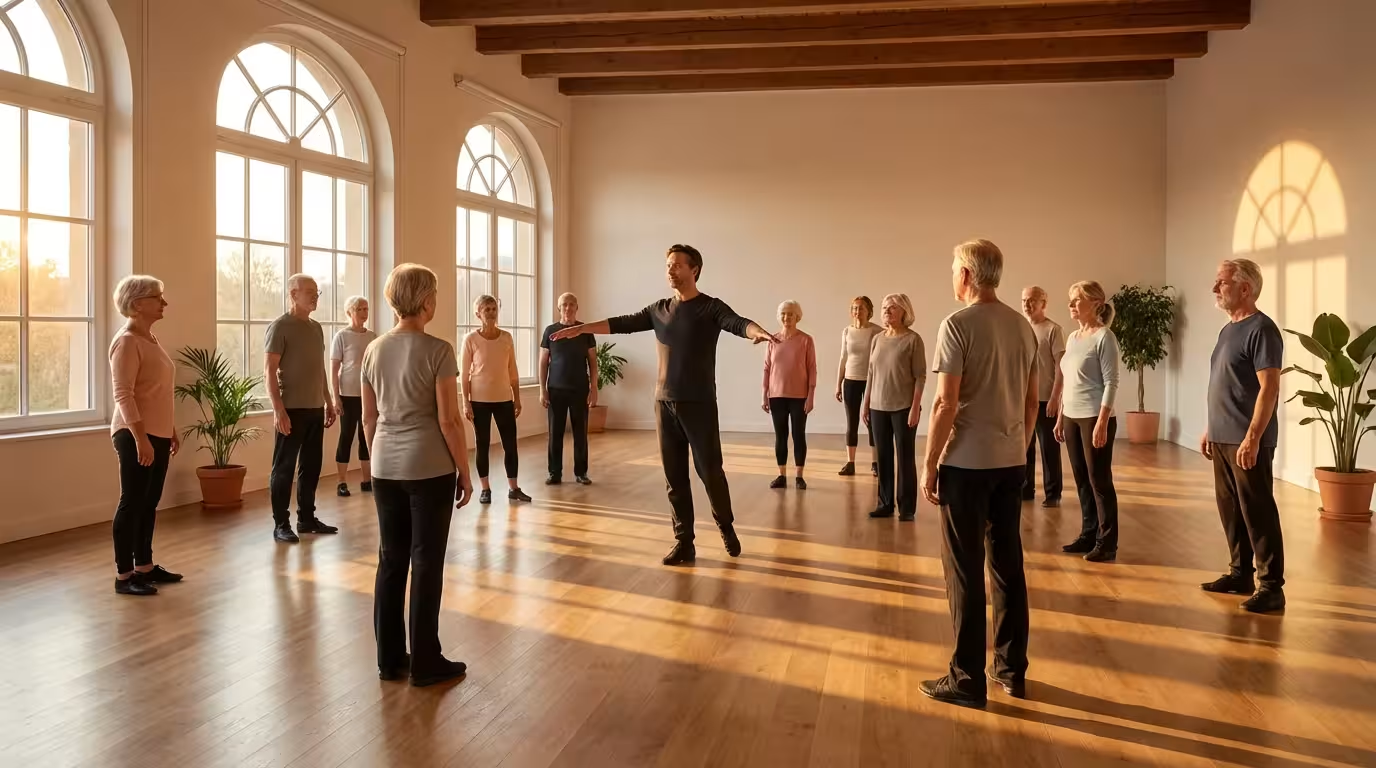
- Observe or Trial a Class: Many studios, just like the art center I found, offer a free trial class or let you sit in and watch a session. Take advantage of this! It’s a great way to get a feel for the atmosphere, see the instructor’s style, and check the pace of the movements. You want to make sure the environment feels welcoming and comfortable.
- Prioritize Qualified Instructors: A truly good instructor understands our specific needs and considerations. They’ll offer modifications for movements, encourage proper form, and create a positive, non-judgmental atmosphere. Don’t hesitate to ask about an instructor’s experience working with people our age.
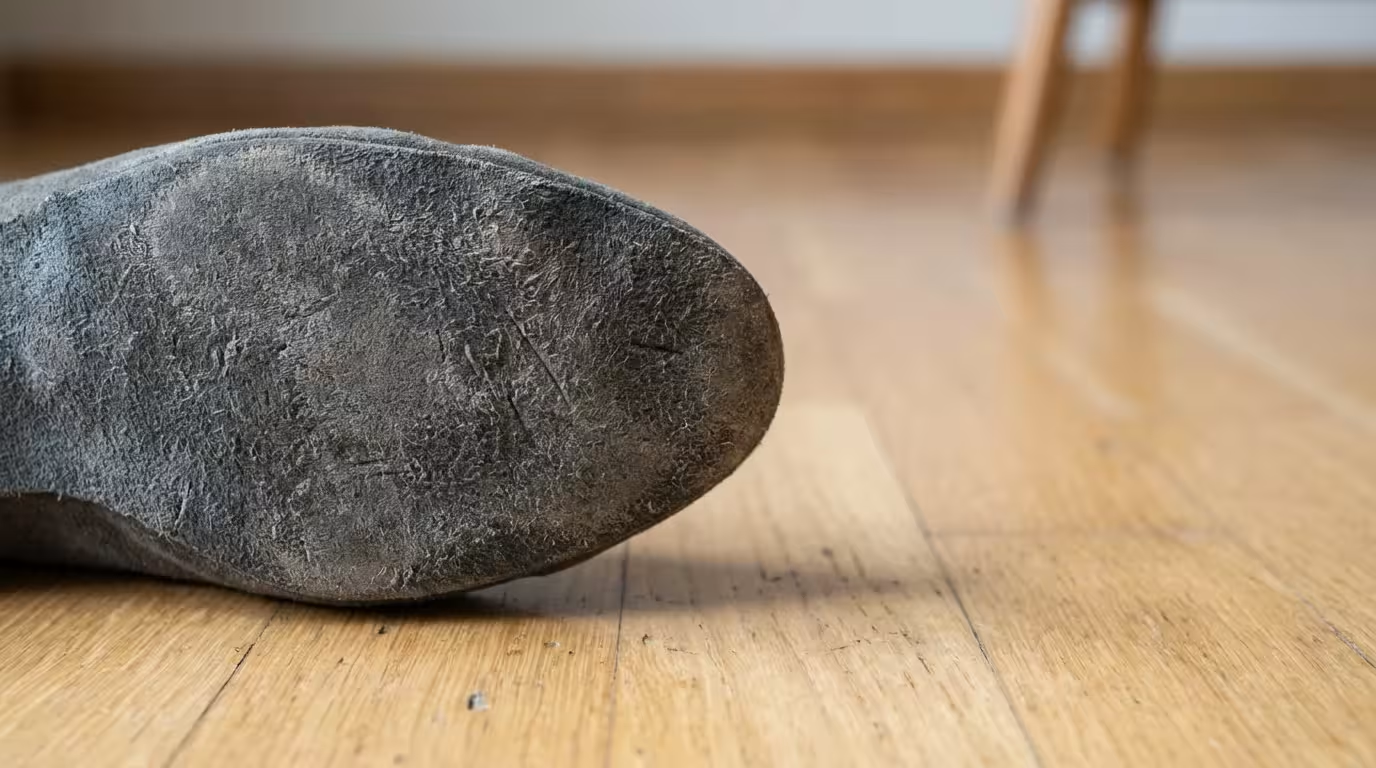
- Consider Your Comfort: Wear comfortable clothing that lets you move freely. Choose supportive shoes that have good grip. When I’m comfortable, I can really relax and enjoy whatever I’m doing, and I think that’s so important for dance too.
Remember, the main goal is to have fun and stay active. Don’t put pressure on yourself to master complex steps right away. Just focus on enjoying the movement and the wonderful social interaction. That’s what I do with my watercolor, and it’s made all the difference!
Overcoming Common Concerns: Dance is for Everyone
I know that feeling of hesitation, believe me. When Bill first suggested we sell our beautiful 2,400 sq ft colonial on Elmwood Drive in Columbus and move to a 55+ community, I dug my heels in. I thought I was too attached to the house, too set in my ways, and definitely too old to start completely fresh.
I was wrong to resist the move, and I’ll openly admit it now! It took me a full year, but I learned that those common concerns often prevent us from discovering so much joy. So, let’s talk about them, because dance truly welcomes everyone, just like Hawthorn Ridge welcomed me.
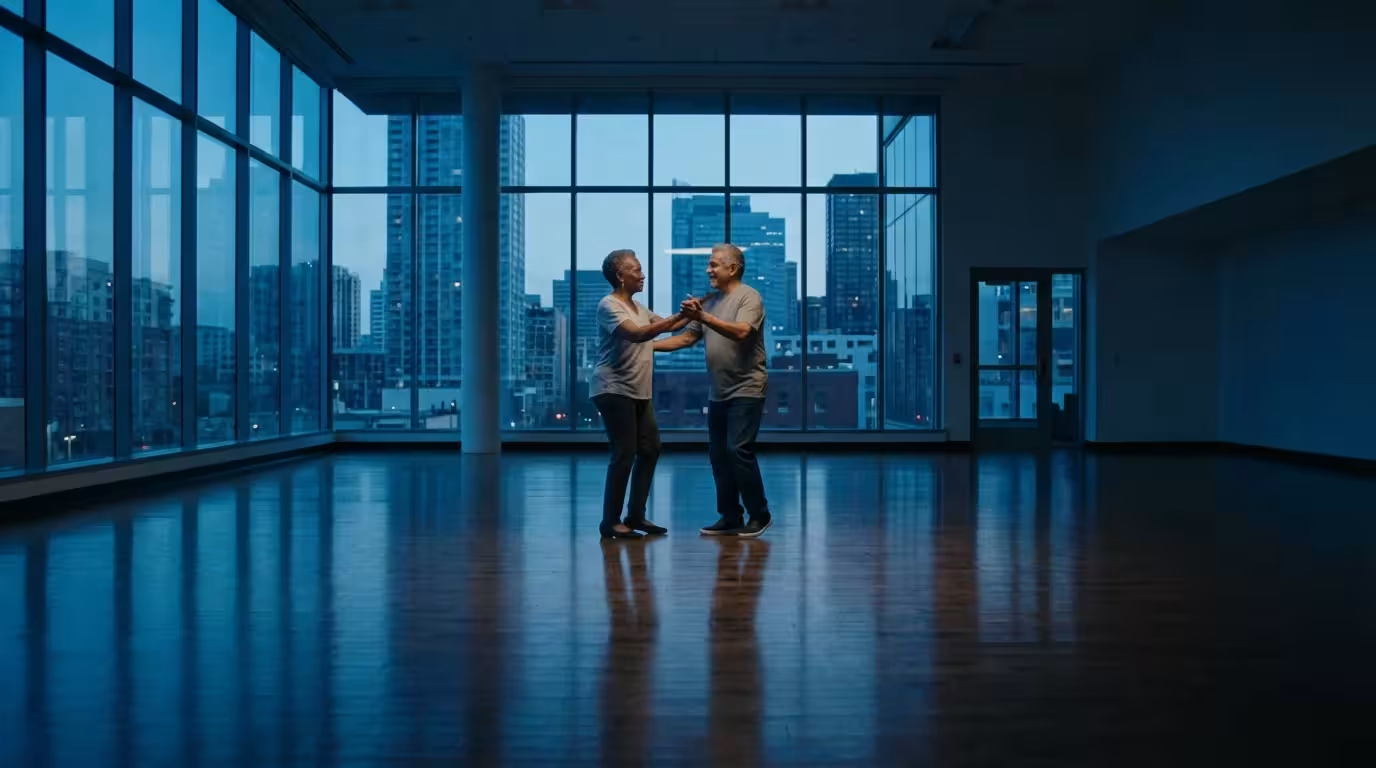
I hear many people say they think they have “two left feet” or no natural rhythm. And believe me, after attempting some of Bill’s pickleball moves, I know the feeling! But dance classes designed for us really focus on the basics and lots of repetition, so you build your skills gradually.
Instructors care more about you enjoying yourself than being perfectly graceful, making sure you feel supported as you learn. You absolutely do not need to be a professional dancer to get all the wonderful benefits.
And as for age? Well, I’m 72, and Bill is 74, and we’re trying new things all the time. Age truly is just a number when it comes to dance. Classes specifically for us are structured to fit different fitness levels and how much we can move.
Whether you’re 55 or 95, you’ll find classes that challenge you just right. The focus is always on gentle, beneficial movement, not on doing high-intensity acrobatics.
If you have any existing health conditions or mobility issues, the most important thing is to talk openly with your doctor and your instructor. I know I had concerns about my knees when I started walking more here.
But many dance styles, like chair dancing or adaptive ballet, are made specifically for limited mobility. Your instructor can almost always offer ways to modify movements, keeping you safe and making sure you have the most fun. Your well-being is always, always the top priority.
The Science of Stepping: How Dance Boosts Your Well-being
It’s always fascinating to understand the science behind `how do dance classes improve physical health?` and how they make us feel better mentally. It really shows just how valuable this activity is. Dance is such a powerful tool for healthy aging, and there’s so much research to back it up.
Its many different aspects address several key areas of our health, making it an ideal `physical fitness` activity.
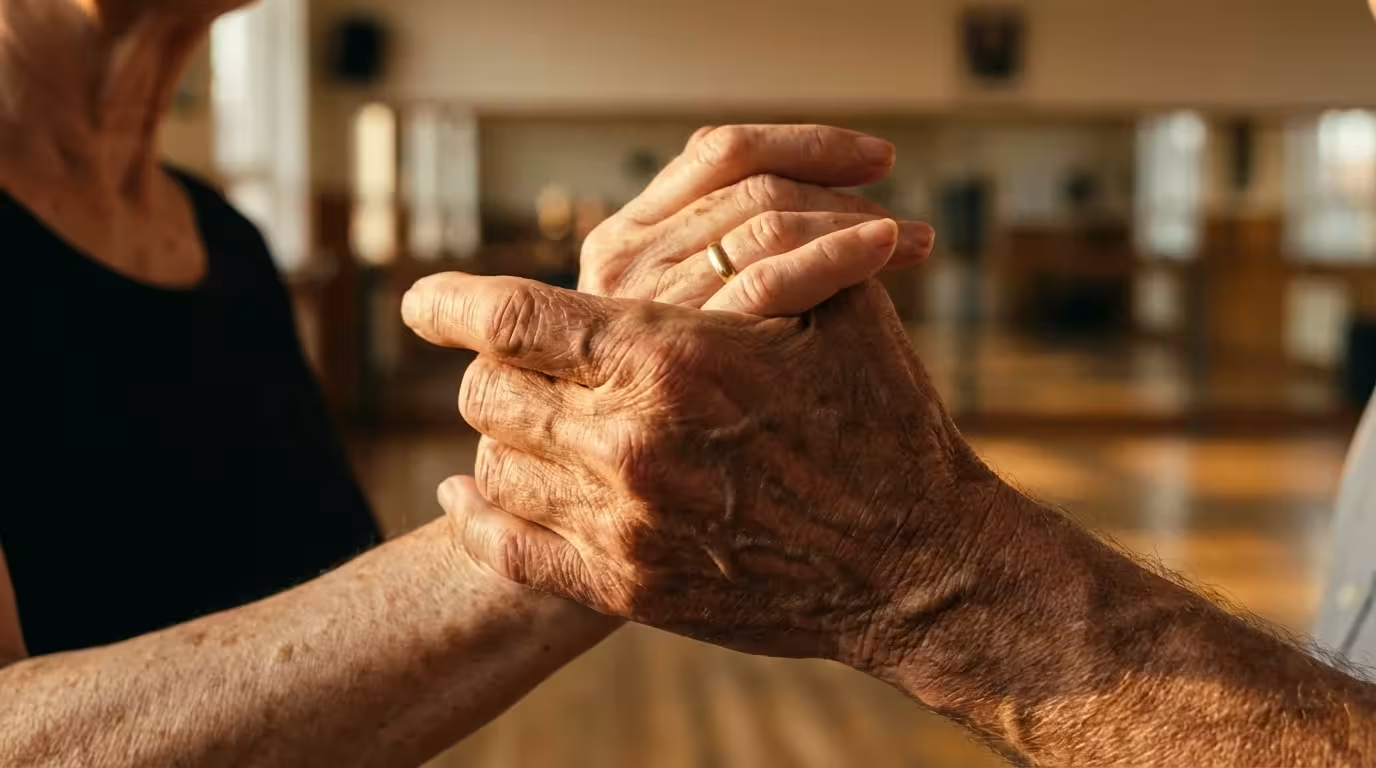
For me, since moving to Florida and getting more active, I just feel better overall. I have more energy for my grandchildren, Lily and Noah, when they visit, and I don’t get as tired when I’m baking on Sunday mornings. Dance gives us excellent cardiovascular benefits. As you move to the music, your heart rate goes up, which improves circulation and strengthens your heart muscle.
The Centers for Disease Control and Prevention (CDC) suggests that we, as older adults, get at least 150 minutes of moderate-intensity aerobic activity each week. Dance classes are such a fun way to meet these guidelines, and they help reduce your risk of heart disease and improve your stamina.
You can learn more about physical activity guidelines for older adults from the CDC’s website.
And then there’s the improved balance and coordination, which is another huge plus. Dance sequences are constantly challenging your balance, making your body adapt and stabilize. This better balance really makes a difference in reducing your risk of falls, which is something Bill and I are always mindful of.
The National Council on Aging (NCOA) really emphasizes how important balance exercises are for preventing falls, and dance is such an engaging way to achieve this. Visit the NCOA website for valuable falls prevention resources.
What’s more, dance has a significant impact on our cognitive health. Learning and remembering dance steps, especially those more complicated sequences, really gives your brain’s memory centers a good workout.
This mental engagement helps maintain and even improve how our minds work, keeping us agile. Research suggests that activities that combine physical movement with a mental challenge, like dance, can help reduce the risk of cognitive decline.
The Alzheimer’s Association encourages lifestyle choices, including being physically and mentally active, to support brain health. Discover more about maintaining a healthy brain on the Alzheimer’s Association’s brain health page.
Beyond the Steps: Making Dance a Lifestyle
Once you’ve had a taste of the joy and benefits of `dance classes`, you might find yourself wanting to weave dance even deeper into your life. That’s certainly how I feel about my watercolor painting and my Sunday morning baking – they’ve become part of my routine here.
Dance doesn’t have to stay confined to a studio; you can bring it into your daily life and expand your involvement. This approach truly transforms dance from just an activity into a real lifestyle, making your retirement years even richer.
Consider these ways to make dance a bigger part of your life:
- Dance at Home: This is something I already do without thinking about it! Put on your favorite music – for me, it’s usually something from the 60s or 70s – and just dance in your living room. Even short bursts of movement throughout the day really add up, keeping you active and boosting your mood. You can even find online tutorials or dance-along videos to learn new steps, or just let the music move you.
- Attend Social Dances: Here at Hawthorn Ridge, there are always social events, and sometimes they have music for dancing! Many community centers, senior clubs, or even local restaurants host social dance events. These are wonderful, relaxed environments to practice your moves, meet new people, and simply enjoy the music. Look for events with live bands or DJs playing music you love.
- Explore Dance-Related Performances: When I was a librarian, I loved finding new stories, and now I love finding new experiences. Attending local dance performances or professional shows can be so inspiring and deepen your appreciation for the art form. Many local theaters offer discounts for matinee performances, which is a nice bonus.
- Consider Performance Opportunities: If you’re feeling a little adventurous (and goodness knows, I never thought I’d be painting!), some senior dance groups offer chances to perform at local events or talent shows. This could be a really fun way to show off your new skills and build confidence. Participating is always optional, but it offers a unique goal.
- Introduce Friends to Dance: I always try to get my “Florida family” – my wonderful friends here – to try new things with me. Encourage your friends or family members to join you for a class or even just a casual dance session. Sharing the experience makes it even more enjoyable and helps you both stay motivated. A dance buddy provides such good encouragement and shared laughter.
Embracing dance as a lifestyle means listening to your body, celebrating every bit of progress, and just letting the music carry you away. It’s all about fostering joy, making connections, and feeling wonderfully vibrant every single day, just like I try to do here in Sarasota.
Frequently Asked Questions
Finding answers to common questions always helps clear up any worries you might have about starting something new, like dance classes. These insights offer practical guidance and, I hope, encourage you to jump into `senior activities` with both feet!
Are dance classes suitable for seniors with limited mobility?
Absolutely, yes! When I first moved here, I worried about trying new things because I wasn’t as agile as I used to be. But many dance classes are specifically designed for various mobility levels. Look for programs like chair dancing, seated ballet, or adaptive movement classes.
These styles offer all the wonderful benefits of rhythm and coordination without needing extensive standing or complex movements. Always, always tell your instructor about any physical limitations you have before starting a class.
How often should seniors attend dance classes to see benefits?
Consistency is truly key to experiencing all the wonderful physical and mental benefits. I find that with my watercolor, if I do it regularly, I feel much better. Aim for at least two to three dance classes per week, or try to incorporate daily dance sessions at home.
The CDC recommends at least 150 minutes of moderate-intensity aerobic activity per week, and dance can significantly help you reach that goal. Even short, regular dance sessions can do wonders for your cardiovascular health and your mood.
What should I wear to a senior dance class?
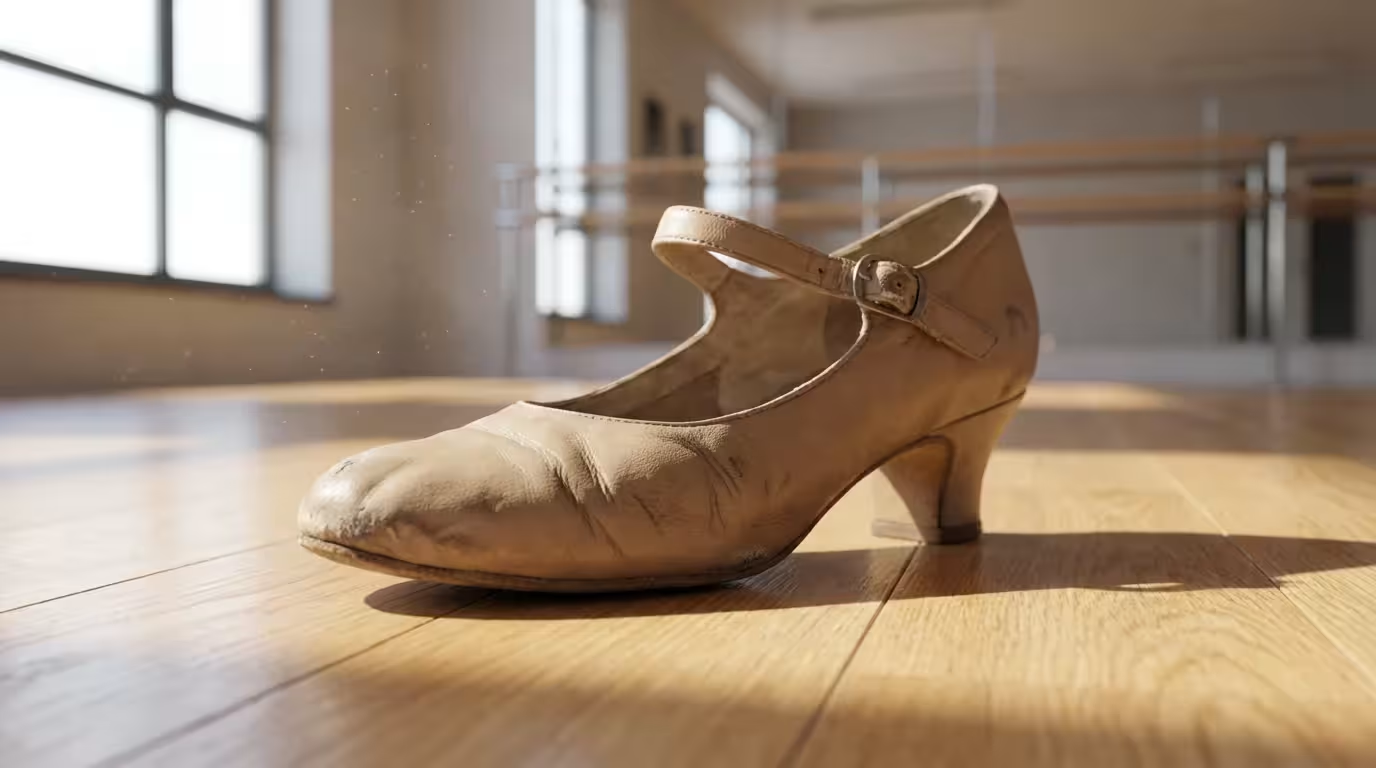
Comfort and being able to move freely are the most important things. Choose loose-fitting or stretchy clothing that won’t restrict your movements. For shoes, opt for supportive, comfortable ones with good grip that let you pivot easily – sneakers, dance sneakers, or low-heeled character shoes are usually good choices.
I’d definitely avoid open-toed shoes or flip-flops to help prevent any little mishaps.
Can dance help improve memory and cognitive function?
Oh, yes, it certainly can! Dance offers significant benefits for your brain. Learning new steps, remembering sequences, and coordinating your movements with the music actively engages so many parts of your brain responsible for memory, attention, and knowing where you are in space.
Studies really do show that activities that combine physical movement with a mental challenge, like dance, effectively enhance cognitive health in us retirees, helping to keep our minds sharp and agile.
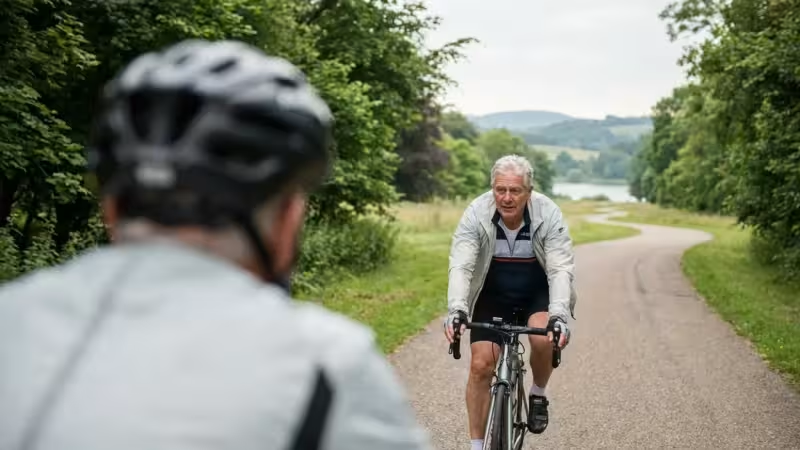
If you’re not really into dancing, maybe you should give cycling a try!
Disclaimer: This article is for informational purposes only and does not constitute medical advice. Before starting any new exercise program or making significant changes to your activity level, please consult with your healthcare provider, especially if you have chronic health conditions or concerns about physical limitations.


Leave a Reply