
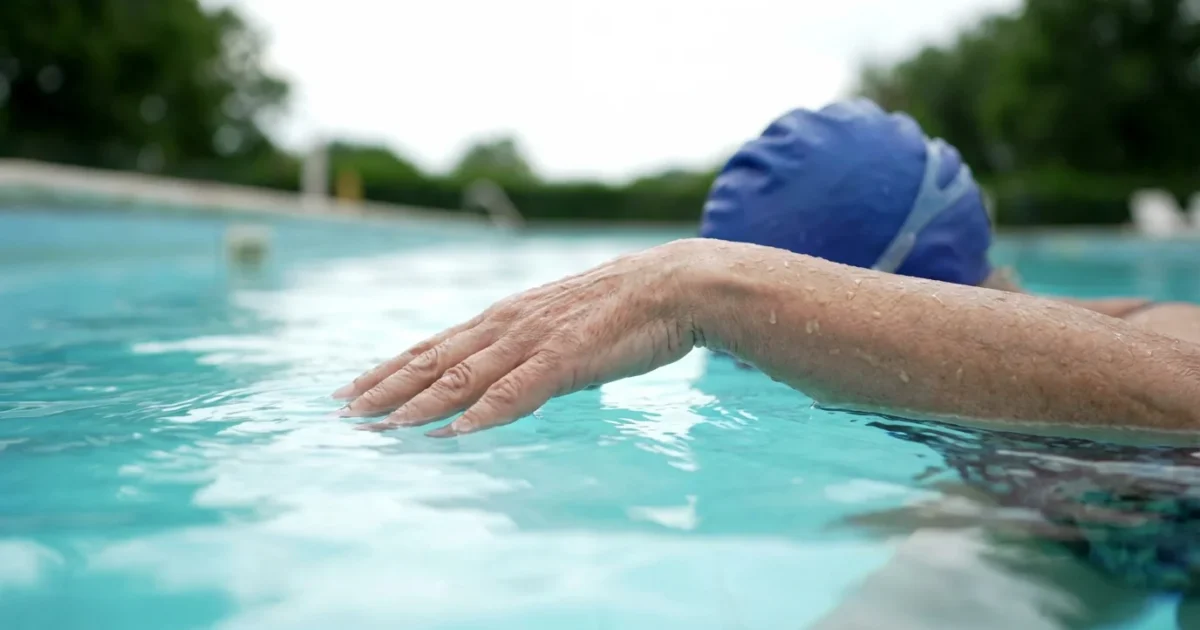
Embracing an active lifestyle can truly transform our retirement years into a vibrant chapter of health and engagement. Bill and I have certainly found that to be true!
When we first moved down to Hawthorn Ridge in Sarasota, Florida, after 44 years in our Columbus home, I was a little nervous about finding new routines. I knew I needed to keep moving, but my joints weren’t quite as forgiving as they used to be, and I certainly wasn’t looking to run any marathons.
That’s when swimming emerged as an exceptional choice for me. It offers a full-body workout that’s gentle yet profoundly effective. It’s become a lovely part of my new life here, a peaceful escape where I can just float and forget my worries, even if just for a little while.
This guide explores the many advantages of swimming and aquatic exercises, providing you with practical insights to incorporate this refreshing activity into your routine.
Discover how water-based fitness can enhance your strength, balance, mental sharpness, and overall quality of life.
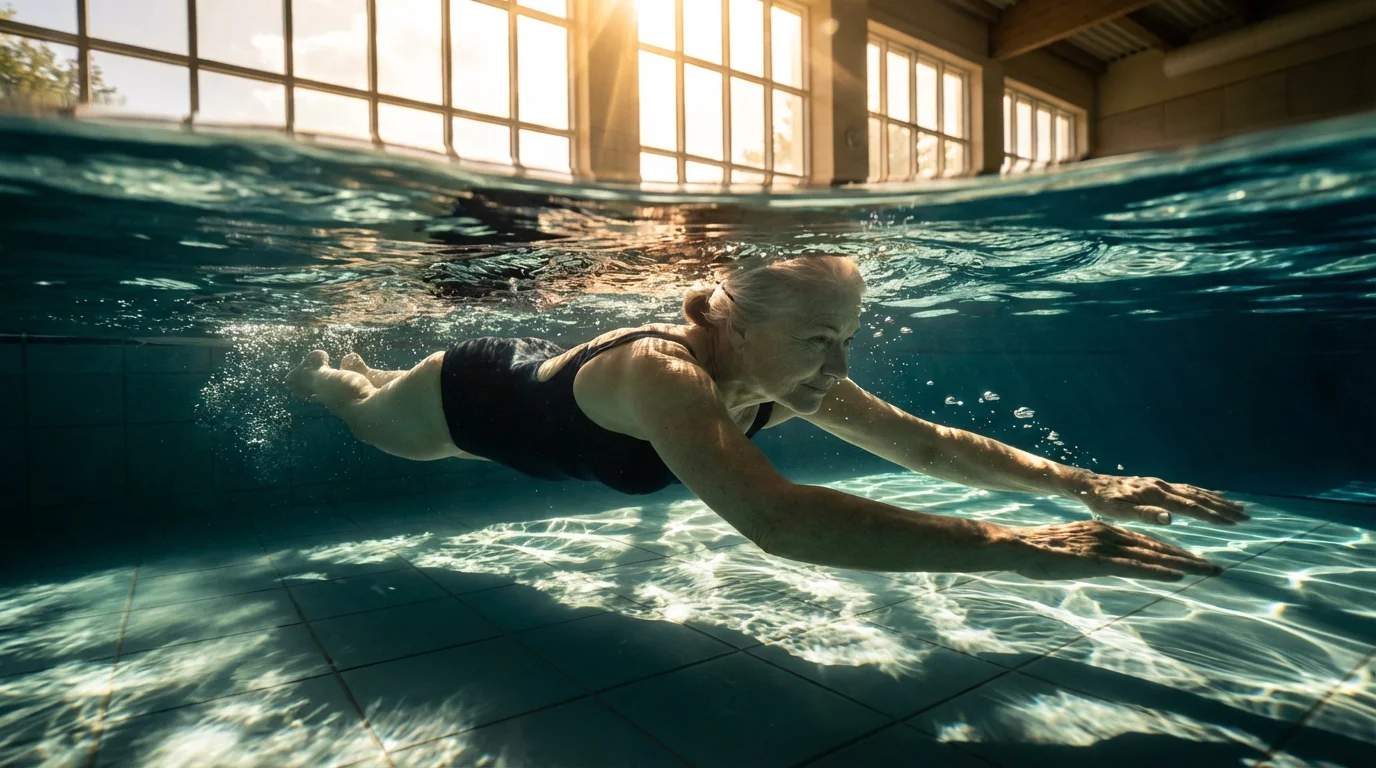
The Unique Advantages of Senior Swimming
Choosing the right exercise becomes crucial as we age, doesn’t it? Our bodies often require activities that offer substantial benefits without the constant pounding on our joints. Swimming stands out as a prime example of a `low-impact` exercise, making it absolutely ideal for those of us in retirement.
I remember when we first moved to Hawthorn Ridge, my knees were quite stiff, especially after all those years on my feet in the library. The idea of traditional exercise felt daunting. But the buoyancy of water supports up to 90% of your body weight.
This reduces stress on your joints, bones, and muscles. I found I could move so much more freely and comfortably in the water, doing exercises that might have been challenging or even painful on land. This remarkable property of water truly protects your knees, hips, and spine from jarring forces.
Water resistance also provides a unique training environment. Every movement you make in the pool requires effort against the water, which strengthens muscles without the need for heavy weights.
This natural resistance helps you build strength and endurance safely. And the controlled environment of a pool also minimizes the risk of falls, which is certainly a significant concern for many of us.
The CDC emphasizes the importance of regular physical activity for older adults, noting benefits like stronger bones, improved balance, and better sleep. Swimming directly contributes to these outcomes in a gentle manner.
It allows you to engage in vigorous activity that feels less strenuous, encouraging longer and more consistent workouts. This makes swimming an excellent `senior exercise` option, whether you’re just starting an exercise routine or looking for a new challenge.
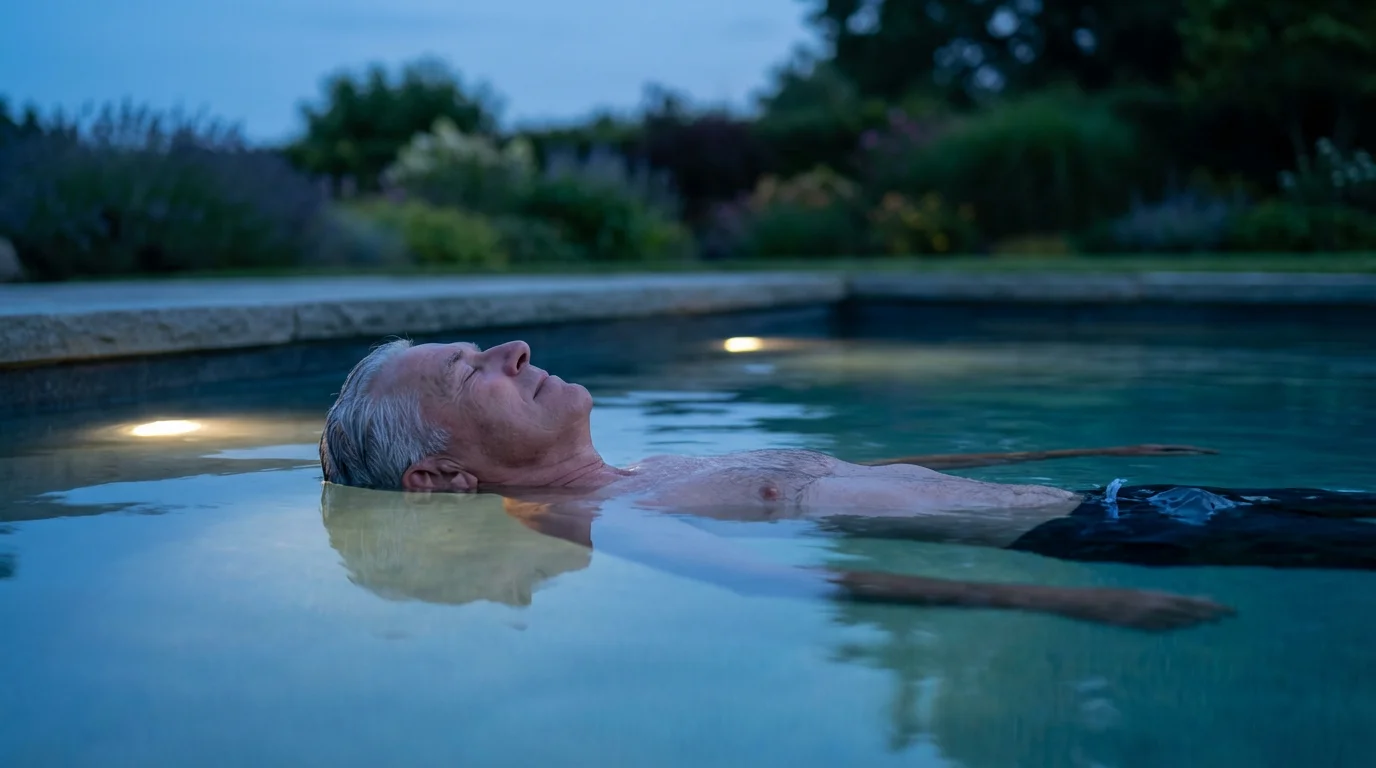
Unveiling the Comprehensive Health Benefits of Swimming for Seniors
Engaging in regular `swimming` offers a holistic suite of advantages that impact your physical, mental, and cognitive health. Bill always says, “Dorothy, you’re practically a fish now!” And it’s true, I’ve noticed so many wonderful changes.
Many people wonder, “What are the benefits of swimming for seniors?” The answer encompasses far more than just muscle building.
Cardiovascular Health and Endurance
Swimming elevates your heart rate, strengthening your cardiovascular system. Consistent aquatic exercise improves blood circulation and lung capacity, reducing the risk of heart disease and high blood pressure.
I’ve found I have so much more stamina now when I’m chasing Lily and Noah around the park, or even just when I’m making one of my big Sunday morning breakfasts for Bill! Regular swimming truly contributes to a healthier heart, which is vital for sustained energy and well-being.
Muscle Strength and Flexibility
Water resistance engages multiple muscle groups simultaneously, providing a full-body workout. You build strength in your arms, legs, core, and back. I’ve even noticed my arms feel stronger for holding up my watercolor brush, even if my paintings still aren’t masterpieces!
The fluid movements in water also enhance joint flexibility and range of motion. This can alleviate stiffness and improve overall mobility, helping you maintain independence.
Improved Balance and Coordination
Maintaining balance becomes increasingly important with age. Swimming helps improve your coordination and proprioception, your body≵s sense of its position in space.
The constant core engagement and rhythmic movements in water translate into better stability on land. This benefit significantly reduces your risk of falls. I used to be so worried about slipping, especially after we moved and I was navigating a new house. Now, I feel much steadier on my feet.
Weight Management
Swimming is an effective way to burn calories and manage your weight. A moderately paced swim can burn a significant number of calories per hour, contributing to fat loss and maintenance of a healthy body mass index.
Combining swimming with a balanced diet supports sustainable weight control. And let’s be honest, it helps me enjoy my Sunday morning baking a little bit more without feeling quite so guilty!
Mental Well-being and Stress Reduction
The rhythmic nature of swimming can be incredibly meditative. It provides a peaceful escape from daily stressors, promoting relaxation and reducing anxiety. Exercise also releases endorphins, natural mood boosters, which can help combat symptoms of depression.
When we first moved, I really struggled with the emotional adjustment, missing my old garden and our home on Elmwood Drive. Those first few months, the pool was truly my sanctuary, a place where I could clear my head and just feel a little bit lighter.
Cognitive Health Enhancement
Emerging research suggests a strong link between physical activity and cognitive function. Regular swimming improves blood flow to the brain, supporting memory and problem-solving abilities.
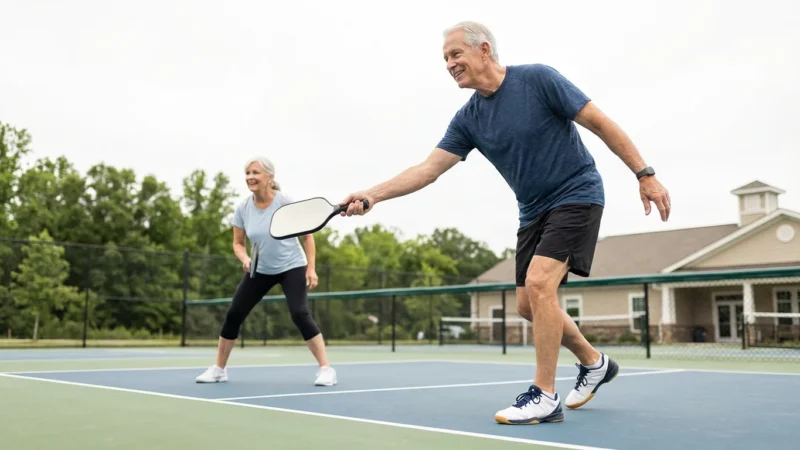
Engaging in complex strokes or learning new aquatic routines also provides mental stimulation. This contributes to better brain health as you age. I certainly feel sharper and more focused these days, which helps with everything from remembering my friends’ birthdays to keeping track of Bill’s pickleball schedule!
Here is a summary of the incredible benefits you gain from regular swimming:
- Strengthens your heart and lungs, boosting cardiovascular health.
- Builds muscle strength throughout your entire body.
- Increases joint flexibility and range of motion.
- Enhances balance and coordination, lowering fall risk.
- Helps manage weight and maintain a healthy metabolism.
- Reduces stress, improves mood, and supports mental clarity.
- Potentially enhances cognitive function and memory.
- Provides a low-impact workout that protects joints.
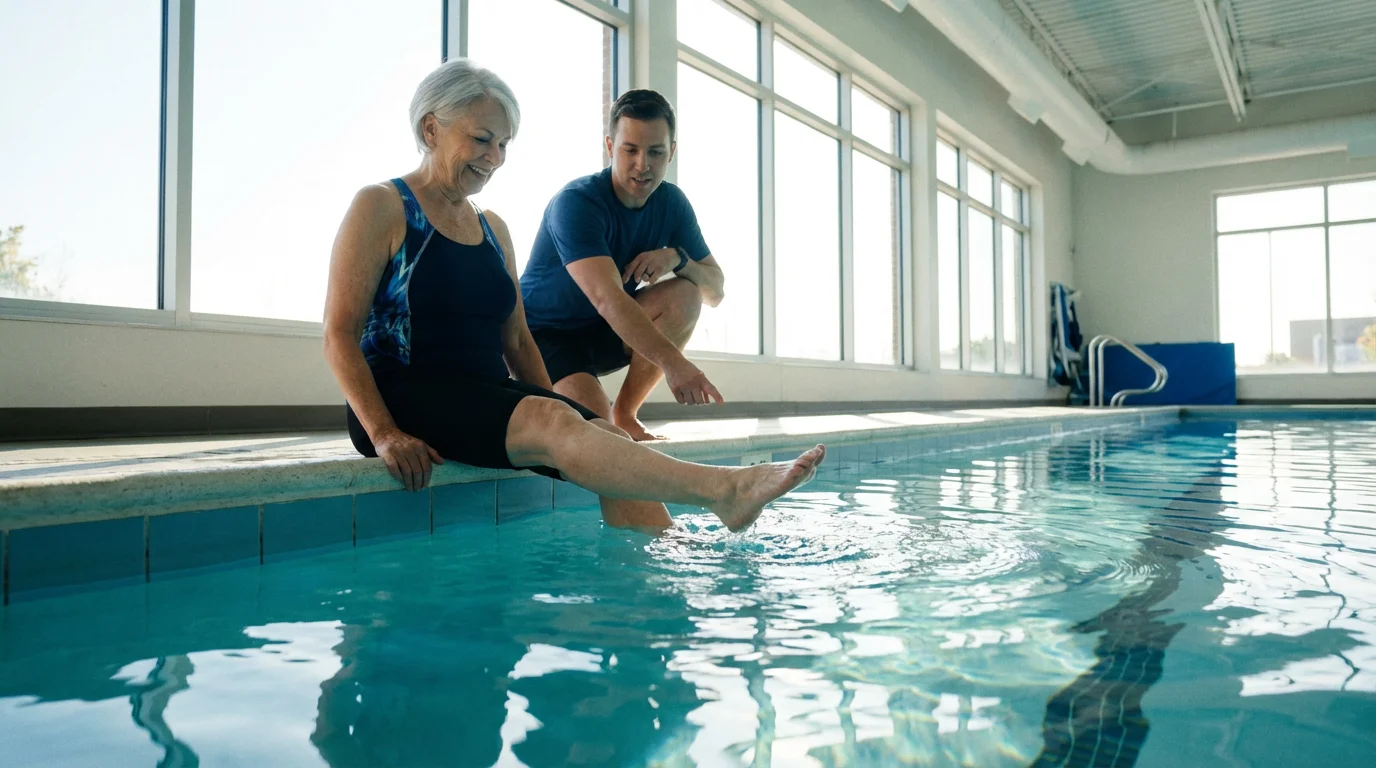
How to Start Swimming Safely for Seniors
Embarking on a new exercise routine, particularly if you have been less active, requires a thoughtful approach. You might ask, “How can seniors safely start swimming?” The key is preparation and progression. I certainly didn’t just jump right into the deep end!
Consult Your Doctor First
Before you dive into any new exercise program, including swimming, consult with your healthcare provider. Discuss your current health status, any chronic conditions, or physical limitations.
Your doctor can offer personalized advice and confirm that swimming is a safe and appropriate activity for you. This step ensures you begin your aquatic journey on solid ground. Bill, of course, made sure I did this before I even considered getting my toes wet, adding it to his extensive “Dorothy’s Retirement Wellness” checklist!
Begin Slowly and Progress Gradually
Start with short, manageable sessions. Aim for 10-15 minutes of gentle movement in the water, two to three times a week. Focus on comfort and getting accustomed to the water.
As your stamina and confidence grow, gradually increase the duration and intensity of your workouts. You might add 5 minutes to each session or incorporate different strokes. Consistency is more important than initial intensity.
I started with just walking in the shallow end, and now I can do a few laps without feeling completely out of breath!
Warm-Up and Cool-Down
Always dedicate 5-10 minutes to warming up before you start swimming. Gentle stretches on the deck or light walking in the shallow end prepare your muscles for activity.
After your swim, spend another 5-10 minutes cooling down with slow swimming or gentle stretches in the water. This helps prevent muscle soreness and injury.
Choose the Right Facility
Look for a pool that meets your needs. Heated pools offer a more comfortable experience, especially for those with arthritis or muscle stiffness. Pools with shallow entry points, such as gradual ramps or wide steps, provide easier and safer access.
Many community centers, YMCAs, and senior centers offer dedicated lap times or aquatic classes for seniors. Programs like SilverSneakers often include access to pools and water fitness classes, making it easier to find suitable options.
Our pool here at Hawthorn Ridge has a lovely gradual entry, which made me feel much more comfortable getting in and out, especially when I was just starting.
Consider Lessons or Group Classes
If you are new to swimming or feel unsure about your technique, consider adult swimming lessons. These classes teach fundamental strokes, breathing techniques, and water safety. Group aquatic fitness classes are also an excellent way to get started.
They provide structured workouts, professional guidance, and a social environment. I watched a water aerobics class one morning and saw how much fun everyone was having, and how easily they were moving. It really inspired me!
Prioritize Hydration
Even though you are in water, your body still sweats and loses fluids. Drink water before, during, and after your swimming sessions. Staying hydrated supports your energy levels and overall physiological functions.
I always keep my water bottle right by the edge of the pool, just like I did when I was teaching summer reading programs in the Ohio heat!
Essential Gear for Your Aquatic Adventures
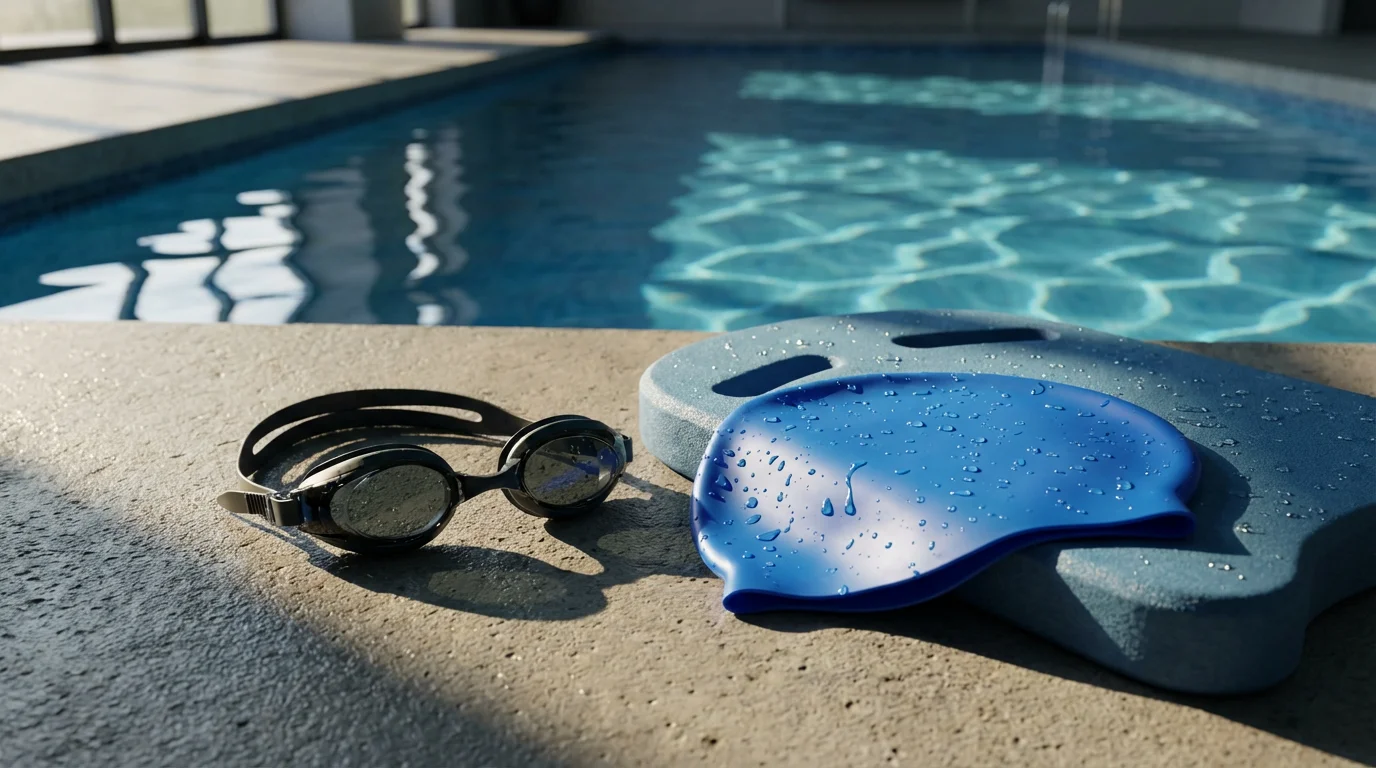
You don’t need a lot of specialized equipment to start `swimming`, but a few key items enhance your comfort, safety, and performance. Investing in the right gear makes your time in the pool more enjoyable and effective.
When Bill and I went shopping for my first swimsuit and goggles, he had a spreadsheet comparing all the features, of course!
- Comfortable Swimsuit: Choose a swimsuit designed for active wear, providing good support and freedom of movement. Many brands offer styles specifically for older adults, focusing on comfort and practicality. I found one with a little skirt that made me feel much more confident.
- Goggles: Protect your eyes from chlorine and improve your underwater visibility. A good pair of anti-fog goggles with a comfortable seal makes a significant difference. I love being able to see clearly under the water.
- Swim Cap: A swim cap keeps your hair out of your face, reduces drag, and helps maintain pool hygiene. Silicone caps are durable and comfortable. My hair is quite long, so a cap is a must for me!
- Aqua Shoes (Optional but Recommended): These shoes provide traction on slippery pool decks and in locker rooms, significantly reducing the risk of falls. They also protect your feet from rough surfaces or cold floors. I wouldn’t go without mine now, especially since I’m sometimes a bit clumsy on wet surfaces.
- Kickboard: A kickboard isolates your leg muscles, allowing you to focus on developing leg strength and improving your kick. It is also useful for buoyancy support if you need a break.
- Pull Buoy: A pull buoy, placed between your legs, helps you float, allowing you to focus solely on arm strength and stroke technique. This tool provides an excellent upper body workout.
- Water Bottle: Keep a water bottle poolside to ensure you stay hydrated throughout your swim.
Beyond Laps: Exploring Diverse Aquatic Activities
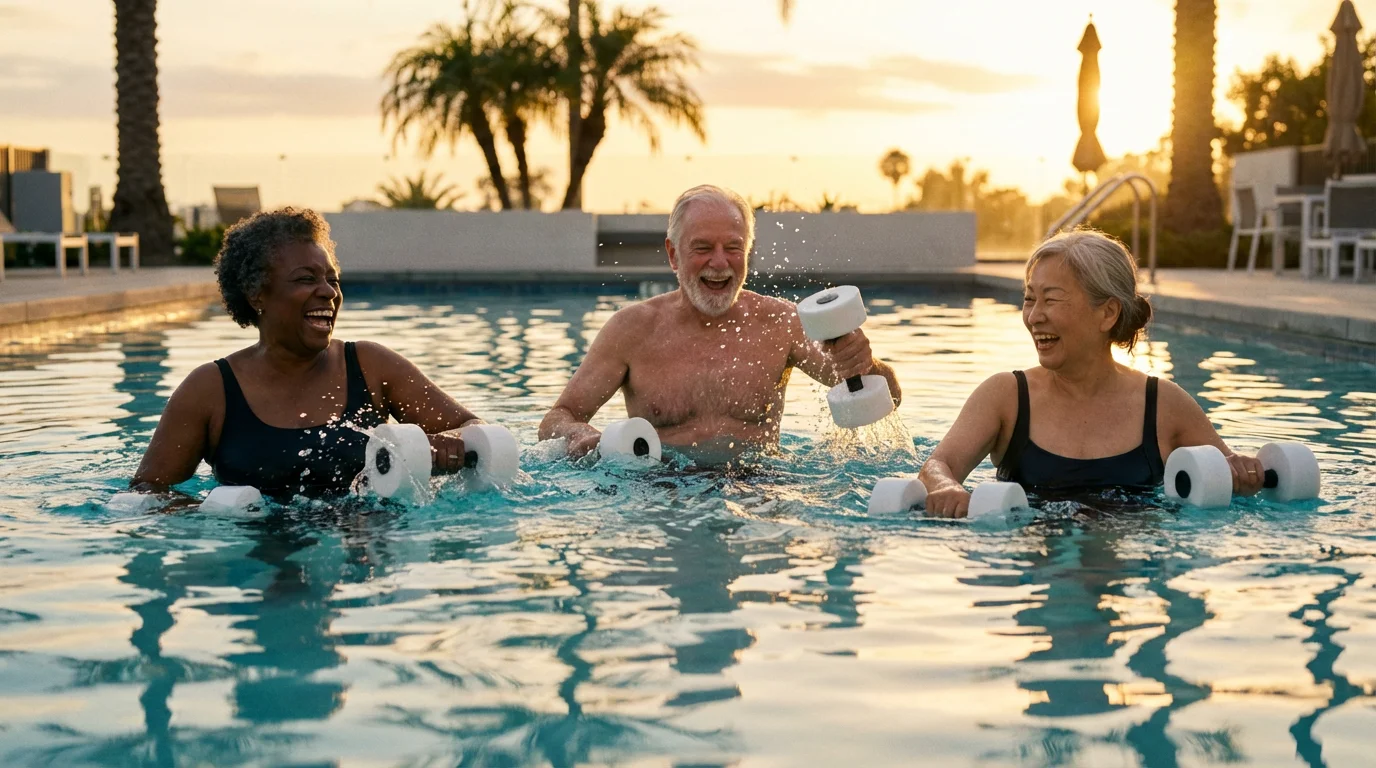
While traditional lap swimming offers fantastic benefits, the aquatic environment provides a rich array of other `senior exercise` options. Exploring different activities keeps your routine fresh and engaging. This is where I really found my “Florida family” – my three dear friends I met at the pool!
- Water Aerobics: These group classes utilize the resistance of water for a fun, low-impact cardio and strength workout. Instructors guide participants through various movements, often to music. Water aerobics is excellent for improving cardiovascular health, flexibility, and muscle tone. My friend Carol, who I met at the pool, convinced me to try a class, and now we go together twice a week! It’s so much fun.
- Water Walking or Jogging: Simply walking or jogging in the shallow or deep end provides excellent resistance training without impact. Use a buoyancy belt for deep-water jogging to keep your head above water. This is a superb cardiovascular workout that also strengthens your legs and core.
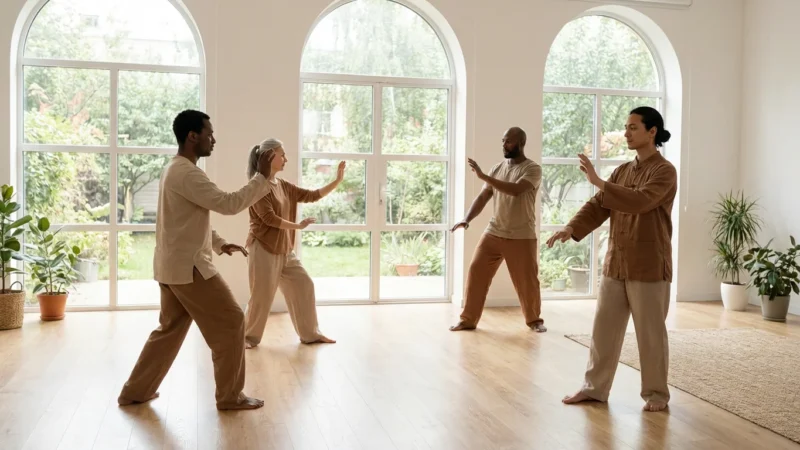
- Aquatic Yoga or Tai Chi: Many facilities offer modified yoga or Tai Chi classes in the water. The buoyancy supports your body, allowing for deeper stretches and improved balance without the fear of falling. These practices enhance flexibility, calm the mind, and reduce stress.
- Therapy Pool Exercises: If you are recovering from an injury or managing chronic pain, a therapy pool (often warmer than a standard pool) provides an ideal environment for gentle rehabilitation exercises. A physical therapist can recommend specific movements to aid recovery.
- Resistance Training with Aqua Dumbbells: Foam dumbbells or noodles add resistance to your water workout, helping you build upper body strength. The buoyant nature of these tools makes pushing them through water an effective challenge.
Diversifying your aquatic routine helps target different muscle groups and keeps boredom at bay. I often combine my morning laps with a water aerobics class, or sometimes I just enjoy chatting with my friends while we walk in the shallow end.
The possibilities are vast, ensuring you find an activity that aligns with your preferences and fitness goals.
Staying Motivated and Overcoming Common Concerns
Starting a new exercise program is often easier than maintaining it long-term. Many of us encounter hurdles that can derail our progress. Understanding these common concerns and developing strategies to overcome them helps you stay consistent with your `low-impact` swimming routine.
I know I had my own hesitations, just like when I was reluctant to move to Florida in the first place!
Addressing Fear of Water or Lack of Confidence
If you are not a strong swimmer or feel uneasy in the water, start in the shallow end. Focus on gentle movements and getting comfortable with your face in the water. Adult swimming lessons provide a supportive environment to build confidence and develop essential skills.
Remember, many aquatic exercises do not require strong swimming abilities. I always tell new people at the pool, “Just get in and splash around a bit! You’ll be surprised how good it feels.”
Body Image Concerns
Some individuals feel self-conscious about wearing a swimsuit. Focus on the incredible health benefits you are gaining. Choose a swimsuit style that makes you feel comfortable and secure.
Remember that the pool environment is typically non-judgmental, with people of all shapes, sizes, and ages focusing on their own fitness journeys. I used to worry about this too, but honestly, once you’re in the water, everyone is just focused on enjoying themselves.
And I always remind myself, I’m doing this for *me* and my health, not for anyone else’s eyes.
Finding Time in Your Schedule
Retirement offers more flexibility, but scheduling still matters. Treat your swim sessions like important appointments. Block out specific times in your calendar and commit to them. Even short, consistent swims are more beneficial than sporadic, intense ones.
Consider swimming with a friend; mutual accountability increases attendance. I make sure my swim time doesn’t interfere with my Sunday morning baking, or my watercolor painting, but it’s a fixed part of my week now, just like Bill’s pickleball.
Combating Boredom
Repetitive workouts can become monotonous. Vary your routine by:
- Trying different strokes (freestyle, backstroke, breaststroke).
- Incorporating aquatic fitness classes.
- Using different equipment, like a kickboard or pull buoy.
- Listening to waterproof music (if allowed and safe).
- Focusing on specific goals, such as improving your lap time or mastering a new stroke.
Managing Physical Limitations
Swimming is highly adaptable. If you have specific limitations, discuss them with a swim instructor or your doctor. They can suggest modifications or alternative exercises that accommodate your needs.
For instance, using a noodle for extra buoyancy can help if you have difficulty staying afloat, or focusing on water walking can be beneficial if full swimming strokes are challenging.
The National Institute on Aging provides extensive resources on exercising with chronic conditions, highlighting how physical activity like swimming can be tailored for safety and effectiveness. I found that even with my occasional aches and pains, there’s always a way to adjust my routine so I can still enjoy the water.
Frequently Asked Questions
Is swimming good for arthritis?
Oh, absolutely! Swimming is exceptionally beneficial for arthritis. The buoyancy of water supports your body weight, significantly reducing stress and impact on your joints. This allows you to move and exercise with greater ease and less pain.
I’ve found it makes such a difference for my own knees and hips. The gentle resistance of the water also helps improve joint flexibility and strengthen the muscles surrounding your joints, which can alleviate symptoms and improve mobility.
How often should a senior swim?
For most of us, aiming for 2-3 swimming sessions per week provides excellent health benefits. Each session should last at least 30 minutes, including warm-up and cool-down. As your stamina improves, you can gradually increase the duration or frequency.
Listen to your body and adjust your schedule based on how you feel. Consistency is more important than intense, infrequent workouts. I try to go three times a week, and I always feel so much better afterward!
Do I need to be a strong swimmer to start?
Goodness, no! You do not need to be a strong swimmer to begin an aquatic exercise routine. Many beneficial water activities, such as water walking, water aerobics, or simply treading water, require minimal swimming skills.
Adult swimming lessons are widely available if you wish to learn proper strokes and build confidence in the water. Focus on getting comfortable and moving your body in the aquatic environment. I certainly wasn’t a strong swimmer when I started, and look at me now!
Can swimming help with weight loss?
It certainly can! Swimming is a full-body workout that burns a significant amount of calories. Regular swimming, combined with a balanced diet, effectively contributes to weight loss and maintenance.
The resistance of the water helps build lean muscle mass, which further boosts your metabolism and calorie-burning potential, even at rest. It certainly helps me keep up with my grandchildren without getting winded!
What if I have balance issues?
Swimming and water-based exercises are excellent for individuals with balance issues. The supportive nature of water greatly reduces the risk of falling, allowing you to practice movements that enhance balance and coordination in a safe environment.
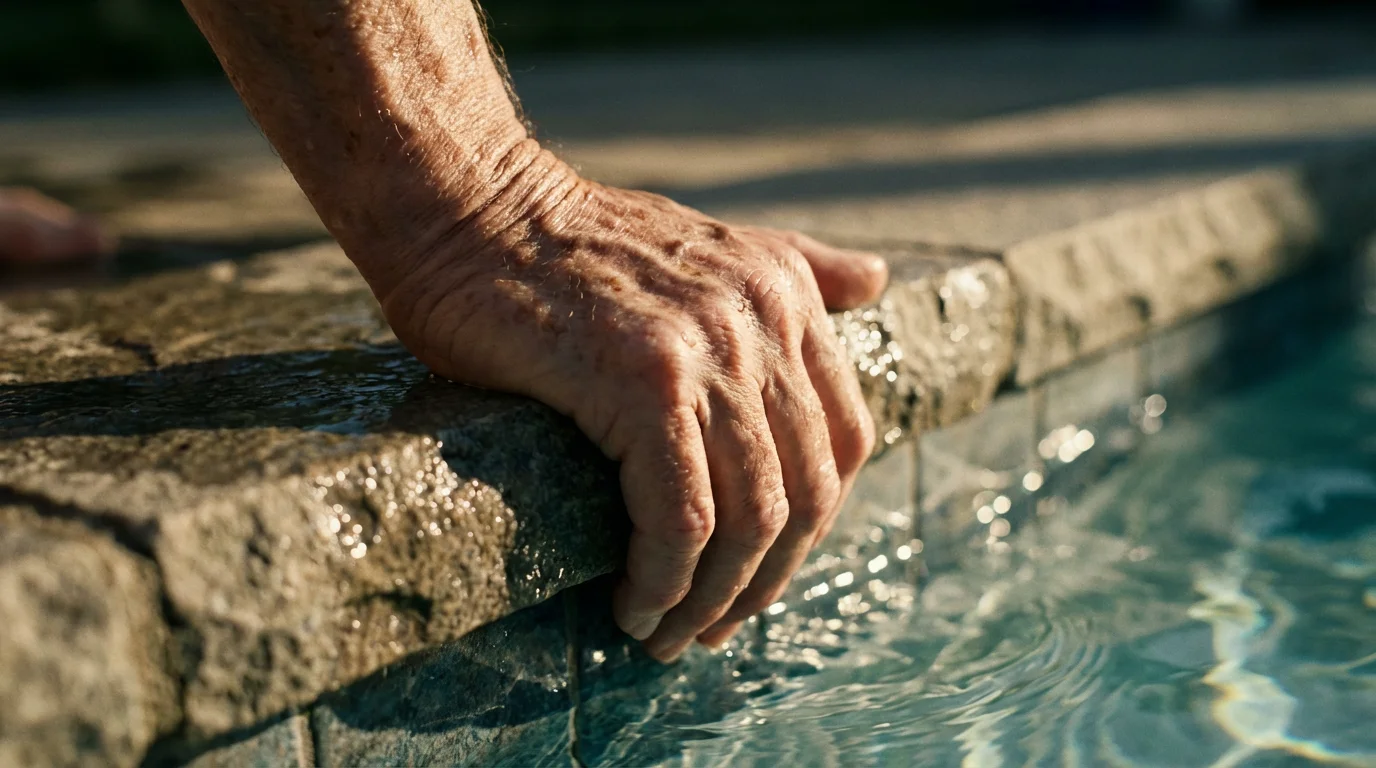
Water walking, gentle aquatic aerobics, and holding onto the side of the pool for support are all effective ways to improve stability without the fear of falling. I found it really helped me feel more confident on my feet, both in and out of the water.
Disclaimer: This article is for informational purposes only and does not constitute medical advice. Before starting any new exercise program or making significant changes to your activity level, please consult with your healthcare provider, especially if you have chronic health conditions or concerns about physical limitations.






Leave a Reply