
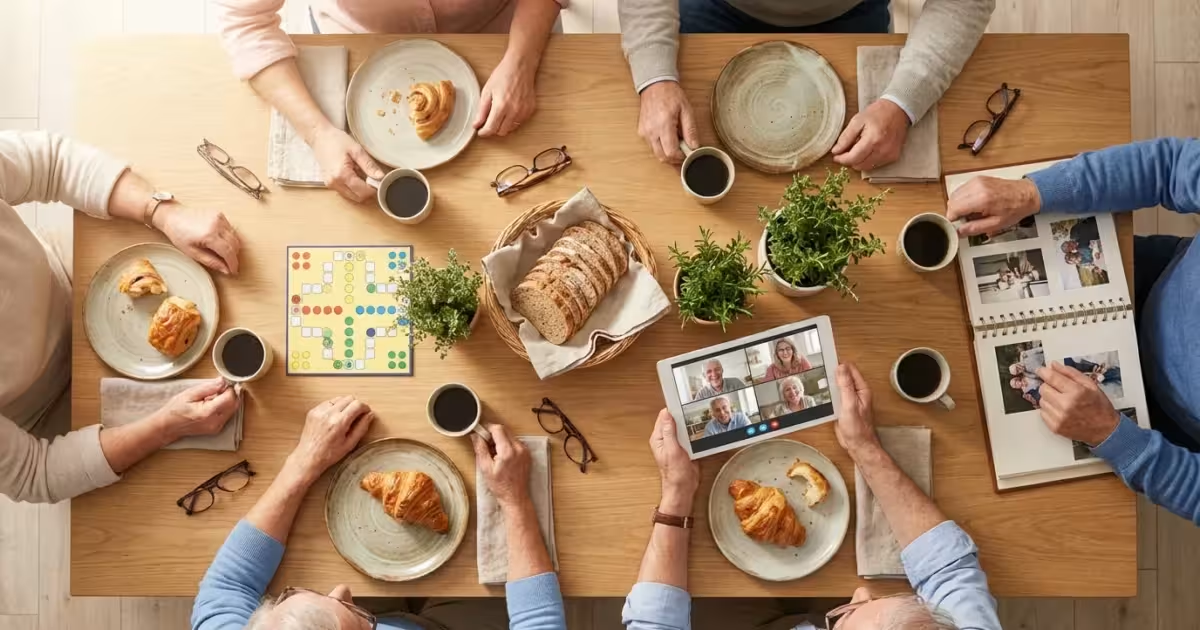
Retirement truly does open up a world of new possibilities, doesn’t it? After 36 years as an elementary school librarian in Columbus, Ohio, I certainly looked forward to the freedom from daily schedules.
But I have to be honest, it also brought some unexpected challenges, especially when it came to finding my footing socially. When Bill retired a year before me and started talking about moving to Florida, my biggest fear wasn’t leaving our 2,400 sq ft colonial on Elmwood Drive – well, actually, it was a huge fear! I loved that house and my garden! But it was also leaving the community, the friends, and the routine that had been my social anchors for decades.
I found out quickly that maintaining those robust social connections isn’t just about having fun; it really impacts how you feel every single day. Strong bonds truly do bolster your mind, reduce stress, and, dare I say, make you feel younger!
Bill and I have learned how important it is to proactively build and nurture a fulfilling social life. It truly enriches this whole retirement experience.
So, I wanted to share some of what I’ve learned, along with some practical strategies, to help you stay connected, engaged, and vibrant, no matter where you are in your retirement journey.
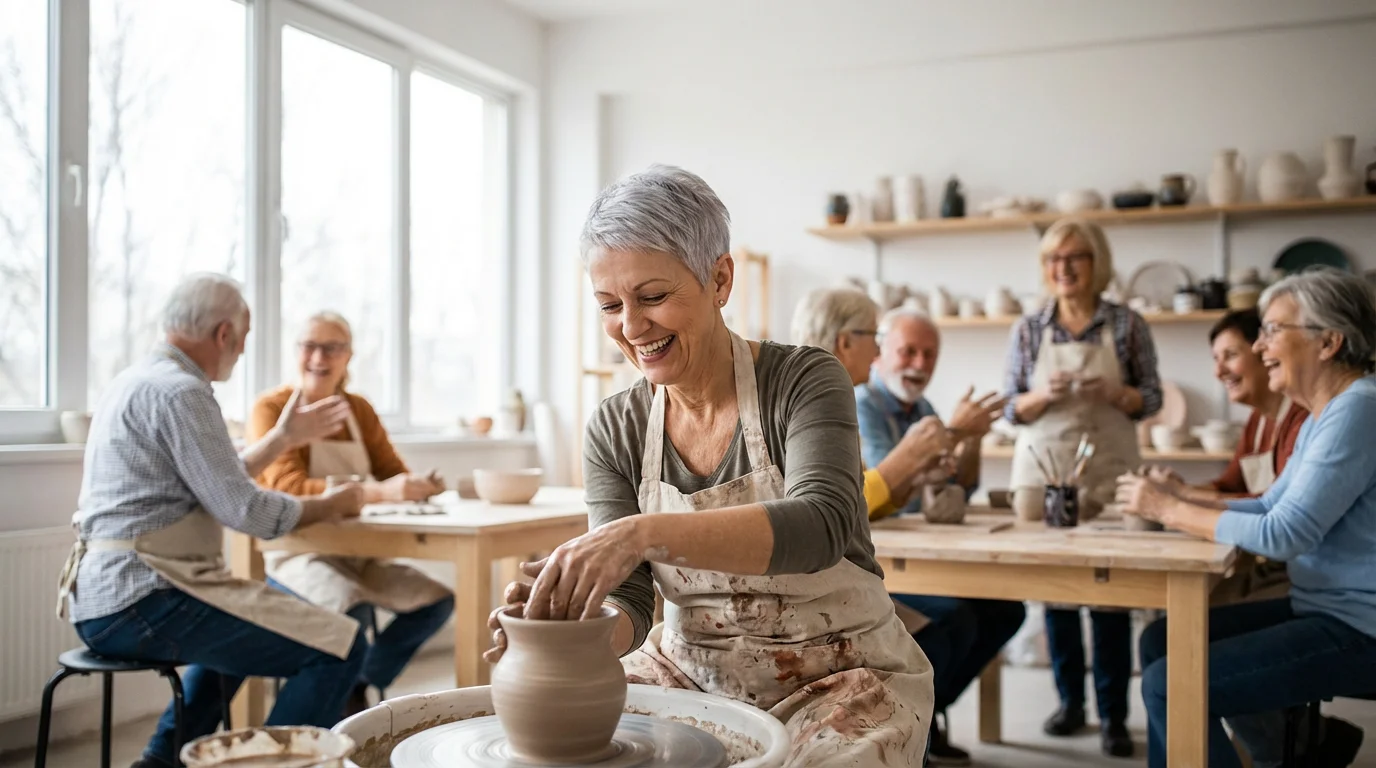
The Power of Social Connection in Retirement
We humans are just naturally social creatures, aren’t we? Our brains absolutely thrive on interaction, and I know my spirit is certainly lifted by shared experiences.
When Bill and I first moved to Hawthorn Ridge in Sarasota, Florida, after 44 years in Columbus, I worried I’d never find that feeling again. But maintaining these vital connections becomes even more critical in retirement.
It acts as a wonderful buffer against so many of the challenges that can come with getting older.
Research consistently shows a strong correlation between social engagement and improved health outcomes. Actively participating in social groups can significantly reduce your risk of feeling down or anxious.
It also helps keep your mind sharp and engaged, which is something I definitely appreciate. Here in Florida, I’ve made three genuine friends that I call my “Florida family,” and they have truly given me a sense of belonging, purpose, and mutual support that enhances my daily life in ways I never expected. They’re just wonderful.
Understanding and Combating Senior Loneliness
I can tell you firsthand that loneliness in retirement is a very real thing. That transition, especially for me, involved fewer daily interactions than I was used to. My kids, Karen, Michael, and Susan, live far away, and my old friends in Ohio have their own lives.
In those first three months after we moved to Sarasota, I really struggled. I missed my garden in Columbus, my daily routine at the library, and just seeing familiar faces. That reduction in social contact truly led to feelings of isolation and loneliness for me.
It’s important to recognize that loneliness isn’t just about being alone; you can feel lonely even when people are around if those interactions don’t feel deep or meaningful.
Recognizing those feelings was the first step for me. I definitely noticed a decrease in my energy and just a general feeling of sadness. If you or someone you know experiences these feelings, it’s crucial to understand that help and solutions are absolutely available.
I promise you, there are so many strategies to proactively combat loneliness and foster a rich social life.
I found these actions really helped me prevent or mitigate those lonely feelings:
- Reaching out to old friends and family members – thank goodness for phone calls!
- Exploring new hobbies that involve group participation, even if you’re not very good at them (more on that later!).
- Joining clubs or organizations aligned with your interests.
- Utilizing technology to connect with loved ones who live far away, like my grandkids Lily and Noah.
- Considering volunteering, which provides purpose and social interaction (Bill is a pro at this!).
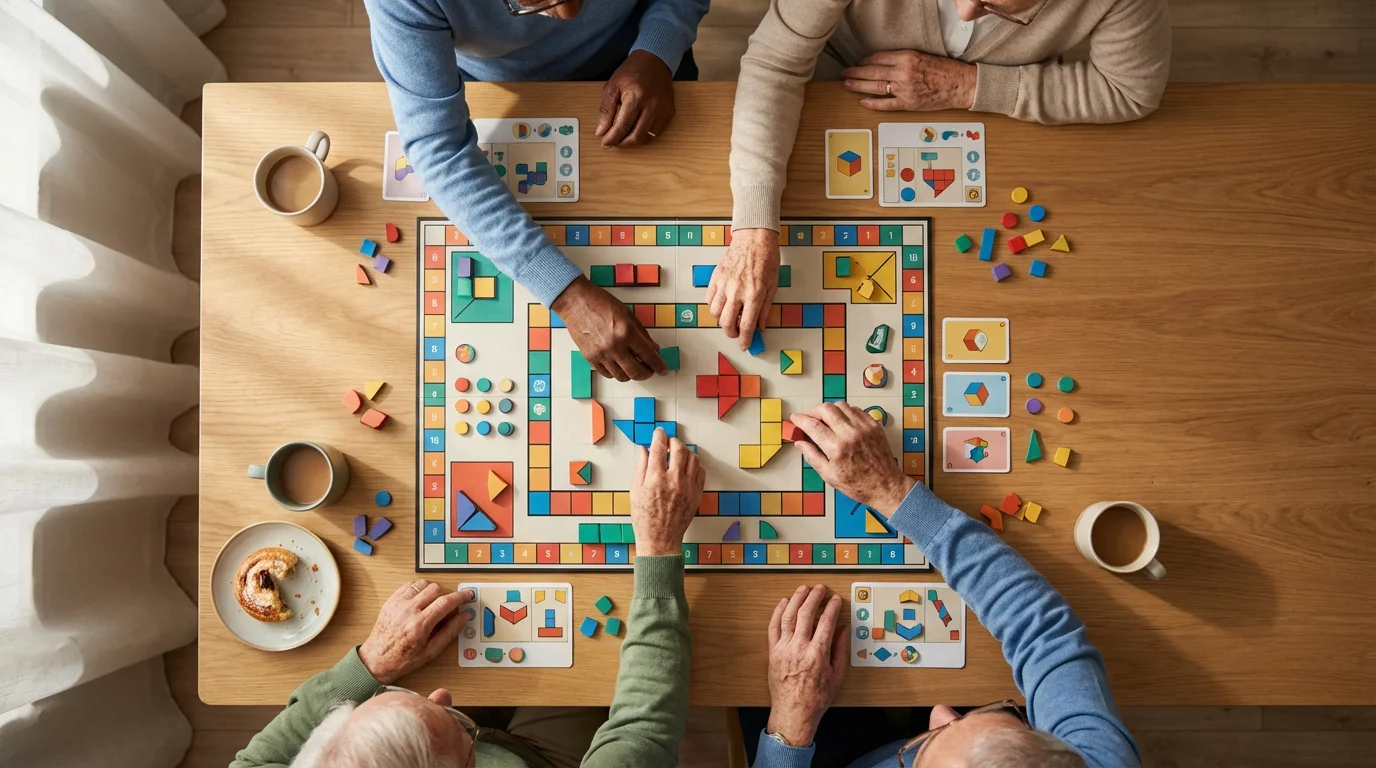
Rekindling Old Friendships and Making New Ones
Retirement really is the perfect time to reconnect with people you might have lost touch with. I’ve found so much joy in calling up old librarian colleagues from Columbus or even a few college friends I hadn’t spoken to in years.
It’s amazing how a simple phone call can bridge decades of separation. We reminisce and build new shared experiences, and it’s truly wonderful.
Making new friends is just as rewarding, and for me, it was essential after our big move. It introduces you to fresh perspectives and really expands your horizons. I remember feeling so shy at first, but I learned to approach new social situations with an open mind and a friendly smile.
Bill always jokes that I “talk to strangers at the pool,” but it’s true! Most people are just hoping for a connection, and striking up conversations, even about the weather, can lead to lasting bonds. That’s how I met two of my Florida family friends!
Here are some practical tips that really helped me nurture new and existing friendships:
- Initiate Contact: Don’t wait for others to reach out. I learned to just pick up the phone, send a text, or email friends and suggest a coffee, a meal, or even just a walk around the community.
- Be Present: When I’m with my friends, I try to put my phone away and give them my full attention. Active listening truly strengthens those bonds.
- Share Interests: Suggest activities you both enjoy. My friends here and I love to go to the community center for painting, even though I’m not good at watercolor and don’t care! It creates shared experiences.
- Be Reliable: Follow through on your commitments. Being trustworthy builds confidence and deepens friendships.
- Offer Support: Be there for your friends during good times and challenging times. Mutual support is truly the cornerstone of strong relationships.
Finding Your Community: Where to Look for Social Groups
Identifying where to find like-minded individuals was probably the biggest hurdle for me when we first moved. Fortunately, our 55+ active adult community, Hawthorn Ridge, has been a fantastic resource.
Bill, being the methodical engineer he is, researched 55+ communities for two full years and built a comparison matrix with 14 variables before we moved! He was right about the move, and I’ll admit it now, but I still tease him about the spreadsheets.
What he found was that communities like ours offer a wide array of opportunities right at your fingertips.
Local senior centers are fantastic resources. They offer a diverse calendar of events, from card games and craft classes to fitness programs and day trips. Many centers also provide transportation and meal services, making participation easier.
Community centers, libraries, and places of worship also host numerous social gatherings and interest groups. It’s truly about exploring options that align with your interests, ensuring genuine engagement.
Consider these common places to find social groups:
- Senior Centers: Offering a wide range of activities specifically for older adults.
- Community Centers: Often have clubs for various hobbies, fitness classes, and social events.
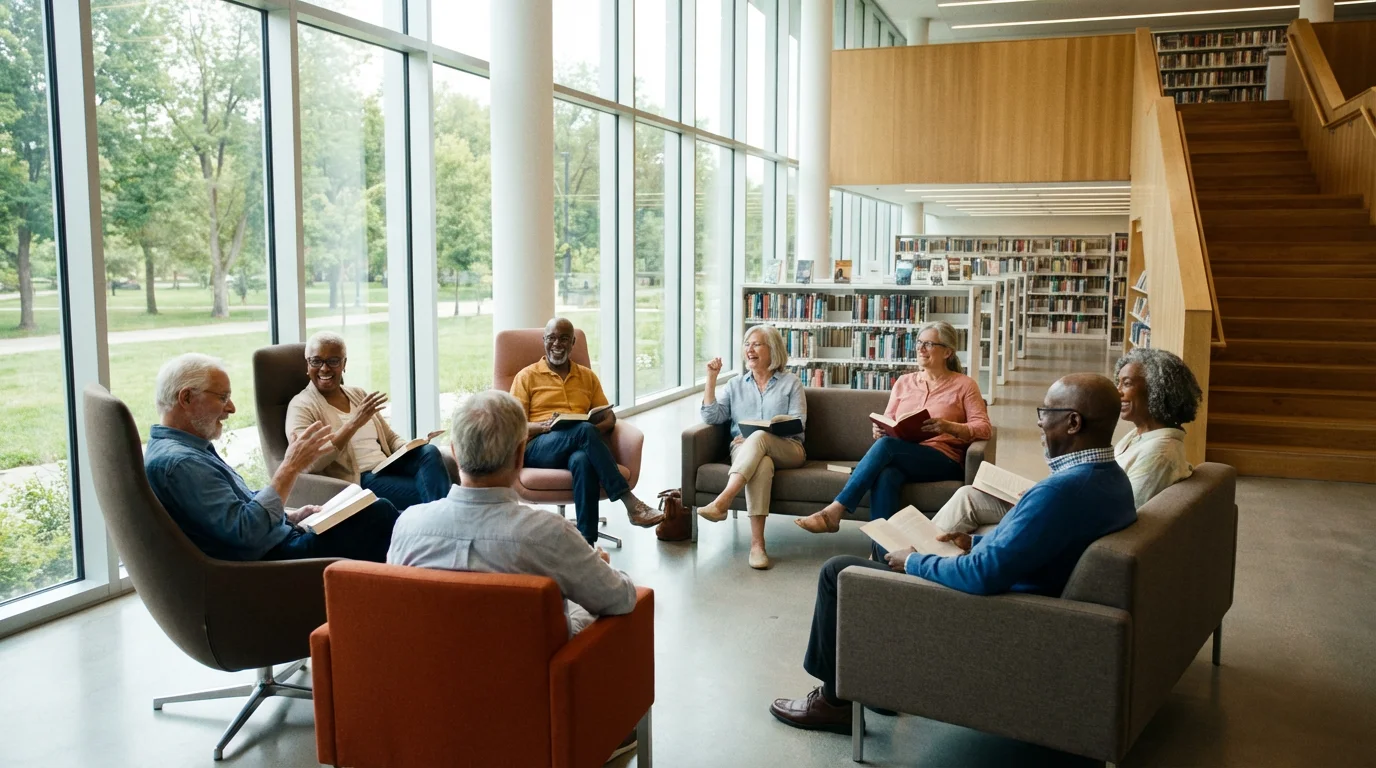
- Libraries: Host book clubs, lecture series, computer classes, and other community gatherings.
- Places of Worship: Provide spiritual community, volunteer opportunities, and social events.
- Local Colleges or Universities: Many offer continuing education courses or Osher Lifelong Learning Institutes (OLLI) programs for older adults, providing intellectual stimulation and social interaction.
- Fitness Centers: Group fitness classes like yoga, Zumba Gold, or water aerobics are excellent for meeting people with similar health goals. Programs like SilverSneakers offer fitness benefits and a strong social component. Bill actually plays pickleball four mornings a week here!

Embracing Technology for Connection
Oh, technology! Bill is much better at it than I am, but it truly offers incredible tools for bridging distances and staying connected in retirement. While I initially found it a bit intimidating, learning to use my smartphone and tablet has opened up a world of social possibilities.
I can easily communicate with my children, Karen, Michael, and Susan, and especially my grandchildren, Lily and Noah, even though they live in Cincinnati, Seattle, and Austin!
Video calls, through platforms like Zoom or FaceTime, allow me to see and speak with my loved ones in real time. That visual connection is so powerful, especially for keeping up with Lily and Noah.
I love seeing their little faces! Social media platforms also enable me to keep up with friends, share updates, and join groups based on shared interests. I’ve even found a few baking groups online where I can share recipes for my Sunday morning creations!
Here are some practical steps I’ve taken to leverage technology for social connection:
- Start Simple: I began with my smartphone for easy calls, texts, and sharing photos of my grandkids.
- Video Calls: I learned to use one video calling app. My daughter Karen helped me set it up, and now I can chat with Lily and Noah whenever I want!
- Social Media: I explored Facebook to connect with old friends and join interest groups. I made sure to adjust my privacy settings to my comfort level.
- Online Classes and Groups: I’ve even looked into a few virtual classes, which provide intellectual engagement and social interaction right from my living room.
- Tech Support: I definitely don’t hesitate to ask my kids or even the staff at our community center for help. They often offer free tech literacy classes.
Volunteerism and Giving Back: A Path to Connection
Volunteering truly provides a powerful avenue for socialization and purpose in retirement. Bill is a wonderful example of this! He volunteers at a local food bank every Thursday, and he absolutely loves it.
He comes home with the best stories about the people he meets and the difference they make. Contributing your time and skills to a cause you care about offers immense personal satisfaction.
It also places you in regular contact with other dedicated individuals who share your values. Many retirees, like Bill, find that volunteering becomes a cornerstone of their new social life.
When you volunteer, you not only make a tangible difference in your community, but you also expand your social circle. You meet people from diverse backgrounds, all united by a common goal. This shared experience fosters camaraderie and often leads to deep, meaningful friendships.
Organizations of all types truly welcome the experience and wisdom that we bring.
Consider these diverse volunteer opportunities – I’m still thinking about finding something for myself:
- Hospitals and Healthcare Facilities: Greet visitors, assist patients, or work in gift shops.
- Schools and Libraries: Tutor children, read to students, or assist with shelving and programs. (This one definitely calls to my librarian heart!)
- Animal Shelters: Walk dogs, cuddle cats, or help with administrative tasks.
- Environmental Groups: Participate in park cleanups, trail maintenance, or conservation efforts.
- Museums and Cultural Institutions: Serve as a docent, administrative assistant, or event helper.
- Community Food Banks: Help sort donations, pack meals, or distribute food to those in need. (Like Bill!)
- Mentorship Programs: Share your professional experience and wisdom with younger generations.
You can explore platforms like VolunteerMatch to find opportunities aligned with your skills and interests in your local area.

Hobbies and Activities That Foster Socialization
Retirement is truly the perfect time to pursue those long-held hobbies or discover entirely new ones! I recently took up watercolor painting, and let me tell you, I am not good at it, and I really don’t care! But it’s a wonderful way to spend an afternoon with my Florida family friends, and we always have such a laugh.
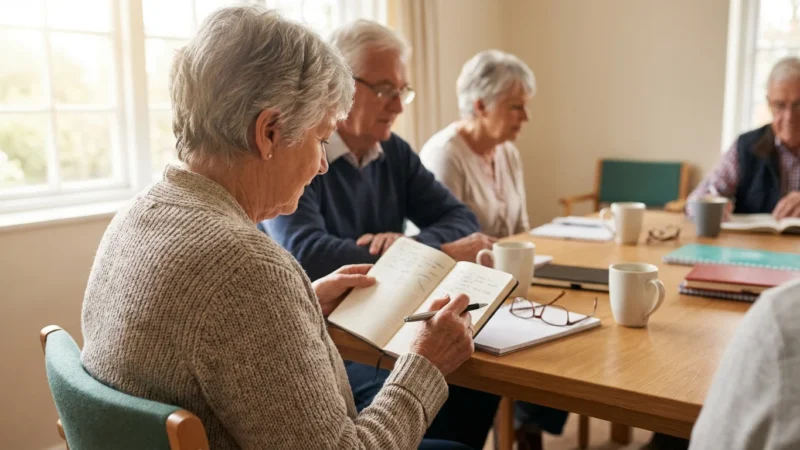
Many activities naturally bring people together, providing built-in opportunities for socialization. Choosing hobbies that involve group participation is an excellent strategy for expanding your social circle. These shared interests create instant common ground and spark engaging conversations.
Consider activities that challenge you mentally or physically, as these often have strong community aspects. Learning a new skill in a class setting, joining a sports league (like Bill with his pickleball!), or participating in a creative workshop are all fantastic ways to meet new people. The shared learning experience or friendly competition truly fosters bonds and encourages interaction.
Examples of hobbies and activities that encourage socialization:
- Group Fitness Classes: Yoga, Pilates, Zumba Gold, water aerobics, or tai chi are excellent. Always consult your doctor before starting new exercise programs. The National Institute on Aging provides valuable resources on safe exercise for older adults.
- Book Clubs: Discussing literature provides intellectual stimulation and fosters lively conversations.
- Art Classes: Painting, pottery, sculpting, or drawing classes offer a creative outlet and a shared experience. (My watercolor group is proof of this!)
- Music Groups: Join a choir, band, or learn a new instrument in a group setting.
- Card and Board Games: Bridge clubs, mahjong groups, chess clubs, or weekly board game nights are popular.
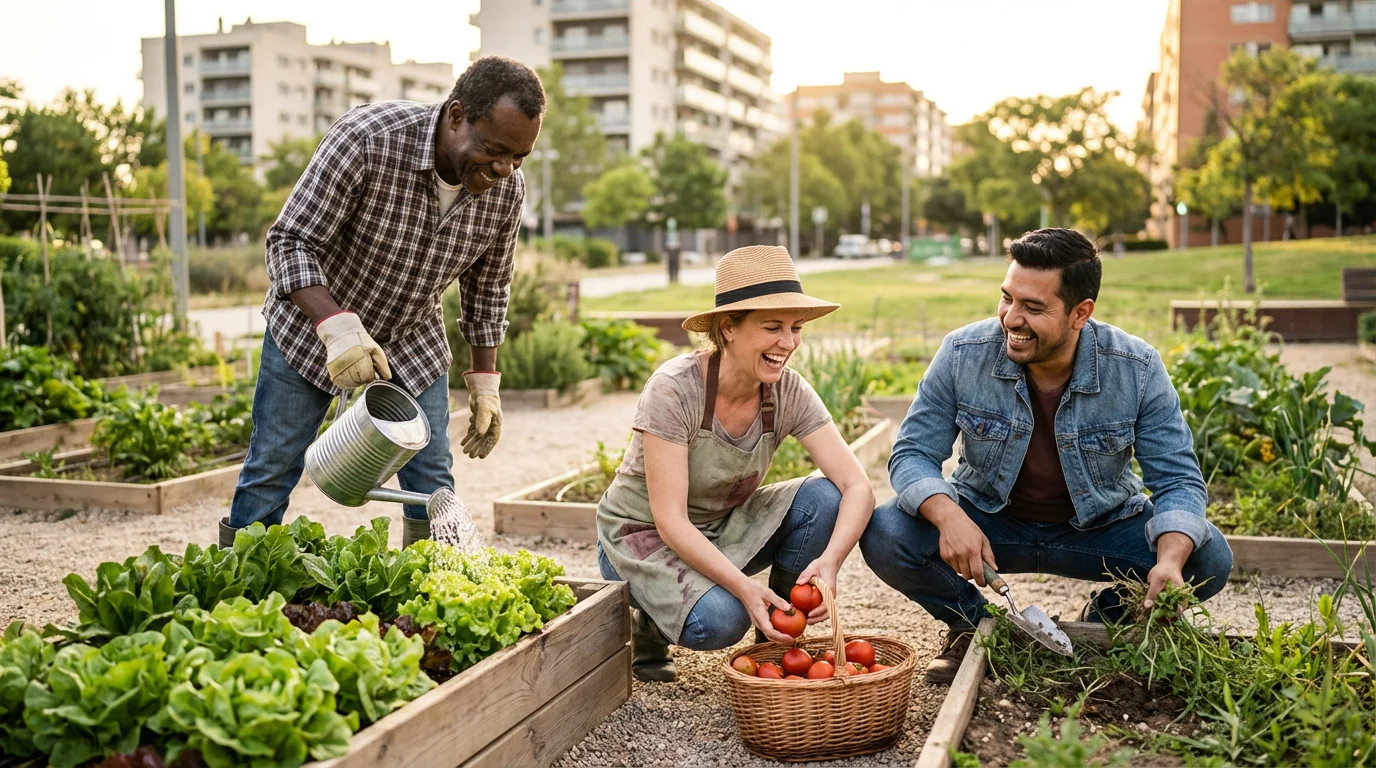
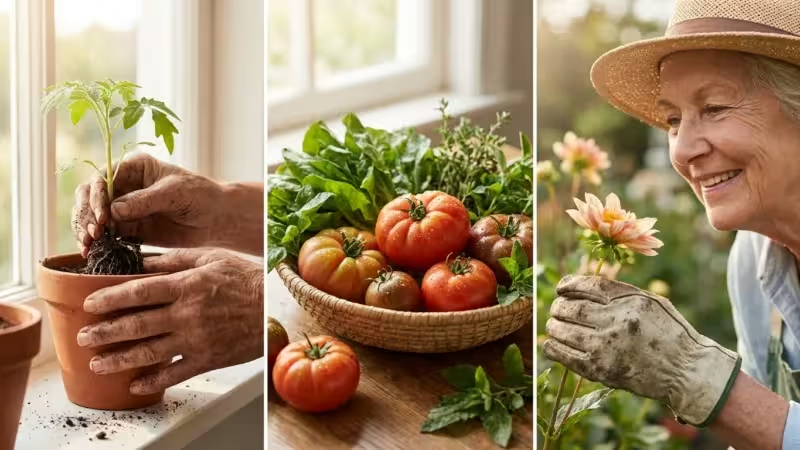
- Gardening Clubs: Share tips, swap plants, and work on community garden projects. (I miss my Columbus garden, so this might be next for me!)
- Dance Classes: Ballroom, line dancing, or folk dancing are fun ways to stay active and meet people.
- Sports Leagues: Pickleball, golf, tennis, or bowling leagues offer friendly competition and regular interaction.
Travel and Group Adventures
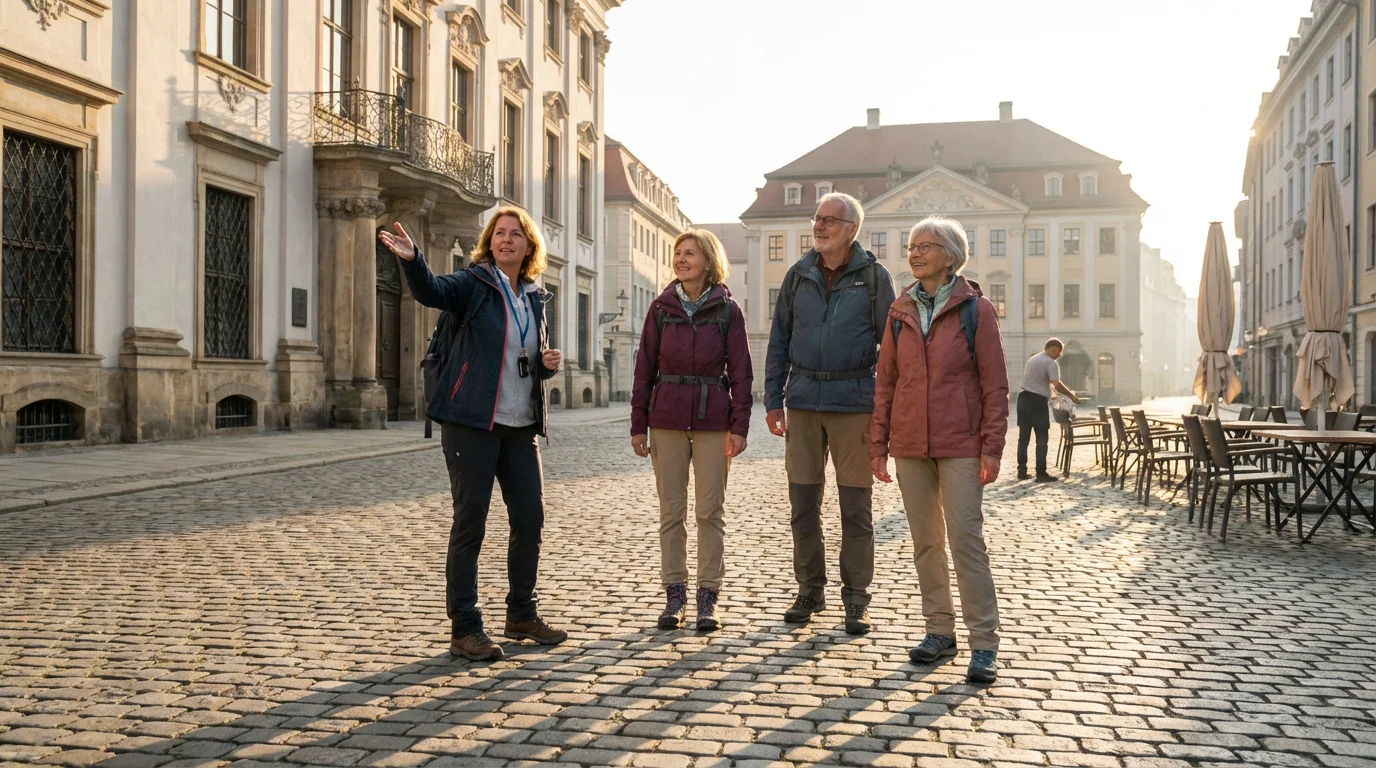
If you enjoy exploring new places, group travel can be an incredible way to combine adventure with socialization. Bill and I haven’t done much group travel yet, but it’s definitely on our list.
When our kids were growing up, we took them on so many road trips, and those shared experiences created such lasting family memories. Many travel companies specialize in tours for retirees, designing itineraries that cater to diverse interests and activity levels.
These trips often include organized activities, meals, and plenty of opportunities to bond with your fellow travelers.
Imagine exploring historical sites, cruising scenic waterways, or experiencing different cultures with a group of like-minded individuals. The shared excitement of discovery and the camaraderie formed during travel often lead to lasting friendships.
You create unforgettable memories and build connections that extend far beyond the duration of the trip. Companies like Road Scholar offer educational travel adventures specifically designed for older adults.
Benefits of group travel for us:
- Built-in Companionship: You are automatically part of a group with shared interests.
- Reduced Planning Stress: Tour operators handle logistics, allowing you to relax and enjoy.
- Safety and Support: Traveling with a group provides an added layer of security and assistance.
- Shared Experiences: Exploring new places together creates strong bonds and memories.
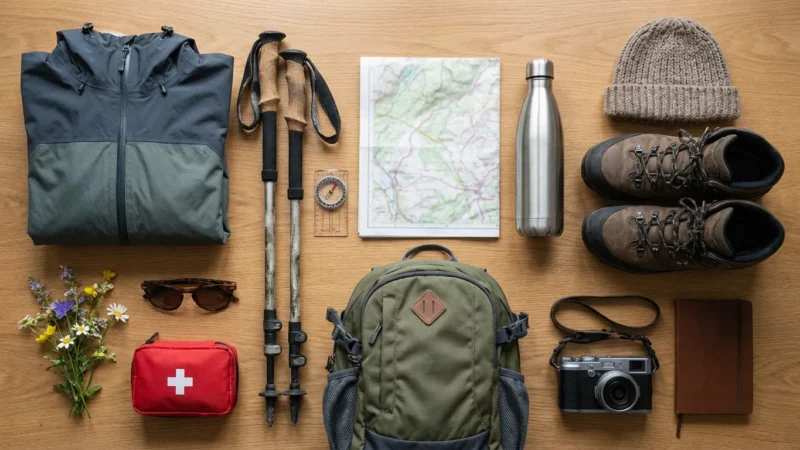
- Diverse Itineraries: Options range from relaxing cruises to adventurous hiking trips, catering to various preferences.

Cultivating a Positive Mindset for Social Engagement
Oh, this one is so important, and I can speak from personal experience! Your attitude truly plays a significant role in your social life. I resisted the move to Florida for nearly two years, and I even cried when we sold our house on Elmwood Drive.
It took me a full year to adjust to Hawthorn Ridge, and during that time, I realized how much my own mindset was holding me back. Approaching new interactions with optimism and openness makes you so much more approachable and receptive to connection.
I had to learn that building a strong social network takes effort and time, but the rewards are absolutely immeasurable. I truly was wrong to resist the move, and I’ll openly admit it now.
Once I started focusing on the positive aspects of each interaction, even small things like striking up a conversation with a new person at the pool or attending my watercolor class, everything started to shift.
Remember that everyone desires connection, and taking the initiative often leads to positive responses. Embracing a mindset of curiosity and friendliness truly empowers you to create the vibrant social life you envision.
By month six, I was the one telling friends in Ohio they should do it too, and now, two years later, Bill and I both agree it was the best decision of our retirement.
Here are some key elements of a positive social mindset that helped me:
- Be Open: Welcome new experiences and new people into your life.
- Be Curious: Ask questions, listen actively, and show genuine interest in others.
- Be Resilient: Not every interaction will lead to a deep friendship, and that is perfectly fine. Keep trying.
- Be Proactive: Don’t wait for invitations; actively seek out opportunities to connect.
- Be Authentic: Let your true personality shine through. Genuine connections are built on authenticity.
Frequently Asked Questions
How can I combat loneliness in retirement?
I found that actively seeking out social opportunities made all the difference! Join local clubs, volunteer your time (like my Bill does!), attend classes that interest you, or connect with friends and family using technology.
Engaging in shared interests, whether it’s a book club or a group fitness class, truly creates wonderful new connections.
Where can I find social groups?
You can find social groups in so many places! Try senior centers, community centers, libraries, your place of worship, and local colleges that offer continuing education. Fitness centers also have great group exercise classes.
I found my “Florida family” right here in our 55+ community, and I’m always talking to new people at the pool. Online platforms and local newspapers often list community events and clubs too.
What are the benefits of maintaining friendships in retirement?
Maintaining friendships in retirement offers so many wonderful benefits. For me, it truly enhanced my emotional well-being, helped me get past those initial feelings of sadness, and definitely boosts my cognitive health.
My friends here provide such a strong support system. They offer companionship, shared experiences, and a real sense of belonging, which enriches my daily life immensely.
Is technology helpful for senior socialization?
Oh, absolutely! Technology has been incredibly helpful for me. Video calls allow me to connect with my distant family and especially my grandchildren. Social media platforms help me keep up with loved ones and join groups based on my interests, like baking.
And many online classes and virtual events offer both intellectual stimulation and social interaction, all from the comfort of my home.
How often should I socialize to stay healthy?
While there isn’t a magic number, I’ve found that regular, meaningful social interaction is so beneficial. I aim for a few good interactions each week, whether it’s in person, by phone, or through video calls with my grandkids.
Consistency and the quality of your connections are often more important than just the sheer quantity of interactions.
Disclaimer: This article is for informational purposes only and does not constitute medical advice. Before starting any new exercise program or making significant changes to your activity level, please consult with your healthcare provider, especially if you have chronic health conditions or concerns about physical limitations.




Leave a Reply