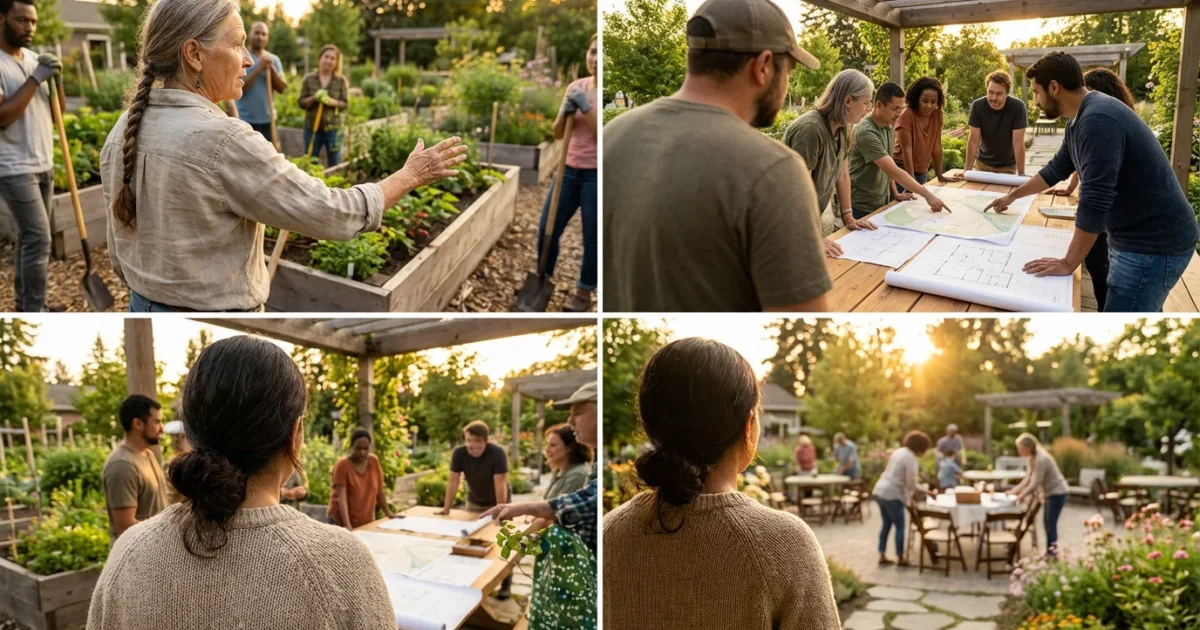
Retirement offers a wonderful opportunity for personal growth, renewed purpose, and deeper connections. Bill and I chose community living to enrich these aspects of our lives, seeking a vibrant environment where we could thrive socially and continue to contribute.
I remember feeling so lost those first few months in Florida, after leaving our home on Elmwood Drive. But a truly exceptional community empowers its residents, providing avenues for us to shape our environment and maintain a strong sense of independence and purpose.
This commitment to resident-led initiatives has truly transformed Hawthorn Ridge from just a collection of homes into a dynamic, responsive, and truly connected neighborhood.
I’ve learned that we all play a vital role in creating the community we desire. Our insights, experiences, and leadership skills don’t diminish with age; they strengthen.
Embracing opportunities for active participation ensures our living environment reflects our values and preferences, fostering a richer experience for everyone. I’ve even found myself talking to strangers at the pool, something I never did back in Columbus!
The Power of Resident-Led Initiatives
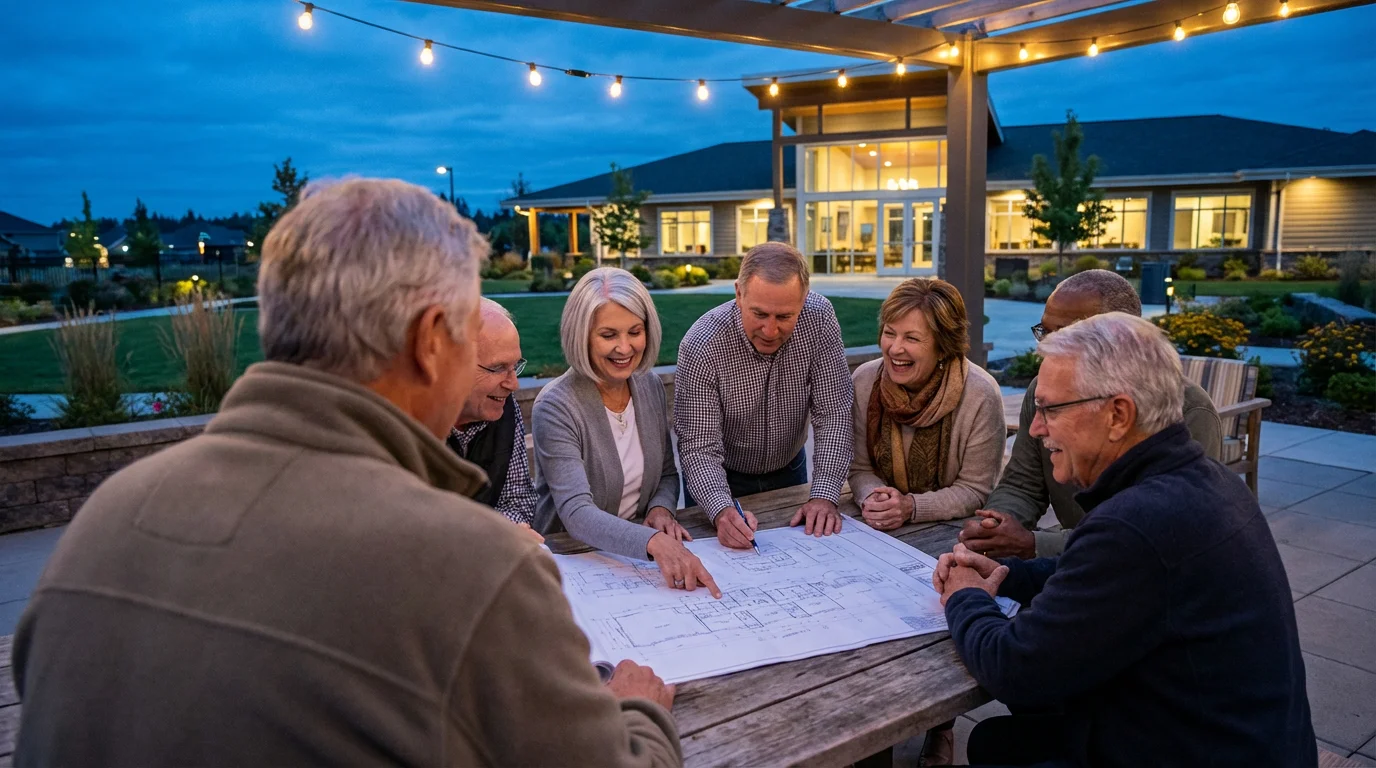
Resident-led initiatives are truly the heartbeat of our thriving 55+ community here in Hawthorn Ridge. These initiatives empower us to take an active role in shaping the daily life, social calendar, and future direction of our community.
When residents lead, communities become more vibrant, responsive, and reflective of the diverse needs and interests of their members. This approach moves beyond simply being a recipient of services; we become active co-creators of our living experience.
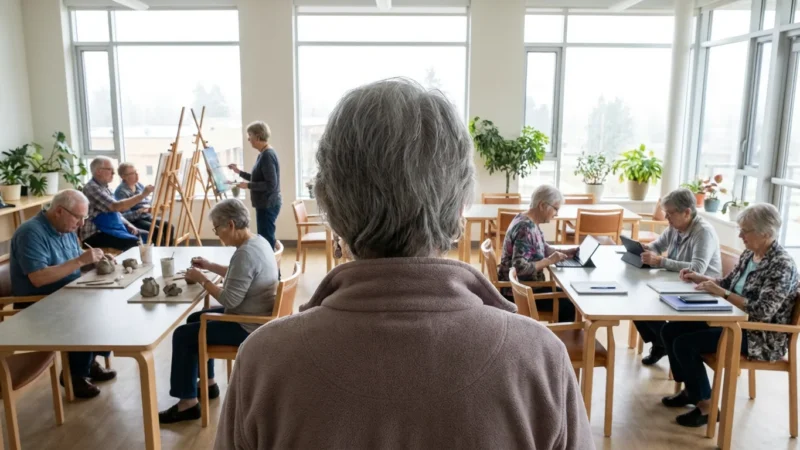
I’ve seen this firsthand with my watercolor group – it started with just a few of us chatting by the pool, and now we have a dedicated space and a weekly gathering!
These initiatives manifest in many forms. They can involve organizing social events, starting new clubs (like my not-so-good-but-very-fun watercolor group!), advocating for specific improvements, or even participating in the formal governance of the community.
Our involvement brings a wealth of lived experience and fresh perspectives, ensuring decisions truly benefit everyone. This direct influence enhances our sense of belonging and ownership, and it certainly helped me feel more at home after those first few hard months.

Understanding Community Governance Structures
Before you can lead, it’s important to understand how your chosen community makes decisions. Retirement communities often operate under various governance models, which dictate how much influence residents wield.
Knowing these structures helps you identify the best avenues for your contributions. Bill, being the civil engineer he is, researched all of this for two years before we even moved. He could probably recite our HOA bylaws in his sleep!
Many communities employ a resident council or resident association as a formal mechanism for resident input. These bodies typically serve as a liaison between residents and community management or ownership.
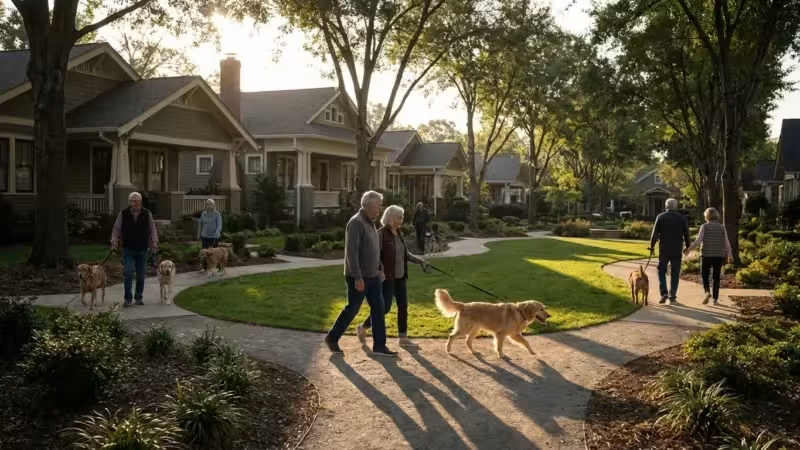
They provide a structured way for concerns to be heard and for new ideas to be proposed. Effective resident councils are crucial for fostering a collaborative environment, and I’ve seen our own council here make real changes, like getting better lighting for our evening walks.
Other communities might be structured as homeowner associations (HOAs) with elected boards of directors. In these cases, residents directly elect their peers to make decisions about community finances, rules, and common areas.
This model offers direct senior leadership opportunities and can provide significant resident control over community affairs. Research from organizations like AARP highlights the importance of resident engagement in creating livable communities, showing that active participation improves overall quality of life.
Even though I relied on Bill for the detailed research, I did make sure to ask about how friendly and approachable the HOA board seemed when we visited Hawthorn Ridge.

Benefits of Active Resident Participation
Engaging in resident-led initiatives brings a multitude of benefits, not only for the community but also for us personally. These advantages extend beyond mere social interaction, contributing to our overall well-being and sense of purpose.
- Enhanced Social Connection: Participating in groups or committees helps you meet new people with shared interests. These interactions often lead to deeper friendships, building a stronger social network and combating feelings of isolation. This is how I found my “Florida family” – my three wonderful friends here.
- Sense of Purpose and Contribution: Leadership roles or active involvement provide a renewed sense of purpose. You contribute your skills and wisdom, knowing your efforts directly improve your living environment. I may not be running a school library anymore, but I still feel like I’m contributing when I bring my Sunday morning baked goods to our weekly coffee hour.
- Greater Autonomy and Control: When residents have a voice, the community better reflects their desires. This direct influence means you live in a place tailored to your preferences, fostering independence. It makes this new house feel like our home, not just a place we moved to.
- Improved Community Life: Resident input often leads to new amenities, better programming, and a more responsive management team. Our ideas spark innovation and positive change. We recently got a new bocce ball court because so many residents asked for it!
- Mental and Physical Stimulation: Engaging in discussions, planning events, and problem-solving keeps your mind active. Many roles also involve light physical activity, contributing to overall health. My watercolor class certainly keeps my mind active, even if my paintings aren’t masterpieces!
- Skill Utilization: Many retirees bring decades of professional and life experience. Resident initiatives provide a valuable outlet to apply these skills, whether in finance, event planning, communication, or advocacy. I used to organize author visits for the library, and now I help plan our community book club meetings.
“Alone we can do so little; together we can do so much.”
This sentiment perfectly captures the essence of resident-led initiatives. Your individual contributions, when combined with those of your neighbors, create a powerful force for positive change and community building.

Joining or Forming a Resident Council
If your community has an existing resident council or association, joining provides a straightforward path to influence. These groups welcome new members and appreciate fresh perspectives.
If a formal structure is not in place, you can often be a catalyst for creating one. I haven’t joined our resident council yet, but I’ve seen how dedicated our neighbors are, and it’s inspiring. I’m more of a “start a conversation by the pool” kind of person, but I admire those who take on these roles!
Here are practical steps for getting involved with or establishing a resident council:
- Identify Existing Structures: Inquire with community management or long-term residents about any established resident councils, committees, or homeowner associations. They can guide you on their meeting schedules and membership requirements.
- Attend Open Meetings: Many councils hold open meetings, allowing residents to observe and understand their functions. This offers an excellent opportunity to gauge the group’s dynamics and focus.
- Express Your Interest: Speak to current council members or community management about your desire to participate. Many groups actively seek volunteers to fill various roles or contribute to specific projects.
- Volunteer for a Committee: Start by volunteering for a specific committee that aligns with your interests, such as activities, welcoming new residents, or grounds maintenance. This allows you to contribute without immediately taking on a full leadership role. I’ve thought about helping with the welcoming committee, since I love to meet new people.
- Gather Support (If Forming a New Council): If your community lacks a formal resident voice, talk to your neighbors. Identify common concerns or desires for improved communication. A grassroots effort often inspires management to create a structured outlet for resident input.
- Draft a Proposal: With support, draft a simple proposal outlining the purpose, structure, and benefits of a resident council. Present this to community management, emphasizing how it benefits both residents and the community’s operations.
- Establish a Charter: Work with management to define the council’s scope, responsibilities, and how it will interact with community leadership. This clear framework ensures effective collaboration and transparent communication.
Remember, your proactive engagement in community governance strengthens the fabric of your home. It shows management that residents are invested and eager to partner in making the community the best it can be.
Practical Ways to Influence Community Decisions
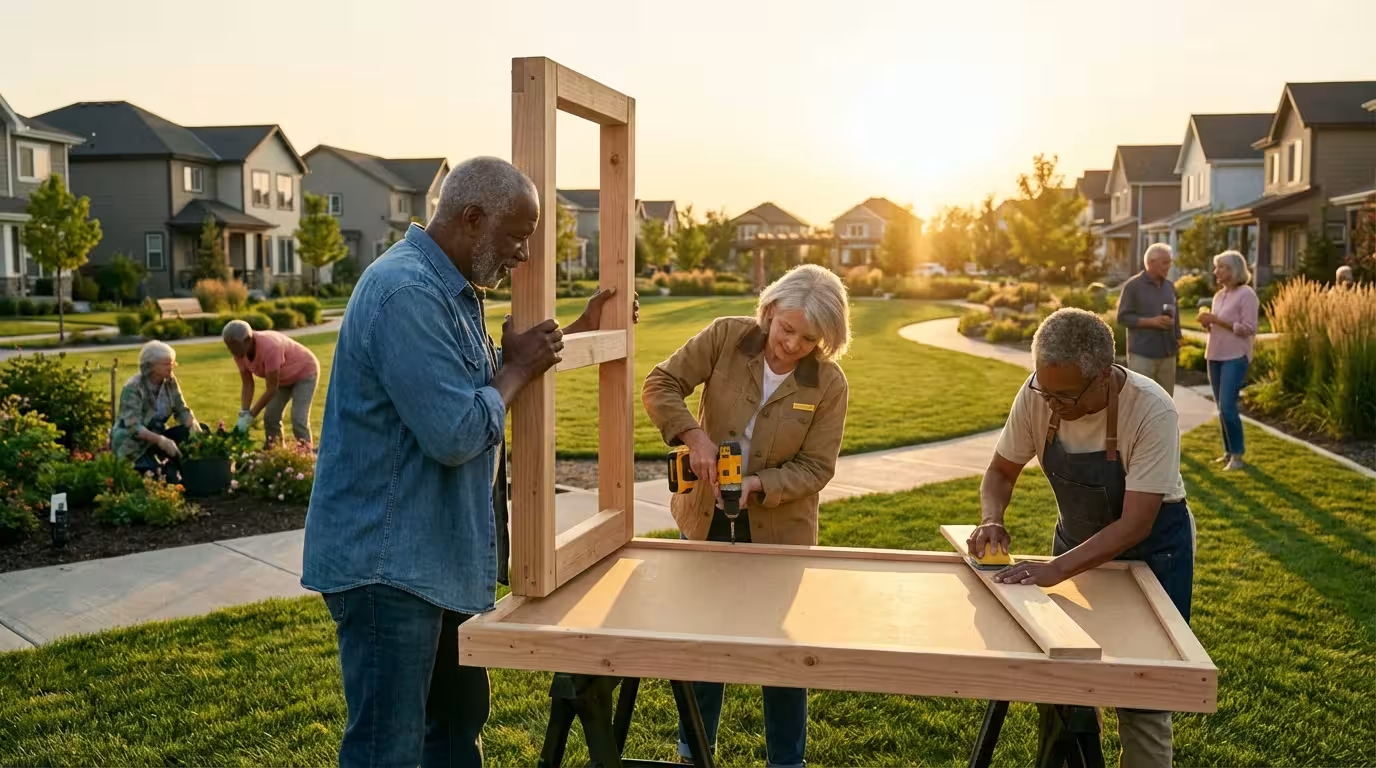
Our ability to influence community decisions extends far beyond formal councils. Everyday interactions and active participation in various aspects of community life also make a significant impact. Here are actionable ways you can exert positive influence:
- Participate in Surveys and Feedback Sessions: Our community regularly solicits resident feedback. Take these opportunities seriously. Your honest, constructive input helps management understand what works and what needs improvement. Bill, of course, fills these out with meticulous detail, but I make sure to add my two cents about the things I care about, like the pool hours or the community garden.
- Start a New Club or Group: If you see a gap in social programming, take the initiative. Whether it is a book club, a hiking group, a board game night, or a volunteer corps, resident-led clubs enrich community life and demonstrate areas of interest to management. My little watercolor group started exactly this way!
- Volunteer for Community Events: Help organize or staff events. Your active participation shows commitment and helps identify areas where resident involvement can enhance community offerings. This also helps you connect with other active residents. I often bake extra goodies for our potlucks and holiday gatherings.
- Communicate Respectfully with Management: When you have a concern or an idea, present it clearly and constructively. A well-reasoned argument, perhaps backed by the experiences of a few neighbors, carries more weight than an emotional complaint.
- Mentor New Residents: Welcome newcomers and help them integrate. A strong, welcoming culture, often fostered by residents, significantly impacts a community’s overall atmosphere and encourages new residents to become involved. I always try to strike up a conversation with new faces I see at the pool or at the clubhouse.
- Advocate for Specific Improvements: If you notice a need, such as better lighting in a certain area or an enhancement to a common space, gather support from neighbors. Present a collective request to management. This collective voice demonstrates significant resident interest.
Sites like 55places.com often highlight communities known for strong resident engagement, providing insights into various activity levels and how residents contribute to community vibrancy. This resource can help you visualize the possibilities of an actively involved community.
Evaluating Resident Engagement During Your Search
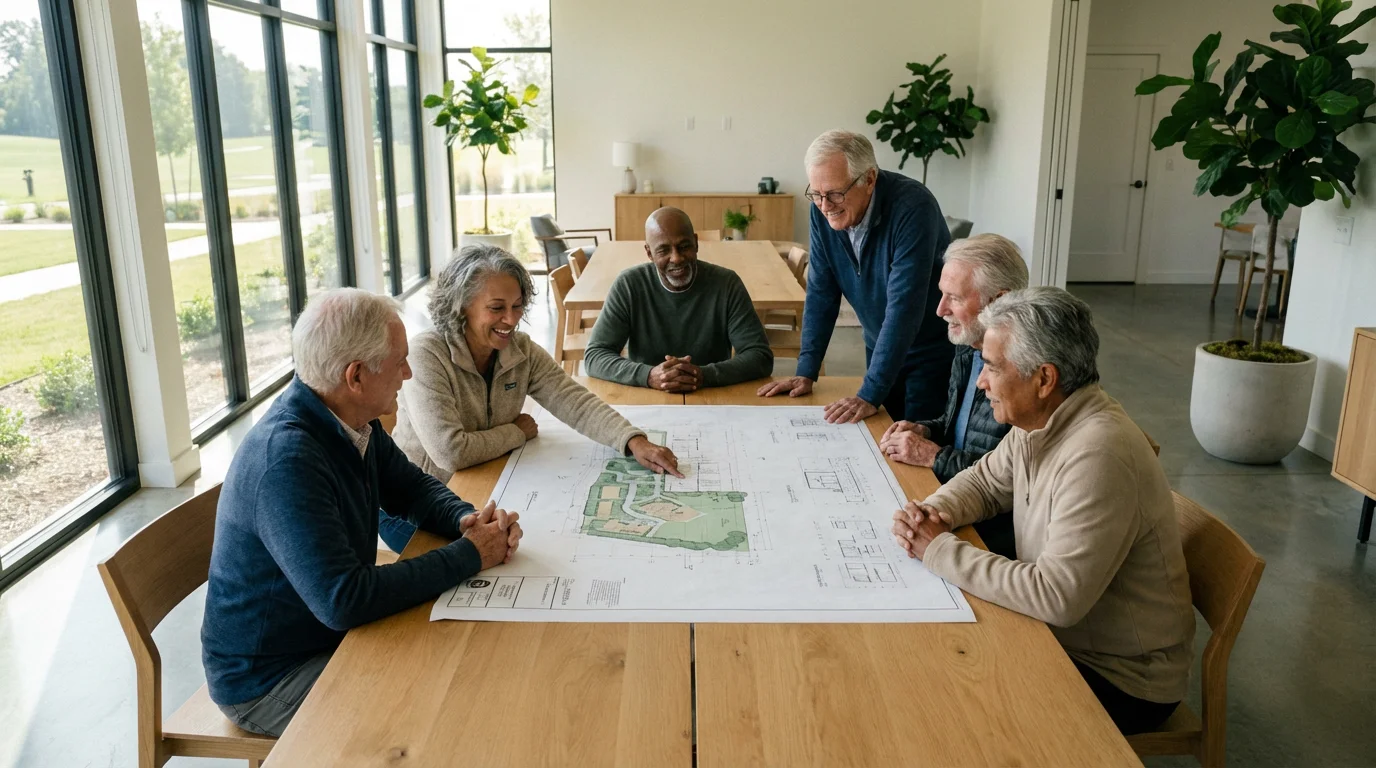
When you explore potential 55+ communities, consciously evaluate their commitment to resident-led initiatives. This assessment helps you determine if a community’s culture aligns with your desire for active participation and influence.
A community that values resident input often boasts happier, more engaged residents. Bill had his spreadsheets for all the practical details, but I really focused on the “feel” of a place – did the residents seem happy? Did they talk to each other?
Ask specific questions and observe the community dynamics:
- Inquire about Resident Councils or Associations: Does the community have a formal resident council or association? How frequently do they meet? What specific decisions or initiatives have come from resident input in the last year?
- Ask About Communication Channels: How does management communicate with residents, and how do residents communicate with management? Are there suggestion boxes, town halls, or regular feedback sessions?
- Observe Bulletin Boards and Activity Calendars: Are there numerous resident-initiated clubs, groups, or events? Do you see signs of residents actively organizing and promoting activities, or does everything appear centrally planned? This was a big one for me when we visited Hawthorn Ridge – I saw so many flyers for resident-led groups, and it made me feel like there was a place for me.
- Speak with Current Residents: This is perhaps the most valuable step. Ask residents directly about their experience with community governance and how they feel about their ability to influence decisions. Ask if they feel heard by management. I spent a lot of time just chatting with people by the pool or in the clubhouse when we were looking.
- Review Community Documents: If available, review the community’s governing documents, such as HOA bylaws or resident handbooks. These documents can outline formal processes for resident involvement and decision-making. (Bill did most of this part, bless his heart.)
- Look for Volunteer Opportunities: Are there clear avenues for residents to volunteer their time and talents, whether for events, committees, or community improvement projects?
- Assess Management’s Openness: Does community management seem genuinely open to resident suggestions and feedback? Do they actively seek resident input on new policies or proposed changes?
Your careful evaluation during this phase ensures you select a community where your voice truly matters, and your desire for senior leadership can flourish.

Fostering a Culture of Independence and Contribution
Building a community where residents feel empowered to lead requires more than just formal structures; it demands a supportive culture. This culture encourages independence, respects diverse opinions, and celebrates contributions from everyone, whether they are introverts who prefer quieter forms of participation or extroverts who thrive in leadership roles. I’ve really seen this come alive here in Hawthorn Ridge.
Even though I was so resistant to moving from our house in Columbus, the warmth and welcoming spirit of the community here made all the difference in helping me adjust.
Community management plays a crucial role in cultivating this environment. They can facilitate resident initiative by providing resources, offering guidance, and actively seeking resident perspectives.
For instance, management might offer meeting spaces, help promote resident-led events, or provide training for residents interested in leading a new club. When management actively supports residents, it fosters a cooperative spirit where everyone feels valued.
Residents also contribute significantly to this culture. By being open to new ideas, welcoming diverse participation, and practicing respectful communication, we all help create an inclusive environment.
Whether you are leading a large committee, quietly maintaining a community garden (I still miss my big garden in Ohio, but our community garden plot helps!), or simply participating in a regular social group, your involvement strengthens the overall fabric of the community.
This collaborative approach ensures the community remains dynamic, responsive, and truly feels like home for all its members.
Frequently Asked Questions
What is a resident council?
A resident council is a formal group of elected or appointed residents who serve as a representative voice for the entire community. They typically meet regularly with community management to discuss concerns, propose new ideas, and provide feedback on various aspects of community life.
Their primary role involves advocating for resident interests and fostering collaboration between residents and administration. It’s how we make sure our voices are heard, and I’ve seen them do wonderful things here in Hawthorn Ridge!
How can residents influence community decisions?
We can influence decisions through various channels. Formal methods include participating in resident councils, voting in HOA elections, or attending town hall meetings.
Informal methods involve volunteering for committees, starting new clubs (like my watercolor group!), providing direct feedback to management, and engaging in respectful dialogue with community leaders.
Active, constructive participation in any form significantly contributes to shaping the community’s direction. Every little bit truly helps.
What is the role of resident associations in 55+ communities?
Resident associations play a vital role in enhancing community life by empowering us residents, fostering social connections, and acting as a liaison between us and community management.
They often organize social events, advocate for resident needs, help establish community rules, and manage common resources. These associations ensure that our perspectives are considered in the decision-making processes, promoting a strong sense of ownership and community spirit. It’s how we make our community truly ours.
Do I have to be an extrovert to get involved in community leadership?
Oh, absolutely not! Community leadership and involvement welcome all personality types. I’m the one who talks to strangers at the pool, but I have friends who contribute in quieter, but equally important, ways.
Introverts often bring valuable strengths such as thoughtful analysis, attentive listening, and thorough preparation, which are critical for effective governance and problem-solving.
You can contribute in many ways, from researching topics for a committee (Bill’s specialty!), managing behind-the-scenes tasks for an event, or participating in online forums, to taking on more public roles. Your unique skills and preferences find a place in a supportive community.
What if my community does not have a formal resident-led initiative structure?
If your community lacks a formal structure like a resident council, you can be instrumental in initiating one. Start by informally discussing the idea with neighbors to gauge interest and identify common needs.
Gather a core group of interested residents and present a proposal to community management outlining the benefits of creating such a body. Emphasize how a resident-led group improves communication and resident satisfaction.
Many communities welcome such initiatives as they foster a stronger sense of belonging. It just takes someone to start the conversation!
Disclaimer: This article is for informational purposes only. Community living options, amenities, and cultures vary significantly. We encourage readers to visit communities in person, speak with current residents, and evaluate whether a community fits their unique needs and preferences.





Leave a Reply