
Making the move to a 55+ community represents an exciting chapter, and believe me, I know a thing or two about big moves! When Bill first started talking about leaving our 2,400 sq ft colonial on Elmwood Drive in Columbus, all I could think about was the garden I’d miss and the familiar faces.
But one of the quiet considerations, even when I was resisting so much, was whether I’d truly feel safe and settled in a brand-new place. You want to feel confident in your new environment, knowing that measures are in place to protect you and your home.
Understanding the layers of protection and support within these communities provides significant peace of mind, and I can tell you from experience, it truly does.
Here at Hawthorn Ridge, and in communities like ours, they really do design everything to foster both independence and security. We’ve seen firsthand how they incorporate a range of features, from physical barriers to proactive community programs, all working together to create a secure setting.
This article explores the various ways these communities prioritize your safety, from advanced security systems to robust emergency preparedness and the powerful role of community connection.
You’ll discover how you can actively participate in maintaining a safe and welcoming living space, and maybe even make some wonderful “Florida family” along the way, just like I did.
Understanding Safety in 55+ Communities: A Holistic View
When we lived on Elmwood Drive, safety meant knowing our neighbors, keeping the doors locked, and trusting the Columbus police department. It was a familiar, comfortable kind of safety.
But moving to Hawthorn Ridge, I realized safety in a 55+ community is something a little different, and in some ways, even more comforting. It extends beyond just locking doors or installing cameras.
It encompasses a comprehensive approach that prioritizes physical security, emergency readiness, and the well-being of every resident. This holistic view recognizes that a truly safe environment fosters a sense of belonging and support among neighbors, which, for me, was a huge part of finally feeling at home.
Here at Hawthorn Ridge, they designed our layouts and services with an understanding of our unique needs. This means accessible design, well-lit pathways, and services that minimize the need for external travel.
They strive to create a self-contained, supportive ecosystem where residents feel protected and cared for. I remember Bill, with his civil engineer brain, pointing out all the thoughtful design elements during our tours, which, even though I was focused on the “feelings” of it all, did start to make me feel a heightened sense of security.
It was knowing multiple layers of protection existed, even if I wasn’t ready to admit how much I needed them yet.
The emphasis shifts from reactive measures to proactive prevention. This includes regular maintenance of common areas, adherence to safety standards, and continuous evaluation of security protocols.
You find that communities actively seek to improve their safety measures based on feedback and evolving best practices, which is something I really appreciate now that I’m settled in.
Comprehensive Security Systems and Technologies
Bill, being the practical half of our duo, was absolutely thrilled with all the advanced security systems when we were looking at communities. He had a whole column for “Security Features” on his comparison matrix!
These technologies provide a robust framework that safeguards residents and their property. They create controlled environments while still promoting freedom and accessibility. Knowing these systems are in place offers considerable reassurance, even for a “feelings person” like me.
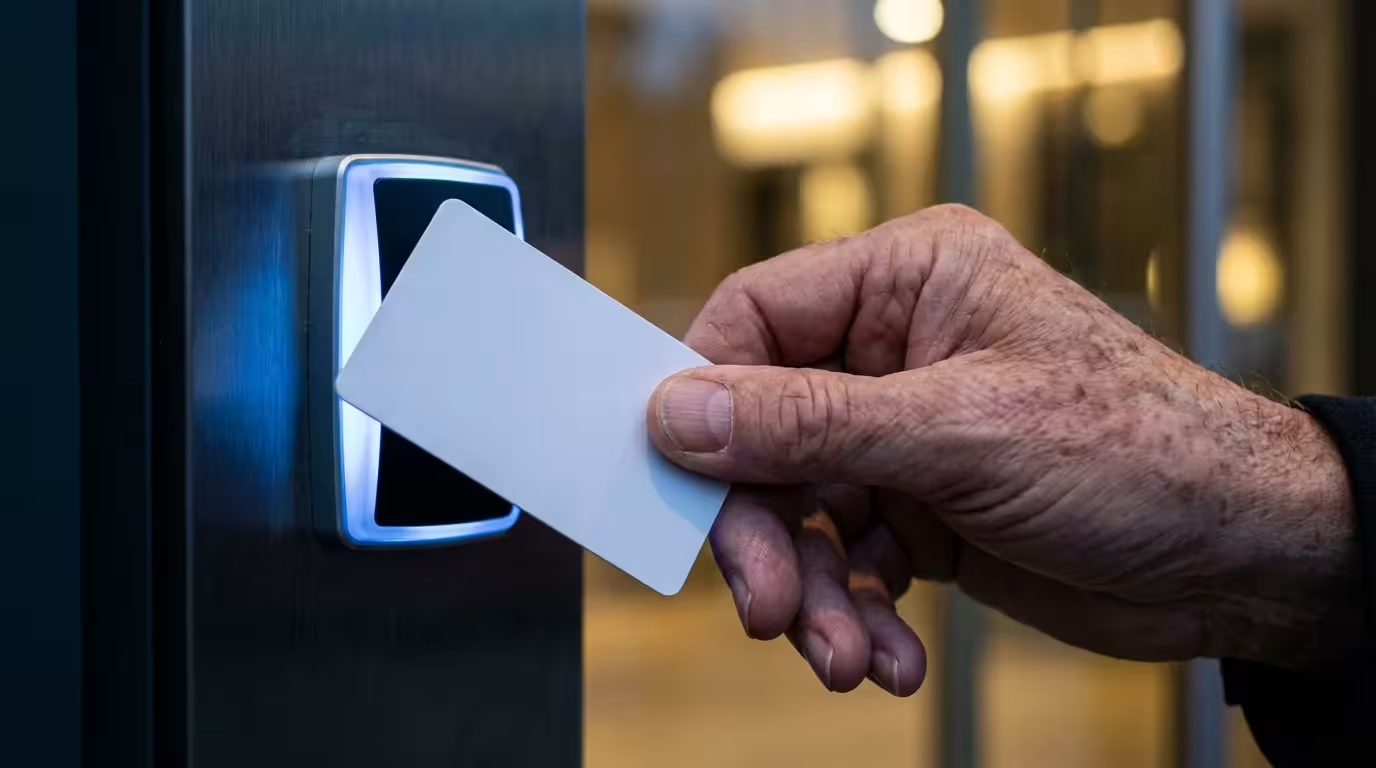
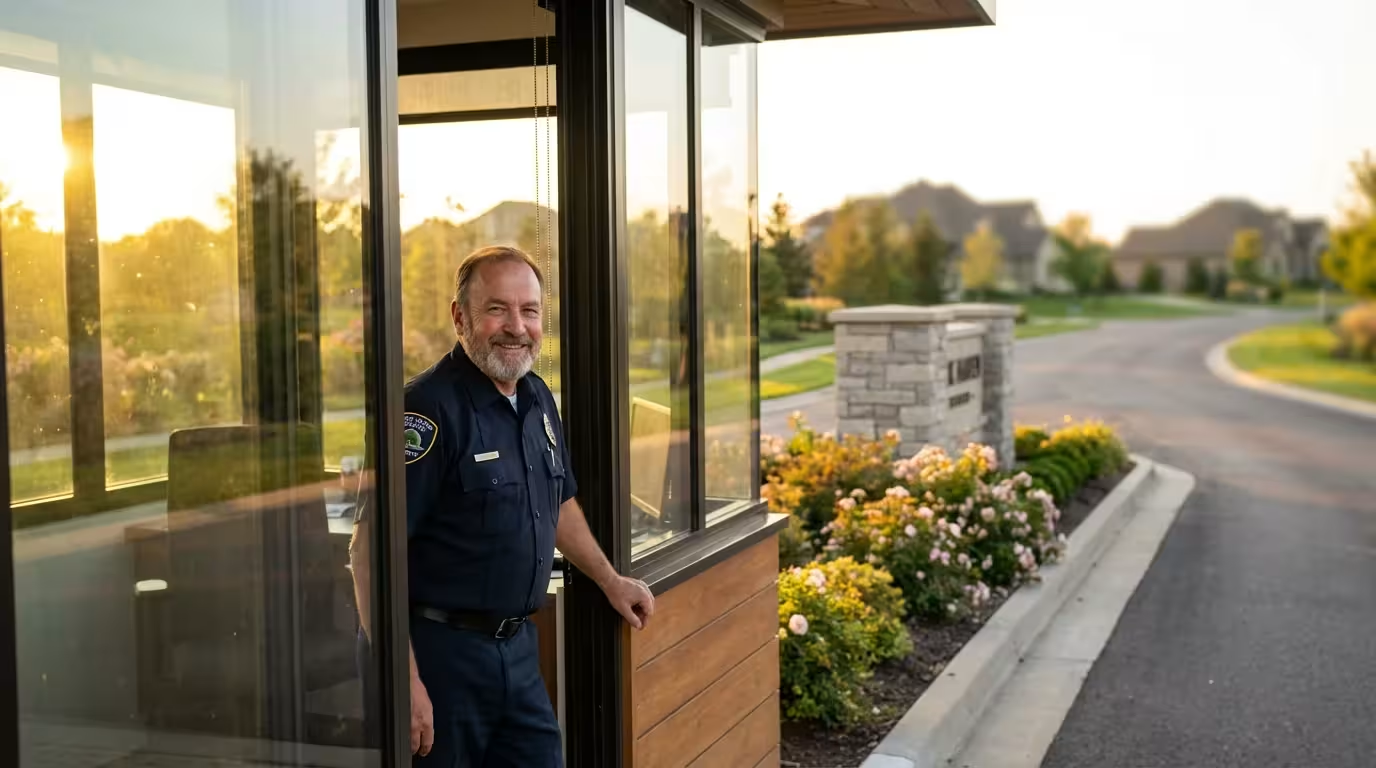
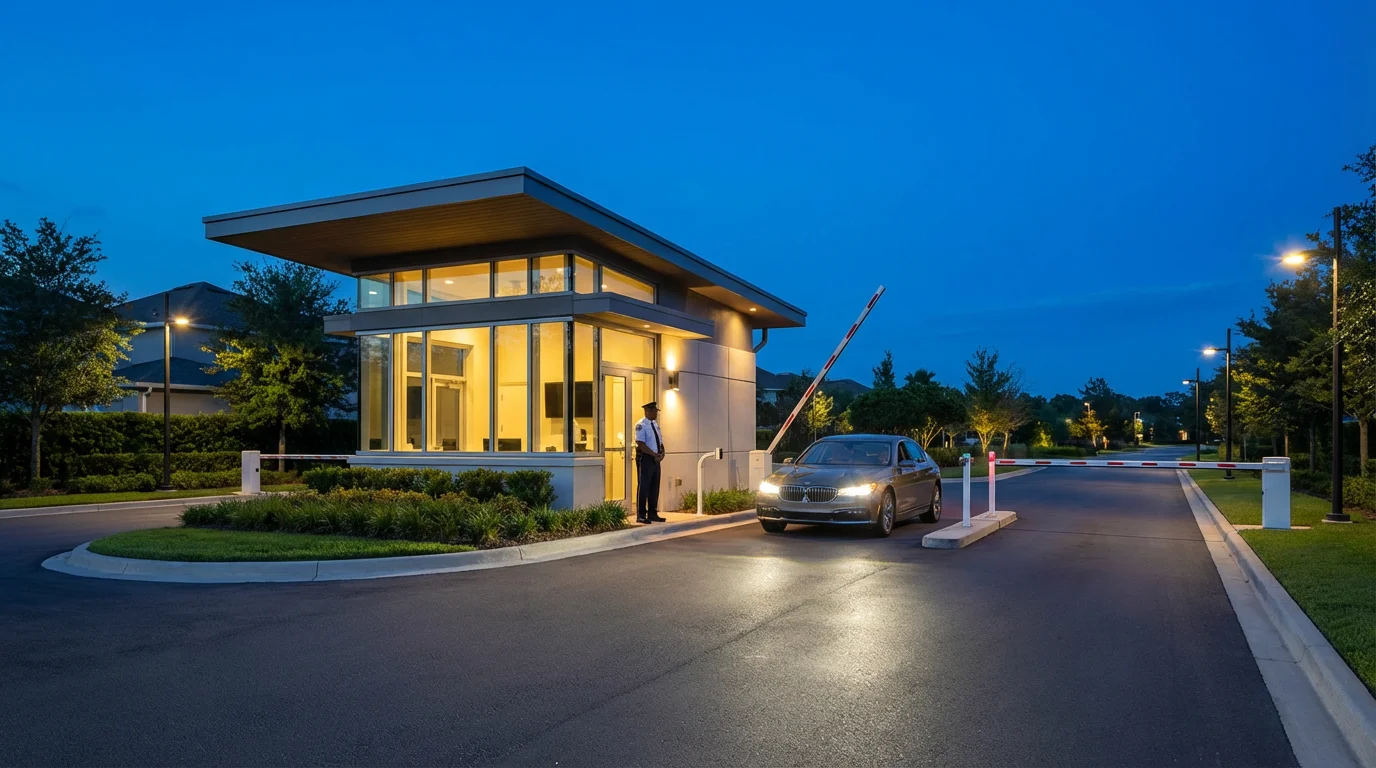
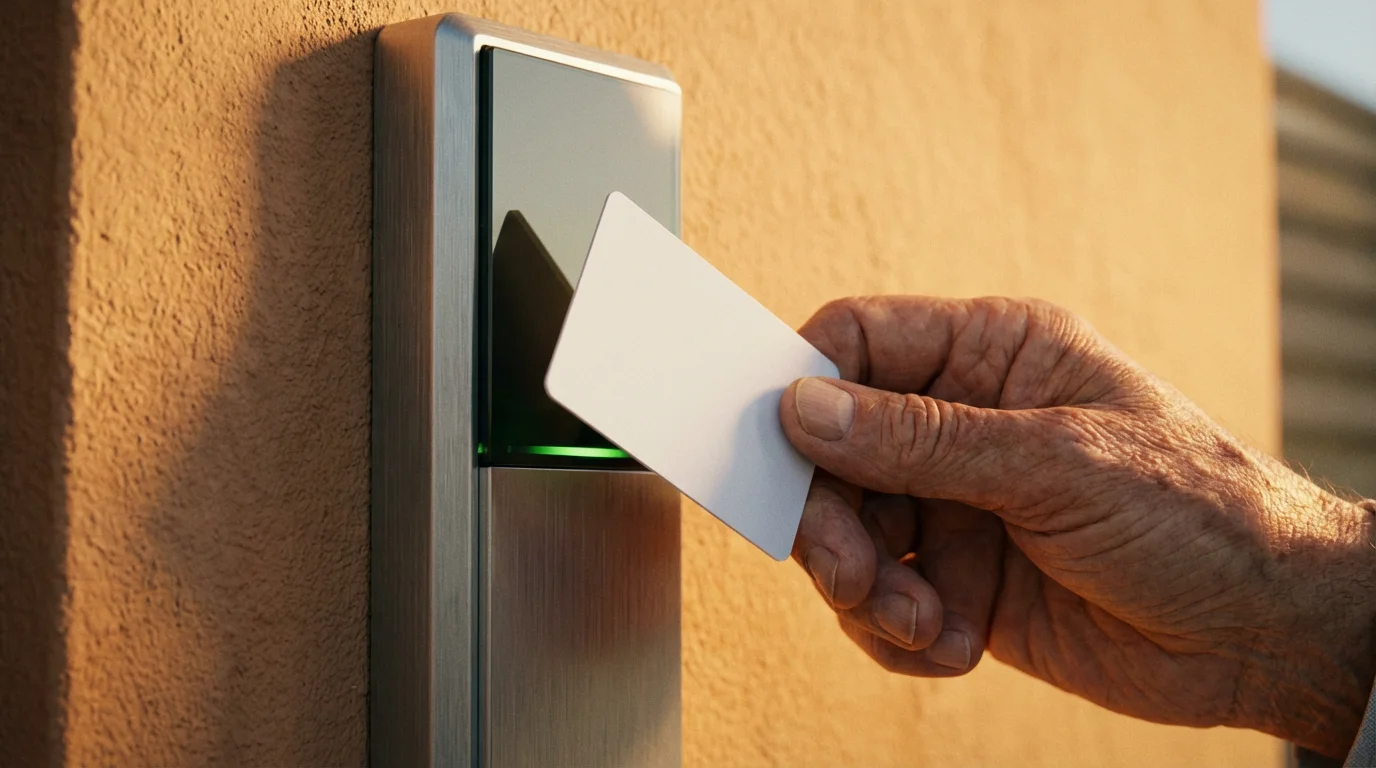
Many communities, like ours, feature gated entrances with controlled access. This often involves key card entry, security codes, or a staffed guardhouse, ensuring that only authorized individuals enter the premises.
I remember the first time I used my key card to let Karen and the grandkids in; it felt very official! We use a digital system to grant visitors access, which adds another layer of control, and it’s surprisingly easy to manage from my phone.
Surveillance cameras, or CCTV systems, monitor common areas, entry points, and often perimeter fencing. Security personnel regularly monitor these feeds, deterring unauthorized activity and providing crucial evidence if an incident occurs.
This visibility significantly enhances overall community safety, and I’ve certainly noticed how well-maintained and observed everything is here.
On-site security personnel, whether patrolling guards or dedicated staff at entry points, provide a visible deterrent and a rapid response capability. They handle initial inquiries, monitor activity, and act as a first line of defense.
Their presence offers immediate assistance and oversight, and I’ve always found our guards to be very friendly and helpful, not just stoic security types.
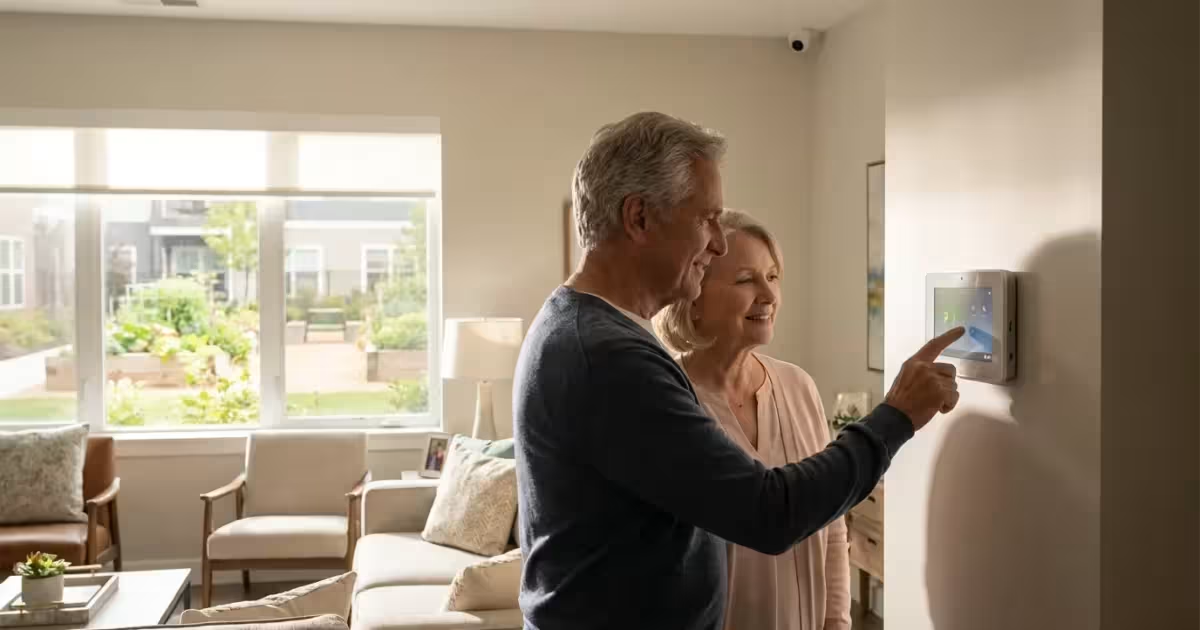
Many communities integrate smart home technologies into residences. These systems can include smart locks, video doorbells, and even environmental sensors that detect smoke or leaks. You gain control over your home’s security from your smartphone or a central panel.
Bill, of course, loves tinkering with all of our smart home gadgets!
Well-maintained landscaping and strategic lighting also play a critical role in security. Bright, even lighting throughout common areas, pathways, and parking lots eliminates potential hiding spots and improves visibility.
Professionally maintained landscaping removes overgrown bushes or trees that could conceal intruders. I confess, I sometimes miss my Columbus garden, but I do appreciate how tidy and bright all the common areas are here, especially when I’m out for an evening stroll.
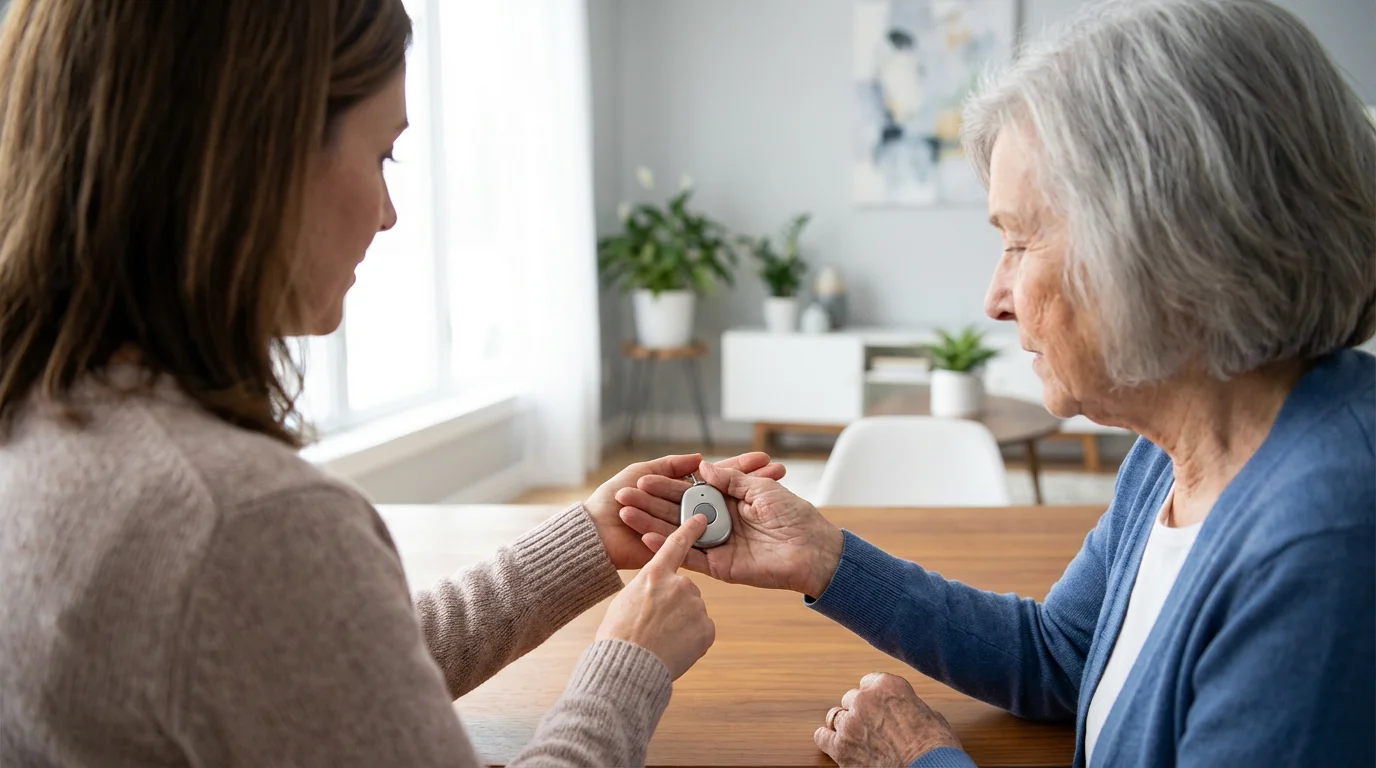
Personal alert systems often come as part of a community’s safety package, or you can easily integrate your own. These wearable devices allow you to summon immediate assistance in case of a fall or medical emergency, connecting directly to monitoring services or on-site staff.
They empower you with a direct lifeline, and while I hope I never need to use mine, it’s reassuring to know it’s there.
Consider these key security features when evaluating communities:
- Gated or Controlled Access: Look for communities with managed entry points, whether through a guardhouse, key cards, or digital entry systems.
- On-Site Security Staff: Inquire about security patrols, emergency response teams, and staff availability around the clock.
- Surveillance Systems: Ask about camera coverage in common areas, parking lots, and entry points.
- Lighting and Landscaping: Observe the quality of outdoor lighting and whether landscaping provides clear sightlines.
- Smart Home Integration: Determine if residences include or allow for smart locks, video doorbells, or other smart security features.
- Personal Alert Systems: Understand what options exist for emergency call buttons or wearable alert devices.
- Visitor Management: Learn how the community vets and tracks guests and service providers.
Emergency Preparedness and Response Protocols
Effective emergency preparedness forms a cornerstone of community safety. 55+ communities develop comprehensive plans to address various emergencies, ensuring residents receive timely assistance and information.
I remember Bill asking about every single protocol during our visits, and while I thought it was a bit much at the time, I’m so glad he did. You gain confidence knowing a clear protocol exists for unexpected situations, and it truly helps put your mind at ease.
For medical emergencies, many communities have trained staff members available or maintain direct lines to local emergency services. Some larger communities may even have nurses or paramedics on site during peak hours.
Response times often prove quicker due to the contained nature of the community. Our daughter, Karen, who lives in Cincinnati, was especially relieved to hear about these systems, knowing we’re not just out there on our own.
Communities develop robust plans for natural disasters common to their region, such as hurricanes, earthquakes, or severe storms. These plans include evacuation procedures, designated safe areas, communication strategies, and provisions for essential supplies.
We’ve had a few hurricane watches here in Florida, and the communication from Hawthorn Ridge was immediate and constant. We received clear instructions and support, which made a potentially scary situation feel much more manageable.
Fire safety remains a critical focus. Residences and common buildings typically feature modern sprinkler systems, smoke detectors, and carbon monoxide alarms. Communities conduct regular fire drills and educate residents on evacuation routes and meeting points.
They prioritize your immediate safety in case of fire, which is a comfort.
Clear and consistent communication becomes vital during any emergency. Communities use various channels to keep residents informed, including community-wide alert systems, email notifications, telephone trees, and dedicated emergency hotlines.
You always know how to get updates and assistance, which is so important when you’re feeling a bit vulnerable.
Ask these questions about emergency preparedness during your community tours:
- What is the protocol for medical emergencies within the community?
- How does the community handle natural disasters, including evacuation plans and shelter provisions?
- What fire safety systems are in place, and how often do they conduct drills?
- How does the community communicate with residents during an emergency?
- Are there designated meeting points or safe zones within the community?
- What support is available for residents with mobility challenges during an evacuation?
- Do they provide emergency contact information forms for all residents?
The Role of Community Engagement in Personal Safety
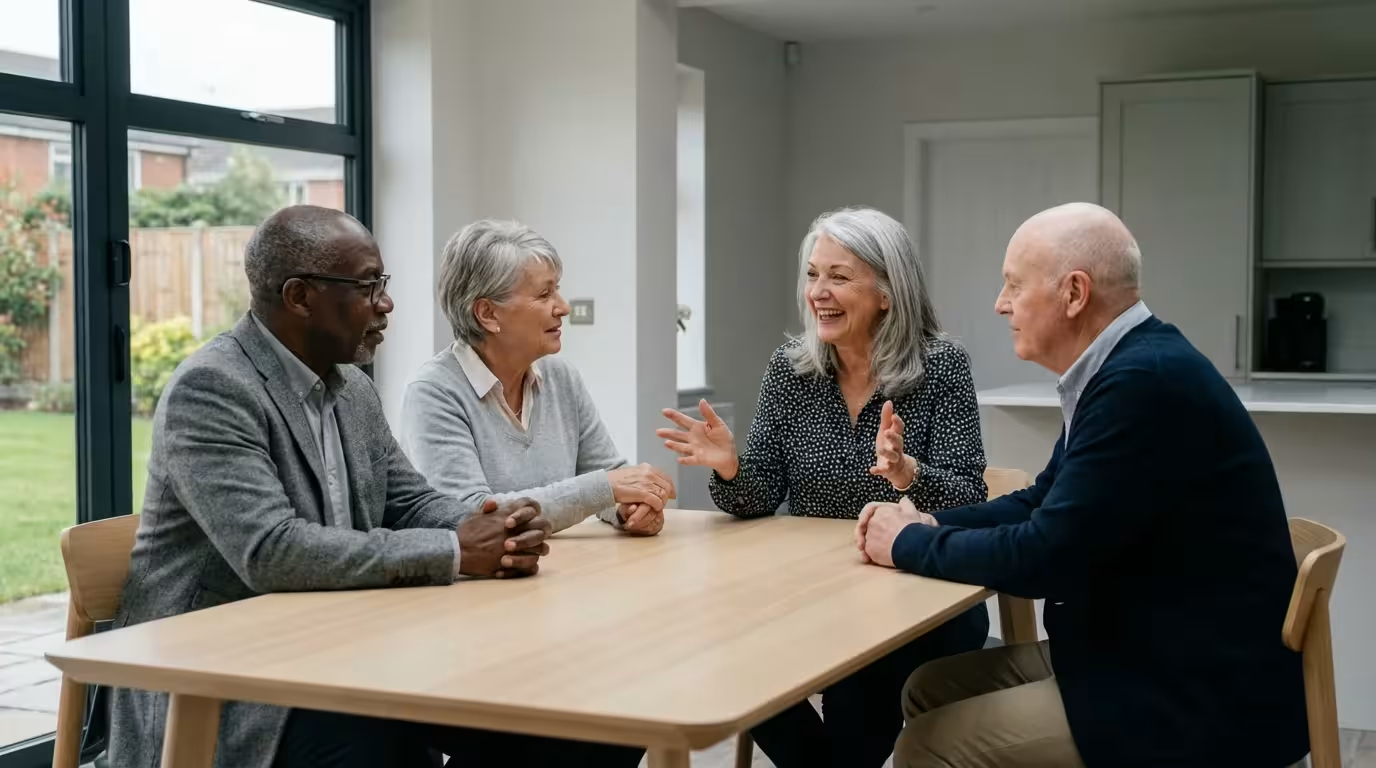
This is where I truly shine! Beyond physical security systems, the strength of a 55+ community lies in its connections. Engaged residents naturally create a safer environment.
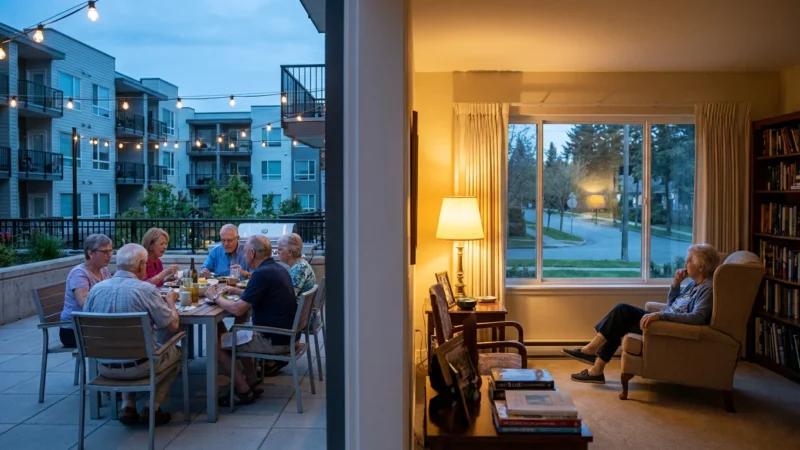
When people know and care for their neighbors, they look out for each other, forming an invaluable network of support. This human element significantly bolsters overall community safety, and it’s something I absolutely adore about living here. My “Florida family” – Carol, Joan, and Margaret – we watch out for each other, and it means the world.
Neighbors watching out for each other creates a powerful deterrent against crime. If you see something unusual, you feel comfortable reaching out to a neighbor or community staff. This collective vigilance makes it more difficult for unauthorized individuals to operate unnoticed. It’s a different feeling than just waving to Mr. Johnson across the street on Elmwood Drive; here, we really *know* each other.
Many communities establish formal or informal “Community Watch” programs. Residents volunteer to keep an eye on their immediate surroundings, report suspicious activity, and communicate with community management. This proactive involvement empowers residents to contribute directly to their safety.
Buddy systems or check-in programs often emerge organically or through organized initiatives. My friend Carol and I have an informal one; if one of us doesn’t show up for our usual coffee and chat, the other is checking in.
Neighbors agree to check on each other periodically, especially if someone lives alone or has health concerns. This simple act provides a crucial safety net, ensuring no one goes unnoticed if they need help.
Reduced social isolation directly correlates with better health outcomes and increased personal safety. When you engage with others, you remain more aware of your surroundings and have a support system to turn to.
Research from the National Institute on Aging highlights the health risks associated with social isolation, emphasizing the protective role of strong community bonds. Connecting with peers means having more eyes and ears looking out for everyone.
When I first moved, I felt a little lost, but making those connections truly made me feel safe and at home, more than any gate ever could.
This timeless wisdom holds particular relevance in 55+ communities, where shared experiences and mutual respect foster a strong sense of collective responsibility. It’s truly a beautiful thing to witness and be a part of.
Resident Involvement: Your Voice in Community Safety
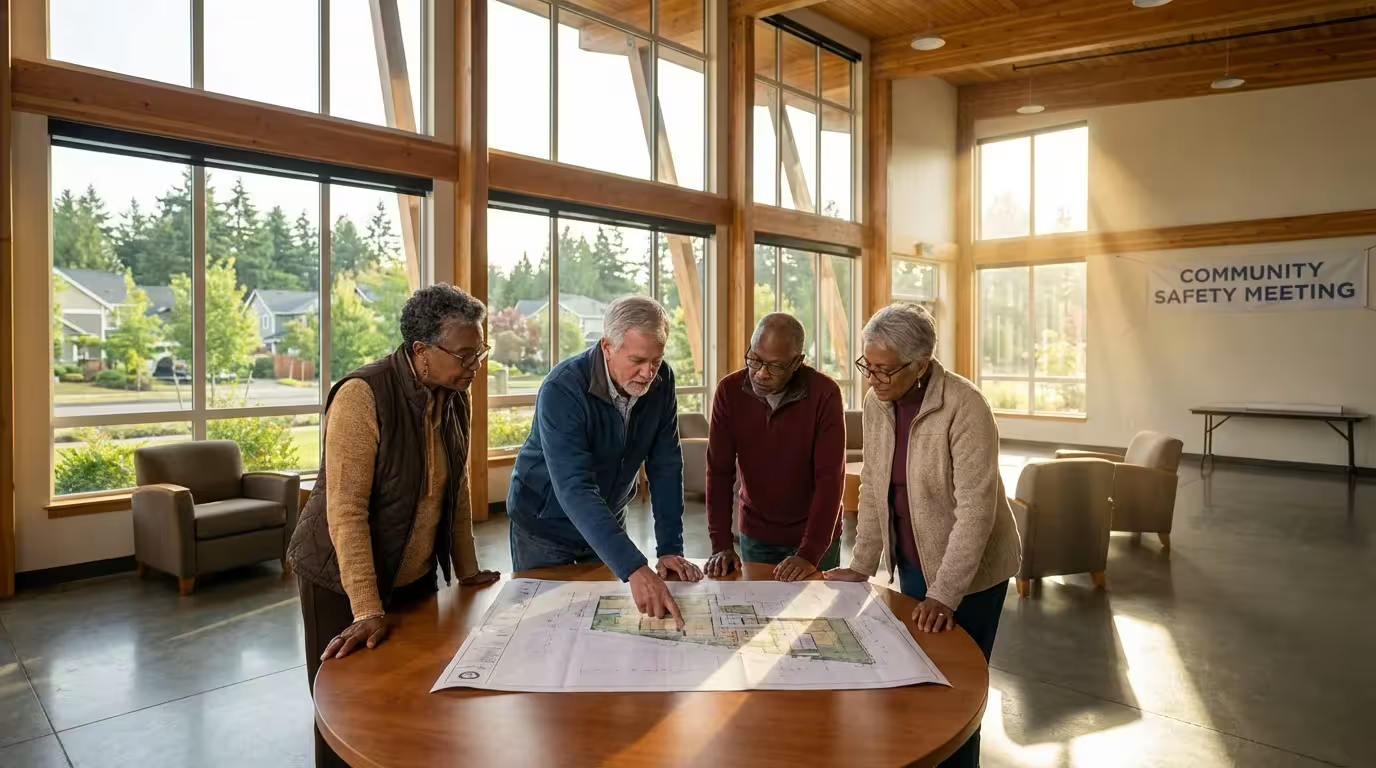
Your active participation strengthens the safety fabric of any 55+ community. Residents often play a crucial role in shaping safety policies, identifying areas for improvement, and fostering a secure living environment.
Your voice truly matters in creating a safer community. Bill, of course, loves to get involved in committees, and I’ve found that even just talking to people at the pool can lead to good ideas for improvements.
Many communities feature resident associations or dedicated safety committees. These groups provide a formal platform for residents to discuss concerns, propose solutions, and collaborate with management on security initiatives.
Joining such a group allows you to directly impact community safety. I know Bill has certainly been a part of discussions about things like traffic flow and lighting, and I’ve seen the management really listen.
Communities value resident feedback as a vital tool for continuous improvement. Suggestion boxes, regular resident surveys, and open forums give you opportunities to share observations and recommendations.
Management often uses this input to refine policies and address emerging issues. I once suggested they add more benches along the walking paths, and within a few months, there they were! It feels good to know your input is valued.
Volunteering for community events or programs also indirectly enhances safety. More eyes and ears around the community, especially during social gatherings, contribute to overall vigilance.
Active participation builds stronger bonds, further reinforcing the community’s natural defense against isolation and potential risks. When I’m baking for the Sunday morning coffee hour, I’m not just making treats; I’m helping build those connections that make us all feel safer.
Consider these ways you can contribute to community safety:
- Join the Resident Association or Safety Committee: Actively participate in discussions and decisions regarding community security and emergency preparedness.
- Report Suspicious Activity: Always alert community security or management about anything that seems out of place or concerning.
- Participate in Community Watch Programs: Volunteer to keep an eye on your immediate neighborhood and report observations.
- Engage in Buddy Systems: Form agreements with neighbors to check in on each other, especially if one lives alone or has health challenges.
- Provide Feedback: Use surveys, meetings, or direct communication channels to offer constructive suggestions for safety improvements.
- Be a Welcoming Neighbor: Introduce yourself to new residents. A strong network of friendly faces creates a more secure environment for everyone.
Evaluating a Community’s Safety Culture During Your Search
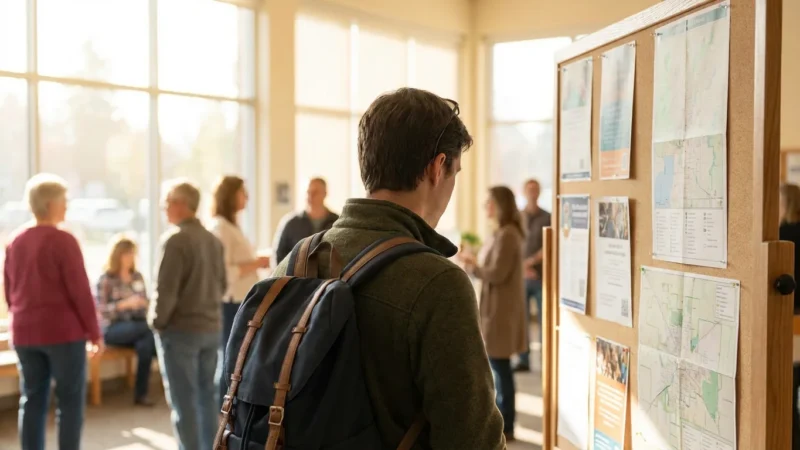
When Bill and I were visiting potential 55+ communities, he was busy with his spreadsheets and checking off boxes, but I was focused on the “feel” of the place. I observed more than just the amenities and floor plans.
I paid close attention to the overall safety culture and how residents interacted with their environment. Your careful evaluation helps you find a community where you truly feel secure, not just one that looks good on paper.
During community tours, look for visible signs of security, such as working gates, good lighting, and well-maintained common areas. Ask specific questions about security protocols, emergency response times, and staff training.
You should feel comfortable with the answers you receive. I always tried to chat with people at the pool or in the clubhouse – they tell you the real story!
Make an effort to speak with current residents, if possible. They offer invaluable firsthand perspectives on how safe they feel, how responsive management is to security concerns, and the effectiveness of existing measures.
Sites like 55places.com provide resident reviews and community insights, which can offer a helpful starting point, but nothing beats an honest conversation with someone who lives there.
Review community handbooks or policy documents that outline security procedures, visitor policies, and emergency plans. Understanding these formal guidelines gives you a clear picture of their commitment to safety. You want transparency in their approach, and Bill certainly appreciated having all that documentation.
While communities themselves generally boast low internal crime rates due to controlled access, you might research local crime statistics for the surrounding area. This gives you a broader context for the community’s location.
Focus on the internal measures and community vigilance, which often mitigate external risks. Bill did this for every community we looked at – his “NASA mission” level of detail, as I call it!
Pay attention to the general atmosphere. Do residents seem relaxed and trusting? Are common areas well-utilized and supervised? A vibrant, active community often signals a strong sense of collective security.
You are looking for a place where a relaxed atmosphere coexists with robust security, and that’s exactly what we found here at Hawthorn Ridge.

Beyond Physical Security: Emotional Well-being and Support
True safety encompasses not only physical protection but also emotional well-being and a strong support network. When we first moved, even with all the gates and cameras, I felt a little lost without my familiar routine and my friends back in Columbus.
It took me a full year to admit I was wrong to resist the move, and a big part of that change was realizing how much Hawthorn Ridge nurtures both body and mind. 55+ communities recognize the link between social connection, mental health, and overall security. They strive to create environments that nurture both body and mind.
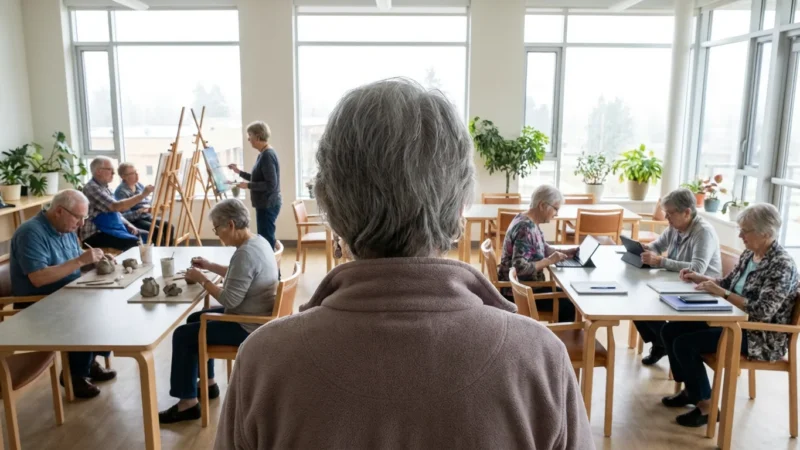
Communities often offer a range of wellness programs that contribute to both physical and mental health. These might include fitness classes, meditation groups, educational seminars on healthy aging, and access to mental health resources.
Such programs promote resilience and reduce stress. I’ve even taken up watercolor painting here, and while I’m not very good at it, I don’t care! It’s a wonderful way to relax and meet new people.
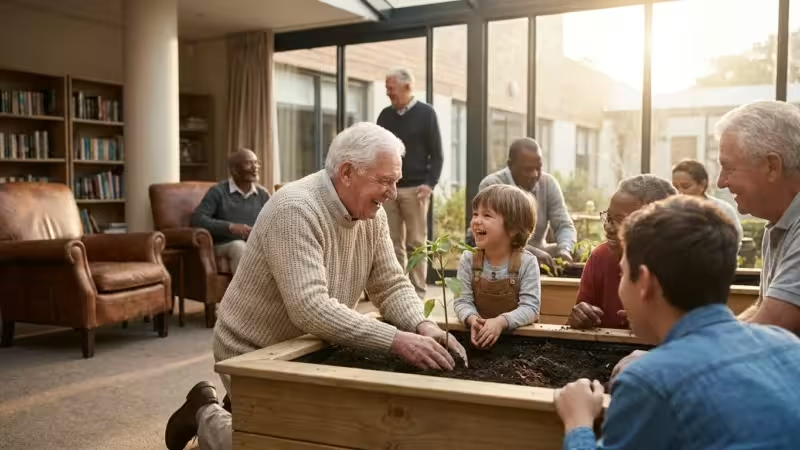
Social activities and programming play a significant role in combating loneliness and fostering a sense of belonging. Clubs, interest groups, community events, and shared meals create opportunities for residents to connect and build friendships.
These connections form an emotional safety net. My “Florida family” of Carol, Joan, and Margaret, and all the friends I’ve made baking on Sunday mornings, are just as important to my feeling of safety as any lock on the door.
While social engagement offers many benefits, communities also respect individual needs for privacy and independence. They provide opportunities for connection without pressuring residents into constant social interaction.
You have the freedom to engage as much or as little as you desire. Your personal comfort level always comes first, which is something I really value.
Consider these examples of wellness and social support programs:
- Fitness Classes: Yoga, water aerobics, balance training, and walking clubs to promote physical health.
- Mindfulness and Meditation Groups: Sessions focused on stress reduction and mental clarity.
- Health Screenings and Workshops: Educational events on topics like nutrition, managing chronic conditions, and fall prevention.
- Support Groups: Opportunities to connect with others facing similar life transitions or health challenges.
- Social Clubs: Book clubs, card games, arts and crafts groups, gardening clubs, and travel groups.
- Intergenerational Programs: Activities that connect residents with younger generations, fostering a sense of purpose and combating ageism.
A strong social fabric helps residents identify if a neighbor seems isolated or unwell, allowing for timely outreach and support. This collective care enhances the emotional security of the entire community, and it’s a beautiful thing to be a part of.
Addressing Specific Concerns: Pets, Visitors, and Transportation
Practical concerns regarding daily life also impact your sense of safety and convenience within a community. 55+ communities address these aspects through clear policies and dedicated services. Understanding these details helps you settle in comfortably.
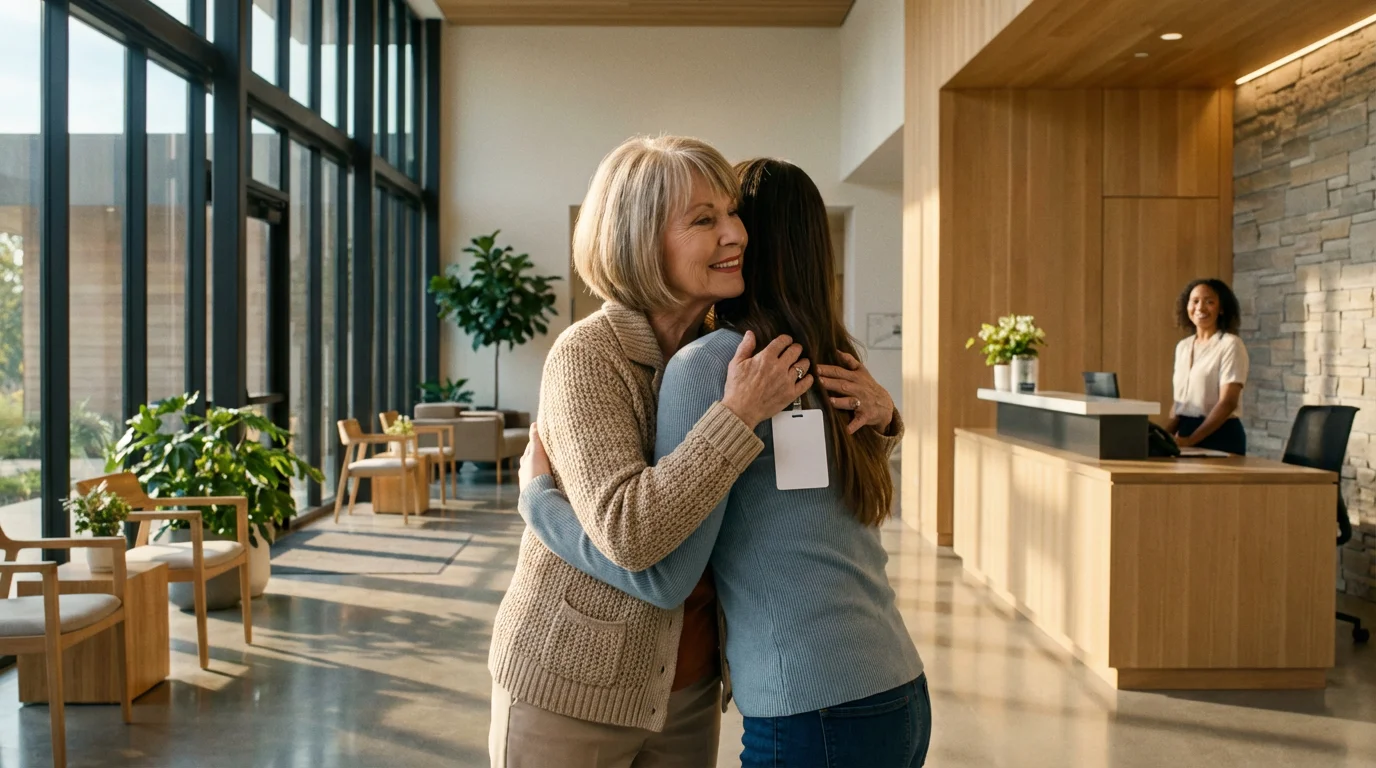
For us, knowing our children, Karen, Michael, and Susan, and especially our grandchildren, Lily and Noah, could visit easily was a huge factor. Bill even added a “Grandkid Visitability” column to his spreadsheet!
Visitor policies outline how guests access the community and how long they can stay. These policies balance resident hospitality with security needs, ensuring only authorized individuals are present. You learn how to register guests and what rules they need to follow.
It’s very simple to get a pass for Karen and the kids when they come down, and it gives me peace of mind knowing everyone who comes in is accounted for.
Pet policies vary widely but generally prioritize the safety and comfort of all residents. They often include rules regarding leash use, designated pet relief areas, waste disposal, and noise control.
Some communities even offer pet services like dog walking or grooming. Always clarify a community’s specific pet rules if you plan to bring a furry friend.
Many communities provide internal transportation services, such as shuttle buses, for residents to access amenities or local shopping centers. They also ensure secure, well-lit parking for personal vehicles.
Safe and accessible transportation options enhance your independence and security. Bill uses his golf cart to get to pickleball every morning, and I love that our community offers a shuttle for trips to the grocery store or doctor’s appointments, so I don’t always have to drive.
Transitioning Safely: Resources for New Residents
Moving to a new community marks a significant life change, and boy, did I feel that! The first three months here in Hawthorn Ridge were definitely an adjustment for me. I missed my garden in Columbus, and I cried when we sold the house.
But communities often provide resources and support to help new residents transition smoothly and safely. They truly want you to feel at home from day one, and I’m so glad I stuck with it.
New resident orientations introduce you to community staff, amenities, services, and safety protocols. These sessions answer common questions and help you navigate your new surroundings.
You gain valuable information about emergency procedures and security contacts. I remember feeling overwhelmed at first, but going to those orientations really helped me get my bearings.
Connecting with community management from the outset establishes a clear line of communication. They can assist with any initial concerns, explain community rules, and guide you to relevant resources.
Do not hesitate to reach out for support as you settle in. I called the front desk more times than I care to admit in those first few months, and they were always so patient and helpful.
Organizations like AARP offer extensive resources for seniors considering community living and managing life transitions. Their Livable Communities initiative provides valuable insights into what makes a community supportive and safe.
Utilizing these external resources, alongside internal community support, ensures a smoother adjustment. By month six, I was the one telling friends in Ohio they should do it too, and by year two, Bill and I both agreed it was the best decision of our retirement.
Frequently Asked Questions
How do 55+ communities handle guest access?
From our experience here at Hawthorn Ridge, communities typically employ controlled access systems. For us, that means a guardhouse and key card entry, along with a digital visitor management system.
Bill and I usually pre-register our guests, like when Karen and the grandkids come to visit. They then receive temporary access credentials or follow a specified check-in procedure. It ensures authorized entry while maintaining security for all of us residents, which is very reassuring.
Here’s Bill’s checklist that might help you!
What happens if I have a medical emergency in my home?
Most 55+ communities encourage residents to use personal emergency alert systems, which are often provided or recommended by the community. I have one, and it connects directly to a monitoring service or on-site staff, who can dispatch help immediately.
Communities also have protocols for contacting local emergency services and designated staff to assist until paramedics arrive. It’s a huge comfort, especially for my children, knowing that help is always just a button away.
Are these communities vulnerable to natural disasters?
Since we’re in Florida, we certainly think about hurricanes! Communities located in areas prone to natural disasters implement comprehensive emergency preparedness plans. These plans include early warning systems, evacuation routes, designated shelters, and communication strategies to keep us residents informed.
They often conduct drills and educate residents on how to prepare and respond safely during such events, focusing on prevention and rapid response. We’ve been through a few scares, and the communication from Hawthorn Ridge has always been excellent, keeping us calm and informed.
Can I customize my home security system in a 55+ community?
Many communities, including ours, allow residents to install additional personal security features, such as smart doorbells or internal cameras, within their private residences.
Bill loves adding new gadgets! However, any modifications to the exterior or systems affecting common infrastructure usually require community management approval. We always check Hawthorn Ridge’s specific policies regarding home modifications and external security installations, just to be sure.
How do communities ensure residents feel secure, not just *are* secure?
This is really the heart of it for me. Beyond physical security, communities foster a sense of belonging and vigilance. They encourage social activities, neighbor-to-neighbor connections (my “Florida family” is proof of this!), and resident involvement in safety committees.
Regular communication from management regarding security updates and open channels for feedback help build trust and confidence. This combination of robust systems and a strong community spirit creates an environment where Bill and I, and all our neighbors, feel genuinely safe and supported. It’s truly wonderful.
Disclaimer: This article is for informational purposes only. Community living options, amenities, and cultures vary significantly. We encourage readers to visit communities in person, speak with current residents, and evaluate whether a community fits their unique needs and preferences.





Leave a Reply